Guide to Aphids Vs Alternatives in 2026 (Pro Tips & Tricks)
If you're keeping dart frogs, thumbnail geckos, or tiny mantids, the debate of aphids vs alternatives comes up fast. Aphids look perfect on paper, small, soft, easy to culture on a windowsill plant. But in practice, they crash without warning, can't be dusted, and rarely make it past the first few weeks without frustration.
Most keepers quickly pivot to fruit flies, springtails, or bean beetles once they realize the hidden maintenance costs.
As of 2026, the reptile and amphibian hobby has circled back to more reliable microfauna after years of aphid experimentation. Culture stability, nutritional density, and harvesting ease now matter more than novelty. Here's how each option stacks up when you actually run the numbers.
Quick Answer
Aphids work for ultra-tiny froglets and mantis nymphs but require living host plants and crash often. Fruit flies and springtails are easier to keep stable, can be dusted with calcium, and scale better. Bean beetles offer higher protein but need slightly larger mouths.
Springtails double as cleanup crew. For most keepers, flightless Drosophila hydei or tropical springtails beat aphids on reliability and nutrition.
Why Small Feeder Insect Choice Actually Matters
When your animal's mouth is 2mm wide, your feeder options collapse fast. A pinhead cricket is still too big. Standard mealworms are laughable.
You're left hunting for soft-bodied, slow-moving prey that won't injure delicate throats or escape through mesh.
Size alone doesn't tell the full story. A feeder that's technically small enough can still fail if it's too fast, too hard-shelled, or nutritionally empty. Thumbnail dart frogs (Ranitomeya species) and day gecko hatchlings need prey they can catch and digest without stress.
The practical ceiling is around 1 to 4mm for true micro feeders. That range includes aphids, melanogaster fruit flies, springtails, and young bean beetles. Each sits in a different sweet spot for calcium, fat, and gut-loading capacity.
Feeder choice also dictates your weekly workload. Some cultures run themselves for months. Others need daily plant care, frequent splits, or constant temperature tweaking.
If you're breeding rare amphibians, feeder failure can cascade into froglet starvation in 48 hours.
What Aphids Are (and Why Keepers Consider Them)
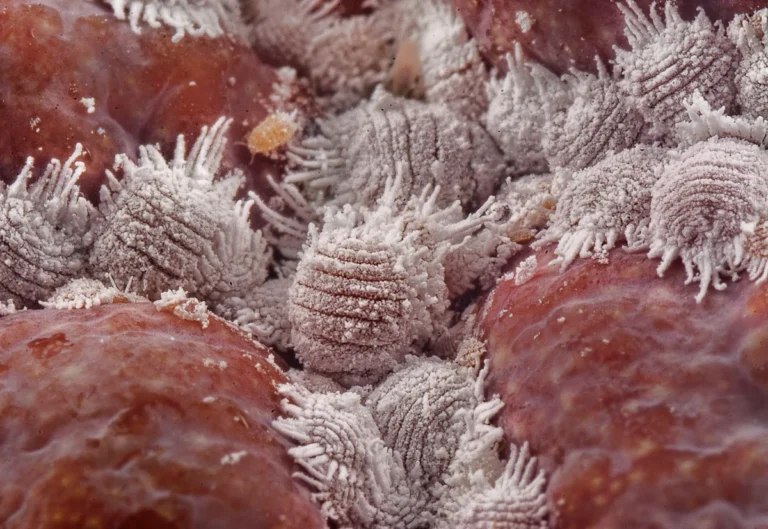
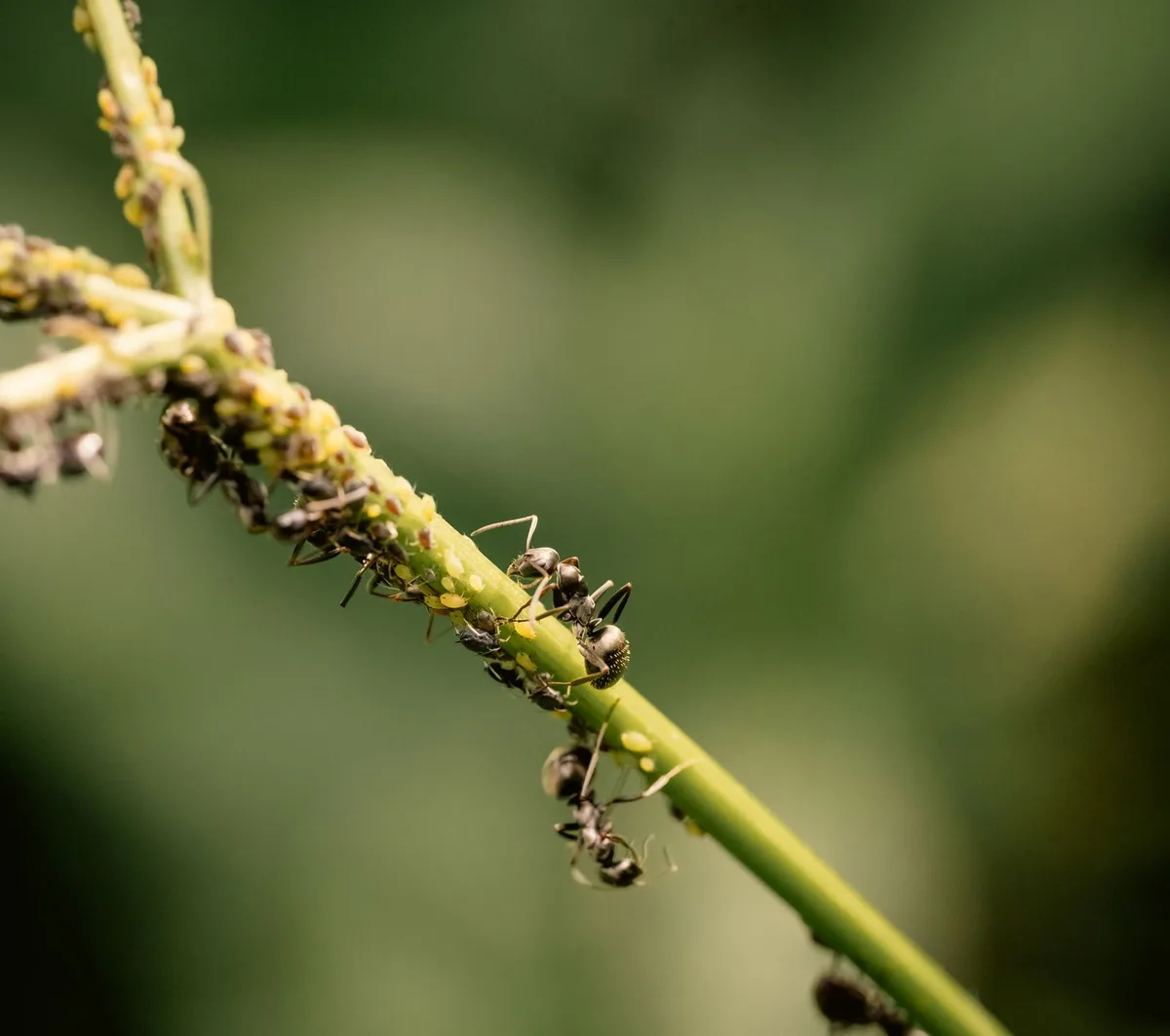
Aphids belong to the family Aphididae, small, soft-bodied insects that reproduce through parthenogenesis, meaning females birth live young without mating. Under stable conditions, a single aphid can spawn five to ten nymphs per week. Colony density builds fast on the right host plant.
Most keepers use pea aphids (Acyrthosiphon pisum) or oleander aphids (Aphis nerii). Both stay wingless in captivity if conditions don't stress them. Body size ranges from 1 to 3mm, making them small enough for thumbnail frog morphs and early-instar mantids.
The appeal is obvious. You grow them on a living fava bean or nasturtium plant in a clear container. No substrate, no heat mat, no pellet food.
Harvest by tapping the plant over a cup or using a soft brush. It feels low-tech and elegant.
But aphids come with friction. They require pesticide-free host plants, which means starting from seed or buying organic starts. Any residual systemic insecticide will kill your feeders and poison your animals.
Cross-contamination from garden soil or neighboring plants is a real risk.
Temperature and humidity swings crash colonies overnight. A warm day above 80°F can trigger winged morphs, which then die stuck to container walls. Too dry, and reproduction stalls.
Too wet, and fungus spreads through the plant roots.
Nutritional data is sparse, but available studies show aphids run 60 to 65% protein and 10 to 15% fat on a dry-weight basis. Calcium hovers around 0.2 to 0.4%, well below the 1:1 or 2:1 calcium-to-phosphorus ratio most herps need. You can't dust aphids, they're too delicate and wet.
Gut-loading works only if you fertilize the host plant with calcium-rich amendments days in advance.
The Real Alternatives: What Else Works for Tiny Mouths
Fruit Flies (Drosophila melanogaster and hydei)
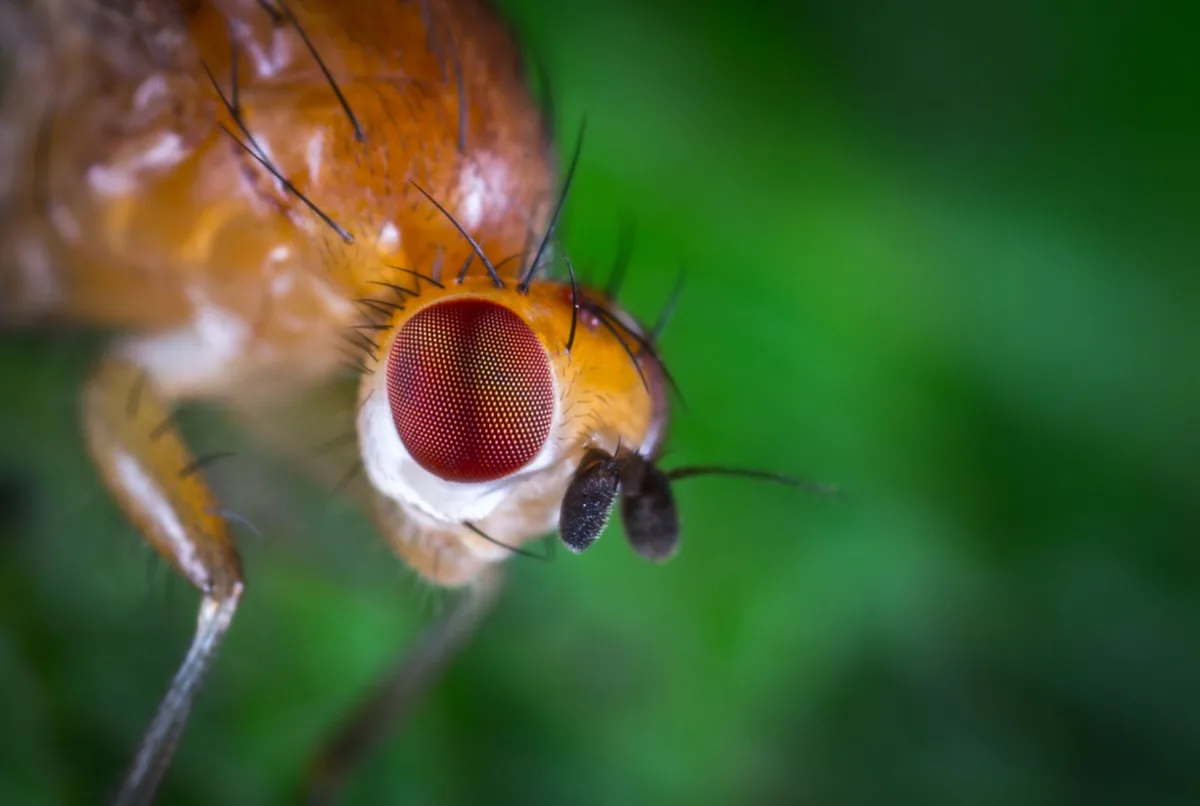
Flightless fruit flies are the industry standard for dartfrog keepers. Drosophila melanogaster (melanos) measure about 1 to 2mm and suit the smallest mouths. Drosophila hydei (hydei) run 2 to 3mm and pack more nutrition per bug.
Both species are wingless mutants that can't fly even if they escape. Cultures ship as 32-ounce deli cups filled with media (potato flakes, brewer's yeast, sugar) and cost $5 to $8 each. A single culture produces flies for two to three weeks before crashing.
You don't need plants or fresh greens. Set the cup on a shelf at room temperature and wait seven to ten days for the first hatch. Tap flies into a dusting cup, coat with calcium and vitamin powder, and pour into your enclosure.
Fruit flies are easy to gut-load. Add a tablespoon of bee pollen or spirulina powder to the media when you start a new culture. The larvae absorb it, and the adults carry that nutrition when they hatch.
Downsides: they smell faintly sweet and yeasty, and mite infestations can wipe out a culture if you don't keep lids clean. Some keepers find melanogaster too small for anything bigger than thumbnails. Hydei work for most juvenile frogs and small chameleons, bridging the gap until pinhead crickets fit.
Springtails (Collembola)
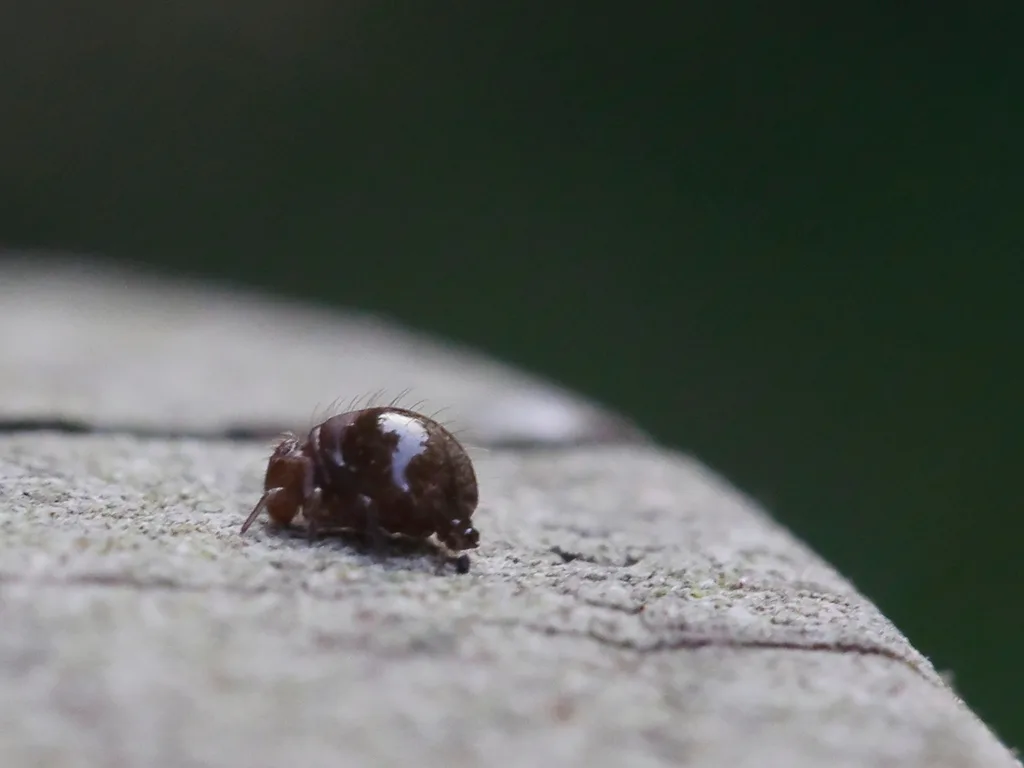
Springtails are hexapods (not true insects) that live in soil, leaf litter, and moist substrates. Temperate species like Folsomia candida stay around 1 to 2mm. Tropical species (Collembola sp.
"tropical") reach 3mm and are more visible in terrariums.
They're sold as cleanup crew for bioactive enclosures, but they double as a live feeder. Dart frogs and small geckos hunt them actively. Because springtails live in the substrate, they're always available, your animal grazes them 24/7.
Culture setup is dead simple. Fill a shallow tub with charcoal chunks or coco coir, mist until damp, add a pinch of brewer's yeast or fish flakes weekly, and seed with a starter culture. Springtails reproduce slowly but crash rarely.
A single culture can run for a year with minimal maintenance.
Nutritionally, springtails sit around 50% protein and 15% fat. Calcium content is low, but because they live in substrate amended with crushed cuttlebone or calcium powder, they continuously ingest it. That makes them one of the few self-gut-loading feeders.
The trade-off is harvesting. You can't tap them into a cup like flies. Instead, you flood the culture container and scoop floating springtails with a spoon, or you let your animal hunt them directly in the enclosure.
For display tanks, that's ideal. For clinical feeding or medical treatment, it's frustrating.
Bean Beetles and Rice Flour Beetles
Bean beetles (Callosobruchus maculatus) and rice flour beetles (Tribolium species) are grain pests repurposed as feeders. Adults measure 2 to 4mm, and larvae are even smaller. Both species are flightless or poor fliers, easy to contain, and reproduce on dry media.
Bean beetles live on dried black-eyed peas or mung beans. You place a few tablespoons of dried beans in a jar, add adult beetles, and wait three to four weeks. New adults chew out of the beans and the cycle repeats.
No misting, no plants, no odor.
Rice flour beetles culture in wheat bran or whole-grain flour mixed with brewer's yeast. They're slower to establish but produce high volumes once the population peaks. Both species tolerate room temperature and low humidity, making them resilient across climates.
Protein content runs 55 to 60%, fat around 10%. Calcium is poor unless you mix powdered cuttlebone into the grain media. Beetles are harder-bodied than aphids or flies, so they suit slightly older juveniles rather than true hatchlings.
Harvesting is the weak point. You sift beetles from the grain using a fine mesh or funnel, which takes patience. They're also less active than flies, so picky eaters may ignore them.
Pinhead Crickets and Micro Roaches
Pinhead crickets (Acheta domesticus or Gryllus species) are newly hatched crickets, roughly 2mm at day one. They're protein-dense, active, and widely available from commercial breeders. But they grow fast, within a week, they outgrow most micro-feeder niches.
You'll need to order fresh pinheads weekly or start your own cricket breeding colony, which brings noise, odor, and die-off. Pinheads also carry a small risk of nipping soft amphibian skin if left uneaten overnight.
Micro roaches like Pycnoscelus surinamensis (Surinam roach) nymphs work similarly. First instars are 2 to 3mm, soft, and less likely to bite. But roach breeding takes months to scale, and many jurisdictions restrict live roach shipments.
Compared to microfauna cleanup crew options like springtails, roaches add more risk for marginal gain.
Side-by-Side: Aphids vs Top Alternatives
| Feeder | Size (mm) | Culture Difficulty | Crash Risk | Dusting Possible? | Gut-Load Ease | Typical Cost |
|---|---|---|---|---|---|---|
| Aphids | 1–3 | Moderate (plants) | High | No | Hard | $10–25 starter colony |
| Melanogaster fruit flies | 1–2 | Easy | Moderate | Yes | Easy | $5–8 per culture |
| Hydei fruit flies | 2–3 | Easy | Moderate | Yes | Easy | $6–8 per culture |
| Springtails | 1–3 | Very easy | Very low | No (self-loading) | Continuous | $8–15 starter culture |
| Bean beetles | 2–4 | Easy | Low | Difficult | Moderate | $10–15 starter culture |
| Pinhead crickets | 2–4 | Hard (breeding) | Moderate | Yes | Easy | $0.01–0.02 per cricket |
Aphids lose on two fronts: crash risk and calcium delivery. Even experienced keepers report 50% or higher colony-failure rates within the first month. A single day of poor ventilation or a mite introduction can collapse weeks of growth.
Fruit flies win on versatility. You can dust them heavily, gut-load the larvae, and harvest hundreds per culture without plant care. Hydei specifically bridge the gap between true microfauna and pinhead crickets, covering most juvenile frogs and small lizards.
Springtails shine in bioactive setups where continuous low-level feeding matters more than scheduled meals. They won't replace your primary feeder, but they provide constant snacking and reduce the pressure on your main culture pipeline.
Bean beetles and rice flour beetles appeal to keepers who want something shelf-stable and low-maintenance but don't mind slower reproduction. They're a backup feeder, not a primary.
Nutritional Breakdown: What Your Animal Actually Gets
Protein and fat percentages only matter if your animal can digest and absorb them. Soft-bodied feeders like aphids and fruit flies break down faster in the gut than beetles or crickets. For tiny animals with short digestive tracts, that's critical.
Calcium-to-phosphorus ratio drives bone health. Most feeder insects sit at 1:3 to 1:10 calcium-to-phosphorus without supplementation. Frogs and lizards need 1:1 or 2:1 to avoid metabolic bone disease.
That gap is why dusting or gut-loading isn't optional, it's the entire reason your animal survives past six months.
Aphids can't be dusted. Their bodies are too moist and fragile. Powder slides off or clumps.
The only path to calcium delivery is amending the host plant soil with oyster shell or feeding the plant liquid calcium fertilizer days before harvest. Even then, transfer efficiency is uncertain.
Fruit flies dust beautifully. Tap them into a cup with RepCal or Miner-All, swirl for five seconds, and you've coated hundreds of flies. Gut-loading works even better, add bee pollen, spirulina, or ground cuttlebone to the culture media, and the larvae absorb it during development.
Springtails self-load if you mix calcium powder or crushed cuttlebone into their substrate. Because they continuously graze, they ingest small amounts daily. Studies on captive dart frogs show that animals fed exclusively on springtails from calcium-amended cultures maintain healthy bone density, though growth rates lag behind fly-fed cohorts.
Bean beetles and rice flour beetles are harder to supplement. You can mix calcium into the grain media, but uptake is inconsistent. Dusting works if you chill the beetles first to slow them down, but powder adhesion is poor.
Fat content matters for breeding females and growing juveniles. Fruit flies run 10 to 20% fat depending on the media recipe. Aphids sit around 10 to 15%.
Springtails are leaner, closer to 10%. For animals that need extra energy, gravid females, post-hibernation adults, higher-fat feeders like waxworms or roach nymphs eventually become necessary, but those are too large for the micro-feeder niche.
Culture Difficulty and Time Investment
Setting Up Aphid Cultures (Host Plants, Space, Maintenance)
Aphid cultures start with pesticide-free seeds or organic seedlings. Fava beans, nasturtiums, and milkweed are common hosts. You'll need a clear container with ventilation, potting soil, and consistent light.
A sunny windowsill works if temperatures stay between 65 and 75°F.
Plant the seeds and wait two weeks for shoots to reach 4 to 6 inches. Introduce your starter colony once the plant has several leaves. Within another week, you'll see nymphs clustering on new growth if conditions are right.
Daily tasks include misting the soil, checking for mold, and watching for winged morphs. If temperatures spike or humidity drops, aphids trigger their escape response and grow wings. Once that happens, the culture is toast.
You'll also need to rotate plants every two to three weeks because aphids drain sap and weaken growth.
Total weekly time investment runs 30 to 60 minutes once established. That's higher than any other micro feeder except breeding crickets. If you travel or forget to water, the plant dies and the colony crashes.
Setting Up Fruit Fly Cultures
Fruit fly cultures need no plants, no misting, and no daily care. You buy a prepared culture or mix your own media using potato flakes, sugar, brewer's yeast, and agar or cornmeal. Pour the media into a 32-ounce deli cup, add a coffee filter for climbing surface, and seed with 20 to 30 adult flies.
Seal the lid with a foam plug or fine mesh to allow gas exchange. Set the cup at room temperature, ideally 70 to 75°F. Larvae appear within two days.
Adults start hatching around day seven for melanogaster, day ten for hydei.
Maintenance is zero until the culture starts to smell sour or produces fewer flies, usually after two to three weeks. At that point, you seed a fresh cup with adults from the old one and toss the spent culture. Weekly time investment is under ten minutes if you run a simple two-culture rotation.
Mite infestations are the only real failure mode. Mites hitchhike on dirty lids or overripe fruit. They eat the media and outcompete fly larvae.
Keep lids clean, avoid cross-contamination, and never reuse cups.
Setting Up Springtail Culture
Springtail cultures thrive in a shallow plastic tub filled with activated charcoal chunks, coco coir, or sphagnum moss. Dampen the substrate with dechlorinated water until it's moist but not waterlogged. Add a starter culture of a few hundred springtails and a pinch of brewer's yeast or fish flakes.
Cover the tub with a vented lid and keep it at room temperature. Springtails reproduce slowly but steadily. You won't see explosive growth, but the population doubles every few weeks without intervention.
Feed once a week by sprinkling a small amount of yeast or crushed fish food on the surface. Mist lightly if the substrate dries out. That's the entire workload.
Springtail cultures can run for a year or more without crashing, making them the lowest-maintenance option in the micro-feeder category.
Harvesting is the only awkward part. Flood the container with a thin layer of water, wait a few minutes for springtails to float, then scoop them with a spoon. You can also place a chunk of moist sphagnum in the enclosure and let springtails colonize it naturally.
Which Culture Crashes Least Often
Springtails win by a mile. Aggregate breeder feedback across forums and herpetology groups shows springtail culture-failure rates under 10% in the first six months. Fruit flies sit around 20 to 30%, mostly due to mites or temperature spikes.
Aphids crash 50% or more within the first month.
Bean beetles and rice flour beetles fall somewhere in the middle, around 15 to 25% failure. Most crashes happen when grain media gets too humid and molds. Once you dial in the moisture level, beetle cultures run reliably for months.
Cricket breeding has the highest failure and labor cost. Cannibalism, die-off, noise, and odor make it impractical for most small-scale keepers. Unless you're running a commercial operation, crickets aren't worth the effort when microfauna covers the same niche.
Cost Comparison: Startup and Ongoing Expenses
Aphid startup costs run $10 to $25 for a clean colony if you can find one, plus $5 to $15 for organic seeds or seedlings. Add another $10 for a clear container and potting soil. Total upfront is $25 to $50.
Ongoing costs include replacement plants every few weeks, which adds $5 to $10 monthly if you're buying starts instead of growing from seed.
Fruit fly cultures cost $5 to $8 each, and you'll need at least two to maintain a rotation. Media ingredients (potato flakes, yeast, sugar) cost $10 to $15 for a six-month supply if you mix your own. Total startup is under $30, and ongoing monthly cost is around $10 if you buy cultures or $2 if you make your own.
Springtails run $8 to $15 for a starter culture. Charcoal or coco coir costs $5 to $10, and a shallow tub is another $3. Total startup is $15 to $30.
Ongoing monthly cost is under $2 for yeast or fish flakes. Springtails are the cheapest long-term option because one culture can be split and expanded indefinitely.
Bean beetles and rice flour beetles cost $10 to $15 for a starter culture. Dried beans or wheat bran run $5 to $10 for a year's supply. Startup is $15 to $25, ongoing monthly cost is under $1.
These are the most cost-efficient if you don't mind slower harvests.
Pinhead crickets cost $0.01 to $0.02 each if you buy bulk from commercial breeders. A weekly order of 500 crickets runs $5 to $10 plus shipping. That's $20 to $40 monthly, higher than any cultured option.
Breeding your own crickets requires bins, egg crates, heat, and constant feeding, pushing startup past $100.
Best For: When Aphids Make Sense
Aphids work best when you've got true thumbnail dart frogs like Ranitomeya benedicta or R. amazonica, where even melanogaster fruit flies are borderline too large. Newly metamorphosed froglets with 3mm snout-to-vent length need prey under 2mm. Aphids hit that mark without the dust-sized frustration of springtails.
They're also useful for mantis keepers raising species like Phyllocrania paradoxa (ghost mantis) or Hymenopus coronatus (orchid mantis) from L1 to L3 instars. These nymphs are picky and prefer soft, slow-moving prey that triggers their hunting response. Aphids crawl naturally on plant stems, which mimics the mantis's native hunting environment.
If you're already growing indoor plants under grow lights for other reasons, adding an aphid culture to an existing plant shelf is low friction. You're already managing soil, light cycles, and watering. The incremental effort is small.
Aphids also appeal to keepers who want to avoid fruit fly escapes in living spaces. A fruit fly loose in your kitchen is annoying. An aphid loose on your windowsill just dies.
For apartment dwellers or anyone sharing space with non-hobbyist housemates, that's a real factor.
Best For: When Alternatives Win Instead
Fruit flies win for any keeper who values reliability and calcium delivery. If you're raising Dendrobates auratus, D. leucomelas, or any standard-size dart frog, hydei fruit flies are easier and more nutritious. You'll spend less time troubleshooting and more time watching your animals thrive.
Springtails are the right call for bioactive setups where you want continuous low-level feeding without daily intervention. Pair them with beneficial insects for pest control like isopods, and you've got a self-regulating cleanup crew that doubles as a snack bar. Mourning geckos, tiny day geckos, and dart frogs all graze springtails between scheduled feedings.
Bean beetles suit keepers who travel frequently or don't want to manage moist cultures. They're shelf-stable, tolerate temperature swings, and reproduce without daily checks. If you're in a hot, dry climate where springtails dry out and fruit fly cultures overheat, bean beetles are the most forgiving option.
Pinhead crickets make sense only if you're scaling up fast or transitioning animals to larger prey. They're not worth the hassle for pure micro-feeder niches. But if you're raising chameleons or larger lizards, buying crickets in bulk and sizing up weekly is simpler than running four different insect cultures.
Harvesting and Feeding: Practical Reality Check
Aphids harvest by gently tapping the host plant over a white cup or using a soft paintbrush to sweep them into a container. They're slow-moving, so escapes are rare during transfer. But they're also fragile.
Rough handling crushes them, and they die quickly once off the plant.
You can't store harvested aphids. They need to go straight into your animal's enclosure within minutes. That limits flexibility if you're feeding multiple tanks or need to portion out prey over the day.
Fruit flies harvest by tapping the culture cup to knock flies to the bottom, then quickly opening the lid and tapping a portion into a dusting cup. Coat with supplement powder, swirl for five seconds, and pour into the enclosure. The whole process takes under a minute per tank.
Dusted flies stay active for 10 to 15 minutes, long enough for your animal to hunt them.
Springtails harvest by flooding the culture or placing a moist piece of cork bark inside for them to colonize. You can also dump a spoonful of substrate directly into a bioactive enclosure and let your animal hunt. This works great for display tanks but makes it hard to track how much your animal is eating.
Bean beetles and rice flour beetles harvest by sifting through a fine mesh or using a funnel to separate adults from grain. It's slower than tapping flies but faster than hand-picking aphids. Beetles stay alive in a holding cup for hours, so you can harvest in the morning and feed at night.
Common Mistakes When Choosing or Switching Feeders
Starting aphid cultures on ornamental plants without checking pesticide history is the number-one killer. Systemic insecticides like imidacloprid stay active in plant tissue for months. Your aphids will die, and any animal that eats them may show toxicity symptoms.
Switching from fruit flies to aphids cold turkey crashes feeding response in some animals. Dart frogs raised on flies expect fast-moving prey. Aphids crawl slowly and don't trigger the same hunting reflex.
Transition gradually by offering both for a week.
Overfeeding springtails turns cultures anaerobic. A tablespoon of yeast per week is plenty for a standard tub. More than that, and you'll get mold, foul odors, and population collapse.
Less is always better with springtail cultures.
Pesticide Risk and Safety Concerns
Commercial nurseries treat nearly all plants with systemic or foliar pesticides. Even organic labels don't guarantee zero residue if the plant was grown in treated soil or near conventional crops. The only safe path is growing host plants from untreated seed in clean potting mix.
Wild-collected aphids carry the same risk. If you harvest aphids from garden plants or wild vegetation, you don't know what those plants were sprayed with days or weeks earlier. One contaminated batch can poison your entire collection.
Quarantine new feeder cultures for at least one generation before mixing them with established lines. Mites, parasitic wasps, and fungal pathogens spread quickly between containers. Keep new arrivals in a separate room or shelf until you're confident they're clean.
Can You Mix Feeder Types? (Rotation and Diversity)
Rotating feeders improves nutritional balance and reduces the impact of any single culture crash. Fruit flies one day, springtails the next, and bean beetles twice a week covers protein, fat, and calcium gaps better than relying on one species.
Some animals refuse variety. Picky eaters like certain mantis species lock onto one prey type and ignore everything else. If your animal won't accept rotation, you're stuck optimizing that single feeder rather than diversifying.
Mixing feeders in bioactive enclosures works well. Springtails handle cleanup duty while fruit flies provide scheduled meals. Just make sure your main feeder is something you can dust and control, not something that hides in substrate where you can't track intake.
Final Recommendation: Which Feeder Should You Actually Use
For most keepers raising dart frogs, small geckos, or juvenile chameleons, flightless hydei fruit flies are the best all-around choice. They're reliable, dustable, gut-loadable, and widely available. Pair them with a springtail culture in bioactive tanks for continuous low-level feeding and you've covered 90% of your needs.
Aphids make sense only in narrow cases where size or pickiness force your hand. If standard alternatives work, don't bother with the plant maintenance and crash risk. Springtails alone work for display tanks where you're prioritizing naturalistic grazing over controlled portions.
Skip bean beetles and rice flour beetles unless you're in a climate where moisture-based cultures fail or you travel frequently. They're fine as backups but won't replace flies or springtails as your primary feeder. Pinhead crickets are overkill for true microfauna niches and only make sense when you're transitioning animals to larger prey sizes.
Frequently Asked Questions
How long do aphid cultures last before crashing?
Most aphid cultures last two to four weeks before plant health declines or environmental stress triggers a population crash. Experienced keepers report needing to restart or split cultures every three weeks to maintain stable output.
Can you gut-load aphids effectively?
Gut-loading aphids requires amending the host plant's soil or fertilizing with calcium-rich solutions days before harvest. Transfer efficiency is uncertain compared to dusting fruit flies directly, making aphids a poor calcium-delivery method for most keepers.
Are springtails nutritious enough as a sole feeder?
Springtails provide adequate protein and fat but lack calcium unless the substrate is amended with crushed cuttlebone or powder. Dart frogs fed exclusively on springtails grow slower than those fed fruit flies, though bone health remains normal if calcium is present in the culture.
Do fruit fly cultures attract pests?
Fruit fly cultures can attract grain mites if lids are dirty or media is overripe. Keep culture areas clean, avoid reusing cups, and never store cultures near open fruit or compost. Mite infestations spread quickly and ruin entire culture rotations.
What's the cheapest long-term feeder option?
Springtails are the cheapest long-term option at under $2 monthly once established. A single starter culture can be split and expanded indefinitely with minimal ongoing costs for yeast or fish flakes.