Guide to Is House Flies Safe in 2026 (Everything You Need)
You’ve probably swatted a house fly away from your lunch and wondered whether the food is still safe to eat. It’s a common worry, and the answer isn’t as simple as “yes, flies are harmless” or “no, throw everything away.” House flies (Musca domestica) are mechanical disease vectors that can carry pathogens from filth to your food, but the actual health risk depends on where the fly came from, what it touched, and how long it lingered.
Research from the CDC and WHO confirms that house flies can carry more than 100 different pathogens, including bacteria, viruses, and parasitic organisms. A single fly can harbor upward of 6 million bacteria on its body and legs. Whether that translates into real illness for you depends on several factors we’ll walk through below.
Quick Answer: Are House Flies Actually Dangerous?
House flies are not inherently dangerous, but they can spread disease. They pick up pathogens from garbage, feces, and decaying matter, then transfer those microbes to food and surfaces through their feet, mouthparts, and fecal deposits. The actual risk depends on your local sanitation, the fly’s recent activity, and whether vulnerable people are present.
In most modern households, a single brief landing poses minimal risk. In food service settings or homes with infants or immunocompromised individuals, the concern is higher. Proper food storage and sanitation reduce the hazard substantially.

How House Flies Spread Disease (And Why It Matters)
House flies don’t bite or inject venom. They spread disease mechanically, meaning they physically carry pathogens from one place to another. Unlike mosquitoes, which serve as biological vectors where pathogens multiply inside the insect, flies are simple transport vehicles.
Here’s the chain of events. A fly lands on dog feces, a trash bin, or rotting food. Microbes stick to the sticky hairs on its legs and footpads.
Minutes later, the same fly lands on your kitchen counter or an uncovered sandwich. When it walks, it deposits those microbes. When it feeds, it regurgitates digestive enzymes to liquify the food, spreading more bacteria in the process.
It may also defecate while feeding, leaving fecal spots that contain concentrated pathogens.
The real-world impact varies by region. In developing countries with open sewage and poor waste management, fly-borne disease is a documented public health problem. Diarrheal diseases, cholera, and typhoid fever spread more easily when flies have direct access to human waste and food preparation areas.
In the United States and Europe, house flies are far less dangerous because sanitation infrastructure limits their contact with high-risk contamination sources. That doesn’t make them harmless, but it does lower the baseline risk.
One study published by researchers at Penn State found that house flies collected from urban environments carried antibiotic-resistant bacteria, including strains of E. coli and Klebsiella. Another analysis identified more than 300 bacterial species on flies sampled from hospitals and residential areas. The takeaway is that flies are mobile germ reservoirs, and the cleanliness of their environment directly affects what they carry.
The 6 Pathogens House Flies Carry Most Often
Not every fly is crawling with deadly bacteria, but certain pathogens show up repeatedly in scientific surveys of house fly populations. Below are the organisms most commonly associated with fly-mediated transmission.
Salmonella and E. coli
These are the two bacterial culprits behind most foodborne illness in the U.S. Salmonella causes gastroenteritis with symptoms like diarrhea, fever, and abdominal cramps. Escherichia coli, especially toxin-producing strains like O157:H7, can cause severe bloody diarrhea and kidney failure in vulnerable populations.
House flies pick up both organisms from animal manure, raw sewage, and contaminated food scraps. Once deposited on fresh food, the bacteria can multiply rapidly if the food sits at room temperature. Cross-contamination is especially risky in kitchens where raw meat is prepared, garbage bins are poorly sealed, or flies have steady indoor access.
Shigella and Typhoid Fever
Shigella bacteria cause shigellosis, a severe form of dysentery marked by bloody diarrhea and painful cramping. It spreads through the fecal-oral route, and flies are efficient intermediaries. Typhoid fever, caused by Salmonella typhi, follows a similar transmission pattern.
Both diseases are rare in the U.S. as of 2026 but remain significant public health concerns in regions with inadequate water and sanitation infrastructure.
Flies that breed near latrines or open sewage can carry high concentrations of these pathogens. Even a brief landing on food can transfer enough bacteria to cause illness, especially in children and elderly individuals whose immune systems are less resilient.
Cholera and Dysentery
Cholera, caused by Vibrio cholerae, is a waterborne disease that can also spread via contaminated food. House flies can mechanically transfer the bacterium from fecal matter to drinking water or meals. Dysentery refers to severe diarrheal illness caused by various bacteria and parasites, and flies play a documented role in outbreaks in crowded, unsanitary conditions.
These diseases are uncommon in the developed world but remain a risk in disaster zones, refugee camps, and areas without piped water. If you live in a region with modern sanitation, your exposure risk from house flies is negligible for these specific pathogens.
Parasitic Worm Eggs
House flies can carry the eggs of parasitic worms, including roundworms, hookworms, and tapeworms. The eggs are picked up from contaminated soil or feces and can survive on the fly’s body for hours. When deposited on food, they can be ingested and hatch in the human digestive tract, leading to parasitic infection.
Children who play outdoors and eat without washing their hands are at higher risk. Proper handwashing and covering food are the most effective defenses against this transmission route.
What Happens When a Fly Lands on Your Food
Understanding the fly’s feeding behavior helps clarify why the risk exists. House flies have sponging mouthparts, meaning they can’t chew solid food. Instead, they secrete saliva and digestive enzymes onto the surface to break it down into a liquid they can suck up.
This process is called regurgitation feeding.
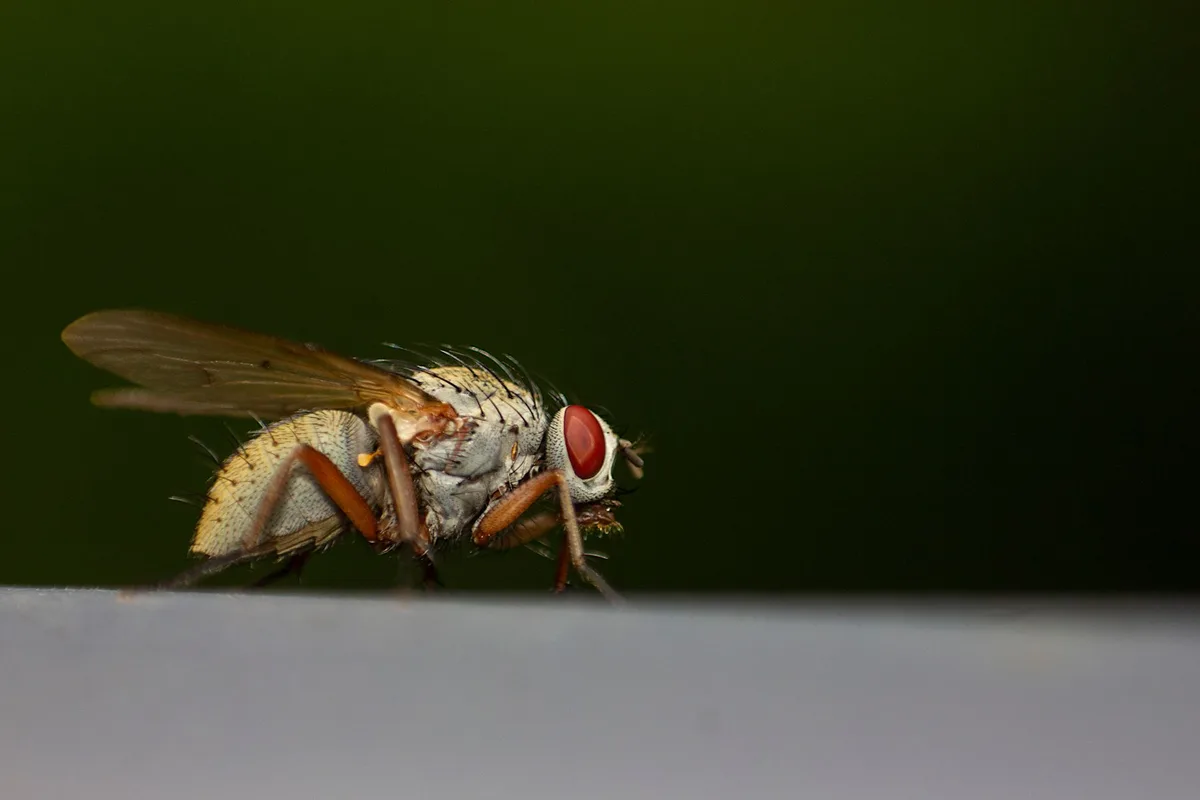
The Regurgitation Problem
When a fly lands on your sandwich, it doesn’t just walk across it. If it’s hungry, it vomits a small amount of its last meal mixed with enzymes. That vomit contains whatever the fly ate previously, along with any bacteria or viruses it picked up.
The liquified mixture spreads across the food surface, and some of it is reabsorbed by the fly. What’s left behind is a bacterial deposit.
This behavior is more pronounced when the fly lingers. A brief landing of a second or two may involve only leg contact. A longer stay of 10 or 20 seconds often includes feeding behavior, which means higher contamination.
Fecal Spotting and Surface Contamination
House flies defecate frequently, sometimes every few minutes. The fecal spots are tiny dark specks, often mistaken for dirt. Each spot contains concentrated bacteria from the fly’s gut, along with partially digested food.
When a fly walks across a cutting board, countertop, or plate, it leaves a trail of these deposits.
Porous surfaces like wood and fabric can harbor bacteria longer than smooth, non-porous materials like stainless steel or glass. Routine cleaning with soap and water removes most of the contamination, but food that’s been in direct contact with fly feces should be considered compromised.
How Long Pathogens Survive After Contact
Most bacteria don’t survive indefinitely on dry surfaces. Studies show that Salmonella and E. coli can persist for hours to days on food, depending on moisture, temperature, and the type of food. Moist, protein-rich foods like meat, dairy, and cooked grains provide ideal conditions for bacterial growth.
Dry foods like crackers or bread crusts are less hospitable.
If a fly lands on food and the food is immediately refrigerated, bacterial multiplication slows dramatically. If the food sits at room temperature for an hour or more, bacterial colonies can double every 20 minutes under the right conditions. That’s why timing and temperature matter as much as the initial contact.
Real Risk vs. Overblown Worry: When Flies Are Actually Dangerous
Not every fly encounter is a health emergency. Context determines whether you should discard the food, clean the surface, or simply carry on. Below are the scenarios where risk is genuinely elevated and where it’s mostly negligible.
High-Risk Scenarios (Infants, Immunocompromised, Food Service)
Infants under 12 months have underdeveloped immune systems and are particularly vulnerable to foodborne pathogens. A fly landing on a bottle, pacifier, or baby food poses a real risk, especially if the fly recently contacted garbage or animal waste. The same applies to elderly individuals and anyone with compromised immunity due to illness, chemotherapy, or immunosuppressive drugs.
Food service establishments face stricter standards because a single contaminated dish can sicken dozens of people. The FDA Food Code requires physical barriers like screens, air curtains, and closed waste containers to minimize fly access. Health inspectors flag visible fly activity as a critical violation.
If you’re preparing food for others, especially in a commercial kitchen, fly control is a non-negotiable safety measure.
Homes near livestock operations, open compost piles, or unsecured garbage bins experience higher fly pressure and greater contamination risk. Flies breeding in manure carry higher pathogen loads than those breeding in household trash or fruit scraps.
Low-Risk Scenarios (Single Fly, Brief Contact, Non-Food Surfaces)
A single fly that lands on a sealed container, a dry countertop, or the outside of a fruit peel presents minimal danger. If the fly was in your home for only a few minutes and you have no obvious sanitation issues, the odds of it carrying a dangerous pathogen are low.
Brief contact with dry, acidic, or salty foods also reduces risk. A fly that touches a lemon slice, a pickle, or a piece of salted jerky is unlikely to cause illness because those environments inhibit bacterial growth. Similarly, a fly that lands on hot food just out of the oven encounters temperatures that kill most bacteria on contact.
If you’re a healthy adult with no underlying conditions and the food in question isn’t going to an infant or immune-compromised person, a momentary fly landing isn’t cause for panic. Wash the surface if it’s reusable, cover the food going forward, and move on.
Geographic and Seasonal Risk Factors
Fly-borne disease risk is higher in warm, humid climates where flies breed year-round and in regions with inadequate waste management. In temperate zones, fly activity peaks in summer and drops to near zero in winter. If you live in a rural area near farms or stables, expect more flies and higher baseline contamination.
Urban households with sealed trash systems and modern plumbing face lower risk. Suburban homes with compost bins, pet waste, or open garbage cans fall somewhere in between. Seasonal factors also matter.
A fly in your kitchen in January likely came from a small indoor breeding site, possibly a drain or forgotten food scrap. A fly in July may have traveled from a neighbor’s trash or a nearby park.
House Flies vs. Other Common Pests: Which Are More Hazardous?
Flies aren’t the only household pests that raise hygiene concerns. Comparing them to other common intruders helps put the risk in perspective.
Cockroaches are worse than house flies in nearly every measurable way. They carry similar pathogens but live longer, reproduce faster, and contaminate larger areas. A single roach can deposit allergens and bacteria across dozens of surfaces in one night.
Flies are transient visitors. Roaches colonize.
Mosquitoes are biological vectors, meaning pathogens multiply inside their bodies before transmission. Diseases like malaria, dengue, and Zika require a mosquito bite to spread. House flies can’t transmit these diseases because they don’t inject saliva or blood-feed.
For viral and parasitic diseases transmitted through bites, mosquitoes are far more dangerous.
Rodents pose a greater structural and contamination threat than flies. Mice and rats gnaw through packaging, urinate on surfaces, and shed hair and dander continuously. Their droppings can transmit hantavirus, leptospirosis, and salmonellosis.
A fly problem is easier to resolve than a rodent infestation.
Fruit flies (Drosophila) are less hazardous than house flies because they breed in fermented fruit and plant material, not feces or garbage. They’re a nuisance in kitchens but carry far fewer pathogens. Blow flies and bottle flies, which lay eggs in dead animals and open wounds, carry higher bacterial loads than house flies and signal a more serious sanitation issue.
Should You Throw Away Food a Fly Touched?
The decision depends on the type of food, how long the fly stayed, and who’s eating it. Here’s a practical breakdown.
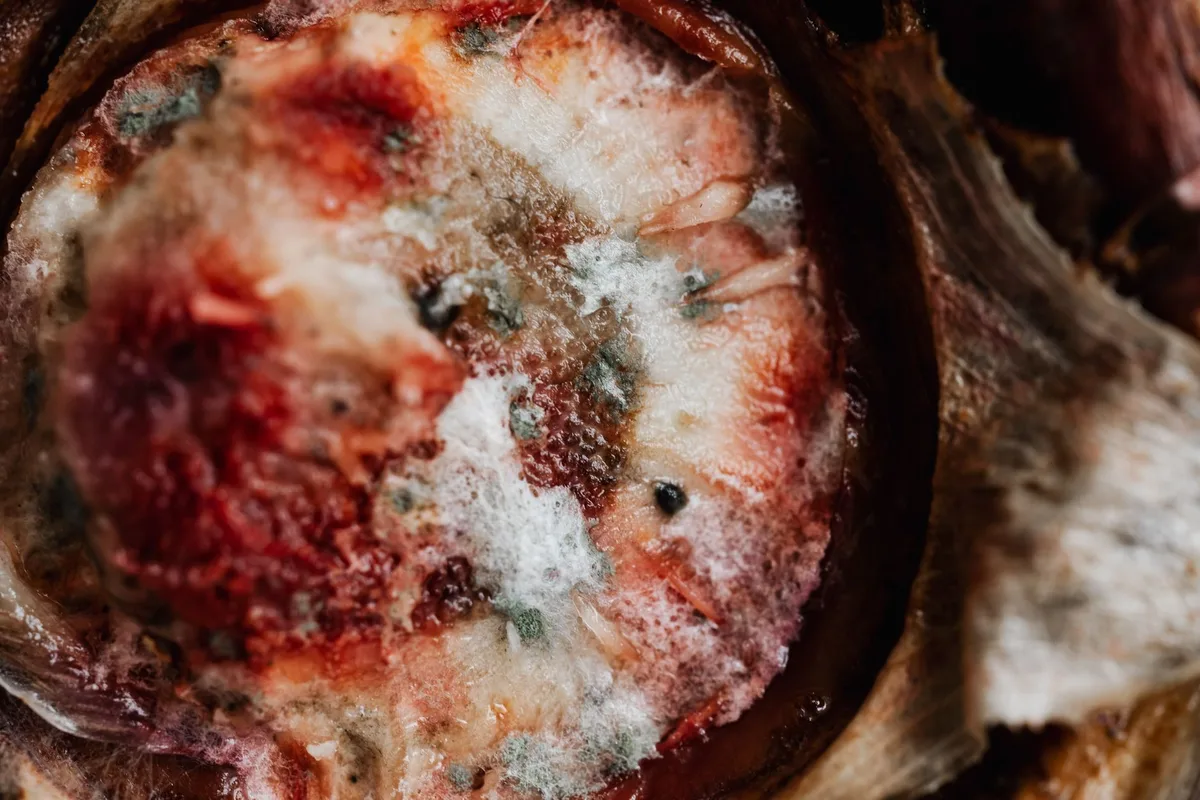
Covered vs. Uncovered Food
If the fly landed on the outside of a sealed container, the wrapper, or the peel of a banana or orange, there’s no need to discard anything. Wash the exterior if it’s reusable, peel the fruit, and move on. Flies can’t penetrate packaging or thick skins.
Uncovered food that’s moist and protein-rich is a different story. If a fly walked across a piece of cooked chicken, a bowl of pasta salad, or an open yogurt cup, the safest choice is to throw it out. The risk is highest when the food will sit at room temperature for an extended period or will be served to a child, elderly person, or someone with a weakened immune system.
Moist Foods vs. Dry Foods
Moist foods support bacterial growth. Dry foods don’t. A fly that touches a cracker, a piece of toast, or a dry cereal is far less likely to cause illness than one that lands on a sandwich, a cut melon, or a sauce.
Bacteria need water to multiply, so the wetter the food, the higher the risk.
Acidic foods like citrus, vinegar-based dressings, and pickled items inhibit bacterial growth. A fly that touches a lemon wedge or a jar of pickles is unlikely to contaminate it in any meaningful way. High-salt and high-sugar foods also resist bacterial proliferation.
How Long the Fly Was There
A fly that lands for a second and takes off didn’t have time to feed or defecate. The contamination, if any, is limited to whatever was on its feet. A fly that lingers for 10 seconds or more is feeding, which means regurgitation and fecal spotting are both likely.
If you saw the fly land and immediately shooed it away, the food is probably fine for a healthy adult. If you walked into the room and found a fly sitting on your lunch, you don’t know how long it’s been there. That’s when discarding the food makes sense, especially if it’s been unrefrigerated for a while.
How to Tell If You Have a Fly Problem (Not Just a Nuisance)
One or two flies indoors on a warm day isn’t unusual. A persistent indoor population signals a breeding site somewhere in or near your home.
If you see flies every day, especially in the same room, start looking for the source. Common indoor breeding sites include garbage disposals, floor drains, trash cans with organic residue, compost bins, pet food bowls, and litter boxes. Flies lay eggs in moist, decaying organic matter.
The eggs hatch in 24 hours, and the larvae mature into adults in about a week.
Check under appliances, inside recycling bins, and around any food prep areas. A forgotten potato rolling under a cabinet or a piece of meat stuck in a drain can support an entire fly generation. If you find maggots, you’ve found the breeding site.
Clean it thoroughly and the adult population will drop within days.
Outdoor sources are harder to control but just as important. Unsecured trash cans, pet waste in the yard, compost piles without covers, and nearby farms or stables all contribute to fly pressure. If your home is surrounded by these sources, indoor control becomes an ongoing effort rather than a one-time fix.
Seasonal spikes are normal. Expect more flies in summer when temperatures favor breeding. If the problem persists into fall or winter, you likely have an indoor breeding site that needs attention.
The Safest Ways to Control House Flies Without Harmful Chemicals
Effective fly control starts with sanitation, not sprays. Most chemical insecticides are overkill for house flies and pose risks to pets, children, and food surfaces.
Eliminating Breeding Sites
Remove the breeding site and the fly population collapses. Empty trash cans daily, especially in warm weather. Keep compost bins sealed or at least 50 feet from the house.
Pick up pet waste immediately. Clean drains with a stiff brush and hot water to remove organic buildup.
If you have indoor plants, check the soil surface. Overwatering creates conditions that attract fungus gnats and occasionally house flies. Let the top inch of soil dry out between waterings.
Physical Exclusion Methods
Screens on windows and doors are the simplest and most effective barrier. Repair any tears or gaps. Install door sweeps on exterior doors to block the gap at the bottom.
Air curtains, which blow a steady stream of air across a doorway, work well in commercial settings but are less common in homes.
Keep doors and windows closed during peak fly activity, typically late morning through early evening in summer. If you need ventilation, use window fans with screens or install screen doors that close automatically.
Traps and Non-Toxic Options
Sticky fly tape works well in areas where flies congregate. Hang it near trash cans, compost bins, or above pet food stations. The tape is non-toxic and captures flies mechanically.
Replace it when it’s full.
UV light traps attract flies with ultraviolet light and either electrocute them or trap them on a sticky board. These work best in enclosed spaces like garages, basements, or utility rooms. Don’t place them near food prep areas, as dead flies and debris can scatter.
Baited traps use attractants like sugar, vinegar, or rotting fruit to lure flies into a container they can’t escape. Homemade versions work just as well as commercial products. Fill a jar with apple cider vinegar, add a drop of dish soap to break the surface tension, and cover the top with plastic wrap pierced with small holes.
Flies enter but can’t exit. You can also explore options for indoor fly traps if you need a more targeted solution.
When Insecticides Are Justified
If sanitation and exclusion fail to control a heavy infestation, targeted insecticide use may be necessary. Choose EPA-registered products labeled for indoor use against house flies. Aerosol sprays are effective for quick knockdown but don’t provide residual control.
Residual sprays applied to surfaces where flies rest, such as exterior walls near entry points, offer longer-lasting control. Apply them outdoors only, away from food and water sources. Never spray insecticides directly on food, dishes, or food prep surfaces.
Bait stations with toxic granules work outdoors in areas where flies congregate. Place them away from children, pets, and wildlife. Follow label instructions exactly.
Overuse of insecticides can harm beneficial insects and create resistance in fly populations.
FDA and CDC Guidelines on Flies in Food Settings
The FDA Food Code, which serves as the model for state and local health regulations, classifies house flies as pests that must be excluded from food establishments. Inspectors look for evidence of fly activity during routine inspections. Visible flies, fly specks on surfaces, or breeding sites on the premises can result in violations and fines.
The CDC recommends integrated pest management (IPM) for fly control in both commercial and residential settings. IPM prioritizes sanitation, exclusion, and monitoring over chemical treatments. The goal is to reduce fly populations to levels that pose no health risk, not to eliminate every single insect.
WHO guidelines emphasize fly control in areas with poor sanitation infrastructure, where fly-borne disease remains a significant public health burden. Interventions include latrine improvements, waste management, and community education. In developed countries, these measures are less urgent but still relevant in certain high-risk settings like hospitals, nursing homes, and food processing facilities.
HACCP (Hazard Analysis and Critical Control Points) protocols used in the food industry identify flies as a potential biological hazard. Critical control points include physical barriers, regular cleaning schedules, and monitoring logs. Facilities that fail to control fly populations risk contamination events that can trigger recalls, lawsuits, and public health investigations.
Common Mistakes That Make Fly Problems Worse
Leaving trash cans uncovered or infrequently emptied creates ideal breeding conditions. Flies can complete a full life cycle in a week when organic waste sits in warm, moist environments. Empty kitchen trash daily during summer and rinse bins weekly to remove residue.
Overwatering indoor plants or neglecting outdoor drainage leads to standing water and damp organic matter. Both attract flies. Let soil dry between waterings and fix any plumbing leaks promptly.
Using pesticide sprays without addressing sanitation wastes money and exposes your household to chemicals unnecessarily. Flies will return as long as breeding sites remain. Clean first, then consider traps or exclusion methods.
When to Call a Professional vs. Handle It Yourself
Most household fly problems resolve with basic sanitation and exclusion. You don’t need a pest control service for a few flies in summer.
Call a professional if you’ve eliminated obvious breeding sites and the problem persists for more than two weeks. Hidden sources like wall voids, crawl spaces, or a dead animal in the attic require expertise to locate and remove.
Commercial kitchens, food processing facilities, and healthcare settings should maintain ongoing pest control contracts. Regulatory compliance and liability concerns make professional monitoring and documentation essential.
Frequently Asked Questions
Can house flies bite or sting?
No. House flies have sponging mouthparts designed for liquid feeding. They can’t bite or sting.
If you’re being bitten, you’re dealing with stable flies, horse flies, or another biting species.
Do house flies carry COVID-19 or viruses?
House flies can carry some viruses, but there’s no evidence they transmit COVID-19 or influenza. These viruses require respiratory droplet or direct contact transmission. Flies are not a meaningful vector for airborne human viruses.
How many bacteria does one fly carry?
Studies estimate a single house fly carries between 1 million and 6 million bacteria on its body, legs, and mouthparts. The exact count depends on where the fly has been and what it’s contacted recently.
Are flies worse than cockroaches for disease?
No. Cockroaches are more dangerous because they live longer, reproduce faster, and contaminate larger areas continuously. Flies are transient visitors.
Roaches colonize and spread allergens and pathogens more aggressively.
Can you get sick from eating food a fly landed on briefly?
The risk is low for healthy adults if the contact was brief and the food is consumed immediately. The risk increases for infants, elderly individuals, or immunocompromised people. When in doubt, discard the food.
What the Science Says: Final Verdict on House Fly Safety
House flies are mechanical disease vectors capable of transmitting over 100 pathogens. The actual health risk depends on local sanitation, the fly’s recent activity, and individual vulnerability. In modern households with good waste management, a single fly landing on food poses minimal danger to healthy adults.
In high-risk settings or vulnerable populations, even brief contact warrants caution and proper food handling.