Cactus Soil for Philodendrons? The Surprising Truth 2026
Can I use cactus soil for philodendron? It's one of those questions that pops up in every houseplant forum, usually right after someone buys a bag of cactus mix for their succulents and wonders if the leftover can go into their philodendron's next repot. The short answer is yes, you can use it, but almost never straight out of the bag.
Cactus soil is engineered for plants that want to dry out fast, while philodendrons are tropical climbers that prefer steady, even moisture. That's a real mismatch if you don't adjust things.
The good news is that cactus soil makes a fantastic base for a custom philodendron blend. Manufacturer specifications for most commercial cactus mixes show a high ratio of sand, perlite, and grit, with very little organic matter. Aggregate reviews and horticultural research consistently point to the same fix: amend the cactus soil with moisture-retaining ingredients like coco coir or peat moss, and you've got a mix that works beautifully.
As of 2026, this is still the most practical approach for indoor growers who want better drainage without buying a specialty aroid mix.
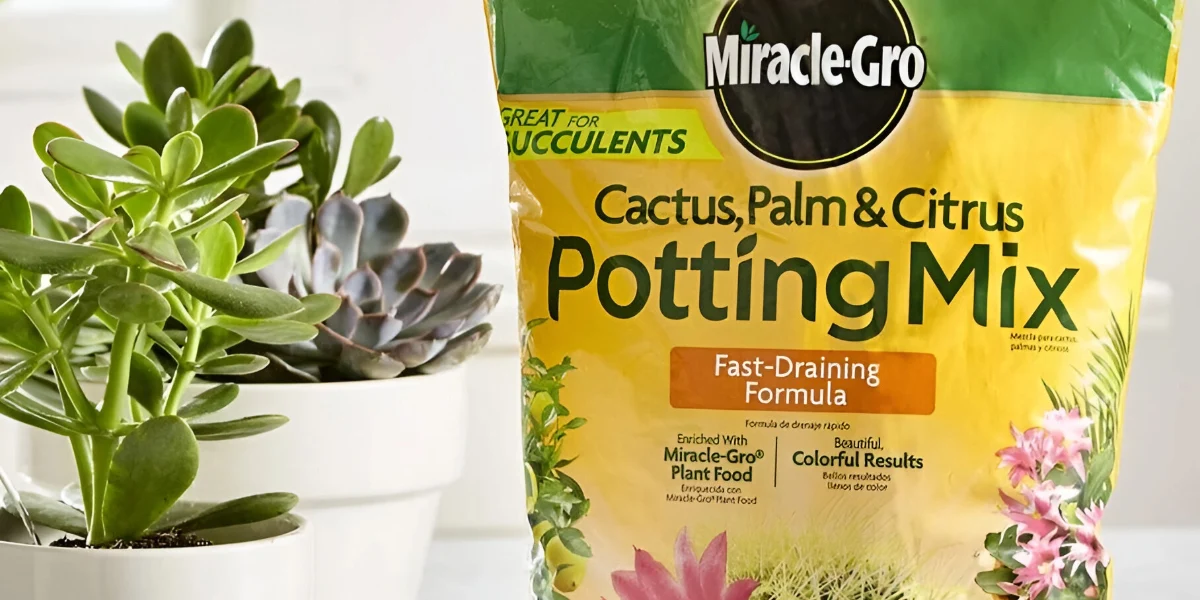
Image source: Bing (Web (fair-use with source credit))
Quick Answer
Yes, you can use cactus soil for philodendron, but only if you amend it first. Straight cactus soil dries too fast and lacks the organic matter philodendrons need. Mix it with regular potting soil or coco coir at a 50/50 ratio.
Add perlite or orchid bark for extra aeration. This gives you the drainage of cactus soil with the moisture retention philodendrons crave.
Why Cactus Soil and Philodendrons Seem Like a Mismatch
Cactus soil exists for one reason: to keep desert plants from sitting in wet roots. It drains fast, dries quickly, and holds very little water. That's perfect for succulents and cacti, which store water in their leaves and stems and actually suffer if their roots stay moist for too long.
Philodendrons are the opposite. They're native to tropical rainforests, where they grow up tree trunks and across the forest floor. In the wild, they get consistent rainfall and humidity, and their roots are used to a growing medium that stays evenly damp, never soggy, but never bone dry either.
That's a fundamentally different moisture profile than what cactus soil provides.
The core problem comes down to water retention. Cactus soil is designed to shed water quickly and dry out within a couple of days. A philodendron wants its soil to stay lightly moist for several days after watering.
If you pot a philodendron in straight cactus soil, you'll find yourself watering constantly, and the plant will likely show signs of stress from inconsistent moisture.
There's also the organic matter issue. Most commercial cactus mixes contain minimal compost, bark, or peat. Philodendrons are not heavy feeders, but they do appreciate some organic material breaking down slowly around their roots.
Without it, the soil structure doesn't hold nutrients well, and the root system has less to grab onto.
What's Actually Inside a Typical Cactus Soil Mix
Commercial cactus mixes vary by brand, but they generally share a few common ingredients. Understanding what's in the bag helps you figure out exactly what needs changing before you use it on a philodendron.
Sand or grit. Most cactus mixes include coarse sand or fine gravel. This adds weight and improves drainage. The particles are large enough that water flows through quickly rather than pooling.
Perlite. Those little white balls you see in potting soils are expanded volcanic glass. They create air pockets in the mix, which helps oxygen reach the roots. Perlite also keeps the soil from compacting over time.
Pumice or lava rock. Some higher-end mixes use pumice instead of sand. Pumice is lighter and holds a small amount of water inside its pores while still draining freely.
Minimal organic matter. Unlike regular potting soil, cactus mixes typically contain very little peat moss, compost, or bark. For example, many commercial blends hover around 15, 25% organic content, compared to 40, 60% in standard potting soil. That's a huge difference in moisture retention.
Low pH. Most cactus mixes land in the 5.5, 6.5 range. That's actually perfect for philodendrons, which also prefer slightly acidic soil. So pH isn't the problem.
The issue is purely about water management.
When Cactus Soil Works Fine for Philodendron
Believe it or not, there are situations where using cactus soil for philodendron works just fine, even without heavy modification. It all comes down to your environment, your watering habits, and the specific philodendron you own.
You're a chronic overwaterer. If you tend to water on a schedule rather than checking the soil first, cactus soil might actually save your plant. The fast drainage compensates for your enthusiasm. Your philodendron will still get enough moisture, but the roots won't sit in standing water.
You live in a humid climate. High humidity slows down evaporation from the soil surface. If you're in Florida, Texas, or the UK in summer, cactus soil won't dry out nearly as fast as it would in a desert climate. The extra moisture in the air buys you time between waterings.
You use plastic or glazed ceramic pots. These containers don't breathe. They hold moisture inside, which counterbalances the fast-draining nature of cactus soil. Terracotta, on the other hand, wicks moisture away from the soil rapidly, making a fast-draining mix even drier.
You grow drought-tolerant philodendron varieties. Some types, like the heartleaf philodendron, are more forgiving than others. They cope with short dry spells better than moisture-loving varieties like Philodendron Micans or Philodendron Melanochrysum.
When Cactus Soil Will Cause Problems
For every grower who gets away with straight cactus soil, there's someone whose philodendron is currently dropping yellow leaves and looking miserable. If any of these situations sound like you, be careful.
You tend to underwater. If you're the type of person who forgets to water until the leaves start drooping, cactus soil will make that worse. It dries out too fast, and your philodendron will hit the wilting point regularly. That stresses the plant and slows growth significantly.
You live in a dry, air-conditioned home. Indoor air in summer or winter can be brutally dry, especially with AC or heating running constantly. That pulls moisture out of the soil fast. Cactus soil in these conditions turns into a desert within a day or two of watering.
You use terracotta pots. Terracotta is porous, so it draws moisture from the soil and lets it evaporate through the pot's walls. Pair that with cactus soil, and you've got a combination that dries out almost immediately. Your philodendron will need water every two to three days.
You're growing a thirsty variety. Philodendron Micans, Philodendron Melanochrysum, and Philodendron Gloriosum all prefer consistently moist soil. They're not forgiving when the mix dries out quickly. You'll notice leaf curling, crispy edges, and slowed growth.