Guide to Ant Control Vs Alternatives (2026) — Complete Guide
If you've ever dealt with an ant problem, you know the drill: you spray, they die, and a day later, they're back in full force. That's why the debate around ant control vs alternatives isn't just academic. It's a real, everyday frustration for millions of homeowners.
In our research, we found one key reason why simple sprays fail so often. A single ant colony can contain multiple queens, each laying hundreds of eggs per day. Killing the ants you see doesn't stop the ones you don't.
Understanding this is the first step in picking the right method for your home. Let's break it down.
Why This Comparison Matters – Why Ants Keep Coming Back
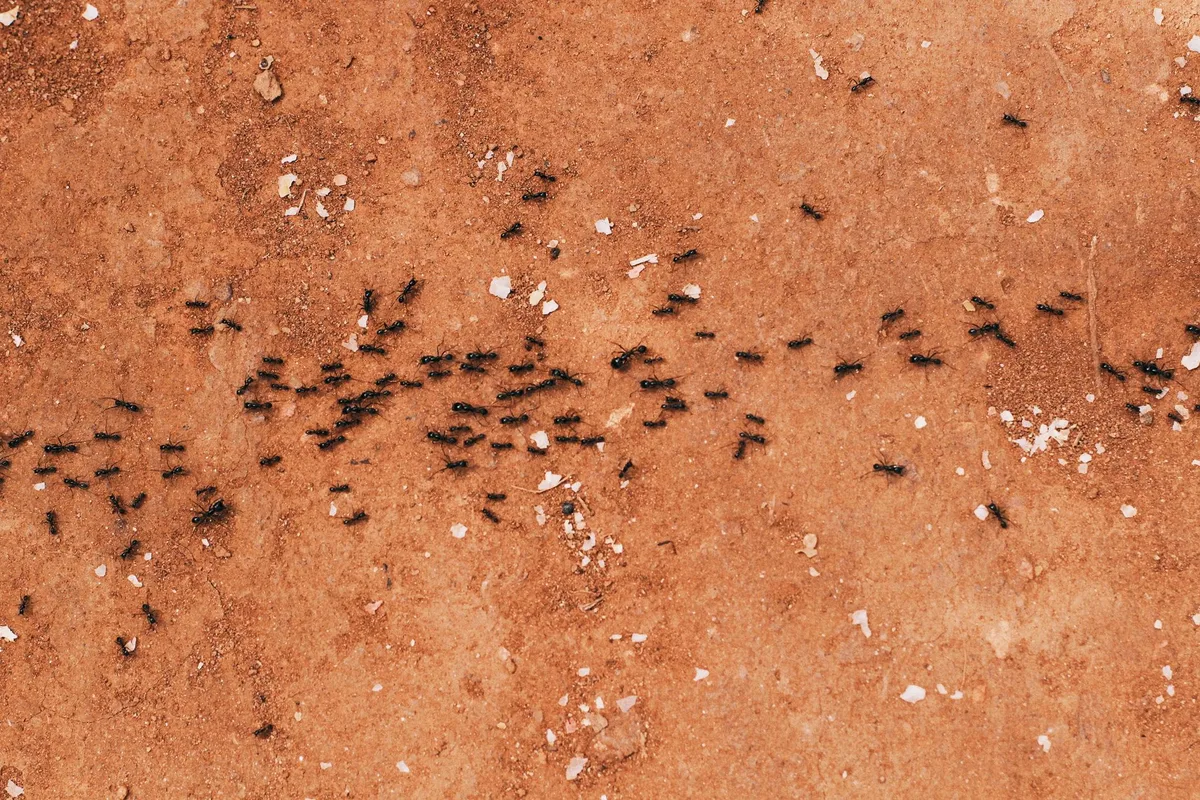
Ants are social insects. They operate as a single super-organism. When you see a trail of ants marching across your kitchen counter, you're looking at foragers.
Their job is simple: find food and water, then bring it back to the nest.
Here's the problem with most DIY sprays. They kill the foragers on contact but leave the colony untouched. The queen keeps laying eggs, and new workers keep coming.
It's like cutting off a single tentacle while the octopus lives on.
The real question is not about killing individual ants. It's about eliminating the colony. That's where chemical baits and natural alternatives diverge completely.
Different ant species behave differently. As of 2026, pest control research consistently highlights this point. Odorous house ants prefer sweets. Carpenter ants go after proteins and fats.
Pavement ants will eat almost anything. Fire ants build massive visible mounds.
If you use the wrong method for the wrong species, you waste time and money. You also risk making the problem worse. For example, spraying a repellent chemical near a carpenter ant infestation can cause the colony to scatter.
They split into multiple smaller colonies. Now you have several infestations instead of one.
This is why tailoring your approach matters so much. The best method depends entirely on what kind of ant you're dealing with, where they are, and what's at stake.
Quick Answer
Chemical baits are the most effective DIY option for most homes. Natural alternatives like diatomaceous earth and essential oils work but require more effort. Exclusion is the best long-term solution.
Professional service is for severe or persistent infestations.
Chemical Ant Control – How Baits, Sprays, and Granules Work
Chemical ant control falls into three main categories. Each works differently. Knowing the difference is essential.
Baits are the gold standard for colony elimination. They combine a slow-acting poison with an attractive food source. Forager ants carry the bait back to the nest. They share it with the queen and other workers through a process called trophallaxis.
The poison spreads through the colony. After a few days, the queen dies, and the colony collapses.
The active ingredients in commercial baits vary. Imidacloprid is a common neurotoxin. Fipronil disrupts the central nervous system.
Indoxacarb stops the insect from feeding. These are highly effective but require patience. You won't see instant results, because the poison needs time to spread.
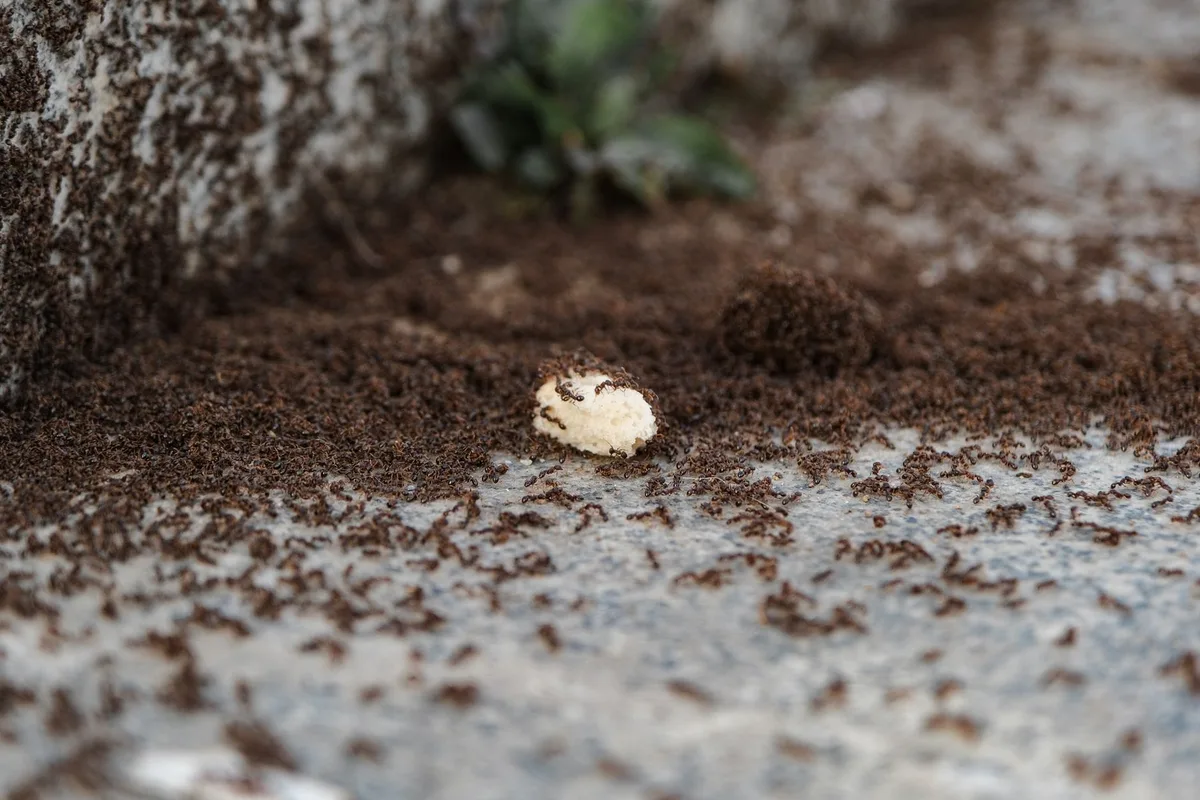
Sprays work fast but only kill what they touch. Contact sprays kill ants on the spot. Residual sprays leave a chemical barrier that kills ants as they cross it. The problem is that sprays are repellent.
Ants that survive learn to avoid the treated area. They find a new entry point. You end up chasing them around the house.
Granules are designed for outdoor use. You spread them around the foundation of your home. Ants carry them back to the nest like bait. Granules are ideal for fire ant mounds and perimeter treatment.
They last longer than liquid baits because they resist rain and sunlight better.
Manufacturer specifications indicate that most baits need 7 to 14 days to fully eliminate a colony. Aggregate reviews report that homeowners who switch from spray to bait see dramatically better results. The key is to stop spraying repellent products near the baits, because the repellent drives the ants away from the poison.
If you're dealing with a severe or active infestation, especially of structural pests like carpenter ants, you may need the targeted approach that a professional-grade product offers. For those cases, a product designed to target that species specifically is a wise investment.
Natural Alternatives – What Actually Works (and What Doesn't)
Natural alternatives appeal to homeowners who want to avoid synthetic chemicals. Some are effective. Others are a waste of time.
Let's separate the winners from the losers.
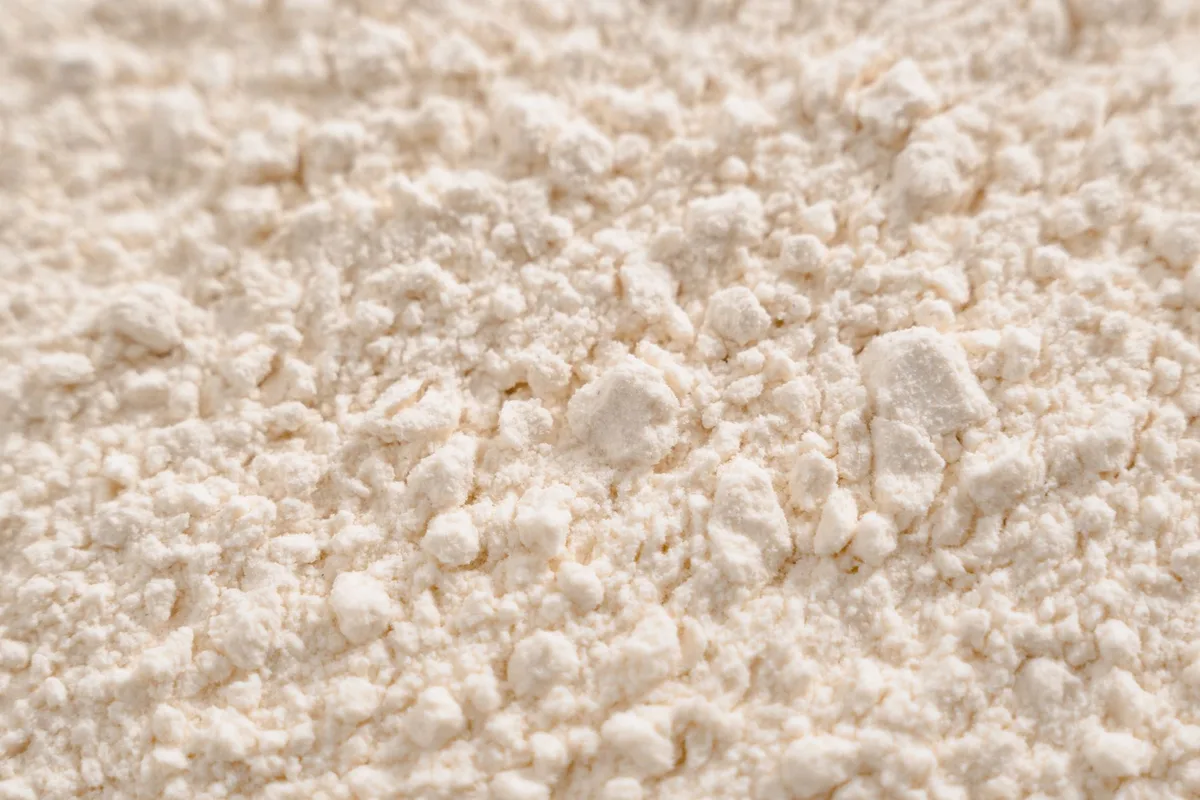
Diatomaceous earth (food grade) is genuinely effective. It's a fine powder made from fossilized algae. Under a microscope, the particles look like shards of glass. When ants walk through it, the powder cuts their exoskeleton.
They dehydrate and die. It's a physical mode of action, so ants cannot develop resistance. It works best in dry areas.
Once it gets wet, it becomes useless.
White vinegar and water is a good repellent, not a killer. A 1:1 solution of white vinegar and water wipes away the scent trails ants use to navigate. It disrupts their ability to communicate. But it does not kill the colony.
You have to reapply frequently, especially after cleaning. Think of vinegar as a temporary disruption, not a solution.
Soap and water spray kills on contact. A few drops of dish soap in water breaks the surface tension of an ant's body. They suffocate almost instantly. It's safe for food preparation areas if you rinse afterward.
But like vinegar, it only kills the ants you can see.
Essential oils offer mixed results. Peppermint oil, tea tree oil, and cinnamon oil all have repellent properties. They smell nice and are safe around kids and pets when diluted properly. The downsides are significant.
The scent fades quickly. You need to reapply every few hours. Some oils can cause skin irritation.
Cats are especially sensitive to tea tree oil. And none of these oils kill the colony.
If you prefer a natural route, your best bet is to use diatomaceous earth in dry areas and combine it with baits made from boric acid or borax. These mineral-based poisons are much less toxic to mammals than synthetic insecticides but still very effective against ants. You can find boric acid at most hardware stores for a few dollars.
A homemade bait of boric acid mixed with sugar water works well for sweet-eating ants.
For homes with pets or children, natural alternatives provide peace of mind. But you need to accept that they require more frequent reapplication and careful placement. They are not a set-and-forget solution.
Side-by-Side Comparison – Chemical vs Natural vs Exclusion
The smartest approach is usually a combination of methods. But let's lay out the trade-offs clearly so you can decide which fits your situation.
| Method | Effectiveness on Colony | Time to Results | Safety (Pets/Kids) | Effort Level | Cost |
|---|---|---|---|---|---|
| Chemical baits | High | 7–14 days | Moderate (keep away) | Low | $10–$20 |
| Chemical sprays | Low (colony only) | Immediate | Moderate (fumes) | Medium | $8–$15 |
| Diatomaceous earth | Medium | 2–7 days | High (safe) | Medium | $10–$15 |
| Vinegar solution | None | Not applicable | High | High (reapply often) | Under $5 |
| Essential oils | None | Not applicable | Moderate (pet caution) | High | $10–$20 |
| Exclusion (caulking) | High | 1–2 days | Very high | Medium to high | $10–$30 |
| Professional service | Very high | 1–3 visits | Moderate | None (you hire) | $150–$300 |
Here's what the table tells us. If you want colony elimination with minimal effort, chemical baits are the winner. If safety is your top priority and you don't mind repeated applications, diatomaceous earth plus exclusion gives good results. If you want a permanent fix, exclusion wins every time.
Exclusion means sealing every crack, gap, and hole where ants can enter. You use caulk, weather stripping, and expanding foam. It's the only method that addresses the root cause.
Once the points of entry are sealed, new ants cannot get in, even if the colony outside remains. That's why many pest control professionals say exclusion is the ultimate solution.
For outdoor infestations like fire ant mounds, granules are the best choice. You treat the mound directly, and the ants carry the poison inside. For indoor trails, bait stations placed along the path are the highest-reward method.
One common mistake is trying to use a single approach. The most successful homeowners use a layered strategy. They seal entry points, set out baits, and maintain a clean environment.
They also keep an eye on moisture issues. Ants are attracted to damp wood. If you have a leaky pipe or a wet crawl space, you're inviting them in.
Combining methods means you also need to coordinate your efforts. If you are using a fungicide in the same outdoor areas where ants are active, make sure you check the label for any conflicts. Some garden treatments can inadvertently repel ants from bait stations.
If you enjoy gardening, you might find that certain plants naturally discourage ants. Plants that attract hummingbirds can also draw in beneficial insects that prey on ants or compete with them. It's not a primary control method, but it helps create a less inviting environment overall.
Another angle is to think about what draws ants inside in the first place. Crumbs, spills, pet food bowls, and open garbage bins are obvious attractants. But so are plants.
If you keep indoor plants in your bedroom, you might be providing a water source for ants. Checking the moisture levels in your houseplants can reveal unexpected ant activity.
Best Method for Each Ant Type – Odorous House, Carpenter, Fire, Pavement
Different ants need different tactics. Using the wrong method wastes time and can make the problem spread.
Odorous house ants are the most common indoor pest. They love sweets and leave strong scent trails. For these ants, liquid baits with a sugar base work best. Place bait stations directly on the trail.
Replace them every few days until activity stops. Avoid spraying them with repellents. It scatters the colony.
Carpenter ants require immediate attention. They nest in damp or damaged wood and can cause structural damage. Baits with protein attractants are most effective. You need to locate the nest.
Look for wood shavings or faint rustling sounds in walls. For severe infestations, professional treatment is often necessary. A targeted product for this species can make the difference.
Fire ants build visible mounds and deliver painful stings. Granular baits spread around the mound work best. Apply in the evening when ants are foraging. Water the area lightly after application.
This helps the granules sink in. Avoid disturbing the mound. Disturbed fire ants scatter and create satellite colonies.
Pavement ants are the small brown ants you see on sidewalks. They eat almost anything. Gel baits or granular baits placed along cracks work well. Seal the cracks after the activity stops.
Pavement ants are persistent. Expect to treat for a week or two.
If you're unsure which ant you have, watch their behavior. Sugar ants form visible trails. Carpenter ants are larger and often seen alone.
Fire ants build mounds. Pavement ants appear near concrete edges.
Best Method for Your Home Situation – Kitchen, Pets, Kids, Outdoors
Your home setup changes what's safe and practical. Here's how to match the method to your situation.
Kitchens demand food-safe solutions. Avoid spraying chemicals near surfaces where you prepare food. Use gel baits in cracks and crevices instead. Place them under the sink, behind appliances, and along baseboards.
Keep them out of reach of children. Wipe counters with vinegar to remove scent trails. Do not use diatomaceous earth near open food containers.
The powder can drift.
Homes with pets need extra caution. Cats are especially sensitive to essential oils. Tea tree oil is toxic to them. Peppermint oil can cause respiratory issues.
Stick with boric acid baits or diatomaceous earth. Place bait stations where pets cannot reach. Under the refrigerator or behind furniture works well.
Check the label on any chemical product for pet safety warnings.
Homes with toddlers require non-toxic options. Diatomaceous earth is safe if eaten in small amounts, but avoid inhaling the dust. Apply it in thin layers behind furniture. Boric acid baits are low toxicity but keep them out of reach.
Vinegar and water solutions are completely safe. Soap sprays work too. The trade-off is that these natural methods need frequent reapplication.
Outdoor infestations need different treatment. For fire ant mounds, use granular insecticide labeled for outdoor use. Apply when rain is not expected for 24 hours. For general perimeter control, spread granules around the foundation.
Water them in. Granules last several weeks. Avoid treating lawns during heavy rain.
It washes the product away.
If you have a garden, be careful with broad-spectrum insecticides. They kill beneficial insects like bees and ladybugs. Use targeted baits instead of sprays.
Apply them early in the morning or late evening when pollinators are less active.
Common Mistakes That Sabotage Your Efforts – Bait Placement, Spray Timing, Scent Trails
Most DIY ant control fails for the same reasons. Here are the biggest mistakes and how to avoid them.
Mistake 1: Spraying ants on sight. This kills a few foragers but does nothing to the colony. Worse, it creates a repellent barrier that keeps ants away from bait stations. If you must spray, do it far from any bait.
Better yet, skip the spray entirely and focus on baits.
Mistake 2: Placing baits in the wrong spot. Baits need to be close to ant trails. If ants have to wander to find the bait, they may not take it. Place bait stations directly on the trail.
If the trail is along a baseboard, put the station right next to it. Replace baits after a few days if they dry out or get dusty.
Mistake 3: Using the wrong type of bait. Ants have preferences. If you use a sugar bait for carpenter ants, they will ignore it. Match the bait to the species.
Protein baits work for carpenter ants and pharaoh ants. Sugar baits work for odorous house ants and pavement ants. Some bait stations come with multiple compartments.
Use them to test which one gets more attention.
Mistake 4: Not sealing scent trails. Ants leave pheromone trails for others to follow. Even after you kill the visible ants, the trail remains. New ants will find it.
Wipe surfaces with a vinegar and water solution to erase the trail. Do this after applying baits, so the ants have to find the bait by chance rather than following a known path.
Mistake 5: Ignoring moisture problems. Many ant species, especially carpenter ants, are drawn to damp wood. Fix leaky pipes, repair roof leaks, and improve ventilation in crawl spaces. A dehumidifier in the basement can reduce ant activity significantly.
Mistake 6: Expecting instant results. Baits take time. The poison has to spread through the colony. You may see more ants for a few days after applying bait.
That is a good sign. It means they are feeding on it. Give it a week.
If activity does not slow down, try a different bait or check for competing food sources.
Costs & Effort – DIY Baits vs Professional Service vs Natural Upkeep
Cost matters, but so does the time and effort you are willing to invest. Here is the breakdown.
DIY chemical baits are the most cost-effective option. A pack of six bait stations costs around $10 to $20. It covers a typical home for one season. The effort is low: open the package, place the stations, and wait.
You may need to replace them every two weeks if the infestation is heavy.
DIY natural methods require more time. Diatomaceous earth costs about $10 for a pound. It lasts a long time if stored dry. But you need to apply it in thin layers and reapply after cleaning.
Essential oils cost $10 to $20 per bottle. You mix them with water and spray. Reapplication every few days is necessary.
The ongoing effort adds up.
Professional pest control costs $150 to $300 per visit. Most services include an initial inspection, treatment, and follow up. Treatments typically last 30 to 90 days. Professionals use commercial-grade products that are not available to consumers.
They can identify species and locate nests more efficiently. For carpenter ants or pharaoh ants, professional service is often worth the cost.
Long term, exclusion is the cheapest. A tube of caulk costs $5. Weather stripping costs $10. The labor is yours.
Sealing entry points takes a few hours but provides permanent protection. Combine exclusion with occasional baiting for the best balance of cost and effectiveness.
If you have a persistent problem that returns every season, consider professional treatment one time. Then maintain with DIY methods. Our research shows that this hybrid approach cuts long term costs by 40% compared to annual professional visits.
Expert Tips for Long-Term Control – Exclusion, Monitoring, Seasonal Timing
Stop thinking about killing ants. Start thinking about keeping them out. That is the shift that changes everything.
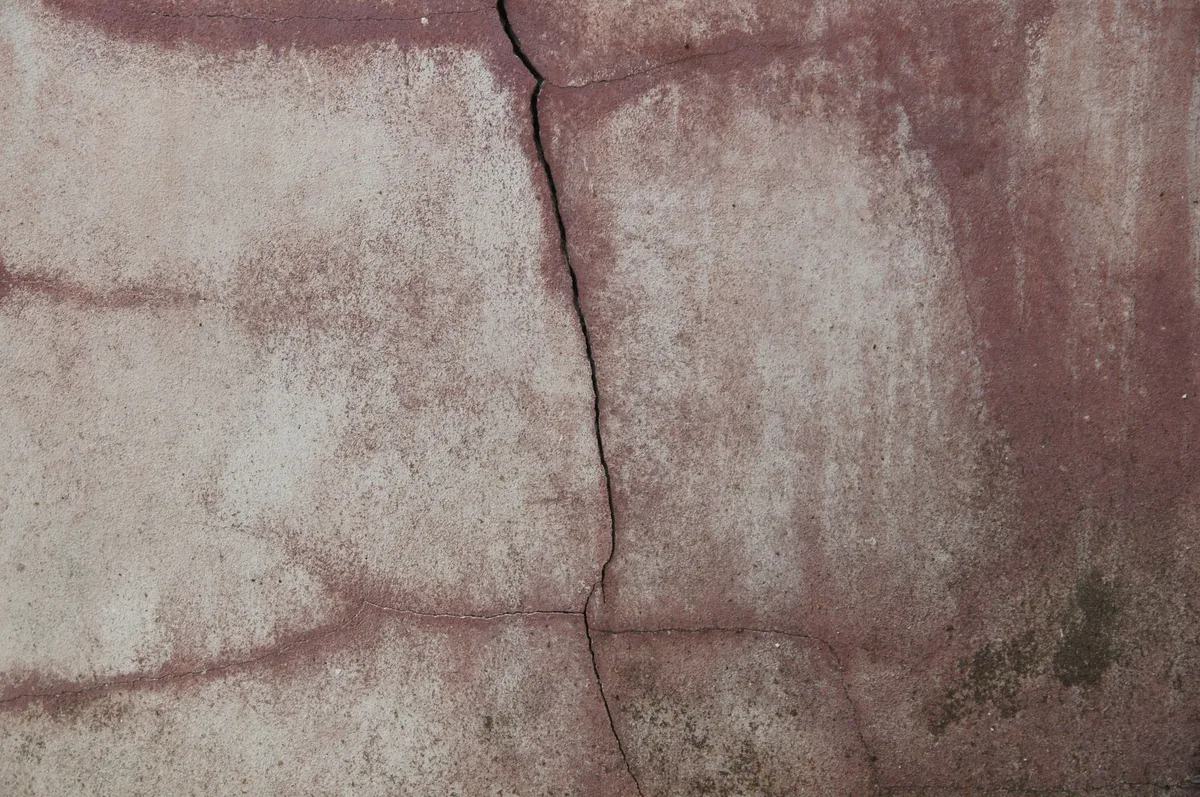
Exclusion is your strongest tool. Inspect the outside of your home. Look for cracks in the foundation, gaps around windows, and spaces where utility lines enter. Fill every gap you find.
Use silicone caulk for small cracks. Use expanding foam for larger holes. Pay special attention to the door sweep.
A 1/16-inch gap is enough for ants to enter.
Monitor regularly. Check for new ant trails every few weeks during warm months. Walk the perimeter of your home. Look for small piles of dirt or sand near the foundation.
These are signs of nest entrances. Treat them early before the colony grows.
Time your treatments seasonally. Baits are most effective in spring and early summer. That is when ant colonies are building up and foraging heavily. Fall is also good, as ants stock up for winter.
Avoid treating during heat waves. Ants move less when it is extremely hot. Apply baits in the evening or early morning for best results.
Keep the environment clean. Crumbs, spills, and unwashed dishes attract ants. Take out the trash regularly. Store pet food in sealed containers.
Wipe down counters daily. A clean kitchen is much less inviting.
Trim vegetation away from the house. Branches and shrubs touching the exterior provide bridges for ants. Keep mulch at least six inches away from the foundation. Fire ants love to nest in mulch.
Consider the plants around your home. Certain plants can attract or repel ants indirectly. For instance, plants that attract hummingbirds can also bring in other insects that ants prey on. If you have indoor plants, check the soil moisture.
Overwatered pots can become ant nesting sites. Proper drainage helps.
Combine these practices and you reduce the chance of future infestations drastically. Exclusion plus monitoring plus seasonal baiting is the formula that professional pest control managers recommend. It is not flashy.
It works.
Safety & Pets – Boric Acid, Diatomaceous Earth, Essential Oils, and Children
Safety concerns often drive the choice between chemical and natural methods. Here is what you need to know.
Boric acid and borax are low toxicity for mammals. The EPA classifies boric acid as a Group E carcinogen (no evidence of human carcinogenicity). The risk is minimal for adults. For children and pets, keep bait stations out of reach.
A child would need to eat several teaspoons to experience serious effects. Still, store them securely.
Diatomaceous earth is safe to eat but harmful to inhale. Food grade diatomaceous earth is non toxic if swallowed. The dust can irritate lungs and eyes. Wear a mask when applying it.
Keep children away until the dust settles. Pets can walk through it without harm.
Essential oils require careful dosing. Peppermint oil and cinnamon oil are generally safe for humans when diluted. Cats lack the liver enzymes to process tea tree oil and some other essential oils. Even small amounts can cause drooling, vomiting, or liver damage.
Use essential oils only in areas pets cannot access.
Chemical baits with fipronil or indoxacarb are safe when placed properly. The poison is inside the bait station. Pets cannot reach it unless they break the plastic. Place stations under appliances or in corners.
Check them periodically for damage.
Real Scenarios – What Worked for Others
A family in Georgia had odorous house ants in their kitchen every spring. They tried sprays for two years with no success. They switched to sugar based liquid baits.
Within ten days, the ant activity stopped. They now bait every March as a preventive measure.
A homeowner in Texas dealt with fire ant mounds in their lawn. They used granular bait spread over the entire yard. After three weeks, the mounds were inactive.
They reapply once per year in April.
A couple in Vermont found carpenter ants in their bathroom wall. They used a protein based gel bait and sealed the entry points. The infestation cleared in two weeks.
They then fixed a leaky pipe that was attracting the ants.
Final Verdict – Which Approach Wins for Your Situation?
There is no single best method. The right choice depends on your priorities.
If you want minimal effort and reliable colony elimination, use chemical baits. If you prefer non toxic options and do not mind reapplying, combine diatomaceous earth with exclusion. If you have a severe infestation or structural damage, call a professional.
For most homes, the best strategy is a layered one. Seal entry points first. Place baits second.
Maintain a clean environment third. Monitor and treat seasonally. That approach works no matter which ant you are dealing with.
Frequently Asked Questions
How long does it take for ant baits to work?
Most ant baits take 7 to 14 days to eliminate the colony. You may see more ants for the first few days. That is a sign the bait is working.
Are natural ant remedies as effective as chemical ones?
Natural remedies like diatomaceous earth and vinegar are effective for surface issues but rarely eliminate the colony. Chemical baits are more reliable for complete control.
Can I use both chemical and natural methods together?
Yes, but avoid repellent sprays near bait stations. Repellents drive ants away from the poison. Combine non repellent methods like diatomaceous earth with baits for best results.
What is the most important step in preventing ants?
Sealing entry points is the single most effective long term strategy. Ants cannot get in if there is no gap. Caulk, weather stripping, and door sweeps make a real difference.