Guide to Aphids Checklist for 2026: What Actually Works
You’ve got aphids, and you need to know exactly what to check, what to do, and when to act before those soft-bodied pests multiply into a full-blown infestation. An aphids checklist walks you through spotting early signs, assessing severity, and choosing the right treatment based on whether you’re growing edibles or ornamentals, working indoors or outdoors, and dealing with a few stragglers or a colony covering every stem.
Aphids reproduce asexually in warm weather, with a single female producing 40 to 60 offspring in her lifetime and populations doubling every few days when conditions are right. That’s why a methodical inspection routine and a decision tree for treatment make the difference between a quick fix and repeated failures.
Quick Answer
An aphids checklist starts with visual inspection of leaf undersides, new growth, and stems for clusters of small, soft-bodied insects and sticky honeydew residue. Check for yellowing, curling leaves and sooty mold. Assess severity by counting aphids per leaf.
Treatment choice depends on plant type, location, and infestation stage. Light infestations respond to water spray. Moderate cases need insecticidal soap or neem oil.
Heavy infestations may require systemic insecticides or beneficial insect release.
What This Aphid Checklist Covers (And Why You Need One)
Aphids are sap-sucking insects that cluster on plant tissue and reproduce at astonishing speed. Without a systematic approach, you’ll miss early colonies hiding on leaf undersides, treat the wrong way for your situation, or apply products that don’t match the severity of the problem.
This checklist organizes your response into clear steps. You’ll learn what to look for during inspection, how to gauge whether you’re dealing with a light or heavy infestation, and which treatment methods work best for edibles versus ornamentals, indoor versus outdoor plants, and early versus advanced stages.
The goal is to avoid guesswork. Aphids come in multiple species, green peach aphids, black bean aphids, woolly aphids, root aphids, and each behaves slightly differently. But the core inspection and decision logic stays the same, so you can act fast and choose the most effective, least disruptive control method for your garden.
How to Spot an Aphid Problem: Visual Inspection Checklist
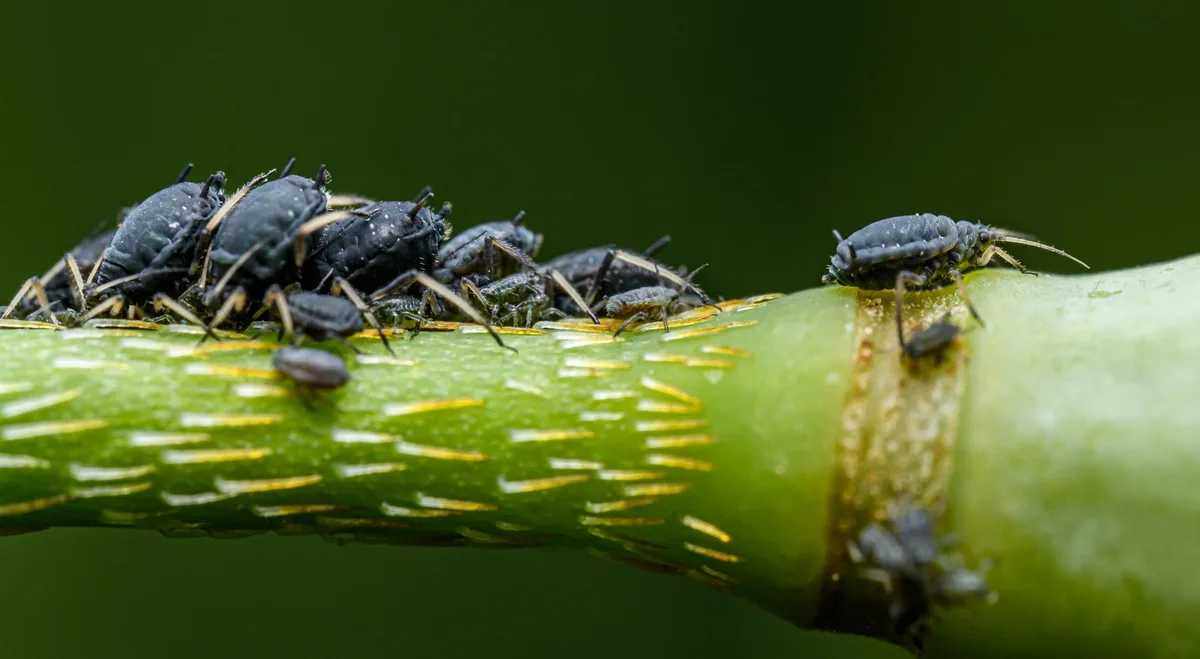
Start your inspection on the undersides of leaves. That’s where most aphid colonies establish themselves, out of direct sun and harder for predators to spot. Look for clusters of small, pear-shaped insects, usually 1 to 4 millimeters long, in shades of green, black, yellow, pink, or white depending on species.
Check new growth next. Aphids prefer tender shoots, buds, and young leaves because the tissue is easier to pierce with their mouthparts. If you see curled or distorted leaves at the tips of stems, flip them over and inspect closely.
Run your fingers along the stems. Aphids often line up along the length of a stem, especially near nodes where leaves attach. You’ll feel a slight stickiness if honeydew is present.
That’s the sugary excretion aphids produce as they feed.
Look for secondary signs when direct sighting is tough. Sticky, shiny patches on leaves below the infestation point are honeydew drips. A black, sooty coating on top of that stickiness is sooty mold, a fungal growth that feeds on the honeydew but doesn’t directly harm the plant.
Both are dead giveaways that aphids are feeding above.
Watch for ant activity. Ants farm aphids for honeydew, protecting them from predators and even moving them to fresh feeding sites. If you see ants marching up and down your plant stems, follow their trail.
They’ll lead you straight to the aphid colony.
Check the Undersides of Leaves First
Aphids avoid direct sunlight and predators by clustering on the lower leaf surface. When you inspect, gently lift each leaf and scan the entire underside, not just the center. Colonies often start near the leaf veins where sap flow is strongest.
Use a hand lens or your phone’s macro mode if the insects are tiny. Newly hatched aphids, called nymphs, can be nearly translucent and easy to miss. Even a small colony of 5 to 10 aphids per leaf warrants attention, because that number can explode within a week.
Look for These Physical Signs on Your Plants
Yellowing leaves, especially on new growth, signal sap loss. Aphids pierce the phloem and drain nutrients, weakening the plant and causing chlorosis. Curled or cupped leaves protect the aphids from spray treatments and make them harder to spot.
Stunted growth is common in heavy infestations. When aphids cover buds and shoot tips, the plant can’t expand normally. You’ll see shortened internodes, smaller leaves, and a general lack of vigor compared to healthy plants nearby.
Distorted flowers or fruit happen when aphids feed on buds. Petals may emerge twisted, or fruit may develop lopsided. This cosmetic damage matters more on ornamentals and cut flowers than on vegetables, but it’s a clear sign of aphid pressure during the flowering stage.
Don’t Ignore the Ants: They’re Farming Aphids
Ants and aphids have a mutualistic relationship. Ants protect aphids from ladybugs, lacewings, and other predators in exchange for honeydew. If you spray aphids but ignore the ants, the ants will bring in new aphids or protect survivors long enough for the colony to rebuild.
Managing ants means breaking their access routes. Sticky barriers around the base of plant stems stop ants from climbing. Alternatively, treat ant nests near your garden with bait stations.
Once the ants are gone, beneficial insects can do their job without interference.
Assessing Infestation Severity: Light, Moderate, or Heavy
Light infestations show 5 to 10 aphids per leaf on a few isolated leaves. The plant still looks healthy overall, with no yellowing or curling. Honeydew may be barely noticeable, and you won’t see sooty mold yet.
Ants might be present but not in large numbers.
Moderate infestations involve clusters of 10 to 30 aphids per leaf on multiple leaves, especially new growth. You’ll see some leaf curl, yellowing, or stunted shoots. Honeydew is obvious, and sooty mold may be starting to form.
Ants are actively tending the colonies, and you might spot a few winged aphids, a sign the population is spreading.
Heavy infestations cover most of the plant. Aphids blanket stems, buds, and the undersides of nearly every leaf. The plant shows severe stress, wilting, extensive yellowing, and heavy leaf curl.
Honeydew drips onto lower leaves and the ground. Sooty mold is widespread. Winged aphids are common, and the colony is likely moving to neighboring plants.
Count aphids on three representative leaves to gauge severity. Pick one new leaf, one mid-growth leaf, and one older leaf. Average the counts.
If the average is under 10, you’re in the light range. Between 10 and 30 is moderate. Over 30 per leaf is heavy.
Check neighboring plants too. Aphids migrate easily, and a light infestation on one plant often means moderate or heavy pressure is building nearby. Winged aphids develop when colonies get crowded, and they’ll fly to the next host to start new colonies.
Decision Tree: Choosing the Right Treatment Based on Your Situation
Your treatment choice depends on three variables: what you’re growing, where it’s growing, and how severe the infestation is. Each combination points to a different control method, and picking the wrong one wastes time, money, or risks harming beneficial insects, pollinators, or the safety of your harvest.
Start by asking whether you’re growing edibles or ornamentals. Edibles have stricter safety rules. You can’t use systemic insecticides with long residual periods on vegetables you’ll eat within days.
Ornamentals give you more flexibility, but you still want to avoid overkill if a gentler method works.
Next, consider location. Indoor plants limit your options because you can’t rely on rain, wind, or beneficial insects. Outdoor plants, especially perennials and established garden beds, benefit from biological control and weather that naturally reduces aphid populations in cooler months.
Finally, match severity to treatment intensity. Light infestations rarely need chemicals. Moderate cases benefit from contact sprays that break down quickly.
Heavy infestations, especially on high-value crops or indoor plants, may justify stronger intervention or a combination of methods.
If You’re Growing Edibles vs Ornamentals
For edibles, prioritize mechanical removal and OMRI-listed organic products. Water spray, insecticidal soap, and neem oil are all safe for vegetables, herbs, and fruit as long as you wash produce before eating. Avoid systemic insecticides like imidacloprid on anything you’ll harvest within the labeled pre-harvest interval, typically 7 to 21 days depending on the product.
For ornamentals, you have more leeway. Systemic insecticides applied as a soil drench provide weeks of protection without repeated spraying. That’s useful for roses, landscape shrubs, and flowering plants where cosmetic damage matters and you’re not concerned about residues on edible tissue.
Check product labels for specific crop restrictions. Some formulations are labeled for ornamentals only. Others list per-crop pre-harvest intervals.
Don’t assume “natural” means unrestricted. Even neem oil and pyrethrin sprays carry use guidelines for edibles.
Indoor Plants vs Outdoor Gardens
Indoor plants can’t rely on rain to wash off aphids or beneficial insects to hunt them down. Your best tools are manual removal, insecticidal soap, and neem oil. Spray in a sink or bathtub to avoid mess, and repeat every 5 to 7 days to catch newly hatched nymphs.
Quarantine new indoor plants for at least two weeks before placing them near your collection. Aphids often hitchhike on nursery stock, and a single infested plant can seed your entire indoor garden.
Outdoor gardens benefit from integrated pest management. Release ladybugs or lacewings for long-term biological control. Plant companion species like marigolds, nasturtiums, or chives to attract beneficial insects.
Weather events, frost, heavy rain, and wind, knock down aphid populations naturally.
Greenhouse and high tunnel environments fall somewhere in between. You have limited access to natural predators, but you can introduce beneficials and manage humidity and airflow to make conditions less favorable for aphids. Sticky traps help monitor winged aphids and slow their spread.
Early Detection vs Full-Blown Infestation
Catching aphids early means a water spray might be all you need. Blast the undersides of leaves with a strong jet from a hose or spray bottle. Aphids dislodged onto the ground rarely climb back up, and many drown or get eaten by ground beetles.
Moderate infestations require chemical or biological intervention. Insecticidal soap or neem oil applied thoroughly to all leaf surfaces and stems will kill aphids on contact. You’ll need two to three applications spaced 5 to 7 days apart to break the reproductive cycle.
Heavy infestations call for a multi-method approach. Prune and dispose of heavily colonized shoots to reduce population load immediately. Treat the remaining plant with a contact spray or systemic insecticide depending on the crop.
Follow up with beneficial insect release once the chemical residue clears, typically 7 to 14 days after the last spray.
Treatment Options Ranked by Situation
Water spray works best for light infestations on outdoor plants with sturdy foliage. It’s free, safe, and immediately effective if you can physically knock aphids off the plant. The downsides are that it doesn’t kill aphids, it just relocates them, and you’ll need to repeat every few days.
Insecticidal soap kills aphids on contact by disrupting their cell membranes. It’s OMRI-listed for organic use and breaks down within hours, leaving no residue. Use it for moderate infestations on both edibles and ornamentals when you need more than mechanical removal but want to avoid synthetic chemicals.
Neem oil acts as both a contact killer and a feeding deterrent. It coats aphids and interferes with their molting and reproduction. It’s slower than soap but provides a few days of residual protection.
Best for moderate infestations where you want some carryover effect between applications.
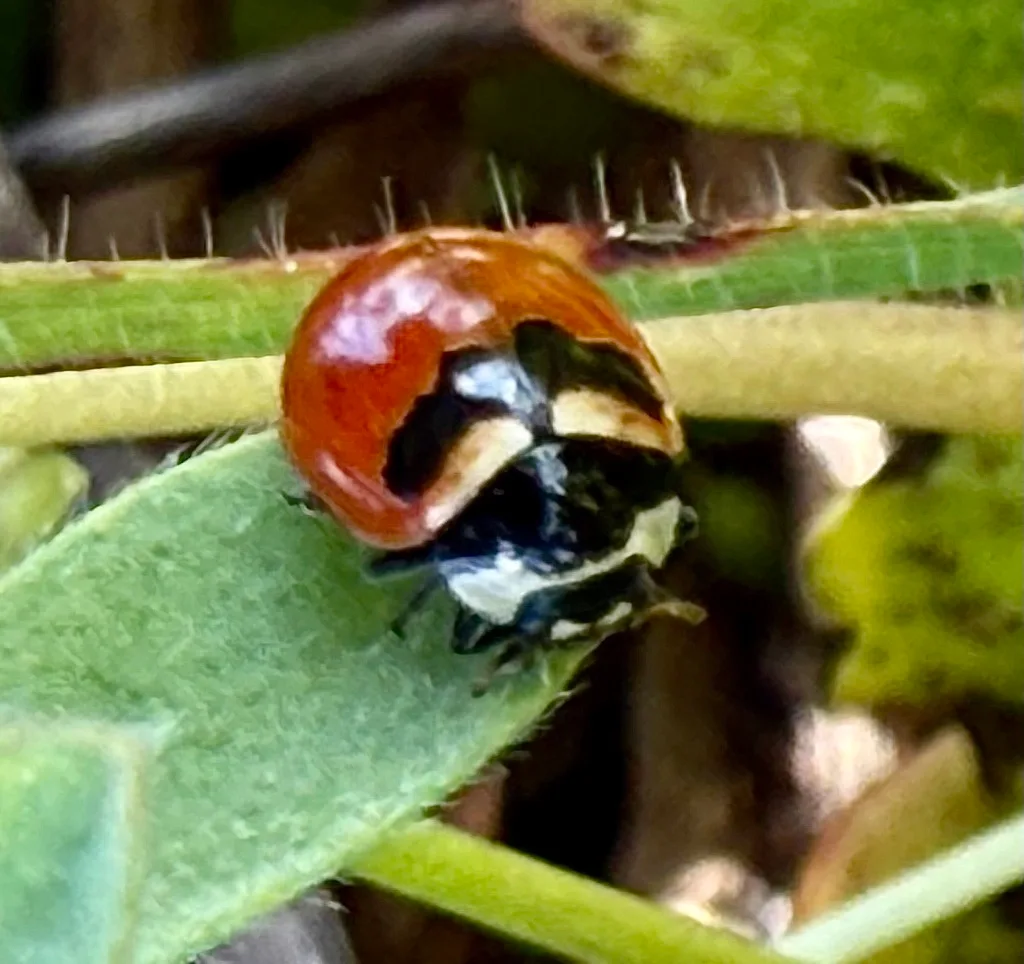
Beneficial insects offer long-term control outdoors. Ladybugs, lacewings, and parasitic wasps hunt aphids continuously once established. This method works for moderate to heavy infestations in gardens and landscapes, especially on fruit trees and perennial beds where you can build a stable predator population.
Systemic insecticides deliver the longest protection but come with trade-offs. Imidacloprid applied as a soil drench moves into plant tissue and kills aphids for weeks. Reserve this for heavy infestations on ornamentals or situations where repeated spraying isn’t practical.
Avoid on edibles unless the label explicitly allows it with a stated pre-harvest interval.
Water Spray: When It Works and When It Doesn’t
Water spray dislodges aphids from leaf surfaces and stems. A strong jet from a hose or spray bottle knocks them to the ground, where they struggle to return. Most dislodged aphids die from exposure, predation, or drowning if the soil is wet.
This method works on plants with tough leaves like roses, tomatoes, and peppers. It fails on delicate foliage like lettuce or young seedlings, where the force needed to remove aphids damages the plant. You’ll also struggle with woolly aphids, whose waxy coating helps them cling tighter.
Repeat every two to three days for at least a week. Newly hatched nymphs won’t be knocked off as easily, so persistence matters. If the population rebounds within 48 hours, switch to a contact spray.
Insecticidal Soap vs Neem Oil: Which to Use When
Insecticidal soap acts faster and rinses off cleanly. It kills aphids within minutes of contact and leaves no film. Use it when you need quick knockdown on edibles you’ll harvest soon, or when you want to avoid any residue on leaves.
Neem oil takes longer to work but provides some repellent effect. The azadirachtin compound disrupts aphid feeding and growth. It leaves a thin coating that deters new arrivals for a few days.
Choose it for ornamentals or when you’re dealing with repeat infestations and want a bit of carryover protection.
Both products require thorough coverage. Spray the undersides of every leaf, along stems, and into curled foliage where aphids hide. Neither product has residual activity once it dries, so reapplication every 5 to 7 days is standard until the population collapses.
Don’t mix the two in the same tank. They have different active ingredients and dilution rates. Applying one, waiting a few days, then switching to the other if needed is safer than combining them.
Beneficial Insects: Best for Long-Term Outdoor Control
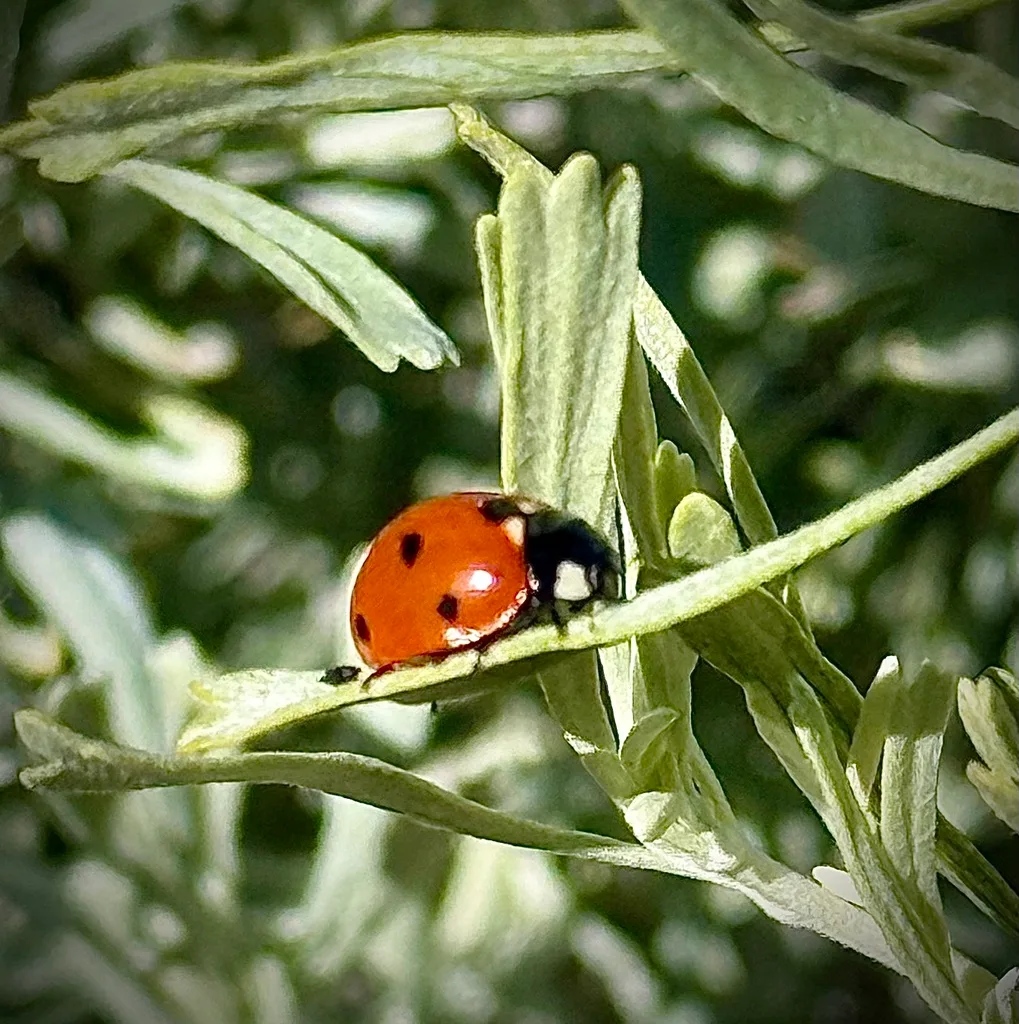
Ladybugs, lacewings, and parasitic wasps all prey on aphids. Ladybugs consume dozens of aphids per day as adults and even more as larvae. Lacewing larvae are voracious hunters.
Parasitic wasps lay eggs inside aphids, and the developing wasp larva kills the host from within.
Release beneficials after you’ve knocked down the aphid population with a water or soap spray. If you release them into a heavy infestation, they’ll eat their fill and then leave because the plant is already too damaged. If you release them when aphid numbers are moderate, they’ll stick around and patrol for stragglers.
Timing matters. Release beneficials in the evening or early morning when temperatures are cooler and they’re less likely to fly away immediately. Lightly mist the plants before release to give the insects a drink and encourage them to settle.
Don’t spray insecticides, even organic ones, for at least a week before and after releasing beneficials. Insecticidal soap and neem oil kill predatory insects just as effectively as they kill aphids. If you need to spray, wait until the residue clears before introducing your biological control agents.
Systemic Insecticides: Last Resort for Severe Cases
Systemic insecticides like imidacloprid are absorbed through roots or foliage and move throughout the plant. Aphids feeding on treated tissue ingest the chemical and die. Protection lasts weeks to months depending on the formulation and application method.
Soil drenches work best for potted plants, shrubs, and trees. Mix the product per label instructions and water it into the root zone. The plant takes it up over several days, and aphids feeding anywhere on the plant are affected.
Foliar sprays of systemic products act faster but don’t last as long. They’re useful when you need quick results on a large plant where soil drenching isn’t practical.
Only use systemics on ornamentals unless the product label explicitly permits use on edibles with a stated pre-harvest interval. As of 2026, many neonicotinoid products remain restricted or banned for certain crops in various states due to pollinator protection regulations. Check local rules before purchase.
Step-by-Step Treatment Workflow
Start with immediate assessment. Count aphids on representative leaves, check for ants, and note the plant type and location. Write down the severity level and the treatment method you’re choosing so you can track whether it’s working.
Remove heavily infested shoots first. Prune back any stems or leaves where aphids form a solid mass. Bag the cuttings and dispose of them in the trash, not the compost pile, to prevent aphids from spreading.
Apply your chosen treatment thoroughly. For water spray, blast every leaf surface and stem. For soap or neem oil, mix per label directions and spray until runoff.
For systemic drenches, measure carefully and water into the root zone evenly.
Monitor daily for the first three days. Check the same leaves you inspected initially and compare aphid counts. If the population hasn’t dropped by at least half within 72 hours, your treatment isn’t working and you need to escalate to a stronger method.
Reapply on schedule. Contact sprays need repeat applications every 5 to 7 days to catch newly hatched nymphs. Systemic drenches typically don’t require reapplication for several weeks.
Track your spray dates so you don’t skip a cycle and let the population rebound.
Immediate Actions for New Infestations
Isolate the affected plant if it’s in a container. Move it away from other plants to prevent winged aphids from spreading. Quarantine it until you’ve completed at least two treatment cycles and confirmed the aphid population is gone.
Knock down ants immediately. Apply a sticky barrier or ant bait near the plant base. Ants protect aphids and interfere with every other control method, so breaking that relationship comes first.
Application Techniques That Actually Work
Spray coverage matters more than product choice. Aphids hide on leaf undersides, in curled foliage, and along stems. If you miss those spots, survivors will rebuild the colony within days.
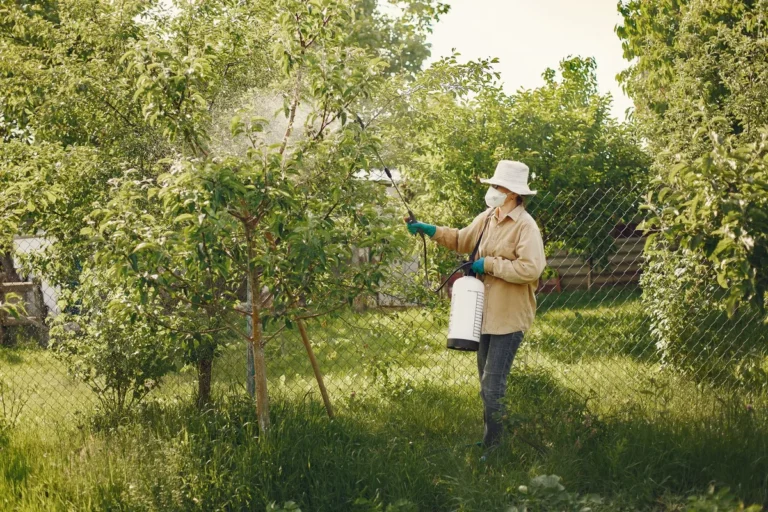
Use a spray bottle with an adjustable nozzle for small plants. A hose-end sprayer or pump sprayer works better for larger plants and garden beds. Tilt leaves upward to expose the undersides and spray from below as well as above.
Apply early in the morning or late in the evening when temperatures are cooler. Hot midday sun can cause phytotoxicity with some oil-based products. Cooler temps also give the product more time to work before it evaporates.
Reapplication Schedule and Monitoring
Soap and neem oil need reapplication every 5 to 7 days for two to three cycles. Aphids hatch continuously, and contact sprays only kill what they touch. Each reapplication catches the next generation before they mature and reproduce.
Check treated plants 24 hours after each spray. You should see dead and dying aphids on the ground and a sharp drop in living aphids on the plant. If you don’t see improvement, increase coverage or switch to a different active ingredient.
Stop spraying once you see fewer than 5 aphids per leaf on two consecutive inspections a week apart. At that point, any remaining aphids will likely be controlled by natural predators or won’t cause enough damage to warrant further treatment.
Common Mistakes That Let Aphids Come Back
Skipping the undersides of leaves is the most common error. Aphids cluster there, and top-only spraying leaves the majority of the population untouched. They’ll keep feeding and reproducing as if nothing happened.
Under-diluting or over-diluting products reduces effectiveness. Insecticidal soap that’s too weak won’t penetrate the aphid’s cuticle. Soap that’s too strong can burn foliage.
Follow label rates exactly. If the label says 2 tablespoons per gallon, measure it.
Stopping treatment after one application rarely works. You’ve killed the adults and older nymphs, but eggs and newly hatched aphids survive. They mature within a week and restart the cycle.
Commit to at least two follow-up sprays spaced 5 to 7 days apart.
Ignoring ants guarantees failure. Ants actively defend aphid colonies from sprays and predators. They’ll move aphids to untreated parts of the plant or bring in replacements from neighboring plants.
Break the ant-aphid relationship or your treatment will fail.
Releasing beneficial insects too early wastes money. If you release ladybugs into a plant still dripping with insecticidal soap, the soap kills the ladybugs. Wait at least 7 days after your last contact spray application before introducing any biological control.
Preventing Re-Infestation: What to Do After Treatment
Inspect weekly even after aphids are gone. Early detection of a new colony means you can stop it with a quick water spray instead of repeating a full treatment cycle. Check the same high-risk areas, leaf undersides, new growth, and stems near the soil.
Maintain plant health to improve resistance. Stressed plants emit chemical signals that attract aphids. Water consistently, provide appropriate fertilizer, and avoid over-fertilizing with high-nitrogen products that promote soft, aphid-friendly growth.
Use row covers or insect netting on vulnerable crops. Physical barriers keep winged aphids from landing on plants in the first place. This works well for lettuce, brassicas, and other cool-season vegetables that aphids target heavily in spring and fall.
Encourage beneficial insect habitat in your garden. Plant marigolds, nasturtiums, or chives to attract hoverflies and parasitic wasps. Leave some unmowed areas or install insect hotels to provide overwintering sites for ladybugs and lacewings.
Managing Ant Populations Around Your Plants
Treat ant nests within 10 feet of your garden. Use bait stations that contain boric acid or similar slow-acting toxins. Worker ants carry the bait back to the colony, killing the queen and collapsing the nest over a few weeks.
Apply sticky barriers around plant stems or pot rims. Products like Tanglefoot create a physical barrier ants can’t cross. Reapply every few weeks as dust and debris reduce effectiveness.
Quarantine and Plant Health Maintenance
Quarantine new plants for two weeks before adding them to your garden or indoor collection. Inspect daily during quarantine. If aphids appear, treat immediately and extend quarantine another week after the last aphid is gone.
Prune overcrowded growth to improve airflow. Dense foliage creates microclimates that favor aphid reproduction. Thinning shoots and removing crossing branches reduces hiding spots and makes inspection easier.
When to Prune or Remove Heavily Damaged Growth
Prune stems where aphids have caused permanent damage, severe curling, stunting, or wilting that won’t recover. Removing this growth eliminates the largest aphid concentrations and improves the plant’s ability to allocate resources to healthy tissue.
Discard badly infested annuals that aren’t worth saving. If an entire lettuce plant or basil seedling is covered in aphids and showing little healthy growth, pull it and start fresh. Trying to save a plant that’s 80% damaged wastes time and provides a reservoir for aphids to spread.
Safety and Timing: What’s Safe for Edibles and Pollinators
Insecticidal soap and neem oil are both safe for edibles when used per label instructions. Wash produce thoroughly before eating. Most labels recommend rinsing harvested vegetables and herbs under running water for at least 30 seconds to remove any residue.
Avoid spraying open flowers. Contact sprays kill bees, butterflies, and other pollinators on contact. Treat early in the morning or late in the evening when pollinators aren’t active, and target foliage only.
Systemic insecticides pose the greatest risk to pollinators. Products containing imidacloprid persist in plant tissue for weeks and can concentrate in pollen and nectar. Don’t use systemics on flowering plants or anything that attracts bees.
Special Cases: Root Aphids and Woolly Aphids
Root aphids feed on roots below the soil surface. Symptoms include wilting, yellowing, and stunted growth with no visible aphids on foliage. Check the root zone by gently lifting the plant from its pot.
You’ll see white or grayish aphids clustered on roots.
Treat root aphids with a systemic soil drench. Water-based insecticides won’t reach them. Imidacloprid applied to the soil moves into roots and kills feeding aphids within days.
Repeat per label instructions if the infestation persists.
Woolly aphids secrete a white, waxy coating that protects them from contact sprays. They often cluster on stems and branches rather than leaves. Water spray doesn’t dislodge them effectively because the wax helps them cling.
Use horticultural oil for woolly aphids. The oil penetrates the waxy coating and suffocates the insects. Apply when temperatures are between 40°F and 85°F to avoid plant damage.
Repeat every 7 to 10 days until the colony is gone.
Quick Reference: Aphid Control Decision Guide
| Situation | Recommended Treatment | Reapplication |
|---|---|---|
| Light infestation, outdoor | Water spray | Every 2-3 days |
| Moderate, edibles | Insecticidal soap | Every 5-7 days |
| Moderate, ornamentals | Neem oil or soap | Every 5-7 days |
| Heavy, outdoor garden | Beneficial insects + soap | One release + 2 sprays |
| Heavy, ornamentals | Systemic drench | Per label (weeks) |
| Root aphids | Systemic drench | Per label |
| Woolly aphids | Horticultural oil | Every 7-10 days |
Frequently Asked Questions
How do I know if I have aphids or whiteflies?
Aphids are pear-shaped, move slowly, and cluster on stems and leaf undersides. Whiteflies are tiny, white, triangular insects that fly up in a cloud when you disturb the plant. Aphids leave honeydew and sooty mold.
Whiteflies do too, but their adults are always visible on the leaf surface.
Can I use dish soap instead of insecticidal soap?
Dish soap can work in a pinch, but it’s riskier. Use only pure liquid soap with no degreasers, fragrances, or antibacterial agents. Mix 1 to 2 teaspoons per quart of water.
Test on a single leaf first. Some dish soaps burn foliage. Insecticidal soap is formulated to be safer and more effective.
How long does it take to get rid of aphids completely?
Light infestations clear in 7 to 10 days with consistent treatment. Moderate cases take 2 to 3 weeks. Heavy infestations may require a month or more, especially if you’re relying on beneficial insects to establish.
Track your progress by counting aphids weekly.
Will aphids come back every year?
Aphids overwinter as eggs on perennials, shrubs, and trees in temperate climates. They’ll return each spring if you don’t manage the host plants. In warm climates and greenhouses, aphids reproduce year-round.
Prevention through inspection and early treatment reduces recurrence.
Are aphids harmful to humans?
No. Aphids don’t bite, sting, or transmit diseases to humans. The main concern is plant damage and the transmission of plant viruses.
Wash produce thoroughly to remove honeydew and any residual aphids before eating.