Guide to Beginner Lawn Care Checklist for 2026: Quick Guide
Soyou're staring at a yard that's half weeds, half bare dirt, and honestly you're not sure where to even start. That's exactly why this Beginner Lawn Care Checklist exists, to give you a clear, no-guesswork path from patchy mess to actual grass you're proud of.
The trap most people fall into is grabbing the nearest bag of fertilizer and hoping for the best. That approach wastes time and money. According to university turf research, roughly 70% of lawn problems trace back to one of three causes: wrong grass type, compacted soil, or watering at the wrong time.
Fix those first, and everything else gets easier. Let's walk through it step by step.
Quick Answer
A beginner lawn care checklist has four core steps. Identify your grass type and climate zone. Test your soil pH and nutrients.
Set a correct mowing height. Water deeply but less often. Start with the soil test, it tells you exactly what your lawn needs.
Time the rest according to your growing season. Avoid common beginner mistakes like mowing too short or watering every day.
The Core Problem
Most new lawn owners don't realize they're fighting against their own grass. You might be watering a cool-season fescue lawn the same way your neighbor waters his Bermuda, and wondering why yours looks terrible.
The real issue is a mismatch between what you're doing and what your specific lawn actually requires. A lawn in the Pacific Northwest needs a completely different schedule than one in Arizona. Even two lawns on the same street can need different care if they have different soil types or sun exposure.
That's why one-size-fits-all "lawn care checklists" you find online are rarely useful. They ignore the most important variable, your specific situation.
The Big Truth: One Checklist Doesn't Fit Every Lawn
Here's the honest truth: there is no single schedule that works for all lawns. But there is a decision-making framework that works no matter where you live.
You need to answer three questions before you do anything else:
- What grass type do I have? (Cool-season or warm-season)
- What season is it right now? (Spring, fall, or summer)
- What does my soil actually need? (Test results)
Once you know those three things, the rest of the checklist becomes obvious. If you try to skip ahead to buying products, you'll likely waste money on the wrong fertilizer or the wrong seed.
A good analogy: you wouldn't buy tire chains for your car without knowing if you're driving in snow or on dry pavement. Same with your lawn, the conditions dictate the tools.
Step 1: Know Your Grass Type (Cool-Season vs. Warm-Season)
This is the single most important thing you'll learn about your lawn. Grass falls into two main categories based on when it grows actively.

Cool-season grasses (fescue, Kentucky bluegrass, ryegrass) grow best in spring and fall when soil temperatures are between 60°F and 75°F. They go dormant in summer heat and may turn brown without extra watering. Common across the northern half of the US, the Midwest, and the Pacific Northwest.
Warm-season grasses (Bermuda, Zoysia, St. Augustine, Centipede) thrive when soil temps hit 80°F or higher. They green up in late spring, grow fast through summer, and go dormant in winter.
Common in the southern US from California to Florida.
If you don't know your type, look at your lawn in early spring. Cool-season grass will be actively greening up while warm-season grass is still brown. Or check with your local extension office, they'll tell you what's common in your area.
Once you know your grass type, you can set the right mowing height and watering frequency. For example, cool-season lawns need a taller cut (3, 4 inches) to shade the soil and stay cool. Warm-season lawns do well at 1, 2 inches.
Getting this wrong is one of the biggest beginner errors. For more on basic tool upkeep, cleaning the air filter on your mower helps maintain a clean cut.
Step 2: Pick Your Season (Spring, Fall, or Summer Start)
Timing matters more than almost anything else. If you apply fertilizer or seed at the wrong time of year, you're feeding weeds or wasting seed.
Here's a simple breakdown:
| Season | Best action for cool-season | Best action for warm-season |
|---|---|---|
| Spring | Light fertilizer, pre-emergent | Wait for soil to warm (May+) |
| Summer | Minimal watering, don't fertilize | Active growth, regular mowing |
| Fall | Overseed, aerate, fertilize | Prepare for dormancy, reduce water |
| Winter | Do nothing – lawn is dormant | Do nothing – lawn is dormant |
If you're starting in spring (which most beginners do), your first job is to resist the urge to do too much. For cool-season lawns, apply a pre-emergent weed preventer when soil temps hit 55°F. For warm-season lawns, hold off until the last frost date passes and the grass is fully green.
If you're starting in fall, you're in the best spot. That's the ideal time for overseeding and aeration for cool-season lawns. For warm-season lawns, fall is when you cut back on watering and stop fertilizing.
No matter the season, always check the right oil level before you start mowing after a long break, a neglected engine will struggle.
Step 3: The Most Important Thing You'll Do This Year (Soil Test)
This is the step almost everyone skips, and it's the reason their lawn never improves.
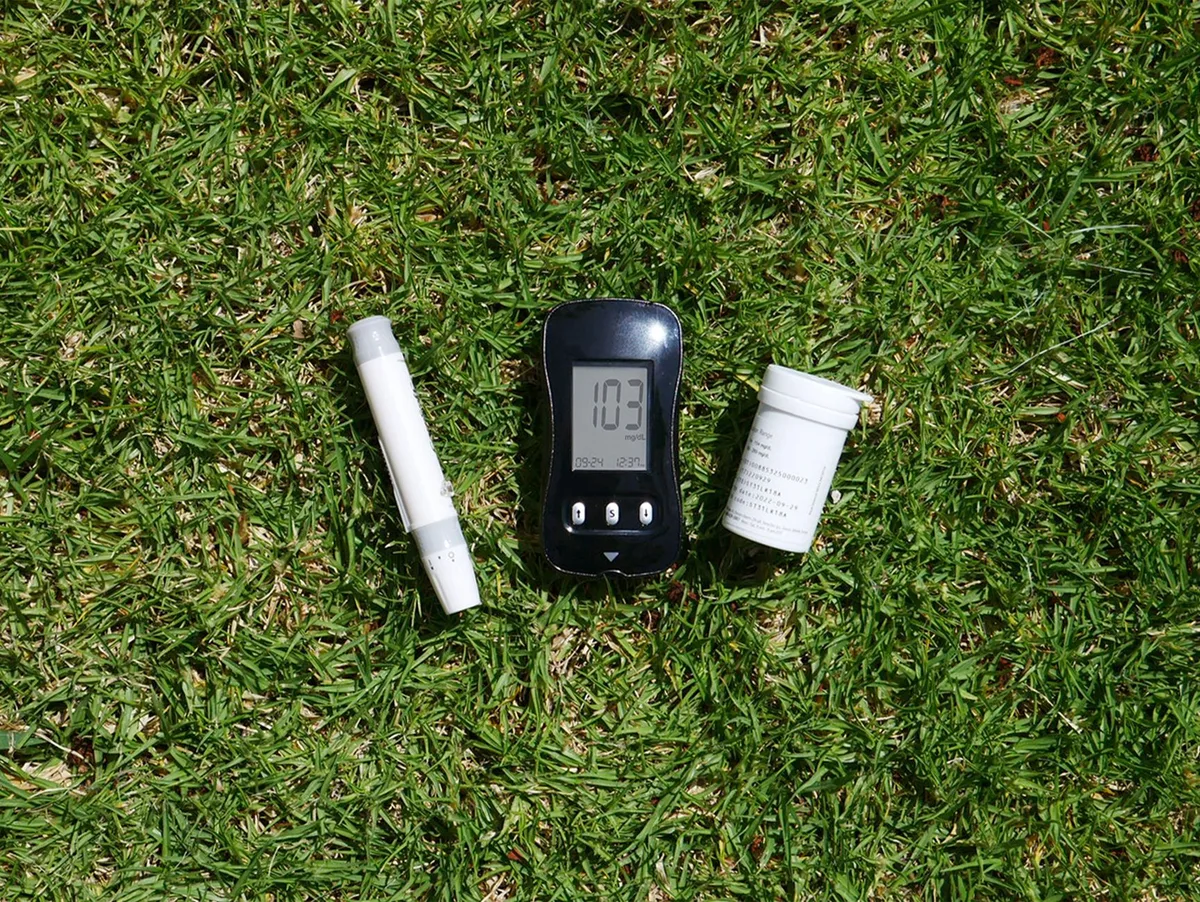
A soil test tells you your soil's pH and nutrient levels. Most lawns grow best in a pH range of 6.0 to 7.0. If your soil is too acidic or too alkaline, the grass can't absorb the fertilizer you apply.
You're literally pouring money down the drain.
You have two options:
- DIY test kit, around $10-$20 at any garden center. Quick, basic pH reading. Good enough for most beginners.
- Lab test via extension office, around $10-$20, but gives you detailed NPK (nitrogen, phosphorus, potassium) levels and specific recommendations. This is what we recommend if you have the patience.
The lab test takes about two weeks for results. You'll get back exact amounts of limestone or sulfur to adjust pH, plus which fertilizer blend to use. That's information no generic checklist can give you.
Once you have your soil test results, you can move forward with confidence. If your pH is right, nutrients will actually work. If it's off, fix that first before spending a cent on fertilizer.
For flower beds near your lawn, the same principle applies, using the best slow release fertilizer for flowers helps avoid nutrient imbalances that affect adjacent turf.