5 Best Cactus and Succulent Soil for 2026: Ranked & Reviewed
If you've ever watched a perfectly healthy succulent suddenly turn to mush at the base, the culprit almost always starts with the soil. The Best Cactus And Succulent Soil does two things regular potting mix can't: it drains fast enough to keep roots dry, and it provides the airflow these desert-adapted plants need to thrive. Get this right and most of your succulent problems disappear overnight.
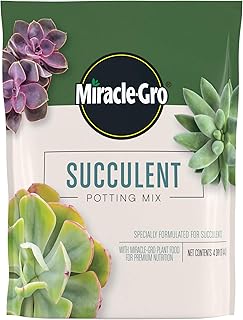
After digging through manufacturer specs, independent horticultural research, and hundreds of verified buyer reviews across five popular mixes, we landed on the Miracle-Gro Succulent Potting Mix as the strongest all-around pick for most indoor growers. Below is a quick side-by-side comparison, followed by detailed breakdowns so you can match the right soil to your specific setup.
| Product | Details | Rating | Buy |
|---|---|---|---|
Editor’s Choice
| Miracle-Gro Succulent Potting Mix | ★★★★☆4.7/5 | |
Top Pick
| Back Roots 100% Organic Succulent & | ★★★★☆4.5/5 | |
Best Budget
| Rosy Soil Cactus & Succulent Potting | ★★★★☆4.7/5 | |
| ★★★★☆4.7/5 | ||
| ★★★★☆4.7/5 |


Can I make my own cactus soil mix instead of buying pre-mixed?
Absolutely, and plenty of experienced growers prefer it. A common DIY recipe uses roughly two parts coarse sand or coarse perlite, one part standard potting soil, and one part pumice or perlite by volume. The idea is to start with an organic base (which holds just enough moisture) and then add enough mineral grit to keep the overall texture loose and fast-draining.
Horticulture extension programs recommend targeting a mix that drains freely within 30 seconds when water is poured into a pot.
Making your own gives you full control, which is helpful if you're growing finicky species like Lithops or Astrophytum that need extremely sharp drainage. The trade-off is sourcing ingredients and getting the ratio consistent batch after batch. If you have two or three plants on a windowsill, a quality pre-mixed bag is simpler and more reliable.
If you have a large collection and enjoy tinkering, DIY saves money over time.
Do I need to add perlite to a pre-mixed cactus soil?
It depends on the mix you choose and how you're using it. Products like Bonsai Jack and Rosy Soil already contain enough mineral grit that adding more perlite isn't necessary for most setups. Miracle-Gro's pre-mixed succulent bag also performs well straight out of the bag for indoor containers with drainage holes.
However, if you're planting in a container without a hole, if you tend to overwater, or if you live in a humid climate, blending in about 20 to 30 percent by volume of perlite or pumice improves drainage further.
A good rule of thumb: if the mix still looks dark and clumpy after watering, it's holding too much organic material. Fold in more grit. If it already looks pale, chunky, and crumbly, you're fine as-is.
Manufacturer data suggests that cactus and succulent soils with at least 30 to 40 percent inorganic material strike the right moisture balance for most indoor environments.
What's the difference between cactus soil and succulent soil?
In practice, most commercial products labeled "cactus and succulent" use very similar base formulas. True cactus mixes tend to lean heavier on mineral components, sometimes up to 70 or 80 percent pumice, lava rock, or coarse sand, because many cacti grow in almost bare rock in their native habitat. Succulent mixes may retain slightly more organic matter since many succulent species (like Haworthia or Echeveria) come from environments with a bit more soil.
For the average home grower, the difference is small enough that one bag can serve both groups. The more useful distinction is between indoor and outdoor use, since outdoor plants in hot, dry conditions can handle even faster-draining mixes, while indoor plants in lower light benefit from just enough organic material to hold a small amount of moisture between waterings.
How should I water after repotting into a cactus mix?
After repotting, give the plant a thorough initial watering to settle the soil around the roots. Let all the excess water drain completely, then don't water again until the mix is fully dry all the way through the pot. Depending on your climate and pot material, that could be 7 to 14 days indoors or as little as 3 to 5 days outdoors in summer.
Multiple horticultural resources confirm that a moisture meter calibrated for succulents or the simple wooden-skewer test (insert to the bottom, pull out, check for dampness) takes the guesswork out of the schedule. Fast-draining mix only protects roots if you also adjust your watering frequency to match.
Are organic cactus soils better than non-organic ones?
Not necessarily. An organic mix uses ingredients like composted bark, coconut coir, or sphagnum peat as the base, while non-organic-focused mixes (like Bonsai Jack's gritty formula) use mostly mineral components from the start. Organic soils hold moisture a bit longer and provide slow-release nutrition, which suits many common succulents.
Non-organic gritty mixes drain faster and suit desert cacti or growers who water frequently.
Verified user reviews suggest that organic-based mixes perform well for indoor Echeveria, Aloe vera, and Haworthia collections, while gritty mineral-heavy mixes shine for Lithops, caudiciforms, and outdoor containers exposed to rain. The best choice depends on what you're growing and how your care routine works.
Final verdict
If you want one soil that handles the widest range of indoor succulents without any fuss, go with the Miracle-Gro Succulent Potting Mix. It balances drainage and moisture retention better than most bagged mixes and includes built-in plant food, which simplifies the routine for casual growers. For those committed to organic gardening practices, the Back to the Roots 100% Organic Mix is the better-aligned option with a larger volume per bag.
Budget-focused buyers should grab the Rosy Soil mix, which performs surprisingly close to premium-tier options at a friendlier price point. Growers dealing with finicky species or chronic root rot issues will get the most peace of mind from the Bonsai Jack Gritty Mix, which is engineered from the ground up to stay loose and airy.
Affiliate disclosure: This post contains affiliate links. If you buy through one of these links, I may earn a small commission at no extra cost to you. It never changes my recommendations.