Guide to Brown Patch Vs Dollar Spot 2026: Step-by-Step Guide
You walk out one morning and see patches of brown grass spreading across your lawn. Is it Brown Patch or Dollar Spot? These two fungal diseases look similar at first glance, but they demand completely opposite treatments.
Mistake one for the other, and you could waste money on the wrong fungicide, or make the problem worse.
Brown Patch, caused by Rhizoctonia solani, takes off when summer nights stay above 70°F. Dollar Spot, caused by Clarireedia homoeocarpa, prefers moderate weather between 60 and 80°F. As of 2026, these are the two most commonly misidentified turf diseases in the country.
Let's break them down side by side.
Quick Answer
Brown Patch and Dollar Spot are different diseases. Brown Patch creates large irregular patches and needs hot humid nights. Dollar Spot makes small sunken spots about the size of a silver dollar.
Dollar Spot is triggered by low nitrogen and moderate temperatures. Brown Patch needs waterlogged soil and high humidity.
Why This Comparison Matters (And Why Getting It Wrong Costs You)
Using the wrong treatment can accelerate the damage. If you add nitrogen to fix Brown Patch, you fuel the fire. If you withhold nitrogen from Dollar Spot thinking it's Brown Patch, you starve the lawn of what it needs to recover.
Dollar Spot thrives in low nitrogen lawns. Brown Patch loves high nitrogen and excess moisture. So the fertilizer approach is completely opposite.
Here's what goes wrong most often:
- Applying a high nitrogen fertilizer to Brown Patch, you get lush growth that is even more susceptible
- Restricting water for Dollar Spot, you stress the grass further and delay recovery
- Using a contact fungicide on Dollar Spot when it needs curative, you waste money and time
Getting the diagnosis right also saves you from buying the wrong product. A quick look at the leaf blade can tell you everything you need to know. We'll cover that in the next section.
Core Explanation: What Each Disease Actually Is
What Is Brown Patch?
Brown Patch is a foliar disease caused by the fungus Rhizoctonia solani. It primarily attacks cool season grasses like tall fescue, perennial ryegrass, and Kentucky bluegrass. It shows up in summer when humidity is high and nights stay warm.
Look for large, irregular patches that may have a grayish "smoke ring" at the edge in the early morning. That's the mycelium.
The disease spreads fast when temperatures hit 80°F and above. It loves wet leaves and thatch. Once conditions turn favorable, it can ruin a lawn in a week.
What Is Dollar Spot?
Dollar Spot is caused by Clarireedia homoeocarpa. It affects both cool and warm season grasses, but it is especially common on bentgrass greens and Zoysia lawns. It appears in spring and fall when temperatures are moderate and dew lingers.
The spots are small and sunken, about the size of a silver dollar coin. If left untreated, they can merge into larger dead areas.
A critical point: Dollar Spot is a clear sign your lawn is low on nitrogen. University extension research shows that maintaining adequate fertility is the single best prevention. But be careful, too much nitrogen can trigger Brown Patch instead.
Side-by-Side Comparison: Brown Patch vs Dollar Spot at a Glance

Here's a quick table to compare them at a glance:
| Feature | Brown Patch | Dollar Spot |
|---|---|---|
| Caused by | Rhizoctonia solani | Clarireedia homoeocarpa |
| Patch size | Several inches to several feet | 2 to 6 inches (coin sized) |
| Leaf lesion | Irregular, water soaked, dark | Hourglass shaped, tan with reddish border |
| Peak season | Summer (70–90°F nights) | Spring and Fall (60–80°F) |
| Trigger | High humidity, excess nitrogen | Low nitrogen, heavy dew |
| Spread speed | Fast; can overtake lawn in days | Slower; spots enlarge gradually |
| Treatment | Reduce water, improve airflow, fungicide if needed | Add nitrogen, remove dew, fungicide for severe cases |
Keep this table handy. It will save you from confusion when you walk the lawn.
Visual Identification: What to Look For on the Grass Blade
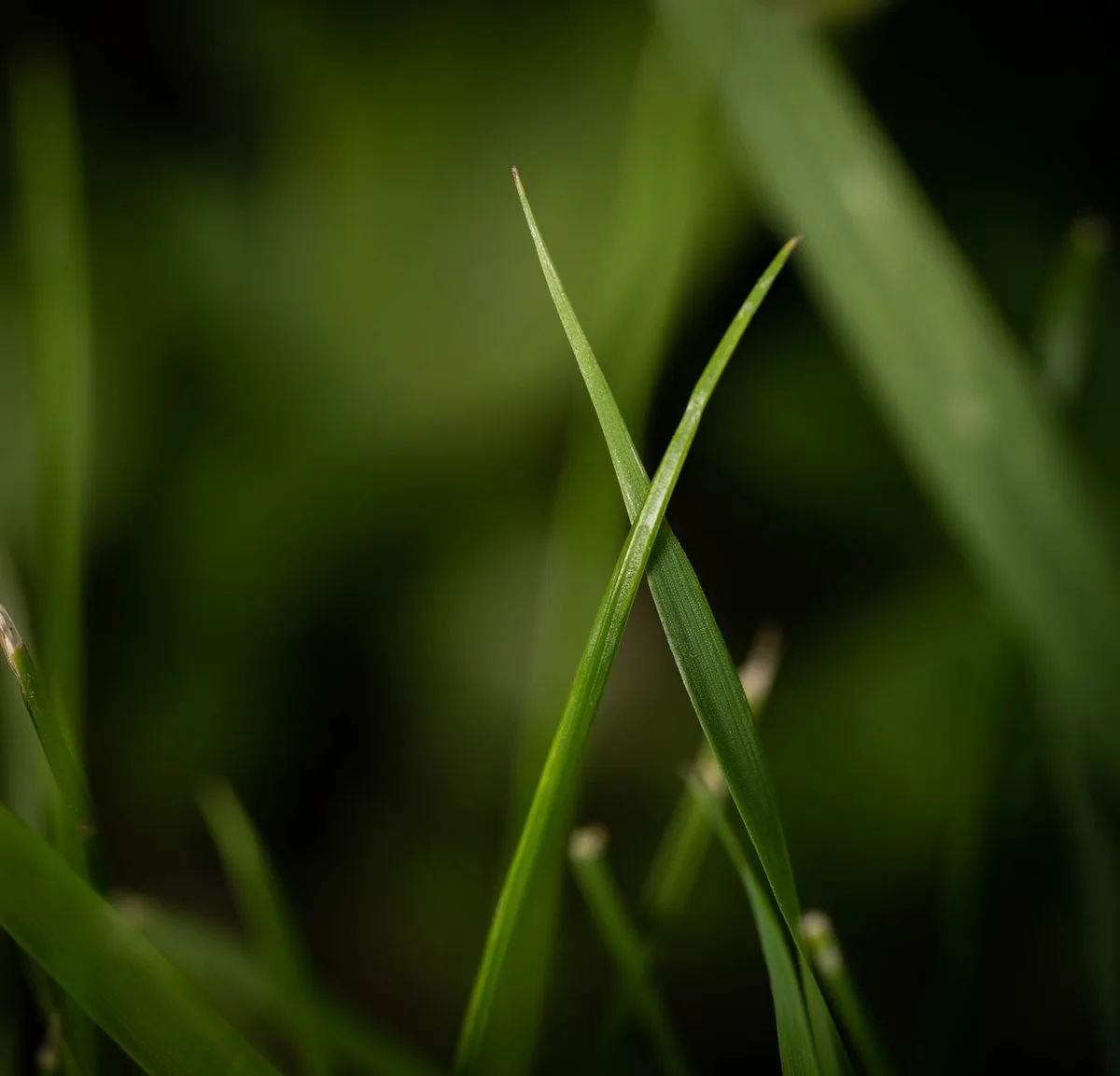
This is the most reliable way to tell them apart. Pull up a single grass blade from the edge of a patch.
Brown Patch Leaf Symptoms
- Lesions are irregular and water soaked, dark green to brown
- They often spread across the entire leaf blade
- In the early morning, you might see a grayish fungal growth (mycelium) on the grass
- The "smoke ring" is a gray-green halo of growth at the edge of the patch
Dollar Spot Leaf Symptoms
- The lesion has a classic hourglass shape, constricted in the middle and wider at both ends
- It starts as a tan spot with a reddish brown border
- The center of the lesion turns light tan or bleached, while the edges remain dark
- No obvious mycelium is visible without a hand lens (but you may see white cottony growth in heavy dew)
Check the size of the patch. Dollar spot patches rarely exceed 6 inches. Brown patch can grow to several feet wide.
If you see both symptoms in the same lawn? That happens in transition zone climates. Look at the leaf blades for that hourglass mark.
That is the best clue.
Once you know what you're dealing with, choosing a quality fungicide and adjusting your fertility plan becomes straightforward.