Guide to Can Sand Improve Lawn Drainage: Complete Guide
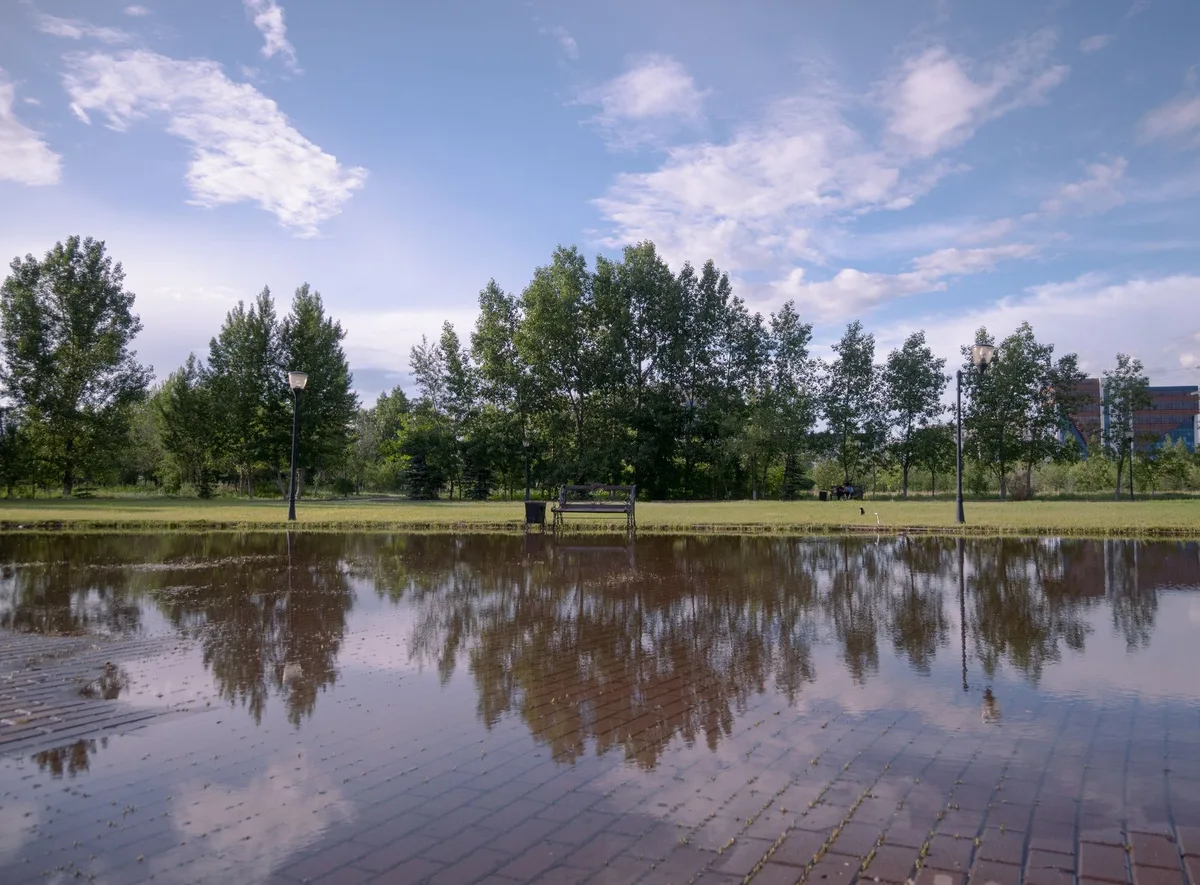
Can sand improve lawn drainage? It's the first fix most homeowners reach for when their yard turns into a pond after a storm. But here's the truth.
Sand can solve your drainage problem. It can also turn your lawn into concrete. The answer depends entirely on what kind of soil you have right now.
Per the USDA soil texture classification, the ideal drainage rate for a healthy lawn sits between 0.5 and 2 inches per hour. Water that hangs around longer than that is a sign your soil structure needs help. Before you spend a dime on sand, you need to know exactly what you're working with.
Quick Answer
Sand can help with lawn drainage, but only for certain soil types. If you have sandy loam or silt, coarse sand can improve water movement. If you have clay soil, sand can make things worse.
Always test your soil first. Start with the simple jar test and percolation test below.
Waterlogged lawns create the perfect environment for fungal diseases. If you're already dealing with brown patches or mold, a good fungicide treatment can stop the problem while you fix the drainage.
Why This Question Trips So Many People Up
The logic seems flawless. Sand drains fast. Your lawn doesn't.
So mix them together and problem solved.
For decades, garden books and well-meaning neighbors pushed that exact advice. Till sand into heavy clay. Watch the water disappear.
It sounds good on paper. In reality, it creates one of the most frustrating problems you'll ever deal with in your yard.
Here's what actually happens. Clay particles are tiny. Fine sand particles are also tiny.
When you mix them, they pack together tighter than a jar of marbles. The sand fills the microscopic gaps between clay particles instead of creating new ones. What you're left with is something that looks and acts a lot like concrete.
Landscapers call it the concrete effect. And there's no easy fix once it happens. Your soil becomes dense and waterlogged with no clear path to recovery.
That's why so many people who try the sand trick end up with a worse lawn than before.
If your garden beds are struggling alongside your lawn, the issue is likely the same compacted soil. The same approach that helps flower bed plants thrive also supports a healthy lawn. It's all about soil structure.
How Lawn Drainage Actually Works (The Simple Science)
Drainage is about space. Specifically, the space between soil particles.
Think of it like a parking lot. Large particles like coarse sand create big spaces between them. Water flows through those spaces easily.
Small particles like clay create tiny spaces. Water gets trapped there like a car wedged into a tight spot.
Soil scientists measure this as pore space. Healthy soil has both macro-pores and micro-pores. Macro-pores let water drain quickly.
Micro-pores hold onto moisture so roots can drink between rainstorms.
Your goal isn't to eliminate water completely. It's to create the right balance. You want water to move through the root zone at a steady pace.
Not too fast. Not too slow.
The magic number is a percolation rate of 1 to 2 inches per hour. Faster than that and your soil won't hold enough moisture for grass roots. Slower than that and you'll get standing water and root rot.
Soil structure matters more than soil texture in some ways. Texture is the size of your soil particles. Structure is how those particles clump together.
Organic matter, earthworms, and healthy root systems create aggregates. Those aggregates form the pore spaces that good drainage depends on.
When you add sand without understanding your existing soil structure, you risk destroying those natural aggregates. That's why a one-size-fits-all approach never works. Your lawn is a living system, not a chemistry experiment.
Adding the right organic soil amendments can improve that structure without the risks that come with sand. It's about working with your soil biology, not against it.
The First Test: Diagnose Your Soil Type
Before you buy a single bag of sand, you need to know what you're working with. Two simple tests will tell you everything.
The Jar Test (What You Need to Know)
This is the most useful 24-hour investment you'll make for your lawn.
Here's what you need:
- A clear glass jar with a tight lid
- One cup of soil from your lawn
- Water
- A tablespoon of dish soap
Fill the jar about one-third full with soil. Fill the rest with water. Add a drop of dish soap to help particles separate.
Shake it hard for two minutes. Then set it down and walk away for 24 hours.
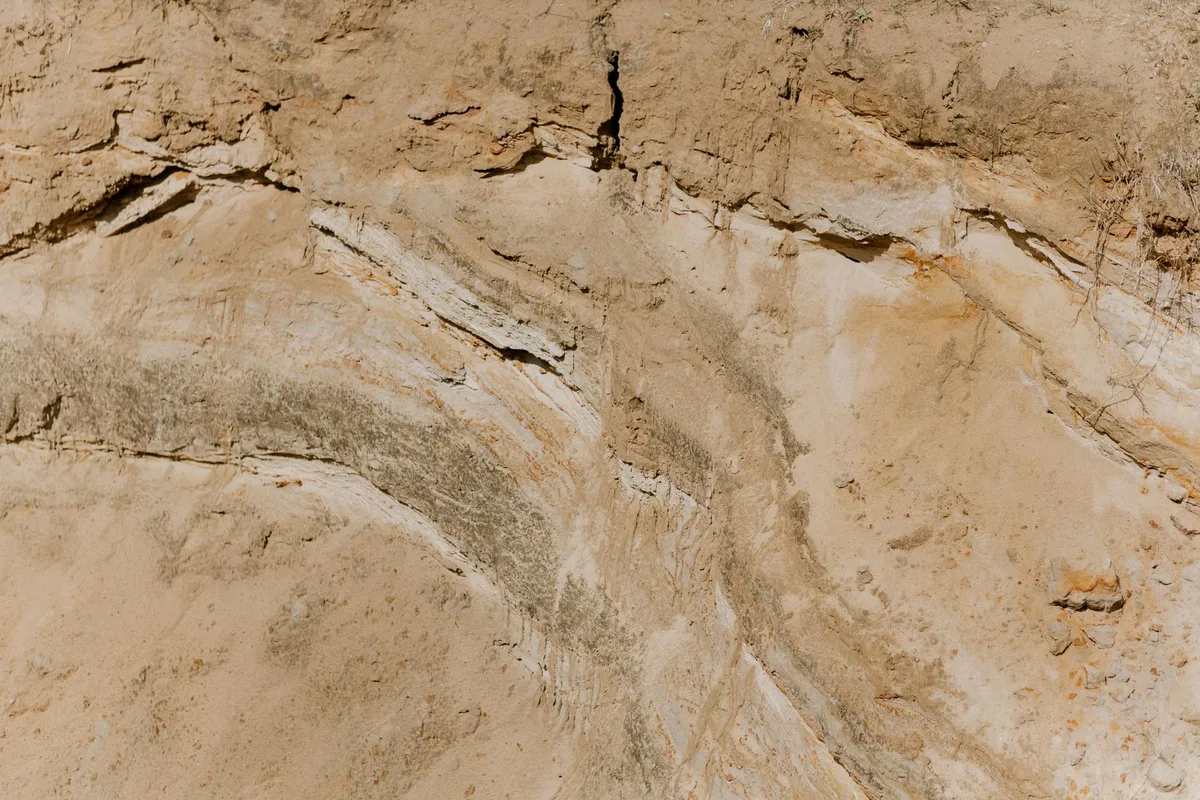
When you come back, you'll see distinct layers. Sand settles at the bottom first within a minute. Silt settles on top of that over the next few hours.
Clay stays suspended the longest and forms the top layer.
Measure each layer's height. Divide each by the total. That's your approximate soil composition.
If your soil is more than 40 percent clay, you have heavy clay soil. Adding sand to this is risky. If your soil is mostly sand with some silt and clay, you have sandy loam.
That's where sand amendments actually work.
The Percolation Test (Measure Your Drainage Rate)
The jar test tells you what you have. The percolation test tells you how fast water moves through it.
Dig a hole six inches deep and six inches wide. Fill it completely with water. Let it drain completely.
This first soak saturates the surrounding soil. Fill it again. This time, measure how far the water drops every hour.
If it drops less than half an inch per hour, your drainage is poor. If it drops one to two inches per hour, you're in a healthy range. If it drops more than two inches, your soil drains too fast and won't hold enough moisture.
Choose the soil test that matches your current conditions. A slow release fertilizer works best when your drainage supports consistent moisture levels. Knowing your percolation rate helps you pick the right approach for feeding your lawn.
Decision Tree: Should You Add Sand?
This is where the if/then logic comes in. Based on your test results, you'll land in one of three branches.
Branch 1: You Have Clay Soil
If the jar test showed more than 40 percent clay, stop right here. Do not add sand. The concrete effect is real.
It will make your drainage worse, not better.
Instead, focus on core aeration. Pulling plugs of soil out of your lawn creates physical channels for water to escape. Top-dress with compost to build better soil structure over time.
Organic matter does what sand can't. It binds clay particles into aggregates with real pore space.
A layer of compost applied twice a year will improve your drainage more than any amount of sand. It feeds the earthworms and microbes that naturally aerate your soil.
Branch 2: You Have Loam or Silty Soil
If your soil is roughly equal parts sand, silt, and clay, you have options. Sand can help here. But only if you use the right kind and the right method.
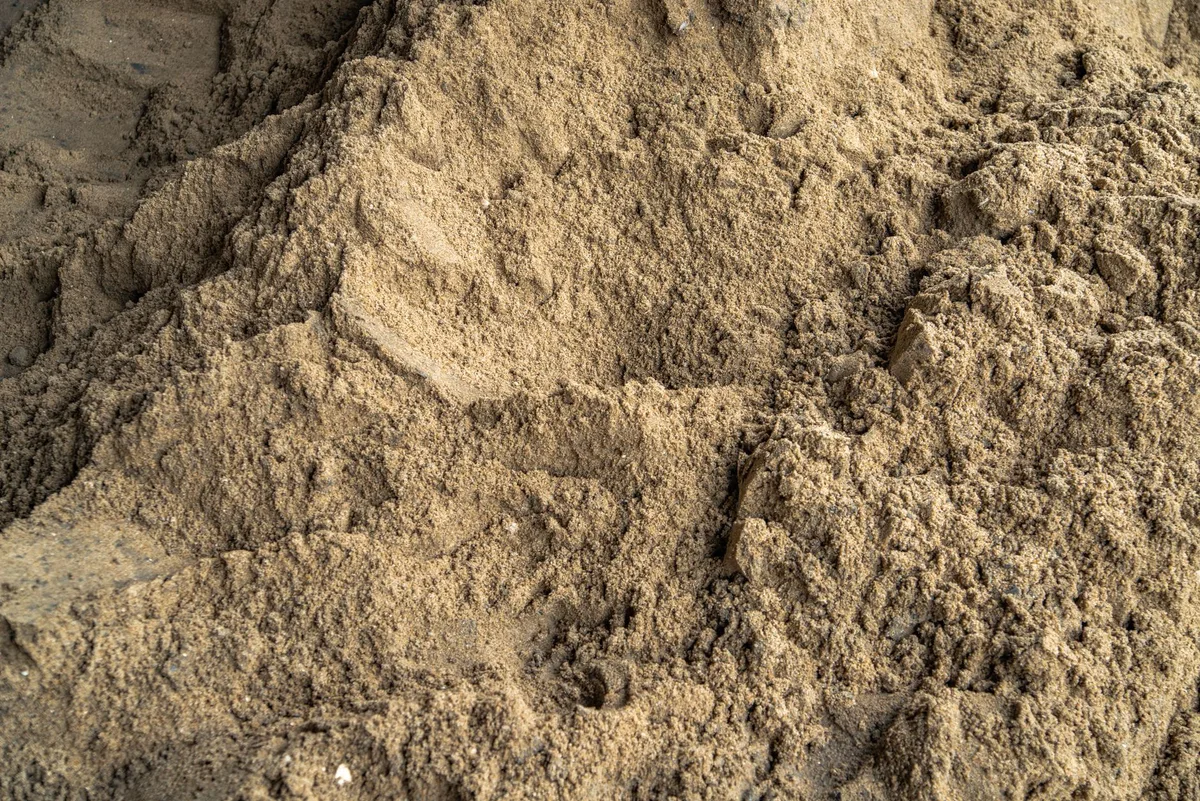
Use coarse sand. Builder's sand or sharp sand. The particle size should be between 0.5 and 2 millimeters.
Fine play sand is useless for drainage. It will make your soil denser.
Mix the sand with compost before applying. A 1 to 1 ratio by volume works well. Apply it as a thin topdressing, no more than a quarter inch per session.
Then core aerate before you spread it. Work the sand into the aeration holes with a rake.
This method creates channels of coarse sand throughout your soil profile. Water follows those channels down instead of pooling on the surface.
Branch 3: You Already Have Sandy Soil
If your jar test showed more than 70 percent sand, adding more sand won't help. Your drainage is probably too fast already. Water runs right through before roots can drink.
Your problem is the opposite. You need to slow water down and hold it longer. Compost and organic matter are the answer here too.
They add water-holding capacity to sandy soil.
Gypsum is another option for sandy soil that's become compacted. It helps break up tight layers without the risks of adding more sand.
For lawns that naturally attract plants suited to dry conditions, the drainage issue works differently. You might need to rethink what grass varieties work best in your fast-draining soil rather than trying to change the soil itself.
Quick Decision Reference
| Soil Type | Add Sand? | Better Approach |
|---|---|---|
| Heavy clay (40%+) | No | Core aeration + compost |
| Loam or silt | Yes (coarse only) | Mix with compost, aerate first |
| Sandy (70%+) | No | Add organic matter to hold moisture |
Your test results tell you which row you're in. Follow the right path and you'll fix your drainage. Follow the wrong one and you'll create a bigger problem.