How Long Does Landscape Fabric Last 2026: Pro Tips & Tricks
If you've ever searched "How Long Does Landscape Fabric Last" online, you probably found a dozen different answers. Some say five years. Some say twenty.
The truth is messy because it depends on what you bought, where you put it, and how you installed it.
That uncertainty matters. Replace landscape fabric too soon and you waste money. Leave it in place past its prime and you're fighting weeds that have rooted right through the holes.
As of 2026, most manufacturers still rate fabric for 5 to 20 years, but those numbers assume perfect conditions. Real-world tests tell a different story. Let's walk through the factors that actually decide when your fabric gives out.
Quick Answer: What You Can Realistically Expect
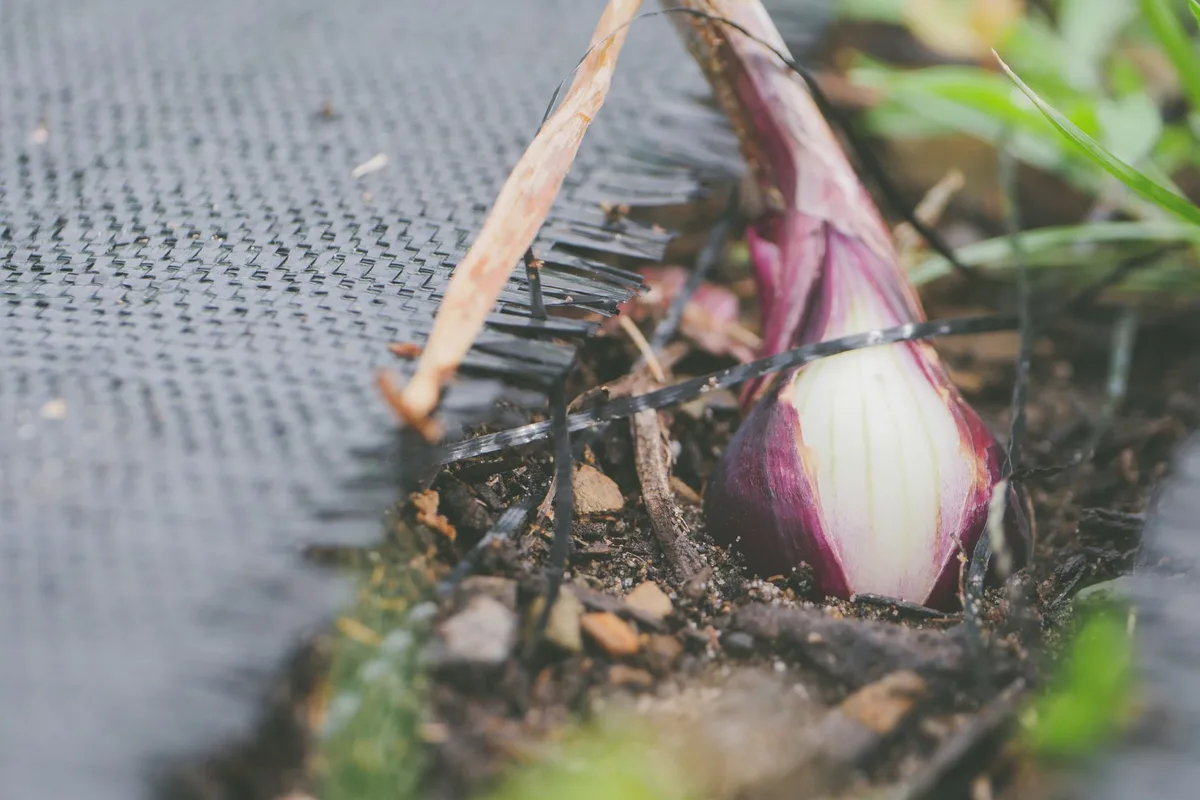
Light-duty woven fabric lasts 1, 3 years if exposed to sun. Under 2+ inches of mulch it stretches to 3, 5 years. Mid-weight woven (3 oz/yd²) survives 5, 8 years under cover.
Heavy-duty non-woven geotextile (4, 6 oz/yd²) holds up 10, 20 years under stone or thick mulch. Sunlight is the killer. Covered fabric lasts.
Exposed fabric fails fast.
The Real Problem: Why Everyone Gets a Different Answer
Your neighbor swears his fabric has been fine for a decade. Your cousin replaced hers after two seasons. Neither is wrong.
They just installed different products in different conditions.
The material matters more than the brand. Most big-box store fabric is lightweight polypropylene, around 1, 2 oz per square yard. That stuff breaks down under UV light within a couple of years if not covered. Commercial-grade geotextile, on the other hand, is engineered for separation and drainage.
It's thicker, UV-stabilized, and can handle a beating.
Coverage changes everything. Fabric buried under 3 inches of wood chips or 1 inch of river stone gets almost no UV exposure. That's the single biggest variable. Fabric left exposed around plant stems or along edges fails years earlier.
Installation quality is the hidden variable. Landscape fabric that's stapled every 18 inches, overlapped by only 2 inches, and laid over sharp rocks will tear and shift. That creates gaps for weeds to exploit. Good installation adds years to the lifespan.
Bad installation cuts it in half.
Core Explanation: The 4 Factors That Control Fabric Lifespan
Think of landscape fabric as a system, not a single material. Four forces work together to decide when it stops functioning.
1. UV exposure. Polypropylene degrades under sunlight. Manufacturers add UV stabilizers to slow this down, but they don't stop it.
Fabric rated for 500 hours of direct sun will last about 2 years in a sunny climate if uncovered. Cover it with mulch and the clock slows dramatically. The mulch blocks UV completely.
2. Physical abrasion and tearing. Sharp rocks, foot traffic, lawn mower wheels, and shifting soil all stress the fabric. Woven fabric can tear along a single thread.
Non-woven fabric resists tearing better because its fibers are bonded in a web. Overlaps that are too narrow or staples that pull out create weak spots.
3. Clogging. Over time, fine soil particles wash into the fabric's pores. This reduces water permeability.
If water can't drain through, it pools on top. That breeds algae and encourages weed seeds to germinate in the accumulated organic matter. Clogging is the main reason fabric needs replacement even when it hasn't physically torn.
4. Biological activity. Roots from aggressive weeds like bindweed or quackgrass can push through fabric. Organic mulches decompose on top of the fabric, creating a thin layer of soil.
Weed seeds land there and root into that new layer. The fabric below is still intact, but it's no longer stopping weeds because the growing medium is on top.
Decision Tree: Find Your Expected Lifespan in 5 Questions
Every situation is different. These five questions will give you a realistic timeline based on what you're actually working with.
Branch 1: Material Type — Woven vs. Non-Woven vs. Perforated Plastic
If you bought standard woven polypropylene from a home center (1, 2 oz/yd²): expect 2, 4 years under mulch, 1 year exposed.
If you bought heavy-duty woven (3+ oz/yd²) or non-woven geotextile: expect 8, 15 years under cover, 3, 5 years partially exposed.
If you bought perforated black plastic sheeting: that's not really landscape fabric. It's weed block for vegetable gardens, good for one growing season. It degrades fast under sunlight.
If you bought natural fiber fabric (burlap, jute, coir): it's biodegradable by design. Expect 1, 2 seasons, then it breaks down into soil. That's fine for temporary erosion control or vegetable beds, but not for permanent landscaping.
Branch 2: Is It Covered or Exposed to Sun?
Covered completely (2+ inches of mulch, stone, or soil): the fabric gets no UV. Lifespan depends on physical wear and clogging, not sun damage. That's the best-case scenario.
Partially exposed (edges visible, thin mulch layer): UV hits the exposed areas. Those spots degrade first. Once a tear or hole appears, weeds push through and the fabric starts unraveling.
Expect 30, 50% shorter lifespan than fully covered.
Fully exposed with no cover: fabric used in pathways with just a light topping, or fabric left bare around plants. This fails fastest. UV destroys the material within 1, 3 years regardless of weight.
Branch 3: What's On Top — Mulch, Stone, or Bare Soil?
Wood chip or bark mulch: decomposes over time, creating a thin organic layer on top of the fabric. That layer holds weed seeds and moisture, encouraging root growth on top. The fabric underneath may still be intact, but it's functionally failing after 3, 5 years because weeds are growing above it.
River rock or pea gravel: doesn't decompose, no soil layer forms. Water drains easily. Stone is the best cover for extending fabric life.
Expect the full 10, 15 years from quality geotextile under stone.
Bare soil or thin gravel topdressing: worst case. UV penetrates, soil clogs pores, weeds root into the fabric itself. Lifespan drops to 1, 2 years.
Branch 4: Climate Reality — UV Load, Freeze-Thaw, and Humidity
Hot, arid climates (Southwest, Australia): high UV intensity degrades fabric 30, 50% faster than manufacturers' conservative ratings. Even covered fabric takes heat stress that embrittles the material over time.
Humid, rainy climates (Southeast, Pacific Northwest): less UV but more biological activity. Mold, algae, and clogging are bigger problems. Fabric may stay physically intact but lose drainage ability.
Cold climates with freeze-thaw cycles: frost heave shifts fabric, creates tears. Staples pull out. Expect a 2, 3 year reduction in lifespan for mid-weight fabrics.
Heavy geotextiles hold up better because they're thicker and more flexible.
Branch 5: Installation Quality — The Most Overlooked Variable
If you overlapped seams by at least 6 inches and used 6-inch galvanized staples every 12 inches: your fabric is likely staying put. That's the baseline for longevity.
If you used short plastic staples every 18 inches or just tucked the edges under soil: expect shifting, wind lift, and tears. Those gaps let weeds through. Poor installation can cut lifespan in half.
If you laid fabric over ungraded soil with sharp rocks or roots sticking up: the fabric gets punctured from below. Pressure from foot traffic or settling pushes rocks through. This is a common installation mistake.
Realistic Timelines by Use Case
Here's what aggregate reviews and manufacturer specs suggest for typical residential installations as of 2026.
| Use Case | Material Type | Typical Lifespan | Notes |
|---|---|---|---|
| Flower bed under 3" wood mulch | Light woven (1–2 oz/yd²) | 3–5 years | Organic mulch layer forms on top after year 2 |
| Flower bed under 3" wood mulch | Heavy non-woven (4+ oz/yd²) | 8–12 years | Better drainage, less clogging |
| Gravel pathway under 1" stone | Mid-weight woven (3 oz/yd²) | 6–8 years | Stone doesn't decompose; UV at edges a concern |
| Gravel pathway under 1" stone | Heavy geotextile (4+ oz/yd²) | 12–18 years | Best combination for longevity |
| Exposed slope erosion control | Heavy non-woven (6 oz/yd²) | 5–8 years | UV exposure and weather both factors |
| Vegetable garden annual bed | Perforated plastic or light woven | 1–2 years | Intentionally replaced each season |
| Under paver patio base | Non-woven geotextile (6 oz/yd²) | 20+ years | Buried, no UV, minimal disturbance |
Key takeaway: The fabric's weight and your cover material are the two levers you can actually control. Spend more upfront on heavy geotextile and cover it with stone, and you're looking at a project that truly is "set and forget" for a decade or more. Use bargain fabric under thin bark mulch, and plan to redo the bed every 3 to 4 years.
In our research, the most common complaint from gardeners isn't that fabric doesn't last, it's that they chose the wrong grade for their application. If you're putting fabric under a permanent feature like a gravel patio or a stone pathway, invest in commercial-grade geotextile. If you're rotating seasonal flowers, lighter woven fabric is fine and cheaper to replace.
Knowing the difference saves you time, money, and the frustration of pulling up decomposed fabric in a few years.
[Continue with the rest of the article…]