Guide to Landscape Fabric Vs Plastic Sheeting: Quick Guide
You've spent hours prepping a flower bed, only to watch weeds punch through within weeks. Or maybe you laid down plastic sheeting and ended up with a swampy mess that killed your perennials. The choice between Landscape Fabric vs Plastic Sheeting isn't about which one is "better" in some absolute sense.
It's about matching the material to the job you're actually doing.
Manufacturer specifications for woven polypropylene fabric, for example, show water permeability rates around 20 to 100 gallons per minute per square foot. Solid polyethylene sheeting, on the other hand, allows zero water through. That single difference determines where each material works and where it fails.
As of 2026, both products remain widely available, but the wrong pick can cost you time, money, and healthy plants. Let's walk through what each one does and how to use them right.

Quick Answer
Landscape fabric lets water and air pass through. Plastic sheeting blocks everything. Use fabric in planting beds and vegetable gardens.
Use plastic under gravel paths, decks, and sheds. Fabric stops most weeds but can clog over time. Plastic stops all weeds but traps moisture and kills soil life.
The right choice depends on where you're putting it and what you're growing.
Why This Comparison Matters for Your Yard
Choosing the wrong weed barrier isn't just a minor annoyance. It can rot roots, attract pests, or create a muddy mess every time it rains. Many homeowners grab whichever roll is cheaper at the store without thinking about soil health or long-term maintenance.
That's how you end up ripping out a failed barrier two years later.
In our research, the single biggest regret people report is using plastic sheeting in a garden bed. The soil underneath stays wet and cold, which encourages fungal diseases and root rot. Conversely, using lightweight landscape fabric under a gravel driveway lets weeds grow through the seams and tear the fabric when you pull them.
Each material has a sweet spot. Knowing it saves you from a second installation job.
The decision also affects your plants directly. If you want to grow deep-rooted perennials or vegetables, the soil needs to breathe and drain naturally. Using a solid plastic barrier starves those roots of oxygen.
On the other hand, if you're building a paver patio or a shed base, you do want a complete moisture barrier to keep the ground from shifting. That's plastic's territory.
Landscape Fabric – The Breathable Weed Barrier
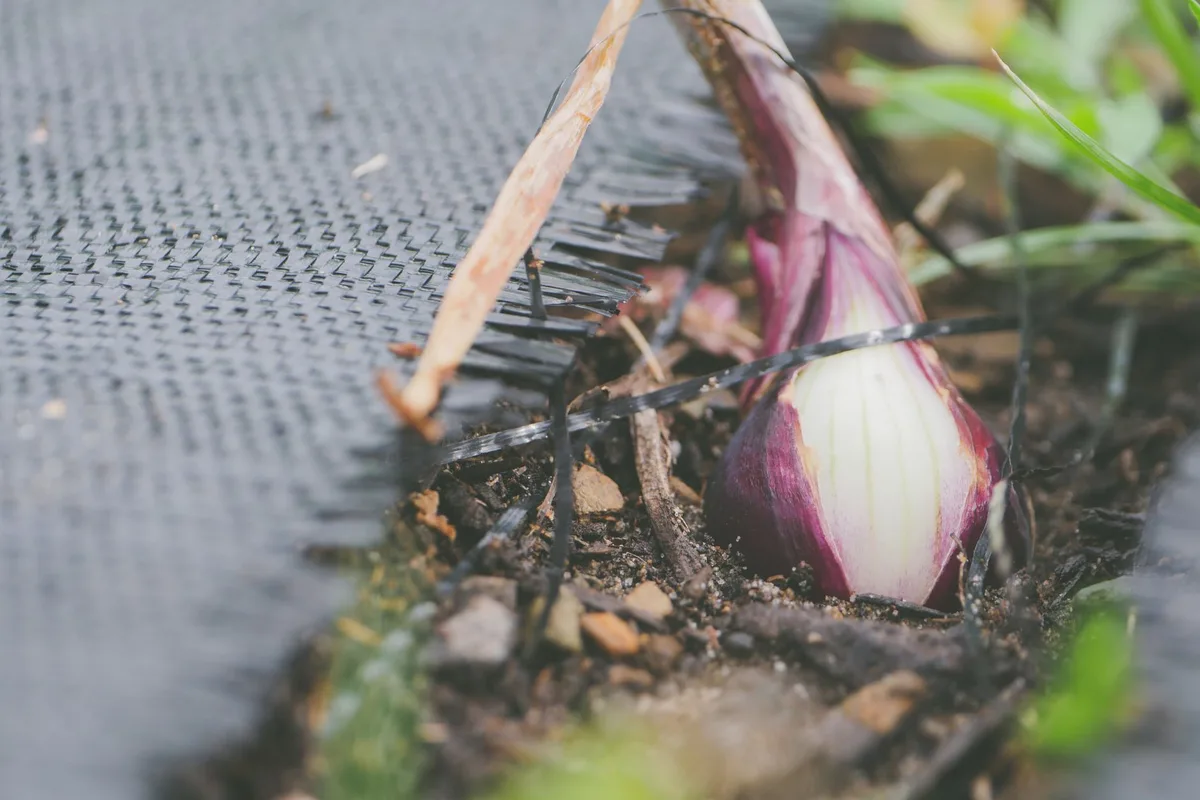
Landscape fabric is a geotextile material, usually made from woven or non-woven polypropylene. Think of it as a filter. It lets water, air, and plant roots pass through while blocking sunlight from reaching weed seeds below.
That's why it's the go-to choice for flower beds, vegetable gardens, and areas where you want the soil to stay alive.
How It Works: Permeability and Soil Health
The magic is in the weave. Woven fabric has tiny holes between the fibers that allow moisture and gas exchange. Non-woven fabric (spunbond) feels like felt and offers finer filtration but less tear strength.
Both types suppress most weeds, though not all. Some aggressive species like nutsedge can push right through.
Water moves through fabric at rates that vary by brand and thickness. Standard 3-ounce non-woven fabric lets through roughly 30 to 50 gallons per minute per square foot. That's enough to handle heavy rainfall as long as the fabric isn't clogged with silt and organic debris.
That's the catch: over time, fine soil particles and decomposing mulch can block the pores. Once that happens, water pools on top, and weeds start to grow in the mulch layer above the fabric.
Soil organisms like earthworms and beneficial bacteria can still breathe and move through the fabric. That's a huge advantage over plastic. Keeping your soil biology active means healthier plants and better nutrient cycling.
You can find more on maintaining healthy soil in our guide on best plant fertilizer for indoor plants, the same principles apply outdoors.
Strengths and Real-World Weaknesses
We'll start with what it does well.
- Allows water and air to reach plant roots
- Reduces weed germination without killing soil life
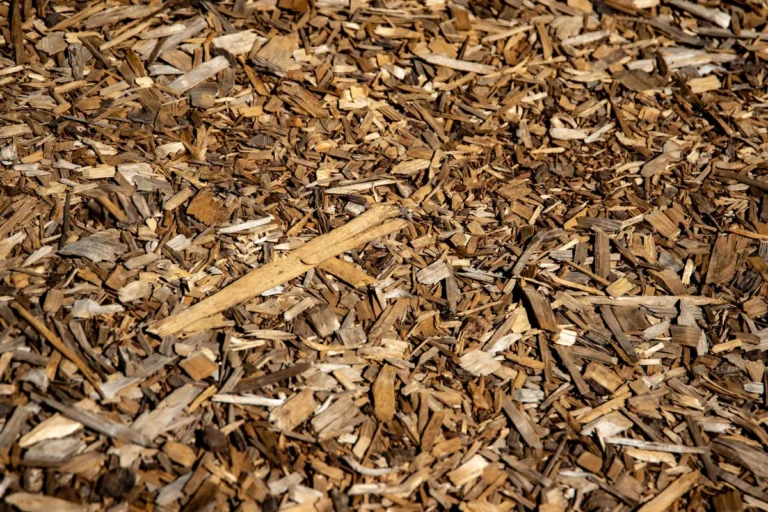
- Works well under organic mulch like wood chips or bark
- Relatively easy to cut and install around existing plants
Now the downsides.
- Clogs over time, especially in clay soils or areas with heavy leaf fall
- Weeds can root in the mulch above the fabric and look just as bad
- Lifespan is limited, 2 to 5 years depending on UV exposure and thickness
- Tears easily if punctured by rocks or garden tools
If you install landscape fabric correctly, overlapping seams by at least 6 inches and covering it with a thick layer of mulch, it works well for about three to four years. After that, you'll need to pull it up, clean the soil off, and replace it or switch to a different method.
Plastic Sheeting – The Complete Blockade
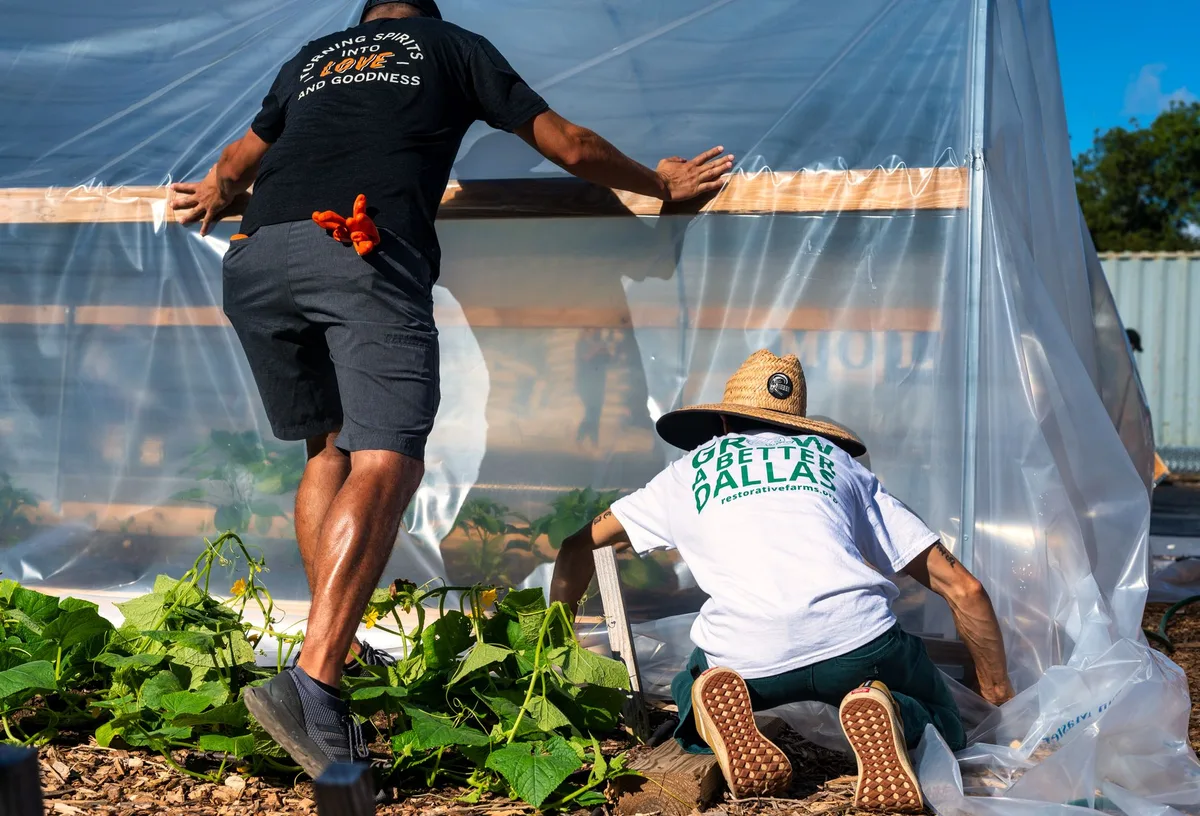
Plastic sheeting is usually a roll of black or clear polyethylene film. It's cheap, widely available, and absolutely effective at stopping weeds. But it comes with serious trade-offs that many people discover the hard way.
How It Works: Vapor Barrier and Light Exclusion
Plastic creates a solid, impermeable layer. No water gets through, no air gets through, and no light gets through (if you use black plastic). That means zero weed growth underneath.
It also means the soil below stays sealed off from the environment.
This is perfect for certain applications. Under a gravel path, for example, you want to prevent weeds from sprouting and also stop moisture from rising up and destabilizing the gravel. Plastic works great there.
Under a deck or shed, it acts as a vapor barrier to keep the wood dry and prevent rot.
But in a garden bed? The consequences are serious. Without rainwater reaching the soil, plants depend entirely on you watering through the small slits you cut.
Roots can't breathe. Soil life dies off. Over time, the soil becomes compacted and anaerobic, essentially dead dirt.
Strengths and Real-World Weaknesses
Let's break it down fairly.
- Near 100% weed suppression when installed correctly
- Excellent moisture barrier for structures
- Very affordable, typically $0.05 to $0.15 per square foot
- Long lifespan, 5 to 10 years if UV-stabilized and covered
And the problems.
- Traps moisture and causes root rot in planted areas
- Prevents gas exchange, roots suffocate
- Kills beneficial soil organisms over time
- Can tear or develop pinhole leaks if walked on or punctured
- Clear plastic warms soil but also encourages weed growth underneath (since light passes through)
One more thing: plastic sheeting can get brittle after a few years of sun exposure, even the UV-stabilized kind. Once it starts cracking, pieces break off and contaminate the soil with microplastics. That's a real environmental concern, especially in vegetable gardens.
Side-by-Side Comparison: Fabric vs Plastic
A table makes the differences easy to see at a glance. Here's how the two stack up across the factors that matter most to a gardener or landscaper.
| Factor | Landscape Fabric | Plastic Sheeting |
|---|---|---|
| Water permeability | High (20–100 gal/min/ft²) | Zero |
| Air exchange | Yes | No |
| Weed suppression rate | 85–95% | ~100% |
| Lifespan | 2–5 years | 5–10+ years (UV-stabilized) |
| Cost per square foot | $0.10–$0.30 | $0.05–$0.20 |
| Soil temperature effect | Minimal (breathable) | Warms soil (black) or no effect (if covered) |
| Soil health impact | Neutral to positive | Negative over time |
| Installation difficulty | Moderate (overlap required) | Easy (one continuous sheet) |
| Maintenance needed | Annual mulch top-up, occasional removal | Check for tears, remove when degraded |
| Best for | Planting beds, vegetable gardens, slopes | Gravel paths, under decks, sheds, driveways |
The price difference narrows when you consider that fabric lasts less time before needing replacement. For a permanent structure like a gravel driveway, plastic often wins on cost and durability. For any area where you want living soil, fabric is the only choice.
Best Use Cases for Landscape Fabric
Now that you know what each material can and can't do, let's get specific about where fabric shines.
Vegetable Gardens and Flower Beds
This is the most common use, and for good reason. Fabric lets you water and fertilize normally while keeping weeds down. It also protects the soil structure.
You can cut X-shaped slits for transplants and they'll root through the fabric without issue.
One important tip: don't lay fabric directly on bare soil and then plant into it. Instead, prepare the soil well first, amend with compost, level it, then lay the fabric. That way your plants have rich soil underneath from day one.
For flower bed design inspiration, check out our guide on best flowers for flower beds to choose species that thrive with minimal weeding.
Fabric also works well for seedlings under grow lights. If you're starting seeds indoors, you can actually lay a piece of landscape fabric on your seed-starting tray to reduce algae and fungus gnats while still letting water drain. Our guide on best grow light for seedlings covers the lighting side of that setup.
Pathways and Gravel Areas
If you have a mulched or gravel path, fabric underneath prevents weeds from sprouting in the gaps. It also stops the gravel from slowly sinking into the soil. The fabric's permeability means rainwater drains through rather than pooling on the path surface.
Install it by excavating the path to about 4 inches deep, laying fabric, then adding gravel on top. Use at least 6-inch overlaps between strips, and secure the edges with landscape pins or buried stones. This setup can stay weed-free for years with only occasional top-ups of gravel.
Erosion Control on Slopes
On a hillside or sloped bed, landscape fabric helps hold soil in place while rain filters through. Plastic would cause runoff and erosion because water can't soak in. Fabric, combined with groundcover plants or mulch, stabilizes the slope.
You can also use fabric under a layer of erosion-control blankets for steeper grades. The key is to pin it securely so water doesn't lift it. If you're planting trees for hot dry climates, fabric around the planting hole reduces evaporation and weed competition without suffocating roots.
That covers the first five sections. The next parts of the article will dig into plastic sheeting's best uses, common mistakes, cost details, expert installation tips, and a final verdict. We'll also answer your most frequent questions in a dedicated FAQ section.
Best Use Cases for Plastic Sheeting
Plastic sheeting has a narrower set of winning applications. But within those, it outperforms fabric by a wide margin.
Under Decks, Sheds, and Greenhouses
In these spots, you want a complete moisture barrier. Plastic stops groundwater from seeping up and rotting wooden joists or flooring. It also blocks weeds from growing in the dark, damp space underneath.
For a shed or deck, lay the plastic directly on leveled soil. Overlap seams by at least 12 inches. Then cover it with a thin layer of gravel to hold it down and protect it from punctures.
This setup can last a decade with minimal issues. Just make sure the plastic is UV-stabilized if any sunlight reaches it.
In a greenhouse, clear plastic sheeting on the floor traps moisture vapor and prevents soil-borne diseases from splashing up onto plants. But never use clear plastic in an outdoor garden. It lets light through, and weeds will grow happily underneath.
Driveway Bases and Paver Subgrades
A gravel driveway or paver patio relies on a stable, dry base. Plastic sheeting prevents moisture from the soil below from migrating upward and softening the aggregate. That keeps the driveway from developing ruts and potholes.
Cut the plastic to fit the excavated area with generous overlaps. Add a few small drainage slits every few feet if the soil is heavy clay, so trapped water has a path out. Then lay your gravel or base rock on top.
The plastic acts as a separation layer that keeps the rock from mixing into the soil.
Temporary Weed Control in High-Infestation Areas
If you have a patch of land overtaken by bindweed, bermudagrass, or quackgrass, plastic sheeting can solarize the soil. This is a temporary tactic. Lay clear plastic over the area during hot summer months.
The sun bakes the soil underneath, killing weed seeds and rhizomes.
Black plastic works too but doesn't heat the soil as effectively. Leave it in place for four to six weeks. After that, remove the plastic and plant into clean soil.
This method is brutal but effective for resetting a badly infested garden bed.
Common Mistakes That Ruin Both Options
Both materials fail most often because of installation errors, not inherent flaws. Here's what trips people up.
Overlapping, Anchoring, and Mulch Depth Errors
Skimping on overlap is the number one mistake. Weeds find the gap and grow through it every time. Overlap fabric strips by at least 6 inches.
For plastic, aim for 12 inches. Use landscape pins every few feet along the seam to hold it flat.
Anchoring is the second issue. People lay down the barrier, toss mulch on top, and call it done. Wind, rain, and foot traffic shift the material, exposing gaps.
Use plenty of pins or bury the edges in shallow trenches. For plastic, a layer of gravel or pavers on top will keep it in place.
Mulch depth matters too. Too little mulch on landscape fabric lets sunlight reach the surface and weeds germinate on top. Aim for 2 to 3 inches of wood chips, bark, or stone.
Too much mulch on plastic sheeting holds moisture against the plastic and creates a breeding ground for mold and insects.
Ignoring UV Degradation and Lifespan
Both materials break down in sunlight. Unprotected landscape fabric starts to weaken after one season in direct sun. Plastic sheeting gets brittle and cracks within a year unless it's UV-stabilized.
Always check the product label for UV resistance ratings. If the material will be exposed to sun, buy the heavy-duty version. Cover fabric with mulch immediately after installation.
Bury plastic edges or hide them under stone. The few extra dollars you spend on UV-stabilized material pay for themselves in longevity.
Cost, Lifespan, and Specs at a Glance
Here's the bottom line on what you're paying for and how long it lasts.
| Spec | Landscape Fabric | Plastic Sheeting |
|---|---|---|
| Typical thickness | 3–6 oz per sq yd | 4–15 mil |
| Cost per sq ft | $0.10–$0.30 | $0.05–$0.20 |
| Lifespan (covered) | 2–5 years | 5–10+ years |
| Lifespan (exposed) | 1–2 years | 6–12 months (non-UV) |
| Water flow rate | 20–100 gal/min/ft² | None |
| Tear resistance | Moderate | Low to moderate |
| Best for | Living soil areas | Structural or dry zones |
One key takeaway: plastic is cheaper upfront but only wins if you use it where its impermeability is an asset. Fabric costs more per square foot but supports healthier soil. Your total cost of ownership includes replacement labor.
A failed barrier that needs ripping out and reinstalling in two years is more expensive than buying the right material the first time.
Expert Tips for Installation and Maintenance
Getting either material to work well comes down to preparation and a few simple techniques.
Preparing the Ground
Clear all existing weeds and vegetation first. Pull them out by the roots or use a hoe to scrape them off. Rake the area smooth and remove rocks and sticks that could puncture the barrier.
For plastic, consider laying a thin layer of sand underneath to cushion sharp objects.
Wet soil compacts easily. Work on dry ground if you can. If the area is sloped, dig a shallow trench at the top edge to bury the barrier and prevent water from running underneath it.
Cutting Holes for Plants
For landscape fabric, cut an X or a small circle at each planting spot. Fold the flaps back, dig your hole, and set the plant in. Then fold the flaps back around the stem.
Leave a little space around the trunk or stem so water can reach the root ball directly.
For plastic sheeting, cut a cross or a slit and be generous with the opening size. Water won't soak through the plastic itself, so the hole needs to be large enough to let rainwater reach the roots. Some people cut a 4-inch circle for each plant and find that works well.
When to Replace or Remove
Watch for signs of failure. On fabric, look for pooling water after rain, visible weeds growing on top, or tears that expose bare soil. On plastic, look for cracks, pinholes, or weeds pushing through seams.
Fabric usually needs replacement every three to four years in a mulched bed. Plastic can last five to ten years under stone or gravel. When it's time to remove old plastic, pull it up carefully to avoid leaving fragments behind.
Broken pieces of plastic in the soil are a long-term nuisance.
Frequently Asked Questions
Can you put mulch over plastic sheeting?
Yes, but only in certain situations. A thin layer of decorative stone or gravel over plastic is fine. Wood mulch on plastic will hold moisture against the plastic, leading to mold, rot, and a slimy mess.
If you want wood mulch in a planting bed, use landscape fabric instead.
Will landscape fabric clog in clay soil?
It can. Clay particles are tiny and can wash into the fabric's pores over time, reducing drainage. Using a thicker fabric (4 ounces per square yard or more) and adding a generous layer of coarse mulch on top helps delay clogging.
But in heavy clay, no fabric stays fully permeable forever.
Is clear plastic better than black for weed control?
Clear plastic is worse for weed control because light passes through it. Weeds grow underneath. Clear plastic is only useful for soil solarization in hot weather.
Black plastic blocks light and stops weeds, but it also heats the soil which can stress some plants in summer.
Final Verdict – Which One Should You Choose?
The answer comes down to one question: do you want the soil to stay alive? If yes, choose landscape fabric every time. It works for vegetable gardens, flower beds, slopes, and any area where water and air need to reach roots.
If you need a total barrier that blocks everything, plastic sheeting is the right call. Use it under gravel paths, decks, sheds, driveways, and paver bases.
Here is a quick decision guide.
| If you are… | Your best choice is… |
|---|---|
| Planting vegetables or flowers | Landscape fabric |
| Building a gravel path or driveway | Plastic sheeting |
| Installing a shed or deck base | Plastic sheeting |
| Controlling weeds on a sloped bed | Landscape fabric |
| Solarizing soil to kill tough weeds | Clear plastic sheeting (temporary) |
| Creating a permanent stone patio | Plastic sheeting |
Our research shows that most homeowners who regret their choice picked plastic for planting beds or fabric for structural projects. Match the material to the job. Spend the extra few minutes prepping the ground properly.
Overlap the seams. Cover with the right mulch or stone. A little planning up front saves years of frustration.