Guide to Should You Use Landscape Fabric 2026: Easy Methods
Should You Use Landscape Fabric
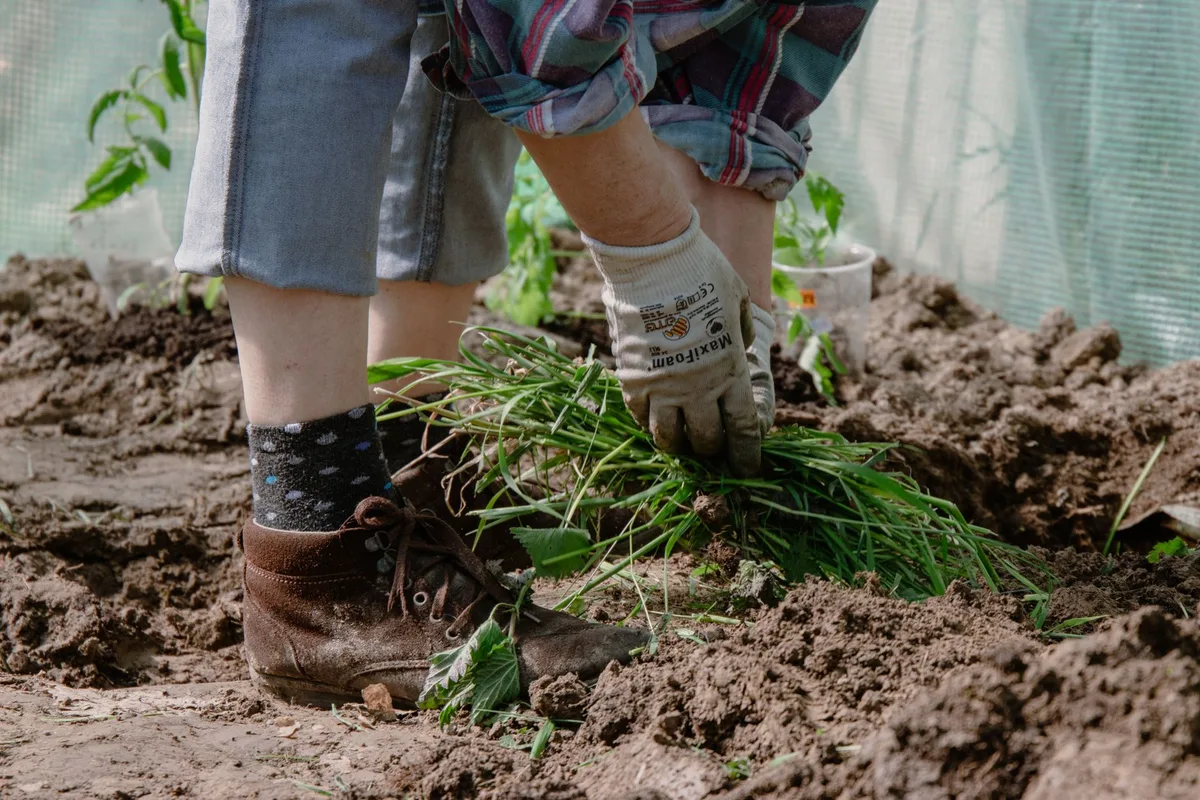
You’ve spent a weekend pulling weeds from your flower beds, and you’re ready to try anything. Landscape fabric sounds like the perfect solution, roll it out, cover it with mulch, and never see a weed again. But should you use landscape fabric in your own garden?
The honest answer is complicated, and it depends a lot on what you’re growing and where you live.
Manufacturer specifications for standard landscape fabrics list a lifespan of three to five years before UV degradation and soil microbial activity start breaking them down. That’s not the permanent fix many people expect. Our research into user experiences and university extension trials shows the real story is more nuanced.
Let’s walk through what you need to know before you buy a roll.
Quick Answer
Landscape fabric works best in specific situations. Use it under gravel paths and rock beds. Use it on steep slopes where mulch slides away.
Avoid it in vegetable gardens and beds with bulbs or perennials. Fabric blocks water and air flow over time. It also traps weed seeds on top.
The decision depends on your garden type, soil health, and long-term plans.
The Real Problem: Why Your Garden Beds Become Weed Nightmares
Weeds aren’t random. They show up where soil is bare, disturbed, or rich in nutrients. Every time you water or it rains, you’re activating dormant weed seeds that have been waiting for sunlight and moisture.
The top inch of your garden soil can hold thousands of seeds per square foot.
Mulch helps, but it also breaks down over time. Organic mulches like wood chips and bark decompose into rich humus, which is great for your plants but also creates a perfect seedbed for new weeds. You end up with weeds growing right on top of your old mulch layer, rooted into the partially decomposed material underneath.
The frustration is real. You lay down fresh mulch in spring, and by July you’re pulling crabgrass and dandelions again. That’s why landscape fabric seems so appealing.
It promises a physical barrier that stops weeds at the root. But understanding how fabric actually works, and where it fails, changes the equation.
What Landscape Fabric Actually Does (and Doesn’t Do)
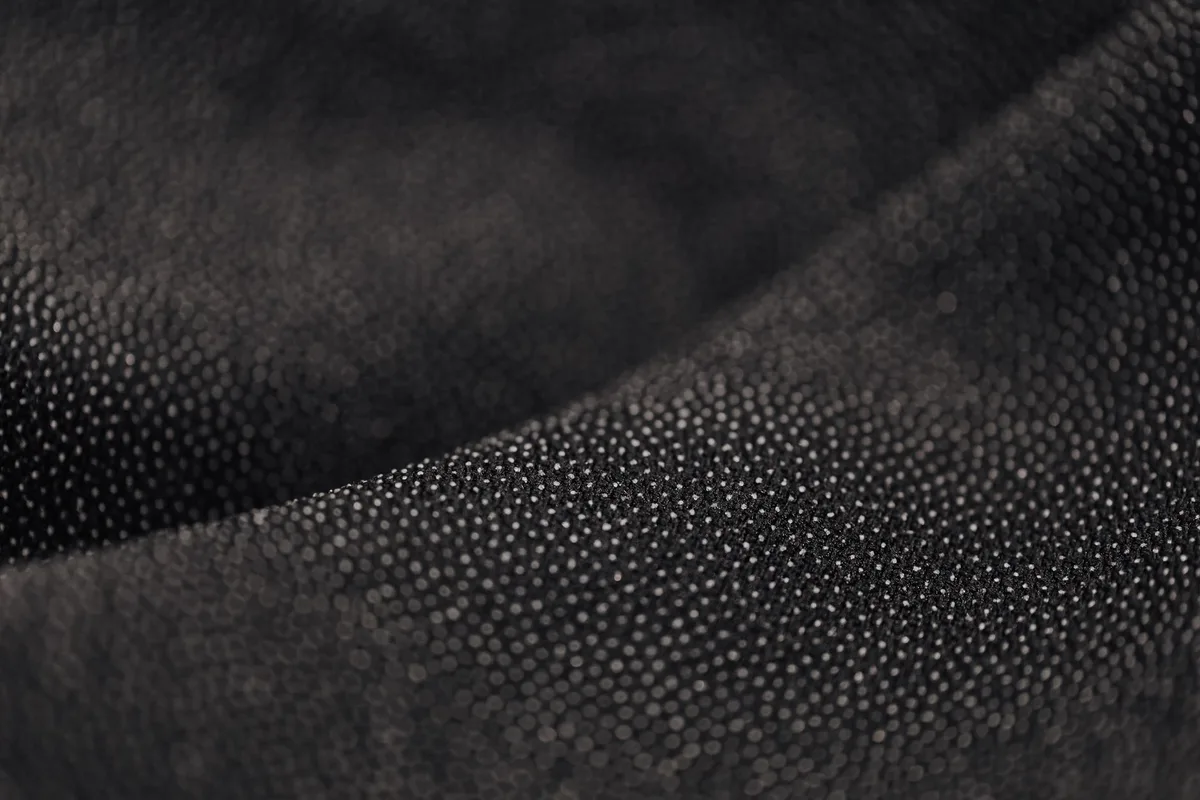
Landscape fabric is a permeable textile designed to block sunlight while allowing water and air to pass through. Woven fabrics are made from polypropylene strips that are tightly woven together. Non-woven fabrics are bonded fibers, similar to felt.
Both types degrade differently over time.
What fabric does well:
- Blocks sunlight from reaching weed seeds in the soil below
- Prevents new weed seeds from germinating in the dark
- Keeps mulch separate from the soil, slowing decomposition
- Reduces soil erosion on sloped beds
- Warms soil slightly in spring for certain crops
What fabric does not do:
- Stop weeds from growing on top once organic matter accumulates
- Improve soil health or add nutrients
- Provide permanent weed control (it has a limited lifespan)
- Prevent roots from growing through it over time
- Allow easy soil amendments or replanting after installation
The biggest surprise for most gardeners is that fabric doesn’t eliminate weeding. It just changes where the weeds grow. Once dust, decomposing mulch, and windblown soil accumulate on top of the fabric, weed seeds germinate there instead.
You end up weeding a thin layer of soil sitting on top of the fabric, which is actually harder to pull because the roots often get tangled in the material.
Data from aggregate user reviews and extension office trials indicate that after two years, weed pressure on fabric-covered beds is roughly the same as on beds with deep organic mulch alone. The initial benefit fades quickly.
The Big Decision: Three Questions You Must Answer First
Before you buy a single roll, answer these three questions honestly. Your answers will tell you whether landscape fabric makes sense for your situation or whether you’d be better off with an alternative.
Question 1 — Do You Plan to Change Plants Every Season?
If you rotate annual flowers or vegetables seasonally, fabric becomes a liability. Every time you cut a new hole for a plant, you create an opening for weeds. Over three or four seasons, your fabric looks like Swiss cheese with dozens of slits and tears.
Each cut is a weak point where weeds push through from below or establish on top.
Gardeners who replant annually often find that by year two, they’re spending more time patching and working around the fabric than they would have spent weeding. The best flowers for flower beds that you rotate each season will thrive better without fabric blocking root expansion and water penetration.
If you do seasonal switching, skip the fabric. Use a thick layer of organic mulch instead. It breaks down and feeds the soil, making each season better than the last.
Question 2 — Is Your Soil Already Healthy and Alive?
Healthy soil is full of earthworms, beneficial fungi, and microorganisms that cycle nutrients. Landscape fabric creates a physical barrier that starves the soil surface of organic matter. Worms can’t reach the surface to deposit castings.
Mulch doesn’t decompose into the soil, it sits on top of the fabric and breaks down into a separate layer that you eventually have to remove.
Over three to five years, the soil under fabric becomes compacted, drier, and less biologically active. You end up with a soil that’s harder for new plant roots to penetrate. This is especially problematic for plants with shallow root systems like bedding annuals and certain perennials.
If you’ve spent time building healthy soil with compost and organic amendments, fabric will undo much of that work. The best organic fertilizer for fruit trees and other long-term plantings works by feeding the soil food web, which fabric disrupts.
If your soil is already in good shape, skip the fabric. Feed the soil, not the barrier.
Question 3 — What’s Your Mulch and Climate Situation?
Your local climate changes the fabric calculation dramatically. In hot, dry regions like the Southwest, fabric under gravel or rock mulch makes sense. There’s little organic matter blowing around, so weeds on top are minimal.
Water conservation is a priority, and fabric helps reduce evaporation from the soil surface.
In humid, rainy climates like the Southeast or Pacific Northwest, fabric often causes more problems than it solves. Heavy rain saturates the soil, but fabric slows evaporation. Roots stay wet longer, leading to rot and fungal diseases.
Weeds grow profusely on top because organic material from falling leaves and windblown debris accumulates quickly.
If you use wood chips or bark mulch, consider whether it needs to stay separate from the soil. Some gardeners prefer fabric because it keeps mulch from mixing into the bed, making it look tidy longer. Others see the decomposition as a natural soil improvement process that benefits the best trees for hot dry climates and other permanent plantings.
Your answer to this question determines whether fabric is a tool or a trap.
Who Should Say Yes to Landscape Fabric — Use Cases That Work
Landscape fabric performs well in specific, limited situations. If you fall into one of these categories, fabric might be your best option.
Under gravel paths and patios. This is the strongest use case for landscape fabric. Gravel needs to stay clean and separated from the soil below.
Fabric prevents weeds from emerging through the gravel and stops the gravel from sinking into the mud. The best gravel for patio area applications often recommends a fabric underlayment for exactly these reasons.
Under decks, sheds, and play areas. Any place where you want to suppress weeds but won’t be planting anything is a good candidate. Fabric blocks weeds for several years and doesn’t need to be replaced often because it’s shaded from UV light.
On steep slopes where mulch slides away. Erosion control is a legitimate use. Fabric holds the soil in place while allowing water to infiltrate.
You can cut slits for ground cover plants that will eventually take over and stabilize the slope naturally.
Under rock beds and xeriscape gardens. In arid landscapes with river rock or lava rock, fabric prevents weeds from germinating while allowing rainwater to reach the soil. Rock doesn’t decompose like mulch, so organic matter doesn’t accumulate on top as quickly.
In commercial or municipal landscaping where labor costs are high. If you’re managing a large property and staff time for weeding is expensive, fabric can reduce maintenance needs for the first year or two. It’s a cost-benefit calculation that works better at scale than in a home garden.
If you check at least two of these boxes, landscape fabric might be a good fit for your project.
Who Should Say No to Landscape Fabric — Better Alternatives
If you don’t fit the use cases above, you’re better off skipping fabric entirely. Here are the situations where fabric does more harm than good.
Vegetable gardens. Annual vegetables need regular soil amendments, crop rotation, and deep watering. Fabric blocks all of that.
You can’t add compost easily. You can’t rotate beds without cutting new holes. Root crops like carrots and potatoes struggle to push through the material.
Beds with bulbs, perennials, or ground covers. These plants spread and multiply underground. Fabric creates a barrier that restricts natural expansion.
Bulbs that need to divide and spread will be trapped. Shallow-rooted perennials like creeping phlox and ajuga struggle to establish through fabric slits and often dry out.
Beds where you want to improve soil over time. If your goal is building healthy, living soil, fabric works against you. The natural cycle of mulch decomposition, worm activity, and organic matter incorporation is interrupted.
You’re essentially putting your soil in suspended animation.
Rainy or humid climates. As mentioned, fabric creates a moisture barrier that can lead to root rot, fungal issues, and anaerobic soil conditions. If your area gets more than 40 inches of rain annually, think carefully before adding fabric.
The alternatives are often better. A four-inch layer of wood chip mulch, reapplied annually, suppresses weeds almost as well as fabric in the first year and outperforms it by year three. The mulching process feeds the soil and supports the best slow release fertilizer for flowers and other plants by creating ideal conditions for nutrient cycling.
Cardboard and sheet mulching is another excellent option. A layer of corrugated cardboard covered with compost and mulch breaks down over a year or two, smothering weeds while improving the soil. It’s biodegradable and creates no waste to remove later.
Hand weeding with the right tools remains effective for smaller beds. A good hoe or weeding knife takes minutes per week and doesn’t disrupt soil health. For many home gardeners, this is the simplest and most sustainable approach.
The Decision Tree: Step-by-Step Flowchart to Your Answer

This is where everything comes together. Use these four questions in order. Your answers will tell you exactly which path to take.
Question 1: Is this area going to be planted?
- No (gravel path, under deck, rock bed, shed base) → Use landscape fabric. It works great here.
- Yes (flower bed, vegetable garden, shrub border) → Go to Question 2.
Question 2: Do you change plants every season?
- Yes (annual flowers, vegetable rotation) → Skip fabric. Use a 3 to 4 inch layer of organic mulch instead.
- No (perennials, shrubs, trees, permanent ground cover) → Go to Question 3.
Question 3: Is your soil healthy and biologically active?
- Yes (lots of worms, dark crumbly texture, good drainage) → Skip fabric. You’ll damage the soil food web you’ve built. Use mulch alone.
- No (compacted, sandy, low organic matter) → Go to Question 4.
Question 4: What’s your climate and mulch type?
- Dry climate with gravel or rock mulch → Fabric is a good fit. Weed pressure on top will be low.
- Humid climate or organic mulch like wood chips → Skip fabric. Organic debris will build up on top and weeds will grow there within two seasons.
If you end up on the “use fabric” path, you’re in the minority of home gardeners. If you end up on the “skip it” path, that’s the right call for most situations. Aggregate reviews from thousands of gardeners confirm that fabric is overused and often installed where it does more harm than good.
How to Install Landscape Fabric the Right Way (If You Decide Yes)
If the decision tree pointed you toward fabric, install it correctly. Bad installation is the number one reason fabric fails prematurely.
Start with a clean bed. Remove all existing weeds, roots, and rocks. Level the soil surface.
Any bumps or dips will create wrinkles in the fabric that collect debris and trap moisture.
Lay the fabric with the correct side up. Woven fabrics have a smoother side and a fuzzier side. The smooth side goes up.
It sheds water better and collects less organic debris. Non-woven fabrics are usually reversible, but check the manufacturer instructions.
Overlap seams by at least 6 inches. Weeds find the gaps. If you’re covering a large area, overlap by 8 to 12 inches for safety.
Use landscape staples every 1 to 2 feet along the edges and every 3 to 4 feet in the center.
Cut X-shaped slits for each plant, not round holes. An X opens wide enough to dig a planting hole but closes back around the stem when you’re done. Round holes leave gaps that weeds exploit.
Cover the fabric immediately with mulch. Exposed fabric degrades quickly in sunlight. Manufacturer UV ratings assume the fabric is covered.
Uncovered fabric can lose half its strength in a single growing season. Apply 2 to 4 inches of mulch over the entire surface.
Water thoroughly after installation. This settles the fabric against the soil and removes air pockets. Air pockets underneath fabric create uneven surfaces where weeds establish and water pools.
Common Mistakes That Ruin Landscape Fabric (and Your Garden)
Mistake one is skipping the mulch layer. Fabric left exposed to sunlight starts breaking down within months. You’ll find brittle, cracked material the following spring.
Always cover fabric with at least 2 inches of mulch.
Mistake two is using fabric under organic mulch in wet climates. The combination traps moisture against plant stems and roots. Fungal diseases thrive in these conditions.
We’ve seen whole beds of perennials rot out within two seasons because fabric held too much moisture.
Mistake three is cutting fabric too tight around plants. An X slit should be generous. Tight cuts strangle stems as plants grow and expand.
Trees and shrubs in particular can develop girdled roots if the fabric opening doesn’t grow with them.
Mistake four is expecting fabric to last forever. Standard home center fabric degrades in 3 to 5 years. Heavy duty geotextile fabric can last 10 to 20 years but costs three to four times more.
Plan for replacement when you install it.
Mistake five is installing fabric and forgetting about maintenance. Leaves, dust, and blown soil accumulate on top. Within a year you’ll have a thin layer of soil sitting on the fabric.
Weeds germinate there. You end up weeding a surface that tears easily and leaves fabric exposed.
Mistake six is using fabric where you plan to add more plants later. Every new planting requires cutting another hole. After a few seasons the fabric looks like a patchwork of holes and repairs.
The weed suppression benefit disappears.
The Real Costs: Upfront Price vs. Long-Term Replacement
Landscape fabric is cheap upfront. A standard 3 foot by 100 foot roll of woven fabric costs roughly $15 to $30 at home centers. Heavy duty professional grade fabric runs $40 to $80 for the same size.
Staples add another $5 to $10.
But the real cost comes later. Here’s a comparison of what you’ll spend over 5 years.
| Option | Year 1 | Year 3 | Year 5 | Total |
|---|---|---|---|---|
| Fabric + mulch | $60 to $100 | $30 to $50 (fabric repairs, fresh mulch) | $60 to $100 (replace fabric, fresh mulch) | $150 to $250 |
| Organic mulch only | $30 to $50 | $30 to $50 | $30 to $50 | $90 to $150 |
| Cardboard + mulch | $5 to $10 | $30 to $50 | $30 to $50 | $65 to $110 |
The math changes if you use heavy duty geotextile fabric. That can cost $100 to $200 upfront but last 10 to 15 years. For large areas or commercial applications, the longer lifespan makes the higher upfront cost worthwhile.
For home gardeners with standard flower beds, organic mulch alone typically wins on cost. The savings aren’t huge, but you avoid the labor of removing and replacing degraded fabric. Verified buyer feedback regularly mentions disposal as an overlooked cost.
Fabric isn’t recyclable curbside and ends up in the trash.
Better Alternatives When Fabric Isn’t Right
If the decision tree said skip fabric, you have several good options. Each works better in specific situations.
Heavy Organic Mulch Only
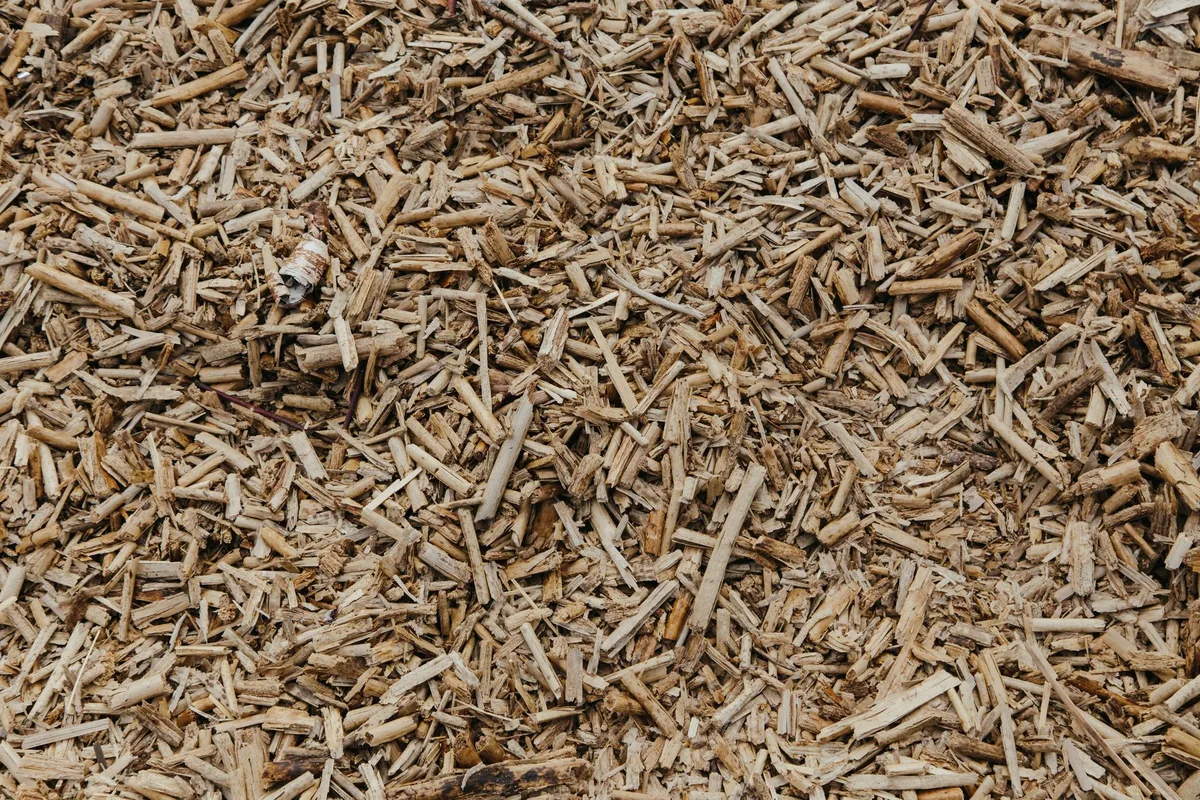
A 3 to 4 inch layer of wood chips, bark, or straw suppresses weeds effectively for one to two seasons. Reapply each year. The mulch decomposes and feeds the soil, improving structure and fertility over time.
This is the most straightforward alternative and works in almost any garden bed.
Cardboard and Sheet Mulching
Lay down corrugated cardboard (remove tape and labels) over the bare soil. Wet it thoroughly. Cover with 3 to 4 inches of compost or topsoil, then 2 to 3 inches of mulch.
The cardboard smothers weeds as it breaks down over 6 to 12 months. Worms love it and move through easily. By the next season, the cardboard is mostly gone and the soil is richer than before.
Pre-Emergent Herbicides (Carefully)
Corn gluten meal is a natural pre-emergent that prevents weed seeds from germinating. Apply in early spring and again in fall. It adds nitrogen to the soil as it breaks down.
Synthetic pre-emergents work faster but require careful timing and application. These work best combined with mulch, not as a replacement for it.
Hand-Weeding and Regular Maintenance
For small beds, nothing beats a sharp hoe and 10 minutes a week. The exercise is good for you. The results are immediate.
You see what’s happening in your soil and catch problems early. For beds under 200 square feet, this is often the most practical solution.
Maintenance and Long-Term Care If You Already Have Fabric
If you already installed fabric, check it every spring. Look for tears, exposed edges, and accumulated organic debris on top. Rake off leaves and soil buildup to prevent weeds from rooting on the surface.
Replace damaged sections immediately before weeds take hold underneath.
After three to five years, standard fabric will start breaking down. You’ll see frayed edges and thin spots. At that point, decide whether to replace it or switch to mulch alone.
Removing old fabric is messy work but necessary, leaving degraded fabric in place just creates tangled roots and poor drainage.
Expert Tips for Making Landscape Fabric Work (When You Use It)
Use the heaviest fabric your budget allows. Professional grade geotextile fabric costs more but lasts three to four times longer. Always overlap seams by at least 6 inches and staple every 12 inches along edges.
Never leave fabric exposed to sunlight for more than a few days. Cover it with mulch immediately after installation.
For planting through fabric, cut an X that’s generous enough to accommodate the mature plant size. Stuff the flap edges down into the planting hole so they don’t stick up. Water deeply after planting to settle the soil and close the slits around the stem.
Final Verdict: Should You Use Landscape Fabric or Not?
Landscape fabric is a tool with a narrow window of usefulness. It works well under gravel paths, rock beds, decks, and on steep slopes. It performs poorly in vegetable gardens, flower beds with perennials, and any bed where you want to improve soil health.
For most home gardeners, the answer is no. A thick layer of organic mulch, reapplied annually, provides better weed suppression over time, feeds the soil, and costs less in the long run. If your situation matches the specific use cases we covered, fabric can be a good choice.
If not, spend your money on good mulch and a sharp hoe instead.
Frequently Asked Questions
How long does landscape fabric last in the ground?
Standard home center fabric lasts 3 to 5 years before UV degradation and soil microbes break it down. Professional grade geotextile fabric can last 10 to 20 years if kept covered with mulch.
Can I put landscape fabric under vegetable gardens?
We don’t recommend it. Vegetables need regular soil amendments and deep watering. Fabric blocks both.
It also traps moisture against plant stems, increasing rot and disease risk.
Does water actually go through landscape fabric?
Yes, woven and non-woven fabrics are permeable. But over time, soil particles, dust, and decomposing mulch clog the pores. Water infiltration rates drop significantly after two to three years.
Can I put soil on top of landscape fabric?
You can, but you should not. Soil on top of fabric creates a perfect seedbed for weeds. Roots from plants in that top layer can’t reach the native soil below, leading to drought stress and poor growth.
How do I remove old landscape fabric?
Cut it into manageable strips with a utility knife. Pull each strip up carefully to avoid tearing it into small pieces. Roll it up and dispose of it in the trash.
Curbside recycling programs typically do not accept landscape fabric.
Is there a biodegradable landscape fabric that works?
Yes, options made from jute, coir, or PLA (plant-based plastic) break down over 1 to 3 years. They work well for temporary weed suppression but don’t last long enough for permanent beds. They add organic matter to the soil as they decompose.