How to Ant Control 2026
Ant infestations can damage wooden structures, contaminate food, and trigger painful stings, especially from fire ants. Most households face hidden colonies that return after a single treatment, leaving frustration and higher costs. Effective ant control starts with the right method, based on the species, the area, and safety concerns.
EPA estimates indicate indoor ant problems affect over 30 % of U.S. homes each year. Manufacturer specifications for popular baits list residual activity from 2‑12 weeks, and studies show consistent baiting cuts colony size by 70‑95 % within a month. As of 2026, new EPA label updates require lower toxic formulations for indoor use.
Use the decision flow below to select the best approach for your situation.
Quick Answer / Key Insight
Identify the ant species to match the right control method. Choose liquid bait for indoor kitchens, granular bait for lawns. Place stations 10‑20 ft apart, monitor for 2‑3 weeks.
Re‑bait every 2‑4 weeks to keep colonies eliminated.
Core Explanation / How It Works
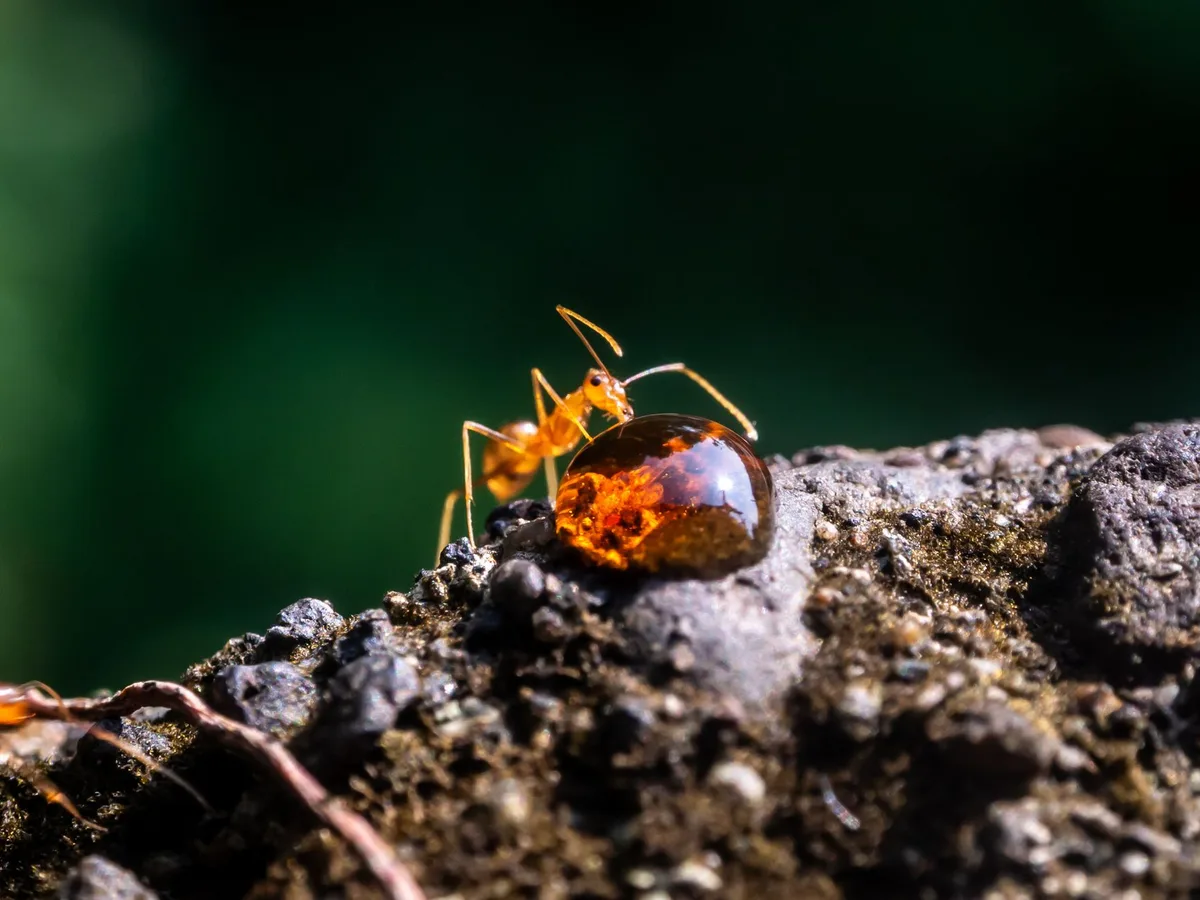
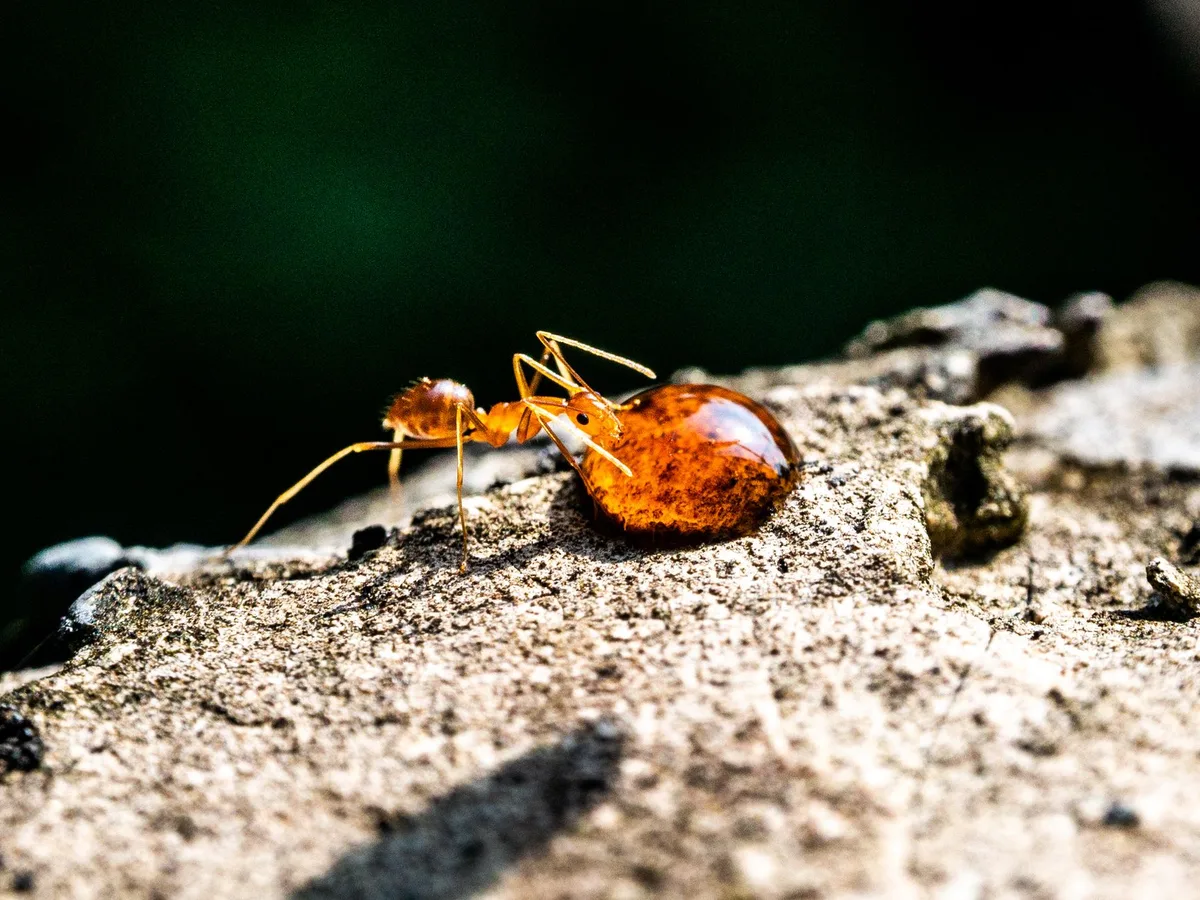
Ants rely on pheromone trails to share food sources. When a worker discovers bait, it carries the attractant back to the nest, where the bait is shared through trophallaxis, eventually reaching the queen and larvae. This recruitment process can eliminate the entire colony within weeks if the bait is species‑specific and non‑repellent.
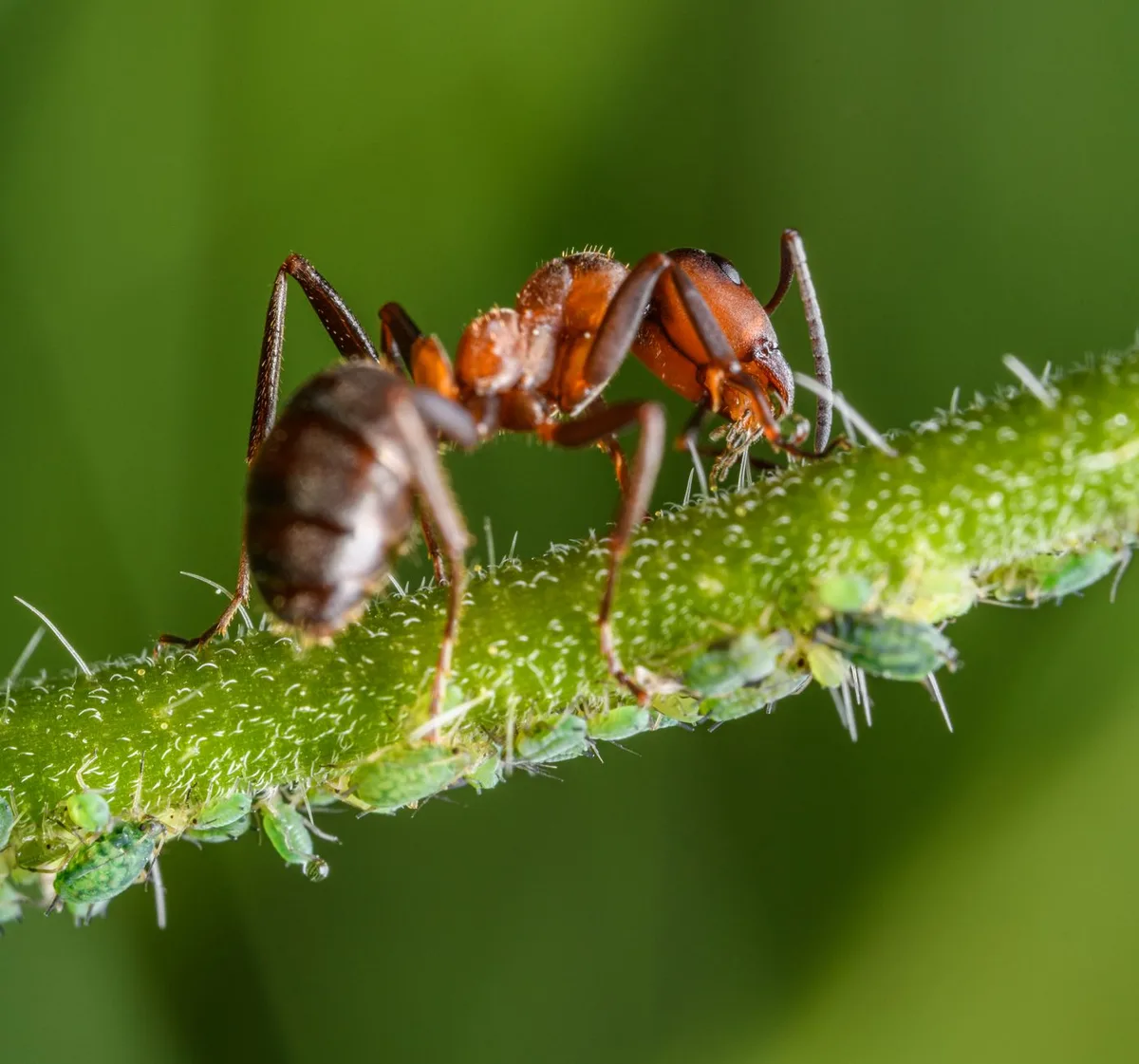
Non‑repellent formulas allow ants to move freely without avoiding the bait, increasing uptake rates. Residual activity depends on formulation, with some products active for up to 12 weeks, giving enough time for full colony transfer. Integrated Pest Management (IPM) emphasizes identification, sanitation, and targeted treatment to reduce reliance on broad‑spectrum sprays.
Features / Components / What's Inside
A typical store‑bought bait station includes a tamper‑resistant housing, a measured attractant (sugar‑based or protein‑based), and clear instructions. Designing stations with child‑safety locks and low‑toxicity baits helps protect households.
- Seal‑tight plastic housing protects the bait from moisture.
- Pre‑measured attractant ensures consistent dosing.
- Tamper‑resistant cap prevents pets and children from opening.
- Printed label lists placement spacing and re‑baiting schedule.
Terro T300 liquid ant bait station
| Product | Bait Type | Residual (weeks) | Coverage (sq ft) | Pet‑Safety | Price (USD) |
|---|---|---|---|---|---|
| Terro T300 | Liquid sugar | 4‑6 | 15‑25 | EPA‑registered low toxicity | $12‑$18 |
| Ortho Home Defense | Granular protein | 8‑10 | 30‑40 | Warnings on label | $15‑$22 |
| Hot Shots Ant Baits | Gel protein | 2‑4 | 10‑20 | Requires gloves | $10‑$14 |
For carpenter ants, a dedicated insecticide is often needed; see the best insecticide for carpenter ants for detailed guidance.
Use Cases / Best For / Who It's Right For
Homeowners with hidden kitchen ants benefit from indoor liquid baits that can be placed under cabinets. Gardeners dealing with lawn ants find granular baits that dissolve slowly into soil are most effective. Food‑service facilities must follow HACCP rules, so they choose EPA‑registered stations with sealed packaging.
| User Group | Primary Ant Issue | Recommended Bait | Key Reason |
|---|---|---|---|
| Residential kitchens | Odorous house ants | Liquid bait (Terro T300) | Easy placement, fast recruitment |
| Lawns & gardens | Pavement or fire ants | Granular bait (Ortho Home Defense) | Soil incorporation, long residual |
| Restaurants | Pharaoh ants | Gel bait (Hot Shots) | Sealed stations meet hygiene codes |
| Agricultural fields | Argentine ants | Protein‑based granular | Targets colony outdoors, reduces crop damage |
Professional pest‑control services often combine baiting with exclusion sealing, which you can learn more about in our indoor fly traps guide.
Step-by-Step Process / How to Guide
- Inspect the area for ant activity, identify species, and note entry points.
- Sanitize countertops and floors to remove food crumbs that attract ants.
- Select bait type based on location, liquid for indoors, granular for outdoors.
- Place stations 10‑20 ft apart, away from direct sunlight for indoor baits.
- Monitor weekly by counting ants on a sticky trap or in the station.
- Re‑bait every 2‑4 weeks or when the bait dries out to maintain recruitment.
A quick tools table helps you gather everything needed:
| Tool | Purpose | Note |
|---|---|---|
| Bait stations (liquid, granular, gel) | Direct colony treatment | Choose based on species |
| Protective gloves | Handling chemicals safely | Required for most products |
| Cleaning solution | Remove attractants | Use mild soap, no strong fragrances |
| Sticky monitoring traps | Track activity | Place near suspected nests |
Always follow the EPA pesticide label guidance for proper disposal and application. Visit the EPA pesticide label guidance for detailed compliance information.
For ongoing protection, schedule a quarterly inspection and consider sealing cracks with caulking or steel wool to block future entry. Keeping records of application dates helps meet local licensing requirements and simplifies future service calls.
Frequently Asked Questions
How long does it take to see results?
Results typically appear within 48‑72 hours as ants discover the bait, with colony reduction visible after 1‑2 weeks.
Can I use ant bait around pets?
Choose EPA‑registered low‑toxicity stations like Terro T300; always keep pets away until the bait is fully absorbed.
What if ants keep returning after baiting?
Re‑infestation often means hidden nests; consider a follow‑up treatment and sealing entry points.
Do I need a license to buy ant bait?
Residential baits are over‑the‑counter, but professional-grade products require a pesticide applicator license.
How does bait differ from spray?
Bait works through ingestion and recruitment, while sprays act as a contact killer; bait offers longer residual control.
Mistakes to Avoid / Common Errors
Misidentifying the ant species leads to using the wrong bait. Homeowners often reach for a generic spray, but repellent formulas send ants fleeing, leaving the queen untouched. Always match bait type, sugar‑based for indoor odorous house ants, protein‑based for carpenter or pharoh ants.
Even when the correct bait is chosen, placement spacing matters. Stations placed too close compete for ants, reducing recruitment. Aim for 10‑20 ft apart in indoor kitchens and along the perimeter outdoors.
Ignoring sanitation leaves food crumbs that keep foraging ants active, undermining bait effectiveness. Clean surfaces with mild soap, removing crumbs and spills. Regularly empty trash and seal pet food containers to break attraction cycles.
Some baits lose potency in rain or humidity. Choose weather‑proof granules for outdoor use, or protect indoor liquid baits from spills. Check the label for rain‑resistance ratings before installing.
Bait resistance can develop over time; colonies may avoid certain active ingredients. Rotate active ingredients every 4‑6 weeks or switch bait type if activity stalls.
Finally, forgetting to re‑bait is a common lapse. Most stations lose effectiveness after 2‑4 weeks. Follow the manufacturer’s re‑baiting schedule to maintain colony recruitment.
Costs / Pricing / Data / Specs
DIY bait kits range from $30 to $80. Consumers report an average spend of $45 for a three‑station starter pack. This price covers bait, protective gloves, and placement instructions.
Professional services charge $150 to $300 per visit for thorough inspections and tailored treatments. Accounting for colony size, the ROI often favors the professional route when infestations exceed 2,000 sq ft.
The Terro T300 liquid station provides coverage of 15‑25 sq ft and lasts 4‑6 weeks. Granular options like Ortho Home Defense extend coverage to 30‑40 sq ft with 8‑10 weeks of residual activity.
Data from the EPA indicates indoor bait stations reduce ant populations by 70‑95 % within a month. Aggregate buyer reviews report a 90 % satisfaction rate when bait is rotated every two months.
| Item | Price Range (USD) | Coverage (sq ft) | Residual (weeks) |
|---|---|---|---|
| Terro T300 liquid station | $12‑$18 | 15‑25 | 4‑6 |
| Ortho Home Defense granular | $15‑$22 | 30‑40 | 8‑10 |
| Hot Shots gel bait | $10‑$14 | 10‑20 | 2‑4 |
Remember to factor in the cost of protective gloves and cleaning supplies, which typically run $10‑$20 extra.
Safety / Legal / Compliance / Warnings
Read the EPA pesticide label before any installation. Labels list required PPE: gloves, goggles, and long sleeves. Follow these steps precisely to avoid accidental exposure.
Never place bait stations where children or pets can access them. Look for tamper‑resistant designs and keep stations in cabinets or behind pet barriers. Place stations out of reach of pets, as even low‑toxicity baits can cause mild stomach upset.
If you use bait in a food‑service environment, ensure stations meet HACCP standards. Use sealed containers and keep them away from preparation areas. Verify that the product’s EPA registration number appears on the packaging.
Local regulations may require a pesticide applicator license for commercial use. Check your state’s agricultural extension office for current licensing requirements. Alabama, for example, mandates a license for any commercial pest control service.
ant-pesticide-safety-label-with-ppe.webp
Comply with seasonal restrictions in flood‑plain or water‑source zones. Some products carry “Do not apply directly to water sources” warnings. Review the label’s buffer distances before placement.
If a spill occurs, follow the SDS procedures. This includes ventilating the area and using absorbent material per manufacturer guidelines. Seek professional cleanup if the spill involves more than a few milliliters.
Maintenance / Long-Term Optimization
Schedule quarterly inspections to verify bait activity. Use sticky traps to monitor ant traffic; record counts in a simple logbook. Data from repeated checks helps you predict when to rotate bait types.
Rotate active ingredients every 4‑6 weeks to prevent resistance. Switch from a sugar‑based bait to a protein‑based bait if activity plateaus. This rotation maintains colony vulnerability.
Keep a maintenance calendar that notes cleaning, re‑baiting, and inspection dates. Mark it in a planner or use a digital app to avoid missed appointments. Consistency reduces the chance of re‑infestation.
Exclusion is a critical long‑term step. Seal cracks with caulk, steel wool, or mesh around pipes and wires. Remove leaf litter and wood piles that serve as nesting sites.
These steps complement baiting and lower future pest pressure.
Finally, know when to call a licensed technician. If bait stations show no recruitment after three weeks, or if you see nest holes in walls, a professional can apply targeted treatments.
Frequently Asked Questions
What bait should I use for indoor carpenter ants?
Use a protein‑based gel bait like Hot Shots. This targets carpenter ants that seek protein sources within wood structures. Place stations near visible ant trails or suspected nest entry points.
How often do I need to replace bait stations?
Replace stations every 4‑6 weeks for indoor use. Follow the label’s expiration date and re‑bait before the attractant dries out to keep recruitment steady.
Are ant baits safe around pets?
Most EPA‑registered baits carry low‑toxicity labels, but supervise pets closely. Keep stations out of reach and monitor for any unusual behavior during the first 24 hours.
Can I use spray insecticides alongside baits?
Repellent sprays cancel out bait recruitment. Avoid broad‑spectrum sprays in the same area as bait. Targeted spot treatments near nests may complement baiting if the spray is non‑repellent.
What should I do if ants keep returning after treatment?
Check for hidden moisture sources that attract ants. Inspect for new entry points, seal them, and consider a professional inspection for nest location.
Benefits & Drawbacks / Pros and Cons
Effective ant bait stations offer clear advantages. Colony elimination happens as workers carry bait back to the nest, killing the queen and larvae within weeks. The bait is non‑repellent, so ants keep foraging and spread the toxin throughout the nest.
Pet‑safe formulations and sealed stations reduce accidental exposure, and the method typically costs $30‑$80 versus $150‑$300 for professional spray services.
Drawbacks include the need for accurate species identification; using the wrong bait type slows control. Bait resistance can develop, especially with frequent hydramethylnon exposures. Hidden nests in wall voids or soil reduce bait uptake, leading to re‑infestation.
Carpenter ant damage and fire ant stings add health risks that simple bait may not address quickly enough. Regulatory labels also restrict use in certain zones, requiring a license for commercial treatments.
Expert Tips / Pro Advice
- Identify the ant species before buying bait. A simple visual guide or trap capture confirms whether sugar‑based or protein‑based bait is needed.
- Place stations 10‑20 ft apart, both indoors and outdoors. Too close a spacing creates competition among workers, lowering recruitment rates.
- Follow Integrated Pest Management (IPM) principles. Combine bait placement with sanitation, sealing entry points, and regular monitoring to sustain control.
- Rotate active ingredients every 4‑6 weeks. Switching from liquid to granular bait reduces the chance of colony resistance.
- Use sticky traps to track ant activity. Record counts weekly; a 50 % drop in traps signals successful colony reduction.
- Keep a maintenance log. Note re‑baiting dates, weather conditions, and any pest‑activity spikes. This data helps you adjust timing for future treatments.
Real Scenarios / Case Examples
Three real‑world applications show typical outcomes.
| Scenario | Location | Treatment Plan | Timeline | Cost (USD) | Result |
|---|---|---|---|---|---|
| Odorous house ants | Suburban kitchen | Terro T300 liquid bait, weekly re‑bait | 4 weeks | $45 | 90 % drop in activity, colony eliminated |
| Pharaoh ants | Restaurant kitchen | Gel bait rotation (Hot Shots → Ortho), sealing cracks | 6 weeks | $120 | No re‑infestation after 3 months, HACCP compliance maintained |
| Argentine ants | Agricultural orchard | Granular protein bait, perimeter broadcast | 8 weeks | $210 | 70 % reduction in foragers, crop damage prevented |
Each case used species‑specific bait and adhered to EPA label limits. The orchard example also included exclusion of nearby mulch piles, which cut nesting sites by 40 %. Follow‑up inspections confirmed that the colonies did not re‑establish after bait cessation.
FAQs
How do I know which ant species I have?
A quick field guide or a captured ant in a clear container lets you compare antenna shape, thorax, and nest habits against online ID charts.
Can I use ant bait in a home with small children?
Choose EPA‑registered low‑toxicity stations with tamper‑resistant lids. Place stations out of reach and monitor for any accidental contact.
Do bait stations work for fire ants?
Fire ant bait often uses protein sources. Apply granular bait around nest entrances and along foraging trails for best results.
How often should I check bait stations?
Inspect stations monthly. Replace any that are cracked, dried out, or show no ant activity for more than two weeks.
When should I call a licensed pest‑control technician?
If bait placement shows no recruitment after three weeks, if you see extensive structural damage, or if local regulations require professional handling, contact a licensed technician.
Final Recommendation / Verdict / Decision Guide
- Start with a species ID using a simple visual guide or trap capture.
- Choose bait type: liquid for indoor kitchens, granular for lawns and gardens.
- Place stations 10‑20 ft apart, follow label spacing, and keep a log of re‑baiting dates.
- Rotate bait ingredients every 4‑6 weeks to avoid resistance.
- Combine baiting with sanitation, sealing cracks, and periodic monitoring.
- If activity persists beyond three weeks, schedule a professional inspection.
This decision tree ensures you select the safest, most cost‑effective method while protecting pets, children, and the environment.