How to Choose the Right Grass Type: Beginner-Friendly Guide
You have probably stood in the garden center aisle staring at grass seed bags. The pictures all look the same. The names sound similar.
How to choose the right grass type feels like a guessing game. But it does not have to be.
The answer starts with three things. Your climate zone tells you whether you need a cool-season or warm-season grass. Your yard's specific conditions narrow it down further.
Your maintenance preference decides the final pick. According to the National Turfgrass Evaluation Program, choosing the wrong grass type is the most common reason new lawns fail within the first year. Let us start with the biggest mistake people make.
Quick Answer
Choose your grass type based on your climate zone first. Cool-season grasses work best in northern regions. Warm-season grasses thrive in southern areas.
Check your sunlight, soil type, and foot traffic next. Match those conditions to a specific variety. Test your soil pH before planting anything.
Why Most People Pick the Wrong Grass
The main mistake is simple. People choose grass by looks alone. That dark green Kentucky bluegrass lawn at your neighbor's place is beautiful.
But if you live in Alabama and your yard gets heavy shade, it will struggle.
Here is what happens. You buy a bag of seed because the picture on the front looks nice. You spread it, water it, and wait.
The first few weeks look promising. Then summer hits. The grass turns brown, gets thin, or dies outright.
The real problem is a mismatch. The grass type you chose does not match your local climate or your yard's conditions. It is like planting a tropical plant in a desert. No amount of water or fertilizer will fix a fundamentally wrong choice.
In our research, the most common mismatches include:
- Planting cool-season Kentucky bluegrass in the hot, humid Southeast
- Using sun-loving Bermuda grass in a shady yard under mature trees
- Choosing a high-maintenance grass when you really want something you can ignore for two weeks
The fix is to work backwards. Start with what your yard gives you. Then pick the grass that fits those conditions.
This approach works every time.
If you already have a lawn that struggles, you might need to address underlying issues first. A good fungicide can help if disease is the problem. Check our guide on the best fungicide for lawns if patches keep showing up despite your best efforts.
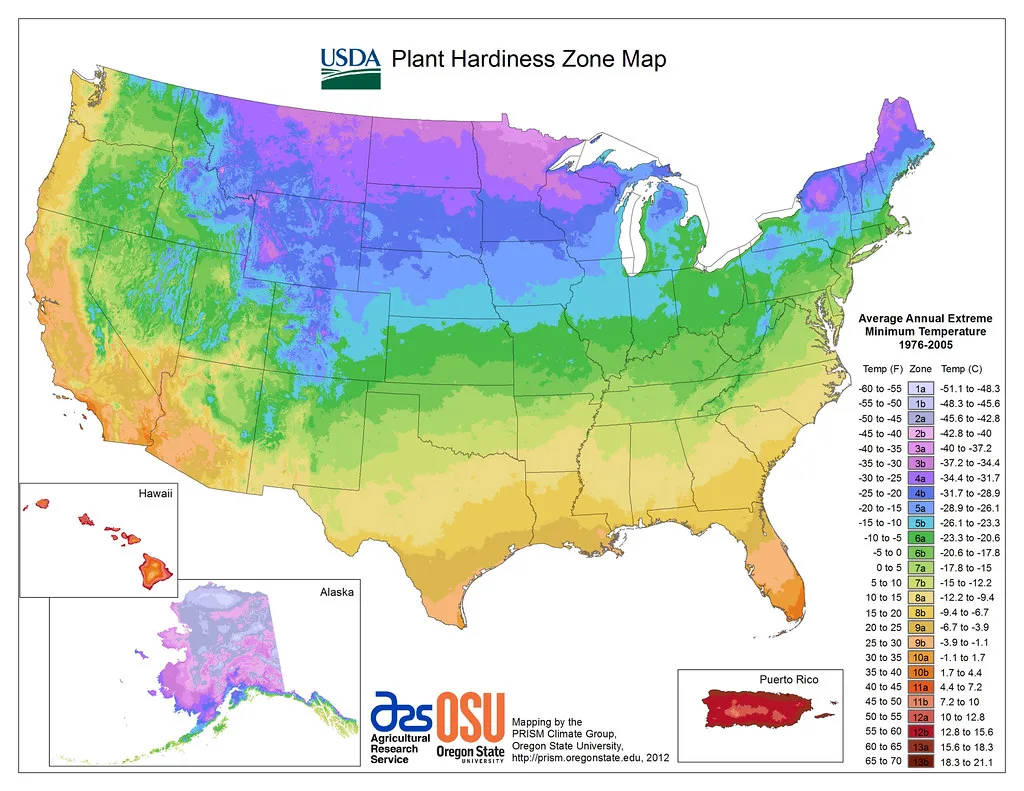
Climate Zone: Warm-Season vs. Cool-Season Grasses This is where every grass decision begins: your USDA hardiness zone map shows whether you live in a northern, southern, transition; Pacific Northwest high-altitude mountain region belongs somewhere else entirely. Each zone favors one grass family over another. Planting the wrong family guarantees failure or constant hand-holding year after year, period. Splitting grasses into these two main families económizes confusion instantly. Cool-season grasses thrive where winters freeze solid for months at a
Whataboutsummers warm-season grasses laugh at hundred-degree days but go dormant and brown when autumn leaves fall in a frost-prone climate Florida, Arizona. Texas choosing blind warm-turf or tall 1A? Works great until January kills it!
Studies from Texas A&M Turfgrass Research (sciencedirect data).
What about the transition zone? That middle band across the US where neither cool-season nor warm-season grasses thrive naturally. This zone includes parts of Kentucky, Virginia, Tennessee, Missouri, Kansas, and Oklahoma.
Here you have two options. You can grow a cool-season grass that tolerates heat (tall fescue is your best bet). Or you can plant a warm-season grass and accept brown winters if you overseed with ryegrass for winter color.
The transition zone causes more headaches than any other region. If you live there, pay close attention to the specific variety guides later in this article. Getting the right cultivar matters more here than anywhere else.
What you need to know about each zone
Northern cool-season zone (USDA zones 3 through 6)
- Winters are cold with snow cover
- Summers are mild to warm, rarely extreme
- Best grasses: Kentucky bluegrass, tall fescue, fine fescue, perennial ryegrass
- These grasses grow actively in spring and fall, go semi-dormant in summer heat
Southern warm-season zone (USDA zones 7 through 10)
- Summers are hot and humid
- Winters are mild with rare hard freezes
- Best grasses: Bermuda grass, zoysia grass, St. Augustine grass, centipede grass
- These grasses grow actively in peak summer, go dormant and brown in winter
Transition zone (USDA zones 6 through 7)
- Winters too cold for most warm-season, summers too hot for most cool-season
- Best grasses: tall fescue (cool-season but heat tolerant), zoysia (warm-season but cold hardy)
- Expect compromise: no grass is perfect here year round
Light, Traffic, and Soil: Your Yard's Unique Profile
Climate tells you what family of grasses to consider. Your yard's specific conditions tell you which variety within that family will actually survive and look good. You cannot skip this step.
Sunlight matters more than you think
Measure your sunlight before you buy anything. Walk your yard at different times of day. Count the hours of direct sun each area gets.
Full sun (6+ hours of direct sun per day): Most grasses thrive here. Bermuda grass and zoysia demand full sun. Kentucky bluegrass does well too.
Partial shade (4 to 6 hours of sun, usually dappled or morning sun): Tall fescue and fine fescue handle this well. St. Augustine grass (in warm climates) can work too.
Dense shade (less than 4 hours of sun): Your options shrink fast. Fine fescue is your best choice in the north. St.
Augustine grass (shade-tolerant varieties) works in the south. No grass truly loves deep shade under a dense oak canopy. You might need to thin tree branches or consider shade-tolerant ground covers.
Foot traffic and wear tolerance
Do kids and dogs run across your lawn every day? That changes everything. Some grasses bounce back from heavy use.
Others look crushed and bald after one weekend.
High traffic: Bermuda grass is the toughest. Zoysia is close behind. Tall fescue handles moderate traffic well.
Perennial ryegrass recovers fast from damage.
Low traffic: Fine fescue is soft and beautiful but fragile. Centipede grass looks great with minimal care but cannot handle regular foot traffic.
Soil type and pH
Your soil determines how well grass roots can spread and absorb nutrients. Sandy soil drains fast and needs more water. Clay soil holds moisture but compacts easily.
Loam is the ideal mix.
Test your soil pH before planting. Grasses prefer a pH between 6.0 and 7.0. If your soil is too acidic (below 6.0), lime will raise it. If it is too alkaline (above 7.0), sulfur will lower it.
Your local cooperative extension office sells cheap soil test kits. Use one before you spend money on seed or sod.
Decision Branch: Cool-Season Grass Options
If you live in the northern cool-season zone or the transition zone, this section is for you. These four grass types are the main players. Each one has strengths and weaknesses.
Pick the one that matches your yard's conditions.
Tall fescue: the heat-tolerant workhorse
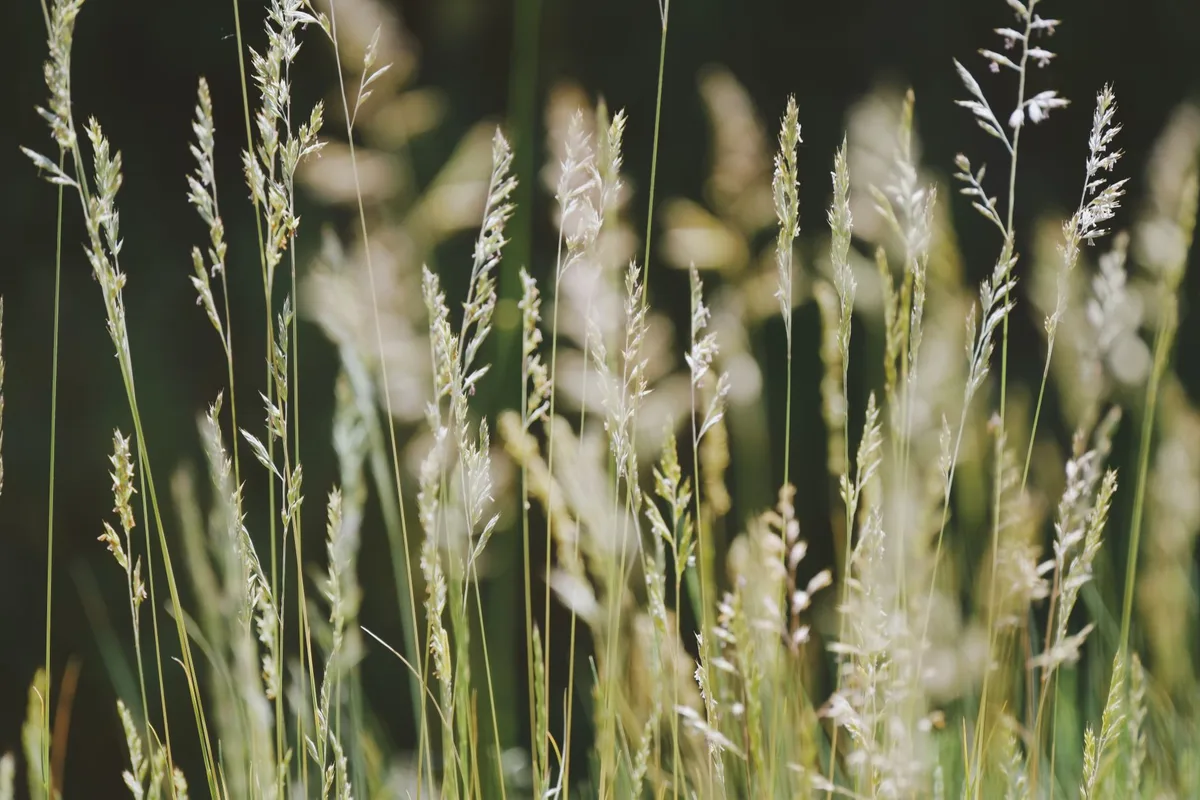
Tall fescue is the most adaptable cool-season grass. It handles heat and drought better than Kentucky bluegrass. It grows well in both sun and partial shade.
It stays green through summer with less water than other cool-season options.
Best for: Transition zone lawns, yards with mixed sun and shade, people who want less watering
Drawbacks: Coarser leaf texture than Kentucky bluegrass. Does not spread and repair itself if damaged (it is a bunch-type grass). You may need to overseed thin spots each fall.
Kentucky bluegrass: the looker that needs more care
Kentucky bluegrass creates that thick, dark green, carpet-like lawn everyone pictures. It spreads through underground rhizomes, so it fills in bare spots on its own. But it demands more water, more fertilizer, and more attention.
Best for: Northern lawns with full sun, homeowners willing to water and fertilize regularly
Drawbacks: Poor shade tolerance. Struggles in hot summers. High water and fertilizer needs.
Slow to germinate (14 to 30 days).
Fine fescues: shade and low-maintenance winners
Fine fescue is not one grass. It is a group of grasses including creeping red fescue, chewings fescue, hard fescue, and sheep fescue. They have thin, delicate blades and thrive in shade and poor soil.
They need less water and fertilizer than any other cool-season grass.
Best for: Shady yards, low-maintenance lawns, areas with poor soil, no-mow or eco-lawn blends
Drawbacks: Cannot handle heavy foot traffic. Looks less uniform than Kentucky bluegrass. Goes dormant in summer heat without water.
Perennial ryegrass: fast germination, quick filler
Perennial ryegrass germinates in 5 to 10 days. That is faster than any other cool-season grass. It is great for quick patches, overseeding thin lawns, or mixing with other grasses.
It has good wear tolerance and a fine texture.
Best for: Quick establishment, overseeding Bermuda grass in winter (warm climates), mixing into bluegrass blends
Drawbacks: Does not spread or repair itself. Prone to disease in humid conditions. Thins out after a few years if used alone.
Quick comparison table
| Grass Type | Sun Tolerance | Shade Tolerance | Traffic Tolerance | Water Needs | Germination |
|---|---|---|---|---|---|
| Tall fescue | Good | Moderate | Moderate | Moderate | 7-14 days |
| Kentucky bluegrass | Very good | Poor | Moderate | High | 14-30 days |
| Fine fescue | Moderate | Very good | Low | Low | 10-20 days |
| Perennial ryegrass | Good | Moderate | Good | Moderate | 5-10 days |