How to Improve Sandy Soil for Grass 2026
If you've ever watched water disappear from a sandy lawn within minutes, you already know the frustration. How to Improve Sandy Soil for Grass isn't complicated, but it requires understanding what's actually happening underground. Sandy soil drains fast, holds almost no nutrients, and leaves grass looking thin, yellow, and stressed within days of a dry spell.
Per USDA soil taxonomy, sand particles range from 0.05 to 2 millimeters with huge pore spaces between them. That means water and nutrients flush straight through before roots can grab them. A sandy soil's cation exchange capacity typically sits between 1 and 5 meq/100g, compared to 10 to 100+ for clay.
Fixing that gap is what this guide is about.
Why Getting Sandy Soil Right Matters for Your Lawn
Most people assume sandy soil is a lost cause. It's not. But ignoring its limitations costs you real time and money.
The consequences are concrete:
- Water bills spike because the lawn needs irrigation two to three times more often than turf on loam
- Fertilizer gets wasted as rainfall or sprinkler water pushes nitrogen below the root zone within hours
- Grass stays shallow-rooted because there's nothing in the sand to hold moisture long enough for roots to spread
- Weeds thrive because crabgrass, nutsedge, and other aggressive species handle low fertility and drought better than turfgrass
- Erosion strips the top layer during heavy rain, taking any organic matter you added with it
The good news? Sandy soil has one big advantage. It never gets waterlogged.
You won't deal with standing water, root rot, or compacted clay that needs annual aeration. You're starting with a clean, well-drained canvas. The trick is giving it structure and fertility.
Our research shows that a properly amended sandy soil can support a dense, deep-rooted lawn within two full growing seasons. That's faster than fixing heavy clay, and the maintenance after that point is simpler. You just need to approach it differently than you would a standard lawn.
Getting the soil test right matters here. Without knowing your starting pH and nutrient levels, you're guessing. And guessing with sandy soil costs more because everything you add washes through quickly.
A good soil test costs $20 to $50 from your local cooperative extension and tells you exactly what to add.
Quick Answer
Sandy soil needs organic matter. Compost is the most effective amendment. Apply a 1 to 2 inch layer and till it 6 to 8 inches deep.
This improves water retention and nutrient holding capacity. Choose grass species bred for sandy conditions. Adjust your watering to short, frequent cycles.
The process takes one to two growing seasons for visible improvement. Soil tests guide your exact amendment needs. Expect to irrigate less and fertilize more efficiently after each season of organic matter buildup.
If you have an established lawn, core aeration followed by compost topdressing works without tearing up what you already have.
What's Happening Under Your Feet (Soil Science, Simplified)
Understanding sandy soil starts with particle size. Sand grains are large compared to silt and clay. They don't pack tightly together.
That creates big pore spaces that let water flow through fast.
Here is what that means in practical terms:
- Water holding capacity in pure sand is roughly half an inch of water per foot of soil. Loam holds two inches. Clay holds more than four.
- Infiltration rate in sand can exceed five inches per hour. That sounds good until you realize the water is gone before roots can absorb it.
- Nutrient leaching happens because water moves so fast it carries dissolved nitrogen, potassium, and other elements below the root zone. This is why sandy lawns need more frequent, lighter fertilizer applications.
- Cation exchange capacity (CEC) is the soil's ability to hold positively charged nutrients like calcium and magnesium. Sand scores 1 to 5. Loam scores 10 to 20. Clay scores 20 to 100. This single metric explains why sandy soil acts nutrient-poor even when you fertilize regularly.
The soil texture triangle helps you identify exactly what you're working with. If your soil is mostly sand with a little silt and clay, you're in the sandy loam category. That is easier to improve than straight sand.
Pure sand with less than 15% silt and clay is the hardest to fix and requires the most organic matter.
A quick field test can tell you without a lab. Take a handful of moist soil and squeeze it. Sandy soil crumbles immediately when you open your hand.
Loam holds its shape briefly before breaking apart. Clay holds a tight ball that resists breaking. If your soil falls apart the second you relax your grip, you are dealing with sand.
The physical fix comes down to one thing. You need to fill those large pore spaces with organic material that acts like a sponge and a nutrient bank. That is where the improvement work starts.
Step-by-Step: How to Improve Sandy Soil Before Planting
If you are starting with bare soil, this is the most efficient path. You have full access to the ground and can incorporate amendments deeply. Follow these steps in order.
Step 1: Get a Soil Test
Send a sample to your local cooperative extension or a reputable soil lab. Request a standard test with pH, phosphorus, potassium, calcium, magnesium, and organic matter percentage. Sandy soil typically tests acidic, so you may need lime.
You might also be low in potassium and magnesium, which leach easily.
The test results tell you exactly how much lime and fertilizer to add. Do not skip this step. Guessing with sandy soil wastes amendments and money.
Step 2: Choose Your Primary Organic Amendment
Compost is the gold standard. It improves water holding capacity, adds nutrients, and feeds soil microbes. Look for fully finished, screened compost with a dark, crumbly texture and an earthy smell.
Avoid anything that smells like ammonia or has visible chunks of raw material.
Apply 1 to 3 cubic yards per 1,000 square feet depending on how sandy your soil is. Pure sand needs the full 3 yards. Sandy loam needs 1 to 2 yards.
You can also use aged manure from a reliable source. Make sure it is fully composted and not fresh. Fresh manure can burn roots and introduce weed seeds.
Step 3: Calculate the Right Amount
Measure your lawn area in square feet. Multiply length by width. Then calculate how much compost you need.
One cubic yard covers roughly 100 square feet at 3 inches deep. For a 1,000 square foot area, that means 3 cubic yards for a 2 to 3 inch layer. Order in bulk from a landscape supply company.
Bagged compost from garden centers is expensive for this scale.
Step 4: Apply and Incorporate
Spread the compost evenly over the entire area. Use a wheelbarrow and shovel for small areas, or rent a topsoil spreader for larger ones. Then till it into the top 6 to 8 inches of sandy soil.
Do not till deeper than 8 inches. You want the organic matter concentrated in the root zone where grass roots actively grow. Tilling deeper dilutes the amendment and wastes material.
Tilling wet sand destroys what little structure it has. Wait until the soil is dry enough to crumble in your hand.
After tilling, rake the surface smooth and allow the soil to settle for a few days before planting.
Step 5: Select Grass Species for Sandy Conditions
Not all grass handles sand equally. Choose species bred for drought tolerance and low fertility. For cool-season areas, tall fescue is the top choice.
It roots deeply and handles dry spells better than Kentucky bluegrass. For warm-season areas, bermudagrass and zoysiagrass thrive in sandy soil because their root systems are aggressive and deep.
We have a full breakdown of the best options in the grass species section below. The short version is that standard lawn mixes meant for loam or clay will struggle in sand.
Step 6: Plant and Water Correctly
Seeding sandy soil requires different watering than standard lawns. Water lightly and frequently to keep the top inch moist. Sand dries out fast, so you may need to water two to three times per day for the first two weeks.
After germination, switch to deeper, less frequent watering to encourage roots to grow downward. This is critical for long-term drought tolerance.
For sod, lay it on prepared soil and water deeply right away. Sand drains fast, so the first watering needs to be thorough enough to reach the root zone of the sod.
A final tip. After seeding or sodding, apply a thin layer of weed-free straw or erosion blanket. It keeps the soil moist and prevents wind or rain from washing away seed or compost.
How to Improve Sandy Soil for an Existing Lawn
If you already have grass and want to improve the soil underneath, you cannot till everything up. The approach is gentler but still effective.
Core Aeration and Topdressing
This is the single most effective technique for established sandy lawns. Rent a core aerator from a local tool rental shop. Run it over the entire lawn in two perpendicular passes.
The aerator pulls out plugs of soil and leaves holes that allow compost to reach the root zone.
After aeration, spread a thin layer of compost over the lawn. Use about half an inch to three-quarters of an inch deep. Rake it lightly into the holes left by the aerator.
Water it in gently.
Repeat this process every spring and fall for two to three years. Each season adds organic matter directly to the root zone without damaging the grass. Over time, you build a richer top layer that holds water and nutrients.
Overseeding with Sand-Tolerant Varieties
Most established lawns have a mix of grasses. Overseeding with varieties bred for sandy conditions shifts the balance toward tougher species over time.
For cool-season lawns, overseed with tall fescue at 6 to 8 pounds per 1,000 square feet. For warm-season lawns, bermudagrass or zoysiagrass plugs can fill in thin spots.
Time your overseeding with aeration. The holes provide good seed-to-soil contact, and the compost topdressing gives the new seedlings a nutrient boost.
Adjust Your Watering Schedule
Sandy soil forces a different watering rhythm. Long, deep watering cycles simply push water past the root zone. Instead, water in short cycles that let the soil absorb moisture before it drains.
The technique is called cycle and soak. Run your sprinklers for 5 to 10 minutes. Wait 30 minutes.
Run them again. Repeat until you have applied the right amount of water. This gives the organic matter time to absorb moisture and hold it near the roots.
You can test if you are watering correctly by checking the soil moisture an hour after watering. Dig down 4 to 6 inches. If it is dry at that depth, you need either longer cycles or more water per session.
If it is wet below 8 inches and dry on top, water is draining too fast.
The Best Organic Amendments for Sandy Soil
Not all compost is the same. The source material, processing method, and maturity level all affect how well it improves sandy soil. Here is what works best.
Finished compost is the top choice. Look for a dark, crumbly texture with no visible chunks. It should smell like earth, not ammonia.
Well-made compost adds organic matter, feeds beneficial microbes, and improves water holding capacity immediately. Apply 1 to 3 cubic yards per 1,000 square feet depending on how sandy your soil is.
Aged manure works well if sourced from a reputable farm. Cow, horse, and chicken manure all add nutrients and organic matter. The key is making sure it is fully composted.
Fresh manure burns grass roots and introduces weed seeds. Aged manure that has sat for at least six months is safe.
Biochar is a newer option gaining traction. It is charcoal made from organic material heated in a low-oxygen environment. Biochar resists decomposition, so it stays in the soil for years.
It improves nutrient retention and provides habitat for beneficial microbes. Charge it by mixing with compost or soaking in compost tea before application.
Peat moss is a common recommendation for sandy soil. It holds water well and lowers pH. But peat moss has tradeoffs.
It decomposes slowly and adds little nutrient value. It also has environmental concerns around harvesting. Compost outperforms peat moss in most sandy soil situations.
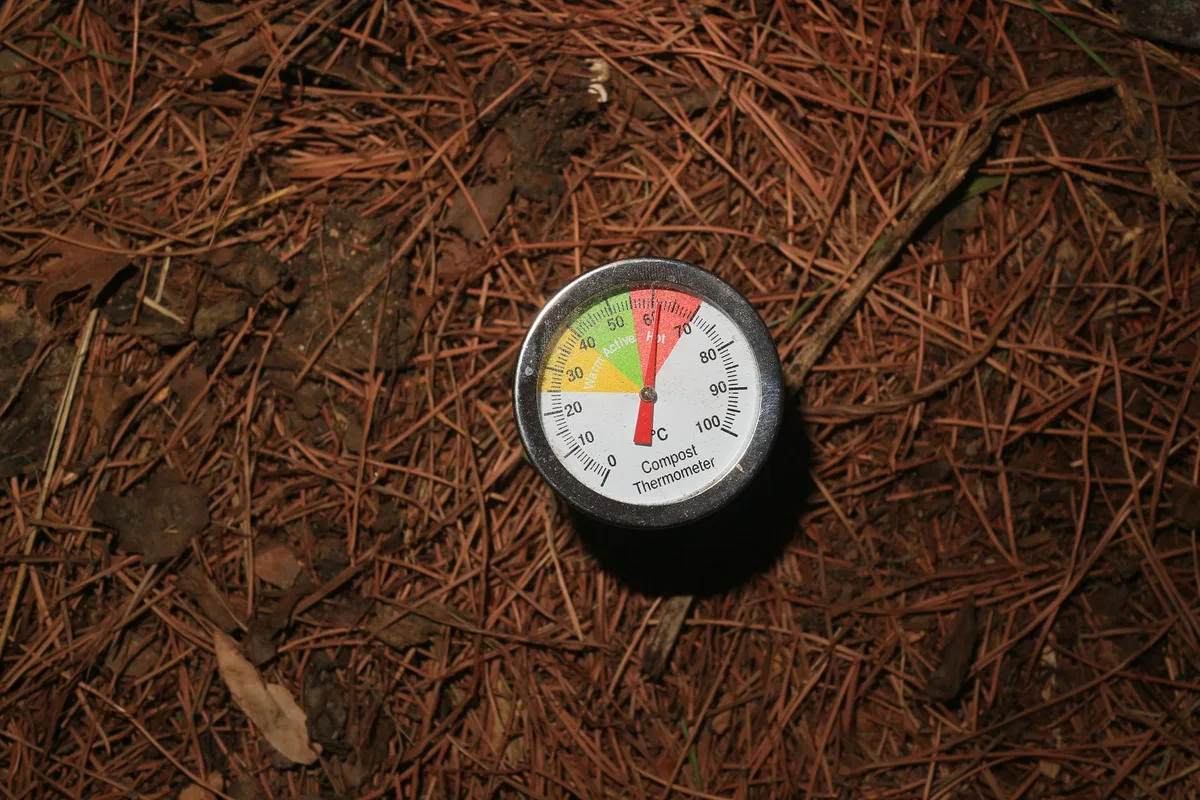
Compost vs. Biochar vs. Peat Moss
| Amendment | Water Retention | Nutrient Content | Longevity | Cost per Cubic Yard |
|---|---|---|---|---|
| Compost | Excellent | High | 1 to 2 seasons | $30 to $60 |
| Biochar | Good | Low initially | 5 to 10 years | $100 to $200 |
| Peat Moss | Excellent | Very low | 3 to 5 years | $40 to $80 |
Compost wins for most homeowners. It improves soil quickly, adds nutrients, and costs less than biochar. Biochar is better if you want a one-time investment that lasts.
Peat moss makes sense only if you need to lower pH significantly and cannot find good compost locally.
One more option worth mentioning is worm castings. They are nutrient-dense and packed with microbes. Use them as a supplement rather than a primary amendment.
A thin layer of worm castings on top of compost gives your lawn a microbial boost that speeds up organic matter breakdown.
Avoid synthetic soil conditioners labeled as polymers or hydrogels. They do improve water holding capacity temporarily. But they degrade over time and leave behind microplastics.
Organic amendments build long-term soil health. Synthetics only mask the problem.
Common Mistakes That Make Sandy Soil Worse
Sandy soil is forgiving in some ways but punishing in others. A few well-intentioned actions can set you back months.
Adding Sand to Sand
This is the most common mistake. People look at sandy soil and think it needs more sand to improve drainage. Sand on sand makes the problem worse.
You end up with a soil that drains even faster and holds even fewer nutrients. Never add sand to sandy soil unless you are also adding enough organic matter to change the texture class.
Adding Clay to Sand
This one is trickier. Some sources recommend adding clay to sandy soil to improve nutrient retention. The problem is that clay and sand do not mix evenly at small scales.
You end up with pockets of clay that form hard layers when dry. Water pools on top of these layers instead of soaking in evenly. If you want to add clay, use a product like bentonite and till it in with large amounts of compost.
Doing it without organic matter creates a mess.
Tilling When the Soil Is Wet
Sandy soil seems like it would be hard to overwork. But tilling wet sand destroys its structure. The sand particles settle into a dense layer that resists root penetration.
Wait until the soil is dry enough to crumble in your hand before tilling.
Over-Fertilizing
Sandy soil cannot hold nutrients. Applying a full dose of quick-release fertilizer means most of it washes through within days. The grass gets a brief green-up, then the nutrients are gone.
Use slow-release organic fertilizers instead. They release nutrients gradually as microbes break them down. Apply at half the rate recommended for loam and increase gradually based on soil test results.
Watering Too Deeply and Too Rarely
Long watering sessions on sandy soil push water past the root zone. The grass stays hydrated on top but cannot develop deep roots because there is no moisture deeper down. Use the cycle and soak method described earlier.
Short, repeated cycles keep moisture in the root zone where grass needs it.
Grass Species That Thrive in Sandy Soil
Choosing the right grass species is half the battle. Some grasses handle sand naturally because they evolved in dry, fast-draining conditions. Others struggle no matter how much you amend the soil.
Cool-Season Options
Tall fescue is the top choice for cool-season lawns on sandy soil. It roots 2 to 3 feet deep, which lets it access moisture that shallow-rooted grasses cannot reach. It tolerates drought, low fertility, and heat better than Kentucky bluegrass or perennial ryegrass.
Look for turf-type tall fescue varieties bred for improved density and disease resistance.
Fine fescue works in shady sandy areas. Creeping red fescue and hard fescue tolerate dry shade and low fertility. They do not hold up to heavy foot traffic, so keep them in low-use areas.

Warm-Season Options
Bermudagrass is the gold standard for warm-season sandy lawns. It spreads aggressively, roots deep, and tolerates drought once established. It goes dormant and turns brown in winter, but it bounces back fast in spring.
Hybrid bermudagrass varieties offer finer texture and better density.
Zoysiagrass grows slower than bermudagrass but forms a dense, weed-resistant turf. It handles sandy soil well because its root system is extensive. Zoysiagrass takes longer to establish but requires less mowing and fertilizer once mature.
Buffalograss is a low-maintenance native grass for sandy soils in the Great Plains and Southwest. It needs little water and no fertilizer once established. It stays short and goes dormant during drought.
Buffalograss is best for low-use lawns where you want minimal inputs.
What to Avoid
Kentucky bluegrass struggles in sandy soil. It has shallow roots and high water needs. Perennial ryegrass also performs poorly because it lacks deep roots and requires constant moisture.
If you have a mixed lawn, overseeding with tall fescue or bermudagrass gradually shifts the balance toward sand-tolerant species.
How Long Does It Really Take to Fix Sandy Soil
This is the question everyone wants answered. The honest answer is one to three growing seasons for a noticeable difference. Full transformation takes longer.
The First Season
After incorporating compost, you will see faster germination and thicker growth. The grass still needs frequent watering, but you can stretch intervals slightly. Soil tests show improved organic matter levels.
Expect a 20 to 30 percent reduction in water use by the end of the season.
The Second Season
Repeat the topdressing or aeration process. Organic matter continues building. Water holding capacity improves further.
You can water less frequently and apply fertilizer at closer to normal rates. The lawn fills in thin spots and looks denser. Weeds decrease because the grass competes better.
The Third Season and Beyond
By the third season, your sandy soil holds moisture well enough that you water almost like a normal lawn. Fertilizer applications match standard recommendations. The grass roots reach 6 inches or deeper.
You notice the lawn stays green longer during dry spells compared to untreated sandy lawns nearby.
Maintenance shifts to a light topdressing every spring or fall to maintain organic matter levels. Sandy soil loses organic matter faster than clay because microbes break it down quickly. Regular additions keep the soil healthy.
Expectations Check
You will not turn sand into clay. That is not the goal. The goal is turning sand into sandy loam with decent water and nutrient holding capacity.
Most homeowners reach that point within two years of consistent amendment.
When to Call a Professional
Most sandy soil improvement is DIY. But some situations need expert help.
Signs You Need a Soil Consultant
Your soil test shows extreme pH or nutrient imbalances. If your test results list pH below 5.0 or above 8.0, or if micronutrients are severely deficient, a professional soil consultant can create a targeted amendment plan. Cooperative extension agents often provide this service for free or low cost.
You are dealing with contaminated soil. If your property has a history of industrial use or you suspect lead or other heavy metals, hire a professional for testing and remediation. Sandy soil allows contaminants to move deeper faster than clay.
You need large-scale grading. If you are leveling a large area or installing a new lawn on deep sand, a landscape contractor with heavy equipment can incorporate amendments more efficiently than you can by hand.
Bringing in Equipment
Renting a rototiller works for small to medium lawns. For areas over 5,000 square feet, consider hiring a landscape company with a tractor-mounted tiller or a skid steer for compost spreading. The cost per square foot drops significantly with commercial equipment.
A professional can also help with drainage. If water pools on your sandy soil despite good drainage, you may have a hidden layer of compacted soil or a high water table. A landscape contractor can diagnose and fix these issues.
Frequently Asked Questions
Can I just put topsoil over sand?
Yes, but it is a temporary fix. A 4 to 6 inch layer of quality loam topsoil over sand creates a good growing surface. The problem is that roots stop at the interface where topsoil meets sand.
Over time, the two layers mix unevenly. You are better off incorporating organic matter into the existing sand than layering topsoil on top.
How often should I amend sandy soil?
Plan on a light topdressing of compost every spring and fall for the first two to three years. After that, an annual application in either spring or fall maintains organic matter levels. Sandy soil loses organic matter faster than clay because microbial activity breaks it down quickly.
Will compost alone fix it?
Compost alone goes a long way. It improves water retention, adds nutrients, and feeds soil microbes. For most homeowners, compost is the only amendment needed.
If your soil test shows specific deficiencies, you may need lime or additional nutrients. But compost handles the core problem of low organic matter.
Is sandy soil bad for all grass?
No. Some grass species prefer sandy soil. Bermudagrass, zoysiagrass, tall fescue, and buffalograss all perform well in sand because they evolved in dry, fast-draining conditions.
The key is choosing the right species for your climate and matching it to your soil type.
Final Checklist for a Healthier Sandy-Soil Lawn
- Get a soil test before adding anything. Amendments without a test waste money.
- Add organic matter every season. Compost is the most effective and affordable option.
- Choose sand-tolerant grass species. Tall fescue for cool climates, bermudagrass or zoysiagrass for warm climates.
- Water in short cycles using the cycle and soak method. Long watering sessions waste water past the root zone.
- Use slow-release fertilizers at half the standard rate. Increase gradually based on soil tests.
- Repeat the process for two to three seasons. Sandy soil improvement is cumulative, not instant.
- Test soil annually to track progress and adjust inputs.
Stick with this approach, and you will see measurable improvement each year. The lawn will need less water, stay greener during dry spells, and fight off weeds more effectively. Sandy soil is not a disadvantage once you understand how to work with it.