Why Do Fruit Flies Keep Coming Back in 2026 (Complete Guide)
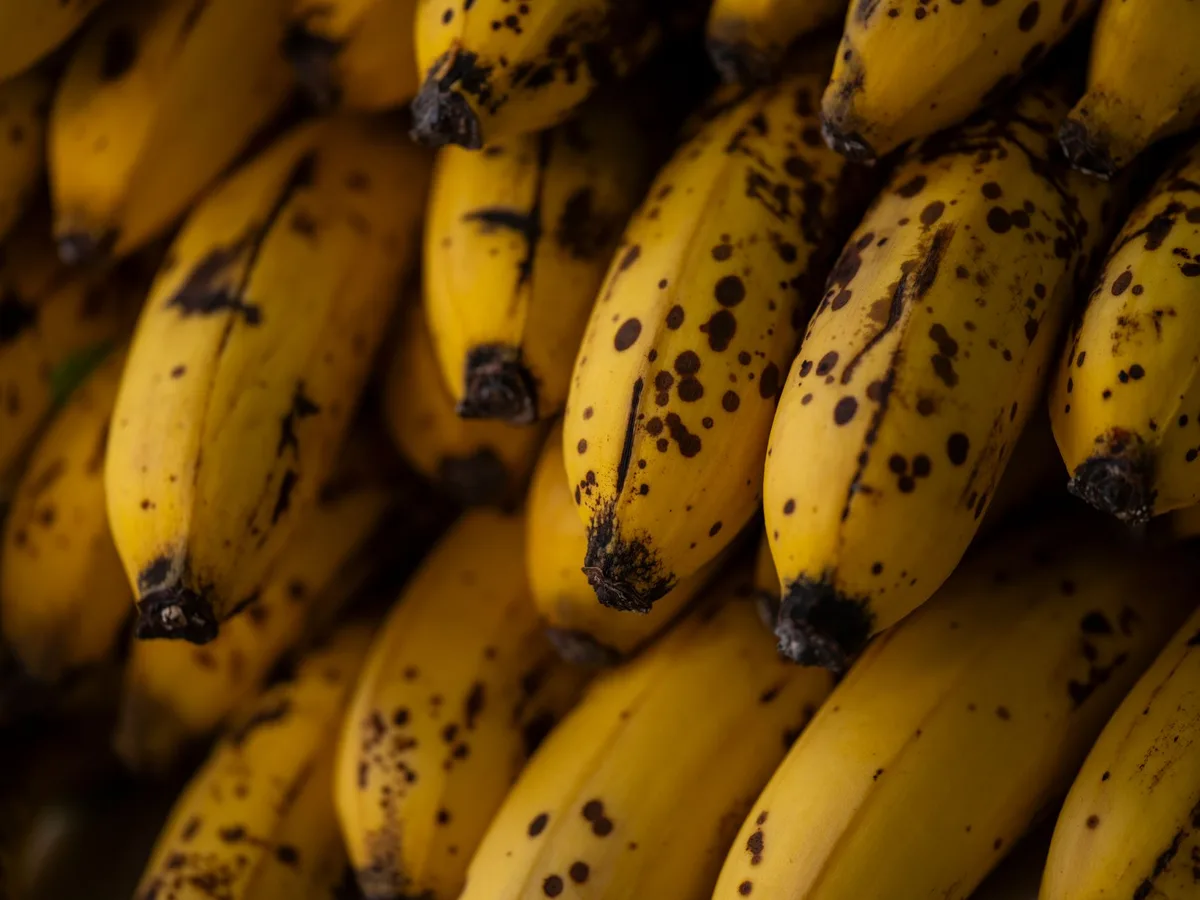
You buy a fresh bunch of bananas, and within two days your kitchen looks like a tiny airport for fruit flies. You set out a vinegar trap, catch a dozen, and feel proud. Then you wake up the next morning and there are just as many buzzing around again.
Sound familiar? That’s exactly why “Why Do Fruit Flies Keep Coming Back” is such a frustrating question, because the trap only catches the adults, not the real source.
Our research shows that a single female fruit fly can lay around 500 eggs in her short life. At room temperature (roughly 75°F), those eggs become new adults in just 8 to 10 days. That means if you miss even one breeding site, you’re restarting the clock every week.
Let’s walk through how to find that site and break the cycle for good.
Quick Answer
Fruit flies keep coming back because you haven’t removed their breeding site. Traps catch adults but miss the eggs and larvae. The eggs are laid on fermenting organic matter, overripe fruit, drain sludge, damp sponges, or trash residue.
Remove that source, and the flies stop appearing within a few days.
The Real Reason Traps Alone Won’t Work
Here’s the dirty secret most DIY articles skip: a vinegar trap is great for catching adult flies, but it does nothing for the next generation. The trap lures and drowns adults, but while you’re watching them die, eggs are hatching somewhere else in your kitchen. So you end up playing a game of whack-a-mole that never ends.
Think of it this way. You’re treating the symptom, not the disease. The real infestation isn’t the flies you see, it’s the hidden mess of fermenting goo where they lay eggs.
As long as that goo exists, new flies will keep emerging. That’s why you need to shift your focus from trapping to tracking.
One trap is useful as a diagnostic tool, not a cure. Use it to confirm you have fruit flies (not drain flies or fungus gnats), and to gauge how bad the problem is. But don’t rely on it to fix the issue. Fixing requires finding and removing the breeding ground.
Quick Check: Is It Really a Fruit Fly? (Or Something Else?)
Before you start hunting for breeding sites, make sure you’re dealing with the right pest. Three look-alikes cause confusion, and each requires a different approach.
Fruit Fly (Drosophila melanogaster)
- Appearance: Tan or yellowish-brown body, bright red eyes, about 1/8 inch long.
- Behavior: Slow, clumsy fliers. They hover near fruit bowls, open wine bottles, and sink drains.
- Breeding site: Fermenting fruit, vegetables, or organic residue.
Drain Fly (also called moth fly)
- Appearance: Tiny, fuzzy, moth-like wings held tent-like over body. Dark gray or brown. No red eyes.
- Behavior: Weak fliers that stay near sinks, showers, and floor drains. Often seen resting on walls near drains.
- Breeding site: Slimy biofilm inside drain pipes.
Fungus Gnat
- Appearance: Small black flies with long legs and antennae. They look like tiny mosquitoes.
- Behavior: Walk on soil surface or fly slowly near houseplants.
- Breeding site: Overwatered potting soil with decaying organic matter.
Quick test: Set out a small dish of apple cider vinegar with a drop of dish soap. Place it near where you see the most flies. If fruit flies are present, they’ll swarm to it within a few hours.
Drain flies and fungus gnats are not attracted to vinegar, so if the trap stays empty, you’ve got a different problem. Then focus on the relevant fix, drain cleaning for drain flies, or drying out your indoor plant soil (and consider choosing the best plants for a dark bathroom or other low-light spots if overwatering is an issue).
The 24-Hour Trap Test – And What It Tells You
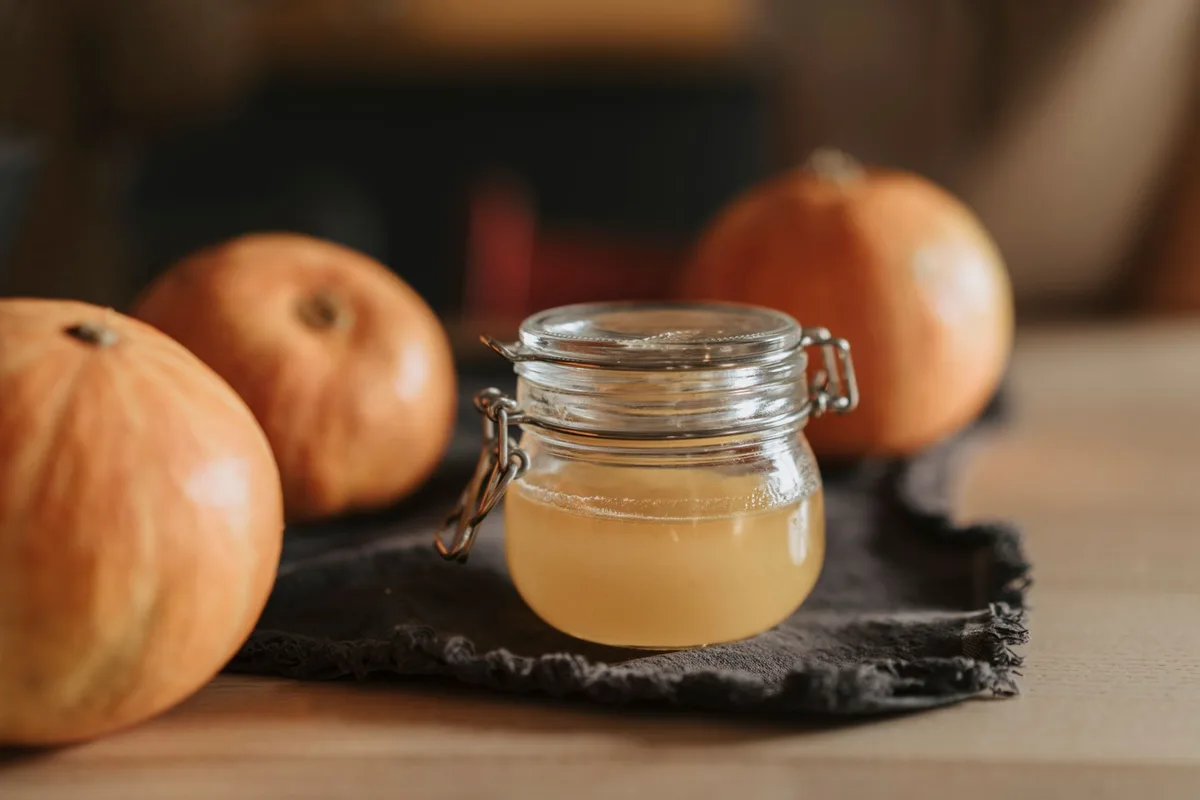
Now that you’ve confirmed it’s fruit flies, use a trap to measure how bad the infestation is and where they’re coming from. This is your diagnostic step.
How to set up the test
- Take a small jar or glass.
- Pour in about an inch of apple cider vinegar (white vinegar works too, but apple cider is more attractive).
- Add one drop of liquid dish soap. The soap breaks the surface tension so flies sink and drown instead of landing and flying away.
- Cover the top with plastic wrap and poke a few small holes, or roll a piece of paper into a funnel and tape it to the jar mouth. The funnel method works better because flies find their way in but can’t escape.
- Place the trap in the area where you see the most fly activity, typically near the fruit bowl or sink.
Wait 24 hours. Then check the trap. If you catch more than 10, 15 flies in that period, you have an active breeding site somewhere nearby. If you catch fewer than that, you may just have a few stragglers from a past infestation.
Now count the flies in the trap. This number tells you how concentrated the source is. Higher numbers mean the breeding site is close and large. That’s your cue to start the decision tree below.
If your trap is empty or nearly empty after 24 hours, you likely don’t have fruit flies at all. Go back to the quick check and re-evaluate for drain flies or fungus gnats. For fungus gnats, consider improving airflow around your houseplants and switching to a well-draining potting mix, better than trying to treat with traps.
Decision Tree: Find the Hidden Breeding Site
This is the part that actually stops the cycle. Follow the branch that matches where you see the most flies in your home. Don’t guess, observe for a day and pick the right branch.
Branch A – Flies Near the Sink or Drain
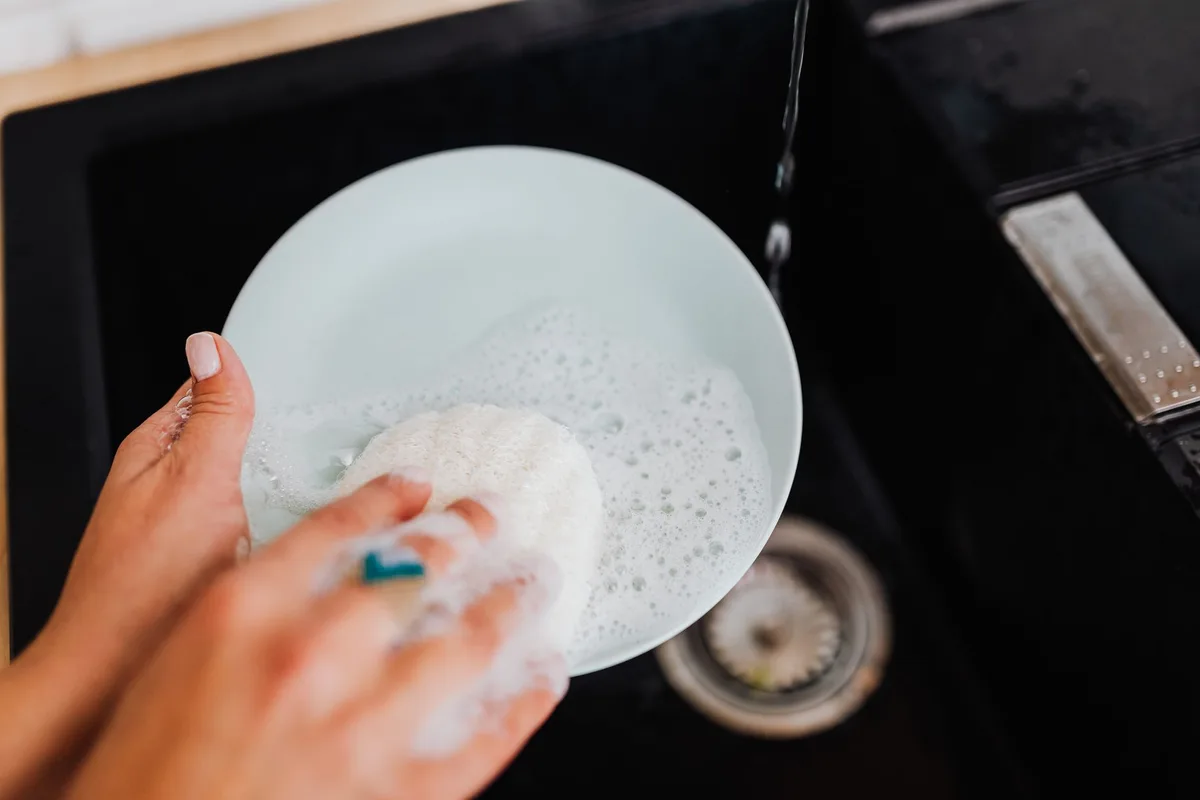
If your trap catches flies near the kitchen sink, or you see them crawling around the drain opening, the breeding site is likely the drain itself. Fruit flies love the slimy biofilm that builds up inside pipes, it’s moist, warm, and full of fermenting food particles.
What to do:
- Boiling water flush: Pour a full kettle of boiling water down the drain. This kills any larvae and eggs instantly. Do this once a day for three days.
- Enzyme drain cleaner: After the boiling water treatment, use an enzyme-based drain cleaner (look for one labeled for kitchen drains). These products eat away the biofilm that fruit flies use as a breeding ground. Apply according to the label, usually overnight.
- Scrub the drain cover: Remove the drain strainer and scrub it with a brush and soap. Check the garbage disposal rubber splash guard, food often gets trapped in the crevices.
- Check the dishwasher drain hose: If your dishwasher connects to the sink drain, make sure the hose isn’t kinked or full of stagnant water. Run a cleaning cycle with vinegar.
Pro tip: Avoid using bleach in your drains for this. Bleach only kills surface bacteria and doesn’t break down the biofilm layer. The flies will be back within a day.
Branch B – Flies Near the Trash or Compost
If the flies hang around your kitchen trash can or compost pail, that’s your breeding ground. Fruit fly eggs can hatch inside a closed bin if there’s enough moisture and organic matter.
What to do:
- Take out the trash immediately. Don’t wait for it to fill up. Empty the bin and wash it with hot, soapy water. Pay attention to the bottom and the lid seals.
- Line your bin with a bag and seal it tightly. Use a bin with a locking lid if you can.
- Compost pails: If you keep a compost container on your counter, empty it every day during fruit fly season. Rinse it with vinegar and water after each emptying. Keep a tight-sealing lid.
- Outdoor compost: Move the bin away from doors and windows. Cover new food scraps with a layer of dry leaves or browns. Avoid putting melon rinds or banana peels directly on top.
Branch C – Flies Near the Fruit Bowl or Counter
This is the classic scenario. You left a banana out a little too long, or a tomato split on the counter. The flies are breeding right where you see them.
What to do:
- Inspect all produce. Throw away any fruit that has soft spots, bruises, or visible fermentation. A single overripe peach can host dozens of larvae.
- Wash fruit before storing it. Sometimes eggs are laid at the grocery store. Rinse everything when you bring it home.
- Store fruit in the refrigerator. This slows the ripening process and stops the flies from breeding. Apples, grapes, berries, and cut melon keep fine in the fridge.
- Clean counters and cutting boards. Wipe down surfaces with a vinegar-water solution (1:1 ratio). Fruit fly eggs are tiny and can survive on countertops if there’s any juice residue.
- Don’t forget the fruit bowl itself. Wash the bowl with hot soapy water. The scent of old fruit lingers and attracts new flies.
Branch D – Flies Near Houseplants or Pet Bowls
Houseplants can become secret breeding grounds if the soil stays too wet. Fruit flies don’t usually breed in soil (that’s fungus gnats), but if you’re overwatering and the top layer of soil has decaying leaves or fruit scraps from nearby, they’ll find it.
What to do:
- Check the saucer under the pot. Stagnant water in the saucer is a breeding site. Empty it and scrub it.
- Remove any dead leaves or fallen fruit from the soil surface. These decompose and attract flies. Replace the top inch of soil with fresh, dry potting mix.
- Let the soil dry out between waterings. This also helps with fungus gnats if you have them.
- Pet bowls: Wash your pet’s food and water bowls daily. Don’t leave wet cat food out for more than 20 minutes. Fruit flies love the protein residue.
Branch E – Flies Everywhere but No Obvious Source
Sometimes you search high and low and can’t find a single overripe piece of fruit or dirty drain. The source is likely hidden, a forgotten potato in the pantry, a spilled liquid under the fridge, or even a recycling bin full of beer cans with residue.
What to do:
- Search systematically. Check under the refrigerator, behind the toaster, inside the microwave, under the stove, and in the pantry corners.
- Look at recycling. Rinse all cans and bottles before putting them in the bin. Beer, wine, and soda residue ferments quickly and attracts flies.
- Check garbage disposals. Run the disposal with ice cubes and citrus peels to clean the blades and flush out trapped food.
- Inspect sinks in less-used bathrooms. If you have a guest bathroom that barely gets used, the drain trap can dry out or accumulate dust. Pour a cup of water down the drain occasionally to keep it sealed.
- Ask yourself: did you bring home infested produce? Sometimes the problem arrives with new groceries. A bag of onions or a bunch of grapes can already have eggs. Wash everything as soon as you unpack.
No luck? Try the “trap relocation test.” Move your vinegar trap to a different area every 12 hours. Wherever it catches the most flies, focus your search there. This usually narrows it down within two days.
And while you search, check out the best fly traps for inside if you want a backup plan while you track down the source.
Step-by-Step: Remove the Source and Break the Cycle
You’ve found the breeding site. Now it’s time to eliminate it completely. Follow this sequence in order.
Skipping any step leaves the door open for a return visit.
Step 1 – Remove the visible source
Throw away any overripe fruit, opened beverages, or fermenting scraps. Seal them in a plastic bag and take them straight to the outdoor bin. Don’t leave the bag in your kitchen trash.
Step 2 – Clean the area
Scrub counters, shelves, and the inside of the trash can with hot soapy water. Wipe down the fruit bowl. Use a 50/50 vinegar and water solution on surfaces where you saw flies landing.
This removes the scent trail that attracts new arrivals.
Step 3 – Treat drains and pipes
If the source was in the sink area, pour boiling water down the drain. Follow up with an enzyme drain cleaner overnight. Repeat the boiling water flush the next morning.
This kills any larvae hiding in the biofilm.
Step 4 – Maintain traps for 7 days
Keep your vinegar traps in place for a full week after you remove the source. New adults will hatch from eggs you missed. Catching them prevents a second generation from taking hold.
Empty and refill traps every 3 days.
Step 5 – Dry everything out
Fruit fly larvae need moisture to survive. Wipe your sink dry after washing dishes. Wring out sponges and dishcloths between uses.
Empty pet water bowls and clean them daily. A dry kitchen is an unwelcome kitchen for fruit flies.
Common Mistakes That Keep the Infestation Alive
Even experienced home cooks make these errors. Avoid them to save yourself weeks of frustration.
Mistake 1: Relying only on traps. Traps catch adults but don’t remove eggs or larvae. Without source removal, the cycle continues indefinitely.
Mistake 2: Using bleach in drains. Bleach only disinfects the surface. It doesn’t break down the biofilm where eggs hide. The flies return within 48 hours.
Mistake 3: Leaving fruit on the counter. Warm fruit emits fermenting odors that travel across the room. One bruised banana can attract new flies from outside. Store perishable produce in the fridge during an outbreak.
Mistake 4: Forgetting to inspect under appliances. Crumbs and spills under the refrigerator, toaster, or microwave can host a full breeding colony. Move appliances and clean underneath as part of your sweep.
Mistake 5: Ignoring the recycling bin. Cans and bottles that held beer, wine, or soda carry enough residual sugar to sustain flies. Rinse all recyclables before tossing them in the bin.
Mistake 6: Overwatering houseplants. Wet soil with decaying leaves creates a perfect nursery. If you suspect your plants, switch to a lighter potting mix and let the top inch dry out completely between waterings. For more on keeping houseplants healthy without overwatering, check out our guide on the best fertilizer for indoor plants.
Pro Advice: How to Prevent Them from Coming Back
Once you’ve cleared the infestation, you want to keep it that way. Prevention is simpler than you think.
Store produce properly. Keep bananas, tomatoes, avocados, and melons in the fridge once they ripen. If you prefer counter storage, buy only what you’ll eat in 2 to 3 days.
Take out trash daily. In warm months, don’t let kitchen trash sit overnight. Use a bin with a tight-sealing lid and empty it every evening.
Clean drains weekly. Pour a kettle of boiling water down each kitchen drain every Sunday. This prevents biofilm from building up in the first place.
Wipe down surfaces after every meal. A quick spray of vinegar and a dry cloth removes the invisible sugary film that attracts flies.
Inspect groceries at the store. Avoid produce with soft spots or visible damage. When you get home, wash everything under running water before storing.
Use a compost bin with a carbon filter. Countertop compost pails with charcoal filters reduce odors and keep flies from detecting the contents. Empty them every 2 days in summer.
Keep a maintenance trap out. Place a small vinegar trap near your fruit bowl during July through September. It catches any stray flies before they can lay eggs.
When to Call a Professional (And When Not To)
Most fruit fly problems are DIY fixes. But there are two situations where professional help makes sense.
Call a professional if:
- The infestation persists after you’ve cleaned every possible source for 10 days straight.
- You live in an apartment building and the flies keep reappearing from shared walls or ducts.
- You suspect the breeding site is inside a wall void or under flooring (rare, but possible with plumbing leaks).
- You have a large commercial kitchen and need a pest management plan to pass health inspections.
Don’t call a professional if:
- You only see a few flies each day. That’s a minor issue you can solve yourself.
- You haven’t checked all drains yet. Drain flies are often misidentified, and a boiling water flush is free.
- You’re still leaving fruit out on the counter. Remove the attractant first, then evaluate.
Professional pest control for fruit flies typically costs between $150 and $300 for a single visit. They use targeted sprays and enzyme treatments that are safe for food areas when applied correctly. If you go this route, ask specifically for a “fruit fly exclusion” treatment, not a general insecticide application.
FAQs: Your Most Pressing Questions Answered
How long does it take to get rid of fruit flies?
If you remove the breeding source and keep traps active, the adult population drops significantly within 2 to 3 days. New flies may hatch from eggs for up to a week. After 7 to 10 days, you should see zero flies.
Can fruit flies come from outside?
Yes. Fruit flies can enter through open windows, doors, or cracks in screens. But they usually stay outside unless they find a food source inside.
If you have a persistent problem, check for gaps around windows and seal them.
Will bleach kill fruit fly eggs?
Bleach kills eggs on contact. But it doesn’t reach eggs embedded in drain biofilm or under counter surfaces. Boiling water and enzyme cleaners are more effective because they penetrate the slime layer.
Do fruit flies bite?
No. Fruit flies do not bite humans or animals. They feed exclusively on fermenting organic matter.
The irritation they cause is purely psychological, they’re annoying but harmless.
Can fruit flies live in the refrigerator?
Adult fruit flies cannot survive at refrigerator temperatures (below 40°F). However, eggs and larvae can survive if they’re laid on produce you later refrigerate. That’s why washing fruit before storing it is important.
Why do fruit flies appear even after I cleaned everything?
You likely missed one hidden breeding site. Common misses include the drip tray under the refrigerator, the seal of a garbage disposal splash guard, and the bottom of a recycling bin. Retrace your search in 12-hour intervals with a trap to narrow it down.
Your Decision Guide – One Simple Action That Works Every Time
You’ve read the full breakdown. Now here’s the single most effective action you can take today.
Find the wet, fermenting surface you haven’t cleaned in a week. That’s your breeding site. It might be the drain trap, the bottom of the fruit bowl, or the sponge you forgot to replace. Remove it, dry the area, and keep a vinegar trap running for 7 days.
That one action stops the cycle. Everything else is just maintenance. You don’t need expensive sprays or multiple traps.
You just need to find the source and eliminate it. Do that, and the flies will disappear within a week.
And if they come back? You now know exactly where to look.