How to Get Rid of Fruit Flies Naturally: Complete Guide
Few things ruin a peaceful evening in the kitchen quite like spotting a tiny fly circling your fruit bowl. If you're searching for how to get rid of fruit flies naturally, you probably already know that the store-bought sprays don't always solve the real problem. The issue isn't just the adults you see buzzing around.
It's the eggs and larvae you don't see.
A single female fruit fly can lay up to 500 eggs in her short lifetime, and those eggs hatch in as little as 24 hours. That's why a trap alone rarely works. You have to attack from two directions at once.
Let's start with what you're actually dealing with.
Quick Answer
Find and remove the breeding source first. Fruit flies lay eggs in rotting produce or drains. Set up a vinegar trap to catch adults.
Repeat until no new flies appear for three days. Prevention means storing fruit in the fridge.
That's the short version. But here's the thing. If you skip the first step and only make a trap, you'll be chasing the problem for weeks.
The breeding source is where the real population explosion happens. So let's walk through the full process so you knock this out in one go.
What Fruit Flies Actually Are (And Why That Matters for Getting Rid of Them)
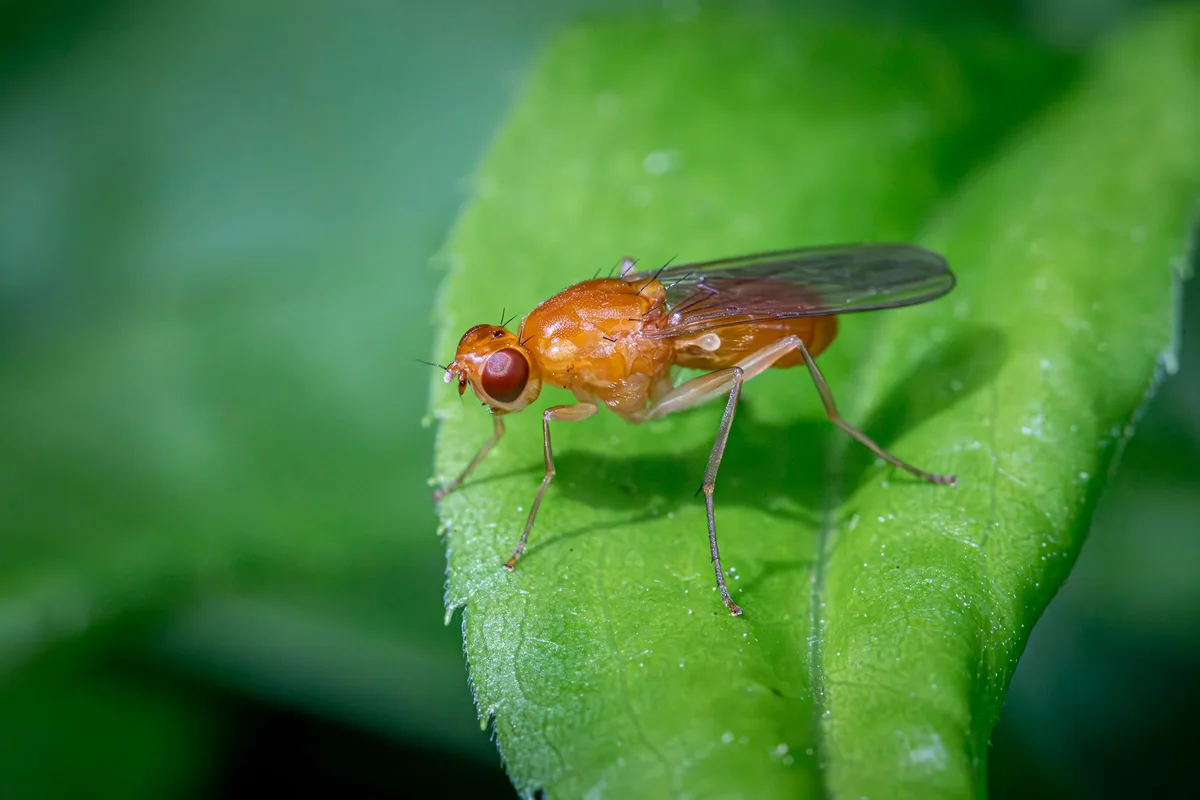
Fruit flies (Drosophila melanogaster) are tiny insects drawn to fermenting organic matter. They're not the same as the fungus gnats you sometimes see buzzing around overwatered houseplants. That distinction matters, because the two pests need different approaches.
Fruit flies are attracted to the smell of fermentation. Overripe bananas, forgotten potatoes, open wine bottles, and even the slimy biofilm inside a sink drain all send out chemical signals that say "food is here." Adult flies can detect those odors from up to a quarter mile away. Once they find a good spot, they lay eggs right on the surface of the rotting material.
The lifecycle moves fast. Eggs hatch into larvae in about 24 to 30 hours. Larvae feed for about four to five days, then pupate.
Adults emerge roughly one week after the eggs were laid. That means a single missed banana peel in the trash can produce a fresh wave of flies every seven to ten days.
If you've ever cleaned a kitchen spotless only to see more flies the next day, this is why. You killed the adults but missed the nursery. Understanding that lifecycle is the key to breaking the cycle.
Are They Fruit Flies or Something Else?
Before you start, make sure you're dealing with fruit flies and not a lookalike. Here's a quick way to tell:
| Pest | Color | Eyes | Size | Breeding Spot |
|---|---|---|---|---|
| Fruit fly | Tan to brown | Bright red eyes | About 1/8 inch | Rotting fruit, drains, fermenting matter |
| Fungus gnat | Dark gray to black | Small black eyes | Smaller, more delicate | Overwatered plant soil |
| Phorid fly (drain fly) | Dark brown with humped back | Small dark eyes | Similar size | Sludge in drains, garbage disposals |
Fruit flies have those telltale red eyes. If you see tiny black flies coming out of potting soil, you're dealing with fungus gnats instead. That requires a different solution focused on drying out your indoor plants and treating the soil.
Check out our guide on indoor plant care for tips on keeping soil conditions right.
Step 1 – Find the Breeding Source Before You Do Anything Else
This is where most people go wrong. They grab a bowl of vinegar and hope for the best. But the trap only catches adults that are already flying around.
If you don't find and remove the breeding site, new adults keep emerging every day.
You need to play detective first. Here's where to look, in order of likelihood.
The Fruit Bowl Check
Start with the most obvious spot. Inspect every piece of fruit on your counter. Look for bruises, soft spots, or any sign of overripeness.
Bananas are the number one culprit. A single banana with a dark spot can host dozens of eggs you can't see with the naked eye.
Check your pantry too. Onions, potatoes, sweet potatoes, and garlic all can rot quietly in a dark bin and produce flies for weeks. If you have a compost bin on the counter, that's another prime suspect.
The Drain Check
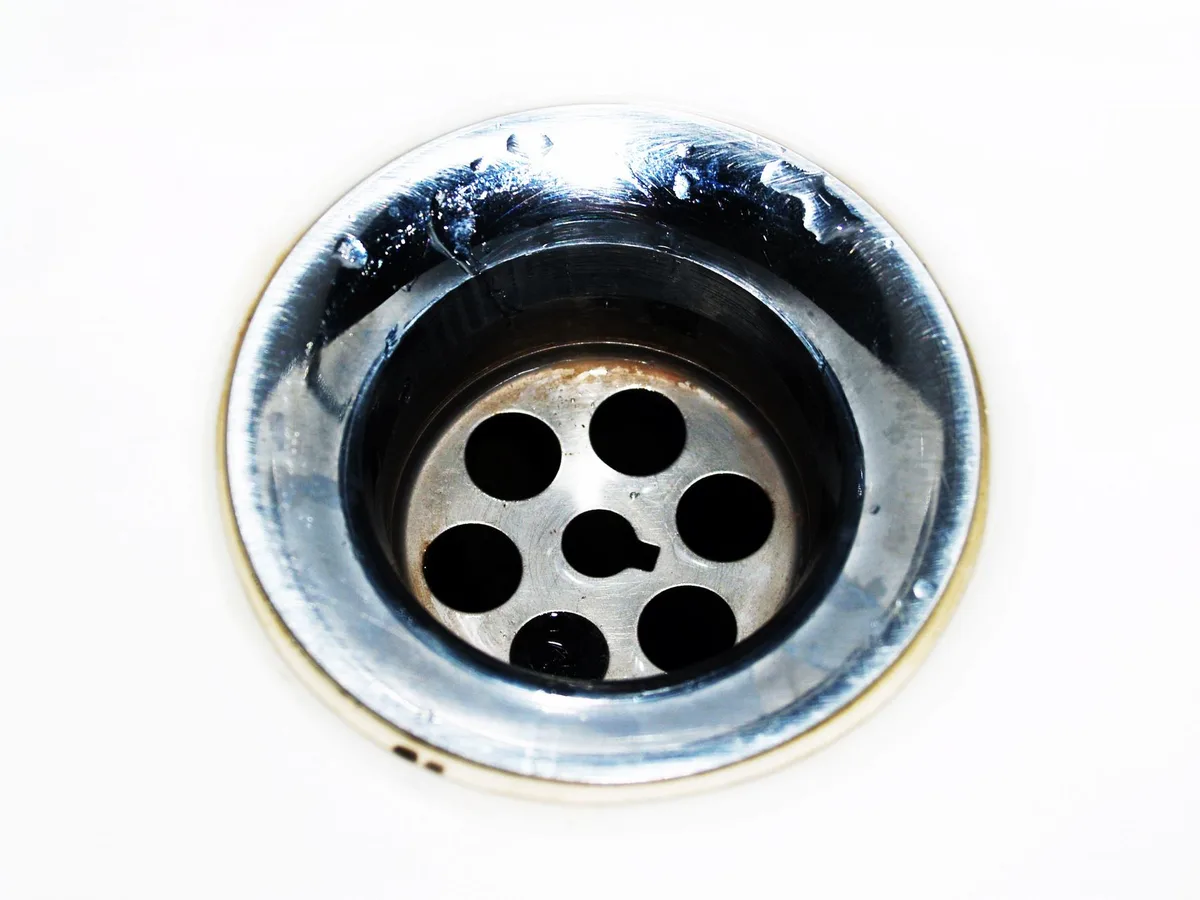
Kitchen sink drains rank second as breeding spots. Food particles get trapped in the pipe, start decomposing, and create an ideal nursery. Garbage disposals are even worse because they grind food into tiny bits that stick to pipes.
Here's a simple test. Place a piece of clear tape over your drain opening overnight. Check it in the morning.
If you see tiny flies stuck to the tape, you've found your source.
The Garbage and Recycling Check
Trash cans with lids can still trap odors inside, but open bins or bins that don't get emptied regularly are a gold mine for fruit flies. Recycling bins are often worse than trash. Cans and bottles with leftover soda, beer, or juice residue provide perfect breeding conditions.
Don't forget your recycling if it sits in the garage or mudroom for a week before pickup day.
Other Spots to Check
- Mop buckets that sit with dirty water
- Pet food bowls with wet food
- Spills behind the refrigerator that went unnoticed
- Windowsills where fruit flew in and died (attracting more)
- Any container with standing liquid and organic residue
If you find nothing obvious, think back to the last time you brought home produce from a farmers market or grocery run. Sometimes fruit flies hitch a ride on fresh produce and only become noticeable after they've had a few days to breed indoors.
Step 2 – Eliminate the Source (Do This First)
Once you've identified where they're breeding, you need to remove that material completely. No half measures here. Leaving one small food source can restart the entire infestation.
For Overripe Fruit
Throw it away. Don't set it aside to use later. Don't put it in your compost bin.
Bag it up and take it straight out to your outdoor bin. If you have fruit trees in your yard, check for fallen fruit on the ground. That can attract flies from outside and bring them into your home.
Applying a slow release fertilizer for fruit trees in spring and fall helps reduce the amount of dropped fruit, since healthier trees hold fruit better. But during active infestation, remove everything that's already on the ground.
For Drains
You need to scrub out the pipe biofilm. Just running hot water won't do it. Here's the method:
- Bring a pot of water to a rolling boil.
- Pour the boiling water slowly down the drain in two stages. Let it sit for 30 seconds between pours.
- Follow with 1/2 cup of baking soda, then 1 cup of white vinegar. Cover the drain for 10 minutes while it fizzes.
- Flush with very hot tap water for one full minute.
- Remove the drain cover and scrub the underside with an old toothbrush.
For garbage disposals, do the same process. Then grind a few ice cubes with lemon peels to knock off any remaining residue.
For Garbage and Recycling
Take the bags out. Wash the bins with hot water and dish soap inside and out. Let them dry completely before putting a new bag in.
For recycling bins, rinse every can and bottle before tossing them in.
A note on outdoor compost. If you maintain a compost pile, keep it at least 20 feet from any door or window. Cover fresh food scraps with a layer of brown material like leaves or shredded paper.
This prevents fruit flies from breeding in the pile and finding their way back inside.
Overwatered Houseplants
If your houseplant soil is consistently damp, it can attract fungus gnats. But fruit flies can also breed in wet organic potting mix if food scraps fall in. Keep an eye on your indoor plant containers and remove any fallen leaves or fruit that land in the pots.
Step 3 – Set Up the Right Trap for Your Situation
Once the breeding source is gone, the trap is there to catch the remaining adults. These are the flies that are already flying around and looking for somewhere new to lay eggs. If you trap them before they find another food source, you break the cycle.
The Classic Apple Cider Vinegar Trap
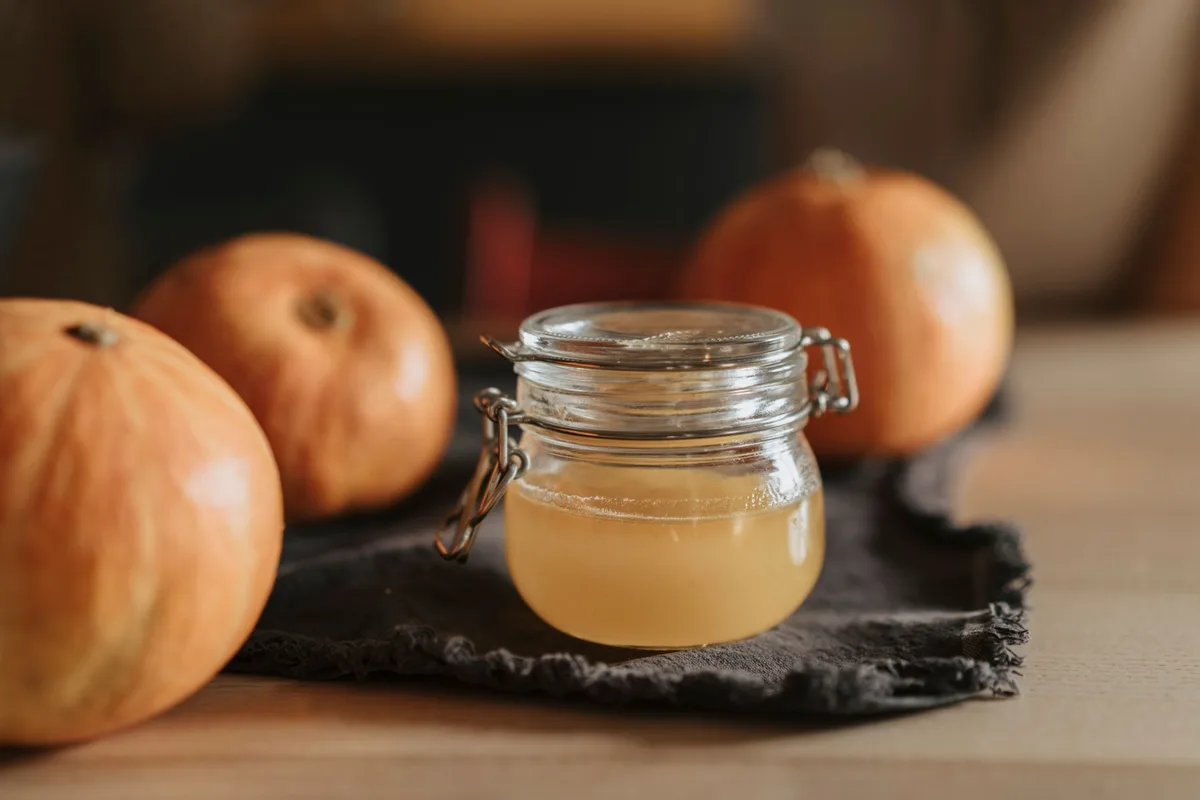
This is the most reliable natural trap for fruit flies. Here's why it works. Fruit flies are drawn to the smell of fermented apple cider vinegar.
The dish soap breaks the surface tension of the liquid, so instead of landing gently on top, the flies sink and drown.
What you need:
- A small bowl, jar, or wide-mouth container
- 1/2 cup of apple cider vinegar
- 2 to 3 drops of liquid dish soap
- Plastic wrap (optional) or a paper cone funnel
How to set it up:
- Pour the vinegar into your container.
- Add the dish soap. Don't stir it vigorously. Just let it settle on the surface.
- If using plastic wrap, cover the container tightly and poke several small holes with a toothpick.
- If using a paper funnel, roll a sheet of paper into a cone, tape the seam, and place it narrow end down into the jar.
Place the trap where you've seen the most fly activity. That's usually near the fruit bowl, by the sink, or on the kitchen counter facing a window.
The Red Wine Trap (When Vinegar Isn't Working)
Apple cider vinegar works great most of the time. But some fruit flies seem to prefer the more complex fermentation smell of red wine. If your vinegar trap catches only a few flies after a full day, switch to red wine.
Use the same setup. Pour a half inch of leftover red wine into a container, add two drops of dish soap, and cover with plastic wrap with holes. Wine traps can sometimes out-perform vinegar traps by a significant margin.
Which Trap Is Best for Your Situation?
| Trap Type | Best For | Pros | Cons |
|---|---|---|---|
| Apple cider vinegar | General infestation, mild to moderate | Cheap, easy, effective | Strong smell, needs refreshing every 2 days |
| Red wine | Stubborn infestation, not attracted to vinegar | Often more attractive | Uses drinkable wine, same smell issue |
| White vinegar | When you have no other option | Cheap, less odor | Less attractive, slower results |
Vinegar traps are the default for a reason. They're cheap, easy, and effective. But if you're not seeing results after 24 hours, swap to wine before you try anything else.
Trap Placement Tips
Put your trap at counter level. Fruit flies tend to fly at about waist height. Setting the trap on a high shelf or on the floor reduces its effectiveness.
Place the trap near the area where you found the breeding source. If the source was the drain, put the trap next to the sink. If it was the fruit bowl, put the trap on that same counter.
The flies will be circling near the spot they expected to find food.
If you have a large kitchen or an open floor plan, set up two traps on opposite sides of the room. This catches flies that are drifting between areas.
Check the trap every morning. Empty and refresh it every two days. After three days, the vinegar starts to mold, and the trap loses its appeal.
A moldy trap attracts nothing and smells bad.
For a more thorough approach to pest control around your home, take a look at our recommendations for indoor fly traps that handle larger infestations or different fly species.
How Long Do Traps Take to Work?
Traps start catching flies within the first few hours, especially if the breeding source is gone. You should see a noticeable drop in the number of flying adults within two to three days. Keep running traps for at least a week after you see the last fruit fly.
That covers the full lifecycle, just in case an egg or two survived in a spot you missed.
I've covered the core workflow: identify the source, remove it, then trap the adults. The remaining sections will walk you through the timeline, common mistakes, prevention strategies, and a decision guide for different scenarios.
Trap Placement and Timing (Where and When to Put Them)
Where you set the trap matters more than most people think. Fruit flies don't fly very high. They hover around counter level, roughly 12 to 18 inches above the ground.
Placing your trap on a high shelf or on the floor reduces its reach significantly.
Park the trap as close as possible to where you found the breeding source. If the flies were coming from your sink drain, set it right on the counter next to the faucet. If they were circling your fruit bowl, put it on that same counter space.
The adults are still patrolling the area where they expected food to be.
If your kitchen is large or open, set up two traps. Put one near the main food prep area and one near the trash or recycling bins. That covers the two most common hot spots.
Timing is straightforward. Set the trap out in the evening. Fruit flies are most active during warm daylight hours.
But trapping overnight catches the ones that settle in. Check it first thing each morning and refresh the liquid every two days. After 48 hours, the vinegar starts to mold and the trap becomes useless.
How Long Until They're Gone? A Realistic Timeline
If you remove the breeding source and set traps on the same day, you should see a noticeable drop within 48 hours. The traps catch the active adults, and no new ones are emerging because the nursery is gone. That's the fastest path to success.
Here's what a typical timeline looks like:
| Day | What to Expect |
|---|---|
| Day 1 | Remove source. Set traps. You still see many adults. |
| Day 2 | Trap fills up. Noticeably fewer flies in the kitchen. |
| Day 3 | Only occasional stragglers. Trap catches fewer each check. |
| Day 4 | Maybe one or two flies all day. Keep the trap running. |
| Day 5 | Zero flies. Leave trap out for three more days as a test. |
| Day 8 | If no flies for three straight days, the infestation is cleared. |
The wild card is whether you actually found every breeding spot. If you missed a hidden source, the timeline resets. You'll see a bounce in fly activity around day 4 or 5.
That's your signal to go looking again. Check spots you skipped the first time. The refrigerator drip pan, the recycling bin, or a bag of potatoes tucked in a corner.
For outdoor breeding sources like fallen fruit from trees, complete cleanup followed by proper tree nutrition helps reduce fruit drop and keeps fewer fermenting materials near your home.
The Mistakes Most People Make (And How to Avoid Them)
The biggest mistake is trusting the trap alone. A trap catches adults. It does nothing to eggs, larvae, or pupae.
If you skip source removal, new adults emerge every few days and you stay stuck in an endless loop of trapping.
The second mistake is using too much dish soap. More than three drops ruins the bait. The soap overpowers the vinegar smell and flies won't approach.
Two or three drops is enough to break surface tension. Nothing more.
Third mistake: leaving the trap in the same spot for a week without refreshing. After two to three days, the liquid gets cloudy and starts growing mold. Flies avoid it.
Empty, rinse, and refill every 48 hours.
Fourth mistake: confusing fruit flies with fungus gnats. If you treat for fruit flies but the real problem is gnats breeding in damp potting soil, you'll never solve it. Check those telltale red eyes.
No red eyes? It's not a fruit fly. Adjust your approach accordingly.
Fifth mistake: not taking the garbage out daily during an infestation. Even if the main source is gone, one banana peel thrown away at night can restart the cycle. Take kitchen trash out every evening until the problem is fully resolved.
Preventing a Return Infestation
Prevention is simpler than treatment. Store ripe fruit in the refrigerator. Fruit flies can't smell it there, and they can't land on it to lay eggs.
If you have fruit ripening on the counter, keep it in a covered bowl or under a mesh dome.
Rinse recycling containers before tossing them in the bin. A soda can with a few drops of residual soda is a prime breeding spot. Same for beer bottles and juice cartons.
A quick rinse takes ten seconds and removes the food signal.
Take out the trash nightly during warm months. Even with a lid, odors escape and attract flies from outside. If you have a compost bin, use a model with a tight sealing lid and a charcoal filter.
Empty it every two to three days.
Clean your sink drain weekly. Pour boiling water down once a week followed by baking soda and vinegar. That keeps the biofilm from building up.
You can also run a few ice cubes with lemon peel through the garbage disposal to knock residue loose.
Inspect produce as soon as you bring it home from the store. If any pieces are already bruised or beginning to soften, eat them first or refrigerate them immediately. You don't want to accidentally introduce eggs into your kitchen.
A single fruit fly that sneaks in from outside won't cause an infestation. But a single fruit fly plus a single neglected food source will. Deny them the food and they can't reproduce.
A Quick Decision Guide (Which Method for Your Scenario)
Different situations call for slightly different approaches. Use this guide to pick your path based on what you're seeing.
| Your Situation | First Step | Second Step | Trap Type |
|---|---|---|---|
| Flies only near fruit bowl | Discard overripe fruit, wipe down counter | Set trap next to bowl | Apple cider vinegar |
| Flies near sink or drain | Clean drain with boiling water and baking soda | Scrub drain cover, set trap on counter | Apple cider vinegar |
| Flies everywhere, no clear source | Check every spot on the list, especially recycling | Take out all trash, clean all bins | Red wine or ACV |
| Flies came back after one treatment | You missed a breeding spot. Double check all locations | Clean drains again, check under appliances | Red wine (try switch) |
| Flies but no fruit in the house | Check drain, compost, recycling, pet food, mop bucket | Clean whatever you find | Any trap type works |
If you're dealing with a heavy infestation, combine all three actions on the same day. Remove the source. Clean the drains.
Set multiple traps. Don't wait to see if one method works before trying the next. Attack on all fronts and you'll be done in under a week.
Frequently Asked Questions
Can fruit flies survive in the refrigerator?
No. Adult fruit flies cannot survive below 50°F. Refrigeration stops them cold.
That's why storing fruit in the fridge is the most reliable prevention method. Any eggs on the fruit won't hatch either.
Why does my trap catch nothing?
Either the breeding source is still active or your bait is wrong. Check for a hidden spot like a drain or recycling bin. If you're using white vinegar, switch to apple cider vinegar or red wine.
Also make sure you only used two to three drops of dish soap.
Are fruit flies harmful to eat?
Fruit flies don't bite or sting. Eating one by accident won't hurt you. But they can carry bacteria from garbage or drains onto your food surfaces.
That's why you want them gone, not just tolerated.
How do I know if I have fruit flies or drain flies?
Look at the wings and body. Fruit flies have red eyes and a tan body. Drain flies are darker, smaller, and have fuzzy wings that look like tiny moths.
Drain flies also tend to stay near sinks and drains instead of fruit bowls.