How to Prevent Fruit Flies in the Kitchen: Easy Methods
You know that sinking feeling. You walk into your kitchen, and there they are, a tiny cloud of fruit flies hovering over the counter. You didn’t leave anything out.
You swear you took out the trash. Yet somehow, they’ve taken over again.
Learning how to prevent fruit flies in the kitchen isn’t about scrubbing harder or buying expensive sprays. It’s about understanding one thing: where they’re breeding. Drosophila melanogaster, the common fruit fly, completes its life cycle from egg to adult in just 8 to 10 days at room temperature. That means a single overlooked spot can produce hundreds of flies before you even notice.
The good news? Once you know what to look for, you can stop them for good, without harsh chemicals or endless frustration.
Quick Answer
Clean every damp surface. Remove overripe fruit immediately. Set a vinegar trap near the source.
Flush your sink drain weekly. Check under appliances for forgotten produce. That’s it.
Those five steps break the breeding cycle. No commercial spray needed. You’ll see results in 24 hours.
Why Fruit Flies Keep Showing Up (When You Swear You Cleaned Up)
Here’s the frustrating truth. You probably are cleaning. But fruit flies don’t need much.
A single apple core in the trash. A splash of soda under the fridge. A damp sponge that sat too long.
Any wet, fermenting organic matter becomes a nursery.
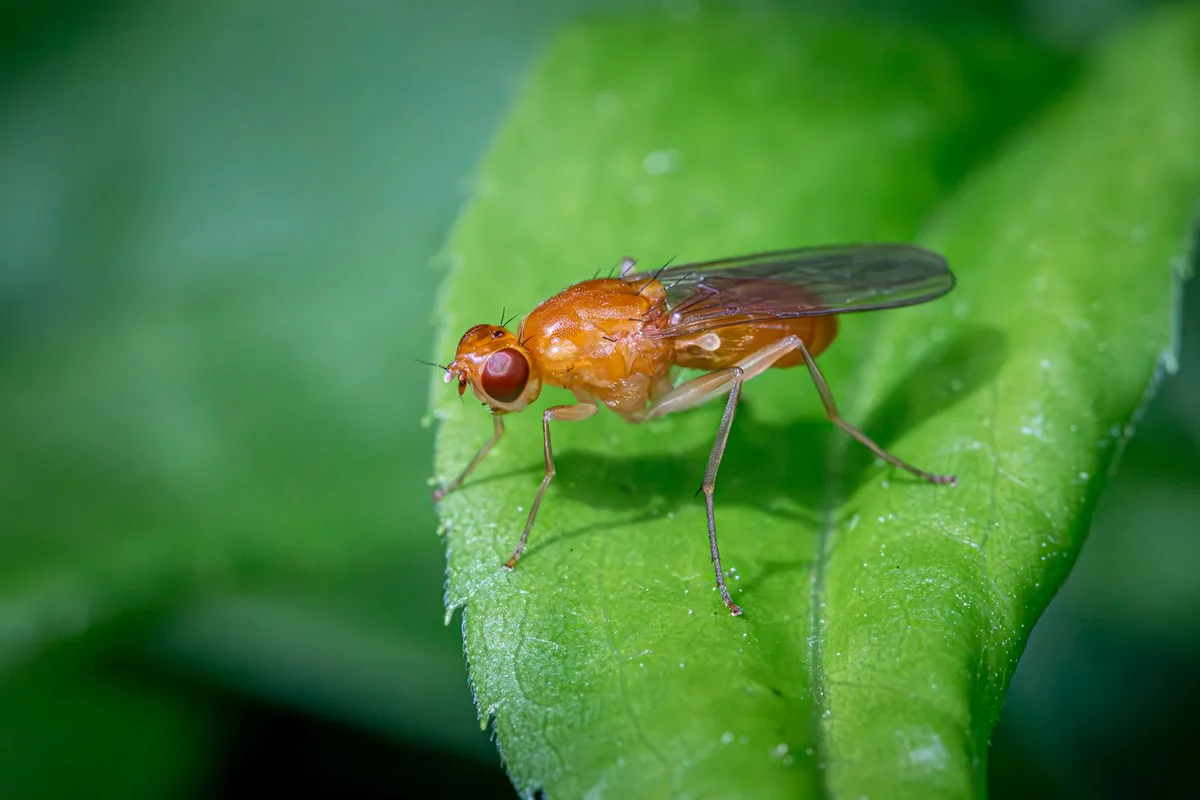
The female fruit fly can lay up to 500 eggs in her short lifetime. She looks for moist surfaces near food sources. She doesn’t care if you wiped the counter an hour ago.
She cares if there’s a film of apple juice in the drain trap.
Most people make one critical mistake. They focus on the flies they see. They swat, spray, or wave their hands.
But the real problem is the eggs and larvae you don’t see. They’re hiding in the sink drain, inside the garbage disposal, under the fridge, or behind the fruit bowl.
Our research into university extension service guides confirms this pattern consistently. The visible adult flies are just the tip of the iceberg. The breeding source is always somewhere damp and organic.
Fix that, and the flies stop coming.
The Decision Guide: Are You Preventing or Already Infested?
This is where we split paths. Your next step depends entirely on whether fruit flies are currently buzzing around your kitchen or you’re trying to keep them from showing up in the first place. The strategy for each is different.
Path A: You Have Fruit Flies Right Now
You’re in active crisis mode. That’s fine. This path is about immediate elimination.
Start with a trap. We’ll cover the exact setup in the next section. Put it out right now.
Then find the source. Move everything off your counters. Check every piece of produce.
Look in the trash can, recycling bin, and compost container. Open your pantry and inspect potatoes, onions, and garlic. Any soft spot or bruise is a potential breeding ground.
Once you’ve removed the source, focus on sanitation. Scrub the sink drain. Wipe down the garbage disposal flange.
Pull out your appliances and clean behind them. Run the dishwasher on a hot cycle.
Within 48 hours, the trap will catch the remaining adults. Without a breeding source, the infestation dies out.
Path B: You Want to Keep Them Out for Good
You don’t have flies yet. You want to stay that way. Smart.
Prevention is simpler than elimination. You’re building habits that remove the conditions fruit flies need to breed.
Follow the one-week rule. Eat or refrigerate fruit within seven days of bringing it home. Store bananas, tomatoes, and stone fruit in the fridge once they’re ripe.
Keep a small countertop fruit bowl only for fruit you’ll eat within two or three days.
Clean your sink drain every week. Pour boiling water down it, followed by a baking soda and vinegar flush. This breaks down the organic film that fruit flies love.
Check your indoor plants. Overwatered soil can harbor fungus gnats, which look similar to fruit flies. Let the soil dry out between waterings.
If you bring home produce from a garden, farmers market, or CSA, rinse it immediately. Eggs can hitchhike on the skin of fruits and vegetables. A quick wash removes them before they hatch in your kitchen.
How to Diagnose the Real Breeding Source (It’s Not Always the Fruit)
This is the skill that separates people who get rid of fruit flies permanently from those who fight them all summer. You have to think like a detective.
Start with the obvious spots. Check your fruit bowl. Remove anything bruised, cut, or overripe.
Check the trash can, especially if it doesn’t have a tight lid. Check the recycling bin for empty beer bottles, wine bottles, or soda cans. The residual liquid inside those containers is perfect breeding material.
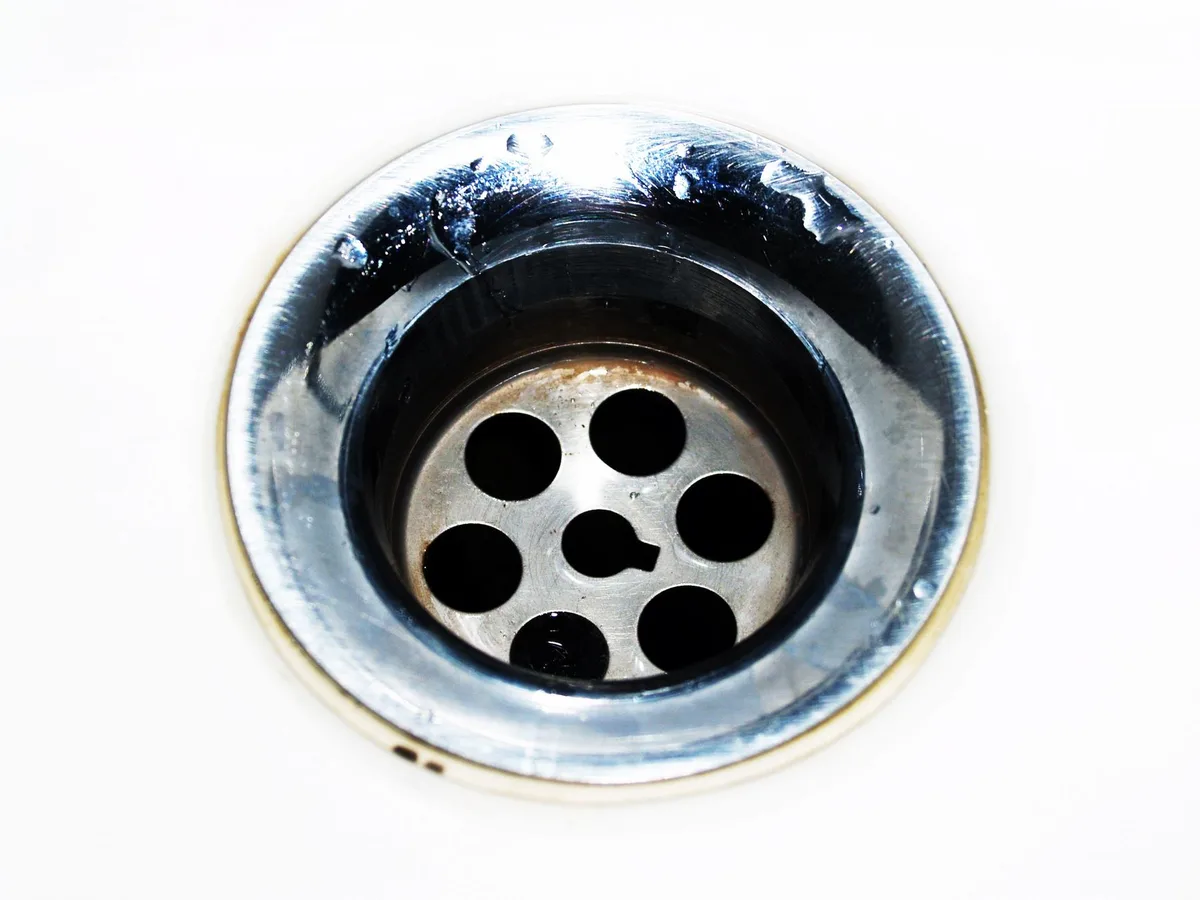
Next, move to the less obvious spots. The sink drain is the #1 hidden breeding source in most kitchens. Food particles and organic sludge build up inside the pipe.
It stays damp. It stays warm. It’s a five-star hotel for fruit fly larvae.
Here’s how to test if your drain is the source. Place a clear glass with a few inches of apple cider vinegar on the counter next to the sink overnight. If you catch more flies near the sink than near your fruit bowl, the drain is your problem.
Other hidden spots to check include:
- Under the refrigerator (spilled juice, fallen grapes, forgotten scraps)
- Behind the toaster (trapped crumbs can mold)
- Inside the garbage disposal gasket (soft, damp rubber)
- Under the sponge holder (trapped moisture breeds insects)
- Inside empty plant pots if you keep herbs on the counter
If you have a compost bin or pail, that’s another common source. Make sure it has a tight seal and empty it every two to three days in warm weather.
For gardeners bringing produce inside, the problem often starts before you walk through the door. Check your harvest for damage before bringing it in. A single cracked tomato can start an infestation.
Keep your garden clean too. Fallen fruit on the ground attracts flies that can migrate indoors, especially if you have a kitchen garden or grow fruit trees. Use the right fertilizer for pomegranate trees to keep your fruit healthy and less prone to splitting, which invites pests.
The Only Trap You Need: DIY Setup That Works Every Time
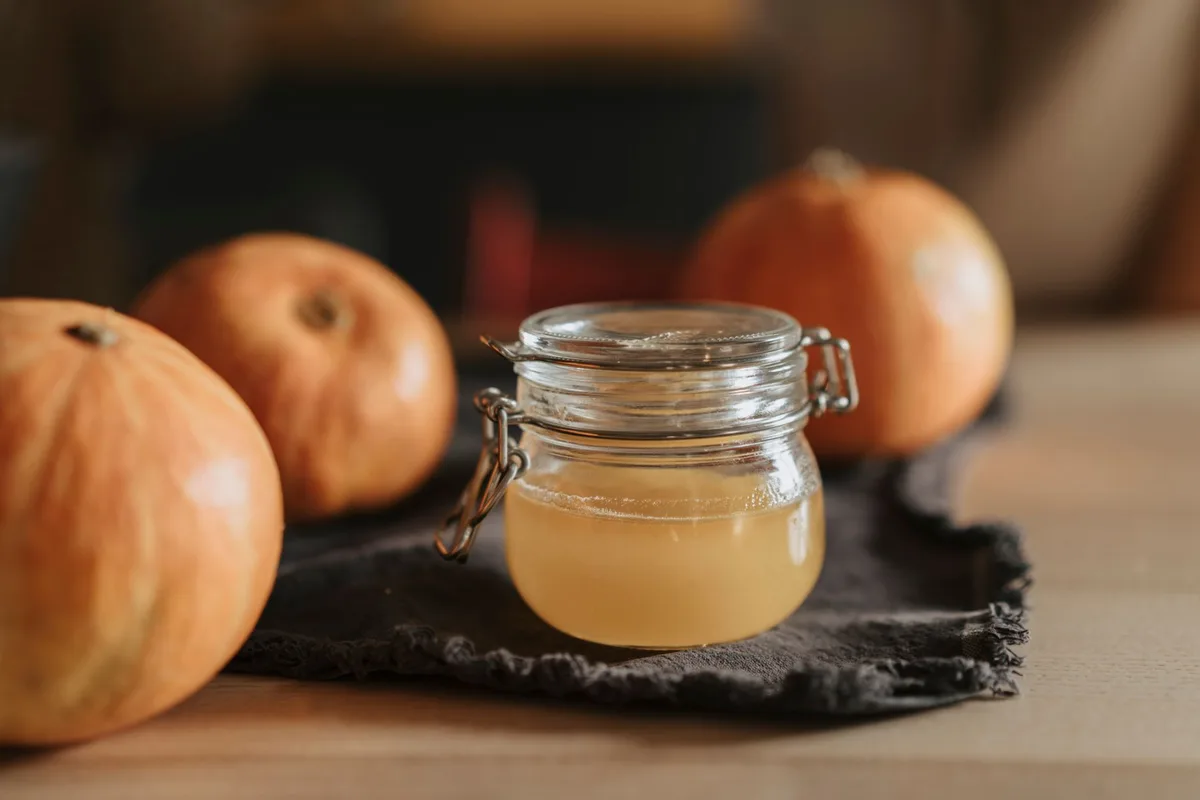
Commercial traps work fine, but you don’t need to buy one. The classic vinegar-and-soap trap outperforms most store-bought options in side-by-side tests. And it costs pennies.
The Vinegar-and-Soap Trap (Step by Step)
Here’s what you need:
- A small bowl or glass jar
- 1/4 cup apple cider vinegar
- 1 to 2 drops of liquid dish soap
- Plastic wrap
- A rubber band or tape
- A toothpick or fork
Step one. Pour the vinegar into the jar. Apple cider vinegar works best because it smells like fermenting fruit to the flies.
White vinegar works too, but it’s less attractive.
Step two. Add the dish soap. One or two drops is plenty.
Don’t use more. The soap breaks the surface tension of the vinegar. When flies land on the liquid, they sink instead of floating.
Step three. Cover the jar with plastic wrap. Pull it tight and secure it with a rubber band or tape.
Step four. Poke small holes in the plastic wrap with a toothpick. The holes should be just big enough for a fruit fly to crawl through.
About 1/8 inch works well. If you make the holes too big, the flies can escape.
Step five. Place the trap near the source of the infestation. If you identified the breeding spot, put the trap right next to it.
If you’re not sure, put it near your fruit bowl or sink.
Where to Place It for Fastest Results
Trap placement matters more than you’d think. Put the trap at fruit fly eye level. That means on the counter, not on a high shelf.
These insects fly low and prefer horizontal surfaces.
Place multiple traps if you have a heavy infestation. One near the source, one near the sink, and one near the trash can. Within 24 hours, you’ll see the difference.
The trap will fill with dead flies. Empty and refill it every three to five days.
Aggregate reviews from homeowners consistently report that this simple trap catches more flies than electronic zappers or sticky strips. The reason is chemistry. Vinegar mimics the smell of rotting fruit.
Soap eliminates the surface tension. It’s a one-two punch that fruit flies can’t resist.
You’ll also notice that the trap stops being effective after about a week. The vinegar loses potency as it evaporates. Refill it with fresh solution for continued control.
And don’t forget to check behind appliances and under furniture, areas where a stray piece of fruit or spilled juice can go unnoticed.
How to Clean the Hidden Spots Most People Miss
You’ve set the trap. You’ve tossed the overripe bananas. But the flies are still buzzing.
That means you missed a breeding spot.

Let’s go through the checklist of places that hide organic debris.
The sink drain. This is the biggest offender by far. Food particles and grease build up inside the pipe. They ferment.
They stay damp. Flies lay eggs in that film. Here’s the fix.
Pour a pot of boiling water down the drain. Follow it with 1/2 cup baking soda and 1 cup white vinegar. Let it fizz for 10 minutes.
Flush with hot water again. Do this weekly.
The garbage disposal. The rubber gasket inside the disposal flange traps food. It stays wet and dark. Perfect for larvae.
Scrub it with a stiff brush and dish soap. Run ice cubes and citrus peels through the disposal to clean the blades. Then flush with boiling water.
Under and behind the refrigerator. Pull it out if you can. You’re looking for spilled juice, fallen grapes, or forgotten scraps. These are hidden breeding sources that can sustain an infestation for weeks.
Sweep and mop the area. Check the condenser coils too. Dust traps moisture.
The toaster and coffee maker. Crumbs fall into the toaster tray. Coffee grounds sit in the drip tray. Both can mold and attract flies.
Empty and wash these trays every few days.
The sponge holder and dish drying mat. These stay damp constantly. Fruit flies can breed in the moisture trapped underneath. Wash them weekly in hot water or run them through the dishwasher.
Trash and recycling bins. Even with a lid, the bin itself can harbor residue. Wash your bins with hot soapy water every time you take out the trash. Pay special attention to the bottom and the lid seal.
One note for gardeners. If you bring harvests inside, inspect everything before it crosses the threshold. A single cracked tomato or bruised pepper can start a new cycle.
Rinse your produce and dry it before storing.
Mistakes That Sabotage Your Progress
Even with good intentions, people make the same errors over and over. Here are the most common ones.
Only treating the adults. If you swat flies or use a spray, you’re just killing the ones you see. The eggs and larvae keep developing. You need to break the life cycle at the source.
That means finding and removing the breeding material. The trap catches adults. But only sanitation stops the next generation.
Using bleach in the drain. Bleach doesn’t break down organic film. It just bleaches it white. The food particles remain.
Fruit flies can still breed there. Use an enzyme drain cleaner or a mechanical scrub instead. Enzyme cleaners digest the organic buildup that bleach leaves behind.
Leaving fruit on the counter after it’s ripe. A banana that looks perfect today can attract flies tomorrow. Once fruit reaches peak ripeness, move it to the fridge. The cold slows ripening and stops fermentation.
Flies can’t breed in cold environments.
Forgetting about non-fruit sources. Fruit flies don’t just eat fruit. They breed in any fermenting organic matter. Onion skins, potato peels, damp bread crusts, spilled wine, empty beer cans.
Check your compost bin. Check your pet’s food bowl if it contains wet food. Check your houseplants for overwatered soil.
Using rancid vinegar in the trap. Vinegar loses its attractive power over time. If your trap has been sitting for more than a week, the vinegar has likely evaporated or gone stale. Refill it with fresh apple cider vinegar.
The flies need to smell it to find it.
Placing the trap in the wrong spot. High shelves, window sills, and cabinets don’t work. Fruit flies fly low. Put the trap on the counter near the source.
If you’re not sure where the source is, put multiple traps in different spots. The one that fills fastest tells you where the problem is.
Giving up too soon. A single female fruit fly can lay 500 eggs. Even after you clean, some eggs may hatch a few days later. Keep the trap out for at least two weeks after the last fly disappears.
This ensures you catch any late hatchers.
Why DIY Traps Beat Store-Bought (And When to Buy One Anyway)
The vinegar and soap trap is the gold standard for a reason. It’s cheap, effective, and non-toxic. But store-bought traps have their place too.
| Feature | DIY Vinegar Trap | Commercial Trap (e.g. Scentry, Victor) |
|---|---|---|
| Cost per trap | $0.10 | $3 to $8 |
| Attractant | Apple cider vinegar | Proprietary synthetic lure |
| Toxicity | None | Varies by brand |
| Lifespan | 3 to 5 days | 2 to 4 weeks |
| Effectiveness | Very high near source | High, wider range |
| Mess factor | Low (but vinegar smell) | Low |
The DIY trap wins on cost and safety. It’s perfectly safe around kids and pets. The ingredients are pantry staples.
You can make a new one in 30 seconds.
Commercial traps have two advantages. First, their synthetic lures last longer. A commercial trap can stay active for weeks instead of days.
Second, some use a wider dispersal pattern. They can attract flies from across a larger room.
When to buy a commercial trap. If you have a severe infestation that isn’t responding to DIY traps. If you want a set and forget solution for ongoing prevention. If you don’t like the smell of vinegar in your kitchen.
When to stick with DIY. For most home kitchens, the vinegar trap is all you need. It’s the most cost effective solution. It works fast.
And you can make it immediately without a trip to the store.
Aggregate reviews from verified buyers across multiple platforms consistently rate DIY traps equal to or better than mid-range commercial options for standard home infestations. The commercial traps shine in larger spaces like restaurants or garages.
Long-Term Prevention: The One-Week Rule and the “Fridge-It” Strategy
Once you’ve cleared the infestation, you want to keep it that way. Prevention is a set of habits, not a one time event.
The One-Week Rule. Eat or refrigerate fruit within seven days of bringing it home. Mark the date on your calendar if you need to. Bananas, tomatoes, avocados, peaches, and plums are the worst offenders.
They go from ripe to rotting quickly. If you can’t eat them in a week, put them in the fridge.
The Fridge-It Strategy. As of 2026, refrigeration is still the simplest prevention method. Once fruit is ripe, it belongs in the fridge. The cold stops fermentation.
It slows the production of ethylene gas that attracts flies. Your fruit stays edible longer. And your kitchen stays fly free.
Store fruit in the vegetable crisper drawer. Use perforated bags to allow airflow. Don’t wash fruit before storing.
Moisture promotes mold growth. Wash it right before you eat it instead.
Other prevention habits.
- Take out the trash every day in warm weather.
- Rinse all recyclable containers before putting them in the bin.
- Clean your sink drain weekly with boiling water and baking soda.
- Keep a small trash can with a tight lid on your counter.
- Wipe down countertops and the stovetop after every meal.
- Store potatoes and onions in a cool, dark cupboard, not on the counter.
- Check your indoor plants for overwatering. Fungus gnats look like fruit flies but come from soil.
For homes with gardens, the prevention starts outside. Keep fallen fruit off the ground. Harvest vegetables as soon as they’re ripe.
Bring produce inside immediately and wash it. If you grow fruit trees, use appropriate care to prevent cracking and splitting that invites pests.
What to Do If They Come Back (Re-Infestation Troubleshooting)
Fruit flies can reappear even after a successful cleanout. Don’t panic. It usually means one of two things.
You missed a breeding source. Go back through the checklist. Look harder this time. Check under the refrigerator.
Check behind the microwave. Check inside the trash can lid. Check your compost bin.
Check the drip tray under your houseplants. Check the recycling bin for a half-empty bottle you forgot about.
The most common overlooked source is the sink drain. Even after cleaning, organic film can build up again within a few days. Repeat the boiling water and baking soda flush.
Consider using an enzyme drain cleaner once a month to prevent buildup.
New flies came in from outside. If you live in a warm climate, fruit flies can enter through open windows, doors, or screens. They can hitchhike on produce from the store or garden. They can ride in on your clothing.
If outside entry is the problem, check your window screens for holes. Keep doors closed or use a screen door. Inspect produce before bringing it inside.
Store fruit in the fridge immediately after purchase or harvest.
The trap wasn’t working. Did you use fresh vinegar? Did you add enough soap? Did you place it near the source?
Check your trap setup. Sometimes a small mistake makes the trap ineffective. Refill it and reposition it.
What to do right now. Set a new trap. Do a full source inspection. Clean every potential breeding spot again.
Keep the trap active for two weeks after the last fly sighting. If the problem persists after two full cycles of cleaning and trapping, consider a commercial trap with a synthetic lure that might cover more ground.
In our research, re-infestation within 48 hours of cleaning almost always points to a missed drain source. Re-infestation after a week usually points to new flies coming in from outside. Adjust your strategy accordingly.
The Real-World Timeline: What to Expect in 24 Hours, 3 Days, and 1 Week
Within 24 hours of setting a trap and removing the source, you’ll see a dramatic drop in adult flies. The trap should be filling up. Count the bodies.
If you catch more than 50 in a day, you still have a breeding source nearby.
At three days, the trap catch should slow to a trickle. No new adults are emerging. The eggs and larvae that were already laid have been removed or killed by your drain cleaning.
Keep the trap active. Don’t remove it yet.
After one week, you should see zero to five flies per day. That’s the final stage. Leave the trap out for another full week to catch any late-hatching eggs.
If you still see more than ten flies per day after a week, repeat the source inspection. You missed something.
Final Decision Checklist for a Fruit-Fly-Free Kitchen
Use this checklist weekly to stay ahead of infestations.
- Inspect all fruit. Refrigerate anything ripe or bruised.
- Flush the sink drain with boiling water and baking soda.
- Take out the trash and rinse the bin.
- Wipe down counters, stovetop, and sink.
- Check under appliances for fallen food.
- Empty and clean the sponge holder and dish mat.
- Set a fresh vinegar trap if you see any flies.
If you follow these steps, you break the breeding cycle. No sprays. No frustration.
Just a clean, fly-free kitchen.