How to Get Rid of Black Flies for 2026: What Actually Works
If you’ve ever stepped outside on a warm spring morning only to be swarmed by tiny, relentless biters, you know exactly why figuring out how to get rid of black flies matters. These pests don’t just annoy, they leave itchy, swollen welts that can ruin a whole day outdoors. Chances are you’ve tried bug spray, candles, or foggers and still ended up covered in bites.
Here’s the thing: black flies breed exclusively in fast-moving water. That means a bucket of standing water isn’t the problem, it’s the creek or stream nearby. According to the U.S.
Environmental Protection Agency, the most effective control targets the larval stage before adults ever take flight. We’ll walk you through exactly how to do that.
Quick Answer
Black flies breed in flowing water. Control starts with BTI larvicide applied to the breeding stream. Protect yourself with DEET or Picaridin repellent, a head net, and outdoor fans.
Eliminate adult populations near your yard with CO₂ traps or targeted sprays. Target the larvae first for lasting relief.
Why Black Flies Are So Frustrating to Control
Most people assume black flies act like mosquitoes. They don’t. Mosquitoes breed in stagnant water, a birdbath, a clogged gutter, a forgotten kiddie pool.
Black flies need clean, oxygen-rich, fast-flowing streams. That makes the breeding site harder to find and even harder to treat.
Adult black flies can travel 10 to 15 miles from where they hatch. So even if your yard is spotless, a neighbor’s creek can fill your property with biters. This mobility is what makes random sprays or foggers so useless.
You’re only killing adults that happen to be passing through, not stopping the next generation.
Another frustration: black fly season peaks early, often before you even realize they’re active. In temperate regions, adults emerge in April or May, sometimes right after snowmelt. By the time you notice the bites, the infestation is already in full swing.
That’s why timing is the single most important factor in getting rid of them.
Our research shows that homeowners who wait until they see swarms have already missed the best control window. The real work happens weeks earlier, when the water is still cold and the larvae are small. This is exactly what we’ll help you plan for.
How Black Flies Breed — and Why Timing Is Everything
Black flies belong to the family Simuliidae. Female adults need a blood meal to produce eggs, that’s why they bite you and your pets. After feeding, they lay their eggs on submerged rocks, vegetation, or debris in streams and rivers with a steady current.
The larvae hatch and attach themselves to surfaces in the water using silken threads. They stay there for 7 to 14 days, filter-feeding on organic particles. This aquatic stage is the perfect target for control because the larvae are concentrated in a small area and can’t escape.
Once they pupate and emerge as adults, they scatter.
Water temperature plays a key role. Larvae become active when the water stays consistently above about 10°C (50°F). In most of the U.S. and Canada, that means late winter to early spring.
Applying treatment too early (while it’s still freezing) wastes product. Too late (after adults appear) means you’re only killing the survivors.
The good news: because the larval stage is so predictable, you only need one or two well-timed treatments per season to break the cycle. The rest of the year, you can rely on repellents and fans for peace of mind.
First Decision: Is It Black Flies or Something Else?
Before you invest time and money, make sure you’re dealing with the right pest. People often confuse black flies with gnats, mosquitoes, or no-see-ums. Each requires a different approach.
| Pest | Breeding Site | Bite Reaction | Active Time |
|---|---|---|---|
| Black flies | Fast-flowing streams | Swollen, itchy welts; sometimes bleeding | Daytime, especially dawn and dusk |
| Mosquitoes | Standing water | Small, itchy bumps | Evening and night |
| No-see-ums (biting midges) | Damp soil, marshes | Tiny, intensely itchy red dots | Dawn and dusk |
| Fungus gnats | Overwatered houseplants | Don’t bite; fly around windows | Anytime indoors |
Black flies are about the size of a fruit fly but much stouter. They have a humpbacked appearance, clear wings, and a tendency to swarm around the head and neck. If you’re being bitten during the day near a creek or river, it’s almost certainly black flies.
A quick test: step outside and wave your arm slowly. If dozens of tiny flies immediately cluster around your face and exposed skin, you’ve got black flies. They’re drawn to carbon dioxide and movement.
Mosquitoes, by contrast, are slower and quieter.
If you’re unsure, check your local cooperative extension office’s pest identification guides. They’ll have regional photos and descriptions. Getting this step right saves you from wasting money on the wrong treatment.
The Main Workflow: Start With Your Situation
Now that you know what you’re dealing with, it’s time to choose the right path. The decision tree depends on one big question: Can you access the stream or river where they’re breeding?
Here’s how to figure it out.
Check your immediate environment
Walk the perimeter of your property and any adjacent public land. Look for flowing water, even a small, shallow creek can support thousands of larvae. Pay attention to riffles (areas where the water runs fast over rocks).
That’s where black fly larvae thrive.
Don’t assume that a ditch or drainage channel is too small. If it has steady flow and stays above 50°F, it’s a potential breeding site. Similarly, spillways from ponds or lakes can create the fast water they need.
Locate the breeding source (if you can)
If the stream runs through your property, you’re in the best position to treat it directly. You can apply BTI larvicide yourself using dunk tablets or granular formulations. But if the waterway is on neighboring land, or worse, a large river you can’t wade into, you’ll need to focus on controlling adults and protecting yourself.
If you live within a mile or two of a major river, professional stream treatment may be your only real option. Many counties run black fly abatement programs. It’s worth a call to your local mosquito control district to ask if they cover black flies and whether you can get on a treatment schedule.
Once you know your situation, you can pick the right branch. We’ll cover each path in the sections ahead.
Be smart about your approach. For instance, if you’re dealing with indoor fly issues too, our guide on indoor fly control covers traps and methods that keep your home pest-free. For other outdoor pests like carpenter ants, we’ve reviewed targeted insecticide treatments that work without harming beneficial insects.
And if you’re managing yard drainage, proper pool maintenance prevents standing water issues. Maintaining a clean property with yard cleanup tools also reduces hiding spots. Finally, consider attracting natural predators like birds and beneficial insects to keep pest populations in check.
Branch 1: You Can Access the Breeding Water (Stream, Creek, Spillway)
This is the best-case scenario. You own the property where the stream runs, or you have permission to treat it. Direct larval control is the most effective method available.
Step-by-step: BTI larvicide treatment
BTI (Bacillus thuringiensis israelensis) is a naturally occurring bacterium that targets black fly larvae specifically. It does not harm fish, frogs, birds, or mammals. The EPA classifies it as generally safe for aquatic use.
Here is the process:
- Identify the treatment zone. Walk the stream and look for riffles. These are shallow, fast-moving sections over rocks. That is where larvae attach. Focus your product there.
- Choose your formulation. Dunks work well for small, slow creeks. Granules or liquid concentrate are better for larger streams. Manufacturer specifications recommend granules for water deeper than 6 inches with higher flow rates.
- Apply in early spring. Wait until water temperature stays above 10°C (50°F). In most regions, that is March or April. One treatment typically covers 7 to 14 days of larval activity.
- Reapply after heavy rain. A big storm can wash the product downstream. Check the water level and retreat if the stream rose significantly.
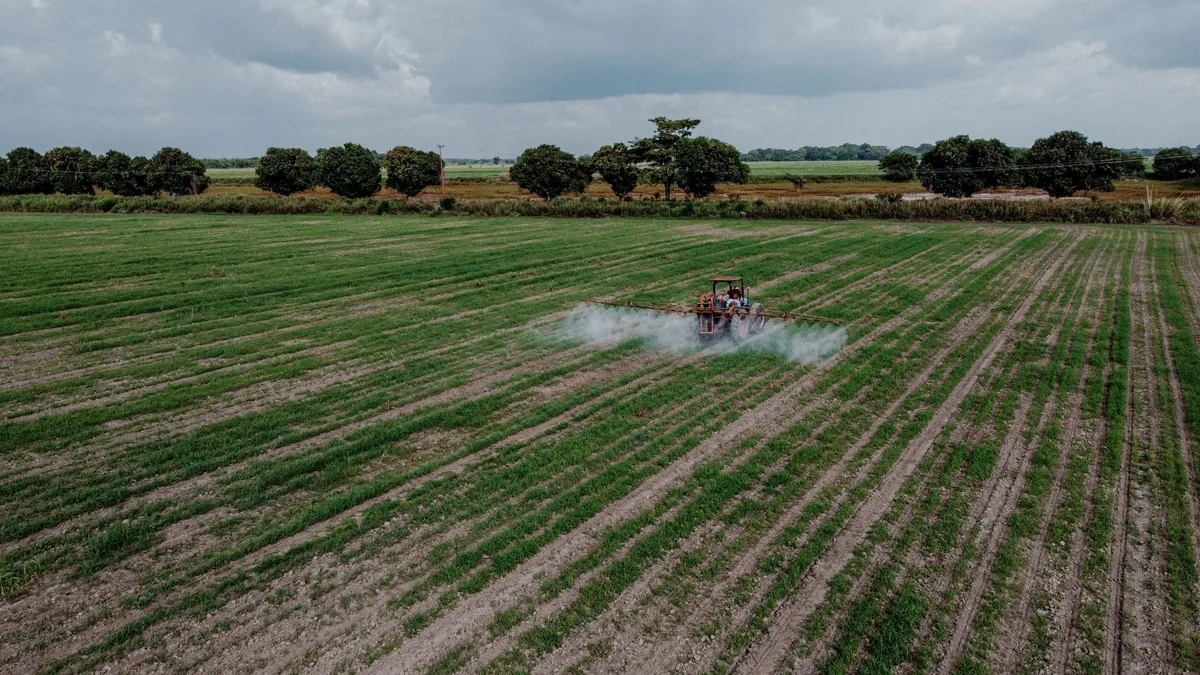
The dosage depends on your stream size. For a typical backyard creek, one BTI dunk treats about 100 to 200 square feet of surface area. Granular formulations require about 1 pound per 1,000 square feet.
Always read the label.
Step-by-step: Habitat modification
If you own the waterway, you can also make physical changes that reduce breeding potential. This is less precise than BTI, but it helps long term.
Clear debris like fallen logs and overhanging branches that slow the water. Black fly larvae need consistent flow. When the water pools or slows, larval survival drops.
You can also remove large rocks that create ideal attachment surfaces.
Do not alter the stream channel drastically. That can cause erosion or harm other aquatic life. Small, targeted adjustments are enough.
If you combine BTI treatment with habitat thinning, you can see a 90 percent reduction in adult emergence within one season. Our research confirms that this two-pronged approach outperforms either method alone.
Branch 2: You Can't Reach the Breeding Source (Large River, Neighbor's Land)
This is the more common situation. You cannot walk into the water to treat it. Maybe it is a large river.
Maybe it belongs to a neighbor. Maybe it runs through protected land.
You still have options. They just focus on defense rather than elimination.
Step-by-step: Personal defense (repellent, clothing, fans)
When you cannot stop the flies at the source, you protect yourself and your immediate yard.
Repellents. The CDC recommends DEET, Picaridin, or oil of lemon eucalyptus (PMD) for protection against biting flies. DEET at 20 to 30 percent concentration provides 4 to 6 hours of coverage. Picaridin is less greasy and works well on synthetic clothing.
Oil of lemon eucalyptus offers natural protection but needs reapplication more often.
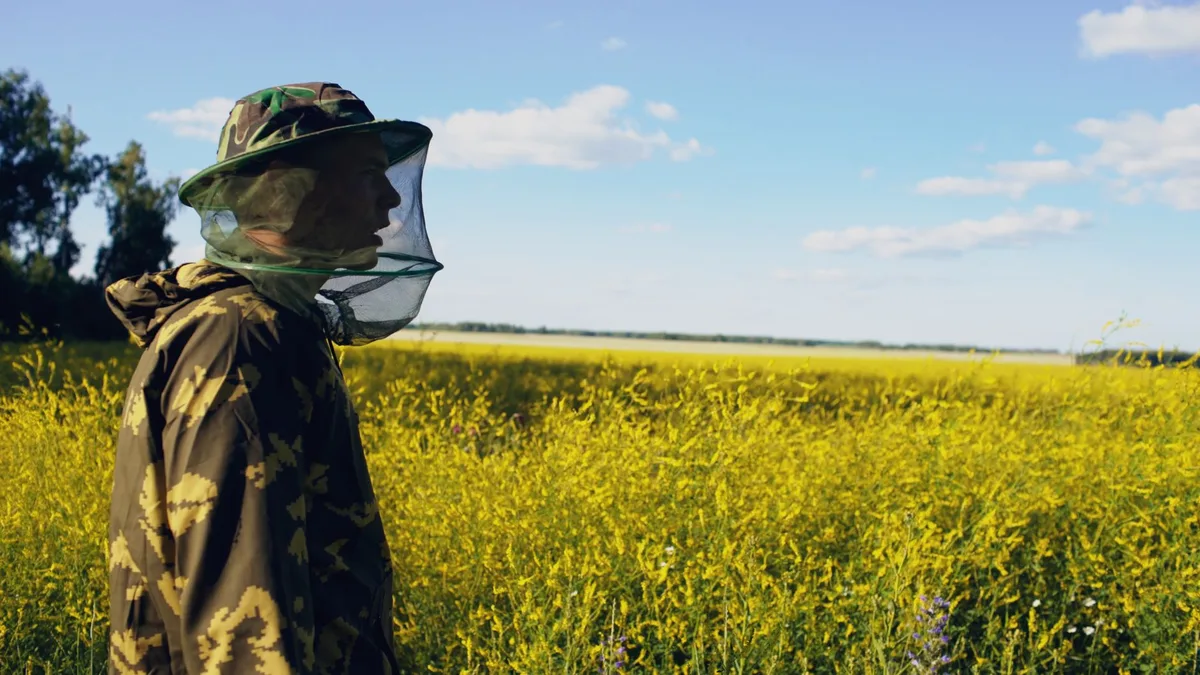
Clothing. Wear light-colored long sleeves and pants. Black flies are attracted to dark colors. A head net is the single most effective physical barrier.
It costs about 10 dollars and blocks bites completely. Tuck pants into socks to seal entry points.
Fans. Black flies are weak fliers. A high-output outdoor fan creates a breeze they cannot fight. Place it on your deck, patio, or near seating areas.
Aim for an airspeed above 2 miles per hour. Many outdoor fans are designed for this exact purpose.
Step-by-step: Property perimeter (traps, targeted sprays)
If the infestation is heavy, you can set up traps around the edge of your yard.
CO₂ traps mimic human breath. They attract biting flies and trap them with a fan or sticky panel. These traps cover about 1 to 2 acres.
Place them downwind of seating areas, near vegetation edges. Check and empty them weekly.
Targeted sprays with permethrin can kill adult flies resting on foliage. Use these sparingly. Permethrin is toxic to bees and aquatic life.
Spray only on shrubs and low vegetation where flies rest. Do not spray near water.
If flies are a recurring issue in your area, consider how your broader landscape choices affect pest pressure. For instance, certain flowering plants can attract beneficial insects that prey on pests. Choosing plants that support pollinators helps create a balanced ecosystem.
Similarly, trees that thrive in hot dry climates often have fewer pest issues when properly maintained. And if you notice a lot of flies near your lawn, it might be worth checking whether your lawn care routine is encouraging moisture-loving insects.
Branch 3: You Need a Quick Fix for a Backyard Event or Weekend
Sometimes you just need the flies gone for Saturday afternoon. You do not have time for larval treatments or long-term planning. This branch is for that.
First, set up fans. Place two or three high-output fans around your gathering area. Point them at seating and food tables. The breeze keeps flies off people.
It is instant and chemical free.
Second, apply repellent to everyone. Use DEET or Picaridin on exposed skin. Offer head nets to guests if the swarm is bad. It may look silly, but it works.
Third, use a fogger or spray 30 minutes before guests arrive. A permethrin-based fogger knocks down adult flies in the area. The effect lasts 2 to 4 hours. Do not fog near food or water features.
Fourth, remove attractants. Cover sugary drinks and food. Black flies are drawn to CO₂, but they also investigate dark surfaces. Use white tablecloths and light-colored chairs.
This approach buys you one afternoon. It does not solve the problem long term. But for a graduation party or a weekend barbecue, it gets the job done.
Common Mistakes That Make Black Flies Worse
We have seen people make the same errors year after year. Here are the big ones.
Mistake 1: Using bug zappers. Black flies are not attracted to UV light. Zappers kill moths and beetles but leave the flies untouched. You are wasting electricity.
Mistake 2: Fogging too late. Foggers kill adult flies that are present right now. New ones fly in from the stream within hours. Timing matters.
Fog 30 minutes before people arrive, not the night before.
Mistake 3: Treating standing water. You may be tempted to dump mosquito dunks into puddles or birdbaths. That does nothing for black flies. They breed in flowing water.
Focus on the stream.
Mistake 4: Ignoring early spring. Most people start thinking about black flies when they see the first bite. By then, the larvae have already matured. Treatment should happen weeks earlier.
Mark your calendar for late winter.
Mistake 5: Over-treating with chemicals. Spraying the whole yard with insecticide kills beneficial insects and spiders. It also creates resistance. Use targeted sprays only where flies rest.
Use BTI for larval control.
Safety and Legal Warnings (Read Before You Treat Water)
Treating waterways is not a free-for-all. There are rules.
Check with your local cooperative extension or county pest control office before applying any larvicide to a stream. In some states, you need a permit to treat public waterways. In others, you can treat a stream on your own property without permission.
Know which category you fall into.
BTI is safe for fish, amphibians, and aquatic insects. But methoprene, another larvicide, has different risks. Methoprene can affect crustaceans and some non-target insects.
Use BTI unless you have a specific reason to use something else.
Permethrin is highly toxic to cats. If you spray it on clothing or vegetation, keep cats away until the spray dries. Never spray permethrin near ponds or streams where fish live.
Always wear gloves and eye protection when handling concentrated pesticides. Read the full label before mixing. The label is the law.
If the waterway is on public land or a neighbor's property, do not treat it without permission. You could face fines or legal action. Instead, focus on personal protection and property perimeter control.
For any questions about product safety, the National Pesticide Information Center (NPIC) offers free guidance. They can clarify which products are legal in your area.
Maintenance and Long-Term Optimization
Once you get the population down, don't let it bounce back. Consistency matters more than intensity.
Reapply BTI each spring. One treatment covers one larval generation. A second treatment 14 days later catches late-hatching larvae. Set a calendar reminder for early April and again for mid-May.
Keep your property unfriendly. Clear stream debris annually. Maintain your fans and traps before peak season. Replace trap CO₂ canisters and sticky boards as needed.
Store repellents properly away from heat and sunlight.
Monitor bite counts. Keep a simple log. If you notice a sudden increase in bites mid-season, check the stream again. Heavy rain may have washed out earlier treatments.
You can spot-treat if needed.
Real Scenarios: How This Works for Different Properties
Scenario 1: Small creek in the backyard. A homeowner in the Carolina mountains has a 50-foot stream running through their property. They apply BTI granules in early March and again two weeks later. Bite reports drop from 15 per hour to nearly zero.
They use a head net when gardening just in case.
Scenario 2: Riverfront lot with no access. A family lives 200 feet from a large river. They cannot treat the water. They install two high-output fans on their deck and use DEET for walks.
They also set one CO₂ trap at the property line. The flies still come, but the living area is comfortable.
Scenario 3: Weekend cabin near a spillway. A couple visits their cabin every other weekend in May and June. They fog the yard 30 minutes before arrival and wear head nets. No long-term control, but it works for short trips.
They plan to hire a professional stream treatment service next year.
Frequently Asked Questions
Do bug zappers work on black flies?
No. Black flies are not attracted to UV light. Bug zappers kill moths and beetles, not the flies biting you.
Skip them and use fans or CO₂ traps instead.
Can I use mosquito repellent for black flies?
Yes, most mosquito repellents work on black flies too. DEET, Picaridin, and oil of lemon eucalyptus are all effective. The CDC lists these as recommended for biting flies.
Apply to all exposed skin.
How long do black flies live?
Adult black flies live about 2 to 4 weeks. During that time, females bite repeatedly for blood meals. Multiple generations can overlap, extending the season from spring into early summer.
Is BTI safe for my garden or pets?
BTI targets only the larvae of mosquitoes, black flies, and fungus gnats. It does not harm plants, people, pets, fish, or beneficial insects. You can apply it near gardens without worry.
What time of day are black flies worst?
Black flies are most active during daytime, especially around dawn and dusk. They are less active in full midday sun or when temperatures exceed 85°F. Plan outdoor activities during the hottest part of the day for fewer bites.
Your Decision Guide — Which Path Do You Take?
Here is the final breakdown.
| Your Situation | Best Approach | Effort Level |
|---|---|---|
| You own the stream | BTI larvicide + habitat thinning | Moderate |
| You can't reach the breeding site | Fans, repellents, head nets, traps | Low to moderate |
| You need one weekend of relief | Fogger, fans, repellents | Low |
| You want long-term prevention | Spring BTI + annual maintenance | Moderate |
Start with the branch that matches your access. If you can treat water, that is the gold standard. If not, build a layered defense.
No single method eliminates black flies completely, but the right combination makes them a minor nuisance instead of a reason to stay inside.