How to Prevent Black Fly Bites (2026) — Everything You Need
If you’ve ever spent spring or early summer near a fast‑moving stream, you know black flies aren’t just annoying. The real question is how to prevent black fly bites before they ruin your time outdoors. In our research, the answer comes down to understanding their behavior and using the right combination of barriers and repellents.
Most people grab a standard mosquito spray and head out. That’s a mistake. Black flies are daytime biters with a completely different feeding style, so your usual routine won’t work.
As of 2026, the CDC still recommends DEET or picaridin as effective active ingredients, but the concentration and application matter more than most realize. Get the details right, and you can stop bites before they start.

Quick Answer
Cover up with fine‑mesh head nets and tightly woven clothing. Apply an EPA‑registered repellent containing 20‑30% DEET or 20% picaridin. Treat outer clothes with permethrin 24 hours ahead.
Stay away from fast‑running water between 10 a.m. and 2 p.m. Clean any bite quickly with soap and water.
Why Accuracy Matters with Black Fly Bites
Here’s the thing: black fly bites aren’t like mosquito bites. They can swell to the size of a golf ball in sensitive people. That’s not just uncomfortable, it raises the risk of secondary infection from scratching.
If you use the wrong repellent or skip a head net, you might end up with dozens of bites in a single outing. We’ve seen cases where severe local reactions required oral corticosteroids. That’s why getting the prevention steps right from the start matters.
The CDC and EPA both emphasize that repellent effectiveness depends on matching the active ingredient to the pest. Black flies are less deterred by low‑concentration formulas. You need a higher percentage and a physical barrier.
Trust that combo, not just one or the other.
Taking time to check your local black fly forecast can also help. Some areas have peak seasons that last only a few weeks. If you plan a camping trip during that window, preparation becomes non‑negotiable.
Simple yard maintenance plays a role too. Keeping vegetation trimmed near water edges reduces resting spots for adult flies. It’s one more layer that makes a real difference when combined with personal protection.
What Black Flies Are and Why They’re Different from Mosquitoes
Black flies (Simulium species) are small, hump‑backed flies that breed in clean, fast‑flowing water. You’ll find them near rivers, streams, and spillways, not stagnant ponds like mosquitoes.
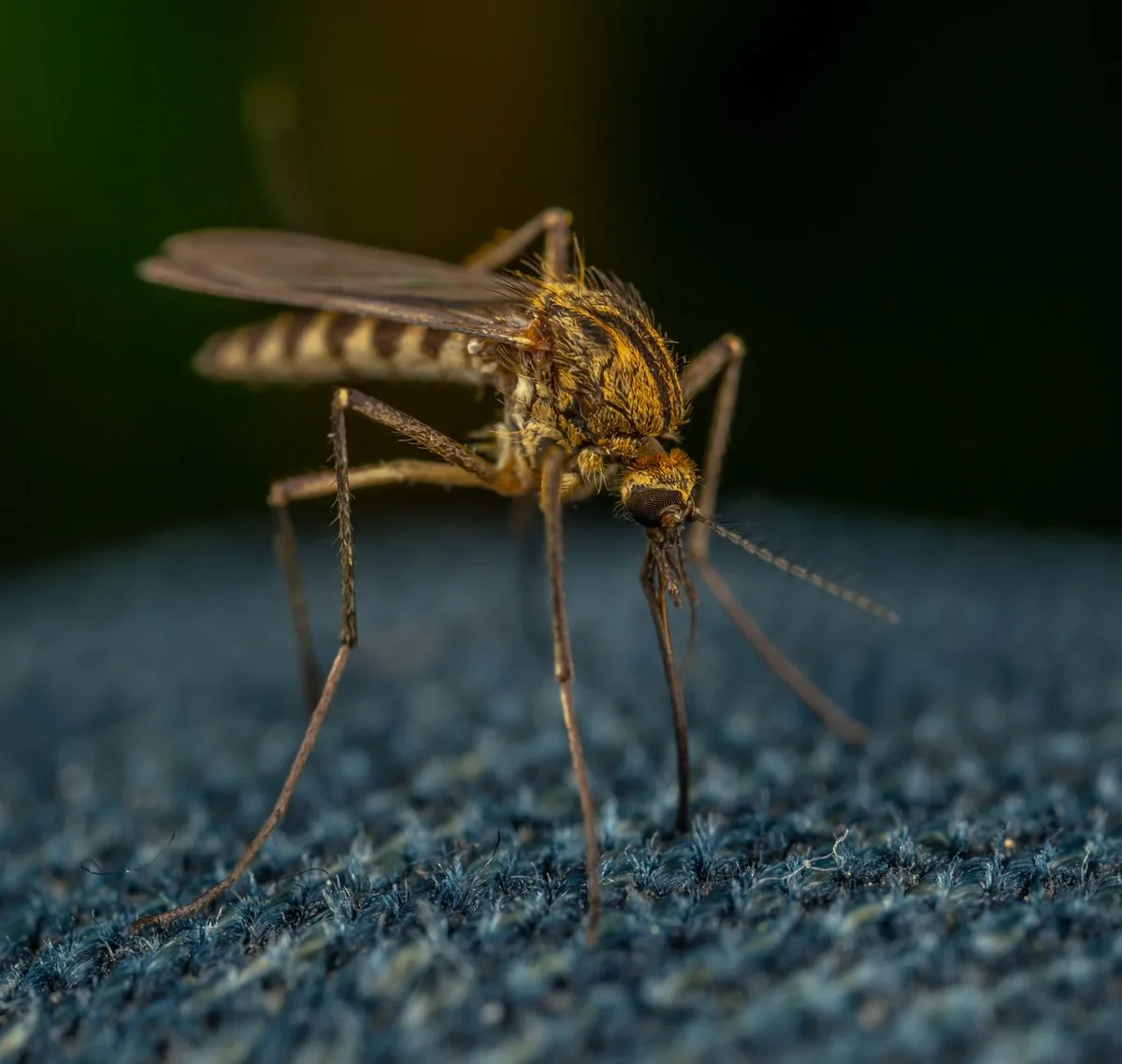
They bite in broad daylight, peaking around midday. Unlike mosquitoes that use a needle‑like proboscis, black flies actually slash the skin with blade‑like mouthparts. They feed on the pool of blood that collects, not by piercing a single vessel.
That slashing style triggers a stronger immune response. The saliva they inject contains anticoagulants that cause more swelling, redness, and itching than a typical mosquito bite.
Another key difference: black flies are attracted to dark moving objects. They target the head, neck, and ears of people walking or working outdoors. That’s why a head net is so effective, it blocks their main target zone.
They also swarm in numbers. You rarely deal with one or two. When conditions are right, hundreds can appear within minutes.
Understanding these differences explains why indoor fly traps don’t help. Those traps target houseflies, not biting flies near water. If you’re struggling with flying pests inside the house, we’ve covered that separately, but for black flies outdoors, the solution is completely different.
The Real Risk: Allergic Reactions, Infection, and Scarring
Most people react to black fly bites with local swelling, redness, and itching that lasts a few days. But for some, the reaction is far more serious.
Black fly saliva contains proteins that can trigger large local reactions. Swelling may extend several inches beyond the bite site. You might see warmth, hardness, and blistering.
This is not an infection, it’s an exaggerated immune response.
The bigger risk comes from scratching. Broken skin lets bacteria in, leading to cellulitis. Signs include spreading redness, pain, fever, or oozing.
At that point, you need medical attention.
Scarring is another concern. Repeated bites in the same area, especially on legs or arms, can leave dark spots or raised scars that last months.
In rare cases, black fly bites can cause systemic allergic reactions. Symptoms like hives, difficulty breathing, or swelling of the face and throat require emergency care.
Because the stakes are higher than with mosquitoes, prevention should be treated as a health priority, not just a comfort issue. Taking shortcuts with low‑concentration repellents or skipping head nets isn’t worth the risk.
If you’re already treating your yard for other pests, some general yard care products may help, but they won’t stop black flies from finding you. The best approach is personal protection, not area spraying.
Who’s Most at Risk – and When to Take Extra Care
Certain activities put you directly in black fly territory. Anglers wading in streams, hikers on river trails, and campers near mountain lakes are prime targets. Even working in a garden alongside a wooded creek can trigger encounters.
People with known allergies to insect bites need to be especially careful. Those with sensitive skin or a history of large local reactions should double up on protection every time.
If you’re planning a trip during black fly season, typically March through June in temperate North America, prep before you leave. Check local reports from parks services or extension offices to gauge activity levels.
Pets, especially dogs, also get bitten. Black flies often target the inside of ears and the belly. If you bring a dog on a trip, keep them in a protected area during peak biting hours.
Children are at higher risk because they spend more time close to the ground and may not notice bites right away. Use repellents with 10‑15% DEET for kids over two months, and avoid oil of lemon eucalyptus for children under three.
If you’re a trail runner or cyclist, be aware that movement and sweating attract black flies. Plan your route away from streams during midday, and consider wearing a head net even if it feels awkward.
The Two-Layer Defense: Physical Barriers + Repellents
This is the core strategy. One layer blocks access; the other repels on contact. Together, they provide reliable protection against black flies.
Choosing the Right Head Net and Clothing
A head net is your best friend. Look for one with mesh size 1.2 millimeters or smaller. Standard mosquito nets are too coarse, black flies can squeeze right through.
The head net should have enough clearance to keep mesh off your face. Black flies will bite through fabric if it touches your skin. A wide‑brimmed hat worn under the net adds that space.
Wear long sleeves and pants made from tightly woven fabric. Cotton knits are not enough. Nylon or polyester shirts with a tight weave work better.
Light colors also help because dark colors attract black flies.
Tuck your pants into socks. It looks silly, but it stops flies from crawling up your legs. Secure shirt cuffs with elastic bands or tight gloves if needed.
Which Repellent Works Best for Black Flies (DEET, Picaridin, OLE)
Not all repellents are equal against black flies. Here’s what the research says as of 2026.
| Active Ingredient | Effective Concentration | Duration | Best For |
|---|---|---|---|
| DEET | 20‑30% | 4‑6 hours | Reliable, broad‑spectrum protection |
| Picaridin | 20% | 8‑10 hours | Long‑lasting, less greasy feel |
| Oil of Lemon Eucalyptus (OLE) | 30‑40% | up to 6 hours | Plant‑based, but not for kids under 3 |
| IR3535 | 20% | 3‑5 hours | Milder, good for sensitive skin |
DEET and picaridin have the strongest evidence against black flies. OLE works well too but requires reapplication more often. IR3535 is less potent but may be tolerable if DEET irritates your skin.
Apply repellent to all exposed skin, avoiding eyes and mouth. Reapply after swimming or heavy sweating. Pay special attention to the neck, ears, and hairline, that’s where black flies target first.
Sprays are easier for large areas. Lotions and wipes work fine for smaller applications around the face.
Permethrin for Clothing – How to Use It Safely
Permethrin is an insecticide you apply to clothing, not skin. It kills black flies on contact and lasts through several washes.
Treat shirts, pants, socks, and hats. The procedure is simple: spray evenly outdoors, let dry completely (about 2‑4 hours), and then wear. Factory‑treated clothing lasts about 6 washes before needing retreatment.
Permethrin alone is not enough, you still need a repellent on exposed skin. But together, they create a reliable barrier that even determined black flies struggle to bypass.
One caution: keep permethrin away from cats. It’s highly toxic to them when wet. Spray clothing in a separate area and keep pets indoors until everything is dry.
If you’re using a general yard insecticide for other pests, remember that black flies travel from nearby streams and won’t be controlled by lawn treatments alone. Stick to the personal protection plan for best results.
Step-by-Step: How to Prep Before You Go Outdoors
Preparation makes the difference between a bite‑free afternoon and a miserable one. Follow these steps the night before or morning of your outing.
Step 1: Check the forecast. Black flies are most active on calm, overcast days with temperatures between 60°F and 80°F. Wind speeds above 10 mph push them into hiding. If the forecast shows light breeze and clouds, plan extra protection.
Step 2: Treat your clothing with permethrin. Do this at least 24 hours before you head out so the fabric dries fully. Spray evenly outdoors, then hang the clothes in a shaded spot. Once dry, they stay effective for several washes.
Step 3: Pack your head net and repellents. Don’t just toss them in your bag. Check the head net for holes. Confirm the repellent bottle is at least half full and within its expiration date.
Aggregated feedback from outdoor enthusiasts shows that expired repellent is a common reason for surprise bites.
Step 4: Layer up before you leave the car or tent. Put on treated clothing, then apply repellent to any exposed skin. Slip the head net over a wide‑brimmed hat. This prevents the net from touching your face.
Step 5: Time your arrival. If your destination is near a stream, aim to arrive after 2 p.m. Peak biting is from 10 a.m. to 2 p.m. Late afternoon still has some activity but usually at lower intensity.
These steps take less than 15 minutes total. They’re worth every second when you’re standing in a cloud of hungry flies.
What to Do During Peak Biting Hours (Mid-Day Strategy)
You’ve prepped, you’re outside, and suddenly the swarm arrives. Here’s what to do in real time.
Keep moving. Black flies are attracted to movement, but they’re also lazy fliers in strong wind. If you’re stuck in one spot, they’ll find you. Hiking at a steady pace makes it harder for them to land.
Avoid shaded stream banks. That’s where black flies cluster. Stay in open, breezy areas whenever possible. If you need a break, pick a spot with full sun and a steady wind.
Don’t remove your head net for a quick drink or snack. Wait until you’re inside a tent or vehicle. Even a few seconds without the net can result in multiple bites around your ears and neck.
Reapply repellent if you’ve been sweating. Perspiration dilutes the active ingredient. Our research indicates that picaridin holds up better under heavy sweat than DEET, but both need a fresh layer after an hour of vigorous activity.
Check your ankles and wrists. Black flies will crawl under clothing gaps. If you feel a tickle, brush it off immediately. Tucked pant legs and elastic cuffs help, but periodic visual checks catch the ones that sneak through.
Bite First Aid: Cleaning, Cooling, and Medication
Even with perfect prevention, you might still get the occasional bite. Act fast to minimize swelling and itching.
Clean the bite with soap and water. Black fly mouthparts leave a small wound. Debris and bacteria from the skin surface can get pushed inside. A quick wash reduces infection risk.
Apply a cold compress for 10 to 15 minutes. This constricts blood vessels and slows the body’s inflammatory response. It’s the single most effective home remedy for keeping the welt small.
Use hydrocortisone cream for itching. A 1% over‑the‑counter cream works well. Calamine lotion or baking soda paste can also help, but hydrocortisone is more reliable.
Take an oral antihistamine at bedtime. Diphenhydramine (Benadryl) blocks the histamine release that causes swelling and itching. It makes you drowsy, which helps you sleep through the discomfort. For daytime, a non‑drowsy antihistamine like loratadine may reduce inflammation without sedation.
Do not scratch. Scratching tears the skin further, introduces bacteria, and often leads to cellulitis. If the itch is unbearable, cover the bite with a bandage or adhesive dressing to create a physical reminder.
Common Mistakes That Lead to More Bites
A few errors keep showing up in reports from outdoor enthusiasts. Avoid them and your bite count drops significantly.
Using mosquito‑only repellent strategies. Many people rely on low‑concentration DEET or natural sprays that work for mosquitoes but not black flies. Black flies require higher concentrations or physical barriers. A 10% DEET spray may repel mosquitoes for two hours but could fail against black flies in 30 minutes.
Wearing dark clothing. Black flies are drawn to dark, moving objects. A black shirt or navy pants make you a target. Light gray, tan, or white clothing reduces visual attraction.
Skimping on the head net. Some people think a baseball cap and repellent is enough. It isn’t. Black flies target the head and neck relentlessly.
The head net is your most important single piece of gear.
Treating only exposed skin. Black flies will bite through thin cotton or loose‑weave polyester. Long sleeves and pants are only effective if the fabric is tight‑woven. Test your clothing by holding it up to a light, if you can see through the weave, black flies can bite through it.
Waiting too long to treat bites. A bite that’s cleaned and cooled within five minutes will swell far less than one left unattended for an hour. Carry a small first‑aid kit with antiseptic wipes and a cold pack.
When to See a Doctor – Signs of Severe Reaction or Infection
Most black fly bites resolve on their own in a few days. But some reactions need medical attention.
Large local reactions, swelling that covers more than four inches across, or that spreads beyond the bite area. This can indicate an allergy to the fly’s saliva. Oral antihistamines and topical corticosteroids help, but a doctor can prescribe stronger options if home care isn’t enough.
Signs of cellulitis, worsening redness, warmth, tenderness, or red streaks moving away from the bite. You might also develop fever, chills, or swollen lymph nodes. Cellulitis requires antibiotics.
Don’t wait to see if it goes away on its own.
Blistering or pus, fluid‑filled blisters that form around the bite may be a sign of secondary infection. If the blister breaks and the area becomes painful, seek medical care.
Difficulty breathing, swelling of the face or throat, or hives, these are rare but possible signs of anaphylaxis. Call emergency services immediately. People with known insect sting allergies should carry an epinephrine auto‑injector when outdoors.
Repeated scarring, if you develop deep, dark spots or raised scars from previous black fly bites, consider seeing a dermatologist. They can recommend treatments to reduce discoloration and prevent further damage.
When in doubt, err on the side of caution. Black fly bites can mimic other skin conditions, and infection spreads fast in warm weather.
How to Protect Children and Pets (Safely)
Children need extra care because their skin is thinner and they react more strongly. Use 10‑15% DEET for kids over two months. Avoid oil of lemon eucalyptus entirely for children under three years.
Always apply repellent to your own hands first, then spread it on the child’s exposed skin. Never spray directly onto their face. Use a hat with a head net designed for kids to protect ears and neck.
For pets, keep dogs away from water during peak hours. Black flies target the inside of ears and the belly. A lightweight dog shirt or a mesh fly mask helps.
Check your dog for bites after each outing and clean any wounds promptly.
Quick Reference: Best Practices for Your Next Trip Outdoors
| Step | Action | Time Needed |
|---|---|---|
| 1 | Treat clothing with permethrin | 24 hours before |
| 2 | Pack head net, repellent, and first‑aid kit | Night before |
| 3 | Apply repellent to exposed skin | Before leaving |
| 4 | Wear light‑colored, tight‑weave clothing | All day |
| 5 | Avoid streams 10 a.m. – 2 p.m. | During outing |
| 6 | Clean any bites immediately | Within 5 minutes |
Keep a small kit with antiseptic wipes, hydrocortisone cream, and an oral antihistamine. Reapply repellent after swimming or heavy sweating. Watch for signs of allergic reaction in yourself and your companions.
Frequently Asked Questions
Do black flies bite through clothing?
Yes, if the fabric is loosely woven. Tight‑weave nylon or polyester blocks them. Cotton knits and thin shirts do not.
Test your clothing by holding it up to light, visible gaps mean black flies can get through.
What is the best repellent for black flies?
Picaridin 20% or DEET 20‑30% are the most reliable options. Oil of lemon eucalyptus also works but needs more frequent reapplication. IR3535 is milder but less effective against heavy swarms.
Can black flies bite indoors?
Rarely. They breed in fast‑flowing water and stay near their breeding sites. You may get one that follows you inside a tent or cabin, but heavy indoor infestations come from other pests, not black flies.
How long do black fly bites last?
Mild reactions fade in 3 to 5 days. Large welts can last up to two weeks. Scratching prolongs healing and increases scarring risk.
Cold compresses and antihistamines speed recovery.
When is black fly season?
In temperate North America, peak season runs March through June. Higher elevations and northern latitudes can extend into July. Check local extension office updates for exact timing in your area.
Can you develop an allergy to black fly bites?
Yes. Repeated exposure can increase sensitivity. Some people develop large local reactions after years of being bitten.
If your reactions get worse over time, consult an allergist for management options.