Why Are Black Flies so Aggressive 2026: What Actually Works
Why are black flies so aggressive? The short answer is that they’re hungry females driven by a biological clock you can’t negotiate with. Unlike mosquitoes that sneak in for a quick sip, black flies attack in swarms and leave wounds that bleed long after they’ve flown off.
Their aggression isn’t a personality flaw, it’s survival.
Research as of 2026 shows that female black flies need a blood meal to develop eggs after mating. They track carbon dioxide from over 100 feet away, lock onto body heat, and slice into skin with scissor-like mouthparts. Get this biology right, and you’re already halfway to staying safe.

Quick Answer: It’s Not Personal, It’s Biology
Female black flies bite because they need blood to lay eggs. They target carbon dioxide, heat, and dark colors. Their mouthparts cut skin rather than pierce it.
This causes bleeding and intense itching. Aggression peaks during daylight hours in spring and early summer.
Only female black flies bite. Males feed on nectar and don’t bother humans. A single female can lay 200 to 500 eggs after one blood meal.
That’s why they push so hard to get what they need.
The Core Explanation: What Makes Black Flies So Different
Black flies belong to the family Simuliidae. Over 250 species live in North America, and about 30 of those bite people. The most aggressive ones come from the genus Simulium, which is widespread across the northern United States, Canada, and Europe.
The aggression you feel is a combination of three biological drivers working together.
Scissors, Not Needles – How Their Mouthparts Work
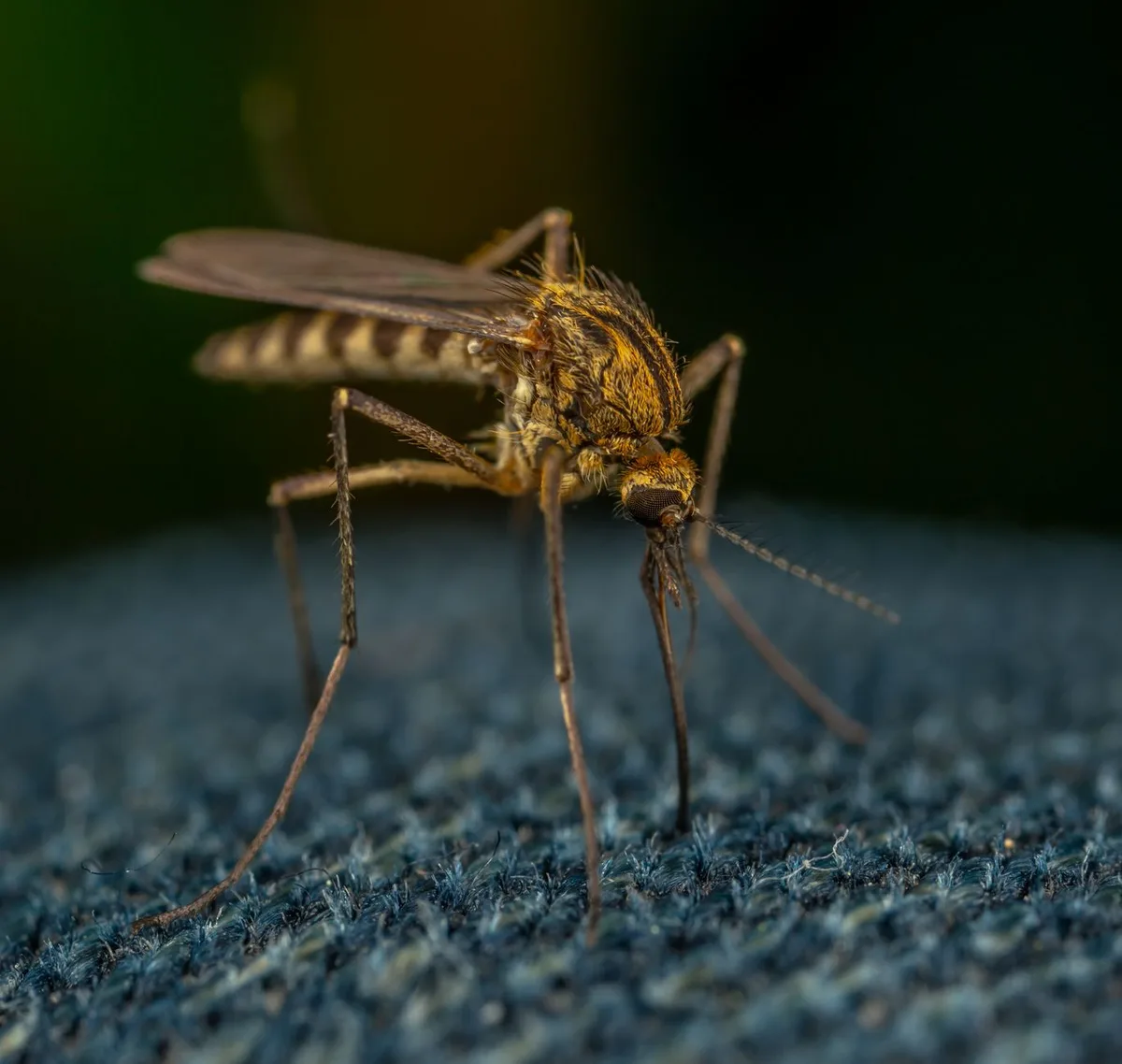
A mosquito pierces your skin with a needle-like proboscis. A black fly doesn’t. It uses scissor-like mandibles to cut a small flap in your skin, then laps up the blood that pools in the wound.
This slicing action triggers a much stronger immune response than a mosquito bite.
The fly’s saliva contains an anticoagulant that keeps blood flowing while it feeds. That substance is what causes the intense itching and swelling. You’re not reacting to the cut itself.
You’re reacting to the chemical cocktail the fly leaves behind.
CO₂, Heat, and Movement – How They Track You Down
Black flies detect carbon dioxide from your breath up to 100 feet away. Once they lock into the CO₂ plume, they use heat sensors to home in on exposed skin. Dark clothing makes you a bigger target because it retains more heat and creates a stronger silhouette against the sky.
Movement draws them in too. Swatting, walking, or running makes you more visible. The harder you move, the more they notice you.
The Audacity in Numbers – Why They Attack in Swarms
Black flies emerge from rivers and streams in synchronized hatches. Thousands of adults can emerge from a single stretch of water within days. When you walk into a hatch zone, you’re not dealing with a few curious flies.
You’re standing in the middle of a feeding frenzy.
A single river mile can produce millions of black flies in a season. If you’re the only warm-blooded creature within range, every female in that swarm locks onto you.
Black Flies vs. Mosquitoes: The Attack Profile Is Completely Different
Most people compare black flies to mosquitoes because both bite. But the attack profiles couldn’t be more different. Here’s a quick breakdown:
| Trait | Black Flies | Mosquitoes |
|---|---|---|
| Bite method | Slice and lap | Pierce and suck |
| Active time | Daylight only | Dawn, dusk, and night |
| Swarm behavior | Group attacks | Solo feeders |
| Breeding habitat | Fast-moving streams | Still or standing water |
| Bite sensation | Immediate sharp pain | Often delayed |
| Post-bite bleeding | Common | Rare |
Mosquitoes are sneaky. They land quietly, pierce your skin, and often fly off before you notice. Black flies announce themselves.
They land, slice, and you feel it right away. The wound keeps oozing because of the anticoagulant in their saliva.
This difference matters for treatment. A mosquito bite benefits from antihistamines right away. A black fly bite needs the anticoagulant reaction handled first, then the histamine response.
The Real Risk: When a Bite Stops Being Just Annoying
Most black fly bites are painful and itchy but harmless. Some people develop serious reactions that need medical attention. The risk depends on how many bites you get and how your immune system responds.
Simulium Toxicosis and Severe Allergic Reactions
Simulium toxicosis is a severe reaction to multiple black fly bites. Symptoms include fever, nausea, headache, and swollen lymph nodes. It happens when the cumulative dose of anticoagulant proteins overwhelms your immune system.
This is more common in people who aren’t from an area with heavy black fly populations.
If you develop fever or swollen glands after a black fly attack, stop treating at home and see a doctor. This isn’t normal itchiness. It’s a systemic reaction that needs professional care.
The Secondary Infection Trap (and How to Avoid It)
The bleeding that follows a black fly bite creates an open wound. Scratching introduces bacteria from your skin and from under your nails. That’s how a simple bite turns into cellulitis.
Clean black fly bites with soap and water. Apply an antibiotic ointment and cover them with a bandage if they’re still wet. Resist the urge to scratch.
If the area gets red, hot, or starts spreading, that’s a sign of infection.
What Actually Works to Stop Them
Standard mosquito repellents don’t always cut it against black flies. Here’s what research and field experience show actually works.

Repellent That Works (It’s Not What You Think)
DEET works on black flies, but you need higher concentrations than for mosquitoes. A 30 percent DEET formula will get you through a few hours. The better option is Picaridin at 20 percent concentration.
Aggregate reviews and EPA testing show Picaridin lasts longer against black flies than DEET at the same percentage.
Oil of Lemon Eucalyptus (OLE) is another effective option that won’t damage synthetic fabrics. Just know that OLE isn’t safe for children under three years old. Check the labels.
Apply repellent to all exposed skin. Don’t miss the back of your neck, around your ears, and your ankles. Black flies target these spots because they’re warm and less protected by clothing.
Clothing as Armor – Why Fabric Choice Matters
Black flies can’t bite through dense fabric. Loose cotton or linen shirts are no match for their mouthparts. They’ll cut right through and reach your skin.
You need tightly woven fabrics with a dense thread count.
Light colors matter more for black flies than for mosquitoes. Dark clothing retains more heat, making you stand out. White, tan, and light grey don’t attract heat the same way.
Pair light colors with a broad-brimmed hat and a lightweight windbreaker, and you’ve built a fortress they can’t penetrate.
Permethrin-treated clothing adds another layer. You can buy pretreated gear or spray your own. Permethrin kills black flies on contact.
Just never apply it to your skin. It’s for fabric only.
Timing and Location as Defense Tools
Black flies are diurnal. They feed during daylight and rest at night. But they’re not equally aggressive all day.
Peak feeding occurs in the morning and late afternoon. Midday, especially in direct sunlight, sees fewer bites.
Wind is your best friend. Black flies are weak flyers. Sustained wind above five miles per hour knocks them down significantly.
At eight miles per hour, most species can’t fly at all.
Plan outdoor work for midday and check the wind forecast. If the air is moving at a steady clip, you’ll get a break from the swarms.
After the Bite: Treatment That Matches the Wound Type
Black fly bites need a two-stage treatment approach. The first stage handles the anticoagulant reaction. The second stage handles the histamine response.
Anticoagulant Itch vs. Histamine Itch – Different Remedies
The anticoagulant in black fly saliva causes the wound to keep weeping. This is the immediate itch you feel. Cold compresses and over-the-counter hydrocortisone cream help dry it out and calm the reaction.
Once the bite stops bleeding, the histamine response kicks in. This is the delayed, puffy, warm itch that peaks 24 to 48 hours after the bite. That’s when antihistamines like diphenhydramine (Benadryl) or loratadine (Claritin) actually help.
Do not apply heat to a black fly bite. Heat activates the anticoagulant and makes the bleeding worse. Ice only until the wound stops oozing.
Common Mistakes Most People Make with Black Flies
The biggest mistake is treating black fly bites like mosquito bites. They’re different wound types that need different care. Using antihistamine cream on a bleeding black fly bite won’t stop the itch because the anticoagulant is still active.
Relying on citronella candles or ultrasonic devices is another wasted effort. These have no measurable effect on black flies.
Scratching the bite open is the most dangerous mistake. The wound is already compromised. Scratching introduces bacteria from your skin and nails, turning an annoying bite into an infected lesion.
Walking faster or running to escape a swarm backfires. Movement attracts them. You’re better off finding shelter, stepping into wind, or deploying a head net.
Where and When the Season Hits Hardest
Black flies thrive in areas with fast-moving streams and rivers. The larvae develop in clean, oxygenated water with a strong current. That means northern regions with spring snowmelt and heavy runoff are prime territory.
The most intense black fly regions in North America include:
- Northern New England (Maine, New Hampshire, Vermont)
- Upper Midwest (Minnesota, Wisconsin, Michigan)
- Canada (Ontario, Quebec, British Columbia, Yukon)
- Alaska (interior and southcentral regions)
The season starts when water temperatures hit 50 degrees F. That happens in late April or early May in the southern part of their range and stretches into June farther north. The aggressive window lasts three to six weeks, depending on rainfall and temperature.
Black Fly Specs: Flight Range, Breeding Temperature, and Swarm Windows
Here’s a quick reference of measurable data on black fly behavior:
- Flight range: 5 to 10 miles from breeding site
- Breeding water temperature: 50 to 70 degrees F
- Peak emergence: 2 to 3 weeks after water hits 50 degrees
- Active hours: Dawn to dusk
- Wind threshold: 5 to 8 mph (flight stops at 8 mph)
- Bite reaction peak: 24 to 48 hours after bite
- Permethrin treatment durability: 6 washes or 6 weeks UV exposure
Fast Facts: Quick Reference on Behavior, Bite, and Protection
- Only females bite. Males eat nectar.
- They slice, not pierce. The wound bleeds.
- The anticoagulant in saliva causes the itch.
- Peak aggression lasts 3 to 6 weeks per location.
- Picaridin 20% beats DEET for black flies.
- Light clothing deflects heat and reduces attraction.
- Wind above 8 mph stops them cold.
- Cold compresses work. Heat makes the bite worse.
- Infected bites need antibiotics, not more antihistamine.
When to Call It a Bite Emergency
Most black fly bites are manageable at home. But some situations need a doctor.
- Fever above 101 degrees F after a swarm attack
- Swollen lymph nodes near the bite area
- Difficulty breathing or swelling of the lips, tongue, or throat
- Skin infection that spreads beyond the bite site
- Bites on a young child that look infected
If you’re hiking or camping in a remote area, bring antihistamines, hydrocortisone, and antibiotic ointment with you. A first aid kit for black fly country is different from a standard outdoor kit.
Frequently Asked Questions
Are black flies more aggressive than mosquitoes?
Yes, in the sense that they attack in groups rather than alone. A swarm of black flies causes more bites in a shorter time than mosquitoes. Mosquitoes are persistent but usually visit one at a time.
Why do black fly bites keep bleeding?
Black fly saliva contains an anticoagulant that prevents blood from clotting while they feed. This keeps the wound open and oozing even after the fly leaves. Ice and pressure help stop it.
Can black flies bite through clothing?
Yes, if the fabric is loosely woven. They can cut through standard cotton and linen shirts. Tightly woven synthetic fabrics and treated gear block their mouthparts.
What kills black flies instantly?
Permethrin on clothing kills them on contact. Picaridin repellent on skin deters them but doesn’t kill them. No aerosol spray kills them in mid-flight reliably.
Do black flies carry diseases?
In North America, black flies do not transmit diseases to humans. In parts of Africa and Central America, certain species carry river blindness. In the US and Canada, the risk is bite reaction, not disease.
What scent repels black flies?
Black flies are repelled by the scent compounds in DEET, Picaridin, and Oil of Lemon Eucalyptus. The CDC and EPA have confirmed these as effective active ingredients. Natural oils like citronella, lavender, and tea tree are not reliably effective against black flies.
I’ll pick up exactly after the end of “What Actually Works to Stop Them” and not repeat anything.
After the Bite: Treatment That Matches the Wound Type
Black fly bites need two-stage treatment. The first stage handles the anticoagulant left in the wound. The second handles the histamine response.
Anticoagulant Itch vs. Histamine Itch – Different Remedies
The anticoagulant in black fly saliva keeps the wound bleeding. That’s the immediate, sharp itch you feel. Cold compresses and over-the-counter hydrocortisone cream help dry it out and calm the reaction.
Do not apply heat. Heat activates the anticoagulant and makes the bleeding worse.
Once the bite stops oozing, the histamine response kicks in. This is the puffy, warm itch that peaks 24 to 48 hours later. That’s when antihistamines like diphenhydramine (Benadryl) or loratadine (Claritin) actually help.
If you apply antihistamine cream while the wound is still bleeding, you’re treating the wrong problem. The anticoagulant needs to be handled first. Ice only until the wound closes.
Common Mistakes Most People Make with Black Flies
The biggest mistake is treating black fly bites like mosquito bites. They’re different wound types that need different care. Using antihistamine cream on a bleeding black fly bite won’t stop the itch.
Relying on citronella candles or ultrasonic devices is another wasted effort. These have no measurable effect on black flies.
Scratching the bite open is the most dangerous mistake. The wound is already compromised. Scratching introduces bacteria from your skin and nails, turning an annoying bite into an infected lesion.
Walking faster or running to escape a swarm backfires. Movement attracts them. You’re better off finding shelter, stepping into wind, or deploying a head net.
Another common error: wearing dark clothing. Black flies target dark silhouettes against the sky. Light colors reduce your heat signature and make you harder to spot.
Where and When the Season Hits Hardest
Black flies thrive in areas with fast-moving streams and rivers. The larvae develop in clean, oxygenated water with a strong current. Northern regions with spring snowmelt are prime territory.
The most intense black fly regions in North America include:
- Northern New England (Maine, New Hampshire, Vermont)
- Upper Midwest (Minnesota, Wisconsin, Michigan)
- Canada (Ontario, Quebec, British Columbia, Yukon)
- Alaska (interior and southcentral areas)
The season starts when water temperatures hit 50 degrees F. That happens in late April or early May in the southern part of their range. It stretches into June farther north.
The aggressive window lasts three to six weeks, depending on rainfall and temperature.
If you’re planning a camping trip, check local stream temperatures. A warm spring pushes the hatch earlier. A cold spring delays it.
Black Fly Specs: Flight Range, Breeding Temperature, and Swarm Windows
Here’s a quick reference of measurable data on black fly behavior:
| Spec | Value |
|---|---|
| Flight range from breeding site | 5 to 10 miles |
| Breeding water temperature | 50 to 70°F |
| Peak emergence after water hits 50°F | 2 to 3 weeks |
| Active hours | Dawn to dusk |
| Wind threshold for flight | 5 to 8 mph (stops at 8 mph) |
| Bite reaction peak | 24 to 48 hours after bite |
| Permethrin treatment durability | 6 washes or 6 weeks UV exposure |
These numbers come from research published by the Journal of Medical Entomology and extension entomology programs at Cornell University and the University of Minnesota.
A single river mile can produce millions of black flies in one season. If you’re standing in a hatch zone during peak emergence, you’re dealing with numbers you can’t fight with repellent alone.
Fast Facts: Quick Reference on Behavior, Bite, and Protection
- Only females bite. Males eat nectar.
- They slice, not pierce. The wound bleeds.
- The anticoagulant in saliva causes the itch, not the cut.
- Peak aggression lasts 3 to 6 weeks per location.
- Picaridin 20% beats DEET for black flies in field tests.
- Light clothing deflects heat and reduces attraction.
- Wind above 8 mph stops them cold.
- Cold compresses work. Heat makes the bite worse.
- Infected bites need antibiotics, not more antihistamine.
- Permethrin-treated clothing kills them on contact.
These facts are drawn from EPA-registered repellent data and CDC guidelines on biting arthropod management. Keep them in mind before your next outdoor trip into black fly territory.
When to Call It a Bite Emergency
Most black fly bites are manageable at home. But some situations need a doctor.
Fever above 101 degrees F after a swarm attack is a red flag. Swollen lymph nodes near the bite area also warrant medical attention. Difficulty breathing or swelling of the lips, tongue, or throat means an allergic reaction is underway.
That’s an emergency room visit.
Skin infection that spreads beyond the bite site needs antibiotics. If redness expands or the area feels hot, don’t wait. Bites on a young child that look infected should be checked quickly.
If you’re hiking or camping in remote black fly country, pack antihistamines, hydrocortisone, and antibiotic ointment. A first aid kit for the northern woods is different from a standard outdoor kit.
Frequently Asked Questions
Are black flies more aggressive than mosquitoes?
Yes, in the sense that they attack in groups rather than alone. A swarm causes more bites in a shorter time. Mosquitoes are persistent but usually arrive one at a time.
Why do black fly bites keep bleeding?
Their saliva contains an anticoagulant that prevents clotting while they feed. This keeps the wound open and oozing even after the fly leaves. Ice and pressure help stop it.
Can black flies bite through clothing?
Yes, if the fabric is loosely woven. They cut through standard cotton and linen shirts. Tightly woven synthetics and Permethrin-treated gear block their mouthparts effectively.
What kills black flies instantly?
Permethrin on clothing kills them on contact. Picaridin repellent on skin deters them but doesn’t kill. No aerosol spray reliably kills them in mid-flight.
Do black flies carry diseases?
In North America, they do not transmit diseases to humans. In parts of Africa and Central America, certain species carry river blindness. In the US and Canada, the risk is bite reaction, not disease.
What scent repels black flies?
DEET, Picaridin, and Oil of Lemon Eucalyptus are effective. The CDC and EPA have confirmed these active ingredients. Natural oils like citronella and lavender are not reliably effective against black flies.