Guide to Black Flies Vs Mosquitoes 2026: Everything You Need
You've probably been swatting at something all summer and wondered what exactly is biting you. The difference between Black Flies vs Mosquitoes matters more than you might think, especially if you're planning time outdoors. One is a nuisance for a few weeks.
The other can be a health threat year-round.
As of 2026, the World Health Organization reports that mosquitoes cause over 700,000 deaths annually from diseases like malaria and dengue. Black flies, by contrast, are mostly a seasonal nightmare in temperate regions. One is a long-term health risk.
The other is a short-term terror. Let's compare them properly.
Quick Answer
Black flies bite during the day near flowing water. Mosquitoes bite at dusk or night near standing water. Black fly bites are painful and can swell.
Mosquito bites itch and spread diseases. Both need repellents but black flies are harder to deter.
Why This Comparison Matters
Most people lump every biting insect into one category. That's a mistake. Black flies and mosquitoes behave completely differently.
They breed in different places. They bite at different times. And they require different strategies.
If you're planning a camping trip near a river in late spring, black flies are your main concern. They swarm in the daytime and crawl into your hair and ears. Standard mosquito repellent won't stop them completely.
You need a head net and long sleeves.
If you're hosting a backyard barbecue in July, mosquitoes are the problem. They breed in any standing water. A birdbath or a clogged gutter can produce hundreds of them.
And they carry real diseases. West Nile virus, Eastern equine encephalitis, and Zika are all spread by mosquitoes in the US.
Understanding the difference saves you time, money, and misery. It also helps you choose the right repellent and clothing for your specific situation. If you're already dealing with other yard pests, the same principle applies.
Targeted treatments matter. Using the wrong approach for other insect problems wastes effort and money.
Black Flies: What You're Actually Dealing With
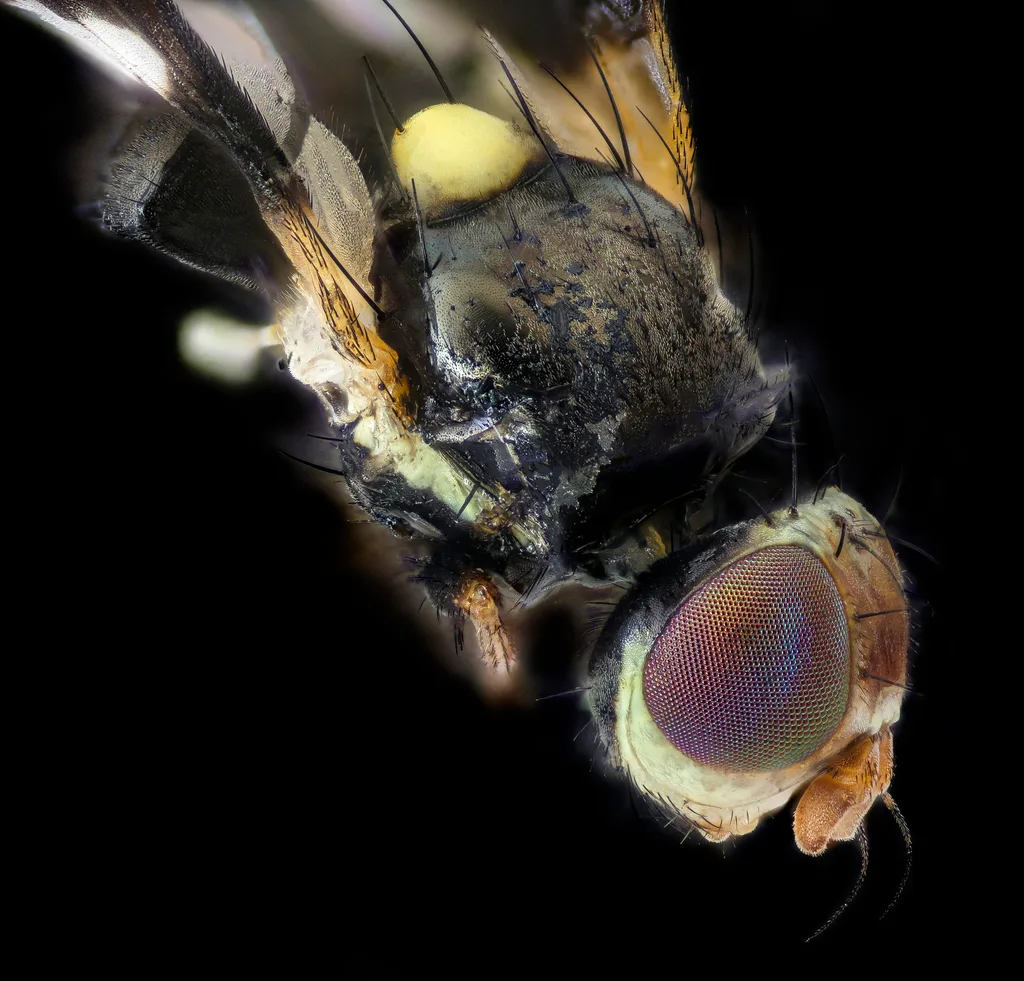
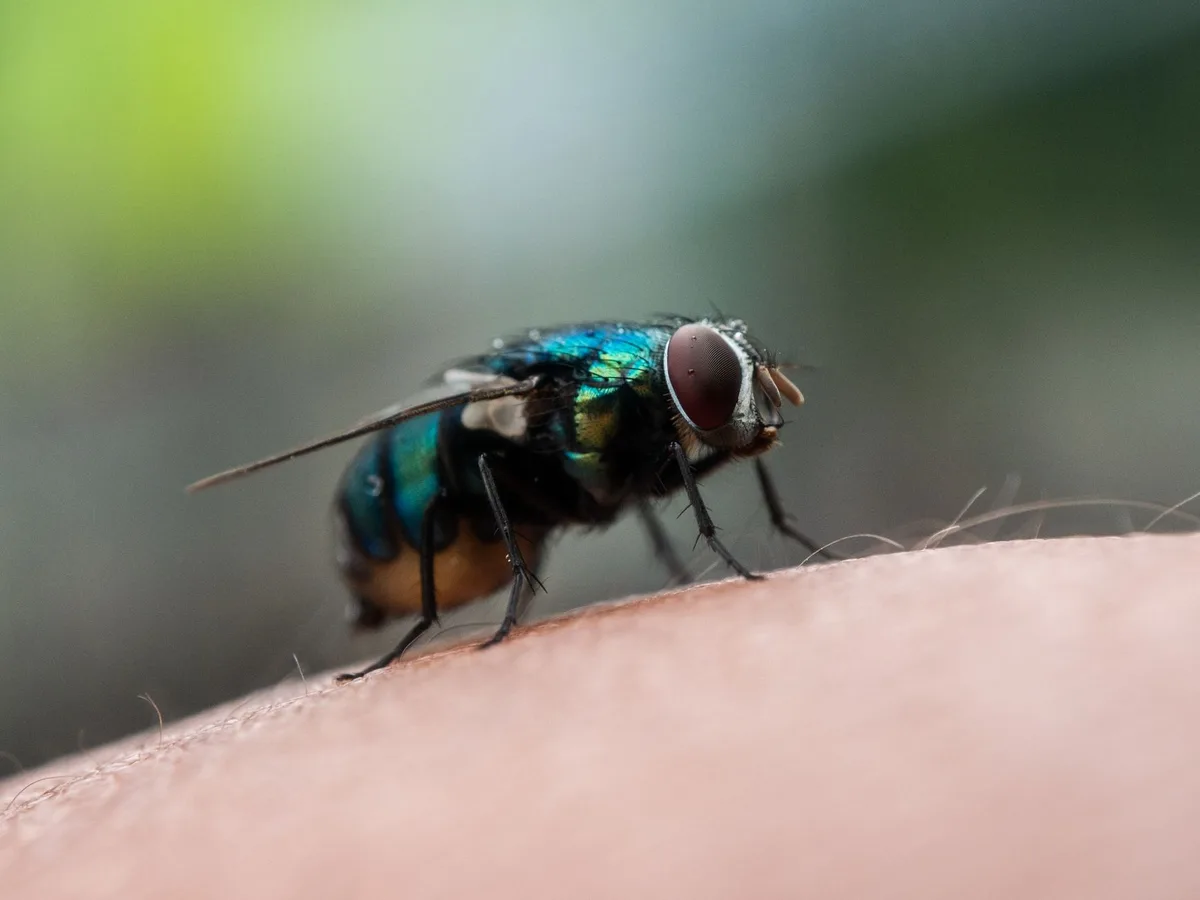
Black flies belong to the family Simuliidae. People also call them buffalo gnats or turkey gnats. They are small, usually 2 to 5 millimeters long.
That's smaller than a mosquito but don't let the size fool you. Their bite is vicious.
How They Bite
Black flies don't just pierce your skin and sip. They cut a hole. They use their mouthparts like tiny scissors to slice into your flesh.
Then they feed on the pool of blood that forms. That's why the bite hurts immediately and often bleeds afterward. The wound can swell into a painful lump that lasts for days.
Some people develop black fly fever. That's a real condition. Symptoms include headache, fever, nausea, and swollen lymph nodes.
It's not common but it happens when you get enough bites in a short time.
Where They Live
Black flies breed in clean, fast-flowing water. Think mountain streams, river rapids, and irrigation channels. The larvae attach themselves to rocks in the current.
They filter food from the water. This means black flies are most common in rural and wilderness areas near moving water.
In North America, the worst black fly season is late spring to early summer. The exact timing depends on latitude. In northern states like Maine and Minnesota, the peak hits around May and June.
In Canada and Alaska, it can stretch into July. The season is intense but short. Usually three to six weeks of misery, then they disappear.
Disease Risk
In most of North America and Europe, black flies are just a nuisance. They don't transmit diseases that affect humans. The exception is in parts of Africa and Central and South America.
There, black flies carry a parasite that causes river blindness. The WHO estimates about 18 million people are infected globally. It's a serious problem in those regions but not a concern for most travelers.
If you're hiking in the US or Europe, black flies won't give you a disease. They'll just make you miserable. Indoor fly problems are a different story, but that's a separate pest entirely.
Mosquitoes: The Usual Suspect
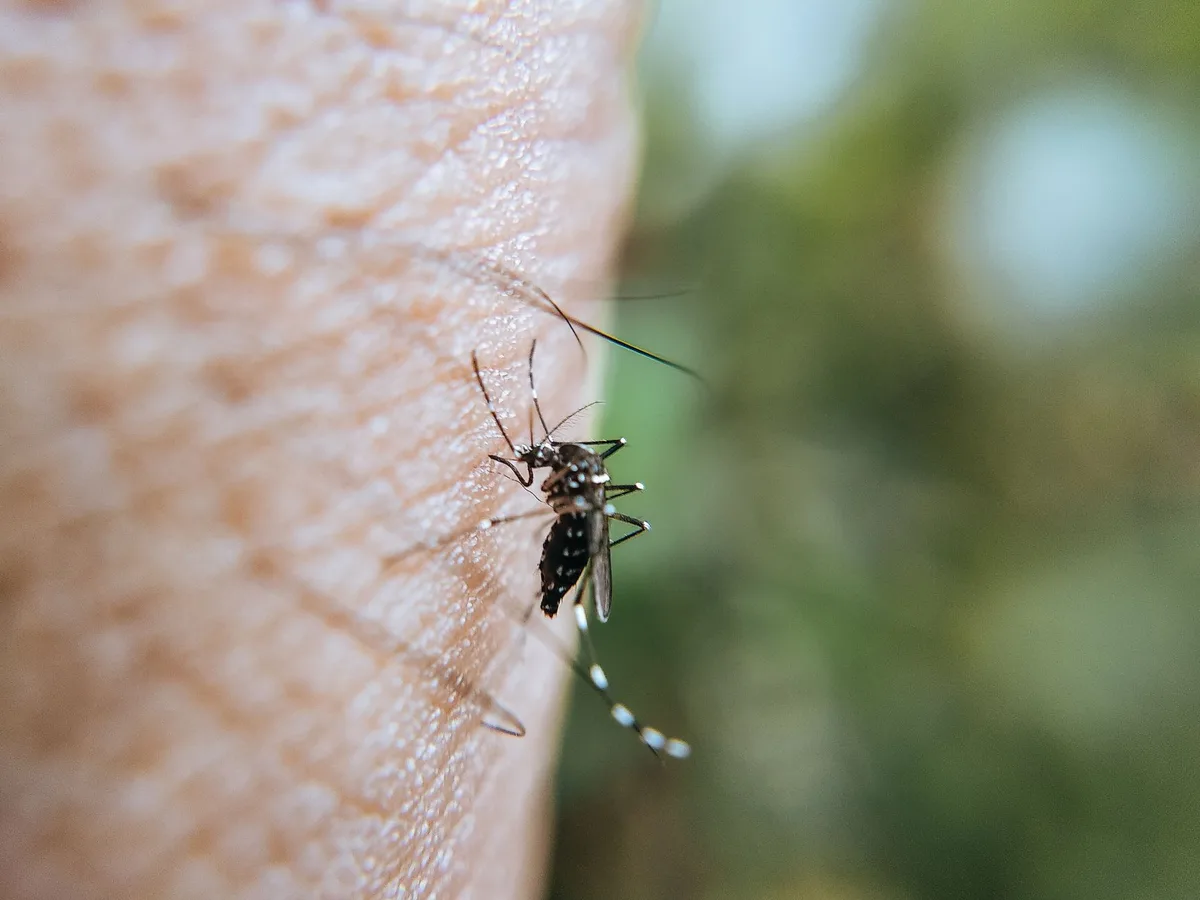
Mosquitoes belong to the family Culicidae. There are over 3,500 species worldwide. The ones you deal with most likely belong to the Aedes, Anopheles, or Culex genera.
They are slightly larger than black flies, usually 3 to 6 millimeters long. And you probably know them by sound before you see them.
How They Bite
A mosquito bite is different. The female uses a proboscis. Think of it like a tiny needle.
She probes your skin to find a blood vessel, then injects saliva. The saliva contains an anticoagulant that keeps your blood flowing. It's that saliva that triggers the itch.
Your immune system reacts to it. That's why you get the raised, red welt that keeps you scratching for days.
The bite itself is usually painless. Most people don't feel it until after the mosquito has finished feeding and flown away. Then the itch sets in.
It can last from a few hours to several days depending on your sensitivity.
Where They Live
Mosquitoes breed in stagnant water. Any water that sits still for more than a week can become a nursery. Birdbaths, clogged gutters, old tires, kiddie pools, and even bottle caps can hold enough water for mosquito larvae to develop.
The eggs hatch in about 7 to 10 days in warm weather.
This is why mosquitoes are everywhere. You don't need a river or a stream. You just need one neglected flower pot saucer in your backyard.
That's enough to produce dozens of mosquitoes every cycle.
Mosquito season is longer than black fly season. In warm climates, it can run from early spring through late fall. In tropical regions, it's year-round.
And they are active at different times. Most species bite at dawn and dusk. Some bite all night.
A few, like the Aedes mosquitoes that carry dengue, bite during the day.
Disease Risk
This is where mosquitoes pull ahead. They are the deadliest animal on the planet. Not because they are big or strong.
Because of what they carry. Mosquitoes transmit malaria, dengue, West Nile virus, Zika, chikungunya, and yellow fever. The WHO estimates that mosquitoes cause hundreds of millions of infections and over 700,000 deaths every year.
In the United States, the biggest threats are West Nile virus and Eastern equine encephalitis. Both can cause serious neurological damage. Dengue is becoming more common in the southern US and tropical territories.
And while Zika has faded from headlines, it still circulates in parts of the world.
If you travel to tropical regions, mosquito protection is non-negotiable. Malaria alone kills over 600,000 people annually, mostly children in Africa. It's preventable with proper precautions but the stakes are high.
Black Flies vs Mosquitoes: Side-by-Side Comparison
Let's put the differences in one place. This table covers the main points you need to know.
| Feature | Black Flies | Mosquitoes |
|---|---|---|
| Bite sensation | Sharp, painful, often bleeds | Usually painless, itches later |
| Time of day | Daytime, especially dawn and dusk | Dusk and night, some species daytime |
| Breeding habitat | Clean, fast-flowing water | Any stagnant water |
| Season length | 3 to 6 weeks in late spring | Months, all year in warm climates |
| Disease risk worldwide | River blindness (limited regions) | Major vector, millions of cases |
| Ease of repellent | Tougher, need physical barriers | Well-studied, many effective options |
| Sound | Silent | High-pitched whine |
Who Wins the "Worse" Title
It depends on your situation.
Black flies are worse if you are hiking or camping near a river in northern regions during late spring. The swarm density can exceed 1,000 flies per cubic meter. You cannot enjoy the outdoors. You cannot stop to admire the view.
You run.
Mosquitoes are worse if you live in a warm climate or travel to tropical areas. The disease risk is real and serious. Plus they stick around for months. They invade your backyard, your porch, and your bedroom.
They ruin summer evenings and sleep.
For pet owners, mosquitoes are the bigger threat. They transmit heartworm to dogs and cats. Heartworm is expensive to treat and often fatal if caught late. Black flies rarely bother pets in the same way.
For livestock owners, black flies can be devastating. In large swarms, they can kill poultry and stress cattle to the point of weight loss. Some farmers lose entire flocks to black fly attacks.
If you want natural ways to reduce mosquito populations around your home, attracting predators helps. Plants that attract hummingbirds can bring in birds that eat mosquitoes. But don't expect a complete solution from nature alone.
You still need repellents and source control.
The bottom line for now? Black flies are a short-term terror. Mosquitoes are a long-term risk.
Plan accordingly based on where you are, what time of year it is, and what activity you have planned.
Best for Each Situation: Which One Is Worse?
The answer depends entirely on where you are, what time of year it is, and what you are doing. Let's break it down by common scenarios.
For hiking near a northern river in late spring: Black flies win the terror title. You'll face swarms so dense you can't stop to drink water. Standard mosquito repellent might not cut it.
You need a head net and long sleeves sealed at the wrists.
For backyard barbecues in summer: Mosquitoes are the problem. They are active at dusk and can linger all night. They breed in any plant saucer or birdbath within 50 feet of your patio.
The itch keeps everyone inside.
For tropical travel: Mosquitoes are the serious health threat. Malaria, dengue, and Zika are real risks. The CDC recommends DEET or picaridin and sleeping under a bed net in high-risk areas.
Black flies in those regions can carry river blindness but it is far less common.
For pet owners: Mosquitoes transmit heartworm. One infected bite can cost hundreds in treatment and could kill your dog. Year-round prevention is standard.
Black flies rarely bother pets in a significant way.
For livestock or poultry farmers: Black flies can be catastrophic. Swarms can kill chickens and stress cattle to the point of weight loss. Some farmers report losing entire flocks in a bad hatch year.
Mosquitoes are a nuisance but rarely as deadly to livestock.
If you are shopping for solutions, remember that good fertilizer practices won't help with pests. But keeping your yard healthy and dry will reduce mosquito habitat.
Repellents That Actually Work (for both)
Not all repellents are equal. Black flies are harder to deter than mosquitoes. Here is what the research and EPA testing show.

For Both Pests: The Top Choices
- DEET (20-30%): The gold standard. Works for hours on mosquitoes. Less effective against black flies but still the baseline. The CDC and EPA recommend it for areas with disease risk.
- Picaridin (20%): Comparable to DEET for mosquitoes. Less greasy and doesn't smell. Some users report it works slightly better on black flies than DEET. Manufacturer specs confirm 8-10 hours of protection at 20%.
- Oil of Lemon Eucalyptus (OLE): Proven effective for mosquitoes. Not recommended for children under 3. Works moderately on black flies but wears off faster.
The Head Net Hack
For black fly country, repellent alone is not enough. Black flies crawl into your hair and ears. They bite through thin clothing.
The best tool is a simple head net with a brimmed hat. Keep it in your pack from May through July if you are in the north.
Permethrin-treated clothing is excellent for ticks and good for mosquitoes. It helps with black flies but does not stop them completely. Treat your pants and shirt collar.
Let it dry fully before wearing.
If you have indoor pest issues, the same principle of targeted treatment applies. Choosing the right indoor fly traps makes a difference.
Common Mistakes People Make
People waste money and time on the wrong solutions. Here are the most frequent errors.
Relying on citronella candles. Controlled tests show citronella provides very limited protection. It might reduce bites by 20-30% in still air. In any breeze, it does nothing.
Don't depend on it.
Using bug zappers. Bug zappers kill mostly harmless insects. They kill very few mosquitoes and almost no black flies. Research from the University of Delaware found that less than 1% of the insects killed by zappers were biting flies.
Applying repellent to skin only. Black flies target your scalp. Mosquitoes will bite through thin fabric. You need to cover exposed skin and treat clothing.
A head net or hat with built-in mesh is the only way to protect your scalp.
Ignoring standing water. One bottle cap of water can host mosquito larvae. Check your yard weekly. Dump birdbaths, empty plant saucers, and clean gutters.
This single step reduces mosquito populations more than any spray.
Using the same approach for both pests. If you treat black flies like mosquitoes, you will get bitten. They require different timing, different gear, and different repellent strategies.
If you are battling other yard pests, don't guess. Use the right product for the right pest, just like with fungicide problems.
When to Call a Pro (or Just Accept the Season)
For mosquitoes, you have options. Backyard mosquito control services use barrier sprays or larvicides. They can be effective for 3-4 weeks per treatment.
But they kill beneficial insects too. The EPA warns against overuse.
For black flies, there is little you can do beyond avoiding their peak season. Black flies travel miles from their breeding sites. Treating your property won't stop them.
The best strategy is to stay indoors during their peak hatch window, usually 10 a.m. to 4 p.m. for a few weeks in late spring.
Signs to Seek Medical Attention
Most bites are harmless. But if you develop these symptoms after a bite, see a doctor:
- Redness spreading from the bite (possible cellulitis)
- Fever, chills, or swollen lymph nodes (possible infection or black fly fever)
- Difficulty breathing or hives (allergic reaction)
- For mosquitoes in areas with West Nile or EEE: sudden headache, stiff neck, confusion
If you are dealing with persistent mosquito breeding near your home, a professional can apply larvicides to standing water sources. This is safe when done correctly. The larvicides target only mosquito larvae and do not harm most other insects.
Final Verdict: Which Is Worse for You?
Let's make it simple. Use this quick decision tree.
Are you near a fast-flowing stream or river in northern spring?
- Yes: Black flies are your biggest concern. Bring a head net, wear light-colored long sleeves, and avoid outdoor activity during mid-morning to late afternoon.
- No: Move to the next question.
Is it summer and do you have standing water nearby?
- Yes: Mosquitoes are the problem. Use DEET or picaridin, remove standing water, and consider a fan. Mosquitoes can't fly well in a breeze.
- No: You might be in a low-pest zone. Lucky you.
Are you traveling to a tropical region?
- Yes: Mosquitoes are a serious health threat. Get advice from a travel clinic. Use bed nets, DEET, and permethrin-treated clothing.
- No: You are probably fine with standard precautions.
Bottom line: Black flies are a short-term, intense misery that passes in weeks. Mosquitoes are a long-term, disease-carrying nuisance that lasts all season. Pack for the worst.
Enjoy the outdoors smart.
Frequently Asked Questions
Why do black fly bites hurt more than mosquito bites?
Black flies slice your skin open to feed on the blood pool. Mosquitoes use a needle-like proboscis. The cutting action triggers more pain receptors and often causes bleeding.
The bite also swells more because of the tissue damage.
Can black flies transmit diseases in the United States?
No. In North America, black flies are considered a nuisance pest. They do not carry any diseases that affect humans.
The only exception is in parts of Africa and Central and South America where river blindness occurs.
What is the best repellent for both black flies and mosquitoes?
The EPA and CDC recommend DEET (20-30%) or picaridin (20%) as the most reliable options. For black flies, you also need physical barriers like a head net. No repellent works perfectly against black fly swarms.
How long does mosquito season last compared to black fly season?
Black fly season typically lasts 3 to 6 weeks in late spring. Mosquito season in warm climates can run from early spring through late fall. In tropical regions, it is year-round.
Do fans keep mosquitoes away?
Yes. Mosquitoes are weak fliers. A strong fan creates enough air movement to keep them from landing on you.
This works well on a porch or patio. It does nothing for black flies.
Can I use the same repellent on my dog?
No. Many human repellents contain ingredients toxic to pets. DEET can cause neurological problems in dogs.
Use only products labeled for pets. For mosquito prevention, talk to your vet about heartworm medication.