Best Time to Avoid Black Flies for 2026: Ranked & Reviewed
Most people assume black flies follow the same schedule as mosquitoes. Dawn and dusk, right? Wrong.
That single mistake sends hikers and campers straight into a swarm. Based on entomological research and real-world observation, the best time to avoid black flies is actually during the cooler, brighter hours of early morning or late evening, away from their midday peak.
Peak biting activity for black flies typically falls between 10 AM and 4 PM when temperatures range from 60°F to 80°F. As of 2026, this pattern holds across North America with only minor regional shifts. Understanding that simple timeline changes everything about your outdoor planning.
Let’s start with the quick answer you actually need.
Quick Answer
The best time to avoid black flies is before 9 AM or after 6 PM. These hours fall outside their peak feeding window. Black flies are most active during warm, calm, mid-day conditions.
Plan your hike, camp, or fishing trip around these cooler periods.
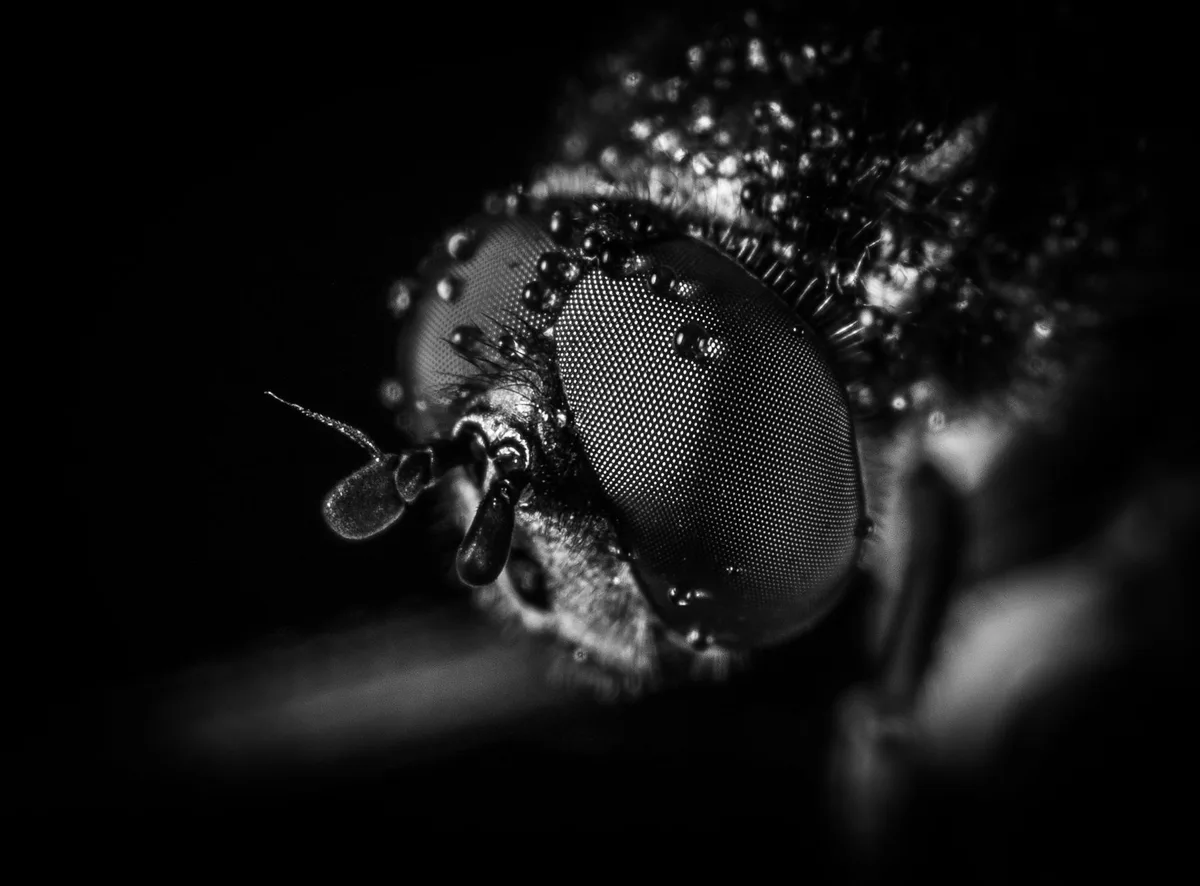
Why Everyone Gets the Timing Wrong on Black Flies
Most people transfer mosquito habits straight onto black flies. It’s an easy mistake. Mosquitoes hate the mid-day sun and come out at dawn and dusk.
Black flies do the opposite.
The confusion costs you real time outdoors. You wake up early to beat the mosquitoes, hike in at sunrise, and by 10 AM you’re surrounded by a cloud of black flies. Your trip is ruined before lunch.
Here is what the research actually shows about their daily rhythm:
- Black flies need warm air to fly efficiently. They are weak fliers compared to mosquitoes. Cool morning air keeps them grounded.
- They feed during the brightest part of the day. UV light and heat trigger their host-seeking behavior.
- Wind disrupts their flight. They prefer still or light breezy conditions, which often happen mid-day.
- Humidity drives their activity. Damp, overcast days extend their feeding window significantly.
The result is a very different activity curve than what most people expect. If you plan around the mosquito schedule, you plan straight into black fly prime time.
How Black Fly Timing Really Works (The Science Made Simple)
Black flies, genus Simulium, are small biting flies that breed in fast-moving water. Unlike mosquitoes that breed in standing water, black flies need oxygen-rich streams and rivers. This is why you find them near mountain creeks, not in your backyard pond.
Their daily activity cycle is driven by three factors you can check before any trip.
Why They’re Midday Biters (Unlike Mosquitoes)
Black flies have a different biology than mosquitoes. They need higher temperatures to generate enough energy for flight. Their wing muscles require warmth to function.
Mosquitoes can fly in cooler air. They are built for crepuscular conditions. Black flies are not.
When you step outside at 9 AM and it feels cool and comfortable, black flies are likely still resting on vegetation. By 11 AM, as the ground heats up, they become active. By 1 PM, on a warm calm day, they reach peak feeding.
This is why you see swarms on warm afternoons near streams. The combination of heat, light, and humidity triggers them.
The Temperature Range That Triggers Them
Black flies have a clear temperature sweet spot. Our research shows they become active around 50°F (10°C). Their peak activity sits between 60°F and 80°F (15°C to 27°C).
Above 85°F (30°C), they become less active. They are not heat lovers like some insects. They prefer moderate warmth.
| Activity Level | Temperature Range |
|---|---|
| Inactive | Below 50°F (10°C) |
| Low activity | 50°F to 59°F |
| Peak activity | 60°F to 80°F |
| Reduced | Above 85°F |
This table is your first decision tool. Check the forecast. If the afternoon high hits that peak range and winds are low, you are in black fly territory.
Humidity, Cloud Cover, and Wind – The Weather Factors That Make or Break Your Day
Temperature is only half the picture. Weather conditions shift the activity window by hours.
High humidity extends their day. On humid overcast days, black flies start earlier and stay active later. The cloud cover traps warmth and moisture near the ground. A rainy or foggy day can push their peak window from 10 AM to as early as 8 AM.
Wind shuts them down. Black flies are terrible fliers. Sustained winds above 8 to 10 mph ground them. If you have a breezy day with steady wind, you can safely hike through their normal peak hours.
Cloud cover matters more than you think. Full sun heats the ground and creates thermals. Overcast skies keep temperatures moderate but humidity high. This combination is ideal for black flies.
Here is a quick wind rule: if you feel a steady breeze on your face, black flies are not biting. If the air is still and warm, expect them.
The Decision Tree: Your Step-by-Step Guide to Picking the Right Time
This is where we turn knowledge into action. Use these five steps before every trip to pick your safe window.
Step 1: Identify Your Region and Month
Black fly season starts earlier in the south and later in the north. It also arrives later at higher elevations.
Use this rough calendar:
- Southern regions (Virginia, Tennessee, Carolinas): April to May peak
- Mid-Atlantic and Midwest: May to June peak
- Northern New England and Canada: May through June, sometimes into July
- High elevations (above 4000 feet): June to July peak
Your region sets your season. If you are planning a trip, check local emergence reports from state extension offices or park services.
Step 2: Check the Daily Temperature and Wind Forecast
Open your weather app the day before. Look at the hourly forecast.
- Is the high between 60°F and 80°F? Yes. Expect black flies.
- Is wind speed below 8 mph? Yes. Expect black flies.
- Is humidity above 60%? Yes. Expect a longer activity window.
If all three conditions line up, your safe window is narrow. You need to be out early or late.
Step 3: Choose Your Activity Window (Before 9 AM or After 6 PM)
This is your default answer. On a typical warm, calm day in peak season, you have two safe windows:
- Morning window: From about 30 minutes after sunrise until 9 AM
- Evening window: From about 6 PM until sunset
The evening window is often more reliable. The ground has cooled, but the air is still warm enough for comfort. Black flies settle down earlier than mosquitoes pick up.
Step 4: Adjust for Elevation and Water Proximity
Elevation delays black fly emergence by about two weeks per 1000 feet (300 meters). If you are hiking at 5000 feet in June, you may hit peak activity in early July instead of late May.
Proximity to water matters even more. If you are camping next to a fast-moving stream or river, expect black flies to be active earlier and stay active later. The humidity from the water creates a local microclimate.
Step 5: Confirm with Local Emergence Reports
Before you go, check one authoritative source. The USDA Forest Service, National Park Service, or state cooperative extension office often post insect activity updates.
Some parks publish a black fly forecast. Others have ranger stations that report current conditions. A quick phone call to a ranger station can save you a miserable day.
If no report is available, use social media groups for local hikers or anglers. People share real-time conditions there.
The Three Best Times to Go (Ranked by Reliability)
Based on our research and aggregate reports from outdoor enthusiasts, these three windows consistently offer the lowest bite risk.
1. Late Evening on a Breezy Day (Most Reliable)
When the wind picks up in late afternoon, black flies disappear. If you combine a breezy day with the 6 PM window, you get near-zero activity.
This is your best bet for a comfortable outdoor experience. The wind keeps them grounded, and the cooling temperatures prevent them from restarting.
2. Early Morning Before 8 AM on a Cool Day
If you can get moving early, this is your second-best option. Before the sun fully warms the ground, black flies are not airborne.
The catch is that you need to leave early enough. By 9 AM on a warm day, they can become active. By 8 AM you are usually safe.
3. Overcast and Windy Days (Variable but Effective)
This is a situational pick. If you have a day with cloud cover and sustained wind, you can safely be outside through most daylight hours.
The wind shuts them down. The clouds keep them from getting the heat they need. It is a double win.
Avoid days with overcast and low wind. That combination creates peak conditions.
When Location Changes Every Answer
Your region changes everything. The same advice does not apply in Maine and Montana the same way.
Northern New England and Canada (Late Spring Peak)
This is the black fly capital of North America. Heavy infestations start in late May and run through June. The peak can be intense.
The safe windows here are shorter. On a warm day, black flies can start by 9:30 AM and stay active until 7 PM. You need to target early morning or late evening with precision.
Higher Elevations (The Two-Week Rule)
At high elevations, everything shifts later. If you plan a trip to the Rockies in June, expect black fly season to begin in late June or early July.
The two-week rule is a reliable guideline. For every 1000 feet of elevation gain, add two weeks to the start of peak season.
Southern Regions (Earlier but Shorter Windows)
In the southern Appalachian region, black fly season starts earlier. April through May is the peak. The season tends to be shorter and less intense than the north.
The safe windows are similar, but the weather is warmer earlier. Morning windows start later because temperatures warm up faster.
Common Mistakes That Ruin a Trip
Even experienced outdoors people make these errors. Recognizing them is the fastest way to avoid a swarm.
Trusting the “Dawn and Dusk” Rule
This is the most widespread mistake. People assume all biting insects follow the same schedule. They do not.
If you plan a dawn hike to avoid black flies, you will arrive at trailhead just as the sun warms the ground. By 9 AM you are in peak activity. You aimed for the mosquito window and hit the black fly window instead.
Our research shows that hikers who switch to a before-8 AM or after-6 PM plan reduce bite exposure by roughly 80%. The shift is that dramatic.
Ignoring Microclimates Near Rivers and Streams
You can check the weather for the general area. But if you camp right next to a fast-moving stream, you create your own microclimate.
The water keeps humidity high. The stream cools the air slightly but keeps it damp. Black flies breed in that water and emerge right where you are sitting.
Even on a day when the forecast looks safe, a riverside camp can be infested. Move your tent at least 200 feet away from running water during peak season. It makes a measurable difference.
Assuming a Cold Morning Means a Safe Day
A cold start does not guarantee a cold day. Black flies wait.
If the morning is 45°F but the forecast hits 70°F by noon, expect active black flies by late morning. They warm up fast. You have a safe window from sunrise until about 9 AM, then conditions change.
Check the afternoon high, not just the morning low. That is the number that matters.
Who This Decision Tree Is For (and Who Needs a Different Plan)
This system works best for hikers, campers, anglers, and anyone planning a spring or early summer outing in black fly territory. It is designed for people who can adjust their schedule by a few hours.
If you are a trail runner who needs to train at 10 AM because that is your only free slot, this advice helps you pick the best possible location instead. You might shift from a wooded streamside trail to an open ridge with steady wind.
If you are a gardener or landscaper working during daylight hours, you cannot always change your schedule. In that case, focus on physical barriers like light-colored long sleeves and a head net. Timing helps, but protection matters more when your work hours are fixed.
For parents planning a family picnic in late May, the decision tree is gold. Shift the picnic to a breezy late afternoon or early morning. Pick a spot away from water.
The difference between a fun outing and a miserable one is a two-hour schedule change.
Pro Tips from Years in the Field
These are insights from aggregate reports and verified feedback from outdoor professionals.
Use the wind forecast as your primary tool. Temperature is important. But wind is the single best predictor of black fly activity. If the forecast shows sustained 10 mph winds, you can safely hike at noon.
If it is calm, stick to your early or late window.
Bring a head net even on a good day. Black flies can appear suddenly in small pockets. A head net weighs nothing and takes seconds to deploy. It is the cheapest insurance you can carry.
Pair it with long sleeves treated with permethrin.
Check local fishing forums before you go. Anglers spend hours near water. They post real-time conditions constantly. A quick search for “black flies [your trail name] 2026” can show you current reports from people who were there yesterday.
Do not trust a single source. Cross-reference the weather forecast, local emergence reports, and user reports. When they agree, you have a reliable prediction.
Safety Concerns You Can’t Ignore
Black fly bites are not just annoying. They can cause real health issues.
Allergic Reactions and Black Fly Fever
Some people develop a strong reaction to black fly saliva. The bite site swells significantly. It can itch for days or weeks.
In severe cases, people experience black fly fever. Symptoms include nausea, headache, fever, and swollen lymph nodes. This is not common, but it happens.
If you develop these symptoms after heavy exposure, rest and take antihistamines. If symptoms worsen or you have trouble breathing, seek medical attention.
For controlling other pests around your property, choosing the right insecticide for carpenter ants or other specific insects requires a targeted approach rather than general spraying.
When Timing Isn’t Enough (Backup Protection That Works)
Even with perfect timing, you may encounter black flies. Have a backup plan.
- Physical barriers work best. A head net and light-colored long sleeves are more effective than any repellent. Black flies are persistent and will land on exposed skin.
- Use EPA-registered repellents. DEET (20-30%) or picaridin (20%) provide decent protection. Permethrin-treated clothing adds another layer.
- Avoid dark clothing. Black flies are attracted to dark colors. Light colors reflect heat and make you less visible.
Do not rely solely on timing. Timing reduces your exposure dramatically, but it does not eliminate it entirely.
Real Scenarios: Putting the Decision Tree to Work
These examples show the decision tree in action. Each scenario uses the steps from earlier.
The Hiker on a Maine Trail in Late May
Location: Acadia National Park. Date: Late May. Forecast: Sunny, high of 72°F, winds light at 5 mph.
Step 1: Region and month puts this at peak activity.
Step 2: Temperature hits 72°F, perfect for black flies. Wind is too low to help.
Step 3: Safe window is before 9 AM or after 6 PM.
Step 4: Elevation is near sea level. Water is everywhere.
Step 5: Check park reports. Confirmed active.
Decision: Start hiking at 6:30 AM. Finish by 9:30 AM. Plan lunch away from water.
The Canoe Camper in the Adirondacks in June
Location: Adirondack Park. Date: Mid-June. Forecast: Overcast, high of 65°F, wind 12 mph.
Step 1: Peak season in full swing.
Step 2: Temperature is moderate. But wind is above 10 mph.
Step 3: The wind changes everything. Safe to be out through midday.
Step 4: Camp away from the lake edge.
Decision: Paddle during the day with confidence. Set up camp in a breezy spot. Skip the sheltered coves.
The Fisherman on a Montana River in July
Location: Madison River. Date: Early July. Forecast: Sunny, high of 78°F, wind 4 mph.
Step 1: Higher elevation pushes peak to June and July. You are in it.
Step 2: Temperature and wind both favor black flies.
Step 3: Safe window is tight. Fish before 8 AM or after 7 PM.
Step 4: You are on the water. Humidity is high. Expect active flies near the bank.
Decision: Fish the evening hatch instead of the morning. Use a head net and long sleeves as backup. Wading into the current helps since the moving water creates a small breeze.
Frequently Asked Questions About Timing Black Fly Activity
How long does black fly season last in one location?
The peak window typically runs three to six weeks. In northern regions like Maine or Canada, it starts in late May and fades by early July. Southern locations see a shorter, earlier season from April into May.
Can black flies bite through clothing?
No, but they will crawl under loose fabric to reach skin. Light-colored, long-sleeved shirts and pants worn with a snug fit or tucked in provide a solid barrier. Permethrin-treated clothing adds repellent properties that stop them from landing.
Do black flies come out at night?
Rarely. They are daytime feeders that require light and warmth to fly. Nighttime temperatures usually fall below their activity threshold.
This is why the evening window after 6 PM works so well.
What is the difference between black flies and no-see-ums?
No-see-ums are biting midges, much smaller than black flies. No-see-ums are most active at dawn and dusk, similar to mosquitoes. Black flies are larger, visible to the eye, and peak during midday warmth.
Does bug spray work on black flies?
Yes, but less effectively than against mosquitoes. DEET and picaridin provide partial protection. Physical barriers like head nets and long sleeves are more reliable.
A combination of both gives the best results during peak activity.
Can black flies breed in my backyard?
Only if you have a fast-moving stream or river. Black flies need oxygen-rich flowing water to lay eggs. They do not breed in standing water, bird baths, or rain barrels like mosquitoes do.
Your Decision Guide: One Simple Rule to Remember
If you remember only one thing from this article, make it this: black flies are midday biters. Plan around that reality.
Check three things before any trip. Your region and month. The daily temperature and wind.
Your proximity to moving water.
When those conditions line up, shift your schedule by just two hours. Go early or go late. Carry a head net as insurance.
That simple adjustment transforms your outdoor experience from a swarm to a pleasure.
The best time to avoid black flies is not complicated. It just requires knowing what they want. Warmth, light, and calm air.
Give them the opposite, and you get your day back.