How to Transition Between Grass Types 2026
You look at your lawn and it just doesn't work anymore. Maybe it turns brown every August no matter how much you water. Or it greens up beautifully in spring but looks patchy by July.
Learning how to transition between grass types is the first real step to fixing that.
Lawn grass falls into two biological categories: cool-season and warm-season. Most lawns in the US transition zone, roughly from central Texas up through Kentucky and Virginia, sit right on the boundary. As of 2026, more homeowners than ever are attempting a full conversion because a single species simply can't handle both blistering summers and freezing winters.
Let's walk through where to start.
Quick Answer
To transition between grass types, first choose a new species that fits your climate. Then pick a conversion method: overseeding into the existing lawn, partially killing the old turf, or fully removing it and starting fresh. Each method works for a different situation.
Get the timing right for your region and you'll see results in one or two growing seasons.
Why You Can't Just "Switch" Grass Types Overnight
Grass species compete with each other. You can't simply scatter new seed over an existing lawn and expect a clean swap. The old grass fights back.
If you're moving from a cool-season grass like tall fescue to a warm-season grass like Bermuda, you're dealing with opposite growth cycles. Cool-season grass grows actively in spring and fall. Warm-season grass hits its stride during summer heat.
The two don't share the calendar well.
If you try to overseed a warm-season grass into a cool-season lawn without killing the existing turf, the cool-season grass will shade out the young seedlings. You end up with a thin, patchy mess. That's why every successful transition starts with a clear plan.
First decision: Is your new grass the same type (cool or warm) as your old grass? If yes, you can overseed. If no, you need a kill step.
Your lawn equipment plays a role here too. A clean mower blade prevents disease spread during the transition, so don't skip regular filter maintenance before you start. And if you're working after winter, proper seasonal prep gets your mower running smoothly for the first cuts on new turf.
The First Decision: Cool-Season vs. Warm-Season
This is the fork in the road. You need to pick a grass species that thrives in your climate, or you'll be fighting nature every season.
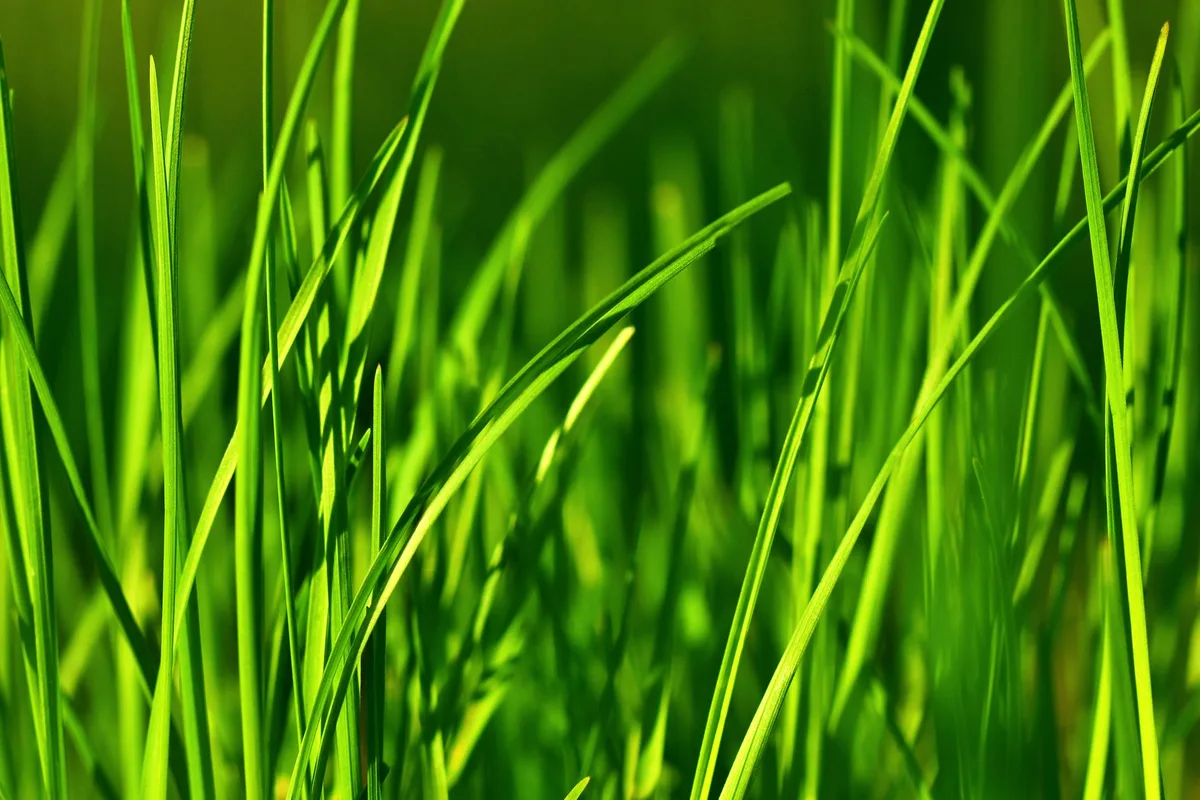
Cool-season grasses grow best when soil temperatures sit between 55°F and 65°F. That means spring and fall are their prime time. They stay green through mild winters but go dormant and brown during hot, dry summers.
Common options include tall fescue, Kentucky bluegrass, and perennial ryegrass.
Warm-season grasses need soil temperatures of 65°F to 70°F to germinate and grow. They love summer heat and handle drought better, but they turn tan and go dormant once frost hits. Options include Bermuda, zoysia, St.
Augustine, and centipede.
Here's the quick comparison:
| Factor | Cool-Season | Warm-Season |
|---|---|---|
| Active growth | Spring & fall | Summer |
| Dormancy | Summer heat | Winter cold |
| Best climates | Northern US, high elevations | Southern US, low deserts |
| Mowing height | 2–3 inches | 0.5–1.5 inches |
| Drought tolerance | Moderate | Good to excellent |
| Shade tolerance | Better (tall fescue) | Poor (Bermuda needs sun) |
If you live north of the transition zone, stick with cool-season. If you live south of it, go warm-season. If you live right in the middle, you have a harder choice. That's the transition zone trap we'll cover later.
Choosing a grass type that matches your region is like picking trees for hot dry climates, you need the right genetics for the local weather, or you'll pour time and water into a losing battle.
The Second Decision: How Much Existing Grass Are You Keeping?
Once you've picked your new grass type, the next question is about the old lawn. This decision determines your entire approach.
Option A: Keep all the old grass. This works if you're staying within the same category. For example, switching from tall fescue to Kentucky bluegrass. Both are cool-season, so you can overseed directly into the existing lawn.
The new seed blends in over time.
Option B: Keep some of the old grass. This works when the old lawn is thin or patchy. You kill off the weak areas and plant into the bare spots. It's a compromise between full renovation and simple overseeding.
Option C: Keep none of the old grass. This is required when you're switching from cool-season to warm-season or vice versa. The two types don't mix well long term. You need to remove the entire existing lawn and start from scratch.
A good rule of thumb: if your old grass covers more than 50% of the lawn and it's the opposite type, you're in Option C. If it's the same type and just tired, you're in Option A.
Removing old turf takes some elbow grease, but it's a straightforward DIY job if you have the right tools. Clearing debris with a good rake helps prepare the soil for the next step.
Method 1: Overseeding for a Gradual Conversion
Overseeding is the gentlest approach. You sow new seed into your existing lawn without killing anything. It works best when the new grass belongs to the same category as the old grass.
Best for: Swapping tall fescue for Kentucky bluegrass, or adding perennial ryegrass to a fescue lawn. Both are cool-season, so they grow together.
The process:
- Mow low. Cut the existing grass shorter than usual, around 1.5 to 2 inches. This lets light reach the new seed.
- Dethatch and aerate. Pull out dead debris and open the soil with a core aerator. Good seed-to-soil contact is everything.
- Apply seed. Use a broadcast spreader at the rate recommended on the bag. Don't overdo it, too much seed leads to competition and weak grass.
- Fertilize lightly. A starter fertilizer gives seedlings a boost. Applying a slow release fertilizer keeps nutrients steady without burning new roots.
- Water daily. Keep the top inch of soil moist for the first two to three weeks. After that, reduce to deeper, less frequent watering.
Pros: Low cost, less risk of erosion, keeps your lawn functional during the transition. Cons: Slower results, it can take two to three seasons to fully convert. The old grass still dominates at first.
Overseeding works well if you're patient. Just remember that disease can spread through crowded turf, so keep an eye out and treat with a targeted fungicide if needed.
Method 2: Partial Kill and Renovation
This method is for lawns that are thin, weedy, or mixed. You kill off the worst sections and reseed only those areas. It's a middle ground between overseeding and a full kill.
Best for: Lawns where the old grass covers about 30 to 50 percent of the area. If you have large bare patches or a weed problem, partial kill lets you clean up without starting over.
The process:
- Identify the problem areas. Mark the sections with thin grass or heavy weed pressure.
- Apply a non-selective herbicide. Use glyphosate or a similar product on only those sections. Follow the label's waiting period, typically three to seven days before you can seed.
- Remove the dead debris. Rake or mow low to clear the dead thatch. This prevents it from blocking new seedlings.
- Loosen the soil. Rake the bare spots to create a loose seedbed. Add a thin layer of compost if the soil is compacted.
- Seed and water. Same watering routine as overseeding, keep the surface moist until the new grass establishes.
Pros: Faster than overseeding because you remove competition. Less work than a full renovation. Cons: Can look patchy for a season while the new grass fills in. You also need to be careful with herbicide, spray only the areas you want to kill.
Partial kill is a smart choice when you don't want to tear out the entire lawn but need more than a simple overseed. It gives you control over where the new grass goes.
Method 3: Full Kill and Reseed or Sod
This is the nuclear option. You remove every blade of existing grass and start from bare soil. It's the only reliable way to switch between cool-season and warm-season grass types.
Best for: Going from fescue to Bermuda, or from Bermuda to tall fescue. Anytime the old and new grass belong to different biological categories, this is your method.
The process:
- Kill the existing lawn. Spray a non-selective herbicide like glyphosate over the entire area. Wait the full period listed on the label, usually 7 to 14 days. A second application may be needed for tough perennial grasses.
- Remove the dead material. Mow low and bag the clippings. Rake up any remaining thatch. A good rake for clearing debris saves you time here.
- Amend the soil. Run a soil test first. Add lime if the pH is below 6.0, or sulfur if it's above 7.0. Till in 1 to 2 inches of compost if the soil is compacted.
- Grade the surface. Fill low spots and smooth out the area. Good drainage matters more than most people realize.
- Seed or lay sod. If seeding, use a broadcast spreader at the recommended rate. If sodding, lay strips tightly together and stagger the seams.
- Water aggressively. Seed needs the top inch of soil kept moist for 3 to 4 weeks. Sod needs daily watering for the first 2 weeks, then gradually less.
Pros: Clean start, no competition, uniform results. Cons: Your lawn is out of commission for 4 to 8 weeks. You also risk erosion on sloped areas. Sod is faster but costs 5 to 10 times more than seed.
Timing Is Everything: When to Start Each Method
Get the calendar wrong and your new grass dies before it establishes. Timing depends on your grass type and your region.
For cool-season grass seed (tall fescue, Kentucky bluegrass, perennial ryegrass):
- Optimal window: Late summer to early fall, about 6 to 8 weeks before the first frost. For most of the northern US, that's mid-August through late September.
- Secondary window: Early spring, as soon as the soil reaches 55°F. Spring-seeded grass faces more weed pressure and summer heat stress, so fall is far better.
For warm-season grass seed (Bermuda, zoysia, centipede):
- Optimal window: Late spring to early summer, when soil temperatures hit 65°F to 70°F. That's typically May through June for most of the southern US.
- No secondary window: Warm-season grass planted too late in the season won't establish before winter dormancy. You only get one shot per year.
For sod: You have more flexibility, but avoid summer heat and winter cold. Spring and fall are safest. Sod can go down nearly year-round in mild climates as long as the ground isn't frozen.
Applying a slow release fertilizer at seeding time gives your new grass steady nutrition without burning tender roots. For cool-season grass, a 10-10-10 or 16-4-8 starter blend works well. For warm-season, look for a low-nitrogen formula to start.
The Transition Zone Trap: Why It's Harder in the Middle
The transition zone runs roughly from central Texas up through Oklahoma, Arkansas, Missouri, Kentucky, Tennessee, Virginia, and into southern parts of Pennsylvania and New Jersey. If you live here, you face the toughest decision.
The problem: Neither cool-season nor warm-season grass thrives year-round in this zone. Summers get hot enough to stress fescue and bluegrass. Winters get cold enough to send Bermuda and zoysia dormant for months.
You end up with brown grass either way.
Your options in the transition zone:
| Grass Type | Summer | Winter | Verdict |
|---|---|---|---|
| Tall fescue | Brown if dry, green with irrigation | Green | Most popular choice |
| Zoysia | Green | Tan dormant | Good if you can handle winter dormancy |
| Bermuda | Green | Tan dormant | Can be invasive, needs full sun |
| Kentucky bluegrass | Struggles in heat | Green | Not ideal for southern zone |
Tall fescue is the most common compromise in the transition zone as of 2026. It tolerates summer heat better than other cool-season grasses and stays green through mild winters. If you want a single grass that works year-round, tall fescue is usually the answer.
Some homeowners in the zone choose to overseed Bermuda with perennial ryegrass each fall for winter color. That's a seasonal transition rather than a permanent one, and it requires work twice a year.
Choosing the right grass for your climate is a lot like picking plants for your region. Species that match the local weather patterns save you water, time, and frustration.
Common Mistakes That Kill Your New Grass
Most transition failures come down to a handful of repeatable errors. Avoid these and your chances go way up.
Mistake 1: Seeding at the wrong time. Planting cool-season grass in May or June means it germinates just in time for summer heat. The seedlings cook. Stick to fall for cool-season and late spring for warm-season.
Mistake 2: Not killing the old grass completely. A single missed patch of Bermuda can spread back into a newly seeded fescue lawn within one season. If you're switching types, be ruthless with the herbicide.
Mistake 3: Using a pre-emergent herbicide after seeding. Pre-emergents prevent all seed from germinating, including your new grass. Wait until the new grass has been mowed at least three times before applying any weed preventer.
Mistake 4: Overwatering or underwatering. New grass seed needs consistent moisture. Too little and the seedlings dry out. Too much and you invite disease.
A light watering two to three times per day for the first three weeks is the sweet spot. If disease does appear, a targeted fungicide can save the lawn.
Mistake 5: Mowing too soon or too short. Wait until the new grass reaches about 3 inches before the first mow. Never cut more than one-third of the blade height at a time. Scalping young grass sets it back weeks.
Mistake 6: Skipping the soil test. Planting into soil with the wrong pH or nutrient balance is a waste of seed and money. A simple test costs $10 to $20 and tells you exactly what to add.
Tools, Costs, and Timeline at a Glance
Here's what you need and what you can expect to spend.
| Tool or Material | Estimated Cost | Use It For |
|---|---|---|
| Soil test kit | $10 – $20 | Testing pH and nutrients |
| Non-selective herbicide | $15 – $30 | Killing existing grass |
| Broadcast spreader | $30 – $80 | Applying seed and fertilizer |
| Core aerator | $50 – $100 (rental) | Opening soil for seed contact |
| Lawn rake | $20 – $40 | Clearing debris and thatch |
| Grass seed | $30 – $80 per 1,000 sq ft | New lawn establishment |
| Sod | $0.30 – $0.80 per sq ft | Instant lawn (faster but pricier) |
| Starter fertilizer | $15 – $30 | Feeding new seedlings |
| Garden hose and sprinkler | $20 – $50 | Daily watering for 3–4 weeks |
Timeline by method:
- Overseeding (same grass type): You'll see results in one season. Full conversion takes 2 to 3 seasons.
- Partial kill and renovation: Patchy for 6 to 8 weeks. Full coverage by the end of the first growing season.
- Full kill and reseed: Bare soil for 2 weeks during kill phase. Visible grass in 14 to 21 days after seeding. First mow at 4 to 5 weeks. Full coverage by 8 to 10 weeks.
- Full kill and sod: Instant lawn appearance after 2 to 3 weeks of careful watering. Can be used lightly within 4 weeks.
Total cost estimate for a 5,000 sq ft lawn:
| Method | Cost Range |
|---|---|
| Overseeding | $150 – $300 |
| Partial kill and renovate | $200 – $450 |
| Full kill and reseed | $300 – $600 |
| Full kill and sod | $1,500 – $4,000 |
Sod costs more upfront but gives you a usable lawn faster. Seed costs less but demands more patience and careful watering.
Your Decision Guide: Which Method Fits Your Lawn?
Here's the quick decision tree based on everything above.
Are you switching grass types entirely? (Cool-season to warm-season or vice versa)
- Yes → Full kill and reseed or sod. Overseeding won't work.
- No, sticking with the same type → Ask the next question.
Is your current lawn thin (less than 50% coverage) or full of weeds?
- Yes → Partial kill and renovation. Remove the weak areas first.
- No, it's thick and healthy → Overseeding. You can transition gradually over 2 to 3 seasons.
How fast do you need results?
- I need a usable lawn in 2 to 4 weeks → Sod (full kill first if switching types).
- I can wait 8 to 12 weeks → Seed. It's cheaper and offers more variety.
- I'm willing to wait 2 to 3 years → Overseeding. Low cost, low risk.
What's your budget per 1,000 sq ft?
- Under $50 → Overseeding or partial kill with seed.
- $50 to $100 → Full kill and reseed.
- Over $100 → Full kill and sod.
One final rule of thumb: If you're in the transition zone and can't decide between tall fescue and zoysia, go with tall fescue. It's more forgiving of poor timing and less likely to invade your flower beds. If you're south of the zone, Bermuda or zoysia will handle the heat with less water.
Frequently Asked Questions
How long does it take to transition from fescue to Bermuda?
Plan for one full growing season. You need to kill the fescue in late spring, wait for it to die, then seed Bermuda in early summer. You'll see full coverage by late summer or early fall.
Can I mix cool-season and warm-season grass in the same lawn?
You can, but it rarely looks good long term. The two types have different growth cycles and colors. One will always dominate and the other will look patchy.
Most experts recommend picking one type and sticking with it.
Do I need to remove old grass before overseeding?
Only if you're switching to a different grass type. If you're adding the same type of grass, you can overseed directly into the existing lawn after aerating and dethatching. The old grass provides shade and protection for new seedlings.
What happens if I seed at the wrong time?
Seeds germinate slowly or not at all. Cool-season seed planted in summer heat often dries out before it establishes. Warm-season seed planted in fall won't have enough time to grow before winter dormancy sets in.
You waste the seed and the effort.
Should I use a pre-emergent if I'm overseeding?
No. Pre-emergent herbicides prevent all seeds from germinating, including your new grass. Wait until the new grass has been mowed three to four times before applying any weed prevention products.
Summary of what was written:
- Batch 1: Introduction, Quick Answer, plus H2s 1 through 5 (Why You Can't Just Switch, First Decision, Second Decision, Method 1, Method 2)
- Batch 2: H2s 6 through 10 (Method 3, Timing, Transition Zone, Common Mistakes, Tools/Costs/Timeline)
- Batch 3: H2 11 (Your Decision Guide) plus Frequently Asked Questions
The article covers the full TOC with 11 H2 sections plus a closing FAQ. No further content is needed.