Guide to Which Grass Grows Fastest 2026: Everything You Need
You've got bare soil staring back at you, and you want it green fast. Maybe it's a new lawn, a patchy spot, or a slope that's washing away. The question which grass grows fastest feels urgent, but the answer isn't one single species.
Your yard's conditions make the call.
Perennial ryegrass can germinate in as little as 5 days under ideal conditions, making it the speed champion for cool-season lawns. But speed alone doesn't guarantee success. Let's walk through the variables so you pick the right grass for your specific situation.

Quick Answer
Perennial ryegrass germinates fastest among cool-season grasses, often in 5 to 14 days. For warm-season climates, bermudagrass established from sod or sprigs gives the quickest cover. Annual ryegrass is even faster from seed but dies after one season.
Your specific conditions determine which one wins for you.
Diagnose Your Yard First: Light, Climate, and Purpose
Before you pick a seed, you need to know three things about your yard. Sunlight, your climate zone, and what you want the grass to do.
Light. Most fast-growing grasses need full sun, meaning at least 6 hours of direct light daily. If you have shade under trees or along a north-facing wall, you can't plant the same grass. Fine fescues handle shade better, but they germinate slower.
Climate. The US splits into cool-season and warm-season zones roughly along a line from Virginia to Kansas. North of that line, plant cool-season grasses like ryegrass, fescue, and bluegrass. South of it, warm-season types like bermudagrass and zoysiagrass thrive.
If you're in the transition zone where temperatures swing both ways, you have more options but also more risks.
Purpose. Are you covering bare dirt fast to stop erosion? Annual ryegrass is the cheapest and fastest. Do you want a permanent lawn that stays green next year?
Perennial ryegrass or tall fescue work better. High traffic from kids or dogs? Bermudagrass recovers fastest once established.
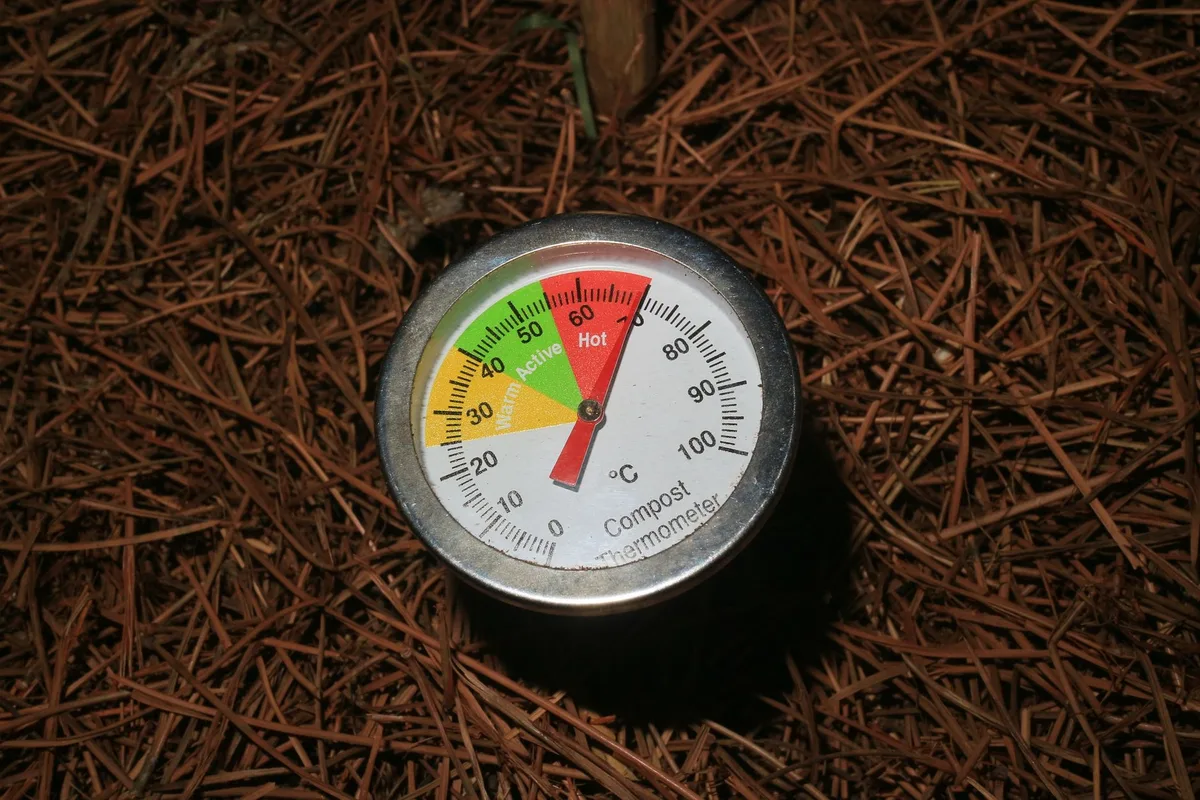
Soil temperature matters more than air temperature. Cool-season seeds germinate best when soil is between 50 and 65 degrees Fahrenheit. Warm-season seeds need soil at 65 to 75 degrees.
Grab a soil thermometer and check before you plant. Planting too early or too late wastes seed and time.
The Decision Tree: Match Your Situation to the Fastest Grass
You don't need to memorize every grass species. Just follow the branch that fits your yard.
Branch A – Full Sun, Cool Climate (North, Transition Zone)
Plant perennial ryegrass for the fastest germination. University trials consistently show it appears in 5 to 14 days. Seed at 5 to 10 pounds per 1,000 square feet.
Mix it with Kentucky bluegrass if you want a thicker lawn that spreads, but bluegrass alone takes 14 to 30 days.
If you need something more drought-tolerant, choose tall fescue. It germinates in 7 to 14 days and roots deeper. It's slower than ryegrass but survives dry spells better.
Branch B – Full Sun, Warm Climate (South, Gulf)
From seed, bermudagrass germinates in 10 to 30 days, which is slow compared to ryegrass. But if you use sod or sprigs, you get instant green. For the fastest seed option, choose hulled bermudagrass seed.
It absorbs water quicker than unhulled.
Centipedegrass is slower, taking 14 to 21 days, and is better for low-maintenance areas. Don't plant it if you want fast results.
Branch C – Shade or Partial Shade
No fast-growing grass loves deep shade. Your best bet is fine fescue (creeping red, chewings, or hard fescue). It germinates in 7 to 14 days but grows more slowly in shade than ryegrass does in sun.
For heavy shade, consider alternatives like ground cover or mulch. Grass needs some light to grow, no matter how fast the variety.
Branch D – Temporary Cover or Erosion Control
Annual ryegrass is the king of speed here. It germinates in 5 to 10 days and covers bare soil fast. It costs less than perennial types.
The downside is it dies after one growing season. It works great as a nurse crop for slower permanent grasses or as quick cover on construction sites.
Oats and wheat germinate even faster, but they aren't lawn grasses. Use them only for erosion control or food plots.

Grass Species at a Glance: Germination & Establishment by the Numbers
Here is the data from manufacturers and university turf programs. Use this table to compare at a glance.
| Species | Germination (days) | Full Establishment (weeks) | Best For |
|---|---|---|---|
| Annual ryegrass | 5–10 | 2–3 | Temporary cover, erosion control |
| Perennial ryegrass | 5–14 | 3–4 | Permanent cool-season lawns, overseeding |
| Tall fescue | 7–14 | 4–5 | Drought-prone lawns, transition zone |
| Fine fescue | 7–14 | 3–5 | Shaded areas, low fertility soil |
| Kentucky bluegrass | 14–30 | 4–6 | High-quality lawns, Northern regions |
| Bermudagrass (seed) | 10–30 | 4–8 | Warm-season lawns, high traffic |
| Bermudagrass (sod) | Instant | Instant | Quickest warm-season option |
| Zoysiagrass (seed) | 14–30 | 6–10 | Dense lawns, slow establishment |
Notice the gap between germination and establishment. Germination is when you see the first green shoots. Establishment is when the lawn is thick enough to walk on and mow.
Perennial ryegrass might pop up in a week, but you shouldn't walk on it for three to four more weeks.
How to Plant for Maximum Speed: A Step-by-Step Workflow
Speed doesn't start with the seed. It starts with preparation. Follow these steps to shave days off your timeline.
1. Test and prep the soil. Remove rocks, sticks, and old vegetation. If you have a thick layer of pine needles or leaves, rake them out.
Good soil-to-seed contact is essential. Use a rake to loosen the top quarter-inch of soil.
2. Level and smooth. Fill low spots and break up clods. The smoother the surface, the more consistent the seedling growth.
3. Apply starter fertilizer. Phosphorus helps root development. Use a starter fertilizer with a higher middle number, like 10-20-10.
Apply according to the bag rate for new lawns.
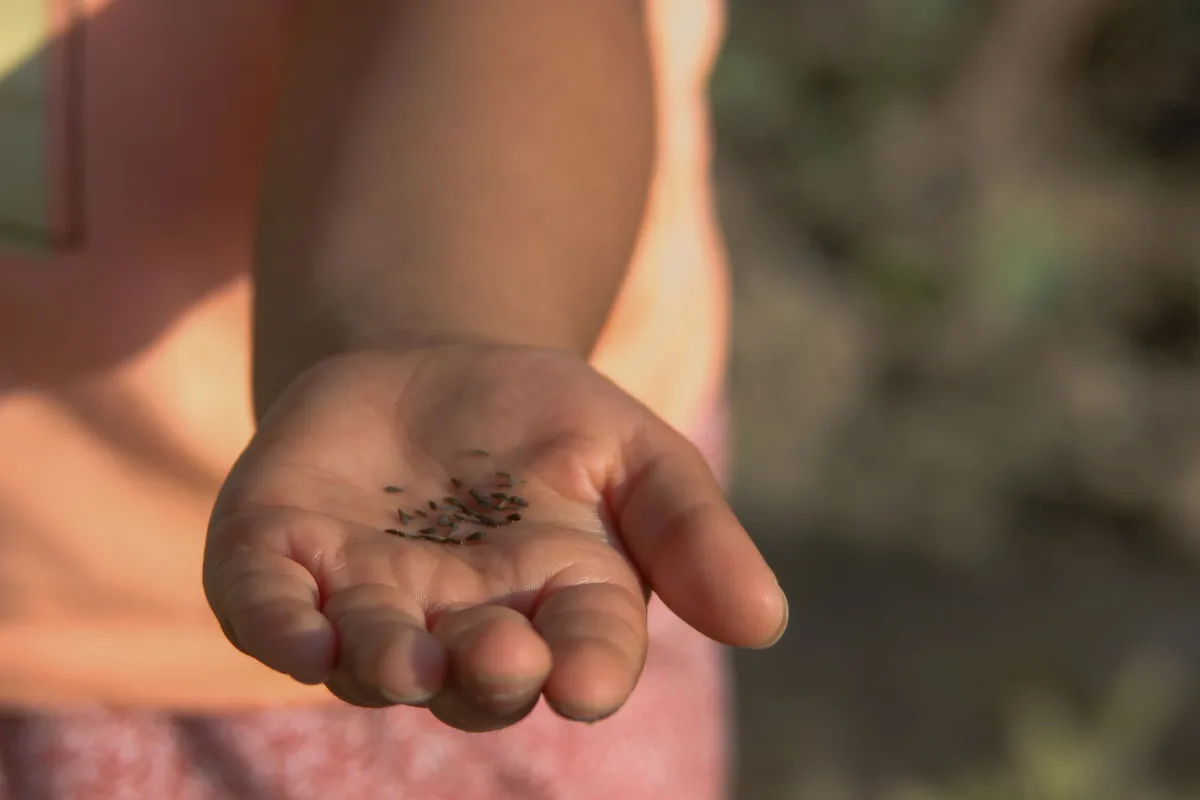
4. Seed at the correct rate. Too much seed causes competition and weak growth. Too little leaves bare spots.
Use a spreader calibrated for the seed type. Broadcast half the seed in one direction, then the other half perpendicular.
5. Rake lightly to cover. Seeds need soil contact but not deep burial. Rake them in so they're about an eighth to a quarter inch deep.
A light rolling afterward presses them into the soil.
6. Water frequently. This is the most critical step. For the first two to three weeks, water lightly two to three times per day.
Keep the top inch of soil consistently moist. Letting it dry out for even half a day can kill germinating seeds.
7. First mow. When the grass reaches about three and a half inches tall, mow it to three inches. Never cut more than one-third of the blade length at once.
A common shortcut people take is skipping the starter fertilizer. Don't do that. Established lawns have different nutrient needs than seedlings.
A slow release fertilizer is designed for maintenance, not establishment. You want nutrients available right away.
If you're dealing with bare dirt on a slope, use a mulch blanket or tackifier to hold seed in place. Hydroseeding is another option. It sprays a slurry of seed, mulch, and fertilizer in one pass.
It speeds up the process on large areas or slopes.
Who Needs Fast Grass? Best Use Cases for Each Species
A fast-germinating grass is great, but it only helps if it matches your real need. Here is how the options line up with common situations.
New Lawn from Scratch
Start with a clean slate. You have bare dirt and you want a full lawn by next month.
For cool-season climates, plant perennial ryegrass. It germinates in one to two weeks and fills in within a month. Blend it with 15 to 20 percent Kentucky bluegrass if you want a lawn that spreads and thickens over time.
The bluegrass is slower, but the ryegrass holds the soil while it catches up.
For warm-season climates, your fastest path is bermudagrass sod. It costs more than seed but gives instant cover. If you use seed, choose hulled bermudagrass and expect three to four weeks to full cover.
Overseeding and Patch Repair
Your lawn exists, but it has thin spots or bare patches from winter damage or pet urine. You need quick fill-in without killing the existing grass.
Perennial ryegrass is the top choice for overseeding cool-season lawns. It matches the growth habit and color of existing fescue or bluegrass. Mow low before seeding to let the seed reach the soil.
Water lightly and consistently for two to three weeks.
For warm-season lawns, overseed with annual ryegrass in the fall. It provides winter color when your bermudagrass goes dormant. It will die back in spring as the warm-season grass wakes up.
This is a temporary fix, not a permanent one.
Pet Runs and High-Traffic Areas
Dogs and kids wear down grass fast. You need something that recovers quickly, not just starts fast.
Bermudagrass is the best long-term choice for warm climates. It spreads via stolons and rhizomes, filling in bare spots from traffic damage. It takes longer to establish from seed, but once it is in, it bounces back fast.
For cool climates, tall fescue is more durable than perennial ryegrass. It handles foot traffic better and needs less overseeding. Perennial ryegrass grows fast but thins out under heavy use.
Plan to overseed it every fall if you have dogs.
Slopes and Bare Soil (Erosion)
Steep slopes wash away seed before it roots. You need something that germinates fast and holds the ground.
Annual ryegrass is the best option here. It sprouts in five to ten days and forms a dense root mat quickly. It is cheap enough to cover large areas.
Use it as a nurse crop while slower permanent grasses establish.
Combine the seed with a straw blanket or hydromulch. This keeps the seed in place and retains moisture. Tackifier sprays are also effective for steep or rocky slopes.
Callout: If you are planting on a slope for erosion control, annual ryegrass is the fastest and most cost-effective choice. Just remember it only lasts one season. Follow up with perennial ryegrass or tall fescue the next year for permanent cover.
5 Mistakes That Slow Down Grass Growth
You can buy the fastest seed on the market and still get slow results. These errors are the most common ones we see in our research.
1. Planting at the wrong time. Cool-season seed needs soil between 50 and 65 degrees. Warm-season seed needs 65 to 75 degrees.
Planting when the soil is too cold or too hot delays germination by weeks. Check a soil thermometer before you start.
2. Letting the seed dry out. This is the number one killer of new grass. The top inch of soil must stay consistently moist for the first two to three weeks.
Missing one watering session during a hot afternoon can kill germinating seeds. Water lightly two to three times a day.
3. Seeding too deep or too shallow. Grass seed needs soil contact but not burial. Cover it with no more than a quarter inch of soil.
If you bury it deeper, the seedling runs out of stored energy before it reaches sunlight.
4. Skipping starter fertilizer. New lawns need phosphorus for root development. Regular lawn fertilizer has too much nitrogen and not enough phosphorus.
Use a starter blend with a higher middle number. Apply it right before or right after seeding.
5. Walking on new grass too soon. Just because you see green shoots doesn't mean the roots are established. Wait until the grass is three to four inches tall before walking on it.
For heavy traffic like kids or pets, wait for the first mow.
Pro Tips for Shaving Days Off Germination Time
Once you avoid the basic mistakes, these adjustments can trim more time off your timeline.
Warm the soil artificially. If you are planting in early spring and the soil is borderline cool, lay down clear plastic sheeting for a week before seeding. It traps solar heat and raises soil temperature by a few degrees. Remove it before you seed.
Pre-soak the seed bed. Water the soil deeply the day before you plant. Moist soil warms faster than dry soil, and it gives the seed a ready supply of water. Do not soak it to the point of puddling.
Just a deep one-time soak.
Use a soil thermometer. Do not guess the soil temperature. Insert a thermometer two inches deep in the morning before the sun hits the ground. Cool-season grass at 55 degrees germinates faster than at 45 degrees.
Wait for the right number.
Apply a light mulch cover. A thin layer of straw or peat moss on top of the seed holds moisture and moderates soil temperature. Do not bury the seed. Just enough to hide it from birds and sun.
Water at the right time of day. Water in the early morning so the soil has all day to warm up. Evening watering keeps the soil cool overnight, which slows germination. Morning watering also leaves the blades dry by nightfall, reducing disease risk.
When Fast Isn t the Full Story: Annual vs. Perennial Trade-Offs
The fastest grass from seed is annual ryegrass. But speed comes at a cost. Here are the trade-offs you need to understand before you choose.
| Characteristic | Annual Ryegrass | Perennial Ryegrass |
|---|---|---|
| Lifespan | One season | Multiple years |
| Germination speed | 5 to 10 days | 5 to 14 days |
| Winter hardiness | Poor, dies in cold | Good to moderate |
| Cost per pound | Lower | Higher |
| Use case | Temporary cover | Permanent lawn |
| Disease resistance | Lower | Moderate |
Annual ryegrass is a smart choice for erosion control, winter overseeding in warm climates, or as a nurse crop. But if you plant it as a permanent lawn, you will redo the whole job next year. That costs time and money.
Perennial ryegrass takes a few extra days to germinate, but it comes back year after year. It handles moderate traffic and requires less annual reseeding. For most homeowners who want a lasting lawn, perennial ryegrass is the better investment.
There is also a middle path. Seed with a blend of 80 percent perennial ryegrass and 20 percent annual ryegrass. The annual appears fast and protects the soil while the perennial takes hold.
By the end of the season, the annual dies out and the perennial remains. This blend works well for patching thin spots quickly.
Frequently Asked Questions
Can I mix fast grass with slow grass?
Yes, this is a common strategy. Plant a fast grass like perennial ryegrass alongside a slower but more durable grass like Kentucky bluegrass. The ryegrass establishes quickly and holds the soil while the bluegrass spreads over time.
How long should I wait to mow new grass?
Mow for the first time when the grass reaches three and a half inches tall. Cut it to no shorter than three inches. Cutting too early or too short stresses the roots and thins the stand.
Will annual ryegrass come back next year?
No, annual ryegrass completes its life cycle in one season. It dies when temperatures drop below freezing in winter or rise high in summer. You must reseed if you want it again.
Can I walk on grass after it germinates?
Not right away. Wait until the grass is three to four inches tall. Even then, limit traffic.
The roots are still shallow and fragile. Full establishment for foot traffic takes three to four weeks after germination.
What is the fastest grass for shade?
Fine fescue is the fastest option for partial shade, germinating in 7 to 14 days. No fast grass grows well in deep shade. You may need to trim tree branches or use a shade-tolerant ground cover instead.
Your Final Decision Guide: Which Grass Should You Plant?
Here is the shortest path to your answer. Find your situation in the list below and plant that grass.
You want a permanent cool-season lawn as fast as possible. Plant perennial ryegrass. It germinates in 5 to 14 days and establishes in 3 to 4 weeks.
You need temporary cover or erosion control. Plant annual ryegrass. It is the cheapest and fastest option at 5 to 10 days.
You live in the warm South and want instant green. Install bermudagrass sod. For seed, use hulled bermudagrass and expect 10 to 30 days.
You have shade and want grass. Plant fine fescue. It germinates in 7 to 14 days but grows slower in shade than ryegrass does in sun.
Perennial ryegrass remains the best balance of speed and permanence for most homeowners. Pair it with proper soil preparation, consistent watering, and the right seasonal timing. That combination reliably gives you the fastest results your conditions allow.