Guide to Is Mulching Safe in 2026 (What Actually Works)
You've probably seen mulch in nearly every landscaping project, from flower beds to playgrounds, and wondered whether it's truly safe for your family, pets, and plants. The short answer is that mulching is generally safe, but the type of mulch you choose and how you apply it can create real risks if you're not careful. Some mulches pose toxicity concerns for dogs, others can ignite near your house, and a handful harbor fungi that damage siding or stunt plant growth.
The USDA Natural Resources Conservation Service recommends a 2- to 4-inch mulch layer for moisture retention and weed suppression, but even that guideline comes with conditions. Whether you're mulching around trees, in a vegetable garden, or on a playground, the safety equation shifts. Let's walk through what makes each mulch type safe or risky, and how to avoid the mistakes that turn a helpful layer into a hazard.
Quick Answer: Mulching Is Safe, But the Type and How You Use It Matter
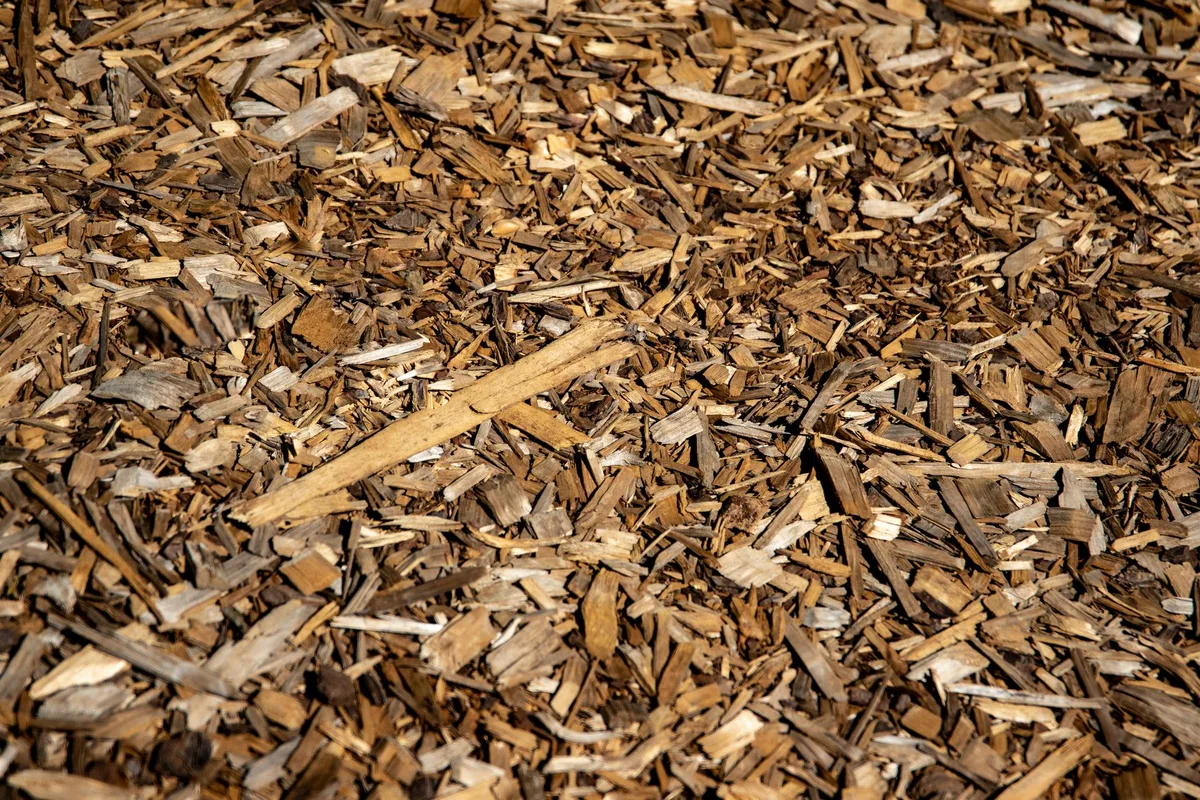
Yes, mulching is safe when you choose the right material for your situation and apply it correctly. Wood chips, bark, and straw are safe around most plants and people. Dyed mulch is generally harmless, though fresh batches can sometimes sour.
Rubber mulch passes playground safety standards but raises concerns about off-gassing in enclosed spaces.
Cocoa hull mulch is toxic to dogs. Cedar can irritate sensitive skin. Piling mulch against tree trunks or building foundations invites rot and pest damage.
The safety of any mulch depends on placement, depth, and the specific environment where you use it.
What Makes a Mulch Safe or Unsafe?
Safety boils down to three factors: chemical composition, biological activity, and physical application. Chemical risks include toxins, heavy metals, and volatile compounds that leach or off-gas. Biological risks show up as mold, fungus, or anaerobic bacteria that produce harmful byproducts.
Physical risks come from flammability, choking hazards, splinters, and improper placement that traps moisture or heat.
Organic mulches, wood chips, bark, straw, and leaves, break down over time. That decomposition can tie up nitrogen in the soil, grow harmless but unsightly mold, or in rare cases produce sour, ammonia-smelling gases. Inorganic mulches, rubber and rock, stay put for years.
They don't alter soil chemistry, but they can trap heat, leach trace metals, or create drainage problems.
Dyed mulches use colorants like iron oxide (red, brown) or carbon black. Both are considered non-toxic and inert. The real concern with dyed mulch isn't the pigment, it's the source wood.
Mulch made from construction waste or treated lumber can carry chromated copper arsenate (CCA) or pentachlorophenol residues, though CCA-treated wood has been banned for residential use since 2003. Reputable suppliers test for heavy metals and certify their products, but bargain-bin dyed mulch from unknown sources can still pose risk.
Pet and child safety adds another layer. Dogs and toddlers chew or ingest mulch pieces. Cocoa hull mulch contains theobromine, the same compound that makes chocolate toxic to dogs.
Symptoms appear at doses around 100 to 200 mg per kilogram of body weight, and a small dog can hit that threshold with a few handfuls of fresh cocoa hulls. Fine-textured mulches can become choking hazards for young children, and splintery wood chips cause skin punctures.
Wildfire risk matters in dry climates. Organic mulches are fuel. The National Fire Protection Association's Firewise guidelines call for non-combustible rock or gravel within the first five feet of a structure in high-hazard zones.
Beyond that perimeter, well-maintained organic mulch at proper depth is acceptable, but piled-high wood chips against siding can ignite from embers.
Organic Mulch Safety: Wood Chips, Bark, and Plant-Based Options
Organic mulches dominate home gardens because they improve soil structure, retain moisture, and break down into nutrients. Most are safe when applied at 2 to 4 inches and kept a few inches away from plant stems and building foundations.
Wood Chip and Bark Mulch: Generally Safe with a Few Watch-Outs
Shredded hardwood, pine bark, and arborist wood chips are the workhorses of landscape mulching. They're non-toxic to people, pets, and plants. The main safety issue is nitrogen immobilization: fresh wood chips consume soil nitrogen as they decompose, temporarily starving shallow-rooted plants.
You can avoid this by using aged or composted wood chips, or by applying a light nitrogen fertilizer before mulching.
Artillery fungus (Sphaerobolus stellatus) thrives in hardwood mulch, especially in damp, shaded beds. The fungus shoots tiny black spore masses up to 20 feet, staining siding, cars, and outdoor furniture. The spores are harmless to people but nearly impossible to remove from vinyl.
Switching to pine bark or raking and turning the mulch every few weeks disrupts the fungus before it fruits.
White or yellow mold can appear on the surface of wood mulch after rain. These are saprophytic fungi breaking down the wood. They're not harmful to plants or people, and they disappear once the mulch surface dries.
If the appearance bothers you, rake the top layer to aerate it.
Sour mulch syndrome happens when bagged or piled mulch sits too long without oxygen. Anaerobic bacteria produce acetic acid, methanol, and ammonia, giving the mulch a vinegar or manure smell. Spreading sour mulch directly onto beds can burn plant roots and leaves.
If your mulch smells off, spread it thinly on a tarp in the sun for a day or two, turning it occasionally. Once the smell dissipates, it's safe to use.
Cedar and Cypress Mulch: Natural Oils That Help and Sometimes Irritate
Cedar and cypress contain natural oils, thujone and cypressene, that repel insects and resist decay. These oils make the mulch longer-lasting and less attractive to termites. For most gardeners, that's a benefit.
The oils are not toxic to plants when the mulch is used at normal depth.
Some people and pets experience skin irritation or respiratory sensitivity from cedar dust and oils. If you or your dog have known sensitivities, stick to pine bark or hardwood. The oils also lower soil pH slightly over time, which suits acid-loving plants like azaleas, blueberries, and rhododendrons but can stress plants that prefer neutral to alkaline soil.
Cypress mulch raises an environmental concern rather than a direct safety issue. Much of it is harvested from old-growth wetlands in the southeastern United States, damaging critical ecosystems. If you choose cypress for its rot resistance, look for suppliers certified by the Rainforest Alliance or similar bodies, or substitute with locally sourced pine bark.
Cocoa Hull Mulch: Smells Great, Toxic to Dogs
Cocoa hull mulch is a byproduct of chocolate processing. It smells like chocolate, resists matting, and adds nitrogen and potassium as it decomposes. It's safe for humans and plants but dangerous for dogs.

Theobromine is the problem. Dogs metabolize it slowly, and even moderate ingestion causes vomiting, diarrhea, elevated heart rate, seizures, and in severe cases death. The ASPCA Animal Poison Control Center reports dozens of cases each year.
Fresh cocoa hull mulch contains the highest theobromine levels, while older, weathered hulls leach much of it out. If you have dogs, skip cocoa hulls entirely. Cats are far less interested in chewing mulch, so the risk to them is minimal.
For households without dogs, cocoa hull mulch is safe and effective. It has a fine texture that stays in place on slopes, and it enriches the soil as it breaks down. Just be mindful that neighborhood dogs or wildlife might wander into your beds.
Straw and Leaf Mulch: Safe, Cheap, and Short-Lived
Straw (the stems left after grain harvest) and shredded leaves are among the safest mulches. They're free of toxins, break down quickly, and add organic matter to the soil. Straw works well in vegetable gardens because it's clean, light, and easy to pull aside when planting.
Make sure you're buying straw, not hay. Hay contains seed heads that sprout weeds.
Pine straw (fallen pine needles) is popular in the Southeast. It's free if you rake it from your yard, knits together to resist washing away on slopes, and slightly acidifies soil, which benefits many ornamental shrubs and best flowers for flower beds. It's non-toxic and safe around pets and children.
Leaf mulch is equally safe but can mat down when wet, creating a dense layer that sheds water rather than letting it through. Shred leaves with a mower before spreading them, and keep the layer under 3 inches. Both straw and leaf mulch decompose within a single growing season, so you'll need to replenish them annually.
Inorganic Mulch Safety: Rubber, Rock, and Synthetic Materials
Inorganic mulches don't decompose, so they eliminate concerns about nitrogen tie-up, mold, and sour mulch. They bring their own set of safety questions, especially around chemical leaching and heat retention.
Rubber Mulch: The Playground Debate
Rubber mulch, made from recycled tires, dominates playground surfaces because it cushions falls and meets ASTM F1292 impact-attenuation standards when installed at 9 to 12 inches deep. It doesn't decompose, so it lasts a decade or more without replenishment. Schools and parks use it because it reduces maintenance and stays in place better than wood chips.

The safety debate centers on off-gassing and heavy metals. Tires contain zinc, lead, and polycyclic aromatic hydrocarbons (PAHs). Studies show that rubber mulch releases these compounds in trace amounts, especially when new and when temperatures rise above 120°F.
The EPA reviewed available data in 2019 and found exposure levels below thresholds of concern for outdoor playgrounds, but cautioned that research is limited and ongoing.
Indoor or enclosed play areas are a different story. Without ventilation, volatile organic compounds (VOCs) from rubber mulch can accumulate. If you're installing rubber mulch in a covered play space, ensure active airflow and consider letting the mulch air out in an open area for a few weeks before installation.
In garden beds, rubber mulch offers no benefits and several drawbacks. It doesn't improve soil, it heats up in summer (cooking plant roots), and it can leach zinc at levels that stress some plants. Save rubber mulch for playgrounds and pathways where impact cushioning or weed suppression matters more than soil health.
Rock and Gravel Mulch: Inert but Not Risk-Free
Rock, gravel, and stone mulches are chemically inert and fireproof. They're the go-to choice in xeriscape designs, around cacti and succulents, and in wildfire-prone areas. They don't attract pests, harbor mold, or decompose.
Heat retention is the trade-off. Dark stones absorb and radiate heat, raising soil temperatures by 10 to 15°F during summer. That can stress shallow-rooted plants and best trees for hot dry climates that aren't adapted to intense reflected heat.
Light-colored gravel or river rock mitigates the problem.
Sharp-edged gravel can be uncomfortable or unsafe for bare feet and crawling children. If you're mulching a play area or pet run, choose rounded river rock or pea gravel. The same concern applies to pets with sensitive paws.
Weeds are another issue. Rock mulch suppresses annual weeds initially, but perennial weeds and windblown seeds eventually take hold. Landscape fabric underneath helps, but fabric degrades over time and weeds root into the accumulated dust and debris between stones.
Pulling weeds from rock mulch is harder than from organic mulch.
For more on selecting the right stone for specific applications, see our guide to best gravel for patio area.
Dyed Mulch: Are the Colors Safe?
Dyed mulch comes in red, black, and brown, and it's safe when sourced from clean wood waste. The pigments, iron oxide for red and brown, carbon black for black, are the same compounds used in food packaging and cosmetics. They don't leach toxins, and they don't harm plants, pets, or soil organisms.
The risk with dyed mulch isn't the dye. It's the wood source. Some manufacturers use construction debris, pallets, or lumber treated with CCA or creosote.
CCA contains arsenic, chromium, and copper. Creosote contains PAHs and phenols. Both can persist in mulch and leach into soil.
As of 2026, the Consumer Product Safety Commission has strengthened disclosure requirements, and reputable mulch suppliers test batches for heavy metals. Look for mulch labeled "100% natural hardwood" or "recycled untreated wood." Ask suppliers if they test for CCA and lead. If they can't provide assurance, skip that product.
Dyed mulch fades faster than natural mulch, often within a single season. That's a cosmetic issue, not a safety one. The faded pigment stays bound to the wood fibers and doesn't wash into surrounding soil in meaningful amounts.
Some people prefer the richer color of dyed mulch around ornamental beds, while others find it artificial-looking. Safety-wise, certified dyed mulch is on par with undyed hardwood.
When Mulch Becomes a Health Hazard
Mulch turns hazardous when it's improperly stored, sourced from contaminated wood, or applied in ways that trap moisture and heat. Three conditions elevate risk: anaerobic decomposition (sour mulch), fungal overgrowth, and spontaneous combustion in large piles.
Sour Mulch Syndrome: The Anaerobic Smell That Burns Plants
Sour mulch develops when fresh wood chips are piled too deep or bagged too soon after chipping. Without oxygen, anaerobic bacteria take over and produce acetic acid, methanol, ammonia, and hydrogen sulfide. The mulch smells like vinegar, rotten eggs, or manure.
Spreading it directly onto beds releases those compounds into the root zone, causing leaf scorch, stunted growth, and sometimes plant death.
The fix is simple but time-consuming. Spread sour mulch in a thin layer on a tarp or driveway in full sun. Turn it every few hours for one to two days.
Once the smell fades and the mulch feels dry and crumbly, it's safe. If you catch sour mulch before spreading it, you've avoided damage. If you've already applied it and plants show burn symptoms, rake it away from the stems immediately and water the bed deeply to dilute residual acids.
Artillery Fungus and Mold Growth on Mulch
Artillery fungus (Sphaerobolus stellatus) thrives in hardwood mulch that stays damp and shaded. The fruiting bodies shoot sticky black spore masses onto nearby surfaces, where they bond to paint, vinyl, and glass. Scrubbing or pressure washing rarely removes them completely.
The fungus doesn't harm plants or people, but it creates a persistent cosmetic problem.
Switching to pine bark, cedar, or aged compost starves the fungus. Raking the top inch of mulch every few weeks disrupts spore development. If you're planting a new bed in an area prone to artillery fungus, consider rock mulch or a thicker layer of pine straw instead.
White, yellow, and orange molds appear on wood mulch after rain. These saprophytic fungi break down lignin and cellulose. They're harmless to plants and disappear once the surface dries.
If the appearance bothers you, rake the mulch to aerate it or apply a light dusting of best fungicide for lawns labeled for ornamental use, though fungicides are rarely necessary.
Spontaneous Combustion and Fire Risk in Mulch Piles
Large mulch piles (over 4 feet tall) can self-heat to the point of combustion. Microbial decomposition generates heat. When airflow is restricted, internal temperatures climb past 130°F.
At 160°F and above, wood can ignite without an external flame. Spontaneous combustion is rare but documented, especially in piles left undisturbed for weeks.
If you're storing bulk mulch, keep piles under 4 feet tall and turn them weekly. Check the interior temperature with a probe thermometer. If it exceeds 120°F, spread the pile out to cool.
Never pile fresh mulch against buildings, fences, or under decks.
In wildfire zones, even properly applied mulch poses risk. Keep combustible mulch at least 5 feet from structures and use rock or gravel in the immediate perimeter. The National Fire Protection Association's Firewise program offers detailed guidelines for landscaping in high-hazard areas.
Pet and Child Safety: What to Watch For
Pets and young children explore landscapes with their mouths. Mulch ingestion, toxicity, and choking are the primary concerns. Cocoa hull mulch is the clear danger for dogs, but other mulches pose subtler risks.
Dogs chew and swallow mulch out of boredom, curiosity, or nutritional deficiency. Non-toxic mulches like pine bark or hardwood chips can still cause gastrointestinal blockages if ingested in large amounts. Symptoms include vomiting, loss of appetite, and straining to defecate.
If your dog regularly chews mulch, consider rock mulch, rubber mulch in confined areas, or training to redirect the behavior.
Cats rarely ingest mulch, but they may use mulch beds as litter boxes. Fresh cocoa hull or dyed mulch doesn't appeal to them as much as bare soil does. If this becomes a problem, cover beds with chicken wire for a few weeks or use coarse pine bark that's uncomfortable to dig in.
Toddlers put everything in their mouths. Fine-textured mulches like cocoa hulls or finely shredded hardwood can be choking hazards. Larger bark nuggets or pine straw are safer.
Splinters from fresh wood chips can puncture gums and cheeks. If you're mulching a play area, choose rubber mulch or well-aged, rounded bark chips.
Mulch Safety Around Edible Gardens
Vegetable gardens demand extra caution because roots, leaves, and fruits come into direct contact with mulch. Contaminated mulch can introduce heavy metals, pesticides, or pathogens into the food chain.
Use only untreated, organic mulch in vegetable beds. Straw, shredded leaves, grass clippings (from lawns not treated with herbicides), and aged compost are the safest choices. Avoid dyed mulch unless you can verify the wood source and confirm heavy-metal testing.
Never use mulch made from treated lumber, railroad ties, or construction debris.
Cedar and cypress mulches are safe around edibles from a toxicity standpoint, but their oils can subtly alter the flavor of shallow-rooted crops like lettuce and herbs. Most gardeners don't notice a difference, but if you're growing for market or competition, stick to straw or compost.
Keep mulch 2 to 3 inches away from vegetable stems to prevent rot and pest harborage. Slugs and earwigs hide in damp mulch during the day and feed on seedlings at night. A narrow ring of bare soil around each plant reduces pest pressure.
For crops that benefit from soil warming (tomatoes, peppers, squash), pull mulch back in spring to let the sun heat the root zone, then replace it once plants are established.
How Application Mistakes Create Safety Problems
Proper mulch depth, placement, and clearance prevent the majority of mulch-related problems. Too much mulch, mulch piled against stems or foundations, and failure to refresh decomposed layers all create conditions for damage.
Mulch Volcanoes and Tree Damage
Piling mulch in a cone against a tree trunk, the so-called mulch volcano, is one of the most common and damaging landscaping mistakes. It traps moisture against the bark, encouraging rot, insect infestation, and girdling roots that strangle the trunk.
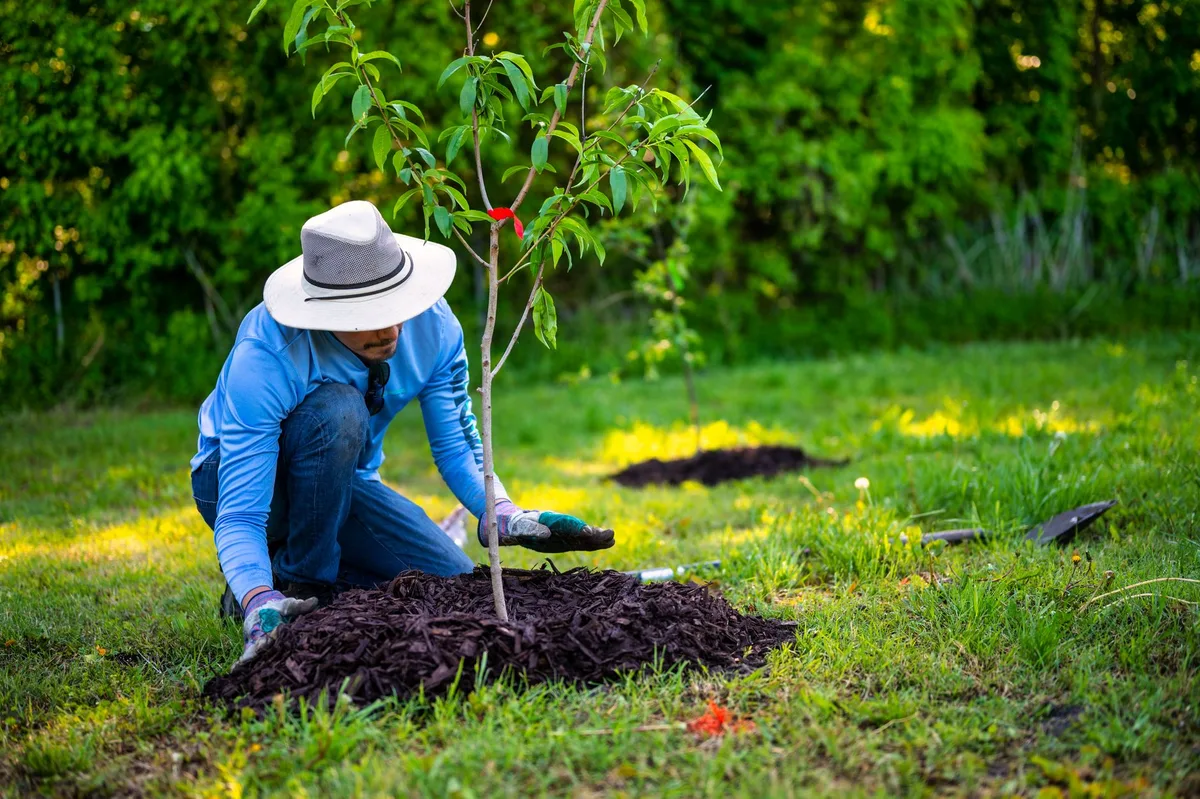
The International Society of Arboriculture recommends keeping mulch 3 to 6 inches away from the trunk. Spread mulch in a flat, even layer out to the drip line if possible, or at least 2 to 3 feet from the base. The root flare (where the trunk widens at ground level) should always be visible.
Mulch deeper than 4 inches suffocates roots by restricting oxygen exchange. It also creates habitat for voles and mice that girdle bark over winter. Stick to 2 to 4 inches, measuring after the mulch has settled.
Too Much Mulch Against Foundations and Siding
Mulch piled against house foundations, deck posts, or shed siding holds moisture against wood and masonry, accelerating rot, mold growth, and termite activity. Termites don't eat mulch, but they tunnel through it to reach structural wood. Keeping mulch 6 inches away from all building materials eliminates the bridge.
Moisture wicking into siding or rim joists can cause hidden rot that goes unnoticed until major damage occurs. Even pressure-treated lumber degrades faster when buried in damp mulch. If you're mulching a foundation bed, slope the mulch away from the house and maintain that 6-inch clearance.
Artillery fungus and mulch mold grow more vigorously in the damp, sheltered microclimate near foundations. The spores then shoot or spread onto siding, creating stains that are nearly impossible to remove.
Fresh Wood Chips and Nitrogen Tie-Up
Fresh wood chips consume nitrogen as they decompose. Soil microbes need nitrogen to break down the high-carbon wood, so they pull it from surrounding soil. This temporarily starves plants of nitrogen, causing yellowing leaves and slow growth.
The effect is most pronounced in the top few inches of soil where feeder roots grow.
Aged or composted wood chips have already gone through the high-nitrogen phase and are safe to apply directly. If you're using fresh chips from a tree service, either let them age in a pile for 6 to 12 months or apply a nitrogen fertilizer to the bed before mulching. A light application of best plant fertilizer for indoor plants or a balanced granular formula offsets the tie-up.
Another option is to use fresh chips only in pathways or around established trees and shrubs with deep root systems. Annuals, perennials, and shallow-rooted vegetables are more vulnerable.
Mulch Safety in Wildfire-Prone Areas
Organic mulch is fuel. In regions with high wildfire risk, combustible mulch within 5 feet of structures increases the chance that windblown embers ignite your home. The concept of defensible space divides the landscape into zones based on fire risk.
Zone 0, the immediate 0- to 5-foot perimeter around the house, should use non-combustible materials like rock, gravel, or bare mineral soil. Zone 1, 5 to 30 feet out, allows organic mulch if it's maintained at 2 to 3 inches, kept moist, and regularly cleared of dead leaves and debris. Beyond 30 feet, standard mulching practices apply.
In California, Colorado, and other fire-prone states, local codes may mandate specific clearances and materials. Check with your county fire marshal or forestry department before installing new landscape beds. Some areas require annual inspections and can issue fines or require remediation if combustible mulch is too close to structures.
Rock mulch doesn't burn, but it can store and radiate heat, creating a hostile microclimate for plants. Choose light-colored gravel or river rock to reduce heat absorption, and plant fire-resistant species like succulents or native grasses that tolerate the reflected heat.
Decision Guide: Choosing Safe Mulch Based on Your Situation
Pick your mulch by matching material properties to your specific risk factors. If you have dogs, eliminate cocoa hulls. If you're in a wildfire zone, use rock within 5 feet of structures.
For vegetable gardens, stick to untreated organic options like straw or aged compost.
Playgrounds require 9 to 12 inches of rubber mulch or engineered wood fiber meeting ASTM F1292 standards. Around acid-loving plants, pine bark or pine straw lowers pH naturally. In high-humidity climates prone to artillery fungus, choose pine bark or cedar over hardwood.
For ornamental beds with no pets or children, any certified organic or inorganic mulch works. Dyed hardwood offers color, cedar resists decay, and rock lasts indefinitely. Match the mulch to the plants and the exposure.
Safe Mulching Practices: Depth, Placement, and Maintenance
Apply 2 to 4 inches of organic mulch, measuring after it settles. Pull mulch 3 to 6 inches away from tree trunks and plant stems. Keep it 6 inches from building foundations and siding.
Refresh mulch annually or when the layer thins below 2 inches. Rake the top inch every few weeks to prevent matting and fungal growth. Water new mulch lightly to settle it and reduce dust.
Check stored mulch piles for heat buildup. Turn them weekly and keep heights under 4 feet. If mulch smells sour, spread it thin and let it air out before use.
When to Avoid Mulch Entirely
Skip mulch in areas with chronic drainage problems. Mulch holds moisture, and waterlogged soil kills roots faster than bare ground does. If water pools after rain, fix the grading first.
Avoid mulch in high-traffic paths where it will scatter onto lawns or pavement. Use pavers, gravel, or groundcovers instead. In containers and raised beds where soil quality is controlled, mulch adds little benefit and can harbor pests.
If your region has severe termite pressure and you're mulching within 10 feet of wood-framed buildings, rock mulch eliminates one attraction vector. Termites don't need mulch to find your house, but removing it simplifies inspection and reduces moisture near the foundation.
Frequently Asked Questions
Can mulch make you sick?
Mulch rarely makes people sick unless you inhale large amounts of mold spores or handle mulch contaminated with pesticides or heavy metals. Wear a dust mask when spreading dry mulch, and wash your hands afterward.
Is it safe to use grass clippings as mulch?
Yes, if the lawn hasn't been treated with herbicides in the past month. Grass clippings break down quickly and add nitrogen, but they can mat and smell if applied too thick. Keep the layer under 1 inch.
How do I know if my mulch contains CCA or arsenic?
Ask the supplier for test results showing heavy-metal levels. Reputable manufacturers test batches and provide certificates. If no documentation is available, don't use the mulch in vegetable gardens or play areas.
Does mulch attract snakes?
Mulch provides cover and retains moisture that attracts insects and rodents, which in turn attract snakes. Keep mulch layers thin, clear debris regularly, and maintain a rock or gravel border around structures if snakes are a concern.
Can I compost old mulch?
Yes. Partially decomposed wood mulch adds carbon to compost piles. Mix it with green materials like grass clippings or kitchen scraps to balance the carbon-to-nitrogen ratio.