Guide to Mulching Vs Alternatives in 2026 (Explained Simply)
You're weighing mulching vs alternatives because the standard advice to pile on wood chips every spring doesn't fit every garden, every budget, or every maintenance tolerance. Mulch is popular for good reason, but ground cover plants, landscape fabric, stone, and even bare soil each solve different problems better in specific situations. The right choice depends on your climate, the planting area, how much time you want to spend refreshing materials, and whether you're prioritizing soil building, weed suppression, or a permanent low-input solution.
Most wood-based mulches last one to three years before they decompose and need replenishment, while stone or established ground covers can persist for a decade or more with minimal intervention. We'll break down how each option actually performs in real garden conditions, what each costs upfront and over time, and which scenarios make each alternative the smarter pick.
Quick Answer
Mulching vs alternatives comes down to whether you value soil improvement or permanence. Organic mulch like wood chips builds soil over time but needs annual replenishment. Ground cover plants eliminate the need for mulch once established and suppress weeds permanently.
Landscape fabric blocks weeds short-term but degrades and complicates soil amendments. Stone and gravel last indefinitely but don't feed the soil. Bare soil works when you're actively planting or need maximum drainage.
Why This Comparison Actually Matters for Your Garden
Most gardeners default to whatever mulch the local garden center stocks without asking whether a different system would save time, money, or match their soil goals better. That's a missed opportunity. The difference between a $75-per-year mulch habit and a one-time investment in ground covers or stone can add up to hundreds of dollars and dozens of hours over five years.
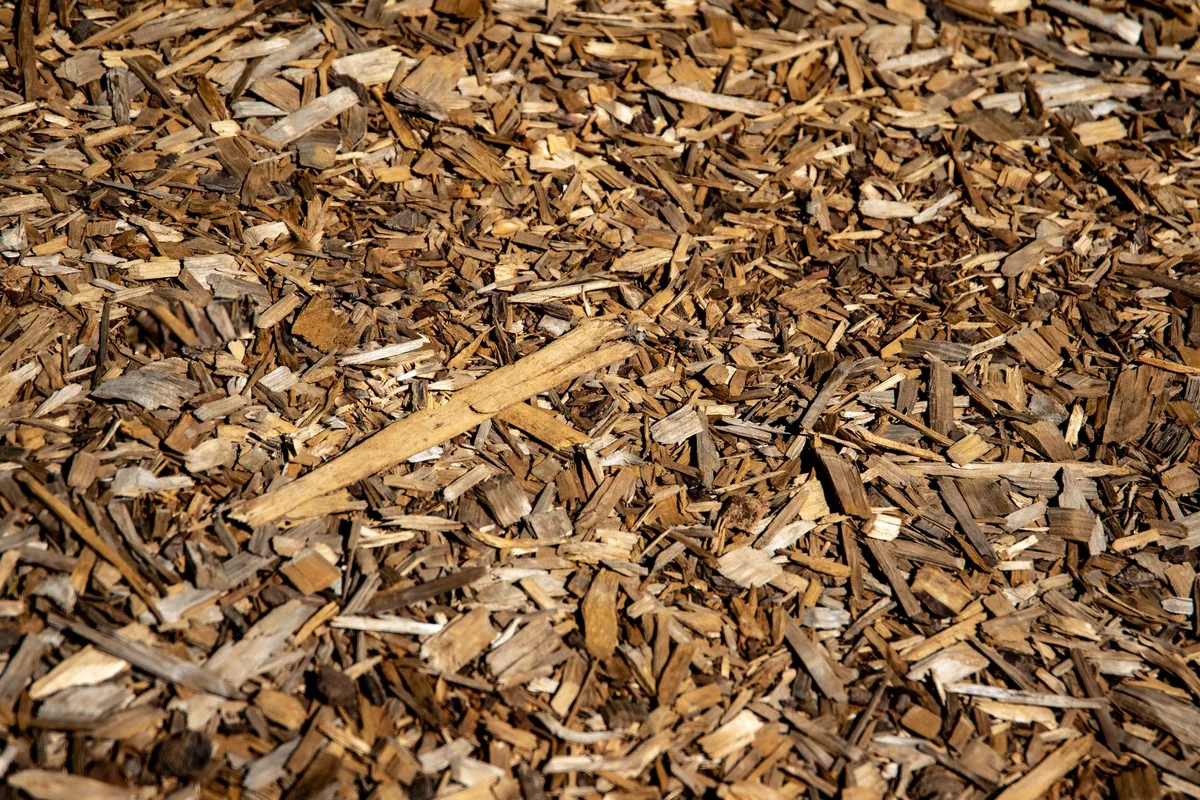
Beyond cost, the choice shapes your soil biology, weed pressure, and how often you're hauling wheelbarrows in the heat. Organic mulch feeds earthworms and builds humus, which matters if you're growing vegetables or trying to improve clay or sandy soil. Stone and fabric don't decompose, which is ideal if you want a set-it-and-forget-it perennial bed but terrible if you need to dig and amend soil every spring.
Your climate and local availability also tilt the scales. In the arid Southwest, stone mulch conserves moisture without the risk of wood mulch blowing away or creating fire hazard near structures. In the humid Southeast, pine straw is often free or cheap and rakes easily around established shrubs.
Ground covers like clover or creeping thyme thrive in temperate zones but struggle in deep shade or heavy foot traffic.
Understanding these trade-offs lets you match the system to the job instead of forcing one solution everywhere. A flower bed, a vegetable garden, a tree ring, and a slope all have different needs, and mixing approaches across your property is often smarter than picking one winner.
What We Mean by "Mulching vs Alternatives"
Mulch is any material you spread over bare soil to suppress weeds, hold moisture, and moderate soil temperature. Traditional mulching means applying a layer of organic material like shredded bark, wood chips, straw, or leaves at a depth of two to four inches. These materials decompose over months or years, slowly adding organic matter to the topsoil.
Alternatives fall into three camps: permanent ground covers that eliminate the need for mulch, physical barriers like fabric or plastic that block weeds without adding organic matter, and inorganic materials like stone or rubber that don't decompose. Each approach still addresses the core functions of mulch, weed control, moisture retention, and aesthetics, but with different trade-offs in cost, longevity, and soil impact.
When gardeners compare mulching to alternatives, they're usually asking whether the annual labor and expense of organic mulch is worth it, or if a different system would deliver the same benefits with less upkeep. That question doesn't have a universal answer because the "best" choice hinges on what you're planting, how you use the space, and how much you care about building soil versus locking in a finished look.
For example, a vegetable garden benefits from compost or straw mulch that breaks down and enriches the soil each season. A xeriscaped front yard with native perennials and cacti does better with gravel that never needs replacement. A shaded side yard where nothing grows anyway might be the perfect spot for a dense ground cover that out-competes weeds and never requires mulch at all.
We'll define each option clearly so you can weigh the real differences without guessing what "landscape fabric" or "living mulch" actually means in practice.
Organic Mulch: Wood Chips, Bark, Straw, and Leaves
Organic mulch is any plant-based material you lay on the soil surface that will decompose over time. The most common types are shredded hardwood bark, wood chips from arborists, pine bark nuggets, pine straw, straw from grain crops, and shredded leaves. All of these suppress weeds by blocking light, hold soil moisture by slowing evaporation, and moderate soil temperature by insulating the surface.
As organic mulch breaks down, microbes and fungi consume the carbon, gradually converting the material into humus that improves soil structure and nutrient availability. That decomposition is the signature advantage of organic mulch: you're feeding the soil while you mulch. The downside is that decomposition means the mulch layer thins and eventually disappears, so you need to top it up every one to three years depending on the material and local climate.
How Organic Mulch Works and What It Does for Soil
When you spread a three-inch layer of wood chips or shredded bark, you create a physical barrier that blocks sunlight from reaching weed seeds in the soil. Most annual weed seeds need light to germinate, so a thick mulch layer stops them before they sprout. Perennial weeds with deep roots can still push through, but they're easier to pull from loose mulch than from compacted bare soil.
The mulch layer also slows water loss from the soil surface. University extension research shows that a two- to four-inch layer of organic mulch can reduce evaporation by 25 to 50 percent compared to bare soil, which translates to less frequent watering and healthier root systems during dry spells. In summer heat, mulch keeps the top few inches of soil several degrees cooler, protecting shallow feeder roots from stress.
As bacteria, fungi, and invertebrates decompose the mulch, they release nutrients slowly and build soil aggregates that improve drainage in clay and water retention in sand. The most dramatic soil improvement happens with fine materials like compost or leaf mold that incorporate quickly. Coarse wood chips take longer to break down but still contribute organic carbon over time, especially if you're using double-shredded or aged chips rather than fresh chunky pieces.
One caution: fresh wood mulch can temporarily tie up soil nitrogen as microbes use it to fuel decomposition. This nitrogen immobilization rarely harms established trees and shrubs with deep roots, but it can slow growth in annual vegetables or newly planted perennials. Aged or composted wood mulch avoids this issue, or you can side-dress with a nitrogen source like blood meal or compost if you see yellowing leaves in the first season.
Pros and Cons of Organic Mulch
Pros:
- Builds soil organic matter and improves soil structure over time.
- Widely available in bulk or bags at garden centers, municipal yards, and from arborist tree services.
- Reduces watering frequency and moderates soil temperature swings.
- Soft underfoot and easy to rake or refresh around existing plants.
- Supports beneficial soil organisms including earthworms, mycorrhizal fungi, and decomposer bacteria.
- Natural appearance that blends with most landscape styles.
Cons:
- Needs replenishment every one to three years as it decomposes and compacts.
- Can harbor fungal growth like artillery fungus or slime mold in persistently damp conditions.
- Fresh wood mulch may temporarily tie up soil nitrogen.
- Organic mulch can float or wash away on slopes during heavy rain if not edged properly.
- Lighter materials like straw or pine needles blow around in windy sites.
- Bagged mulch is expensive per cubic yard compared to bulk delivery or free arborist chips.
Organic mulch makes the most sense when soil improvement is a priority, when you're willing to refresh the layer periodically, and when you have easy access to affordable bulk materials or free sources like municipal leaf compost or arborist wood chips.
Cost and Longevity: What to Expect
Bulk organic mulch typically costs $25 to $75 per cubic yard delivered, depending on the material and your location. One cubic yard covers roughly 100 square feet at three inches deep, so a 400-square-foot flower bed needs about four yards, or $100 to $300 for the initial layer. Bagged mulch runs $3 to $6 per two-cubic-foot bag, which works out to $80 to $160 per cubic yard, more than double the bulk price.
Free or low-cost options include arborist wood chips delivered through services like ChipDrop, municipal leaf compost programs, and your own shredded leaves or grass clippings. Pine straw is common and inexpensive in the Southeast but harder to find elsewhere. Straw bales from farm supply stores cost $8 to $15 each and cover about 50 to 80 square feet at three inches deep, making straw a budget-friendly choice for vegetable gardens.
Longevity varies widely by material and climate. Fine materials like compost or shredded leaves break down in six months to a year. Shredded hardwood bark lasts one to two years.
Coarse pine bark nuggets or fresh arborist chips can persist two to three years before they need topping up. In humid climates with high microbial activity, decomposition happens faster, while arid regions see slower breakdown.
Plan to refresh organic mulch at least every other year to maintain weed suppression and aesthetic appeal. Some gardeners prefer to top-dress annually with a one-inch layer rather than waiting until the mulch is gone. That keeps the bed looking neat and continuously feeds the soil without the labor of stripping old mulch and starting over.
Inorganic Mulch: Gravel, Stone, and Rubber
Inorganic mulch is any non-decomposing material spread over soil to suppress weeds and moderate temperature without adding organic matter. The most common types are gravel, crushed stone, river rock, lava rock, landscape glass, and rubber mulch made from recycled tires. These materials last indefinitely without breaking down, so they're a one-time investment with minimal maintenance beyond occasional raking or topping off settled areas.
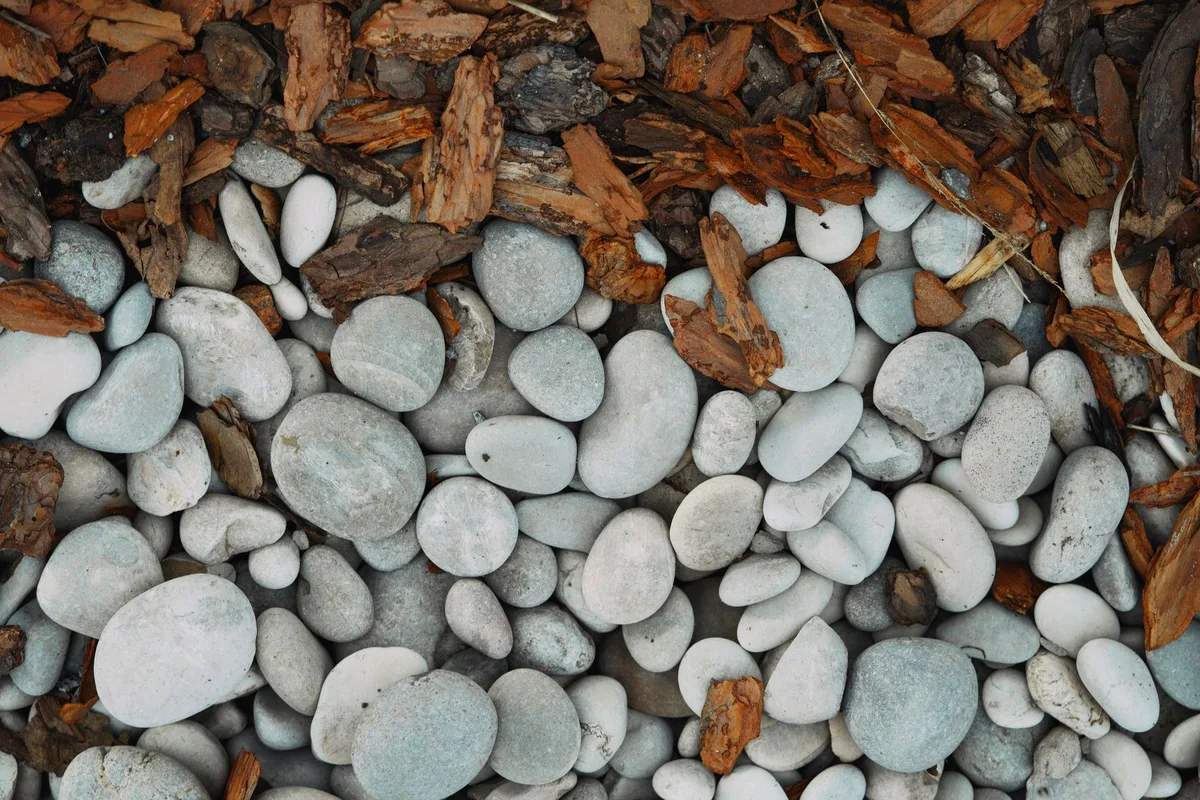
Stone and rubber mulch don't feed the soil, which is a drawback if soil building matters to you but an advantage if you want a static, finished look that never needs renewal. They're popular in xeriscaped yards, around contemporary architecture, in high-traffic zones where organic mulch would compact or scatter, and in areas with fire risk where combustible wood mulch is a liability.
When Inorganic Mulch Makes Sense
Inorganic mulch works best in situations where you value permanence and low maintenance over soil improvement. Perennial beds with established shrubs, ornamental grasses, or succulents rarely need soil amendments once planted, so the lack of organic matter input isn't a problem. Stone mulch also excels on slopes where organic mulch would wash away and in pathways or around stepping stones where you want a stable, non-decomposing surface.
In arid climates and xeriscaping designs, gravel or crushed stone conserves moisture just as effectively as organic mulch while reflecting the natural landscape. Desert-adapted plants like agave, yucca, and native wildflowers thrive with hot dry climate trees and stone mulch that mimics their native rocky soils. Stone doesn't blow away in wind and doesn't create the fire hazard that dry wood chips or pine straw present near structures in wildfire-prone zones.
Rubber mulch is common in playgrounds because it provides cushioning under swings and climbers and meets ASTM F1292 safety standards for fall attenuation. Some gardeners use it around trees or in pathways for its durability and recycled-material appeal. However, rubber mulch has drawn scrutiny for leaching heavy metals and synthetic compounds into soil over time, and many horticulturists avoid it in edible gardens or near water features.
Stone mulch is not ideal in vegetable gardens or annual flower beds where you dig and amend soil frequently. Mixing stone into the topsoil makes future cultivation difficult, and you'll spend hours picking out rocks every time you plant. It's also a poor fit in shaded woodland gardens where the aesthetic calls for a softer, organic look and where soil-building leaf litter is part of the ecosystem.
Pros and Cons of Stone and Rubber Mulch
Pros:
- Permanent solution that lasts ten years or more without replenishment.
- No decomposition, so no nitrogen tie-up and no need for annual refresh labor.
- Excellent weed suppression when installed over landscape fabric or a thick base layer.
- Fire-resistant and non-combustible, meeting Firewise guidelines for wildfire zones.
- Stable on slopes and in high-traffic areas where organic mulch would scatter.
- Wide range of colors, sizes, and textures for design flexibility.
Cons:
- Doesn't add organic matter or improve soil structure.
- Can absorb and radiate heat in summer, raising soil temperature by several degrees compared to organic mulch.
- Heavy and labor-intensive to install, often requiring landscape fabric underneath to prevent stone from sinking into soil.
- Difficult to remove or change once installed, and mixes into soil if you dig.
- More expensive upfront than organic mulch, though cost per year drops over time.
- Rubber mulch may leach contaminants and is not suitable for edible gardens.
Stone and rubber mulch suit low-maintenance perennial beds, contemporary landscapes, arid-climate yards, and fire-prone areas. They're a poor match for vegetable gardens, woodland gardens, and any planting area where you want to build soil or amend frequently.
Ground Cover Plants: Living Alternatives to Mulch
Ground cover plants are low-growing perennials or self-seeding annuals that spread to form a dense mat, suppressing weeds and shading the soil without the need for mulch. Once established, a healthy ground cover eliminates the annual mulch refresh entirely, turning maintenance into occasional weeding and trimming rather than hauling and spreading materials.
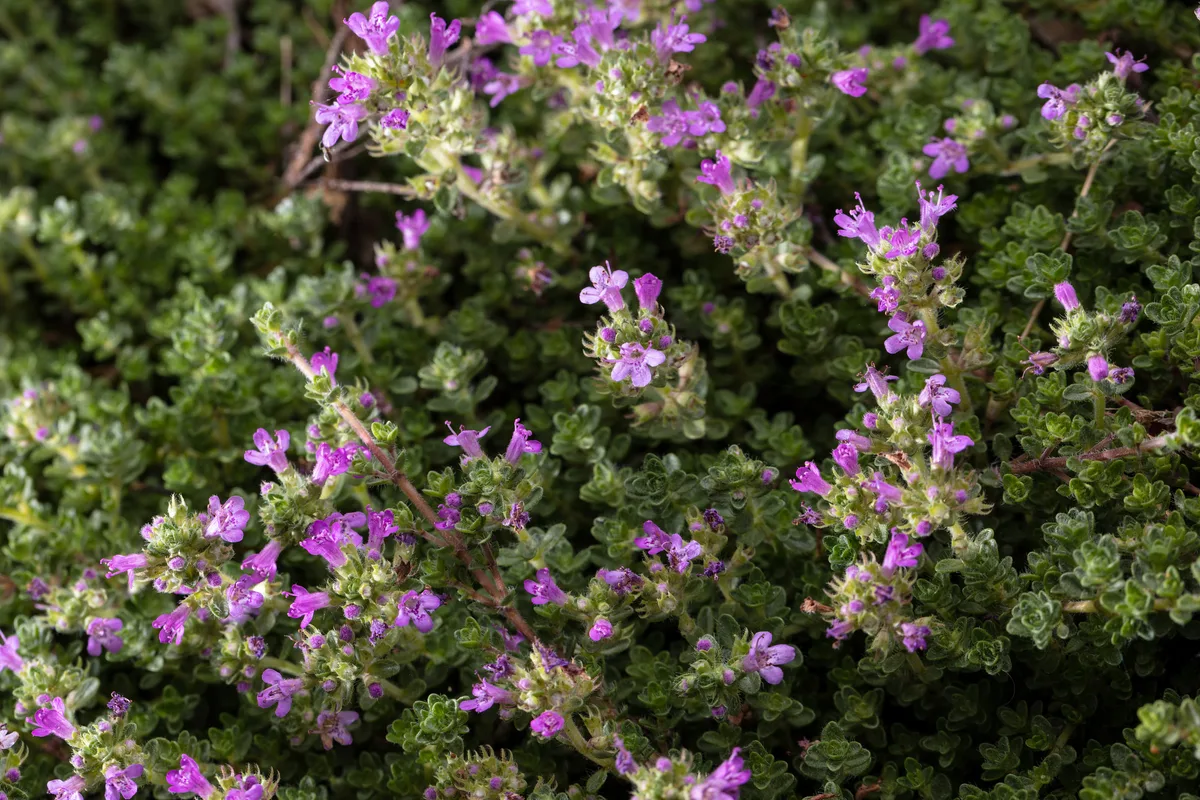
Common ground covers include creeping thyme, clover (white or microclover), sedum, ajuga, vinca, pachysandra, and sweet woodruff. Each has different light, moisture, and climate requirements, so choosing the right species for your site is critical. Ground covers work best in areas where you don't need to walk frequently or dig seasonally, such as under trees, on slopes, around shrub borders, and in shaded side yards.
How Ground Covers Compare to Traditional Mulch
Ground covers do everything mulch does, suppress weeds, hold moisture, moderate soil temperature, and improve aesthetics, but they do it through living plant tissue instead of a layer of dead material. The plants shade out weed seeds, their roots stabilize soil and reduce erosion, and their canopy reduces evaporation just like a three-inch layer of wood chips.
The main advantage is permanence. Once a ground cover fills in, it stays put for years or decades without topping off or hauling in new material. You're not buying mulch every spring or arranging delivery.
The plants also contribute to the ecosystem by providing habitat for pollinators, beneficial insects, and soil organisms in ways that inert mulch cannot.
The trade-off is time and patience. Ground covers take one to three growing seasons to establish full coverage, depending on the species, planting density, and site conditions. During the establishment period, you'll still need to weed regularly and may need to mulch lightly between plants to suppress competition until the canopy closes.
Some gardeners use mulch as a temporary bridge while waiting for ground covers to fill in.
Ground covers also require upfront planting labor and plant cost, whereas mulch is drop-and-spread. A 400-square-foot area might need 100 to 200 ground cover plants at $2 to $5 each, or $200 to $1,000 depending on species and whether you buy plugs, potted plants, or divisions. That's comparable to or higher than the cost of mulching the same area, but you're paying once instead of annually.
Best Ground Covers for Different Garden Situations
For full sun and foot traffic: Creeping thyme (Thymus serpyllum) tolerates occasional stepping and releases fragrance when brushed. White clover and microclover fix nitrogen, stay green with minimal water, and tolerate mowing if you want a lawn alternative.
For shade and low traffic: Pachysandra and vinca spread aggressively in shade and form dense evergreen mats. Sweet woodruff tolerates dry shade under maples and oaks. Ajuga offers spring flowers and spreads quickly but can become invasive in moist, rich soil.
For slopes and erosion control: Sedum and other succulents root shallowly but spread wide, stabilizing soil on dry banks. Creeping juniper and cotoneaster are woody ground covers that hold steep slopes and tolerate poor soil.
For edible gardens and pollinator support: Clover and alyssum work as living mulch between vegetable rows, fixing nitrogen and attracting beneficial insects. They're easy to pull or chop back when you need to plant.
Ground covers are not ideal in annual vegetable beds where you till or turn soil each season, or in high-traffic pathways where even tough species will wear thin. They also struggle in extremely dry or extremely wet sites unless you match the species carefully to the conditions.
Pros and Cons of Ground Cover Plants
Pros:
- Eliminates annual mulch replenishment once established.
- Provides habitat for pollinators, beneficial insects, and soil organisms.
- Stabilizes soil on slopes and reduces erosion better than loose mulch.
- Some species like clover fix nitrogen and improve soil fertility.
- Evergreen varieties provide year-round coverage and color.
- Lower long-term cost and labor compared to repeated mulch applications.
Cons:
- Takes one to three growing seasons to establish full weed-suppressing coverage.
- Requires upfront planting labor and plant purchase cost.
- Some species spread aggressively and can invade adjacent beds or lawns if not edged.
- Not suitable for areas where you dig or turn soil annually.
- Requires species-specific care including occasional trimming, division, or watering during establishment.
- Can harbor slugs, snails, or other pests in dense plantings.
Ground covers make sense for perennial beds, slopes, shaded areas, and any spot where you want a permanent, low-input solution and don't need to dig or replant often. They're a poor fit for annual vegetable gardens, high-traffic zones, and areas where you value the ability to change plantings frequently.
Landscape Fabric and Weed Barriers
Landscape fabric is a woven or non-woven synthetic textile designed to block weed growth while allowing water and air to pass through to the soil. It's typically installed over bare soil, held in place with landscape staples, and then covered with a thin layer of mulch or stone for aesthetics and UV protection. The idea is that the fabric suppresses weeds indefinitely, eliminating the need for hand-weeding or herbicides.
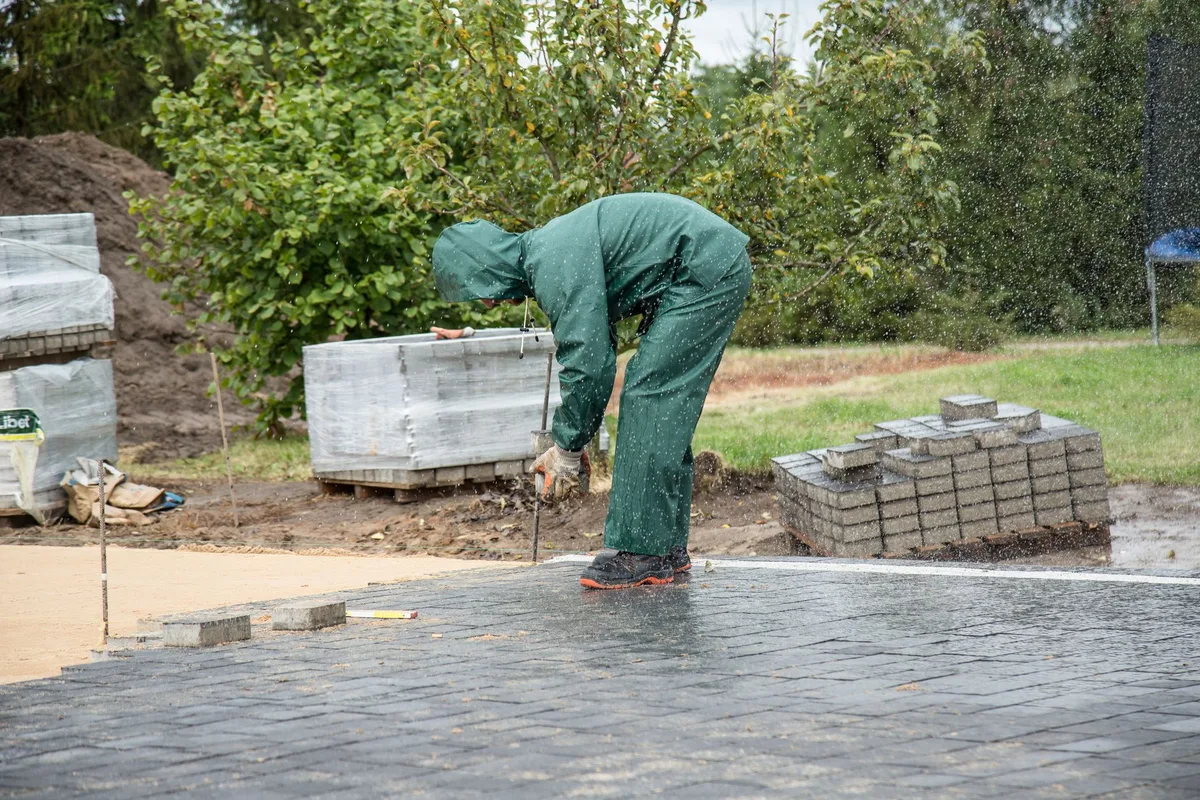
In practice, landscape fabric works well for the first few years but often becomes a maintenance problem as it degrades, shifts, or allows weeds to root into the mulch or stone layer above it. Many experienced gardeners avoid fabric in planting beds and reserve it for under-deck areas, gravel pathways, or other hardscaping where you don't expect to amend soil or add plants.
What Landscape Fabric Actually Does (and Doesn't Do)
Landscape fabric blocks light to the soil surface, preventing most weed seeds from germinating. It's most effective against annual weeds that need light to sprout. Perennial weeds with rhizomes or taproots like bindweed, quackgrass, or dandelions can push through the fabric or root into the mulch layer above it, making them harder to remove because you have to cut through the fabric to pull the roots.
The fabric is water-permeable when new, but over time it clogs with silt, decomposed mulch, and root mat from the layer above. After three to five years, many fabrics shed water rather than passing it through, which can lead to drought stress in plants and puddling on the surface. Once the fabric starts to degrade from UV exposure or microbial action, it breaks into tatters that are difficult to remove and become tangled with plant roots and soil.
Landscape fabric also makes soil amendment nearly impossible. If you want to add compost, fertilizer, or lime, you either have to pull back the fabric and mulch layer, disrupting the entire bed, or apply amendments on top and hope they filter through, which they often don't. This is why fabric is a poor choice in vegetable gardens or any bed where you plan to dig, divide, or replant frequently.
The most successful fabric installations are under non-organic mulch like gravel or stone in low-maintenance shrub beds or pathways. In these situations, the fabric prevents stone from sinking into the soil and reduces the chance of weeds germinating in the stone layer. Even then, windblown seeds, leaf litter, and dust eventually build a thin layer of soil on top of the stone, and weeds root there instead of in the ground below.
Pros and Cons of Fabric Under Mulch or Alone
Pros:
- Blocks weed germination effectively for the first three to five years.
- Reduces the amount of mulch or stone needed by preventing it from mixing into the soil.
- Can extend the time between weeding sessions in low-maintenance beds.
- Useful under gravel pathways, patios, and hardscape features where digging isn't needed.
Cons:
- Degrades and tears after a few years, becoming difficult to remove and leaving synthetic debris in the soil.
- Clogs with silt and organic matter, reducing water and air permeability over time.
- Makes soil amendment and replanting labor-intensive.
- Perennial weeds and rhizomes can penetrate or grow over the fabric.
- UV exposure breaks down the fabric unless kept covered with mulch or stone.
- Often cited as more trouble than it's worth by professional landscapers and university extension horticulturists.
Landscape fabric works best as a semi-permanent barrier under gravel in pathways or non-planting areas. It's a poor match for perennial beds, vegetable gardens, and anywhere you want the flexibility to dig, amend soil, or change plants. Many gardeners find that a thick layer of organic mulch or a dense ground cover suppresses weeds just as well without the long-term maintenance headaches of degraded fabric.
Plastic Sheeting, Cardboard, and Temporary Barriers
Plastic sheeting and cardboard are short-term weed barriers used mainly in vegetable gardens, sheet mulching projects, and bed preparation. Black plastic mulch is common in commercial vegetable production because it warms the soil, suppresses weeds completely, and can be laid with drip irrigation underneath. Cardboard and newspaper layers are the foundation of sheet mulching, a method that smothers existing grass or weeds and builds soil as the paper decomposes.
When Plastic or Cardboard Makes Sense
Black plastic sheeting works well for heat-loving crops like tomatoes, peppers, melons, and squash in short-season climates where warming the soil by a few degrees extends the growing window. You lay the plastic, cut holes for transplants, and remove it at the end of the season. The plastic blocks all light and moisture loss, so weeds can't germinate underneath and the soil stays consistently moist between irrigations.
Cardboard and newspaper are ideal when you're converting lawn to garden beds or smothering persistent weeds without tilling or herbicides. You lay overlapping sheets of cardboard or six to eight layers of newspaper over the existing vegetation, wet it thoroughly, and top it with four to six inches of compost or wood chips. Over six to twelve months, the grass and weeds die from lack of light and the paper decomposes, leaving you with weed-free, improved soil ready to plant.
Silver or reflective plastic mulch is sometimes used to deter aphids and other insects in vegetable production. Clear plastic warms soil even more than black but allows weed growth underneath, so it's less common unless you're solarizing soil to kill pathogens and weed seeds intentionally.
Pros and Cons of Temporary Mulch Barriers
Pros:
- Black plastic warms soil and advances planting dates in cool climates.
- Cardboard and newspaper are cheap or free and fully compostable.
- Sheet mulching with cardboard eliminates the need for tilling or herbicides when converting lawn.
- Complete weed suppression under plastic during the growing season.
- Plastic can be reused for one or two seasons if handled carefully.
Cons:
- Plastic must be removed and disposed of at season end, creating waste unless you reuse or recycle it.
- Non-porous plastic blocks rainfall and requires drip irrigation or hand watering.
- Cardboard and newspaper decompose within months, so they're not a permanent solution.
- Plastic can overheat roots in hot climates or late summer.
- Aesthetic drawback in ornamental beds where exposed plastic looks industrial.
Plastic and cardboard suit temporary or seasonal applications where you're preparing a bed, warming soil for vegetables, or converting turf. They're not long-term mulch substitutes in perennial plantings.
Cover Crops and Living Mulch for Vegetable Gardens
Cover crops are fast-growing plants sown to protect and enrich soil during fallow periods or between cash crops. Living mulch refers to low-growing cover crops or companion plants grown alongside vegetables to suppress weeds, hold moisture, and improve soil. Both eliminate or reduce the need for traditional mulch in vegetable gardens while adding nitrogen, organic matter, and habitat for beneficial insects.
How Cover Crops Work as Mulch Alternatives
Cover crops like buckwheat, crimson clover, annual rye, and hairy vetch are sown in fall or early spring when beds would otherwise sit bare. The plants grow quickly, shading out weeds and protecting soil from erosion and compaction during winter rains or spring winds. Legume cover crops like clover and vetch fix atmospheric nitrogen through root nodules, adding 50 to 150 pounds of nitrogen per acre when you cut and incorporate the plants before they set seed.
Living mulch works differently. You plant a low-growing species like white clover or alyssum between rows or around transplants in an active vegetable bed. The living mulch suppresses weeds, keeps soil cool and moist, and attracts pollinators and predatory insects that control aphids and caterpillars.
You mow or hand-pull the living mulch if it competes with your crops, or let it grow as a permanent understory in perennial beds.
Both systems require planning around planting and harvest schedules. Cover crops need four to eight weeks to establish before you turn them under or cut them for mulch. Living mulch can compete with young seedlings for water and nutrients, so it's often sown after transplants are established or used with widely spaced crops like squash and tomatoes.
Pros and Cons of Cover Crops
Pros:
- Adds nitrogen and organic matter to soil at low cost.
- Prevents erosion and nutrient leaching during off-season.
- Breaks pest and disease cycles by diversifying the planting.
- Supports pollinators and beneficial insects in and around the vegetable garden.
- Easy to terminate by mowing, hand-pulling, or tilling before planting.
Cons:
- Requires advance planning and timing to fit your planting schedule.
- Some cover crops can become weedy if allowed to set seed.
- Living mulch may compete with vegetables for water and nutrients if not managed.
- Not suitable for intensive year-round vegetable production with no fallow periods.
Cover crops and living mulch work best in vegetable gardens, orchards, and flower beds with seasonal fallow periods. They're less useful in perennial ornamental beds where you don't till or turn soil.
Bare Soil Management: When No Mulch Is the Right Call
Bare soil is the absence of mulch, ground cover, or barriers, leaving the soil surface exposed. It's not usually a deliberate choice, but there are situations where bare soil performs better than any mulch alternative. Heavy clay soils in wet climates can stay too damp under mulch, promoting root rot and slugs.
Beds that you replant frequently benefit from easy access to the soil without wrestling mulch or fabric out of the way.
Some native plant gardeners and ecological landscapers leave soil bare intentionally to provide nesting habitat for ground-nesting bees, which tunnel into exposed soil and are displaced by thick mulch or ground covers. Bare soil also warms faster in spring, which can be an advantage for heat-loving annuals in short-season climates.
The main downsides are increased weed pressure, faster moisture loss, and greater temperature swings. You'll spend more time weeding and watering compared to a mulched bed. Bare soil is also prone to crusting and compaction from rainfall impact, which reduces infiltration and can lead to runoff on slopes.
Bare soil makes sense in actively managed vegetable beds during the growing season, in well-drained raised beds where moisture loss isn't a problem, and in specialized habitats like pollinator gardens where ground-nesting insects are a priority. It's a poor choice on slopes, in dry climates, and in low-maintenance perennial beds where weeds will quickly colonize.
Side-by-Side Comparison: Mulch vs All Alternatives
| Option | Upfront Cost | Longevity | Soil Building | Weed Suppression | Best For |
|---|---|---|---|---|---|
| Organic mulch | $25-$75/cu yd | 1-3 years | Excellent | Good to very good | Vegetable gardens, flower beds, general landscaping |
| Stone/gravel | $40-$150/ton | 10+ years | None | Very good with fabric | Xeriscaping, slopes, fire-prone areas |
| Ground covers | $200-$1,000 per 400 sq ft | Permanent once established | Moderate (depends on species) | Excellent after establishment | Shaded areas, slopes, low-traffic perennial beds |
| Landscape fabric | $0.10-$0.50/sq ft | 3-10 years | None (blocks amendments) | Good for 3-5 years | Under gravel in pathways, hardscape |
| Plastic/cardboard | $10-$30/roll or free | Single season | Cardboard decomposes and adds OM | Excellent short-term | Vegetable gardens, sheet mulching, bed prep |
| Cover crops | $2-$10/lb seed | Single season | Excellent (adds N and OM) | Good during growth | Vegetable gardens, orchards, fallow beds |
| Bare soil | $0 | N/A | Depends on management | Poor | Frequently replanted beds, pollinator habitat |
Best Choice for Your Specific Garden Situation
Best for Vegetable Gardens
Organic mulch like straw, grass clippings, or compost works best in vegetable beds because it builds soil, suppresses weeds, and decomposes quickly enough that you can dig and replant without fighting a thick layer. Straw is popular because it's loose, easy to rake aside for direct seeding, and affordable in bulk. Grass clippings are free if you mow your own lawn, but lay them thin to avoid matting and heating.
Cover crops fit between plantings or during winter fallow. Crimson clover or hairy vetch sown in fall protects soil and fixes nitrogen for spring crops. Living mulch like white clover between rows keeps weeds down and attracts beneficial insects without shading out tomatoes or peppers.
Avoid stone, landscape fabric, and permanent ground covers in vegetable gardens. You need to turn soil, amend with compost, and replant multiple times per season, and none of those systems accommodate that level of disturbance.
Best for Flower Beds and Perennial Borders
Shredded hardwood bark or wood chips look polished in perennial beds and last two to three years before needing refresh. If you want a permanent solution, plant ground covers like ajuga, vinca, or sedum between established perennials. Once the ground cover fills in, you'll rarely need to mulch or weed.
Stone mulch suits contemporary or xeriscape perennial beds with drought-tolerant plants. Pair it with gravel for patios in adjacent hardscape for a cohesive look. Skip landscape fabric unless you're committed to a static planting and don't plan to divide or add plants.
Best for Tree Rings and Shrub Beds
Arborist wood chips are ideal around trees and shrubs because they're often free, coarse enough to last several years, and feed the soil as they break down. Keep the mulch four to six inches away from the trunk to prevent rot and rodent damage. Never pile mulch into a volcano shape against the bark.
Ground covers work well under established trees if you match the species to the light and root competition. Pachysandra and vinca tolerate dry shade under maples. Avoid deep mulch layers under trees with shallow roots like birch or cherry, as thick mulch can suffocate feeder roots.
Best for Slopes and Erosion Control
Ground covers and stone are the top choices for slopes. Plants like sedum, creeping juniper, and cotoneaster root into the soil and hold it in place better than loose mulch, which washes downhill in heavy rain. Stone mulch stays put if you install erosion-control edging or landscape fabric underneath to keep it from migrating.
Organic mulch works on gentle slopes if you edge it with landscape timbers or use coarse chunks that interlock. Pine straw and fine bark slide easily, so save those for flat beds.
Best for Pathways and High-Traffic Areas
Gravel or crushed stone over landscape fabric creates a stable, low-maintenance pathway that drains well and lasts decades. Choose angular crushed stone rather than smooth pea gravel, which rolls underfoot and scatters into adjacent beds.
Creeping thyme tolerates light foot traffic and releases fragrance when stepped on, making it a pleasant living pathway option for garden paths between beds. Avoid wood chips in high-traffic areas because they compact, turn muddy, and need frequent topping.
Best for Low-Maintenance and Xeriscaping
Stone mulch and drought-tolerant ground covers dominate low-water landscapes. Gravel conserves moisture, reflects heat, and never needs replenishment. Pair it with native perennials, succulents, and ornamental grasses that thrive in well-drained rocky soils.
If you're planting trees for hot dry climates, surround them with a four-foot ring of gravel or decomposed granite rather than wood mulch, which dries out faster and blows away in wind. Ground covers like sedum and ice plant spread slowly but eventually eliminate the need for any mulch at all.
Common Mistakes When Choosing Mulch or Alternatives
Piling mulch against tree trunks or plant stems creates "mulch volcanoes" that trap moisture and invite rot, rodents, and bark-boring insects. Keep a four- to six-inch clearance around trunks and stems. The mulch ring should look like a donut, not a cone.
Applying mulch too thick suffocates roots and creates anaerobic conditions that smell sour and repel water. Three inches is enough for most organic mulches. More than four inches does more harm than good.
Choosing landscape fabric in beds where you'll want to add plants or amend soil locks you into a system that's hard to change. Pull back the fabric to dig, and weeds root into the exposed soil. Leave it in place, and you can't improve the soil beneath.
Installing stone mulch without edging or fabric underneath lets the stone sink into the soil over time. You'll end up with a muddy mess in wet weather and stones mixed into your planting beds when you try to dig.
Planting ground covers too sparsely extends the establishment period and leaves gaps where weeds colonize. Space plugs six to twelve inches apart depending on the species. Closer spacing costs more upfront but fills in faster and suppresses weeds sooner.
Cost Breakdown: Upfront vs Long-Term Investment
Organic mulch costs $25 to $75 per cubic yard in bulk, or around $100 to $300 to cover a typical 400-square-foot flower bed at three inches deep. You'll repeat that cost every one to three years, so budget $50 to $150 annually for refresh and topping off.
Stone or gravel runs $40 to $150 per ton depending on type and delivery distance. A ton covers roughly 80 to 100 square feet at three inches deep. That same 400-square-foot bed needs four to five tons, or $160 to $750 upfront.
Stone lasts ten years or more, so the annualized cost drops to $16 to $75 per year.
Ground covers cost $2 to $5 per plant. At eight-inch spacing, you'll need about 100 plants per 100 square feet, or $200 to $500 per 100 square feet. A 400-square-foot bed runs $800 to $2,000 in plants, but once established the cost drops to near zero aside from occasional trimming or division.
Landscape fabric costs $0.10 to $0.50 per square foot. A 400-square-foot bed needs $40 to $200 in fabric plus staples. Add the cost of mulch or stone on top, and factor in replacement every five to ten years as the fabric degrades.
Over a ten-year horizon, organic mulch costs $500 to $1,500 in materials and labor. Stone costs $160 to $750 once. Ground covers cost $800 to $2,000 upfront with minimal ongoing expense.
The lowest long-term cost depends on how much you value soil building, how often you replant, and whether you're willing to invest labor upfront for lower maintenance later.
How to Transition from One System to Another
Switching from organic mulch to ground covers is straightforward. Rake back the existing mulch, plant your ground cover plugs at the recommended spacing, and replace a thin layer of mulch between the plants to suppress weeds during establishment. As the ground cover fills in over one to two seasons, stop adding mulch.
Moving from landscape fabric to organic mulch or ground covers requires more work. Pull up the fabric and remove as much as possible, along with any staples or pins. The soil underneath will be compacted and low in organic matter, so top-dress with compost before planting or mulching.
Expect to see a flush of weeds as dormant seeds in the soil get light and moisture again.
Transitioning from stone to organic mulch or plantings is labor-intensive because you have to remove the stone first. Rake or shovel the stone into wheelbarrows and repurpose it elsewhere, or haul it away. If any landscape fabric is underneath, pull it out.
Amend the soil with compost because it will be compacted and nutrient-depleted after years under an inert barrier.
Switching from bare soil to any mulch system is the easiest transition. Weed thoroughly, edge the bed if needed, and apply your chosen mulch or plant your ground covers. No removal or prep work beyond clearing existing weeds.
Frequently Asked Questions
How often do I need to replace organic mulch?
Plan to refresh organic mulch every one to three years depending on the material. Fine mulches like compost or shredded leaves break down in six to twelve months. Shredded bark lasts one to two years.
Coarse wood chips or pine bark nuggets can go two to three years before they thin enough to let weeds through.
Can I use grass clippings as mulch?
Yes, but apply them in thin layers no more than one to two inches deep. Thick layers of fresh grass clippings mat down, block air, and can heat up as they decompose, creating a slimy anaerobic mess. Let clippings dry for a day before spreading, or mix them with coarser materials like straw.
Is rubber mulch safe in vegetable gardens?
No. Rubber mulch can leach heavy metals, PAHs, and other synthetic compounds into soil over time. Keep it out of edible gardens and away from water features.
It's approved for playgrounds under safety standards but not recommended where soil contact with food plants or groundwater matters.
Do ground covers attract more pests than mulch?
Dense ground covers can harbor slugs, snails, and sometimes mice if the planting is thick and moist. The same is true for thick organic mulch. The benefit is that ground covers also support beneficial insects like ground beetles and spiders that prey on pests.
Manage moisture and avoid overly dense plantings in slug-prone areas.
Can I put new mulch over old mulch?
Yes, if the old layer is thin and decomposed. Rake the old mulch to fluff it, pull any weeds, and top-dress with one to two inches of fresh mulch. If the old layer is still thick or matted, rake some of it away first to avoid exceeding the four-inch depth limit that can suffocate roots.
Will landscape fabric stop all weeds?
No. Fabric blocks most annual weeds that need light to germinate, but perennial weeds with rhizomes or deep taproots can punch through. Windblown seeds and organic debris that settle on top of the fabric or mulch layer will sprout there instead.
Fabric reduces weeding but doesn't eliminate it.