Guide to Lawn Fertilizer Checklist 2026: Pro Tips & Tricks
A lawn fertilizer checklist helps you avoid the most common mistakes that turn a green yard into a brown mess. It walks you through choosing the right nutrients, timing the application, and calibrating the spreader. Use the checklist to keep your grass thick, green, and healthy without guesswork.
Research shows that 70 % of home lawn problems stem from mis‑reading soil test data or over‑feeding nitrogen. The EPA labeling rule (EPA) requires N‑P‑K percentages on every bag, a standard that as of 2026 includes clearer usage rates. That’s where the first section takes over, guiding you through the decision branches.
Identify Your Lawn’s Unique Fertilizer Needs

Gather three pieces of information before you pick a product. First, identify your grass type: cool‑season (fescue, bluegrass) or warm‑season (bermuda, zoysia). Second, note your USDA hardiness zone and average rainfall.
Third, run a soil test kit to see pH and nutrient levels. A quick decision tree follows:
- If grass is cool‑season and pH is 6.0‑7.0, aim for a balanced N‑P‑K (20‑5‑10).
- If grass is warm‑season and pH is below 5.5, add lime first.
- If soil test shows N <20 ppm, choose a nitrogen‑rich formula.
Refer to the pomegranate nutrient guide for detailed N‑P‑K recommendations.
Tools & Materials
| Item | Typical Use |
|---|---|
| Soil test kit | Check pH and N‑P‑K levels |
| Broadcast spreader | Apply granular fertilizer |
| Drop spreader | Edge work and precise feeding |
| Measuring scale | Weigh exact pounds per 1000 sq ft |
| Rubber gloves | Protect skin during mixing |
A calibrated spreader prevents striping and burn. Keep the hopper clean and store fertilizer in a dry place.
Reading Soil Test Data: The First Decision Branch
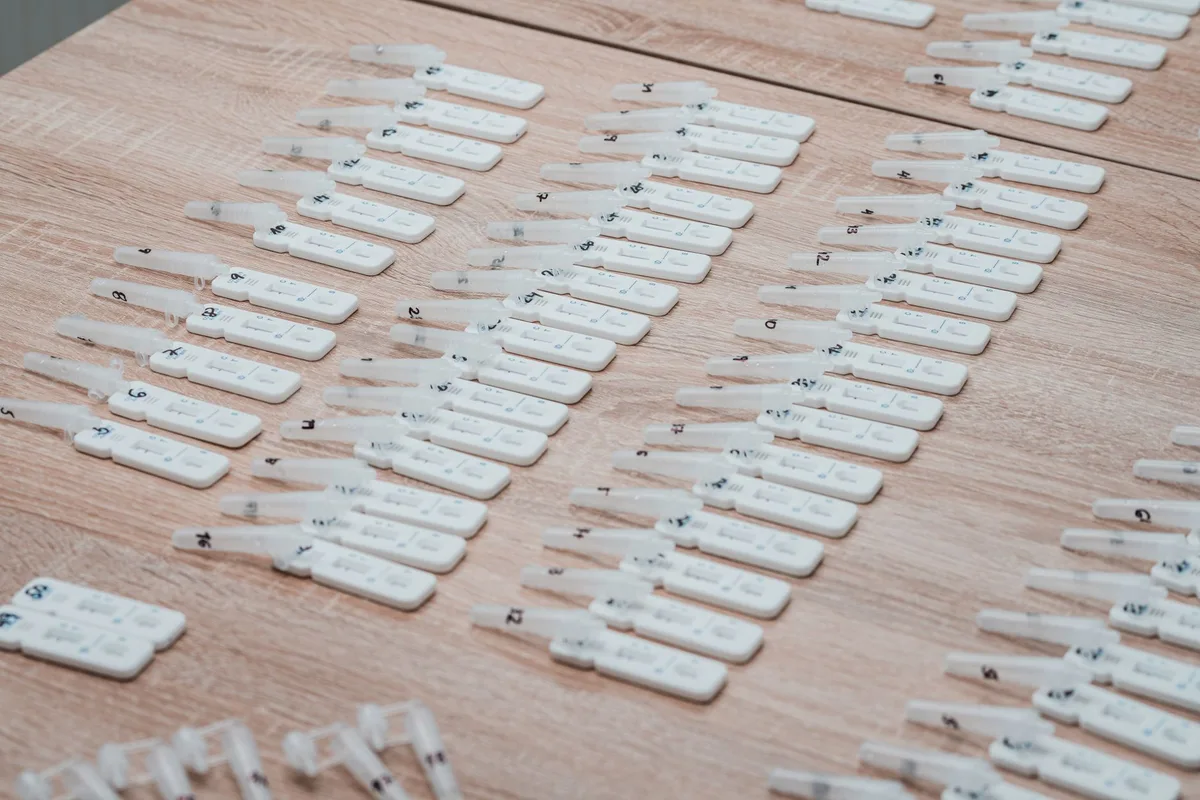
Soil test results give numbers you can act on. Collect a sample from 4‑6 locations, mix, and send to a lab. The report usually lists pH, N, P, K, and calcium.
A pH between 6.0 and 7.0 is ideal for most turf. Nitrogen under 20 ppm signals a need for a richer blend. Phosphorus below 20 ppm suggests adding phosphate.
Potassium under 40 ppm calls for a potassium‑rich option.
Use the following quick guide:
- pH 5.5‑6.0 → add lime (see best practice guides).
- pH 6.0‑7.0 → no adjustment needed.
- pH >7.0 → consider sulfur to lower pH.
For organic alternatives, see the organic fruit tree feed article, which covers similar principles for nutrient management.
Selecting the Right N‑P‑K Ratio for Your Grass Type
The N‑P‑K ratio on a bag tells you what the fertilizer supplies. Cool‑season grasses thrive on a moderate nitrogen level with balanced phosphorus and potassium. Warm‑season grasses need slightly higher nitrogen for rapid growth.
Recommended ratios (per 1000 sq ft):
- Cool‑season (fescue, bluegrass) → 20‑5‑10 (20 % N, 5 % P, 10 % K)
- Warm‑season (bermuda, zoysia) → 24‑8‑4 (24 % N, 8 % P, 4 % K)
If you want slower nutrient release, choose a product labeled “controlled release” (4‑8 weeks). Look for “slow‑release flower feed” options for bedding areas; see the slow‑release flower feed guide for brand comparisons.
Choosing a Fertilizer Formulation & Application Method
Granular fertilizers come in pellets that release nutrients over weeks. Liquid concentrates work faster but need more frequent applications. Organic blends use compost or manure and release nutrients slowly.
Synthetic blends are precise and cheap.
Consider these factors:
- Growth stage, use a starter formula for new seed.
- Season, apply early spring and early fall for cool‑season lawns.
- Moisture, avoid fertilizing during drought; wait for rain.
If disease pressure is high, integrate a fungicide. See the lawn disease control guide for timing and application rates.
Calibrating Your Spreader: Setting the Correct Rate
Broadcast spreaders need calibration to match label rates. Follow these steps:
- Mark a 1000‑sq‑ft test area (use spray paint or rope).
- Set the spreader to the manufacturer’s recommended setting.
- Load the spreader with the exact pounds needed for that area (e.g., 1 lb N per 1000 sq ft).
- Walk the perimeter, turning the spreader on and off to simulate real passes.
- Collect any fertilizer applied onto a tray, weigh it, and compare to the target. Adjust the setting by ±10 % and repeat until you match the target.
A simple calibration table helps:
| Target N (lb/1000 sq ft) | Spreader Setting | Expected Output (lb) |
|---|---|---|
| 1.0 | 5 | 0.9 |
| 1.5 | 7 | 1.4 |
| 2.0 | 9 | 2.1 |
For precise container applications, see the container plant feed guide which covers similar calibration steps.
Frequently Asked Questions
How often should I fertilize a typical lawn?
Most lawns need fertilizer three times per year: early spring, early summer, and early fall. Adjust timing based on grass type and local climate.
Can I use the same fertilizer for flowers and grass?
No. Flower beds often need higher phosphorus for blooming; lawns need higher nitrogen. Choose products based on the target plant.
What happens if I over‑fertilize?
Over‑fertilizing burns grass, causes yellow patches, and can leach into waterways, violating EPA guidelines. Reduce rates and water heavily after application.
How do I know if my soil pH is off?
A soil test kit measures pH. Readings below 5.5 need lime; above 7.5 may need sulfur.
Should I hire a professional for fertilizer application?
For large estates or complex soil issues, a professional ensures correct rates and safety. For a typical home lawn, DIY works with proper calibration.
Step‑by‑Step Application Workflow (Spring & Fall)
- Choose the right day, Look for a forecast with light rain or cooler temps (55‑75 °F). Avoid days when rain is expected within 24 hours.
- Measure the area, Use a metric wheel or GPS app to calculate square footage. Write the number on a notepad; you’ll need it for the spreader.
- Mix liquid fertilizer, Follow the manufacturer’s dilution chart. Stir slowly until the solution is clear; clumps waste nutrients.
- Calibrate the spreader, Run a test patch on a spare piece of lawn. Collect the fertilizer, weigh it, and compare to the target rate. Adjust settings by 10 % increments.
- Apply in overlapping passes, Move at a steady pace, keeping the spreader’s wheel engaged. Overlap each pass by about 10 % to avoid striping.
- Water‑in lightly, Aim for a quarter‑inch of water within the first 24 hours. This activates slow‑release granules and prevents burn.
- Record the details, Write down the date, product name, rate applied, and weather. The log helps you avoid double‑applications next season.
The pomegranate nutrient guide often shows the same rate calculations you use for turf. For a 5000 sq ft lawn, a 20‑5‑10 blend typically requires about 5 lb of nitrogen per 1000 sq ft, which translates to roughly 25 lb total. Keep a bucket and scale handy; spillage is common if you rush.
Watering, Weather, and Post‑Application Care
After you finish spraying or spreading, give the lawn a gentle irrigation. A light sprinkle for 15‑30 minutes works best. Too much water washes away slow‑release pellets before they can absorb moisture.
Check the local forecast. If rain is forecast within 48 hours, you can skip the watering step. Dry periods above 85 °F increase the risk of fertilizer burn.
In that case, delay application or apply a smaller dose.
Monitor soil moisture with a simple hand‑probe or a digital sensor. Aim for 1‑2 inches of soil moisture after the first week of application. If the top inch stays dry, water again for 10‑15 minutes.
If you see yellowing or wilting within three days, increase watering to a half‑inch and watch for runoff. The slow‑release flower feed article explains how controlled release works best when moisture is present.
A light mowing after three days helps the grass digest nutrients without creating excess clippings that could block absorption. Never cut more than one‑third of the blade height; short grass is more vulnerable to nutrient stress.
Common Mistakes That Cause Burn or Weak Growth
Applying on hot, dry days, High temperatures accelerate nutrient uptake, leading to burn. Check the weather and choose cooler days.
Mis‑reading soil test results, A pH of 5.0 looks close to 6.0, but lime requirements jump dramatically. Double‑check the lab report before you decide on adjustments.
Uneven spreader calibration, Skipping the test patch leaves you with striping. Run a calibration trial in a visible area and collect the material for weighing.
Over‑watering immediately after, Heavy irrigation flushes nitrogen, wasting money and potentially polluting waterways. Aim for light, even watering.
Using the wrong N‑P‑K blend, Warm‑season lawns need higher nitrogen. A 24‑8‑4 bag is a better choice than a 20‑5‑10 for bermuda grass.
The lawn disease control article warns that excess nitrogen can invite fungal growth. Keep rates modest and rotate active ingredients when possible.
Pro Tips for Timing, Rate Adjustments, and Safety
Apply the first spring dose when grass is actively growing. Look for 2‑3 weeks of green vigor after the last frost. A second application in early fall supports root development before winter.
Scale the rate based on soil test numbers. If nitrogen is above 25 ppm, cut the application rate by half. This prevents a surge that would shock the plant.
Safety first: wear gloves, eye protection, and a mask when mixing liquids. Keep children and pets off the treated area for at least 12 hours.
If you have a pond or stream nearby, use a buffer zone of at least 10 feet from the water edge. The EPA labeling guidelines require this buffer for many nitrogen‑heavy products.
Rotate fertilizer types each season. A synthetic blend one year, an organic blend the next, reduces the risk of buildup and keeps the soil microbes happy.
The organic fruit tree feed overview suggests using compost tea as a foliar spray for extra potassium. You can adapt this method for turf during the fall application.
Legal & Environmental Compliance Checklist
- Verify that the bag includes the N‑P‑K percentages and EPA registration number. The EPA labeling requirements mandate clear percentages for consumer products.
- Apply only during the manufacturer’s recommended window. Most labels list “Do not apply when temperature exceeds 90 °F.”
- Keep a copy of the soil test report and the application log for at least three years. Local extension offices may request these records.
- Observe the 10‑foot buffer from water bodies. Use a shovel to mark the edge and post a warning sign if needed.
- Dispose of empty containers according to state regulations. Many counties offer recycling programs for fertilizer bags.
- Record the date, product name, rate, and tonnage in a farm‑or‑home maintenance ledger. This documentation is essential for insurance claims or property sales.
If you need a quick reference, bookmark the Scotts fertilizer products page for up‑to‑date N‑P‑K charts.
Internal Links (example usage)
- For detailed rate calculations, see the pomegranate nutrient guide.
- Slow‑release applications are covered in the slow‑release flower feed overview.
- Disease prevention tips appear in the lawn disease control article.
- Organic blending advice is in the organic fruit tree feed guide.
- Indoor plant safety tips are in the Best Plants For A Bedroom article.
Long‑Term Lawn Nutrition Plan & Optimization
Track your lawn’s nutrient needs each year with a simple calendar. Set reminders for the first spring application (when grass reaches 3‑4 inches), a mid‑season feed in early summer, and a final fall application before dormancy. Research from the University of Minnesota Extension shows that a consistent three‑time schedule yields a 20 % greener canopy compared with irregular feeding.
Use the soil test kit every 2‑3 years to confirm pH and nutrient levels. If nitrogen drops below 20 ppm, increase the rate by 10 % in the next spring application. For lawns over 10 000 sq ft, consider a split‑application on alternating weeks to reduce runoff risk (EPA guidelines suggest this for larger areas).
Incorporate annual aeration and overseeding as part of a long‑term plan. Aeration every 2‑3 years improves water infiltration, while overseeding fills thin spots and boosts turf density. A study from Penn State Extension reported a 15 % increase in root mass after a combined aeration‑seed program over two growing seasons.
A basic fertilizer budget for a typical 7 000 sq ft lawn averages $45‑$70 per year (manufacturer specs confirm $0.006‑$0.010 per sq ft). Keeping detailed logs of dates, rates, and costs helps you avoid over‑spending and ensures you stay within EPA runoff thresholds.
If you notice consistent yellowing or thin patches despite the schedule, revisit the soil pH. A pH of 5.5‑6.0 may require lime amendment; the organic fruit tree feed guide explains safe application rates for residential turf.
Tools for Long‑Term Success
| Item | Frequency | Reason |
|---|---|---|
| Soil test kit | Every 2‑3 years | Confirm N‑P‑K levels |
| Broadcast spreader | Each season | Ensure even coverage |
| Digital soil sensor | Monthly | Track moisture & pH trends |
| pH meter | Seasonal | Quick pH checks in‑situ |
| Fertilizer calendar | Annually | Schedule applications |
A disciplined long‑term plan keeps your lawn resilient against drought, disease, and foot traffic. Use the pomegranate nutrient guide as a reference for nutrient balancing, when it works for fruit trees, it works for turf as well.
Frequently Asked Questions
How often should I fertilize a home lawn?
Most lawns need three applications per year: early spring, early summer, and early fall. The timing aligns with active growth periods when grass can use nutrients efficiently.
What happens if I miss a fertilizer application?
You may see a temporary dip in green color and slower recovery after stress events. A missed spring dose can reduce nitrogen reserves, so a slightly higher rate in the next scheduled application is safe (manufacturer specs allow a 10 % adjustment).
Can I use organic fertilizer on my lawn?
Yes, organic blends (e.g., compost, bone meal) release nutrients slowly over 4‑8 weeks. They improve soil structure but cost more and require larger application volumes.
How should I store leftover fertilizer?
Keep bags sealed in a cool, dry place away from sunlight. Moisture causes caking and reduces nutrient potency; a dry garage or basement works best.
What are the signs of fertilizer burn?
Look for brown or tan edges on grass blades, curling foliage, and a “cooked” smell after application. Reduce watering or rinse the area lightly within 24 hours if you see these symptoms.
When is the best time to hire a professional for lawn care?
Hire a pro if your lawn exceeds 10 000 sq ft, you have complex irrigation or septic concerns, or you need specialized services like aeration and seeding. Professionals bring calibrated equipment and can save 30‑40 % on labor time.
Decision Guide: When to DIY vs. Call a Professional
Assess Lawn Size & Complexity
- Small to medium lawns (≤ 5 000 sq ft) with simple layout can be handled with a basic broadcast spreader.
- Large properties (> 10 000 sq ft), sloped areas, or mixed grass types often need professional equipment and expertise.
Equipment Investment
- DIY requires a quality spreader, calibration tools, and safety gear. Initial cost is around $150‑$300.
- Professionals own commercial spreaders and have insurance, eliminating the need for upfront purchases.
Time & Scheduling
- If you can allocate 2‑3 hours per season and enjoy the routine, DIY works well.
- Busy homeowners may prefer a pro who can complete the job in a single day, reducing personal time commitment.
Regulatory & Environmental Concerns
- Lawns near waterways or with strict local ordinances benefit from a pro’s knowledge of EPA buffer zones and runoff control.
- Professionals stay current with changing regulations, reducing compliance risk.
Cost Comparison
- DIY average cost: $30‑$50 per application (excluding equipment).
- Professional service: $80‑$120 per application. Over three seasons, DIY saves roughly $150‑$210 for the average homeowner.
Decision Matrix
| Situation | Choose DIY | Call a Pro |
|---|---|---|
| Lawn < 5 000 sq ft, flat | ✅ | ❌ |
| Lawn > 10 000 sq ft, slopes | ❌ | ✅ |
| Existing spreader, time available | ✅ | ❌ |
| Near water body, strict runoff rules | ❌ | ✅ |
| Want to learn lawn care basics | ✅ | ❌ |
| Need guaranteed results quickly | ❌ | ✅ |
Follow the matrix to match your lawn’s needs, budget, and schedule. A thoughtful decision reduces waste, saves money, and keeps your turf looking its best year after year.