Guide to Signs of Clothes Moth Damage for 2026: Easy Methods
You pull out your favorite wool sweater and find a hole. Not a snag from a drawer pull. Not a tear from everyday wear.
A clean, irregular hole that wasnt there last season. That is one of the clearest signs of clothes moth damage, and it is easy to mistake for something else if you do not know what to look for.
Research from university extension entomology programs shows that a single female webbing clothes moth can lay between 40 and 150 eggs during her short adult life. Those eggs hatch into larvae that feed on keratin in natural fibers. The damage you see today likely started months ago.
Understanding the visual clues is the only way to catch an infestation before it spreads.
Quick Answer
The primary signs of clothes moth damage are irregular holes in natural fibers, silken webbing or tubes on fabric, and small granular droppings called frass. You may also find shed larval skins. Adult moths are small and golden, but seeing them means an infestation is already established.
Why Seeing the Damage Matters More Than Reading About It
This topic is visual by nature. You can read descriptions all day, but until you see the difference between a moth hole and a carpet beetle hole, you might treat the wrong pest. That wastes time and money.
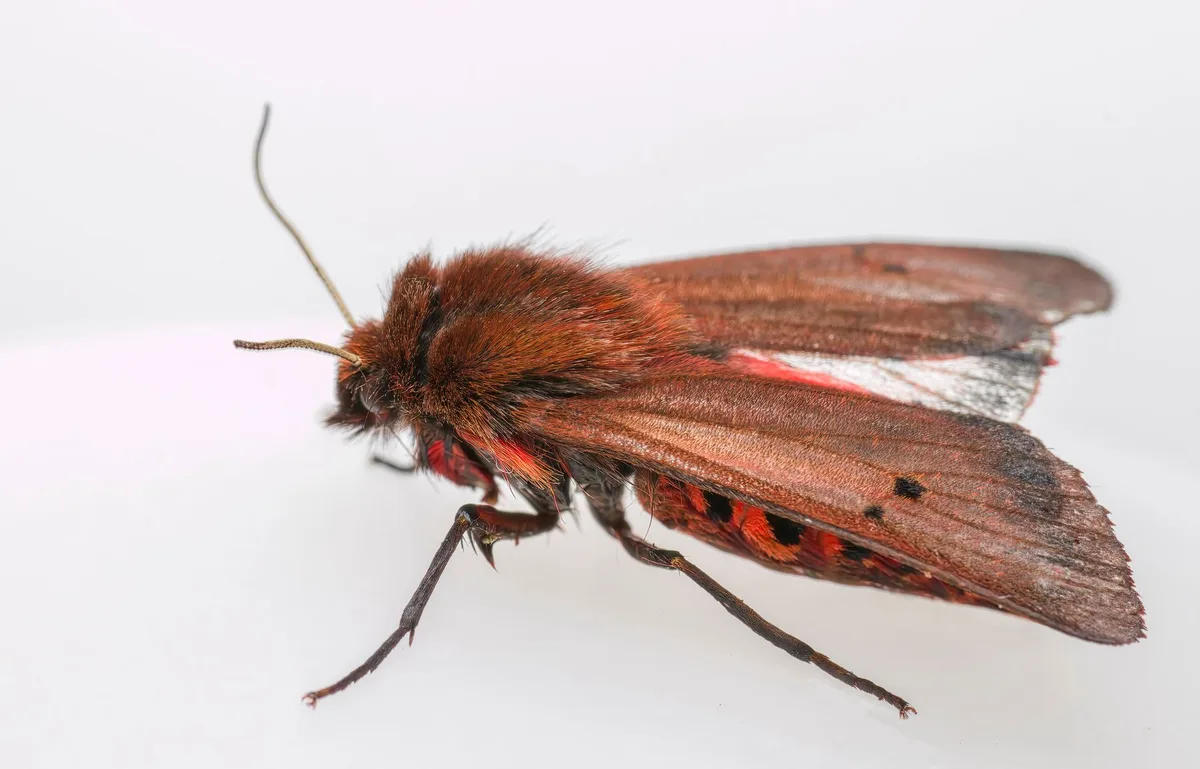
The image above shows a wool garment with classic moth damage. Notice the irregular edges. The holes are scattered, not clustered in one spot.
The fabric around each hole looks undisturbed, not stretched or frayed.
Moth larvae are small and secretive. They feed inside folds and under collars. You often find the damage before you find the pest.
That makes visual identification your first and best defense.
According to the University of California Statewide IPM Program, clothes moths cause more textile damage in the United States than any other fabric pest. Getting the identification right from the start saves your clothes and your sanity.
As of 2026, the core identification principles have not changed. What has improved is how quickly people can confirm an infestation using pheromone traps and detailed visual guides. The sooner you spot the signs, the less damage you face.
The Two Culprits: Webbing Moth vs. Casemaking Moth – What You’re Really Looking For
Two species cause almost all clothes moth damage in homes. Both are small, but their damage patterns differ slightly.
The webbing clothes moth (Tineola bisselliella) is more common. Its larvae spin silken mats or tunnels across the fabric surface. You will see webbing before you see the larvae themselves.
The casemaking clothes moth (Tinea pellionella) is less common but harder to spot. Its larvae build portable silken cases that they drag along as they feed. Look for tiny, grain-like tubes on the fabric or in the folds.
Both species target the same materials. Wool, cashmere, silk, fur, felt, and feathers are their preferred food. They avoid synthetic fabrics unless those fabrics are blended with natural fibers.
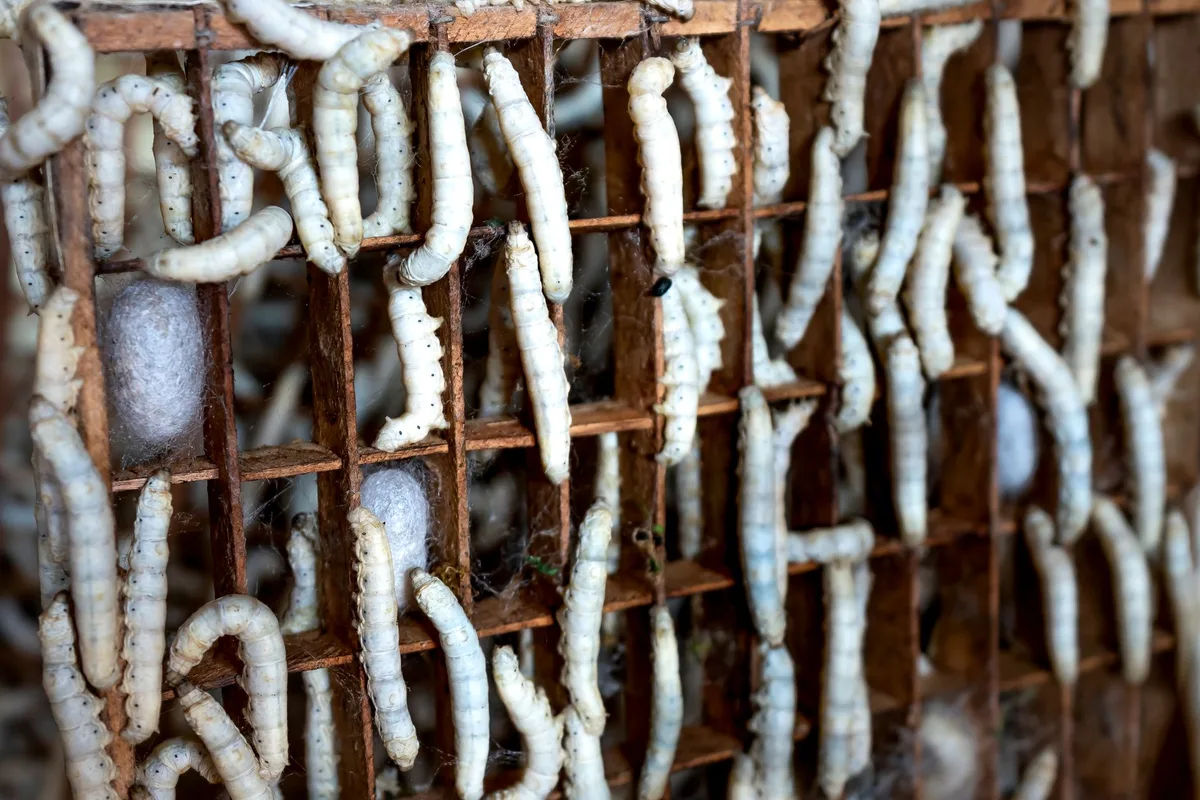
The photo above shows a clothes moth larva actively feeding on wool fabric. Notice the cream-colored body and dark head capsule. The larva is about a quarter inch long at this stage.
Adult moths are rarely the problem. They do not eat fabric. They mate, lay eggs, and die within a few weeks.
The larvae do all the damage.
This is why catching adults on a wall or windowsill is not the main concern. It is a warning sign. If you see adults, eggs have already been laid somewhere nearby.
Pinpoint Visual Cues: Holes, Webbing, Frass, and Cast Skins
Four signs confirm clothes moth activity. Learn to spot each one. They often appear together, but any single sign warrants a closer look.
The Ragged Hole Test – How to Tell Moth Damage from Snags or Wear
Moth holes have ragged, irregular edges. They look chewed, not cut. The edges are never smooth or clean.
Snags from drawer pulls or zippers leave stretched fabric around the hole. Wear holes at elbows or knees show thinning and fraying across a wide area, not a single isolated hole.
If you hold the fabric up to the light, moth damage shows clean perforations with undisturbed surrounding threads. Wear damage shows thinning and transparency across the whole area.
The test is simple. If the hole has clean edges and the fabric around it is intact, it is likely moth damage. If the fabric is thin and frayed all around, it is wear.
Webbing and Silken Tunnels – The Webbing Moth’s Signature
Webbing moth larvae leave behind silken mats on the fabric surface. Look for patches of fine white or gray silk. It resembles spider silk but is denser and flatter.
Check inside garment folds and along seams. Webbing often collects dirt and frass, making it more visible. You may also find silken tunnels that larvae use to move between feeding areas.
These tunnels are a dead giveaway. No other common fabric pest creates webbing like this. If you see it, you have webbing clothes moths.
Frass: Tiny Droppings That Tell the Story
Frass is the granular waste left by feeding larvae. It looks like fine sand or coarse salt. The color usually matches the fabric the larvae have been eating.
You will find frass under buttons, inside pockets, or at the bottom of storage bins. Shake a suspected garment over white paper. If tiny granules fall out, you have active feeding.
Frass is often the first sign people notice. They see small specks on a shelf or in a drawer and wonder what they are. If the specks are uniform in size and color, and you find them near wool or cashmere, suspect moths.
Shed Skins and Silken Cases – The Casemaking Moth’s Calling Card
Casemaking moth larvae molt several times as they grow. They leave behind empty, hollow skins. These look like tiny translucent husks.
The portable cases are the real giveaway. They are silken tubes about an eighth inch long. The larva lives inside and drags the case along as it moves.
You will find these cases attached to fabric or loose in drawers. They are easy to miss because they look like small bits of lint. A magnifying glass helps.
If the tube is hollow and has an opening at one end, it is a casemaking moth case.
Where to Look First: High-Risk Spots in Your Closet
Moth larvae avoid light. They feed in dark, undisturbed areas. Focus your inspection on these locations:
- Inside collars and cuffs of wool coats and sweaters
- Along the folded edges of stored blankets and quilts
- Under the lining of hats and jackets
- In the corners and crevices of dresser drawers
- Behind furniture that touches fabric
- Along baseboards in closets and bedrooms
Use a bright flashlight. Magnify suspicious areas with a jeweler’s loupe or magnifying glass. Look for any of the four signs before you assume a garment is safe.
Also check the air. Pheromone traps can catch adult male moths and tell you if an infestation is active. Place one trap per closet and check it monthly.
These traps work well as monitoring tools. For other indoor pest issues, similar indoor monitoring traps help track activity early.
Do not forget seasonal items. Winter coats stored in attic boxes are prime targets. Summer clothes packed in basements also face risk.
Any dark, undisturbed space with natural fibers is a potential feeding ground.
The most common mistake is checking only the visible parts of clothing. Moth larvae prefer hidden areas. Always unfold garments and inspect inside seams, cuffs, and pockets.
Common Visual Mistakes That Waste Time and Money
The most expensive mistake is treating for the wrong pest. Carpet beetle damage looks similar but requires different treatment. Using moth-specific methods on carpet beetles will not work, and vice versa.
Moth Damage vs. Carpet Beetle Damage – The Quick Side-by-Side
Carpet beetle larvae do not leave webbing. They leave bristly, hairy cast skins that moth larvae do not. Carpet beetle holes tend to have slightly smoother edges because the larvae feed differently.
The table below summarizes the key differences:
| Feature | Clothes Moth Damage | Carpet Beetle Damage |
|---|---|---|
| Webbing | Present (silken mats or tunnels) | None |
| Cast skins | Smooth, translucent, hollow | Bristly, hairy, darker |
| Hole edges | Ragged, irregular | Slightly smoother, still uneven |
| Frass | Granular, matches fabric color | Finer powder, often darker |
| Larva appearance | Creamy white with dark head | Striped or banded, hairy |
If you are unsure, look for webbing. Moths always leave it. Carpet beetles never do.
If you see bristly skins instead of smooth ones, you have carpet beetles.
Moth Damage vs. Silverfish, Crickets, and Accidental Holes
Silverfish scrape the surface of fabric. They leave irregular patches of missing nap, not through-holes. Crickets chew fabric but are rare indoors and leave larger, dirtier damage.
Accidental holes from cigarettes, chemicals, or mechanical snags all have distinct patterns. Cigarette burns have brown, melted edges. Chemical damage leaves fabric brittle and discolored.
Holes with clean, melted edges come from hot objects. Moth holes always look ragged and uneven. If you see a hole with a brown rim, it is not a moth.
Professional-grade insecticides are available for confirmed infestations, but you must know which pest you are targeting first. Using the wrong product wastes money and delays real treatment.
If you have tried identifying the damage and still cannot tell, collect a sample. Put the damaged fabric and any suspect debris in a sealed bag. Compare it to the images in this guide or consult a local pest control professional.
The Adult Moth Clue: What to Watch For (and Ignore)
Adult clothes moths do not eat fabric. They do not bite. They are not a threat to your clothes themselves.
But they are a reliable warning sign.
A single adult moth fluttering near a window might mean nothing. Moths are attracted to light, and one could have wandered in from outside. But if you see multiple adults over several days, an indoor infestation is likely active.
The adults are small, about a quarter inch long. They have narrow wings fringed with hair. Their color is pale gold or buff.
They fly in a weak, erratic pattern. You will see them near closets, behind furniture, or stuck on sticky traps.
Pheromone traps are the best way to monitor adult activity. Place one trap per closet. Check it monthly.
If you catch more than a few moths in a week, you have a problem that needs action.
Ignore the instinct to chase and kill every adult you see. Killing adults stops egg laying, but it does nothing to the larvae already feeding in your clothes. Focus your energy on finding the source of the infestation.
A Quick Visual Reference Guide (Checklist for Your Inspection)
Use this checklist during your next closet inspection. It covers the four key signs and where to find them.
Signs to Check For
- Irregular holes in natural fiber fabrics
- Fine silken webbing on fabric surfaces
- Silken tubes or cases attached to fabric
- Granular frass (droppings) in folds or drawers
- Smooth, translucent shed larval skins
High-Risk Locations to Inspect
- Inside collars, cuffs, and underarm seams
- Along folded edges of stored blankets
- Under garment linings and inside pockets
- Behind furniture that touches fabric
- Dark corners of closets and dresser drawers
- Storage boxes in attics, basements, and garages
Tools to Keep Handy
- Bright flashlight (LED works best)
- Magnifying glass or jeweler’s loupe (10x is ideal)
- White paper (shake garment over it to check for frass)
- Pheromone sticky traps (for ongoing monitoring)
If you check every item on this list and find nothing, your clothes are likely safe. Check again in three months. Moth populations grow slowly, and early detection is your best defense.
What to Do When You Spot the Signs – Immediate Steps
You found webbing. Or frass. Or a hole that was not there last month.
Now what?
First, isolate the infested item. Put it in a sealed plastic bag immediately. Do not shake it.
Do not carry it through the house. Shaking spreads eggs and larvae.
Second, kill all life stages on the item. Heat is the most reliable method. Wash the garment in water at least 120°F (49°C) for 30 minutes.
Dry on high heat for 30 minutes. If the fabric cannot handle hot water, dry clean it instead.
Do not skip the heat. Cold does not always kill eggs. Freezing requires temperatures below 0°F for at least 72 hours.
Heat is faster and more reliable.
Third, clean the surrounding area. Vacuum every corner of the closet or drawer. Pay special attention to baseboards, shelf edges, and floor cracks.
Dispose of the vacuum bag outside your home immediately.
Fourth, treat the space. Use targeted insecticide treatments labeled for clothes moths. Spray cracks and crevices, not the fabric itself.
For monitoring, use pheromone traps to catch any remaining males.
Fifth, store your clean items in airtight storage bags or sealed containers. Moths cannot reach fabric that is sealed away from the environment.
How to Confirm It’s Clothes Moths (Without a Microscope)
You do not need a microscope to identify clothes moth damage. You just need a good eye and a systematic approach.
Start with the webbing test. If you see silken mats or tunnels on the fabric, you have clothes moths. No other common fabric pest creates webbing like this.
Next, check the cast skins. Moth larval skins are smooth and translucent. Carpet beetle skins are bristly and darker.
If your skins are smooth, moths are the culprit.
Look at the frass. Moth frass is granular and matches the fabric color. Carpet beetle frass is finer and often darker.
Grainy droppings mean moths.
If you have an adult moth, catch it and compare it to the description in this guide. Pale gold, narrow wings, weak flight. That is a clothes moth.
If you are still unsure, collect the evidence in a sealed bag. Compare it to the images in this guide. You can also consult a local pest control professional.
They can identify the species and recommend treatment.
For most people, the presence of webbing plus frass is enough to conclude clothes moths. Do not overthink it. If the signs match, act on them.
Preventing Visual Confusion: Best Practices for Long-Term Monitoring
The best way to avoid confusion is to stay ahead of the problem. Regular monitoring makes identification easier because you catch issues early.
Set a quarterly inspection schedule. Pick a date. Put it on your calendar.
Every three months, inspect your stored natural fiber items. Look for any of the four key signs.
Use pheromone traps year round. Replace them every three months. Trap counts tell you if a population is growing.
If you catch zero moths for two consecutive quarters, your home is likely clean.
Keep your storage areas dry. Moths need humidity above 50% to thrive. A dehumidifier in a basement or attic closet reduces the risk significantly.
Store seasonal items in airtight containers. Plastic bins with tight lids work well. Vacuum storage bags also seal out moths.
Do not use cardboard boxes. Moths can chew through cardboard.
Learn to recognize the difference between moth damage and carpet beetle damage. Review the side by side comparison in this guide. If you know what to look for, you will never waste time treating the wrong pest.
Finally, share what you have learned with family members. Everyone in the household should know the signs. The earlier someone spots a problem, the less damage you deal with.
When to Call a Professional (and When You Can Handle It Yourself)
Most clothes moth infestations are manageable on your own. If you catch the signs early and follow the steps in this guide, you likely will not need professional help.
Call a pest control professional if the infestation is widespread. If you find damage in multiple rooms or in items stored across different floors, the problem may be deeper than a single closet. Professionals use targeted insecticides and can treat wall voids and crawl spaces where moths breed.
You should also call a pro if you have repeated infestations despite thorough cleaning. That suggests a hidden reservoir. An experienced technician can find it using inspection tools and knowledge of moth behavior.
For a single infested sweater or a few items in one closet, you can handle it yourself. Heat treatment, thorough vacuuming, and pheromone traps are usually enough. Trust your judgment.
If the problem feels too big to manage alone, get help.
Frequently Asked Questions
Can clothes moths damage synthetic fabrics?
Clothes moths prefer natural fibers like wool, cashmere, silk, and fur. They rarely damage 100% synthetic fabrics. However, they will eat blends that contain natural fibers.
If a sweater is 80% acrylic and 20% wool, the larvae will still feed.
How long does it take for clothes moths to cause visible damage?
Under ideal conditions, larvae feed for two to three months before pupating. You may not see holes for months after eggs are laid. That is why regular inspections are essential.
Do moth balls work against clothes moths?
Moth balls containing naphthalene or paradichlorobenzene can kill moths in sealed containers. But they are toxic to humans and pets. They should never be used in open closets or near living spaces.
Safer alternatives include heat treatment and pheromone traps.
Can you freeze clothes to kill moth larvae?
Yes, but only if the temperature stays below 0°F for at least 72 hours. Home freezers often hover around 10°F, which is not cold enough. Heat treatment at 120°F for 30 minutes is more reliable.
How do I prevent clothes moths from coming back?
Store clean items in airtight containers. Use pheromone traps for year round monitoring. Keep humidity below 50% in storage areas.
Inspect secondhand clothing before bringing it home. And clean seasonal items before long term storage.