What Causes Crabgrass 2026
Thin lawns are a prime invitation for crabgrass, and homeowners often wonder What causes crabgrass to take over their turf. Warm soil, bare patches, and low mowing height create perfect conditions for this annual weed. Overwatering and compacted ground further weaken grass defenses, letting crabgrass germinate early in the season.
Research as of 2026 shows that soil temperature above 55°F (13°C) triggers germination, and the weed’s seed can stay viable for two to three years. Controlling moisture and maintaining a proper mowing height are simple first steps. Keep reading to learn the exact triggers and how to stop crabgrass before it starts.
Quick Answer
What causes crabgrass is warm soil and bare patches in weak turf. Crabgrass also spreads when the lawn is overwatered and mowed too short. Soil pH out of the 6.0‑7.0 range encourages its germination.
Fixing these conditions early prevents the weed from taking hold.
Why Crabgrass Takes Hold

When turf is thin, sunlight reaches the soil and seeds like crabgrass find a ready spot. Drought stress, disease, and heavy foot traffic all thin the grass canopy, creating bare patches. These openings let crabgrass seed germinate earlier than surrounding turf.
The result is a lawn that looks patchy and quickly overrun.
Overwatering keeps the soil moist, which is exactly what crabgrass needs to sprout. Mowing below 2.5 in weakens the grass, reducing shade and allowing weed light penetration. Frequent shallow watering also creates a soft seedbed that favors crabgrass.
Keeping a taller mower setting and watering deeply but less often helps maintain a dense turf.
Compacted soil restricts root growth, making grass less competitive. Soil pH that falls below 6.0 or climbs above 7.0 hampers nutrient uptake, inviting weed growth. A simple core aeration and a good de‑thatching routine can restore a healthy lawn.
For de‑thatching, homeowners often turn to a sturdy rake; see de‑thatching rake for options.
Quick Fix: What Triggers Crabgrass Germination
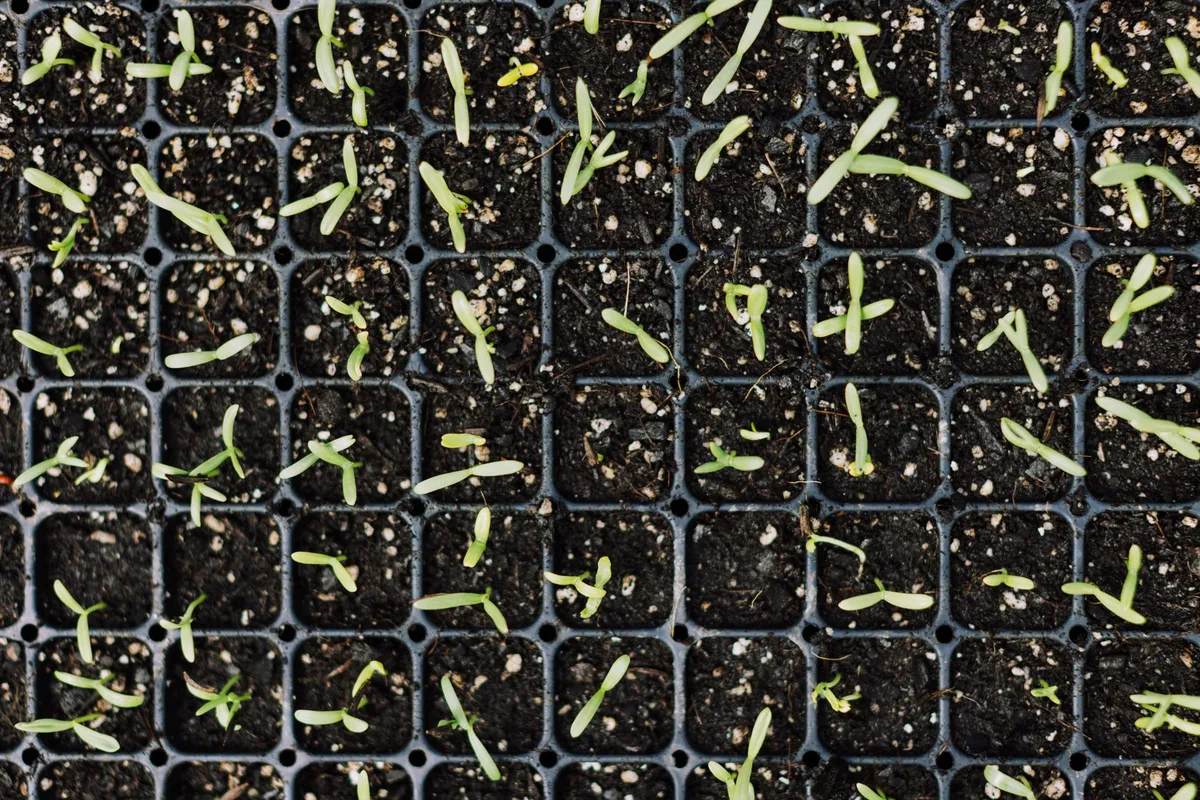
Crabgrass seed begins to germinate as soon as soil temperature reaches about 55°F (13°C) for three consecutive days. In cool‑season zones this usually occurs in late March or early April, but in the South it can start in February. The weed’s C4 photosynthesis lets it thrive as temperatures climb, giving it a head start before Kentucky bluegrass awakens.
Crabgrass also spreads when the lawn is overwatered and mowed too short. Soil pH extremes also hinder grass health, letting crabgrass outcompete weaker turf. Research as of 2026 points to these conditions as the top culprits.
If disease has weakened the turf, treating it with a fungicide for lawns can restore density.
Once you see these signs, the fix is to adjust watering habits, raise mowing height to 2.5‑3 in, and apply a pre‑emergent herbicide such as prodiamine at the recommended rate. Organic options like corn gluten meal can also block germination, though they work best when applied a week earlier. Fixing the environment early stops crabgrass before it appears, saving time and money later.
How Crabgrass Exploits Weak Turf
Crabgrass uses its C4 photosynthetic pathway to capture heat and sunlight efficiently. This lets the plant flourish in hot spots where Kentucky bluegrass or tall fescue struggle. Its shallow rhizomes spread quickly, forming dense mats that shade out slower grass.
The plant also tolerates foot traffic better than many lawn grasses.
Seed viability lasts two to three years, so a single missed plant can reseed the lawn for seasons. Each plant can produce thousands of seeds, and a dense infestation can exceed 20 tillers per plant, overwhelming the canopy. The leaf blades are about 0.25 in wide, making the weed hard to spot until it dominates.
When the lawn is stressed from drought, shade, or nutrient deficits, crabgrass fills the vacuum. Its low water requirement once established means it survives dry spells that kill weaker turf. Monitoring soil moisture and pH, and keeping grass height at 2.5‑3 in, are essential to maintain a competitive turf.
Key Factors That Set Up an Infestation
Several environmental and cultural factors combine to create a perfect storm for crabgrass. Each factor alone may not cause a problem, but together they dramatically increase weed pressure.
| Factor | Typical Range/Value | Impact on Crabgrass |
|---|---|---|
| Soil temperature | 55°F+ (13°C+) | Triggers germination |
| Lawn thickness | < 50% cover | Exposes soil to sun |
| Mowing height | < 2.5 in | Reduces shade |
| Soil pH | < 6.0 or > 7.0 | Weakens grass health |
| Watering frequency | Daily light watering | Keeps seedbed moist |
Beyond these, seed bank longevity (2‑3 years) and the weed’s ability to thrive in full sun make recovery challenging. If you notice any of these conditions, act quickly; early intervention is cheaper than late‑season control. For balanced soil nutrition, see soil pH balance guide.
Pros & Cons of Common Prevention Tools
Chemical pre‑emergents such as prodiamine and pendimethalin stop crabgrass before it appears. They offer up to 95 % control when timed correctly, but they require careful handling and may affect non‑target plants. According to the U.S.
Department of Agriculture, early prevention cuts crabgrass germination by up to 80 %.
Organic corn gluten meal acts as a natural pre‑emergent. It provides modest control and improves soil nitrogen, yet its effectiveness varies with weather and timing. It is safer for kids and pets, but higher application rates may be needed.
Post‑emergent spot sprays like glyphosate or 2,4‑D knock down existing crabgrass quickly. They are efficient for heavy infestations, but they can harm nearby grasses if misapplied. Spot treatment reduces overall chemical load and cost compared to broadcast applications.
For sustainable control, combine cultural practices with targeted products. Proper mowing, watering, and aeration create a lawn that naturally resists weeds. When choosing a method, weigh the speed of results against safety and environmental impact.
See organic weed control for low‑impact options.
Step‑by‑Step Workflow to Stop Crabgrass Before It Starts
A proven workflow stops crabgrass before it germinates. The process follows simple if/then logic, so you know exactly what to do when conditions change. Each step is short enough to fit into a typical weekend lawn care routine.
Key checkpoints
- If soil temperature reads 55°F (13°C) or higher for three straight days, then apply a pre‑emergent herbicide such as prodiamine at the label rate.
- If you missed the window, then switch to a post‑emergent spot spray targeting seedlings under the two‑leaf stage.
- If you prefer organic control, then use corn gluten meal as a natural pre‑emergent, applying it a week later than synthetic options.
- If infestation is heavy, then combine chemical pre‑emergent with core aeration and dethatching, see de‑thatching rake details.
Practical steps
- Test soil temperature with a simple thermometer; mark the day the threshold is met.
- Calibrate your spreader according to manufacturer specs to avoid under or over‑application.
- Water lightly after application to activate the product, but avoid saturated soil.
- Monitor the lawn weekly; spot‑treat any seedlings that break through.
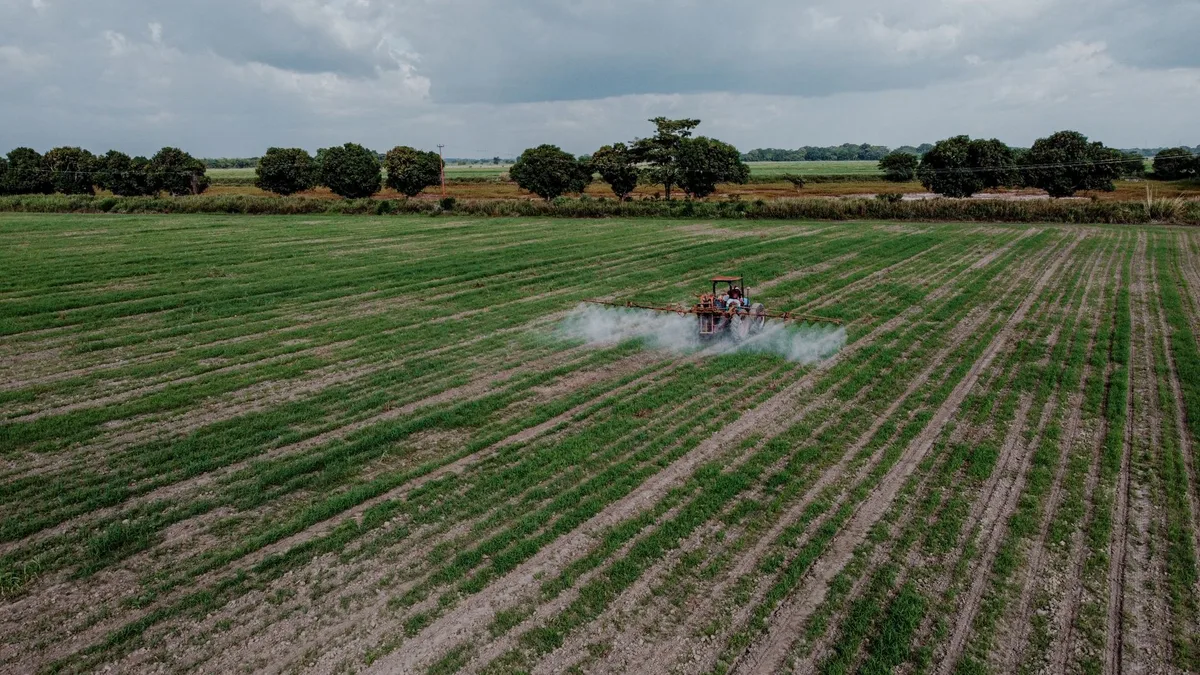
Following this workflow consistently reduces crabgrass emergence by up to 95 % when timed right. Keep a notebook of dates and temperatures to refine future timing.
Common Lawn Care Mistakes That Invite Crabgrass
Even well‑intentioned lawns can become crabgrass havens if a few bad habits go unchecked. These mistakes create thin turf, perfect moisture, and open soil for weed seeds.
- Mowing too low, Cutting grass below 2.5 in weakens roots, shades disappear, and crabgrass moves in.
- Overwatering, Frequent shallow watering keeps soil damp, ideal for crabgrass germination.
- Neglecting aeration, Compact soil blocks root growth, leaving grass thin and inviting weed pressure.
- Ignoring soil pH, pH below 6.0 or above 7.0 hampers nutrient uptake, encouraging weed takeover.
- Delayed pre‑emergent timing, Waiting too long after the 55°F soil‑temp trigger lets seeds sprout before treatment.
Quick fixes
- Raise mower deck to 2.5‑3 in and adjust watering to deep soakings every 2‑3 days.
- Core aerate once yearly and dethatch if thatch exceeds ½ in, use a sturdy rake for removal, see de‑thatching rake options.
- Conduct a simple soil test and amend with lime or sulfur as needed.
- Apply pre‑emergent when soil temperature first reaches 55°F, not later.
Avoiding these errors keeps turf dense and reduces the need for reactive control measures later in the season.
Chemical vs Organic Control Options
Choosing between chemical and organic methods depends on your tolerance for synthetic products, budget, and lawn size. Both approaches have distinct advantages and limitations.
| Feature | Chemical Pre‑emergent (prodiamine) | Organic Corn Gluten Meal |
|---|---|---|
| Speed of germination block | 24‑48 hrs after application | 5‑7 days (slower) |
| Residual control period | 60‑90 days | 30‑45 days |
| Safety for pets & kids | Requires buffer zone, re‑entry intervals | Immediate re‑entry after dry‑off |
| Cost per 10,000 sq ft | $15‑$30 | $12‑$20 |
| Effect on soil nitrogen | None | Adds slow‑release nitrogen |
When to pick each
- Use chemical options if you need rapid, long‑lasting protection for a high‑traffic lawn or when weather is unpredictable.
- Choose organic corn gluten when you manage a small lawn, have children or pets, or want to improve soil fertility while suppressing weeds.
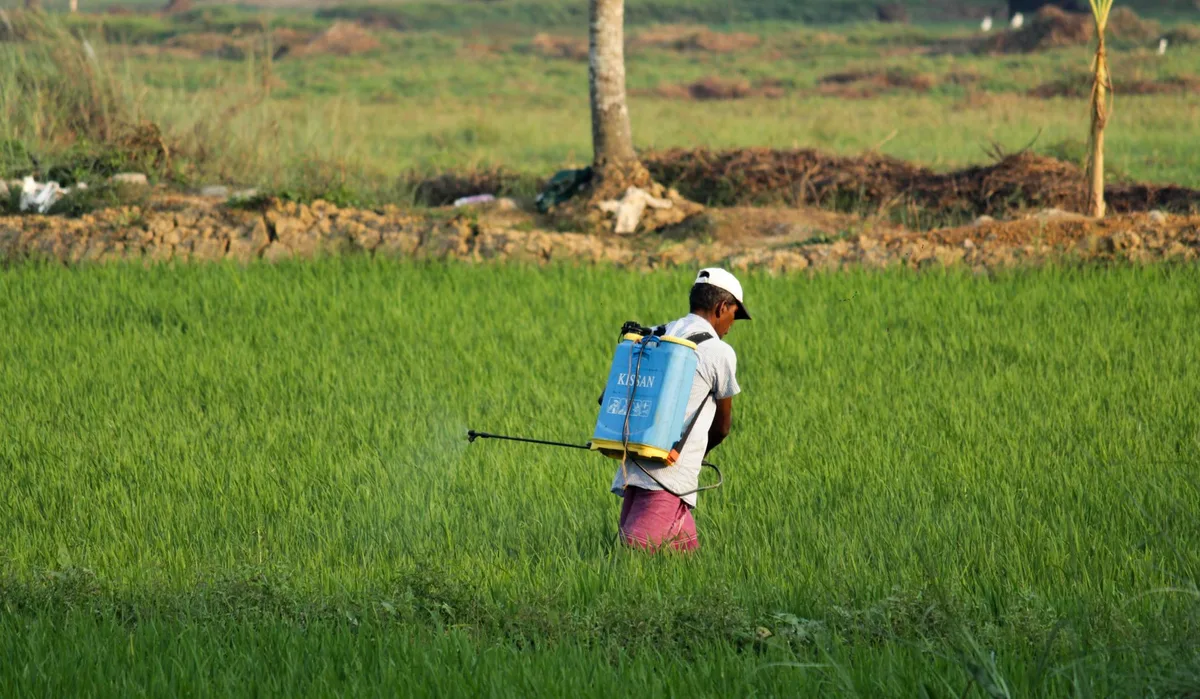
Both methods work best when paired with proper mowing height and watering habits. If you’re uncertain, start with organic corn gluten and watch soil temperature; transition to chemical pre‑emergent if weeds appear despite the organic effort.
Who Needs Aggressive Crabgrass Management
Crabgrass isn’t just a homeowner nuisance; it can dominate several specialized environments. Recognizing the right audience helps target treatment and resources.
- Residential property owners with thin Kentucky bluegrass or tall fescue lawns.
- Commercial landscape firms managing office park grass or HOA common areas.
- Sports field managers where frequent traffic creates bare spots and high weed pressure.
- Property‑management companies overseeing multi‑unit developments with shared lawns.
Each of these groups faces pressure from foot traffic, irrigation practices, or climate stressors that thin turf and invite crabgrass. Aggressive management means regular monitoring, timely pre‑emergent applications, and swift post‑emergent spot treatments.
For additional insight on maintaining nutrient‑rich soil, consult the soil nutrient guide, see the relevant article on fertilizers, to fine‑tune your program.
Expert Tips for Timing and Application
Timing is everything when tackling crabgrass; even a few days can change the outcome. These expert tips simplify the process and keep the lawn healthy.
- Check soil temperature daily once spring arrives; a handheld thermometer gives instant reads.
- Apply pre‑emergent when soil hits 55°F for three consecutive days; do not wait for air temperature alone.
- Calibrate spreader settings per manufacturer guidance; over‑application can damage nearby plants.
- Protect desirable grass by watering after application to activate the product but avoid runoff.
- Re‑evaluate after heavy rain; wash‑out can reduce efficacy, requiring a follow‑up application.
- Keep pets off treated areas for the label‑specified re‑entry interval, usually 24‑48 hrs after dry‑off.
For detailed feeding schedules, refer to the Bougainvillea feeding guide, which provides seasonal timing tips for nutrient applications.
Safety, Regulations, and Best Practices
When you handle any pre‑emergent or post‑emergent herbicide, follow the label instructions exactly. The EPA requires personal protective equipment (PPE) such as gloves, goggles, and long sleeves while mixing or spraying. Many states also require a pesticide license for commercial applicators; check your local department of agriculture website for current rules.
Keep children and pets out of treated zones for the re‑entry interval listed on the product, usually 24‑48 hours after the spray dries.
Buffer zones protect nearby plants. Most labels call for a 10‑foot buffer from sensitive garden beds. If you use a granular pre‑emergent, water in lightly to activate, but avoid runoff that can carry product into waterways.
Verify that the formulation you choose is listed as “non‑restricted use” if you lack a commercial license.
Organic corn gluten meal is generally exempt from strict pesticide regulations, yet it still carries guidelines for application rate, about 20 lb per 10,000 sq ft. Even natural products can harm young seedlings if over‑applied, so test a small area first. Review the latest USDA pesticide guidance to stay compliant with federal and state requirements.
Keeping Your Lawn Resistant Over the Season
Maintain a healthy turf canopy to outcompete crabgrass throughout the year. Mow at 2.5‑3 in height; this shade reduces sunlight reaching weed seeds. Set the deck to 2.75 in for Kentucky bluegrass and adjust for tall fescue as needed.
Consistent mowing prevents the low cuts that invite crabgrass.
Water deeply but infrequently to encourage deep roots. Aim for 1‑1.5 in of water per week, split into two sessions if possible. This practice dries the surface between irrigations, making it less inviting for crabgrass germination.
Use a rain gauge or smart controller to monitor input accurately.
Aeration once annually removes compaction and improves nutrient flow. Pair aeration with dethatching when thatch exceeds ½ in; use a sturdy rake or de‑thatching blade for removal. After these tasks, apply a balanced nitrogen fertilizer, typical rates are 1 lb N per 1,000 sq ft per season.
Too much nitrogen can favor weed growth, so follow manufacturer specifications.
Monitor soil pH annually. Most lawns thrive at 6.0‑7.0. If a test shows pH below 6.0, apply agricultural lime per label recommendations.
Over‑liming can cause nutrient lock‑out, so keep applications to the minimum needed.
Real‑World Example: From Thin Lawn to Weed‑Free
A residential property in Minneapolis suffered a severe crabgrass infestation covering 30 % of the 15,000 sq ft lawn. Soil temperature readings in early April consistently hit 55°F for three days, triggering germination. The homeowner applied prodiamine at 0.5 lb ai per 1,000 sq ft as soon as the window opened, then increased mowing height to 3 in.
Over the next 90 days, the homeowner implemented a core aeration schedule and overseeded bare patches with tall fescue. The combined cultural practices reduced available sunlight for crabgrass. By late July, spot inspections showed less than 5 % weed coverage, and the overall turf density improved from 30 % to 80 % of desirable grass.
The homeowner saved an estimated $800 on a full lawn replacement and reduced herbicide use by 70 % through timing and proper maintenance. This case illustrates how early detection and a simple workflow can turn a struggling lawn into a resilient turf.
Frequently Asked Questions About Crabgrass Causes
Why does crabgrass germinate early in the season?
Crabgrass germinates when soil temperature reaches about 55°F (13°C) for three straight days. This often happens before most cool‑season grasses have awakened, giving crabgrass a head start.
What lawn conditions encourage crabgrass growth?
Thin turf, low mowing height, overwatering, and compacted soil all create weak grass canopies. Bare patches expose soil to sunlight, and frequent light watering keeps the seedbed moist.
How does soil pH affect crabgrass?
Acidic or alkaline soils (pH outside 6.0‑7.0) hinder nutrient uptake, weakening desirable grass. Weak turf creates openings for crabgrass to establish.
Can shade prevent crabgrass invasion?
Dense shade can limit crabgrass because the weed requires full sun to germinate. However, if grass is thin, shade alone won’t stop crabgrass once seeds are present.
When should I apply pre‑emergent herbicide?
Apply pre‑emergent when soil temperature consistently hits 55°F for three days. Timing varies by region; use a soil thermometer to track temperature accurately.
How long does crabgrass stay viable in soil?
Crabgrass seed remains viable for two to three years. Preventing germination each season is essential for long‑term control.
Decision Guide: Choose the Right Prevention Strategy
If you have a large lawn and need fast results, use a chemical pre‑emergent like prodiamine at the label rate. If you manage a small lawn with pets, choose organic corn gluten meal. If you missed the pre‑emergent window, switch to post‑emergent spot sprays for existing seedlings. If infestation is heavy, combine herbicide with core aeration and overseeding.
Consider cost and safety. Chemical options cost $15‑$30 per 10,000 sq ft and require PPE and buffer zones. Organic corn gluten runs $12‑$20 per 10,000 sq ft and allows earlier re‑entry.
Evaluate lawn size, traffic levels, and family safety preferences to pick the best method.
After treatment, maintain mowing height at 2.5‑3 in, water deeply, and monitor soil temperature monthly. A consistent maintenance plan keeps crabgrass at bay and preserves turf health long‑term.