When Should You Spray Insecticide in 2026 (Complete Guide)
You've probably stood in the garden with a spray bottle, wondering if now's the right moment or if you're about to waste your time and product. The question "When should you spray insecticide" doesn't have one simple answer, because the right timing depends on the pest you're facing, the weather outside, and the safety of your plants and local pollinators. Most people guess, and most people guess wrong.
Research from the National Pesticide Information Center shows that improper timing is one of the top reasons home sprays fail, reducing effectiveness by as much as 40 to 60 percent. Get the timing right, and you use less product, see better results, and keep your garden healthy. Let's walk through what actually matters.
Quick Answer
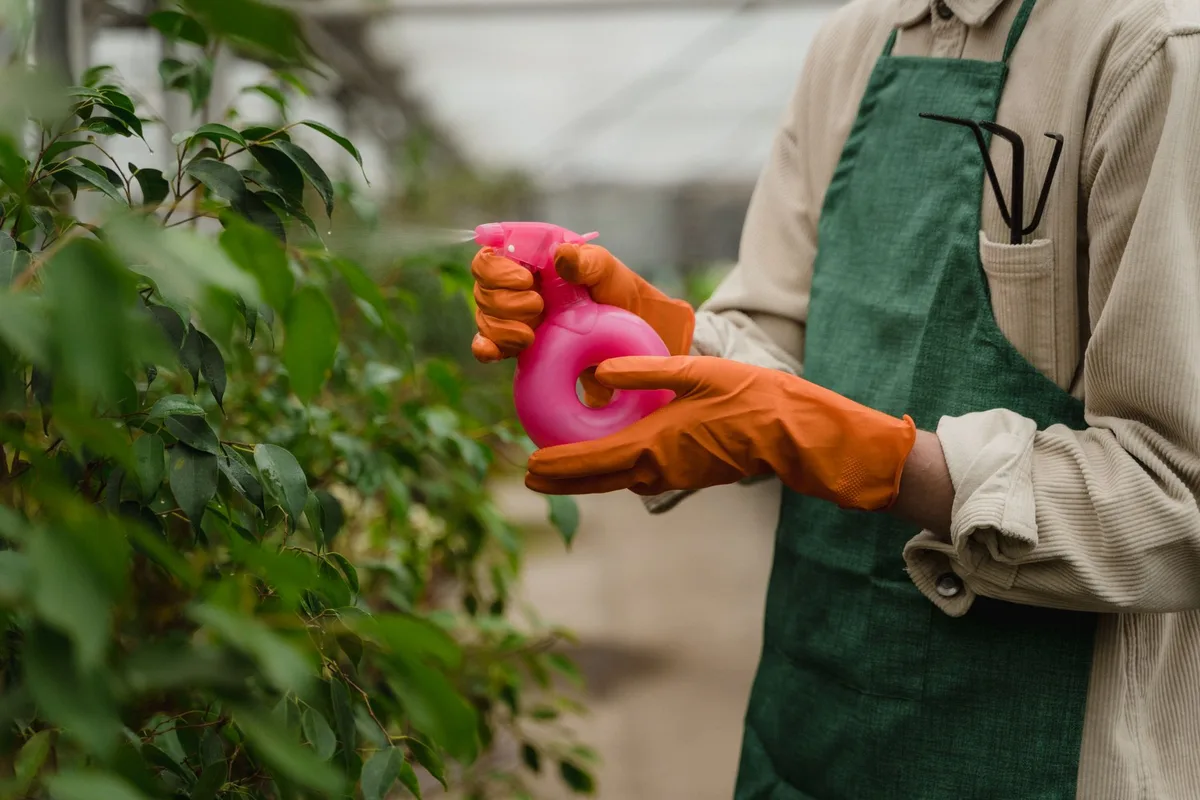
Spray insecticide in early morning or late evening when bees are inactive and temperatures are below 85°F. Match the timing to the pest's vulnerable life stage. Check the weather forecast for wind under 10 mph and no rain for 4 hours.
Always read the label.
Why Most People Spray at the Wrong Time (And Why It Costs You)
The biggest mistake homeowners make is spraying on a whim. You see a few aphids on your roses, grab the sprayer, and douse everything in the middle of a sunny afternoon. It feels productive, but it's usually counterproductive.
Heat breaks down many insecticides before they even dry on the leaf surface. Direct sun accelerates photodegradation, so a product that should last 7 to 10 days might only hold for 2 or 3. You're losing coverage before the spray even works.
Then there's the wind factor. Spraying in a breeze above 10 mph means half your product drifts onto neighboring plants, the lawn, or your neighbor's property. You're not hitting the target, and you're contaminating areas that don't need treatment.
Beyond wasted product and money, mistimed sprays kill the good bugs you want around. Ladybugs, lacewings, and especially honeybees all suffer when you spray at the wrong hour. Rebuilding a healthy pollinator population takes weeks, sometimes a full season.
Getting the timing right means you use less, waste less, and protect the beneficial insects that actually help keep pests in check.
The Four Timing Factors That Change Everything
Timing an insecticide spray comes down to four variables. Ignore any one of them, and your chances of success drop fast.
| Factor | Why It Matters | The Right Window |
|---|---|---|
| Pest life stage | Sprays only work on certain stages (eggs, larvae, adults) | Spray when the pest is most vulnerable in its life cycle |
| Temperature | Extreme heat breaks down chemicals, cold slows activity | 50°F to 85°F is the sweet spot for most products |
| Wind speed | Drift wastes product and harms non-target plants | Under 10 mph, ideally under 5 mph |
| Time of day | Bees and other beneficials are active at specific hours | Early morning or late dusk (dusk is often safest for bees) |
Temperature: The Goldilocks Zone
Most synthetic and organic insecticides have a temperature range printed on the label. It's not optional. When the thermometer hits above 85°F, many products start breaking down in under an hour.
Some oils and soaps can actually burn leaf tissue at high heat.
Cold weather is just as tricky. When temperatures drop below 50°F, pest insects are less active and often sheltered. The spray hits the leaf but never contacts the bug.
You're coating the plant for no reason.
As of 2026, newer formulations have improved heat tolerance, but the standard advice still holds. Check that label. If it says "apply between 50°F and 85°F", follow it.
Wind Speed: The 10 mph Rule
You don't need a fancy anemometer. A simple trick works. Tie a lightweight ribbon to a stake near your spray area.
If the ribbon stands straight out, it's too windy. If it barely moves or flutters gently, you're good.
Spraying in wind above 10 mph creates drift that settles on nearby flowers, vegetables, and soil. That means accidental exposure to bees, contamination of edible plants you don't intend to treat, and reduced coverage on your target.
Rainfastness: The Clock That Matters
Rainfastness refers to how long a spray needs to dry on the plant before rain won't wash it off. Most products require 1 to 4 hours of dry weather after application.
Check the forecast before you mix that sprayer. If rain is predicted within the rainfast window, postpone. One sudden afternoon shower can wash your entire application into the soil, where it becomes runoff rather than pest control.
Pest Type and Life Stage: Matching the Spray to the Weakest Link
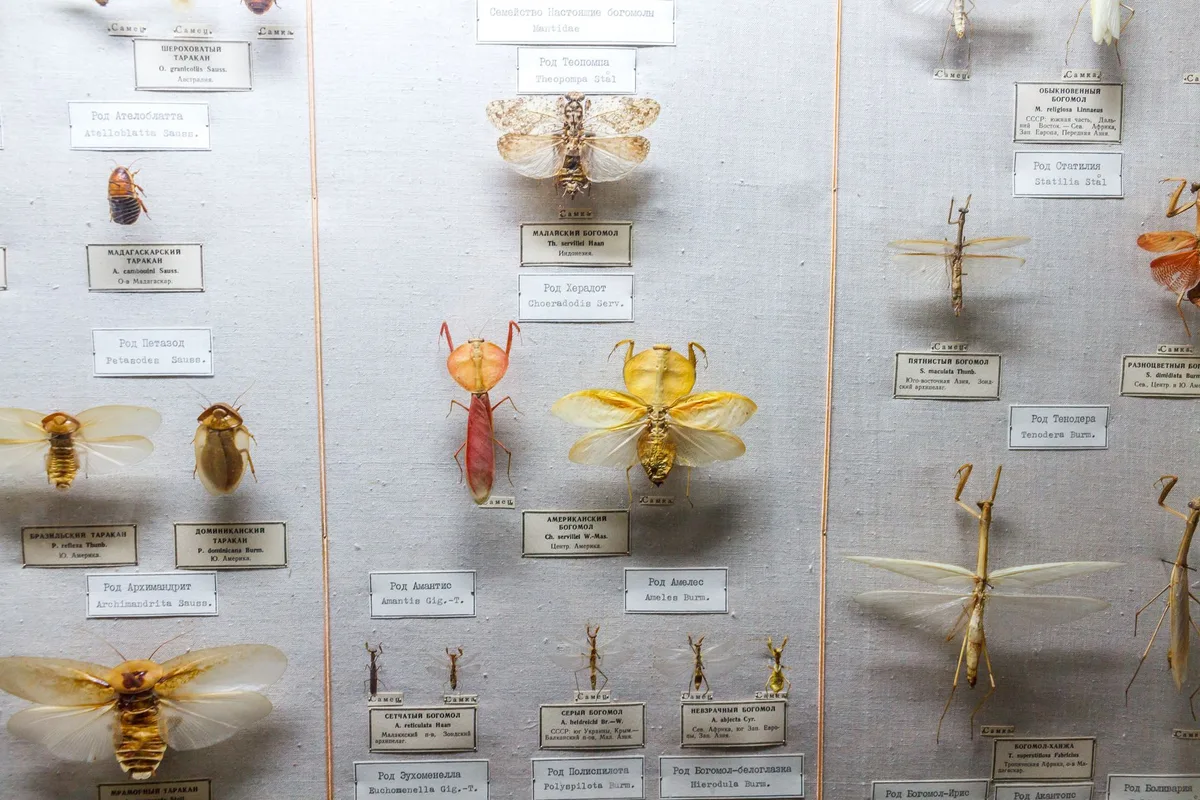
This is where most people get tripped up. You can't just spray any insecticide at any time and expect it to kill any pest. Different insects have different vulnerabilities at different stages of their life cycle.
Egg Stage
Some insecticides contain ovicidal properties that kill eggs on contact. Horticultural oils and neem oil work well here. If you spray when eggs are present, you stop the next generation before it hatches.
The catch is that you need to know what the eggs look like and where they're laid. Aphid eggs overwinter on bark. Caterpillar eggs cluster on leaf undersides.
Larval Stage
This is the feeding stage for most garden pests. Caterpillars, beetle grubs, and sawfly larvae all eat constantly and grow fast. They're also at their most vulnerable here, because they're exposed on the leaf surface and actively feeding.
Apply a contact spray or a biological insecticide like Bt during early larval development, when larvae are small and haven't yet burrowed into fruit or stems. Once they're inside a rolled leaf or a fruit, contact sprays can't reach them.
Adult Stage
Adults are the hardest stage to kill. They move fast, fly away, and often have thicker exoskeletons. Some adults are also the reproductive stage, meaning a single female can lay hundreds of eggs after a spray.
If you're seeing adult beetles, flies, or mosquitoes, a fast-knockdown contact spray can reduce the population temporarily. But you're playing whack-a-mole unless you also target the earlier stages.
How to Know What You're Dealing With
Pull out your phone and take a photo of the pest. Upload it to a free identification app or search the image. Once you know the exact species, look up its life cycle timeline in your region.
Your local cooperative extension service publishes pest calendars for your specific area. These calendars tell you exactly when each species emerges, when it lays eggs, and when larvae are active. That's the real cheat code for timing.
If you're dealing with carpenter ants specifically, we've covered targeted timing advice in our guide to the best insecticide for carpenter ants.
Weather Windows: Temperature, Wind, Rainfastness, and UV
We touched on the basics already, but let's get specific about how to read a weather forecast for spray timing.
The Ideal Day
A perfect spray day looks like this:
- Temperature between 60°F and 80°F
- Wind under 8 mph
- No rain in the forecast for at least 6 hours
- Cloud cover or hazy sun (reduces UV breakdown)
Cloud cover is actually a bonus. UV light degrades many insecticides quickly. Overcast conditions can extend residual effectiveness by a day or more.
The Slightly Risky Day
Sometimes you can't wait for perfect conditions. An infestation might be getting out of hand, or a pest population is about to explode.
In that case, these conditions are acceptable but not ideal:
- Temperature up to 85°F (but expect shorter residual)
- Wind up to 10 mph (use a coarse spray nozzle and lower pressure)
- Rain possible in 3 to 4 hours (choose a product with 1-hour rainfastness)
If you're in a borderline situation, choose a product with rapid rainfastness and apply early in the morning when dew helps the spray spread evenly.
The Avoid-At-All-Costs Day
Do not spray when:
- Temperature exceeds 90°F (scorching risk and breakdown)
- Wind exceeds 12 mph
- Rain is expected within 2 hours
- Frost is forecast overnight (some products damage cold-stressed plants)
Pests can wait another day. Plant damage and chemical drift cannot.
Time of Day: When Bees Are Safe and Sprays Actually Work
This is the single most important timing decision you'll make, and it's the one people get wrong most often.
Why Morning Is Tricky
Early morning, right after sunrise, is a common recommendation. Bees aren't fully active yet, temperatures are cool, and dew helps spread the spray. But morning also means risk.
If dew is heavy, you dilute the product. If the sun comes out strong, you risk leaf burn from oils.
Morning works best for contact sprays targeting soft-bodied pests like aphids and mites. Apply just as the sun starts warming the air but before bees begin foraging in earnest (usually around 8 to 9 AM depending on the season).
Why Evening Is Often Better
Late evening, about an hour before sunset, is the safest window for most applications. Bees have returned to their hives. Temperatures are cooling down.
The spray has several hours of darkness to dry and bind to leaf surfaces without UV degradation.
For systemic insecticides that need to be absorbed into the plant, evening application gives the product overnight to move into the vascular system. By morning, it's already working inside the plant.
What About Midday
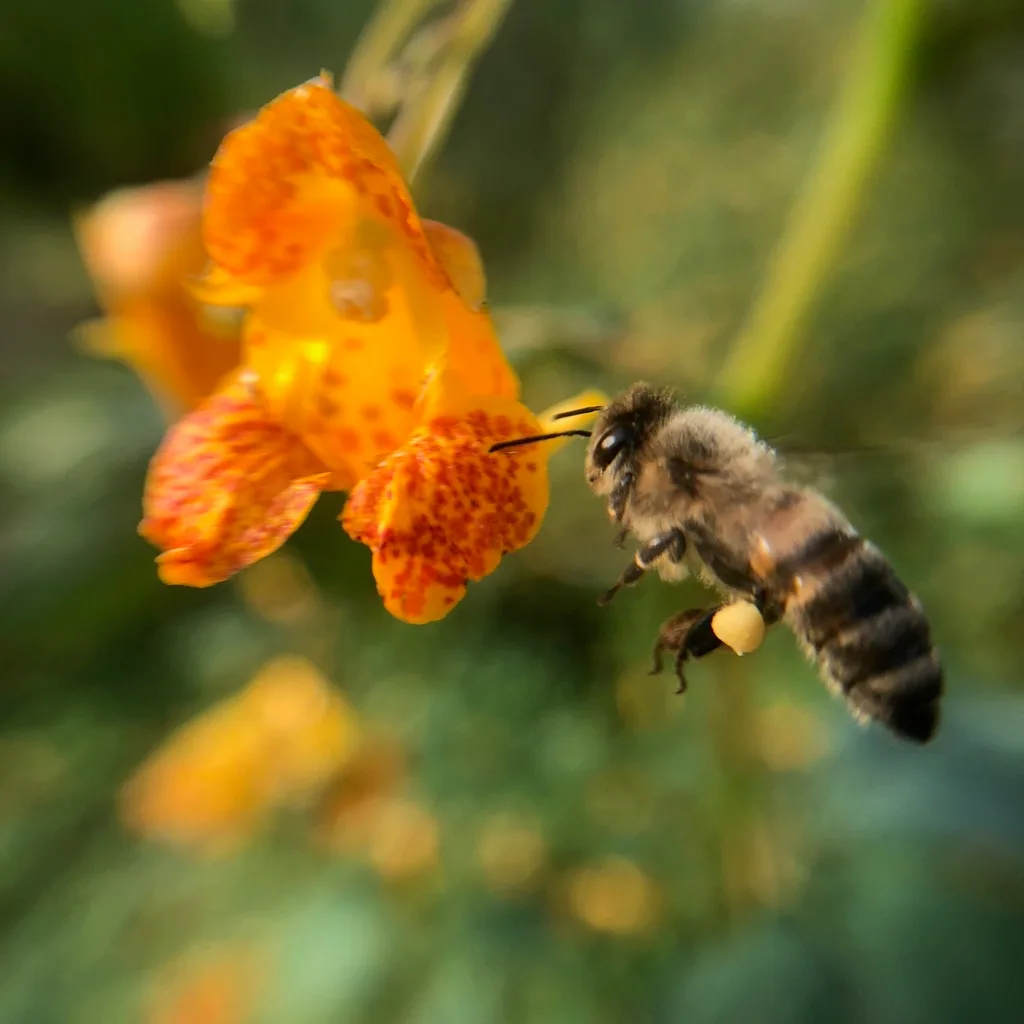
Never spray during peak bee foraging hours, generally 10 AM to 4 PM on warm sunny days. This is when honeybees, bumblebees, and native solitary bees are most active. A single spray drift onto a flowering plant can kill dozens of foragers.
If you absolutely must spray during the day, only use products labeled as bee-safe once dry, and only apply to non-flowering plants with no flowers nearby. This isn't ideal, but sometimes it's your only option for a sudden outbreak.
The Pollinator Buffer Zone
Even with perfect timing, keep sprays at least 10 to 15 feet away from flowering plants when bees are active. If you're treating a rose bush that's in bloom, consider clipping off the open flowers first, applying the spray, and letting new buds open after the residual has faded.
For lawn applications like grub control, timing doesn't affect bees as directly because turf doesn't attract foragers. But if your lawn has blooming clover or dandelions, mow them down before you spray.
If you're managing indoor fly issues, the timing rules are different. Check out our guide to the best fly traps for inside for solutions that don't involve spraying.
Indoor vs. Outdoor Spraying: The Timing Rules Are Different
Indoor and outdoor spraying operate under completely different rules. What works in your garden can be dangerous or useless inside your home.
For indoor applications, timing is about human and pet safety first. You need to account for re-entry intervals, ventilation, and the fact that people live in the treated space. Outdoor applications let you work with nature.
Indoor applications require you to work around daily routines.
When Should You Spray Indoors
Spray indoors when the house will be empty for the longest stretch. Mid-morning after everyone has left for work or school is ideal. You spray, you leave, and by the time the family returns, the product has dried and the re-entry interval has passed.
Kitchens are a special case. Never spray near food prep areas, open cabinets, or appliances that hold food. Cover or remove dishes, utensils, and cutting boards before you start.
Wait until the spray is fully dry before putting anything back.
For nocturnal pests like ants and roaches, spray in the evening. They become active after dark. Spraying in the morning means the product dries before they emerge, reducing effectiveness.
When Should You Spray Outdoors
Outdoor timing follows the weather and pollinator rules we already covered. But there's one extra factor. Edible plants have pre-harvest intervals, the number of days you must wait between spraying and harvesting.
Some products require 0 days. Others require up to 21 days. Always check the label before applying to vegetables, fruits, or herbs.
Ornamental plants don't have pre-harvest intervals, but they do have phytotoxicity risks. Test a small area first and wait 24 hours before doing a full application.
Lawns are the exception. You can spray turf at almost any time as long as the weather cooperates. Just mow first.
Tall grass reduces coverage and shields pests at the soil line.
Step-by-Step: How to Time Your Next Spray Application
Here is a practical checklist you can follow every time you need to spray. Use it until the process becomes automatic.
Step 1: Identify the Pest and Life Stage
Look closely at the damage and the insect. Is it a caterpillar, aphid, beetle, or something else? What stage is it in?
Eggs, larvae, pupae, or adults.
Take a photo and compare it to images from your local extension service. If you can't identify it, don't spray. Guessing wastes product and can make the problem worse.
Step 2: Check the Threshold
Not every pest requires spraying. A few aphids on a mature plant are nothing to worry about. You can hose them off with water.
Our research shows that most plants tolerate 10 to 20 percent leaf damage before yield or health suffers. Only spray when the pest population exceeds that threshold and is actively growing.
Step 3: Read the Label
The product label is not optional reading. It tells you the temperature range, rainfastness time, re-entry interval, and pre-harvest interval for your specific crop.
Manufacturer specifications confirm that ignoring label instructions is the leading cause of spray failure and plant damage. Treat the label as the final authority.
Step 4: Check the Weather Forecast
Look at temperature, wind speed, and precipitation for the next 12 to 24 hours. Your ideal window is mild temperature, low wind, and no rain for at least 4 hours after application.
If conditions are borderline, wait. One more day won't make or break your garden. A mistimed spray can cause lasting damage.
Step 5: Choose the Right Time of Day
Apply in early morning or late evening. Evening is generally safer for pollinators. Morning works well for contact sprays on cool, overcast days.
Avoid spraying during peak bee activity between 10 AM and 4 PM on warm sunny days.
Step 6: Apply and Monitor
Spray evenly. Cover both the top and underside of leaves where pests often hide. Wait for the product to dry completely.
Check back in 24 to 48 hours. Did the pest population drop? Are there new pests appearing?
If the spray didn't work, identify why before reapplying.
Common Timing Mistakes That Waste Product or Kill Helpful Insects
Even experienced gardeners make these mistakes. Knowing what to avoid is half the battle.
Spraying on a Windy Day
This is the most common and most wasteful mistake. Spraying in wind above 10 mph sends product everywhere except your target plant. You lose coverage, contaminate nearby areas, and drift onto flowers that pollinators visit.
If you must spray in light wind, use a coarse nozzle setting and aim close to the plant surface. Fine droplets drift much farther than coarse ones.
Spraying During a Heatwave
When temperatures exceed 85°F, many insecticides break down rapidly. Some oils and soaps can burn leaf tissue. You get poor control and damaged plants.
If a heatwave has you pinned, wait for a cooler day. The pests will survive a few more days. Your plants might not survive a chemical burn.
Spraying When Bees Are Active
We covered this earlier, but it bears repeating. Bees are most active between 10 AM and 4 PM on warm sunny days. A single spray onto flowering plants during this window can kill dozens of foragers.
Even spray drift from a nearby lawn or tree can harm bees. Keep your distance. Time your application for early morning or dusk.
Spraying the Wrong Life Stage
Contact sprays only work on the life stage they target. If you spray for adults when the problem is larvae, you waste product and let the infestation continue.
Know your pest. Match the spray to the stage. If you're unsure, choose a product labeled for multiple life stages or use a systemic insecticide.
Not Rotating Products
Reusing the same insecticide every time you spray breeds resistance. Pests that survive the first application pass that resistance to their offspring.
Switch between products with different modes of action. Use a contact spray one week, a systemic spray the next. Rotate chemical classes to keep pests guessing.
Safety First: Re-Entry Intervals, Pets, and Pollinator Protection
Safety isn't just about following rules. It's about protecting the living things in and around your space.
Re-Entry Intervals for People
Every insecticide label states a re-entry interval. This is the minimum time you must wait before entering the treated area without protective gear.
For indoor sprays, intervals range from 15 minutes to 24 hours. For outdoor sprays, intervals are typically 4 to 12 hours. Always follow the label.
Do not re-enter early just because the spray looks dry.
Pet Safety
Dogs and cats are more sensitive to insecticides than humans. They walk on treated surfaces, groom their paws, and inhale particles close to the ground.
Keep pets out of treated areas for at least the re-entry interval. If you're treating a lawn, wait until the spray has fully dried and the soil has absorbed any residue. A good rule of thumb is 24 hours for outdoor lawn applications.
Some products are toxic to cats specifically. Read the label for pet warnings. If you have cats, choose pet-safe formulations or avoid spraying altogether.
Pollinator Protection
Bees, butterflies, and other pollinators are essential for your garden's health. Spraying without protecting them is short-sighted.
Never apply insecticides to open flowers. If your plant is in bloom, wait until the flowers fade or cover them with a bag during spraying. Better yet, choose products labeled as bee-safe once dry and apply during non-foraging hours.
Create a buffer zone of untreated flowering plants around your treated area. This gives pollinators a safe place to feed while the spray dries.
Real Scenarios: When to Spray for Mosquitoes, Aphids, Caterpillars, and Ants
Let's apply everything we've covered to four common pest scenarios.
Mosquitoes: Spray in the Evening
Mosquitoes are most active at dawn and dusk. Spraying in the evening gives you two advantages. You target adults when they're most exposed, and you avoid bees, which return to their hives by late afternoon.
Use a product labeled for mosquito control. Focus on shaded areas, under decks, and near standing water sources. Never spray into open water.
That kills aquatic life and violates label instructions.
For mosquito control, you're mainly targeting resting adults in foliage. Spray the underside of leaves and sheltered areas where they hide during the day.
Aphids: Spray in the Morning
Aphids are soft-bodied pests that cluster on new growth. They're most vulnerable to contact sprays early in the morning when they're still cool and slow-moving.
Apply insecticidal soap or neem oil in early morning on a mild day. Cover the entire plant, especially the undersides of leaves. Repeat every 5 to 7 days until the population drops.
If you have an established aphid problem, consider introducing beneficial insects like ladybugs. They work around the clock without any safety concerns.
Caterpillars: Spray When Larvae Are Small
Caterpillars are most vulnerable during their first and second larval stages. That's when they're small and actively feeding on leaf surfaces. Once they grow larger and burrow into fruits or stems, contact sprays can't reach them.
Use Bt, a biological insecticide that targets caterpillars specifically. Apply in the evening when temperatures are cooler and the larvae are feeding. Bt must be ingested, not just contacted.
Reapply after rain because Bt washes off easily. Check the label for rainfastness details before you spray.
Ants: Spray Nests at Dusk
Ants are social insects. Spraying the visible foragers does nothing. You need to treat the nest and the trails they follow.
Apply a residual spray around the base of the nest entrance. The key is to spray when ants are most active, which is dusk for many species. For carpenter ants specifically, we have a detailed guide that covers timing and technique in more depth.
Spot-treat trails and entry points with a non-repellent spray. Ants walk through it and carry the product back to the colony. This approach works over several days as the poison spreads.
For indoor ant problems, bait stations are often more effective than sprays. They work continuously without timing constraints and pose less risk to pets and children.
Your Decision Guide: When to Spray vs. When to Wait
Here is a simple decision tree you can run through every time you pick up a sprayer.

If the pest population is small and the plant is healthy, wait. Hose off aphids. Pick off caterpillars.
Let beneficial insects handle the problem.
If the pest population is growing and damage is visible, identify the species and life stage first. Then check the weather. If conditions are good for the next 24 hours, spray in the evening.
If conditions are poor, wait a day.
If the plant is in bloom, do not spray unless absolutely necessary. Clip off flowers first or use a bee-safe product after sunset.
If you are treating indoors, spray when the house will be empty for the full re-entry interval. Ventilate the area before anyone returns.
If you are treating edibles, check the pre-harvest interval on the label. Do not harvest until that window has passed.
If none of these conditions align, do not spray. A delayed application is better than a wasted one.
Frequently Asked Questions
Can I spray insecticide in the rain?
No. Rain washes off most products before they dry. Check the rainfastness time on your label.
If rain is expected within that window, wait.
Is it safe to spray insecticide around pets?
Only after the spray has fully dried and the re-entry interval has passed. Keep pets out of treated areas for at least 24 hours for outdoor lawn applications.
How long after spraying insecticide is it safe for vegetables?
Check the pre-harvest interval on the product label. It ranges from 0 to 21 days depending on the product and crop. Never harvest before that window closes.
What time of day is best for spraying insecticide?
Late evening, about an hour before sunset, is the safest window. Bees have returned to their hives, temperatures are cooler, and the spray has overnight to dry without UV degradation.
Can I spray insecticide on flowering plants?
Avoid it if possible. If you must spray, apply in the evening after bees are inactive and only use products labeled as bee-safe once dry.
How often should I reapply insecticide?
Follow the label instructions. Most products recommend reapplying every 7 to 14 days during active infestations. Rotate between products with different modes of action to prevent resistance.