How to Stop Fleas in the Yard in 2026 (Pro Tips & Tricks)
If your dog starts scratching the second they hit the grass, or you feel that tiny pinch on your own ankles while watering the garden, you've got a yard flea problem. Understanding how to stop fleas in the yard is more than grabbing a random spray from the hardware store. It's about working with the flea's biology, not against it.
The cat flea, Ctenocephalides felis, accounts for an estimated 90% of flea infestations in North American homes, per research from land-grant university extension services. And the lawn is its nursery. Adult fleas live on your pet, but eggs, larvae, and pupae develop in the grass and soil.
That means you can treat the house perfectly and still get reinfested from the yard. Let's fix that.
Quick Answer
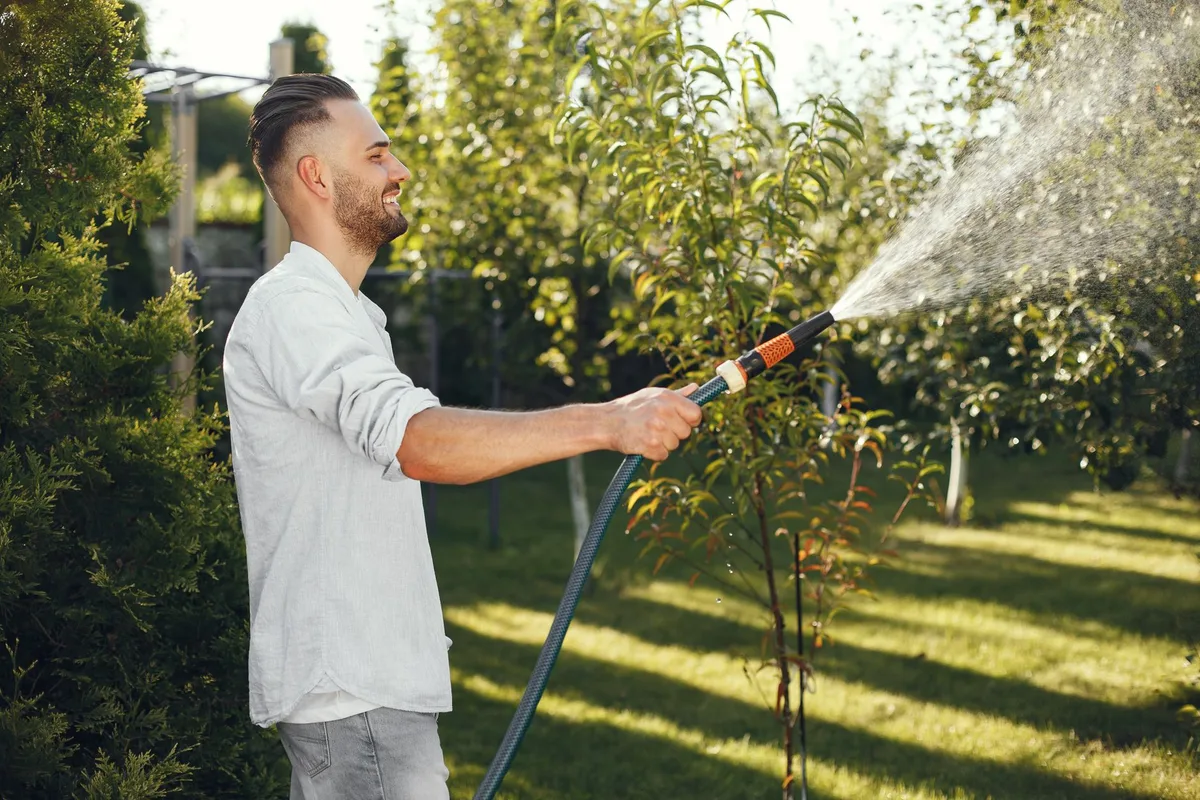
Kill fleas in the yard by treating the habitat and the pet at the same time. Mow the grass short first. Remove leaf litter and debris.
Apply an insect growth regulator or beneficial nematodes to the lawn. Keep pets on year-round flea prevention. Retreat every two weeks during active season to break the lifecycle.
Why Yard Flea Control Requires Caution
Flea treatments are pesticides. Some are quite effective. But they also kill bees, earthworms, and beneficial insects.
And some can harm your pets if applied wrong.
Yards are not sterile environments. They are ecosystems. You have plants, pollinators, pets, kids, and maybe a vegetable garden.
A broad-spectrum spray that kills fleas will also kill ladybugs, ground beetles, and the earthworms that aerate your soil. Our research into extension service guides confirms that the safest approach is to target the flea lifecycle rather than nuking everything.
The biggest danger? Permethrin. This common active ingredient in many yard flea sprays is highly toxic to cats.
A cat that walks across treated grass and then grooms its paws can suffer drooling, tremors, seizures, or worse. As of 2026, the FDA still lists permethrin as a primary cause of acute feline poisoning. Dog products often use it.
But if you own a cat, even an indoor cat that might slip outside, you need to read labels extremely carefully.
There is also the runoff problem. If you spray and it rains the next day, that insecticide can wash into storm drains. That kills aquatic insects and small fish.
In our research, we found that many municipalities now have restrictions on pyrethroid application near waterways. Check your local rules before you buy.
The Real Reason Fleas Keep Coming Back
Fleas do not live on your lawn the way birds live in a tree. They are not permanent residents. The adults are temporary visitors that jump onto passing animals.
But the yard is the nursery.
Here is the lifecycle that matters:
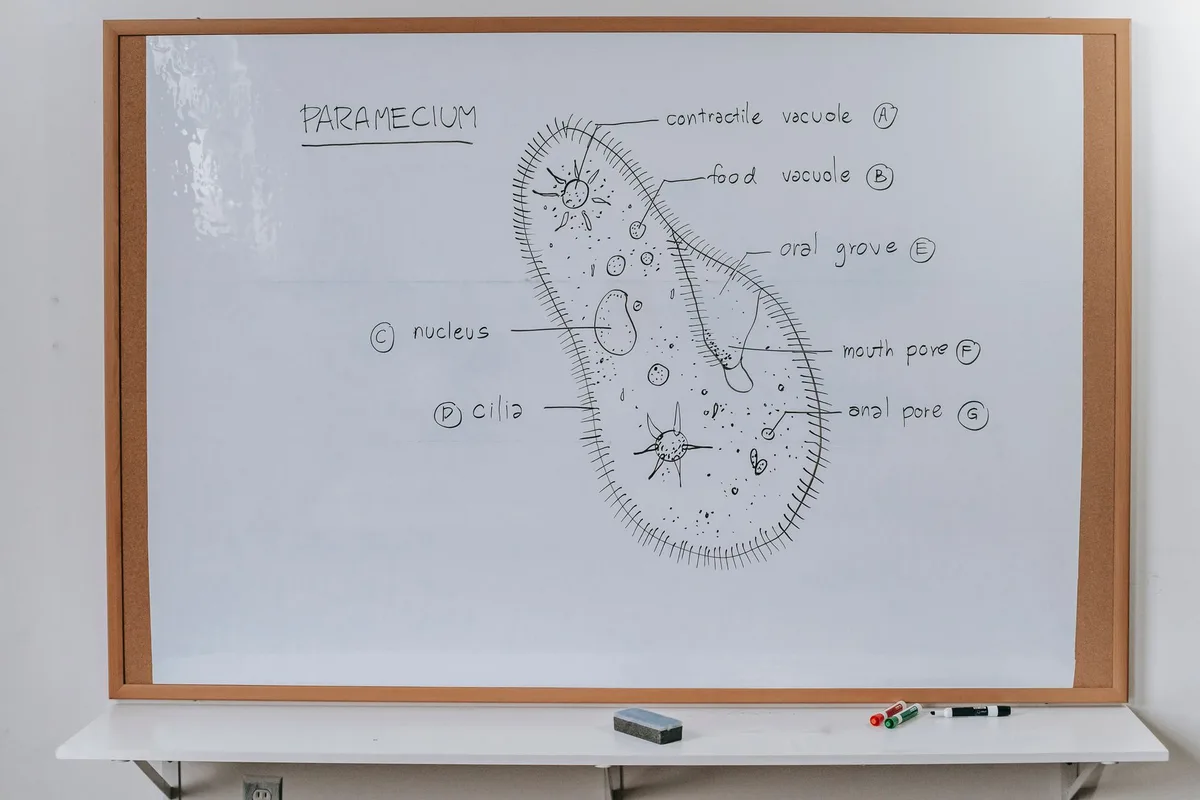
- Adult fleas: Live on your pet. They feed, mate, and lay eggs there. They can survive a few days off the host, but they really want back on.
- Eggs: White, tiny, like grains of salt. They fall off your pet into the grass, under the porch, into the kids' play area. A single female lays up to 50 eggs per day.
- Larvae: Hatch in 2, 14 days. They are worm-like, avoid light, and burrow deep into soil, mulch, and leaf litter. They eat organic debris and adult flea feces (dried blood). They cannot live on short, sun-baked grass.
- Pupae: After 5, 14 days, the larva spins a silk cocoon. This stage is the toughest. The pupa can sit dormant for weeks or months, waiting for vibration, warmth, or CO₂ to signal a host is near. This is why a yard can seem flea-free for a month and then suddenly erupt when you step outside.
That pupal stage is the reason you cannot just spray once and be done. The spray kills adults and larvae, but the pupae survive. They keep hatching for weeks after your treatment.
That is why the standard advice is to treat every two weeks for at least three cycles.
The yard becomes a reservoir. Even if you treat your house and your dog, untreated yards allow fleas to keep jumping onto your pet during walks or bathroom breaks. You end up with a revolving door infestation.
What Makes Your Yard a Flea Magnet
Fleas are not evenly distributed across a lawn. They concentrate in specific microhabitats. Understanding these hot spots lets you target your treatments instead of wasting product on the sunny, dry patches where fleas cannot survive.
Moisture is the primary driver. Flea larvae need humidity above 50% or they desiccate and die. That means the damp, shaded parts of your yard are the problem areas. Think about:
- Under shrubs and bushes
- Along the north side of the house
- Under decks and porches
- In mulch beds
- Near downspouts and sprinkler heads
- Where the dog's run is shaded
Dry, sunny, open grass is rarely the issue. You can stop spraying it and focus on the real habitat.
Host animals matter. Fleas need a blood meal to reproduce. If your yard attracts wildlife that carries fleas, you are constantly reinfesting. Common carriers include:
- Raccoons
- Opossums
- Squirrels
- Feral cats
- Stray dogs
A yard with a bird feeder or a compost pile will attract more of these animals. Securing trash cans and removing food sources helps cut down the flea population over time.
Tall grass and leaf litter provide cover. Adult fleas avoid direct sunlight. They hide in the thatch layer at the base of grass blades. If your lawn has a thick thatch layer, or you let the grass grow tall, you give fleas more places to hide.
Mowing short and raking up leaves reduces the habitat significantly.
And here is a detail most people miss: the soil itself holds flea eggs and pupae. Your sprinkler system may be feeding the problem. If you water frequently and lightly, you keep the top layer of soil moist, which is perfect for egg and larval survival.
Letting the soil dry between waterings helps reduce survival rates.
Regular yard maintenance like mowing, raking, and trimming back shrubs can make a massive difference. In our research, extension service guides emphasize that habitat modification alone can reduce flea populations by 60% before you even apply any treatment. Pair that with a good fungicide and lawn care routine, and you create a yard that is unfriendly to fleas without heavy chemicals.
For example, keeping your lawn healthy with a good fertilization schedule, like the one discussed in our piece on the best fertilizer for bougainvillea in pots, helps the grass outcompete the damp, weedy spots fleas love.
Treatment Options: Chemical Sprays vs. Natural Methods
You have two broad paths, plus a blended middle ground. None of them work unless you follow the process correctly. Let's compare the main tools side-by-side.
| Method | How It Works | Kills Stage | Pet Safe? | Best For |
|---|---|---|---|---|
| Nematodes (live worms) | Enter larvae and kill them | Larvae only | Yes (zero chemicals) | Organic yards, near water, any pet |
| IGRs (e.g. pyriproxyfen) | Stop larvae from becoming adults | Eggs & larvae | Generally safe for dogs and cats | Prevention, long-term control |
| Diatomaceous earth (food grade) | Abrades the waxy coating of insects | Adults & larvae | Safe when dry (inhale risk) | Dry areas, dog runs, kennels |
| Chemical adulticides (bifenthrin, permethrin) | Attack the nervous system of adults | Adults | Toxic to cats, fish, bees | Quick knockdown, heavy infestations |
Nematodes are the gold standard for safety. They are microscopic roundworms that you mix with water and spray onto the lawn. They actively hunt flea larvae in the soil. They are completely harmless to pets, people, and plants.
The catch? They need moist soil to survive. You have to water them in immediately and keep the ground damp for about a week.
They also cannot be applied in direct sunlight. Dawn or dusk, or a cloudy day, is your window.
IGRs (insect growth regulators) like pyriproxyfen or methoprene are available in granular or spray form. They do not kill adult fleas directly. Instead, they prevent eggs from hatching and stop larvae from maturing into reproducing adults.
They are very low toxicity to mammals and birds. Many professional pest control companies use a combination of an adulticide plus an IGR. You can buy IGR-only products for yard use if you want to avoid killing bees.
Diatomaceous earth is a fine powder made from fossilized algae. It works by cutting the insect's outer shell, causing dehydration. It is cheap and widely available. But it only works when dry.
Once it gets wet, it becomes inert until it dries again. That makes it frustrating for outdoor use unless you apply it in covered areas like under decks or in dog houses. And you must wear a mask when applying it because breathing in the fine dust irritates your lungs.
Chemical adulticides kill adult fleas quickly. They work within hours. But they are broad-spectrum. They kill bees, butterflies, and predatory insects.
They also pose risks to aquatic life if they wash into the gutter. If you go this route, choose a product that lists both an adulticide and an IGR. That gives you knockdown plus ongoing prevention.
For most homeowners, the right approach is a two-step strategy. Start with habitat modification (mow, rake, prune). Then apply nematodes or an IGR to the shaded, moist areas.
Use an adulticide only as a spot treatment for severe infestations, and keep pets off the grass until the product dries completely. Checking labels for waiting times is essential. Different products require different intervals before letting your animals back on the lawn.
Step-by-Step: How to Treat Your Yard from Start to Finish
Treating a yard for fleas is a sequence, not a single event. Follow these steps in order or you will waste product and time.
Step 1: Mow and Clean the Yard
Cut the grass short. Set your mower to its lowest safe setting. Short grass lets sunlight reach the soil, which dries out flea eggs and larvae.
Rake up leaf litter, grass clippings, and debris. Flea larvae hide in this stuff. Removing it exposes them to predators and sunlight.
Pay special attention under shrubs and along fence lines.
Trim back overgrown bushes and low-hanging branches. More sunlight reaching the ground means fewer damp, shaded spots for fleas to breed. Good maintenance with a sharp mower blade makes a real difference.
Step 2: Treat Your Pets First
This step is critical. If your dog or cat is carrying adult fleas, those fleas will keep laying eggs in your yard no matter what you spray.
Apply a vet-approved topical or oral flea preventive. Give it 24 to 48 hours to start working before you treat the yard. This prevents the fleas from jumping off your pet and into the grass during your treatment window.
Step 3: Choose Your Treatment and Apply It
Decide between nematodes, an IGR, or a chemical adulticide based on your situation. Refer back to the comparison table in the previous section.
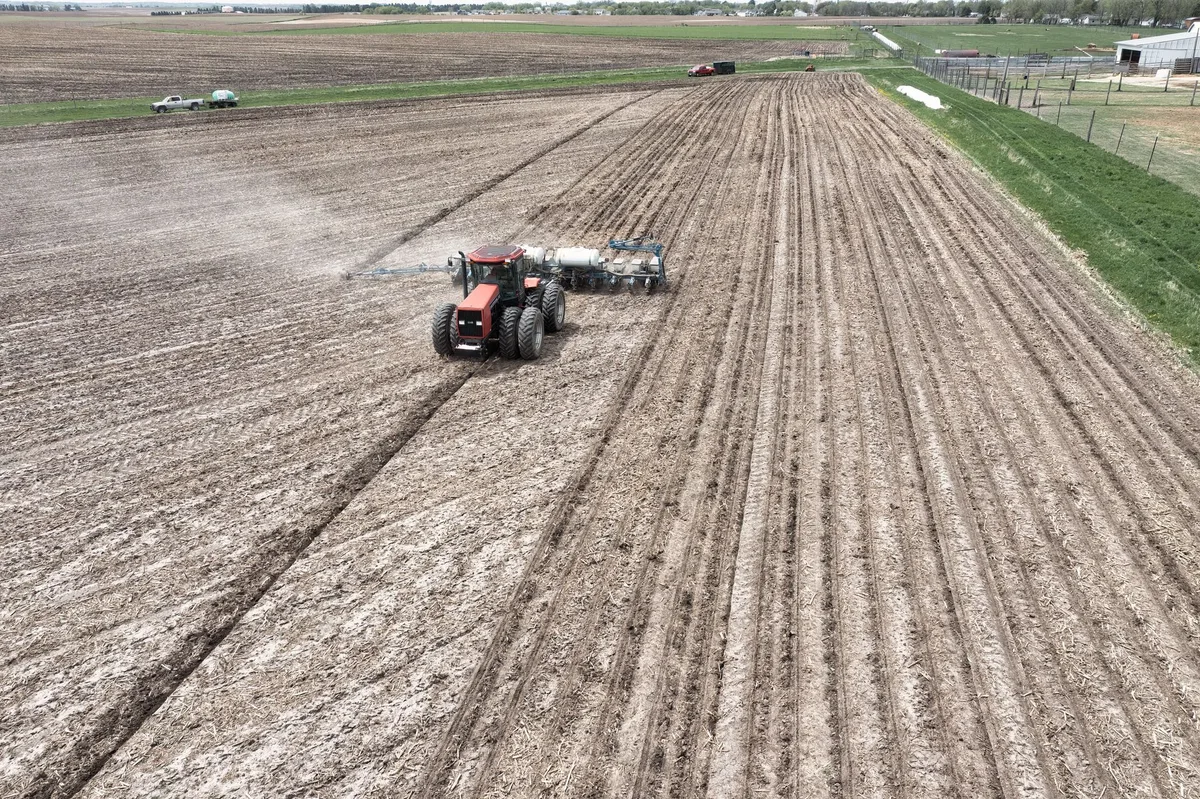
For nematodes: Mix the concentrate with water according to the package directions. Use a hose-end sprayer or a pump sprayer. Apply at dusk or on a cloudy day.
Water the area lightly before and after application. Keep the soil moist for at least a week.
For liquid sprays (IGRs or adulticides): Attach the hose-end sprayer to your garden hose. Set the dial to the correct dosage. Spray evenly across the shaded, moist areas of your lawn.
Do not soak the grass. You want a fine, even mist.
For granular products: Use a broadcast spreader. Walk at a steady pace to ensure even coverage. Water the granules in immediately after spreading.
Step 4: Keep Pets and Kids Off the Treated Area
Check the product label for the re-entry interval. Most chemical sprays require 24 to 72 hours before it is safe for pets. Nematodes and IGRs usually have a shorter waiting period, but still keep animals off until the spray dries.
Step 5: Repeat Every Two Weeks
One treatment will not solve the problem. The pupae in the soil will keep hatching for weeks. You need to break the lifecycle.
Apply your treatment every 14 days for at least three cycles. After that, switch to a monthly maintenance schedule during flea season.
Cat Owners: Read This Before You Buy Anything (Permethrin Warning)
If you own a cat, this section is the most important one in this article.
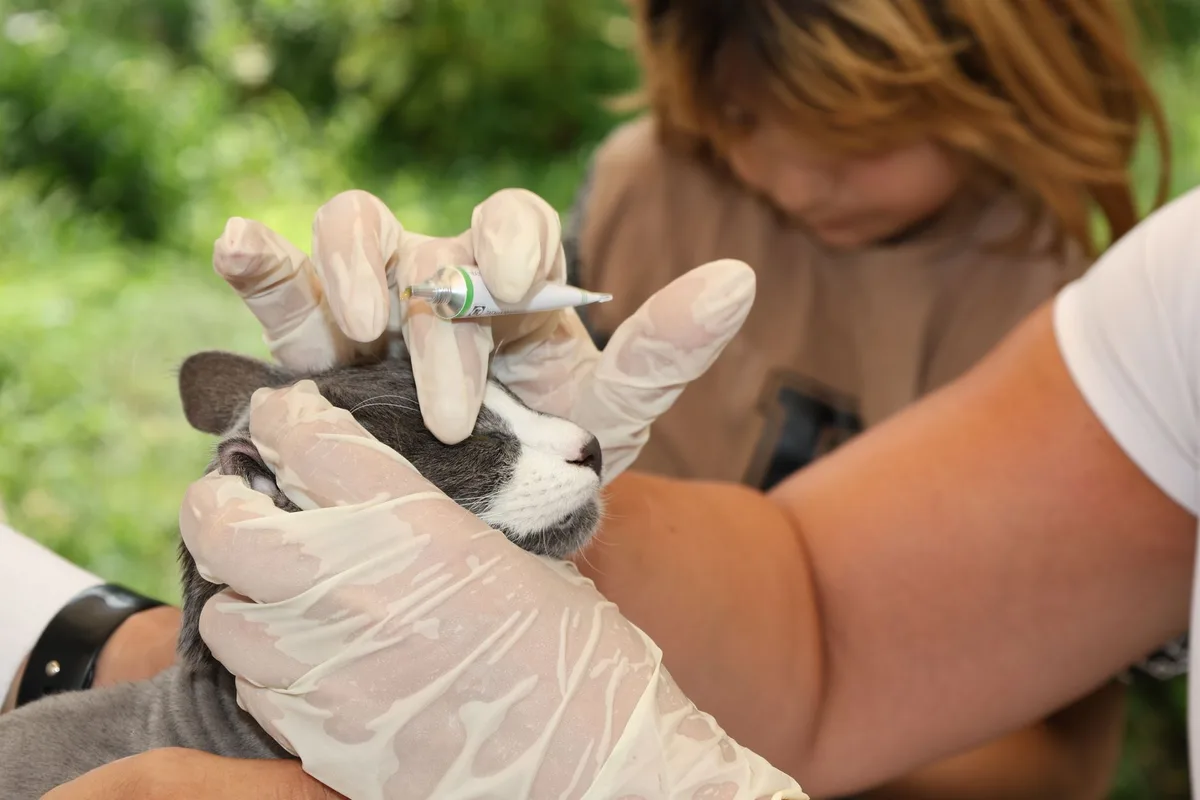
Permethrin is a synthetic pyrethroid used in many yard flea sprays and dog flea treatments. It is highly effective against fleas. It is also extremely toxic to cats.
Cats lack a liver enzyme called glucuronosyltransferase. This enzyme is what breaks down permethrin in most mammals. Without it, the chemical builds up in the cat's system and attacks the nervous system.
Symptoms of permethrin poisoning in cats include:
- Drooling and foaming at the mouth
- Muscle tremors and twitching
- Loss of coordination
- Seizures
- Hyperactivity or agitation
These symptoms can appear within hours of exposure. Even a small amount of treated grass that a cat walks through and then licks off its paws can cause poisoning.
What to do instead: Read the active ingredient list on every product you buy. Avoid anything containing permethrin, cypermethrin, or deltamethrin. Look for products with pyriproxyfen (an IGR) or s-methoprene.
These are safe for cats.
Also check your dog's flea treatment. If you use a permethrin-based spot-on on your dog, do not let your cat snuggle with the dog for 24 to 48 hours after application. The chemical can transfer to the cat through grooming or contact.
Per the FDA's published adverse event data, permethrin-based products are consistently among the top reported causes of feline poisoning each year. Do not take the risk.
Common Mistakes That Wipe Out Your Progress
Even with the right product, people make simple errors that ruin the results. Here are the most common ones.
Mistake 1: Only treating once. As we covered, the pupal stage can sit dormant for months. One treatment kills the adults and larvae that are active right now. It does nothing to the pupae.
They emerge over the following weeks and reinfest the yard. Treat every two weeks.
Mistake 2: Treating only the sunny parts of the lawn. Fleas avoid direct sunlight. They concentrate in shady, damp areas. If you spray the whole lawn evenly, you are wasting product on the sunny grass where little is happening.
Focus on the hot spots.
Mistake 3: Forgetting to treat the house too. Yard treatment is half the battle. Fleas hitch a ride indoors on your pets and your shoes. If you do not vacuum thoroughly, wash bedding, and treat the house, the indoor population will keep seeding the yard.
They go both ways.
Mistake 4: Using the wrong product for your situation. A heavy infestation requires a knockdown adulticide. A light prevention situation calls for nematodes or an IGR. Using a mild treatment on a serious problem frustrates you and wastes money.
Mistake 5: Not watering in granular products. Granular IGRs and adulticides need water to release the active ingredient into the soil. If you spread granules and leave them dry, they do almost nothing. Water them in immediately.
Mistake 6: Ignoring wildlife. If stray cats, raccoons, or opossums visit your yard at night, they bring fresh fleas. Your treatment kills the existing population, but the animals keep introducing new ones. Secure your trash cans and remove food sources to discourage visitors.
When to Call a Professional
Most yard flea problems can be handled with DIY methods. But some situations call for a licensed pest control operator.
You should call a professional if:
- The infestation is severe and widespread across the entire property
- You have tried three treatment cycles correctly and seen no improvement
- You live near a waterway and need to avoid runoff risks
- You have multiple pets, including cats, and are unsure about product safety
- You have young children who play extensively on the grass and you want maximum caution
- The fleas appear to be resistant to over-the-counter products
A professional has access to stronger products with different active ingredients. They also have the equipment to apply them evenly across large areas. They can inspect the property and identify the specific microhabitats that are harboring the fleas.
The cost for a professional yard flea treatment typically ranges from $150 to $400 per visit, depending on the size of your property and the severity of the infestation. Most companies recommend two to three visits spaced two weeks apart.
If you decide to go this route, ask the company specifically about their approach to pet safety and their use of IGRs. A good company will explain their process and tell you exactly what they are applying.
Keeping Fleas Out Long-Term
Once you get the yard under control, the goal is to keep it that way. Long-term prevention requires consistent habits.
Mow regularly. Keep your grass at 2 to 3 inches tall. Do not let it grow tall and create shady thatch layers. Regular mowing also reduces the moisture retention in the top layer of soil.
Water smartly. Water deeply and less frequently rather than shallow daily sprinkling. Deep watering encourages deep root growth. It also allows the top layer of soil to dry out between waterings, which kills flea eggs and larvae.
Manage wildlife. Secure trash can lids. Do not leave pet food outside overnight. Trim back tree branches that give raccoons and squirrels easy access to your roof.
A yard that is less attractive to wildlife is a yard with fewer flea sources.
Keep up with pet prevention. Year-round flea prevention for your dogs and cats is the single most effective long-term strategy. Even one missed month can allow a few fleas to establish a new population.
Maintain your yard's health. A thick, healthy lawn competes with weeds and moss that create damp hiding spots. Regular fertilizer applications and proper aeration keep the grass dense and less hospitable to fleas. Good lawn care is pest prevention.
Check your yard regularly. Do the white sock test. Walk through the yard in white knee-high socks. If you see tiny black specks hopping onto the socks, you have a developing problem.
Catch it early and treat it before it spreads.