How to Control Yard Bugs Naturally 2026: Everything You Need
If you've ever sprayed a whole bottle of "natural" bug spray and watched the mosquitoes keep biting, you know that How to Control Yard Bugs Naturally isn't a simple one-product answer. The truth is, different bugs need different natural treatments. Using the wrong one wastes your time and money.
As of 2026, the EPA's biopesticide division lists over 200 active ingredients that qualify as minimum-risk pesticides. That's a lot of options, but it also means you need a clear strategy. Step one: stop spraying randomly and start thinking like a detective.
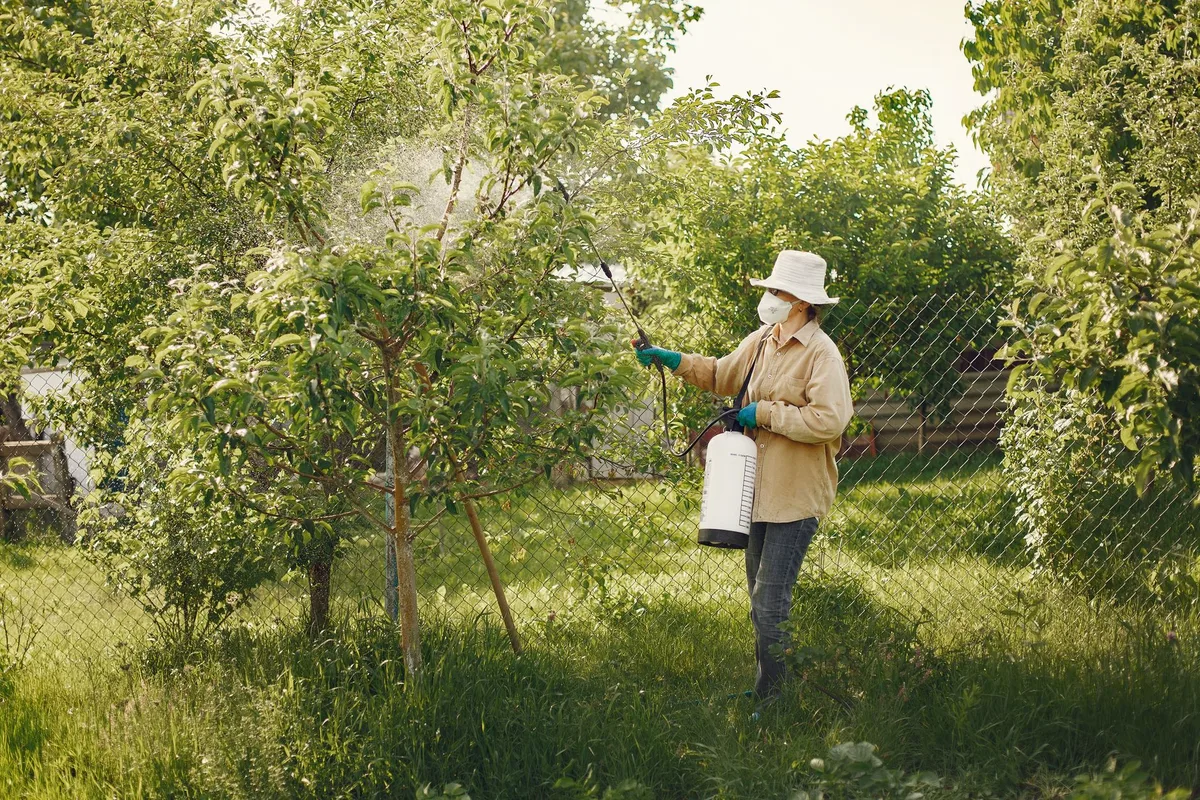
Why "Natural" Doesn't Mean One-Size-Fits-All
Here's the thing most DIY guides skip. A mosquito problem and a grub problem are completely different. So is a tick problem and an ant problem.
If you treat for aphids when you actually have chinch bugs, you'll watch your lawn turn brown while the real culprit keeps munching.
Natural pest control works. That's not debatable. But it's not magic either.
The core principle of Integrated Pest Management (IPM) is this: identify first, treat second. You wouldn't take antibiotics for a broken leg. Don't spray neem oil on a fire ant mound and expect it to work.
Different pests have different life cycles, feeding habits, and vulnerabilities.
So before you buy anything, you need to answer one question. What bug am I actually dealing with?
That question is the entire foundation of this whole approach. Once you answer it, everything else falls into place.
The Quick Answer: It's a Process, Not a Product
To control yard bugs naturally, identify the pest first. Choose a specific method like neem oil for aphids or beneficial nematodes for grubs. Apply at the right time of day to protect pollinators.
Fix the underlying conditions that attract bugs.
That's the short version. The full version takes a bit more explanation. But those four steps are the entire process in a nutshell.
Don't buy a bottle labeled "natural bug killer" and assume it handles everything. That bottle might work for mosquitoes but do nothing for ticks. Or it might kill aphids but harm your bees.
Know your enemy. Choose your weapon. Then apply with precision.
What Actually Works for Natural Yard Bug Control
Let's get specific. Here are the natural methods that actually hold up to real-world use. Each one targets specific pests in specific ways.
Neem oil. This comes from the neem tree seed. It works as an antifeedant and growth regulator. Insects stop eating and eventually die.
It's effective on aphids, whiteflies, spider mites, and certain caterpillars. It also has some residual activity, usually 5 to 7 days depending on rain and sun exposure.
Diatomaceous earth (food grade). This is fossilized algae ground into a fine powder. It's not a poison. It's a mechanical killer.
The microscopic sharp edges cut through insect exoskeletons and dehydrate them. It works on ants, fleas, cockroaches, earwigs, and even bed bugs. But it's useless when wet.
Apply it dry. Reapply after rain.
Bacillus thuringiensis (Bt). This is a naturally occurring soil bacteria. Different strains target different pests. Bt kurstaki kills caterpillars.
Bt israelensis kills mosquito larvae and fungus gnats. It's safe for plants, pets, and humans. But it breaks down in UV light within a few days.
Beneficial nematodes. These are microscopic worms that parasitize soil-dwelling pests. They target grubs, root weevils, flea larvae, and some types of caterpillars. They need moist soil and soil temperatures above 50°F.
They are living organisms, so they have a limited shelf life. But when applied correctly, they can reduce grub populations by 80 percent or more.
Spinosad. This comes from a soil bacterium called Saccharopolyspora spinosa. It's OMRI-listed and effective on thrips, fire ants, caterpillars, and leafminers. It works fast but is toxic to bees while wet.
Apply it in the evening when bees have returned to their hives.
Garlic oil and chili pepper sprays. These are repellents, not killers. They work best as a deterrent for deer, rabbits, and some insects like aphids. They wash off easily and need frequent reapplication.
Each of these methods has a specific job. None of them does everything. That's why the next section matters so much.
Your Step-by-Step Decision Tree for Yard Bugs
This is the actual workflow. Follow these steps in order. Don't skip step one.
Step 1: Pinpoint the Pest and the Damage
Look at the damage first. Is it on the leaves or the roots? Are leaves chewed, yellowed, or covered in sticky residue?
Are there visible bugs or just the damage?
If you see tiny green insects clustered on new growth, you probably have aphids. If your lawn has brown patches and you can pull up dead grass easily, you might have grubs. If the leaves have white stippling or fine webbing, think spider mites.
If you see small fast-moving black bugs on the soil surface, that could be fungus gnats.
Use a simple magnifying glass or even the zoom on your phone camera. Take a clear photo. Compare it to images from your local university extension site.
The .edu sites are reliable sources for pest identification.
Step 2: Pick Your Strategy Based on Bug Type
Once you know the pest, choose your approach.
- Sucking insects (aphids, whiteflies, spider mites): Neem oil or insecticidal soap. Spray directly on the insects. Aim for the undersides of leaves.
- Chewing insects (caterpillars, beetles, grasshoppers): Bt kurstaki for caterpillars. Spinosad for beetles and thrips. Neem oil as a deterrent.
- Soil pests (grubs, root weevils, mole crickets): Beneficial nematodes or milky spore (for Japanese beetle grubs). Apply to moist soil during active season.
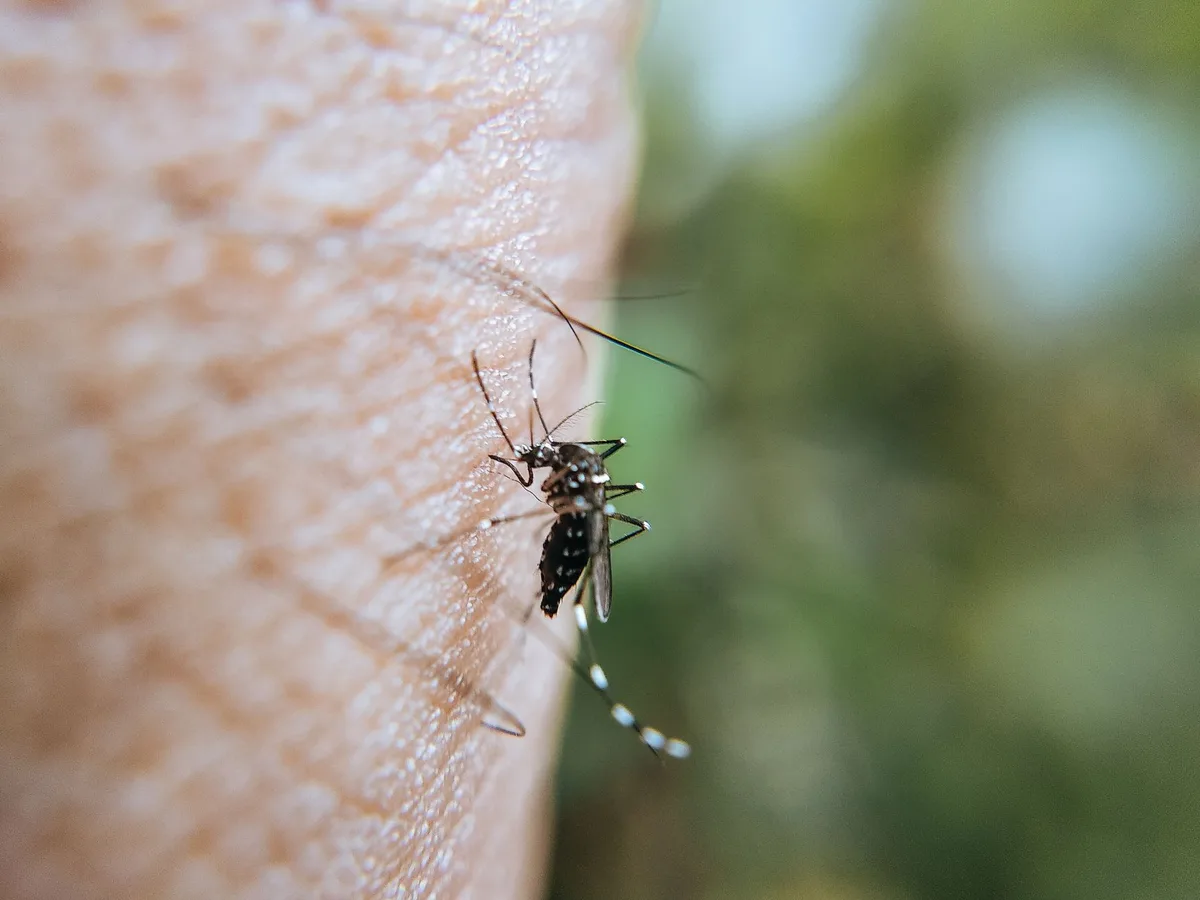
- Mosquitoes: Bti dunks in standing water. Garlic oil or cedar oil sprays on vegetation. Eliminate standing water sources.
- Ticks: Cedar oil spray on perimeter vegetation. Keep grass short. Create a barrier of wood chips or gravel between lawn and wooded areas.
- Ants: Diatomaceous earth dust along trails and around mounds. Spinosad bait for fire ants.
- Fleas: Diatomaceous earth on dry soil and grass. Beneficial nematodes in the lawn. Treat pets separately.
Step 3: Choose the Right Natural Tool
Now that you know the method, pick the delivery system.
- Pump sprayer: Best for neem oil, soap, garlic sprays. Good for targeted application on plants and bushes.
- Hose-end sprayer: Best for large lawns and perimeter treatments. Works well for liquid concentrates.
- Dust applicator: Best for diatomaceous earth. Puff it into crevices, ant trails, and tight spots.
- Granular spreader: Best for beneficial nematodes or milky spore granules if your lawn is large.
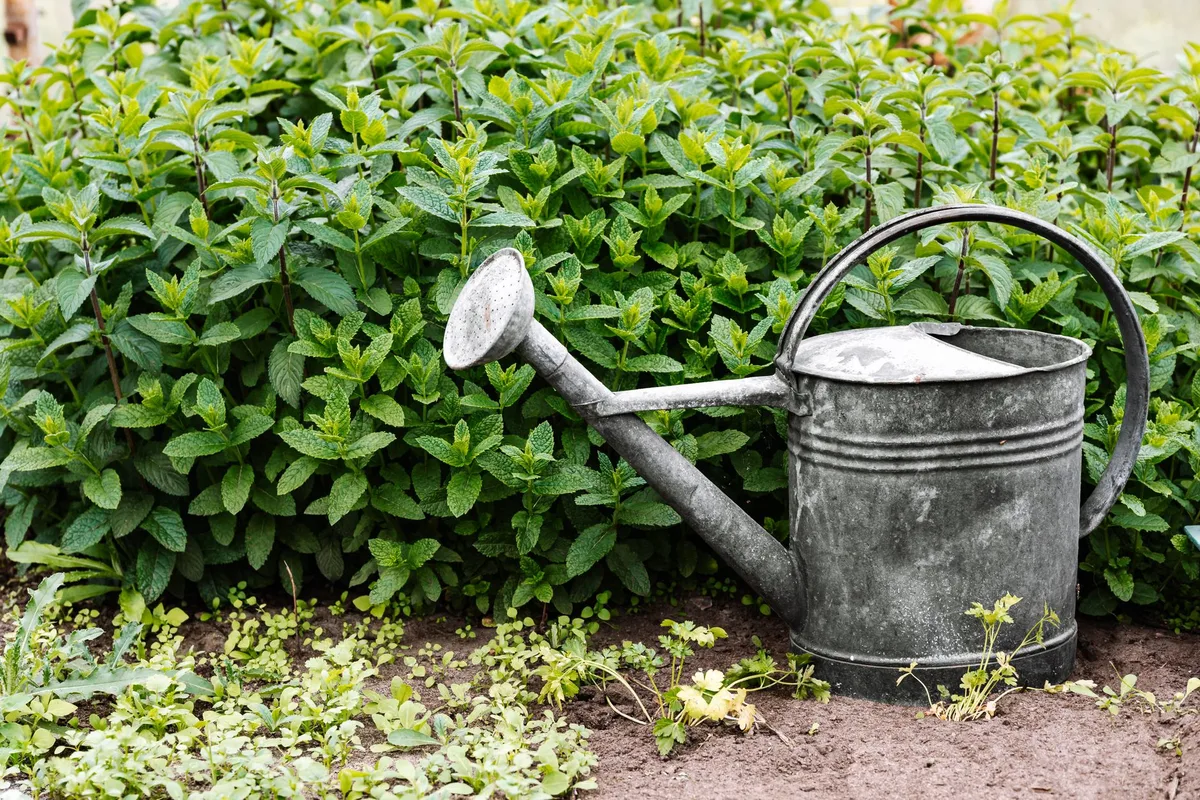
- Watering can: Best for soil drenches with nematodes. Simple and effective for small areas.
Step 4: Apply It the Right Way at the Right Time
Timing is everything with natural pest control.
- Time of day: Apply in early morning or late evening. This protects bees and other pollinators. It also reduces evaporation and plant burn.
- Temperature: Do not apply neem oil or soap sprays when temperatures exceed 85°F. Heat causes phytotoxicity. You'll damage your plants.
- Weather: Do not apply if rain is expected within 4 to 6 hours. Most natural products need time to dry and become rainfast.
- Coverage: Spray the undersides of leaves. That's where most pests hide. Don't just spray the top and walk away.
- Reapplication: Most natural products break down quickly. Plan on reapplying every 7 to 14 days during peak pest season. Adjust based on rain.
Natural Pest Control by Bug Type
Here's a quick reference table that sums it up. Bookmark this section.
| Pest | Best Natural Method | Application Note |
|---|---|---|
| Aphids | Neem oil or insecticidal soap | Spray undersides of leaves weekly |
| Whiteflies | Neem oil or yellow sticky traps | Target adults and nymphs |
| Spider mites | Neem oil or horticultural oil | High pressure spray to dislodge |
| Caterpillars | Bt kurstaki | Apply when caterpillars are small |
| Mosquitoes (adults) | Cedar oil or garlic oil spray | Spray vegetation and resting areas |
| Mosquitoes (larvae) | Bti dunks or granules | Treat standing water only |
| Grubs | Beneficial nematodes | Apply spring or fall to moist soil |
| Fire ants | Spinosad bait or mound drench | Apply in cool weather for best results |
| Ticks | Cedar oil spray | Focus on perimeter and tall grass |
| Fleas | Diatomaceous earth or nematodes | Apply to dry soil, avoid rain |
| Ants (general) | Diatomaceous earth | Dust along trails and entry points |
| Earwigs | Diatomaceous earth or traps | Apply in dry areas, around foundations |
Each pest has a specific weak point. Hit that weak point with the right natural tool, and you get results. Spray randomly, and you get frustration.
It's that simple.
You can also reduce pest problems by improving your yard's overall health. Strong plants resist pests better than stressed ones. Good soil, proper watering, and the right plants for your climate make a big difference.
Choosing the right flowers for your beds can attract beneficial insects that prey on pests. And if you're dealing with fungal issues alongside pests, a quality lawn fungicide can address both problems at once.
Now that you know the basics, let's talk about the common mistakes people make. Because avoiding those mistakes is half the battle.