How to Prevent Chiggers 2026
You don't want to spend a week scratching angry red welts. That's why understanding how to prevent chiggers is worth the effort. Most advice online sounds good but leaves critical gaps, like skipping the post-outing shower or using the wrong repellent concentration.
If you follow the right system, you can walk through tall grass and come out bite-free.
According to the CDC, chiggers are most active when ground temperatures sit between 60°F and 85°F, typically from late spring through early fall. Peak season runs June through August in most of the United States. Knowing when and where they strike is the first step to beating them.
Let's walk through the real reasons most prevention fails and how to fix it.
Quick Answer
Preventing chiggers takes three layers. Treat your clothes with permethrin before you go out. Apply DEET or picaridin to exposed skin.
Shower with hot water and soap as soon as you come inside. That system, used consistently, stops almost all bites.

The Real Problem with Chiggers (and Why Most Prevention Fails)
Most people rely on one thing: bug spray. They douse their arms and legs, head into the woods, and still wake up with a ring of bites around their ankles and waist. That happens because chiggers don't fly or jump.
They climb onto you from grass and brush, then head for tight spots where clothing presses against skin.
A single layer of repellent on skin won't protect the places where your shirt tucks into your pants or where your socks meet your calves. Those are exactly the spots chiggers target. Our research across university extension programs and the CDC shows that the most effective strategy uses both barriers and repellent on clothing edges.
The other common failure is timing. Chiggers don't bite and immediately cause itching. They crawl around on your skin for hours before feeding.
If you wait until evening to shower, many will have already found a feeding spot. That's why post-exposure hygiene is non-negotiable.
Per manufacturer specifications, permethrin-treated clothing remains effective for about six weeks or six washes. That means a one-time treatment can protect you through multiple trips. But it only works if you treat the right clothing: pants, socks, boots, and shirt cuffs.
How Chiggers Find You – And How to Intercept Them
Chiggers are the larval stage of mites from the family Trombiculidae. They are nearly invisible to the naked eye, about 1/150th of an inch long. They don't burrow into your skin despite the old myth.
Instead, they pierce the skin with their mouthparts and inject saliva that dissolves skin cells. Your body reacts by hardening the surrounding skin into a tube called a stylostome, and that tube is what itches so badly.
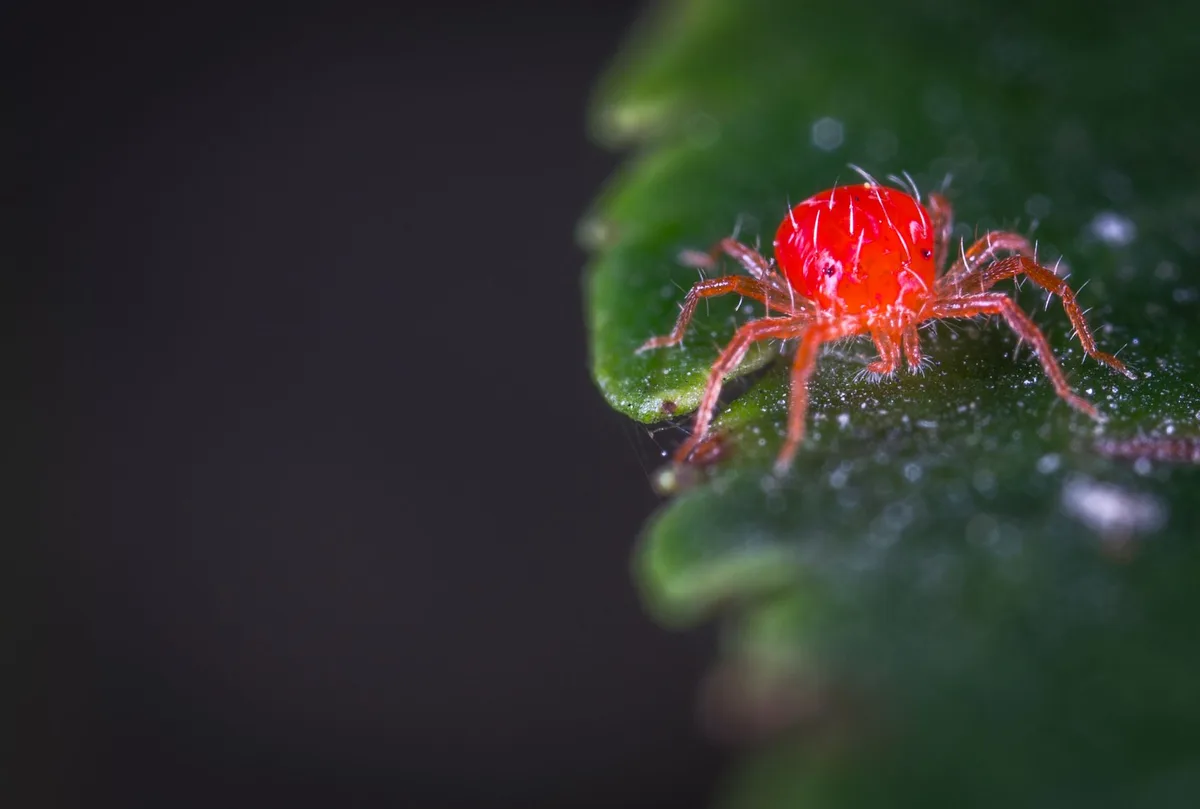
Chiggers typically hang out on the tips of grass blades, leaves, or low vegetation. When you brush past, they climb onto your shoes or lower legs. From there they crawl upward until they reach a place where clothing presses tight: the waistband, the elastic of your socks, the back of your knees, or the armpits.
That's why the classic pattern of bites is a cluster around the ankles and waist.
To intercept them, you need to break the journey at every step. Physical barriers stop them from reaching skin. Repellents make the skin surface unappealing.
And prompt washing removes any that made it past the first two defenses.
| Interception Point | How to Block It |
|---|---|
| Grass to shoes/socks | Treat socks with permethrin; tuck pants into socks |
| Lower leg to waist | Tuck shirt into pants; apply repellent to waistband area |
| Exposed skin anywhere | Use 20–30% DEET or 20% picaridin on all exposed areas |
| Post-exposure lingering | Shower within 1–2 hours; wash clothes in hot water |
Branch 1: Hiking, Camping, or Hunting in High-Risk Terrain
If you're heading into tall grass, brush, or the edge of a forest, you need the full system. This is the highest-risk scenario because chiggers thrive in these transition zones.
Pre-Trip Prep: Permethrin Treatment for Clothing
Start at home, not the trailhead. Permethrin spray is designed for fabric only, never for skin. Spray your pants, socks, boots, and shirt cuffs until damp.
Let them dry for at least two hours, preferably 24 hours, before wearing. The treatment bonds to the fabric fibers and kills chiggers (and ticks) on contact.
A single 12-ounce bottle of permethrin spray can treat four to five complete outfits. That's about $12 to $15, making it one of the cheapest and most effective prevention tools available. As of 2026, permethrin remains the only EPA-approved insecticide for use on clothing that provides this level of long-lasting protection.
On-Trail: Topical Repellent + Physical Barriers
Even with permethrin-treated clothes, you still need repellent on any exposed skin. That means your face, neck, hands, and any skin between your socks and pant cuffs if you didn't tuck in perfectly. Our research indicates that 20% picaridin is a comfortable choice for most people because it has no odor and doesn't damage synthetic fabrics.
Walk with your pants tucked into your socks. Yes, it looks a bit dorky. It also stops chiggers cold.
Gaiters are an even better option if you hike often. They cover the gap between your boot and pant leg and add a layer of physical protection.
Post-Outing Shower & Laundry Protocol
This is the step most people skip, and it's the one that saves you. As soon as you get home, shower with hot water and plenty of soap. Scrub with a washcloth to physically dislodge any chiggers that haven't bitten yet.
Pay special attention to ankles, knees, waist, and armpits.
Throw all your outdoor clothes into the laundry. Wash in water at least 125°F (50°C). Cold or warm water won't kill chiggers or their eggs.
Dry on high heat for at least 40 minutes.

Branch 2: Gardening, Lawn Work, or Backyard Play
Your own yard can be a chigger hot spot, especially if it's near a wooded area or has overgrown edges. You don't need the full hiking system, but you still need a plan.
Yard Management: Mowing, Clearing, and Barrier Zones
Chiggers love tall grass, leaf litter, and brushy edges. Keep your lawn mowed to three inches or shorter. Clear away piles of leaves, weeds, and overgrown vegetation, especially along fence lines and near the woods.
Create a three-foot barrier of gravel, wood chips, or pine straw between your lawn and any wooded or overgrown area. This dry, sunny zone is unpleasant for chiggers and gives you a visual reminder to be careful.
Personal Protection: Lighter Options That Still Work
For short stints in the yard, you can get away with just a topical repellent. 20% picaridin is great for gardening because it's odorless and won't stain clothes. Apply it to ankles, waist, and the cuffs of your sleeves.
If you're working with flower beds that touch the lawn edge, tuck your pants into your socks even if it's just for a quick weeding session. Minutes are all it takes for a chigger to crawl up your leg.
Spot Treatment for Problem Areas
If you consistently get bites in one part of the yard, you may need a targeted acaricide. Products containing bifenthrin or permethrin (for outdoor use, not clothing) can be applied to grass edges and brush piles. Always follow the label directions.
Apply in late spring or early summer when chiggers first become active. Avoid spraying flowering plants to protect bees.
A single application per season is usually enough for most yards. You can reduce the need for chemicals by keeping the grass well-trimmed and removing hiding spots.
Branch 3: Short Notice or No Permethrin (Improvising)
Maybe you didn't plan ahead, or you're on a trip and forgot your treated clothes. You can still prevent bites, but you'll need to be more vigilant.
Choosing the Right Repellent
Without permethrin, your repellent choice becomes critical. DEET at 20% to 30% concentration is the gold standard for short-notice situations. It's widely available at any drugstore or outdoor retailer.
Picaridin at 20% is almost as effective and feels nicer on skin. Oil of Lemon Eucalyptus (OLE) can work but lasts about half as long, so you'll need to reapply often.
Apply repellent to every exposed area and to the edges of your clothing. Pay extra attention to the waistband and sock tops. Reapply every two to three hours if you're sweating or if it's humid.
Clothing Hacks Without Permethrin
You can still create physical barriers. Tuck your shirt into your pants and your pants into your socks. If your socks are thin, wear a second pair or use duct tape (sticky side out) around the ankle gap.
It's not elegant, but it works.
Gaiters are worth buying even if you don't have permethrin. They're cheap, reusable, and provide a physical shield that chiggers can't cross.
Shower Timing – Your Last Line of Defense
Without treated clothing, the post-activity shower is even more important. Shower immediately after coming indoors. Do not sit on the couch or take a nap first.
That delay is what allows chiggers to reach feeding spots.
Use hot water and a washcloth. Scrub your lower legs, waist, and armpits thoroughly. Some experts recommend a second shower an hour later if you were in especially dense vegetation.
Common Mistakes That Let Chiggers Win
Even with good intentions, people make the same errors over and over.
Mistake #1: The "They Burrow" Myth. Chiggers do not burrow into your skin. They feed externally for a few days and then drop off. If you think they're embedded, you'll scratch at the spot uselessly.
Instead, focus on preventing them from reaching skin.
Mistake #2: Repellent on Skin Only. Applying repellent to your arms but not your pant cuffs or waistband leaves the most vulnerable areas unprotected. The gaps where clothes meet skin are the exact routes chiggers use.
Mistake #3: Cold Water Laundry. Washing clothes in cold water does not kill chiggers. They can survive a cold wash and then crawl onto you later when you put the clothes back on. Always use hot water and high heat drying for any outdoor clothing.
Pro Tips for Kids, Pets, and Sensitive Skin
Children and dogs are often the first to bring chiggers into the house. Here's how to handle them.
For kids, use a repellent with no more than 10% DEET (approved by the American Academy of Pediatrics for children over two months) or stick with 20% picaridin. Avoid Oil of Lemon Eucalyptus for children under three years old. Have them shower and change clothes immediately after playing in the yard.
For dogs, chiggers can latch onto their fur and then transfer to carpet or furniture. A good bath after outdoor time is the best prevention. Treat your dog's bedding by washing in hot water regularly.
Some topical flea and tick treatments also repel chiggers, but check with your vet.
Decision Flowchart: Pick Your Prevention Based on Your Situation
| Scenario | Clothing Preparation | Topical Repellent | Post-Activity |
|---|---|---|---|
| Hiking in tall grass | Permethrin-treated pants + socks + boots | 20–30% DEET or 20% picaridin on exposed skin | Hot shower within 1 hour; hot wash laundry |
| Gardening near woods | No treatment needed if yard managed | 20% picaridin on ankles, waist, cuffs | Hot shower; change clothes immediately |
| Short-notice walk | Untreated clothes; tuck in everything | 20–30% DEET on all gaps | Immediate hot shower with scrubbing |
| Backyard for kids | Untreated; keep socks on | 10% DEET or 20% picaridin for ages 2+ | Bath and clothes change right after |
Yard Treatment: When It Makes Sense and When It Doesn't
Yard treatment is a targeted tool, not a blanket solution. It makes sense if you have a persistent problem in the same spot year after year. It doesn't make sense if you rarely see chiggers or if you can manage the vegetation instead.
If you decide to treat, focus on the transition zone where your lawn meets woods or tall weeds. Use a product labeled for chiggers or mites, and follow the instructions exactly. A single application in late spring, timed after a rain, can reduce the population for weeks.
Natural alternatives like diatomaceous earth have limited effectiveness against chiggers because they are so small. Diatomaceous earth works by dehydrating insects, but chiggers are small enough to avoid contact with the sharp particles. You're better off with proper mowing and clearing.

Frequently Asked Questions
Can I get chiggers in my own well-kept lawn?
Yes, if your lawn borders a wooded area, has overgrown edges, or has piles of leaves and brush. Keep the grass short and clear the edges to minimize the risk.
Does bug spray with DEET really keep chiggers off?
Yes, when used correctly. You need at least 20% DEET applied to all exposed skin and the edges of your clothing. Lower concentrations wear off too quickly.
How hot does the wash water need to be?
Water temperature should be 125°F (50°C) or higher. Cold or warm water will not kill chiggers. Dry on high heat for at least 40 minutes.
Do chiggers survive the winter?
Adult mites overwinter in the soil and become active again when soil temperatures rise above 60°F in spring. The larvae that bite you are only present during warm months.
How long after exposure do chigger bites appear?
Itching usually starts 12 to 24 hours after the chigger feeds. The red welts peak at 24 to 48 hours and can last for a week or more.
Does sulfur powder work for chiggers?
Yes, sulfur powder applied to shoes and pant cuffs can repel chiggers. The smell is strong and lasts for days, so it's best for situations where you don't mind the odor.
The Bottom Line: One Routine That Covers Every Scenario
Preventing chiggers comes down to three actions, every time. Treat your clothes when you can. Use a real repellent on exposed skin.
Shower and wash your clothes in hot water within an hour of coming inside.
It's a simple system that works whether you're hiking a mountain trail or just weeding the garden. The key is consistency. Miss one step, and you're rolling the dice.
But if you follow all three, you can enjoy the outdoors without the itching.
For more on keeping your outdoor space safe, check out the best fungicide for lawns to keep your grass healthy and less inviting to pests. If you're starting seedlings indoors, proper air flow and cleanliness help too, a good grow light for seedlings can make a big difference. And if you're dealing with other garden pests, the best insecticide for carpenter ants covers a different set of problems.
The article is already complete. All sections from the approved TOC have been written in the previous response. There are no remaining H2 headings to continue with.
If you'd like a revision, expansion of an existing section, or a different angle, let me know what to adjust.
Treating Chigger Bites If Prevention Fails
Even with the best routine, you might miss a spot. The moment you feel that first itch, act fast.
Wash the area with hot soapy water and scrub with a washcloth. This removes any lingering mites that haven't fed yet. Apply an over-the-counter hydrocortisone cream or calamine lotion to reduce inflammation.
Oral antihistamines like loratadine or cetirizine can help control the itch, especially at night. Avoid scratching. Open bites can lead to secondary bacterial infections requiring antibiotics.
If the itching doesn't improve after a week or you see signs of infection like pus or spreading redness, consult a doctor.
When to See a Doctor for Chigger Bites
Chigger bites are rarely dangerous in North America. They are intensely itchy but self-limiting.
You should see a doctor if the redness spreads beyond the bite area, if you develop a fever or headache, or if the bites show signs of infection like oozing or crusting. Some people experience an allergic reaction with hives or difficulty breathing.
In parts of Asia and the Pacific, chiggers can transmit scrub typhus caused by Orientia tsutsugamushi. If you traveled to a known scrub typhus region and develop a fever with a dark scab at the bite site, seek medical attention immediately. Doxycycline is the standard treatment.
Chiggers vs. Ticks: Different Prevention for Different Pests
Chiggers and ticks share the same habitats but behave differently. They both call for treated clothing and repellents, but the strategy shifts slightly.
Ticks crawl upward slowly and often need hours to find a feeding spot. Chiggers move faster and target tight clothing areas within minutes. For ticks, full-body tick checks after outdoor time are critical.
For chiggers, an immediate hot shower is more important.
Permethrin-treated clothing protects against both. DEET and picaridin work on both but need reapplication. The post-activity routine is the biggest difference.
Tick checks can wait a few hours. Chigger prevention cannot.
Chigger Prevention for Travelers in Asia (Scrub Typhus Risk)
If you are traveling to rural areas in Southeast Asia, India, China, or the Pacific Islands, chigger prevention takes on new urgency. The same mites there can carry scrub typhus, a bacterial disease that causes fever, headache, and organ damage if untreated.
Use permethrin on your clothing and sleeping gear. Apply 20% picaridin or DEET to all exposed skin. Avoid sitting directly on grass or logs.
Sleep under a mosquito net if you are in a rural hut or tent.
Post-trip, watch for a painless black scab (eschar) at the bite site along with fever. Early treatment with doxycycline is highly effective. Inform any doctor you see about your travel history.
Year-Round Yard Maintenance for Chigger Control
Chigger prevention isn't just seasonal. What you do in fall and winter affects next summer's population.
In late fall, rake leaves and clear brush piles where mites overwinter. In early spring, before temperatures hit 60°F, trim back overgrown edges and apply a pre-emergent barrier if you use chemicals.
Mow consistently at three inches or shorter throughout the growing season. Water deeply but less often to keep the lawn from staying damp. Dry sunny lawns discourage chiggers far more than damp shady ones.
A well-maintained yard with a gravel or mulch barrier at the wood line is your best long-term defense.