How to Get Rid of Ticks Outside: Beginner-Friendly Guide
Finding a tick on your kid or your dog after a few minutes in the yard is a gut-punch. You want to know how to get rid of ticks outside without putting your family or pets at risk from the treatment itself. That is the real challenge here.
Many homeowners reach for a spray canister without understanding how ticks actually live and move through their property.
Aggregate research from the CDC and university extension programs shows that the most effective approach combines habitat modification with targeted pesticide use. More than 30,000 cases of Lyme disease get reported in the US every year. The good news?
You can cut tick encounters by 80 percent or more with the right strategy. Let's break it down.
Why Tick Control Outside Matters More Than You Think
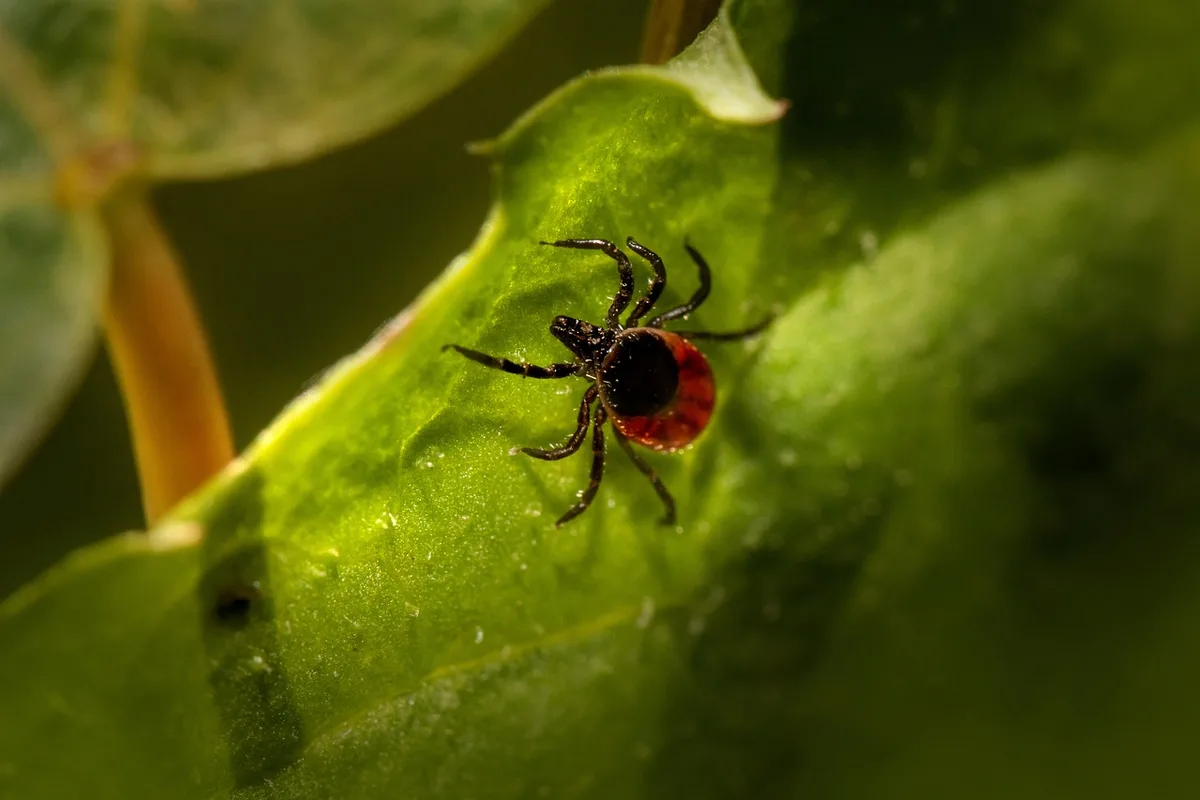
Ticks are not just a garden nuisance. They carry serious illnesses like Lyme disease, anaplasmosis, ehrlichiosis, Rocky Mountain spotted fever, and tularemia. The black-legged tick (Ixodes scapularis) is the main driver of Lyme in the Northeast and Upper Midwest.
The lone star tick dominates the Southeast. The American dog tick carries Rocky Mountain spotted fever nationwide.
The risk is real. According to the CDC, reported tick-borne diseases have more than doubled in the last two decades. As of 2026, ticks continue to expand their range into suburban areas and even city parks.
That means your yard is more vulnerable than ever, even if you don't live near dense woods.
The goal here is not to make your property a sterile zone. The goal is to create an environment where ticks cannot survive or find hosts. When you understand their biology, you can outsmart them.
Quick Answer: The Three Layers of a Tick-Safe Yard
A tick-safe yard uses three layers of defense. Here is the quick version.
Layer 1: Habitat management. Remove leaf litter, tall grass, brush piles, and stone walls. Create a 3-foot barrier of wood chips or gravel between your lawn and any wooded area.
Layer 2: Targeted chemical barriers. Apply a synthetic pyrethroid like bifenthrin or lambda-cyhalothrin along the perimeter and shady edges of your yard. Focus on areas where ticks quest for hosts.
Layer 3: Host management. Use tick tubes around the property perimeter to treat rodents. Consider deer fencing if deer are frequent visitors.
That is the short answer. Each step works best when combined with the others.
How Ticks Actually Get Into Your Yard (And Why They Stay)
Ticks do not fly or jump. They cannot drop from trees. They get into your yard by hitching rides on wildlife.
Deer, white-footed mice, chipmunks, squirrels, birds, and even stray cats bring them in.
Once a tick arrives, it needs two things to survive. First, high humidity. Ticks desiccate quickly in dry, sunny conditions.
Second, suitable hosts to feed on. Your yard provides both if you have shady areas with leaf litter, overgrown grass, and access to animals.
Consider this scenario. A white-footed mouse carries nymphal ticks into your garden. The mouse passes through a leaf pile near your flower beds.
The ticks drop off. They climb up grass blades and wait for a passing host. That is why keeping your yard tidy matters so much.
The most common mistake people make is treating the sunny, open lawn while ignoring the shady edges where ticks actually live. Those edges are often along fences, tree lines, or near mulched flower beds. If you treat those zones, you get much better results.
The Foundation: Modify Your Yard Before You Spray Anything
This is the most important step and the one most people skip. Spraying chemicals onto a tick-friendly yard is like mopping the floor while the faucet is still running. You have to stop the flow.
Start by removing the habitats ticks love. Rake up leaf litter, especially under trees and along borders. Cut grass to 2 or 3 inches and keep it there.
Trim tree branches to let more sunlight into shady spots. Remove brush piles and tall weeds. Move woodpiles away from the house.
Next, create a physical barrier. A 3- to 9-foot wide strip of wood chips or gravel between your lawn and the woods stops ticks from crossing. Ticks hate crossing dry, hot surfaces.
Place it along all property edges near wooded areas.

Another key step is managing the hosts. If deer routinely visit your yard, consider deer-resistant landscaping or fencing. You can also reduce rodent habitat by sealing foundation gaps and removing junk piles.
Rodents are the primary reservoir for Lyme disease. Target them, and you target the tick population.
Aggregate studies from university extension programs show that habitat modification alone can reduce tick encounters by 50 to 70 percent. That is huge. It costs nothing except elbow grease.
And it makes any chemical treatment you use afterward far more effective.
For more on maintaining your yard and equipment, check out some simple DIY repairs for outdoor tools. Keeping your mower and trimmer in good shape makes regular maintenance easier.
Chemical Solutions: Barrier Sprays vs. Tick Tubes
After you have modified the habitat, you can add chemical tools. There are two primary approaches for homeowners: barrier sprays and tick tubes.
Barrier Sprays
Barrier sprays are liquid insecticides applied to vegetation along the yard perimeter. Most contain synthetic pyrethroids like bifenthrin, lambda-cyhalothrin, or deltamethrin. These kill ticks on contact and leave a residual layer that lasts 2 to 4 weeks.
Apply them in early spring (April) and again in late summer (August) when nymphs are most active. Focus on the edges of the lawn, along stone walls, under bushes, and near woodpiles. Avoid spraying flowering plants to protect bees.
Use a pump backpack sprayer or hose-end sprayer for even coverage.
How much you need depends on your yard. Read the label carefully. For a 0.5-acre lot, expect to use 2 to 4 gallons of mixed solution per treatment.
Reapply after heavy rain if the label says the product is not rainfast yet.
Tick Tubes
Tick tubes are a smarter, more targeted tool. They are cardboard tubes filled with cotton treated with permethrin. You place them around the yard where rodents travel, like near stone walls, woodpiles, and along the edge of the woods.
The idea is simple. Mice collect the cotton for nesting. The permethrin transfers to their fur and kills any ticks feeding on them.
This breaks the disease cycle at its source. Tubes last 3 months and need to be replaced twice a year: spring and late summer.
The big advantage here is that you are not spraying broad areas. You are treating the rodents without affecting bees, butterflies, or other beneficial insects. It is a targeted approach that works well in combination with barrier sprays.
Which One Is Right for You?
| Factor | Barrier Sprays | Tick Tubes |
|---|---|---|
| Coverage area | Whole perimeter | Targeted spots along rodent paths |
| Residual duration | 2-4 weeks | 3 months |
| Bee safety | Risk (avoid blooms) | Very low risk |
| Rodent host control | Indirect | Direct |
| Cost per season (DIY) | $60–$120 for 4 treatments | $40–$80 for 2 applications |
| Best for | Immediate tick reduction | Long-term population control |
For most suburban and rural yards, a combined approach works best. Spray the perimeter in spring and fall. Place tubes out in those same areas.
You get knock-down plus sustained control.
If deer are a major issue, combine chemical treatments with a dedicated deer repellent or fencing. That covers all three layers.
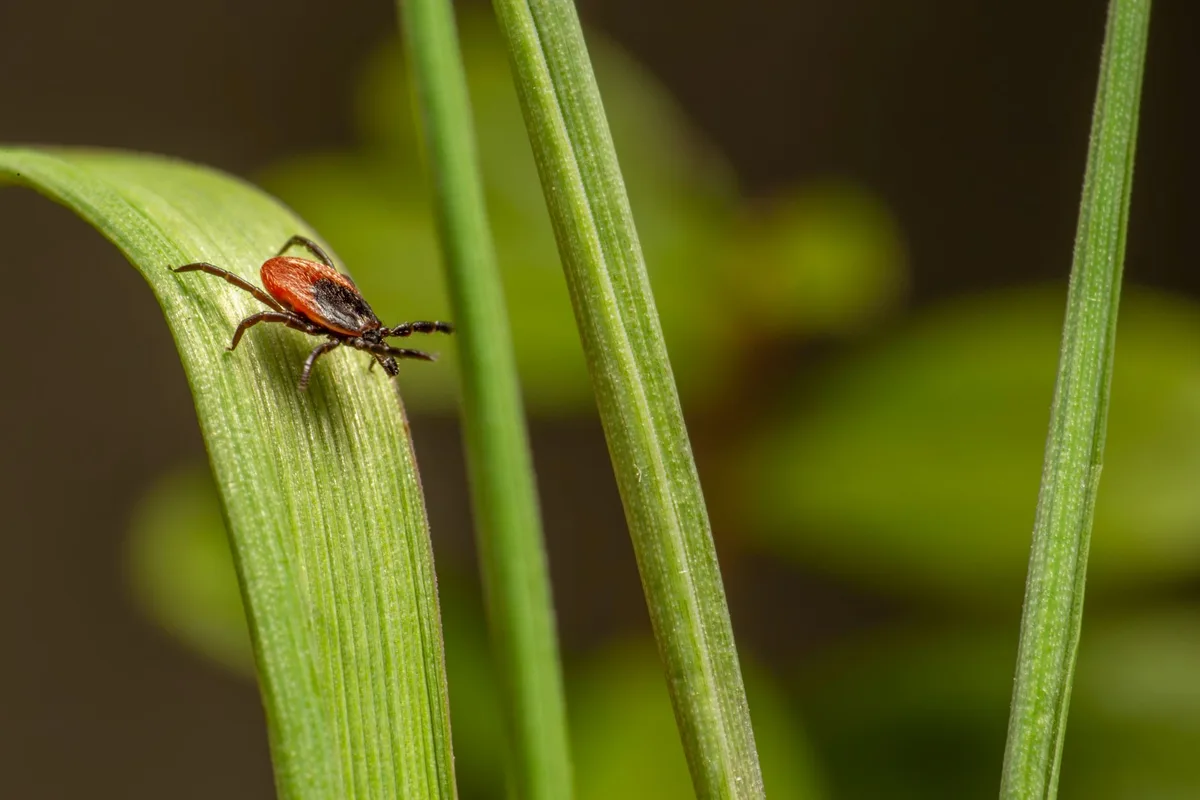
Official EPA guidance recommends always reading the product label before use. That is not a suggestion. It is the law.
The label tells you exactly how to mix, apply, and dispose of the product safely. Ignoring it can harm you, your pets, and the environment.
If you are dealing with severe infestations or have a large property, consider hiring a licensed professional. They have access to restricted-use products and calibrated equipment. But for most homeowners, a DIY integrated plan is safe and effective.
Your Seasonal Tick Control Calendar (Step-by-Step)
Timing makes or breaks your tick control efforts. Apply too early or too late and you miss the peak activity windows. Here is a month-by-month breakdown.
Late winter (February to March). Start scouting your yard. Remove leaf litter and debris from the previous fall. Trim back low-hanging branches and overgrown shrubs.
This is also a good time to place your first round of tick tubes. Rodents start moving in early spring, and the tubes need to be out before they build nests.
Early spring (April). Apply your first barrier spray along the perimeter. Focus on shady edges near woods, stone walls, and under decks. Use a product with bifenthrin or lambda-cyhalothrin.
Make sure the ground temperature is consistently above 40 degrees Fahrenheit. That is when nymphal ticks become active.
Late spring (May to June). This is the highest risk period for nymphal ticks. Nymphs are tiny and hard to spot. Reapply your barrier spray if the residual has worn off.
Maintain your grass at 2 to 3 inches. Keep clearing leaf litter. If you have kids or pets, create a designated play area in the sunniest part of the yard with a protective barrier around it.
Summer (July to August). Tick pressure often dips during the hottest weeks, but it does not disappear. Continue mowing and raking. Apply a second round of tick tubes.
Spot-treat any areas where you find ticks during routine dragging or flagging.
Fall (September to October). Adult black-legged ticks become active. They prefer deer as hosts but will latch onto anything. Apply a final barrier spray in September.
Continue raking leaves as they fall. Leaf piles are prime tick habitat.
Winter (November to February). Tick activity drops in colder regions, but it does not stop completely. Adult ticks can still be active on days above freezing. Focus on planning for the next season.
Order your supplies and schedule any major landscaping changes.
Consistency is the key. A single spray in April will not protect you in August. Stick to the schedule and you will see a real difference.
Common Mistakes That Make Tick Treatments Fail
Even experienced homeowners make these errors. Avoid them and your results will improve significantly.
Mistake 1: Spraying only the open lawn. Ticks avoid direct sunlight. They stay in shady, humid edges near woods, fences, and stone walls. If you spray the sunny middle of your yard, you are wasting product.
Treat the edges and transition zones instead.
Mistake 2: Ignoring habitat modification. Spraying a yard full of leaf litter, brush piles, and tall grass is like putting a bandage on a broken leg. You have to remove the habitats first. Aggregate studies show that habitat modification alone can cut tick populations in half.
Mistake 3: Applying at the wrong time. Spraying after a rain or during the heat of the day reduces effectiveness. Apply in the early morning or late evening when temperatures are mild. Check the rain forecast and make sure you have at least 24 hours of dry weather after application.
Mistake 4: Not reapplying on schedule. Barrier sprays last 2 to 4 weeks. That is it. One treatment in April will not protect you through September.
Mark your calendar and stick to the 4-week interval during peak season.
Mistake 5: Using natural remedies that do not work. Ultrasonic devices, garlic sprays, and essential oil blends often lack the residual power needed for outdoor tick control. Some botanical sprays like cedar oil can work for short-term use on small areas. But they degrade quickly in sunlight and rain.
Mistake 6: Neglecting to check yourself and your pets. No treatment is 100 percent effective. You still need to do a full tick check after spending time outside. Focus on warm areas like armpits, groin, behind the ears, and in hair.
For pets, check between toes and around the ears and collar area.
If you have dealt with pesticide problems before, look into proper insecticide application errors to avoid repeating them with your tick treatments.
Safety First: Protecting Kids, Pets, and the Environment
Tick control is about reducing risk. It should not create new hazards. Here is how to apply treatments safely.
Keep children and pets off treated areas until the spray is completely dry. Most synthetic pyrethroids require a drying period of 1 to 3 hours. Some labels recommend keeping kids and pets off for 24 hours. Always check the label.
Protect pollinators. Do not spray flowering plants, especially during bloom season when bees are active. Apply in the early morning or late evening when bees are less active. Use tick tubes instead of broad sprays near flower beds.
Tubes target rodents without affecting beneficial insects.
Use personal protective equipment. Wear long pants, long sleeves, closed-toe shoes, gloves, and safety glasses when mixing and applying pesticides. Do not skip this. Skin contact with concentrated chemicals can cause irritation or more serious reactions.
Avoid water contamination. Do not spray near ponds, streams, or storm drains. Maintain a buffer zone of at least 15 feet around water bodies. Some states require a larger buffer.
Check local regulations.
Dispose of containers properly. Do not reuse empty pesticide containers. Rinse them and dispose of them according to the label instructions. Some municipalities have collection programs for household hazardous waste.

When to Call a Professional vs. Going DIY
Most homeowners can handle tick control themselves. But there are situations where a professional is the better choice. Let me break it down.
Go DIY if you have a small yard (under a quarter acre) and are comfortable reading labels and handling chemicals. You can buy effective products at garden centers and hardware stores. The cost is much lower than hiring a service. And you control the schedule.
Call a professional if your property borders dense woods, has a major deer population, or covers several acres. Licensed applicators have access to restricted-use pesticides that are more effective and longer lasting. They also have calibrated equipment for even coverage.
Consider professional help if you have health concerns. Pregnant women, young children, or pets with health issues may benefit from having a trained applicator handle the chemicals. The applicator can choose safer products and apply them with precision.
Aggregate costs. A DIY program for a half-acre yard costs about $100 to $200 per season. Professional services run $300 to $600 for the same area. The trade-off is time and effort versus convenience and expertise.
Ask the right questions if you hire someone. Get a written estimate that lists the products used, application rates, and re-entry intervals. Ask if they use integrated pest management or just blast the whole yard. A good company will include habitat assessment and recommendations.
How to Keep a Tick-Free Yard Year After Year
Tick control is not a one-and-done project. It requires ongoing maintenance. But the work gets easier as the populations drop.
Stick to your seasonal calendar. The first year is the hardest. After that, you are mainly maintaining a lower population. Consistent habitat management and timely treatments keep ticks from rebounding.
Monitor your property. Use a tick drag or flag in early spring and again in fall. Drag a white flannel cloth across the grass and along edges. Count the ticks you collect.
If you find more than a few, you need to adjust your strategy.
Adjust based on wildlife pressure. If deer activity increases, consider adding deer fencing or repellents. If rodents are a persistent problem, place more tick tubes. Stay flexible.
Keep up with yard maintenance year-round. Rake leaves in fall and spring. Mow regularly. Trim shrubs and trees.
Remove brush and debris as soon as it accumulates. Do not let things slide.
Reassess your approach every few years. New products come onto the market. Tick populations shift. Your property changes.
Take an afternoon once a year to evaluate what is working and what needs adjustment.
Real Scenarios: What Works for a Suburban Yard vs. a Rural Property
Every property is different. Here is how the approach changes based on your setting.
Suburban yard (0.25 to 1 acre). Your biggest threat is the edge between your lawn and the neighbor's wooded lot or a community green space. Focus on a 6-foot wide barrier strip of wood chips along that edge. Place tick tubes along fences and under shrubs.
Apply barrier spray to the perimeter three times per year. Keep grass short and remove leaf litter weekly.
Rural property (1 acre or more). You have more ground to cover and heavier wildlife pressure. Prioritize habitat modification across the whole property. Use a professional applicator for broad treatments if the area is too large to manage yourself.
Consider deer fencing around high-use zones like gardens and play areas. Place tick tubes along trails, field edges, and around outbuildings. You may need more frequent reapplication.
Final Decision Guide: Which Approach Is Best for Your Situation
Here is a simple way to choose your strategy.
If you have a small, well-maintained yard with no deer issues. Start with habitat modification alone. Add tick tubes along the edges. Skip the spray unless you find ticks during routine checks.
If you have kids or pets who play in the grass. Use the full three-layer approach. Modify the habitat. Apply barrier spray to the perimeter.
Place tick tubes. Do a daily tick check on everyone.
If you have severe tick pressure or live in a high-incidence Lyme area. Combine barrier sprays with tick tubes and professional treatments. Do not skip any layer. Consistency is everything.
If you are dealing with a rental property or shared space. Focus on what you can control. Mow regularly. Remove leaf litter.
Use tick tubes that do not require spraying. Coordinate with neighbors if possible.
Stick to the plan and you will see results. Tick populations drop significantly within one to two seasons when you maintain the full integrated approach.
Frequently Asked Questions
How often do I need to put out tick tubes?
Replace tick tubes twice per year. Put them out in early spring (March to April) and again in late summer (August to September). Each tube lasts about three months.
Replace them sooner if they get soaked or damaged.
Can I use tick tubes if I have dogs?
Yes. The permethrin inside tick tubes is very low dose. Dogs would need to chew and ingest multiple tubes to have a problem.
Place tubes where dogs cannot easily reach them. Keep an eye on your dog during the first few days.
Do natural tick repellents work outside?
Most natural options like essential oil sprays degrade quickly in sunlight and rain. Cedar oil sprays can offer short-term protection for small areas. For lasting results, synthetic pyrethroids are far more reliable.
Use natural options for spot treatments only.
What if it rains right after I spray?
Check the label for the rainfast interval. Most synthetic pyrethroids need 2 to 6 hours to dry before rain. If rain hits within that window, the treatment loses effectiveness.
You may need to reapply.
How do I know if my tick treatment is working?
Use a tick drag or flag every few weeks during peak season. Drag a white flannel cloth across the grass and along edges. Count the ticks you collect.
If you find fewer over time, your strategy is working. If numbers stay the same, adjust your approach.