Guide to Signs of Tick Infestation (2026) — Complete Guide
You’re out in your own yard or walking your dog and something small and dark catches your eye on your skin. Before you even have time to react, you’re wondering: are these signs of tick infestation? Ticks are tiny, but they carry serious diseases, and catching them early makes all the difference.
Knowing exactly what to look for is your best defense.
The CDC estimates that 90% of Lyme disease cases in the US come from blacklegged tick nymphs that are no bigger than a poppy seed. That’s why visual identification matters more than you might think. Let’s walk through exactly what to watch for, stage by stage.
Quick Answer
The five direct signs of tick infestation are live ticks on skin or fur, tick eggs in clusters, tick droppings (frass) that look like ground pepper, visible tick bites, and ticks crawling indoors or on furniture. Nymphs are the size of poppy seeds. Adult females are about the size of apple seeds.
Engorged ticks can swell to the size of a pea. Check these signs regularly during warm months.
Why Visual Spotting Is the First Line of Defense
Most people don’t realize they have a tick problem until they find one fully engorged or someone gets sick. By then, the tick has likely been feeding for 24 to 48 hours or longer. That’s enough time for disease transmission.
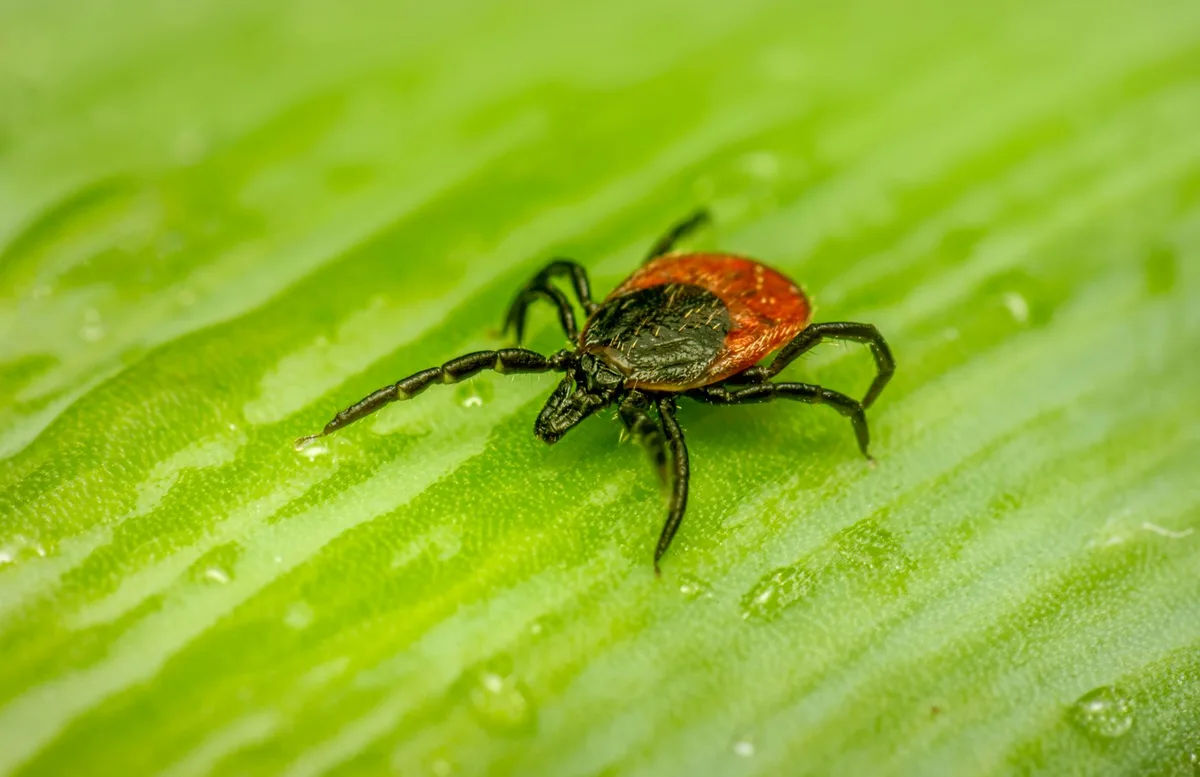
Spotting ticks early is a race against their size. A nymph is roughly the same size as a speck of ground pepper or a poppy seed. You won't feel its bite.
You won't feel it crawling. You have to train your eyes to notice it.
Aggregate reviews from pest control experts and health departments all point to the same conclusion: visual checks are the single most effective method for preventing tick-borne illness. The most common reason people miss ticks? They don't know what to look for.
Once you know the visual cues, you change the game.
Key visual targets to remember:
- Nymphs (poppy seed sized), the most likely to transmit Lyme
- Adult females (apple seed sized), easier to spot, often found while crawling
- Engorged ticks (grape sized), already been feeding, higher risk
- Tick eggs (clusters like caviar), sign of a female that laid eggs in or near your home
If you see any of these, you’ve confirmed an infestation. The next step is understanding exactly what each one looks like so you don’t mistake them for something harmless.
What a Live Tick Looks Like at Every Stage (Nymph, Adult, Engorged)
Ticks change dramatically as they grow and feed. Without a clear picture of each stage, it's easy to confuse a nymph with a freckle or an engorged tick with a skin tag.
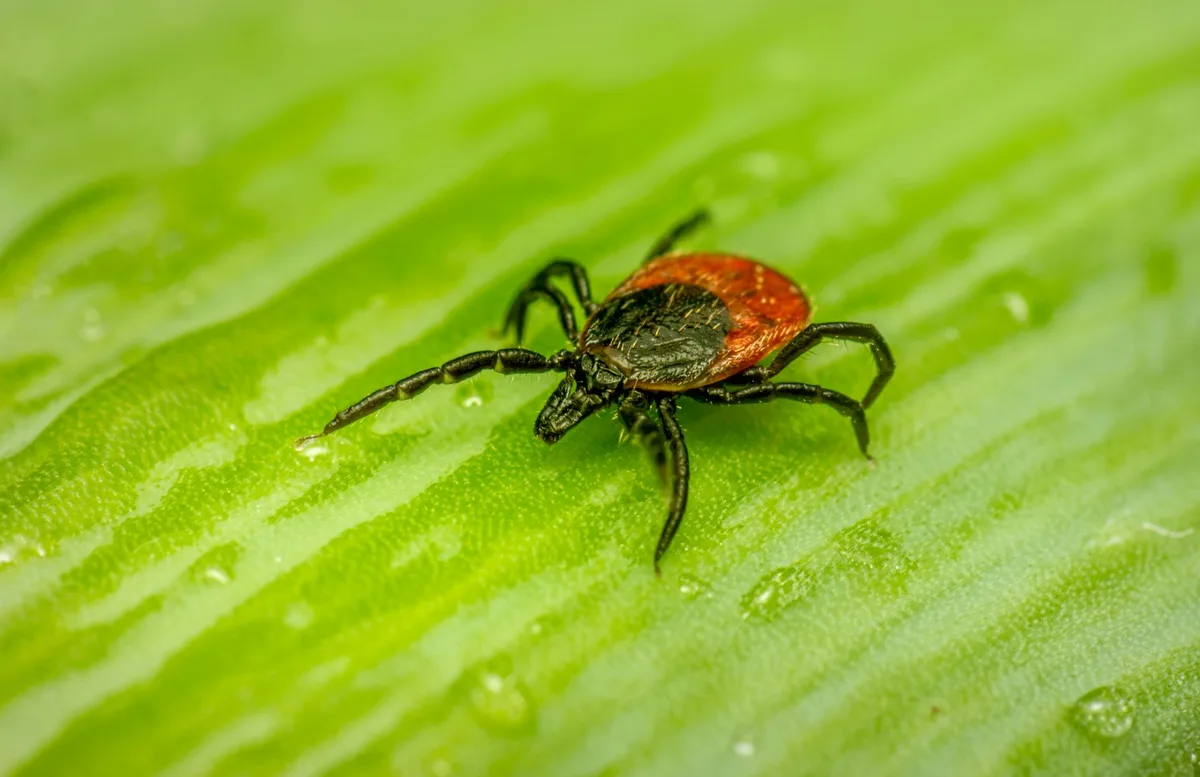
Here is a straightforward comparison table to help you identify what you’ve found:
| Stage | Size | Color | Shape | Where to Find It |
|---|---|---|---|---|
| Larva (6 legs) | Pinhead | Tan / translucent | Oval, flat | On ground, small rodents |
| Nymph (8 legs) | Poppy seed | Dark brown to black | Oval, flat | On humans, pets, leaf litter |
| Unfed adult female | Apple seed | Reddish-brown with dark shield | Oval, flat | Questing on grass, on hosts |
| Unfed adult male | Slightly smaller than female | Uniform dark brown | Oval, flat | Same areas as female |
| Partially fed | Between apple seed and pea | Grayish or silver-brown | Rounder, domed | On host after ~24 hours |
| Fully engorged | Pea sized | Gray, silver, or olive | Round, ball-shaped | On host after several days |
What to look for with your own eyes: when a tick is flat (unfed), you can see its legs clearly if you look close. When it's engorged, the legs become tiny dots on the round body. If you squeeze an engorged tick, it will burst, do not do that.
The nymph stage is the most dangerous because it’s the hardest to see. Most nymph bites are discovered only after a rash appears. Check your entire body, especially the backs of knees, armpits, beltline, and scalp.
Use a mirror or have someone check your back.
The Sign People Miss Most: Tick Eggs and Egg Clusters
If you find a cluster of tiny dark eggs, you have a serious problem. Female ticks lay eggs in one mass after feeding. A single female can lay 1,000 to 3,000 eggs at once.
That’s enough to start a full indoor or outdoor infestation.
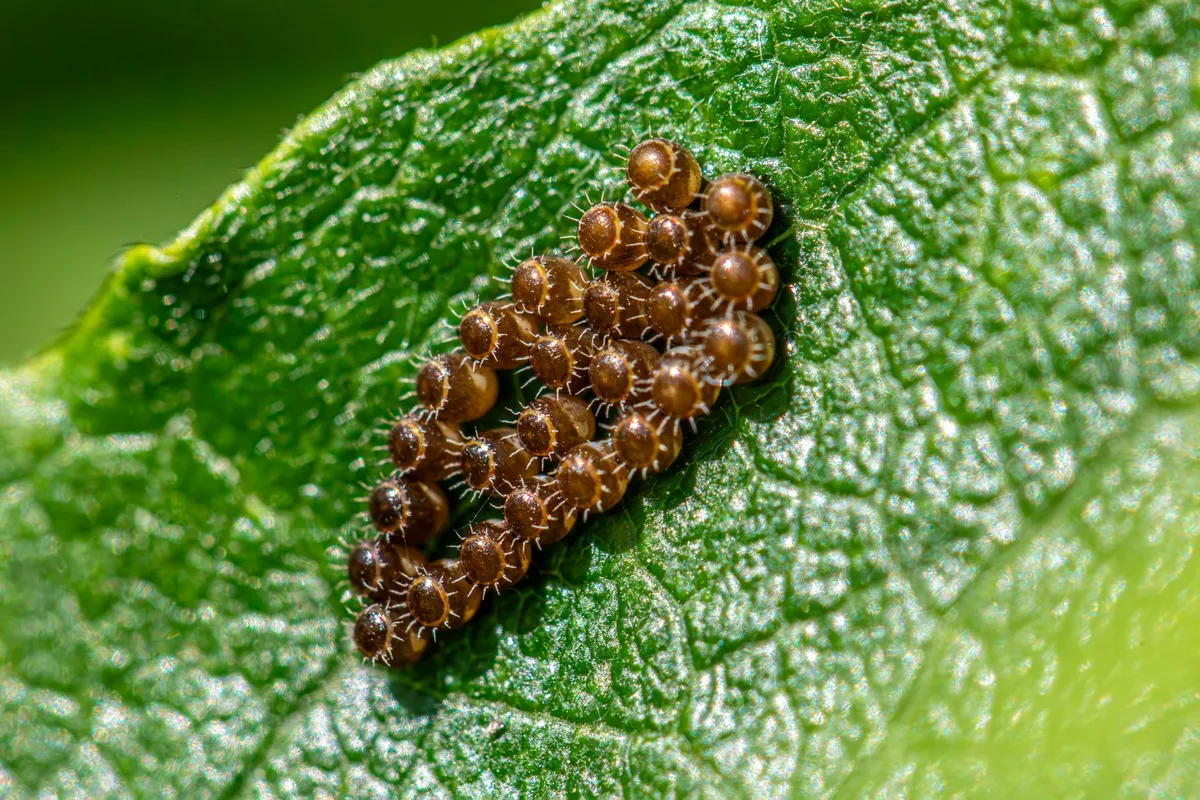
Tick eggs are often mistaken for mold, dirt, or flea eggs. But they have a distinct appearance: they stick together in a shiny, dark clump that looks like black caviar or a cluster of tiny beads. They are usually found in protected places:
- Under leaf litter in the yard
- In cracks of wooden decks or patios
- Behind baseboards inside homes
- In pet bedding corners
- Along the seams of dog crates or carpets
How to tell tick eggs from flea eggs: flea eggs are smaller, white or off-white, and they scatter like salt rather than sticking together in a clump. Tick eggs are dark, glossy, and adhere to each other. If you see a dark cluster that doesn’t brush away easily, suspect tick eggs.
If you confirm tick eggs indoors, the mother tick has been inside feeding. That means you should inspect pets, furniture, and all household members for ticks. Use a vacuum with a HEPA filter to pick up eggs, then dispose of the vacuum bag immediately in a sealed outdoor trash bin.
Wood treatment or professional pest control may be necessary for large infestations.
Tick Droppings (Frass) vs. Ordinary Dirt and Flea Dirt
Ticks produce waste called frass. It looks like small dark specks, similar to ground pepper or coffee grounds. Finding frass is a strong sign that ticks have been feeding in the area.
The confusing part: frass can look almost identical to flea dirt. Flea dirt is actually dried blood that fleas excrete. Both are dark specks, but there’s a simple test to tell them apart.
| Feature | Tick Frass | Flea Dirt |
|---|---|---|
| Color | Dark brown to black | Dark red to black |
| Texture | Gritty, irregular specks | Finer, like sand |
| Water test | Doesn’t dissolve | Turns red when wet |
| Location | Near hidden areas, carpet edges | Near pet sleeping areas |
| Associated with | Live ticks, tick bites | Flea bites, flea activity |
How to do the water test: collect a few specks on a damp white paper towel. If they dissolve into a reddish-brown stain, it’s flea dirt (digested blood). If they stay dark and don’t change color, it’s likely tick frass.
Neither is good news, but tick frass points directly to a tick infestation.
You’ll find frass in the same spots ticks hide: baseboards, under furniture cushions, in pet beds, and along wall edges. If you see an accumulation of dark specks in these areas, inspect for live ticks and eggs as well.
Tick Bite Marks You Can See Before Any Rash Appears
The classic bullseye rash (erythema migrans) is well known, but it only appears in about 70 to 80 percent of Lyme disease cases. Even then, it usually shows up 3 to 30 days after the bite. There are earlier signs you can spot much sooner.
Right after a tick bites, you might see:
- A small red dot where the tick attached (like a mosquito bite)
- A tiny dark spot at the center (the tick’s mouthparts)
- A ring of redness immediately around the bite (inflammation)
- Itching or mild swelling within 12 to 24 hours
Important: if you find a tick still attached, remove it immediately. Do not wait for a rash to appear. Use fine-tipped tweezers, grasp as close to the skin as possible, and pull straight up with steady pressure.
Disinfect the bite site and your hands.
If you develop a red spot larger than two inches across, a spreading ring, or a target-shaped rash, that’s the sign of Lyme disease. See a doctor. Likewise, if you develop flu-like symptoms within a few weeks of a tick bite, fever, chills, aches, that can be a sign of anaplasmosis or ehrlichiosis, even without a rash.
What does a tick bite without rash look like? Many tick bites just leave a small red bump that fades in a few days. That doesn’t rule out disease. The absence of a rash doesn’t mean you’re safe.
Always monitor for symptoms and consider testing the tick if you saved it.
The best approach is to prevent the bite entirely by checking for ticks before they attach. Visual inspection after being outdoors is your most reliable tool. Pair it with using EPA‑registered repellents and treating your yard with appropriate control measures.
For persistent yard issues, using the right pest control products and keeping your lawn maintained can reduce tick habitat. Proper yard maintenance, such as clearing leaf litter and keeping grass short, also helps. If you're dealing with indoor infestations, targeted treatments and regular vacuuming make a real difference.
Consider consulting a professional if you find multiple ticks indoors or in your yard.
Signs of Ticks on Pets: What to Look For in Fur, Ears, and Paws
Pets are tick magnets. They brush through grass, sniff leaf litter, and bring ticks straight into your home. Your dog or cat can carry multiple ticks without showing any discomfort.
Where ticks hide on pets:
- Inside and around the ears (especially the ear flap folds)
- Between the toes and paw pads
- Under the collar area
- In the armpits and groin
- Around the tail base and under the tail
Use your fingertips to feel for small bumps as you run your hands through your pet’s fur. An unfed tick feels like a tiny seed. An engorged tick feels like a small pea or grape.
Look closely at any bump. If it has legs, it’s a tick.
Check your pet after every walk or outdoor time. The quicker you remove a tick, the lower the disease risk. If you find ticks regularly on your pet, your yard probably has an infestation.
Consider treating the yard and using vet-recommended tick prevention.
Regular yard maintenance like clearing leaf litter and debris can also help reduce the tick population around your home.
Indoor Hiding Spots: Where Ticks Go Once They’re Inside
Ticks don’t just stay on you or your pet. They crawl off and hide in your home. The brown dog tick is especially good at living indoors year-round.
Common indoor hiding spots:
- Along baseboards and floor edges
- Under and behind furniture cushions
- In pet bedding and crates
- In curtain folds and drapes
- Inside shoe piles and laundry baskets
- In cracks in hardwood floors or around molding
Use a flashlight to inspect these areas. Look for ticks crawling slowly or clustered in groups. You might also find tiny dark specks (frass) or egg clusters.
If you find even one tick indoors, vacuum thoroughly. Focus on edges and corners. Dispose of the vacuum bag immediately in a sealed outdoor trash bin.
For persistent problems, treating cracks and baseboards with appropriate pest control can make a big difference.
Common Visual Lookalikes: Dirt, Scabs, Poppy Seeds, and Moles
This is where most people go wrong. Ticks at different stages look like things you see every day. Mistaking a tick for something harmless means you miss the infestation.
The most common tick lookalikes:
- Poppy seeds or black pepper: Looks exactly like a nymph. Nymphs have legs. Poppy seeds don’t. Look closely with a magnifying glass.
- Freckles or moles: An attached nymph can look like a new freckle. If it’s raised, it might be a tick. Run your finger over it. Ticks feel bumpy.
- Skin tags: An engorged tick can look like a skin tag or a cyst. Skin tags are flesh-colored and smooth. Engorged ticks are round, grayish, and have tiny legs visible at the base.
- Dirt or mold specks: Tick egg clusters look like black mold or dirt. They stick together and don’t brush away easily.
- Scabs: A tick bite with dried blood can look like a small scab. If the “scab” has a tiny dark center, that’s the tick’s mouthparts.
The two-second test: touch the spot with a damp cotton swab. Dirt wipes away. A tick stays attached.
If it moves, it’s definitely a tick.
Maintaining your lawn by mowing regularly and removing brush helps reduce the places ticks live.
How to Do a Thorough Tick Check on Yourself or Your Child
A quick glance is not enough. Ticks find the hidden spots. You need a systematic approach.
Step-by-step tick check:
- Stand in front of a full-length mirror in good light.
- Start at the top of your head. Run your fingers through your scalp. Feel for bumps.
- Check behind your ears, in and around them.
- Look at your neck, collarbone, and shoulders.
- Check your armpits carefully. Ticks love dark, warm places.
- Examine your belly button, waistline, and belt area.
- Check behind your knees, your groin area, and between your legs.
- Look at the backs of your knees and your calves.
- Check between your toes and the tops of your feet.
For children, have them sit on a chair. Check their scalp and hairline first. Move down the body in the same order.
Use a comb to part hair on the scalp for a clear view.
If you find a tick, remove it with fine-tipped tweezers. Grasp close to the skin. Pull straight up.
Clean the bite with rubbing alcohol.
How to Do a Tick Drag in Your Yard to Confirm Infestation
A tick drag is the standard method for checking if ticks are living in your yard. It’s simple, cheap, and effective.

What you need:
- A white flannel or light-colored cloth (about 3 feet by 3 feet)
- A long pole or wooden dowel (optional, but helps)
- A plastic bag or container for collecting ticks
How to do it:
- Attach the cloth to the pole or drag it behind you. The cloth should be flat against the ground.
- Walk across your yard, especially where the grass meets the woods or garden edges.
- Drag the cloth slowly. Pause every 20 to 30 steps.
- Turn the cloth over. Look for ticks that have latched onto the fabric.
- Collect any ticks you find in a plastic bag or jar. You can have them identified later.
- Repeat in different areas: tall grass, leaf litter, under shrubs, along fences.
Do this during the active tick season, from April through September. A single tick on your cloth means you have an infestation. More than three ticks per drag session means the population is high.
Regular yard cleanup using tools like a sturdy rake for removing pine needles and leaves can reduce tick habitat before you even start dragging.
Quick Visual Reference Table: Size, Shape, and Color by Tick Species
Different tick species look slightly different. Knowing which one you’re dealing with helps you understand the disease risk.
| Species | Unfed Size | Color | Key Marking | Common Region |
|---|---|---|---|---|
| Blacklegged tick (deer tick) | 1/8 inch | Reddish-brown | Dark shield on back | Northeast, Upper Midwest |
| American dog tick | 1/4 inch | Brown with white spots | White scutum markings | Eastern US, Pacific Coast |
| Lone star tick | 1/4 inch | Brown | Single white dot on back | Southeast, Eastern US |
| Brown dog tick | 1/8 inch | Uniform brown | No markings | Nationwide indoors |
The lone star tick female has a distinct white dot on her back. The American dog tick has irregular white markings. The blacklegged tick has a solid dark shield.
Use a magnifying glass if you need it.
If you find a tick indoors, it’s most likely a brown dog tick. That species can complete its entire life cycle inside your home. That means ongoing infestation without any outdoor exposure.
When the Problem Is Big Enough to Call a Professional
Most tick infestations can be handled with yard cleanup, pet prevention, and careful visual checks. But some situations require expert help.
Call a professional if:
- You find ticks inside your home repeatedly
- You find tick eggs or egg clusters indoors
- You drag your yard and collect more than three ticks per session
- Someone in your household develops a tick-borne illness
- You have a large property with heavy wooded areas
Professional exterminators use targeted sprays and granules. They know where ticks hide and how to break the life cycle. They can also treat the inside of your home safely if needed.
DIY methods work for small, contained problems. Widespread infestations need a pro. Your local health department can often recommend licensed pest control companies.
What to Do Next If You’ve Confirmed a Tick Infestation
You’ve found the signs. Now take action.
Immediate steps:
- Remove any ticks you find on people or pets. Use fine-tipped tweezers.
- Vacuum your entire home, especially edges and pet areas. Dispose of the bag outdoors.
- Wash all pet bedding, blankets, and throws in hot water.
- Treat your yard. Focus on edges where lawn meets woods.
- Start a tick prevention routine for your pets. Talk to your vet.
For ongoing prevention, keep your grass short. Remove leaf litter. Create a barrier of wood chips or gravel between your lawn and wooded areas.
This reduces tick movement into your yard.
Check yourself, your kids, and your pets daily during tick season. Consistent visual checks are the best way to stay ahead of the problem. Don’t let a tiny tick become a big health issue.
Frequently Asked Questions
What does a tick egg cluster look like?
Tick eggs look like a small cluster of dark, shiny beads. They stick together in a mass, similar to black caviar. You’ll find them in protected spots like under leaf litter, along baseboards, or in pet bedding seams.
How can I tell the difference between a tick and a skin tag?
Ticks have visible legs. Skin tags do not. A tick is round and attached at the mouth.
A skin tag is flesh-colored and attached by a narrow stalk. If it moves or has legs, it’s a tick.
Can I find ticks in my house without pets?
Yes. Brown dog ticks can enter homes through cracks, on clothing, or on visitors. They can survive indoors and lay eggs in baseboards, curtains, and furniture.
Regular vacuuming and inspections help catch them early.
What time of year are tick infestations most common?
Tick season runs from April through September. Nymphs are most active in late spring and early summer. Adult ticks are active in the fall and early spring on warmer days.
Check year-round in mild climates.
Is one tick in my yard a sign of infestation?
Yes. One tick means there are likely more. Do a tick drag to confirm.
If you find one tick, you have at least a small population. Start treatment and prevention measures immediately.
How long does a tick have to be attached to transmit disease?
For Lyme disease, the tick typically needs to be attached for 24 to 48 hours. Other diseases like anaplasmosis can transmit in as little as 12 hours. Remove ticks as soon as you find them.