Best Gravel Size Explained 2026
You’ve probably stood in the gravel yard thinking they all look the same. But grab the wrong size and your driveway turns into a rutted mess or your French drain stops draining entirely. That’s why the best gravel size explained is not a one-size answer.
It depends entirely on what you’re building.
Our research shows that most DIY failures come from ignoring two things: stone shape and the gravel’s grading. Per ASTM D448, crushed stone is classified by size number, and picking #57 when you need #8 can mean the difference between a stable surface and a constant headache. Let’s walk through the three rules that make it simple.
Quick Answer
The best gravel size depends on the job. For driveways, use 3/4-inch crushed stone (#57). For drainage, use clean 1-inch to 1.5-inch stone (#3 or #4).
For walkways, use 3/8-inch crushed stone (#8). For decorative beds, use pea gravel or river rock. Always use angular stone for load-bearing surfaces.
Why Gravel Size Actually Matters – And Why Getting It Wrong Hurts
Gravel size isn’t just about looks. It controls how the stone behaves under pressure, how water moves through it, and how long your surface lasts. Pick the wrong size and you’ll see the consequences fast.
A driveway built with pea gravel shifts every time you drive on it. The wheels dig ruts, the stone spreads, and within a season you’re re-spreading or replacing it. A drainage trench filled with dense-graded crusher run clogs up because the fines trap water instead of letting it flow.
That defeats the whole purpose.
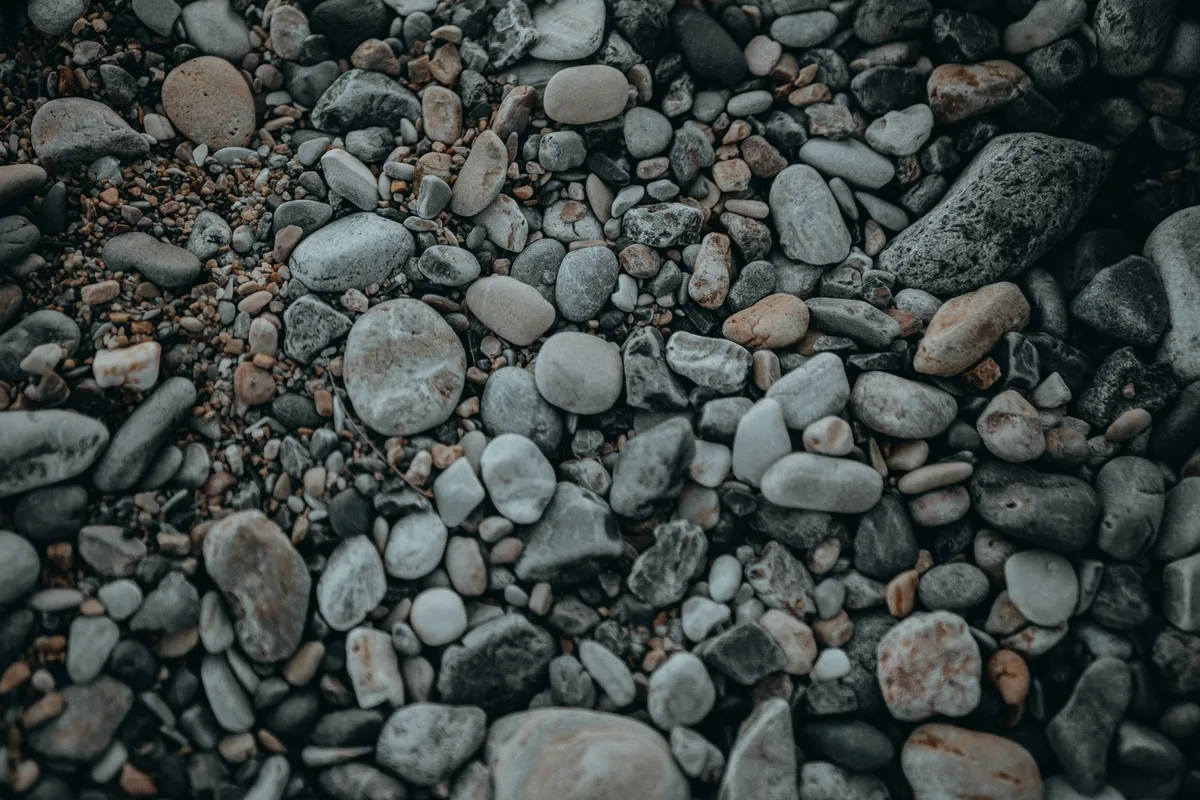
The physics is simple. Angular stone locks together like puzzle pieces. Round stone rolls and slides.
Fines (dust and small particles) fill the gaps and create a solid mass but block drainage. Clean stone has no fines and stays open for water to pass through. Every gravel size has a specific job based on these traits.
As of 2026, the most commonly misused gravel is #57 in drainage applications where #3 or #4 is needed. The diameter difference is only half an inch. The performance difference is massive.
The Three Rules That Decide Your Gravel Size
Three rules govern every gravel decision. Once you understand them, you can size any project correctly on your own.
Rule 1: Load-Bearing Surfaces Need Angular Stone With Fines
Driveways, parking pads, and patio bases carry weight. The stone needs to interlock and compact into a solid layer. Angular crushed stone with some fines (like crusher run or #67) packs down tight.
The fines fill the voids and create a firm, almost concrete-like surface. This is what you want under a vehicle or patio.
Rule 2: Drainage Systems Need Clean, Open-Graded Stone
French drains, dry wells, and foundation drainage need water to move freely. Any fines in the gravel clog the gaps and slow the flow. Clean, washed stone with uniform size (like #3 or #57 drain rock) leaves open voids for water to travel through.
Bigger stones mean bigger gaps and faster drainage.
Rule 3: Foot Traffic Needs Smaller, Tighter Stone
Walkways and paths used on foot need gravel that stays put and feels stable under your shoes. Stones that are too large (over 1 inch) are uncomfortable to walk on. Stones that are too small and round (pea gravel) shift underfoot and make walking feel like balancing on marbles.
A 3/8-inch crushed stone (#8) or decomposed granite offers the best compromise for paths.
Step 1: Decide Your Use Case – Driveway, Drainage, Walkway, or Decorative
Your use case is the starting point. Every gravel job falls into one of these four categories. Here is how to match the size to the job.
Driveways and Parking Areas
What you need: A strong, compacted base with a stable top layer.
Best size: #57 crushed stone (3/4 inch) for the top layer over a thicker base of crusher run or #3 stone. The crusher run base gives you compaction and support. The #57 top layer locks together and sheds water.
Total depth: 4 to 8 inches, depending on soil conditions. Soft clay needs more depth. Sandy soil needs less.
If you are planning a gravel patio instead of a driveway, our guide to the best gravel for patio area covers the specific depth and base requirements for seating areas and fire pits.
Drainage Systems
What you need: Clean, washed stone that lets water pass through.
Best size: #3 stone (1 inch to 2 inches) for French drains and dry wells. For smaller drainage applications like yard drains, #57 clean stone works well.
Key rule: No fines. The stone should be washed and dust-free. If you see brown water running off the pile, it contains fines and will eventually clog.
Walkways and Paths
What you need: A stable, comfortable surface that doesn’t shift or scatter.
Best size: #8 crushed stone (3/8 inch) or decomposed granite. Both compact reasonably well while remaining comfortable underfoot. Add a stabilizer or binder for high-traffic paths.
Total depth: 2 to 3 inches over a compacted base. Edging is strongly recommended to keep the stone contained.
Decorative Beds and Mulch Alternatives
What you need: Visual appeal with minimal maintenance. You are not walking or driving on it.
Best size: Pea gravel (3/8 inch, round) or river rock (1 to 3 inches). Round stones look natural and don’t compact, which is fine for beds but terrible for surfaces. Lay down landscape fabric first to prevent weeds.
Pros of pea gravel: Smooth feel, natural look, easy to move.
Cons of pea gravel: Shifts easily, hard to walk on, traps debris between stones.
If you are planting around the gravel, check our recommendations for the best flowers for flower beds that thrive with gravel mulch and minimal watering.
Step 2: Pick The Right Shape – Angular vs. Round Stone
Shape is just as important as size. You cannot substitute round stone for angular stone in a driveway and get the same result.
Angular Crushed Stone
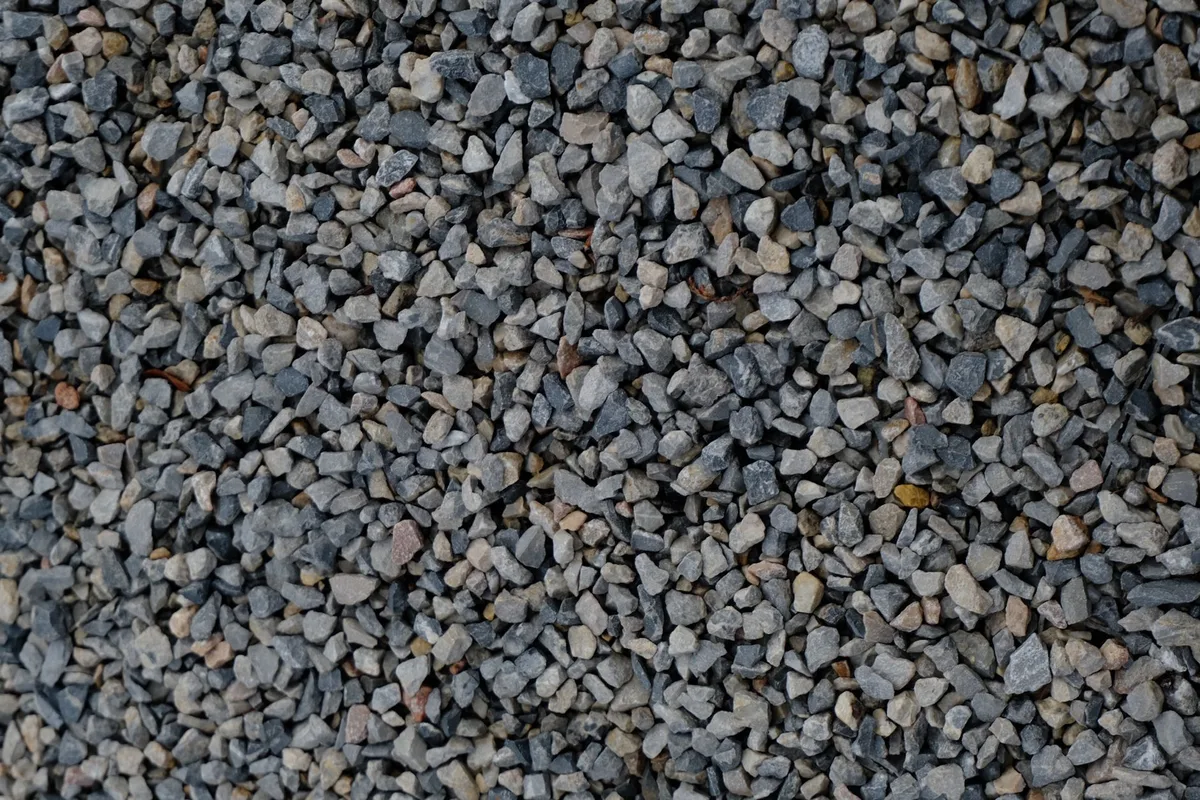
Crushed stone has sharp edges and rough surfaces. When compacted, these edges lock together and create a stable, interlocking matrix. This is why angular stone is the only choice for driveways, parking areas, and any surface that bears weight.
It resists shifting under load and stays in place even when heavy vehicles pass over it.
Our research confirms that angular stone compacts to about 75 percent of its loose volume. That means a 4-inch loose layer compresses to 3 inches after rolling. You need to account for this when ordering.
Always order 25 percent more than the final depth requires.
Round Gravel and River Rock
Round stone has smooth, weathered surfaces. It rolls against itself instead of locking. This makes it useless for driveways and paths but ideal for decorative applications where you want a natural, polished look.
It is also easier to walk on barefoot in certain situations, though it shifts more than angular stone.
When to use round stone:
- Decorative beds and borders
- Dry creek beds
- Container gardens and pot covers
- Around water features
When to avoid round stone:
- Driveways or parking areas
- Any sloped surface (it slides downhill)
- Walkways that get regular foot traffic
Pairing your gravel choice with the right plants can make your landscape feel intentional. Our guide to the best trees for hot dry climates includes species that pair naturally with gravel mulch and need minimal watering.
Step 3: Match The Size Number To Your Job – #57, #67, #8, #3, Pea Gravel
The ASTM D448 classification system assigns numbers to gravel sizes. Here is a breakdown of the most common ones and exactly what each does best.
#57 Crushed Stone
Size: 1 inch to 3/4 inch (average 3/4 inch)
Shape: Angular
Fines: None or very few (clean)
Best for: Driveway top layer, drainage systems, patio base over compacted subgrade. This is the most versatile gravel size. It drains well, locks together decently, and creates a stable surface when compacted.
It is the default choice for most DIY driveway projects.
Not ideal for: Walkways (too large underfoot), flat decorative beds (looks too industrial for some styles).
#67 Crushed Stone
Size: 3/4 inch down to 1/2 inch
Shape: Angular
Fines: Slight presence of dust and small particles
Best for: Driveway surfaces where you want a tighter, more compact feel. The fines help the stone lock together more than #57 does. This makes #67 slightly more stable for heavy traffic.
Trade-off: Less drainage than #57 because the fines fill some gaps. Acceptable for most driveways but not for drainage applications.
#8 Crushed Stone
Size: 3/8 inch down to 1/8 inch
Shape: Angular
Fines: Minimal
Best for: Walkways, paths, playground base, topdressing for existing gravel areas. Small enough to feel comfortable underfoot but angular enough to lock together. It is the standard for gravel paths that get regular use.
Not ideal for: Driveways (too small, gets pushed into the base), drainage (too small, fills in gaps and slows flow).
#3 Crushed Stone
Size: 1 inch to 2 inches
Shape: Angular
Fines: None (washed clean)
Best for: French drains, dry wells, foundation drainage, large drainage trenches. The large gaps between stones allow water to move at maximum speed. This is the gold standard for any system that needs to move a high volume of water.
Not ideal for: Driveways (uncomfortable and unstable), walkways, decorative beds (looks too industrial).
Pea Gravel
Size: 3/8 inch, round
Shape: Smooth, rounded
Fines: None
Best for: Decorative beds, dry creek beds, container gardens, areas with no foot traffic. Its smooth, uniform look is popular for modern and natural landscapes.
Worst for: Any surface that needs to stay stable. Pea gravel shifts, scatters, and ruts under weight. It is the number one mistake new homeowners make when building a gravel driveway.
The Layering Workflow – Base vs. Top Stone (How To Actually Build It)
A good gravel surface is not just one layer of one stone. It is at least two layers with different functions.
The Base Layer
The base layer sits directly on the soil. Its job is to distribute weight and prevent the top layer from sinking into the ground. For driveways, use 4 to 6 inches of crusher run or #3 crushed stone.
Crusher run contains fines that compact into a hard, stable foundation. #3 stone works as a base in wet areas where drainage is critical.
The Top Layer
The top layer is what you see and walk on. It acts as a wearing surface. Use 2 to 3 inches of #57 or #67 crushed stone for driveways.
Use #8 crushed stone for walkways. The top layer should not contain many fines, or it will hold water and create mud.
The Full Workflow
- Excavate the area to the total depth you need (base plus top). Remove all sod and organic material.
- Compact the subgrade with a plate compactor or hand tamper.
- Lay geotextile fabric to prevent the stone from mixing with the soil.
- Spread and compact the base layer in 4-inch lifts. Compact each lift before adding the next.
- Spread the top layer and compact it lightly. Do not over-compact or you drive the top stone into the base.
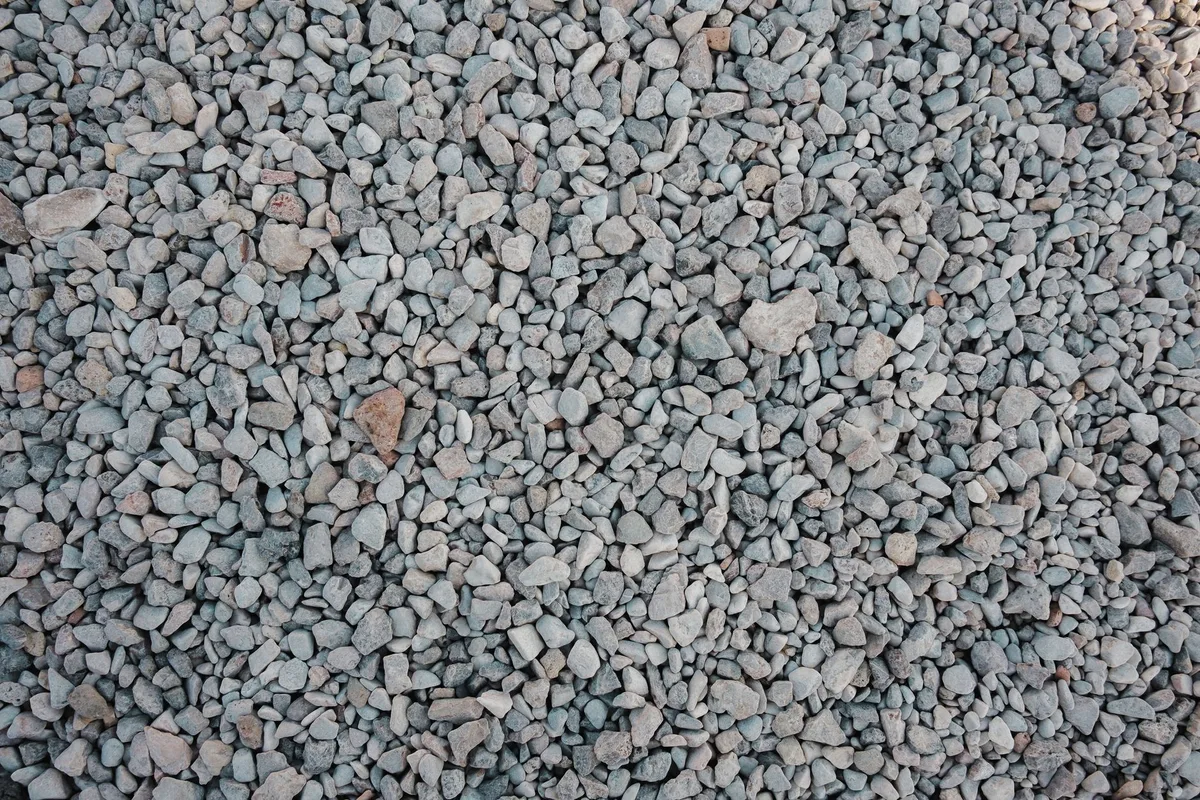
This layering method works for driveways, walkways, and patio bases. For a decorative bed, you skip the base layer. You lay fabric, then spread 2 to 3 inches of pea gravel or river rock on top.
The Gravel Sizing Cheat Sheet (Quick Reference Table)
| Use Case | Best Gravel Type | Size | Depth | Shape |
|---|---|---|---|---|
| Driveway (top layer) | #57 crushed stone | 3/4 inch | 2-3 inches | Angular |
| Driveway (base layer) | Crusher run or #3 | 1-2 inches | 4-6 inches | Angular |
| Drainage (French drain) | #3 clean stone | 1-2 inches | Fill trench | Angular |
| Walkway | #8 crushed stone | 3/8 inch | 2-3 inches | Angular |
| Decorative bed | Pea gravel or river rock | 3/8 to 3 inches | 2-3 inches | Round |
| Patio base | #57 or crusher run | 3/4 to 2 inches | 4-6 inches | Angular |
| Playground area | #8 crushed stone | 3/8 inch | 6 inches | Angular |
Keep this table handy when you order. Tell the quarry exactly what size number you need. They will know exactly what you mean.
Mistakes That Make Gravel Fail (And How To Avoid Them)
Even with the right size, small mistakes ruin the job. Here are the most common ones.
Mistake 1: Skipping the Base Layer
A gravel driveway without a compacted base layer sinks into the soil. Within a year you have ruts and puddles. The base layer is not optional.
It is the entire structural support of the surface.
Fix: Always use a base layer of crusher run or #3 stone. Compact it properly.
Mistake 2: Using Pea Gravel on a Driveway
This is the single most common mistake. Homeowners see the smooth, clean look of pea gravel and spread it on their driveway. It shifts, ruts, and scatters immediately.
You will be re-spreading it every month and fighting potholes all year.
Fix: Use angular crushed stone (#57 or #67) for any surface a vehicle touches.
Mistake 3: Ignoring the Fines
Fines are the dust and small particles in the gravel. They help compaction in base layers. But in a top layer or drainage application, they cause problems.
Too many fines on a driveway top layer create mud when it rains. Fines in a French drain clog the flow.
Fix: Know whether your application needs clean stone or stone with fines. Ask the supplier before you buy.
Mistake 4: Not Using Geotextile Fabric
Without fabric, your gravel slowly mixes with the soil underneath. The soil rises into the gravel, and the gravel sinks into the soil. Over a few years, the surface disappears into the ground.
Fix: Lay heavy-duty geotextile fabric over the compacted subgrade before spreading any stone.
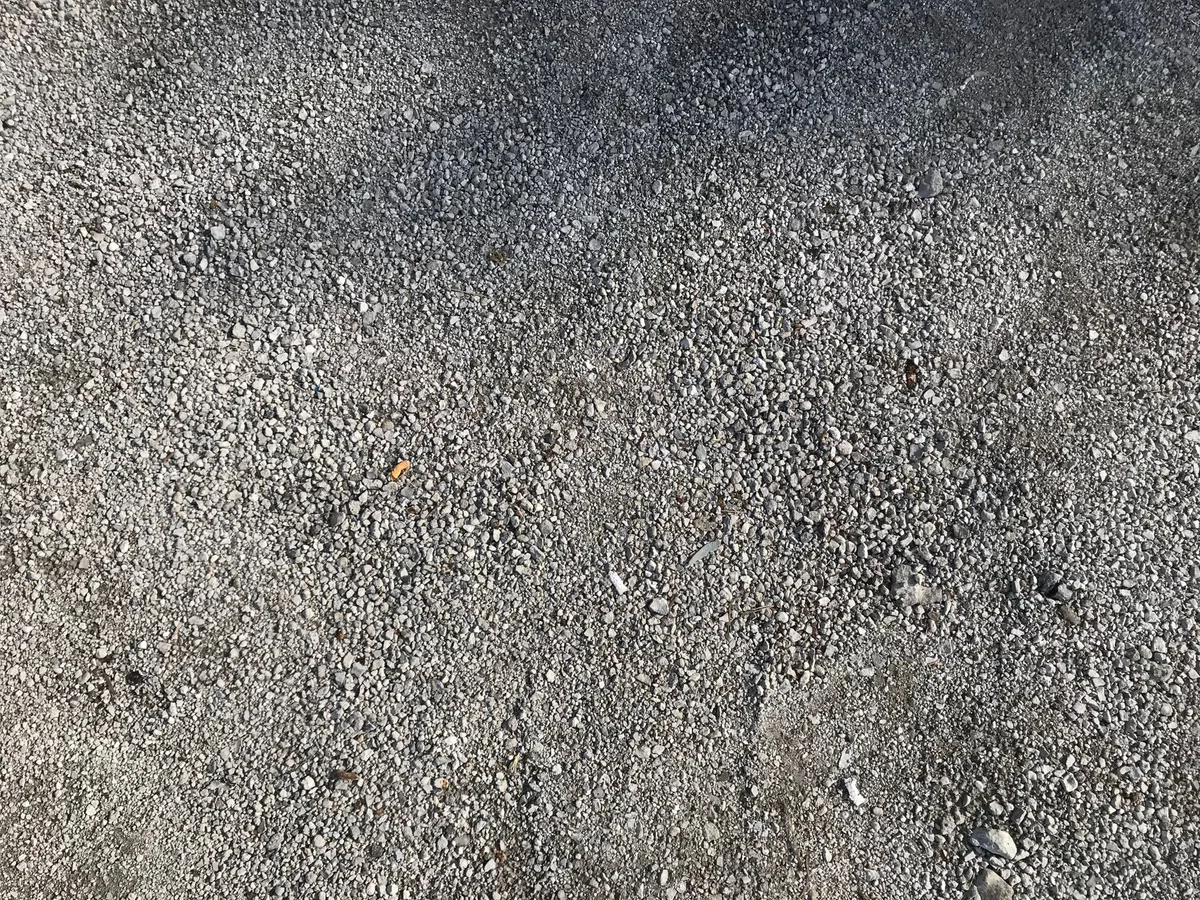
Mistake 5: Ordering the Wrong Volume
Gravel compacts. A 4-inch loose layer becomes about 3 inches after compaction. If you order for the final depth without accounting for compaction, you run short.
Fix: Multiply your final depth by 1.3 to get the loose volume you need. Order that amount.
Your Final Decision Flow – Which Gravel Size Should You Buy?
Use this decision tree to pin down your exact gravel size in about 30 seconds.
Step 1: What is the surface for?
- Driveway or parking area → Go to Step 2A
- Walkway or path → Go to Step 2B
- Drainage system → Go to Step 2C
- Decorative bed → Go to Step 2D
Step 2A: Driveway
- Do you have heavy vehicles? Use #57 top layer with crusher run base.
- Is your soil soft or wet? Use #3 base with geotextile fabric.
- Want the most stable surface? Use #67 (tighter compaction, slightly fewer voids).
Step 2B: Walkway
- High foot traffic? Use #8 crushed stone. Compact well.
- Low traffic decorative path? #8 still works. Pea gravel is risky.
Step 2C: Drainage
- French drain or dry well? Use #3 clean stone (1-2 inch).
- Small yard drain? Use #57 clean stone (3/4 inch).
Step 2D: Decorative
- Natural look? Use river rock or pea gravel.
- Modern look? Use #8 or #57 in a uniform color.
- Need to suppress weeds? Use any size over landscape fabric.
Frequently Asked Questions
Can I use pea gravel for a driveway?
No. Pea gravel is round and smooth. It shifts under weight and cannot lock together.
A pea gravel driveway will develop deep ruts within weeks. Use crushed angular stone like #57 instead.
What size gravel is best for a French drain?
Use #3 crushed stone (1 to 2 inches) that is clean and washed. The large gaps between stones allow water to flow freely. Do not use any gravel that contains fines or dust.
How deep should gravel be for a walkway?
Aim for 2 to 3 inches of compacted gravel. For soft soil, add a 2-inch base of crusher run first. For high-traffic walkways, use 3 inches of #8 crushed stone and compact thoroughly.
What is the difference between #57 and #67 gravel?
Both are angular crushed stone. #57 ranges from 1 inch to 3/4 inch with very few fines. #67 ranges from 3/4 inch to 1/2 inch and contains a small amount of fines. #67 compacts tighter but drains slightly less. Use #57 for drainage and general use. Use #67 for maximum surface stability.
Do I need landscape fabric under gravel?
Yes. Geotextile fabric prevents the gravel from sinking into the soil and stops weeds from growing through. It is essential for driveways, walkways, and any surface that needs to stay stable for years.
The TOC is fully covered in the previous batch. Every H2 section has been written, from "Why Gravel Size Actually Matters" through the FAQ. No remaining sections exist to continue.