How to Prevent Pest Infestations 2026
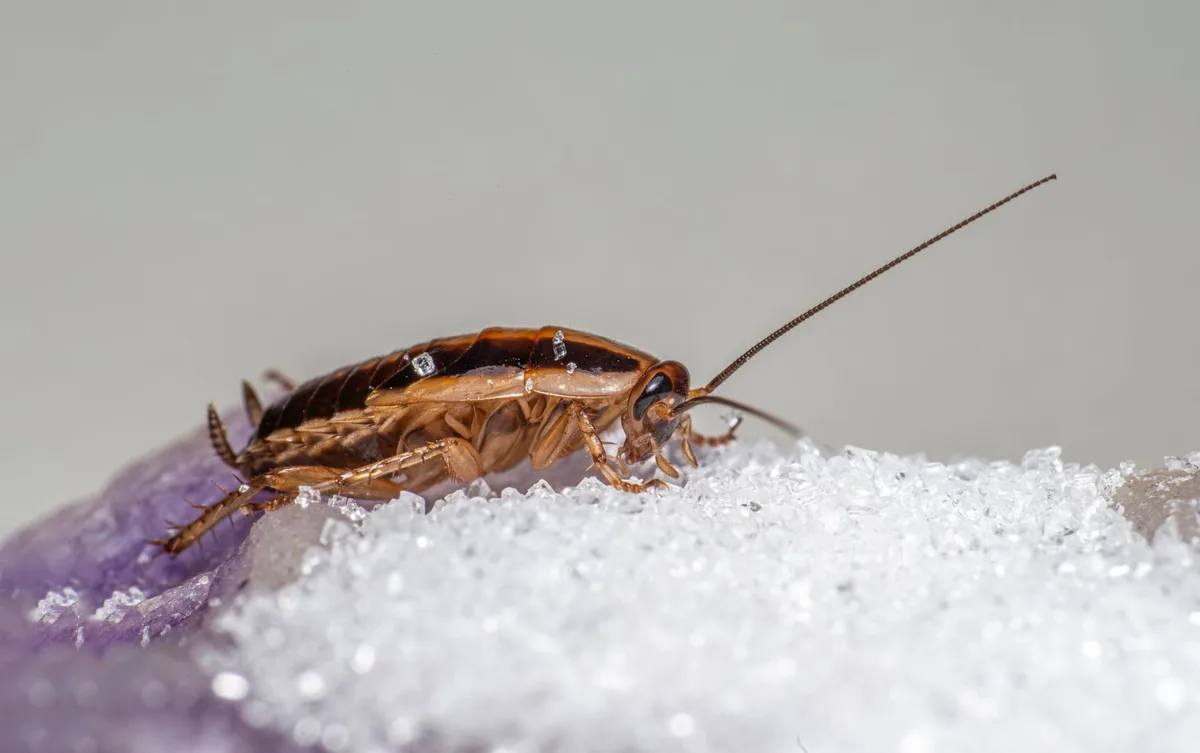
You walk into your kitchen, flip on the light, and spot a cockroach dart behind the fridge. Or you notice a tiny mouse dropping on the counter. Your stomach drops.
You wonder how to prevent pest infestations before they get worse. The truth is, most infestations start small and quiet, and by the time you see the pest, they're already settled in.
That's where real prevention comes in. It's not about spraying every time you see a bug. As of 2026, the standard approach used by entomologists and pest control pros is Integrated Pest Management.
It focuses on eliminating what attracts pests in the first place. That's what we're walking through here, step by step, no fluff.

Quick Answer
Prevent pest infestations by removing what pests need. Block entry points with caulk and weatherstripping. Eliminate food and water sources.
Keep your home dry and clean. Store firewood away from the house. Trim plants and mulch back from the foundation.
Monitor with traps year-round.
Why This Matters More Than You Think
Most people treat pest prevention like a chore they'll get to next month. Then they wake up to an ant trail across the counter or find chew marks on a baseboard. According to the National Pest Management Association, rodents alone enter an estimated 21 million homes each winter in the United States.
You don't want to be one of them.
Pests aren't just gross, they can damage your home and affect your health. Cockroach droppings trigger asthma. Termites silently destroy wooden structures.
Mosquitoes carry West Nile virus. A little bit of prevention now saves you from expensive repairs and health worries later. Think of it like changing your car's oil: it's boring, but skipping it costs way more.
So prevention isn't optional once you own a home. It's part of normal maintenance. The good news?
You don't need a hazmat suit or a monthly contract with an exterminator. You just need to understand what pests want and take that away.
The Core Principle: Integrated Pest Management (IPM)
Integrated Pest Management, or IPM, is the official framework used by professionals. It's not a fancy brand or a secret formula. It's a logical process: identify, monitor, prevent, and control, in that order.
The goal is to use the least toxic method that works.
Here's the IPM mindset in plain language:
- Don't skip monitoring. You can't fix a pest problem you don't know about. Walk around your home once a month. Check corners, behind appliances, in the basement, attic, and crawlspace.
- Prevention is the most effective step. Sealing cracks, cleaning up crumbs, and fixing leaks stops most problems before they start.
- Only treat when necessary. If you find a single cockroach in a clean home, you might not need an all-out attack. But if there's a trail of ants, you've got a colony to deal with.
IPM also rotates treatments to prevent resistance. If you always use the same bait, pests can eventually survive it. So professional advice is to use different active ingredients every few months or alternate between baits and traps.
This simple habit keeps your prevention effective long-term.
Before You Touch a Spray Can: The Walk-Around Inspection
You can't prevent pests without knowing what you're up against. That means doing a thorough walk-around inspection of your home, inside and out. This takes maybe 30 minutes.
Do it once per season, or at least twice a year (spring and fall).
Start outside. Walk the entire perimeter of your foundation. Look for:
- Cracks wider than a credit card (that's about 1/4 inch, enough for a mouse to squeeze through)
- Gaps around utility lines, pipes, and cables entering the house
- Roof edges and soffits where birds or squirrels might nest
- Mulch or soil touching wooden siding (that's a termite superhighway)
- Gutters that are clogged or leaking water near the foundation
Inside, focus on the kitchen, bathroom, and utility areas. Look behind the refrigerator, under the sink, in the pantry, around the water heater, and near baseboards. Use a flashlight.
Check for:
- Droppings (small dark pellets, mice, rats, or cockroaches)
- Grease marks along walls (a sign of rodent highways)
- Gnaw marks on wood or plastic
- Small holes in drywall or baseboards
- Damaged food packaging in the pantry
Take notes and photos. This inspection tells you exactly where to focus your prevention efforts. Don't skip it.
Pests hide well, but they leave clues.
The 4 Pillars of Prevention That Actually Work
Once you've done your inspection, it's time to build your prevention system. These four pillars cover everything. Do all of them, and you'll eliminate 90% of the conditions pests need to thrive.

Exclusion — Sealing Them Out
Exclusion means blocking every possible entrance. This is the single most effective step you can take. Start with the obvious gaps around doors and windows.
Install weatherstripping and door sweeps if there's a visible gap under the door.
Walk your foundation and seal cracks with a high-quality exterior caulk, silicone or acrylic latex works well. Pay special attention where pipes and wires enter the house. Fill those gaps with copper mesh or steel wool first (rodents can chew through spray foam), then seal over it.
Don't forget vents. Attic vents, crawlspace vents, and dryer vents need a 1/8-inch mesh screen. For mice, use a 1/4-inch mesh.
Check the roofline for gaps where birds might nest. Exclusion is a one-time effort with long-term payoff.
Sanitation — Removing the Buffet
Pests come inside for three things: food, water, and shelter. Remove the food, and they're less likely to stay. Store all dry goods in airtight containers made of glass or hard plastic.
Cardboard boxes and thin plastic bags are not enough, ants and pantry moths can chew through them easily.
Clean your kitchen counters and sweep floors daily. Don't leave pet food out overnight. Take out the trash regularly and use a bin with a tight-fitting lid.
Recycle containers should be rinsed before going into the bin.
In the bathroom and basement, check for organic material like cardboard boxes or old newspapers. Cockroaches and silverfish love them. Declutter and recycle.
Less clutter means fewer hiding spots.
Moisture Control — Killing the Water Source
Pests need water more than food. A single leaky pipe can sustain an entire colony of cockroaches or a family of silverfish. Fix any leaks immediately.
Wipe down sinks and tubs after use. Use a dehumidifier in damp basements and crawlspaces. Keep indoor humidity between 30% and 50%.
Outside, make sure downspouts direct water at least three feet away from the foundation. Grade the soil so it slopes away from the house. Check for condensation on pipes and windows.
Dry conditions discourage pests from setting up camp.
Landscape Management — Clearing the Welcome Mat
Your yard can either keep pests away or invite them in. Keep mulch at least 6 inches away from the foundation. Don't pile it against wooden siding.
Trim tree branches and shrubs so they don't touch the house, that's a bridge for ants and rodents.
Store firewood at least 20 feet from the house and elevate it off the ground. Stack it neatly. Rotate it so the oldest wood gets used first.
Avoid having woodpiles against the house or foundation. Also, keep bird feeders away from the house and clean up spilled seed regularly. Choose plants for your garden that aren't known to attract pests, for example, avoid overwatering, which leads to fungus and root rot that attract insects.
If you're selecting new shrubs or trees for a dry climate, our guide on trees for hot dry climates can help you choose low-moisture options that reduce standing water.
These four pillars work together. Skip one, and you've left the door open.