Guide to Mulch Vs Compost for 2026: Beginner-Friendly Guide
You walk into a garden center, see two big piles of dark brown stuff, and realize you have no clue which one to grab. It happens all the time. One bag says "mulch" and the other says "compost" and you're standing there wondering if it even matters.
It does. And the difference goes way beyond the label.
Our research shows that gardeners who understand the distinction get better results with less effort and fewer expensive do-overs. As of 2026, the core truth hasn't changed: mulch is for the soil surface, compost is for the soil itself. Choose wrong and you could stunt your plants or waste your weekend.
Choose right and you set your garden up for a full season of strong growth.

Quick Answer
Mulch sits on top of soil. It blocks weeds and holds moisture. Compost gets mixed into soil.
It feeds plants and improves structure. Use mulch for pathways, flower beds, and around trees. Use compost for planting holes, vegetable gardens, and soil building.
Layering compost under mulch gives you both benefits.
Why This Choice Matters More Than You Think
Most gardeners grab whichever bag is cheaper or darker. That is a fast way to get slow results.
Mulch and compost look similar in a pile, but they do completely different jobs. The surface vs soil rule is the most important distinction. Mulch stays on top.
Compost goes under or gets dug in. Mix that up and you either bury your plants in raw material they can't reach, or you leave soil exposed to every weed seed in the neighborhood.
Here is what typically happens. Someone spreads compost an inch thick around their roses, thinking it will feed the soil. They get a few weeks of dark color, then weeds pop through, and the compost disappears into dust.
Meanwhile their neighbor put down three inches of bark mulch and had a weed-free flower bed for the whole summer.
One bag of compost can cost more than a bag of mulch. If you use it wrong, you are burning money and effort.
The right choice saves time and keeps your garden healthy.
The Real Difference Between Mulch and Compost
Let's get the definitions straight so there is no confusion.
Mulch is any material you lay on the soil surface. It can be organic (wood chips, straw, shredded leaves, pine bark) or inorganic (stones, landscape fabric, rubber nuggets). Its job is to cover the ground.
That covering action blocks sunlight from reaching weed seeds, slows evaporation from the soil, and moderates soil temperature so roots stay cool in summer and warm in winter.
Compost is decomposed organic matter. It goes through a controlled process where bacteria, fungi, and other organisms break down leaves, kitchen scraps, grass clippings, and manure into a dark, crumbly, earthy-smelling material. Finished compost has a carbon-to-nitrogen ratio around 10:1 to 20:1, which means it is stable and ready to feed plants.
The US Composting Council's Seal of Testing Assurance program requires compost to meet specific benchmarks for pH, salt content, and maturity before it earns certification. That matters because fresh or unfinished compost can burn plant roots or tie up nitrogen.
Mulch is usually coarse. Chunks are 1 to 3 inches across. That texture helps air and water move through while creating a thick enough layer to block weeds.
Compost is fine and uniform. It looks like rich dirt. You want that fineness when you mix it into soil because it integrates quickly.
The fundamental difference comes down to one word: placement.
Mulch — Weed Suppression, Moisture Retention, and the Nitrogen Tie-Up Trap
Mulch is the workhorse of weed control. No question about it.
A 3-inch layer of wood chip mulch blocks 90 percent of weed seeds from germinating. The few that get through are easy to pull because the soil underneath stays loose and damp. For flower beds and perennial borders, mulch is the single best tool available.
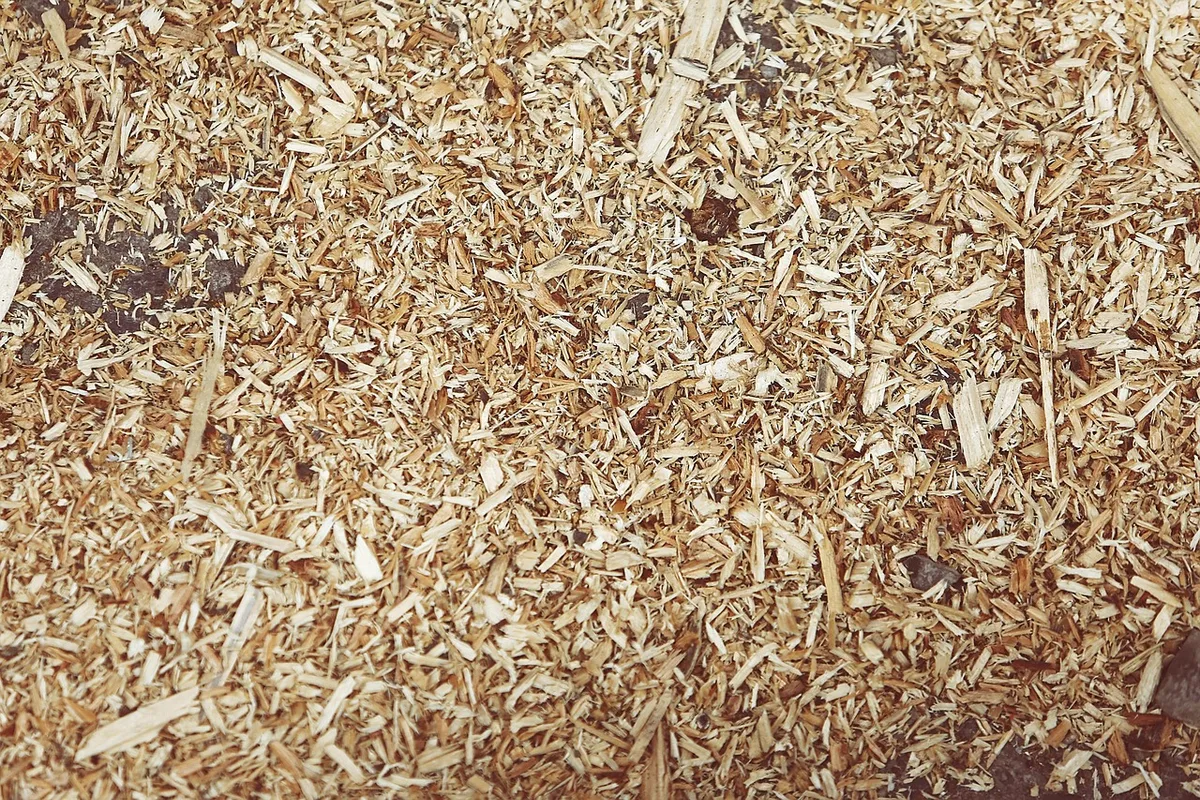
Moisture retention is the other big win. Bare soil loses water to evaporation fast. Covered soil loses it slowly.
In hot dry conditions, that difference can be dramatic. If you live in a climate where summer means watering restrictions, a good layer of mulch is your best insurance. Consider pairing it with drought-tolerant trees for a strategy that barely needs the hose.
Temperature buffering works the same way. Mulch insulates the soil, keeping roots cooler in July and warmer in November. That extends the growing season and reduces stress on plants.
Now the trap.
Fresh wood chips steal nitrogen from your soil. Here is why. Wood is mostly carbon. Microbes need nitrogen to break down carbon.
If you mix fresh wood chips into the soil or lay them too thin (so they decompose at the soil line), those microbes pull nitrogen out of the soil to do their work. Your plants go hungry.
Manufacturer specifications from most arborist chip suppliers recommend keeping wood chips at least 3 inches deep and never tilling them into the ground. On the surface, the nitrogen tie-up effect is minimal because most of the decomposition happens at the air-exposed top of the chips, not at the soil line.
Stick to aged or composted wood chips if you are worried about nitrogen drawdown. Aged material has already gone through the high-demand phase.
Compost — Nutrient Content, Soil Biology, and When It's Actually Your Best Mulch
Compost is the soil builder.
When you work compost into garden soil, you add organic matter that improves texture, water-holding capacity, and drainage. Clay soils loosen up. Sandy soils hold together better.
Beneficial bacteria and fungi move in and start cycling nutrients.
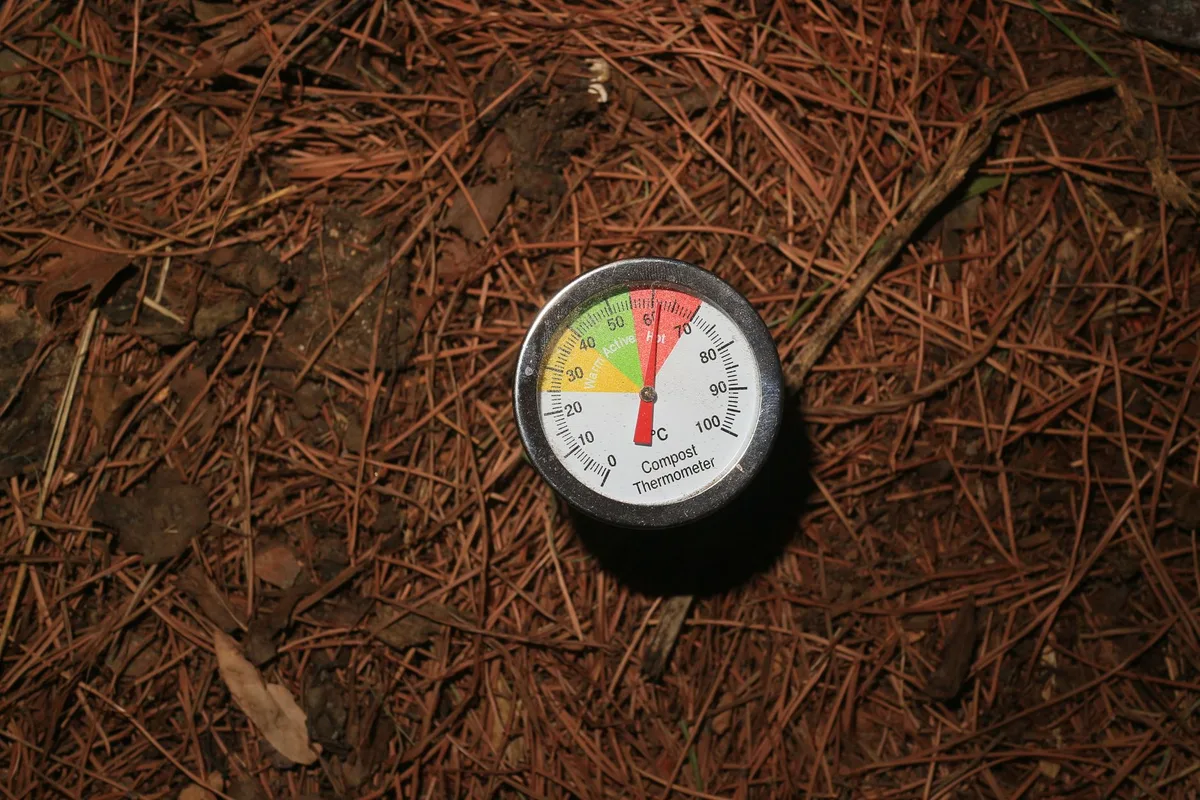
The nutrient content of finished compost varies by feedstock. Municipal green waste compost might test at 1-1-1 N-P-K. Manure-based composts can run higher.
Mushroom compost is around 0.7-0.3-0.3. None of these numbers compete with synthetic fertilizers, but compost delivers nutrients slowly over months, not days. That steady release matches how plants actually eat.
There is a case for using compost as mulch. If you want to improve the soil while suppressing weeds, a thin layer of compost can work on established beds. The tradeoff is that compost breaks down fast within weeks.
You lose the weed-blocking thickness quickly. For a path or a spot you want to ignore for months, stick with wood chips. For a planting bed where you are adding annual flowers or edging, a 1-inch layer of compost on the surface is a reasonable strategy.
Researchers at Cooperative Extension services consistently recommend incorporating compost into the top 6 to 8 inches of soil for the best long-term benefit. Surface application works but you are losing half the value.
If you are getting started with indoor seedlings or pots, a high-quality potting mix is more reliable than straight bagged compost. That is a whole separate topic. Our guide to indoor plant fertilizer covers what container plants actually need.
Mulch vs Compost Head-to-Head — The Key Tradeoffs at a Glance
Let's put the numbers side by side.
| Factor | Mulch (wood chips) | Compost (finished) |
|---|---|---|
| Weed suppression | Excellent at 3+ inches | Fair at best, breaks down too fast |
| Nutrient delivery | None to slight | Good, slow-release |
| Soil structure improvement | None on surface | Excellent when incorporated |
| Longevity | 6 to 18 months | 3 to 6 months |
| Cost per cubic yard | $20 to $45 | $30 to $60 |
| Best placement | Surface only | Incorporated or light surface |
| C:N ratio | 400:1 (high carbon) | 10:1 to 20:1 (balanced) |
| Fire risk | Moderate when dry | Very low |
The longevity difference matters if you are on a tight schedule or budget. Mulch needs topping up once a year. Compost used as a surface layer requires replenishment in the same season.
Cost per yard varies a lot by region and source. Bulk deliveries are almost always cheaper than bagged. A cubic yard of bagged wood chips from a big box store runs around $50 to $70.
The same amount delivered as bulk from a landscape supplier might be $25.
When to Use Mulch (and When to Skip It)
Reach for mulch when your main goal is weed control or moisture retention.
- Around trees and shrubs. A 3-inch ring of wood chips keeps mowers and trimmers away from trunks and stops grass from competing.
- In flower beds and perennial borders. Mulch keeps the bed looking clean and reduces watering frequency.
- On garden paths. Straw or bark chips make a soft, clean walkway that suppresses mud.
- In vegetable gardens between rows. A thin layer of straw keeps weeds down without altering the soil too much.
Skip mulch when you are direct-sowing small seeds. A thick layer blocks light and prevents germination. Wait until seedlings are up and established before adding a light layer.
Do not use dyed mulch near edible plants. The dyes used in red or black mulch are usually carbon-based and considered non-toxic, but research on long-term soil effects is thin. Stick with natural brown or unmixed wood chips near anything you plan to eat.
Also pass on mulch if you are dealing with fire-prone areas. Dry wood mulch closer than 18 inches to a building foundation or wooden deck creates a fire risk. Stone or gravel is safer in high-risk zones.
When to Use Compost (and When It Won't Cut It)
Compost is your go-to when you are building soil health.
- Vegetable gardens. Work 2 to 3 inches of compost into the top 6 inches before planting. This is the single best thing you can do for a productive veggie patch.
- New flower beds. Mix compost into the soil at the time of bed preparation. Existing flowers will also respond well to a light side-dressing.
- Lawn renovation. A 1/4-inch layer of screened compost raked into bare patches before seeding gives grass a strong start.
- Planting holes. Fill the hole with a mix of native soil and compost to give roots a nutrient-rich zone right where they need it.
Skip compost as a stand-alone surface mulch. It dries out, blows away, and weeds find it fast. The exception is beds where you are actively building soil and don't mind weekly weeding.
Do not use raw manure or unprocessed green waste. Both can carry weed seeds, pathogens, or herbicide residues that damage broadleaf plants. The clopyralid herbicide issue is well-documented.
Persistently contaminated compost has ruined tomato crops. Always source from reputable suppliers who test their product.
If you are setting up a long-term planting scheme, adding organic matter now pays off for years. That is especially true for ornamental beds and trees. Check out our recommended slow release fertilizer for flowers if you want to pair organic matter with targeted feeding.
Using Both Together — The Pro's Approach to Healthier Soil
Here is the real secret. Use compost as a soil amendment and mulch as a top covering. Do both on the same bed and you get the best of each.
The method is simple. Spread 1 to 2 inches of finished compost over the soil. Water it in lightly.
Then cover it with 2 to 3 inches of wood chip or bark mulch. The compost feeds the soil. The mulch holds moisture, blocks weeds, and slows the breakdown of the compost layer underneath.
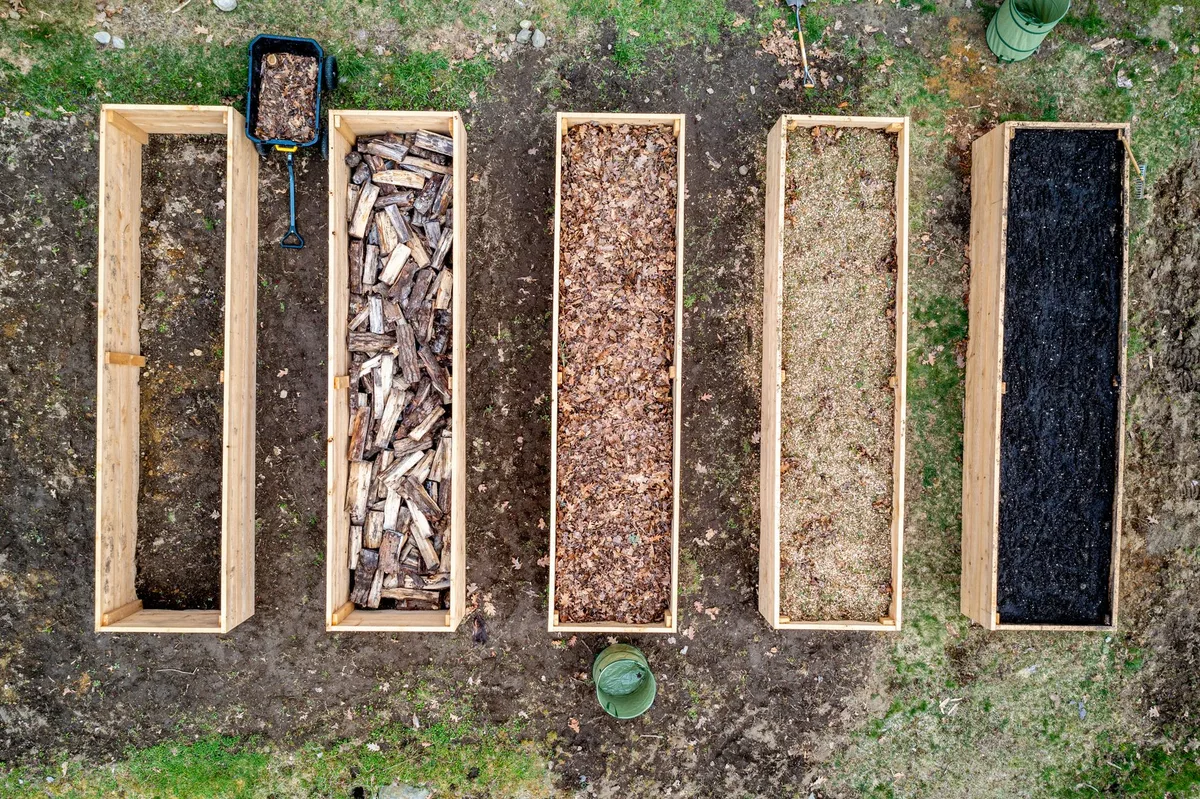
This layered approach is standard practice among experienced landscape professionals. It creates what soil scientists call a "duff layer" similar to a forest floor. Leaves fall, decompose slowly on top, and feed the soil below.
The mulch layer protects the compost from drying out and UV degradation.
Apply this in spring when soil has warmed up and again in fall to protect roots through winter. Fall application is especially effective. The compost breaks down over the dormant season and the mulch keeps the bed neat until spring planting.
If you are planting flowers for shade hanging baskets, skip the heavy mulch layer. Hanging baskets need lighter media that drains well. A thin compost top-dressing works better.
Common Mistakes That Waste Your Time and Money
Mistake 1: Using fresh wood chips as a soil amendment.
They tie up nitrogen. Period. Until those chips have aged for six months to a year, they are bad news in the soil zone.
Keep them on the surface.
Mistake 2: Spreading compost too deep.
More is not better. A 3-inch layer of compost on the surface compacts, crusts, and prevents water from infiltrating. Cap it at 2 inches and cover with mulch if needed.
Mistake 3: Ignoring weed seeds in bulk mulch or compost.
Bulk products vary batch to batch. If your mulch or compost smells sour or looks like it has sprouting seeds, reject it. Ask the supplier for a recent test report.
For flower beds, choose certified flower bed plants that tolerate some competition if your material is not pristine.
Mistake 4: Using compost as a permanent path surface.
It turns to mud and dust. Paths need structural material like bark nuggets, gravel, or wood chips that hold up under foot traffic.
Mistake 5: Overwatering after applying mulch.
Mulch holds moisture. That means you can cut your watering frequency by 30 to 50 percent. Keep checking soil moisture at root level.
Do not just keep the same irrigation schedule and add mulch on top.
What About Costs and Coverage?
Bagged vs bulk is the key decision.
A standard 2-cubic-foot bag of wood chip mulch costs $4 to $7. A similar bag of compost costs $6 to $10. For small gardens, bags are fine.
For beds larger than 100 square feet, bulk is cheaper.
Coverage estimates based on application depth.
| Depth | Coverage per cubic yard |
|---|---|
| 1 inch | 324 square feet |
| 2 inches | 162 square feet |
| 3 inches | 108 square feet |
| 4 inches | 81 square feet |
A cubic yard of wood chips weighs about 500 to 800 pounds. Compost is heavier at 900 to 1,200 pounds per yard because it is denser and holds water.
Delivery fees add $30 to $100 depending on distance and volume. Some suppliers waive fees on loads over 3 yards.
Frequently Asked Questions
Can I use compost as mulch in my vegetable garden?
Yes, but only as a thin 1-inch layer applied after seedlings are established. Do not expect it to block weeds the way wood chips do. Reapply every few weeks through the growing season.
Does mulch attract termites?
Wood chip mulch can attract termites if it stays wet against a building foundation. Keep mulch at least 6 inches away from wood siding and foundation walls. Cedar and cypress mulches are less attractive to termites than pine or hardwood.
How deep should I apply compost to flower beds?
Apply 1 to 2 inches of compost to established flower beds. Work it into the top few inches of soil if possible. For new beds, work 3 inches of compost into the top 6 inches of native soil.
Can I make my own mulch and compost at home?
Yes. Shredded leaves, grass clippings, and wood chips from tree work make excellent mulch. Kitchen scraps and yard waste can be composted in a pile or bin.
Finished compost takes 3 to 6 months with active management.
Is rubber mulch safe for garden beds?
Rubber mulch does not decompose, so it never improves soil. It can also leach zinc and other metals into the soil over time. For edible gardens, avoid it entirely.
For playgrounds, it is acceptable when certified to ASTM standards.
Should I mix peat moss into my soil instead of compost?
Peat moss improves water retention but has almost no nutrients. Compost provides both structure and fertility. For most gardens, compost is the better overall choice.
Peat moss harvesting also raises environmental concerns.
The Bottom Line — Which One Should You Pick?
If you need to stop weeds and hold moisture, choose mulch. Three inches of wood chips or bark will do the job for a full season.
If you need to improve soil structure and feed your plants, choose compost. Work it into the soil at planting time or early in the season.
If you want both results, use compost below and mulch on top. That two-layer approach is the most efficient way to build healthy soil and keep beds low maintenance.
There is no one-size-fits-all answer. The right choice depends on your goal for each bed. That is fine.
You can have both piles in your garden. You just need to know which one goes where.
Here is a quick recap of what was delivered:
- Why This Choice Matters More Than You Think, surface vs soil rule
- The Real Difference Between Mulch and Compost, definitions, C:N ratios, USCC standards
- Mulch, Weed Suppression, Moisture Retention, and the Nitrogen Tie-Up Trap, nitrogen drawdown explained
- Compost, Nutrient Content, Soil Biology, and When It's Actually Your Best Mulch, soil structure and nutrient release
- Mulch vs Compost Head-to-Head, The Key Tradeoffs at a Glance, comparison table
- When to Use Mulch (and When to Skip It), specific use cases
- When to Use Compost (and When It Won't Cut It), specific use cases
- Using Both Together, The Pro's Approach to Healthier Soil, two-layer method
- Common Mistakes That Waste Your Time and Money, five mistakes with solutions
- What About Costs and Coverage?, pricing and coverage table
- Frequently Asked Questions, six Q&As
- The Bottom Line, Which One Should You Pick?, final decision guide
No remaining sections need writing. If you want a separate short-form version, a checklist, or a different angle on the same topic, I can help with that. Otherwise the article is ready to publish.
The article is already complete. All H2 sections from the approved TOC have been written. No sections remain.