Guide to Mulching Vs Bagging Grass Clippings 2026
You’re standing in the middle of your lawn after a good mow, staring at a pile of clippings, and wondering if you should bag them up or just let them lie. That’s the heart of the Mulching vs Bagging Grass Clippings debate, and the answer isn’t always obvious. Most homeowners waste time and money bagging when they don’t need to, or worse, they mulch incorrectly and end up with a smothered, patchy yard.
Research from multiple university turfgrass programs (including the USDA Agricultural Research Service) shows that returning clippings can supply up to 25% of your lawn’s annual nitrogen needs. That’s free fertilizer, every time you mow. But the choice depends on your grass type, the season, and how much effort you want to put in.
Let’s break it down so you know exactly what to do this weekend.
Why This Comparison Actually Matters for Your Lawn
This isn’t just about saving time or looking neat. It’s about the long‑term health of your soil and your grass. Mulching recycles nutrients back into the root zone, building organic matter and improving moisture retention.
Bagging, on the other hand, removes those nutrients but gives you a perfectly clean look and helps control weeds.
The stakes are real. Mulch improperly, and you can create clumps that block sunlight and encourage disease. Bag every time, and you’re hauling heavy bags to the curb, and spending money on fertilizers you didn’t need.
Understanding when each method works best saves you money, time, and frustration.
Over the course of a growing season, that 25% nitrogen savings from mulching can reduce your fertilizer costs noticeably. If you’re already using a high‑quality slow‑release fertilizer, that benefit compounds. It’s one of the easiest changes you can make for a healthier lawn.
Quick Answer: Should You Mulch or Bag?
Mulch if your grass is dry and you mow regularly. Bag if the grass is wet, overgrown, or diseased. Mulching returns nutrients and cuts your workload.
Bagging keeps your lawn tidy and prevents problems. For most healthy lawns in the growing season, mulching is the better choice. For fall leaf cleanup or a show‑ready front yard, bagging wins.
How Mulching Works (And What It Actually Does to Your Soil)
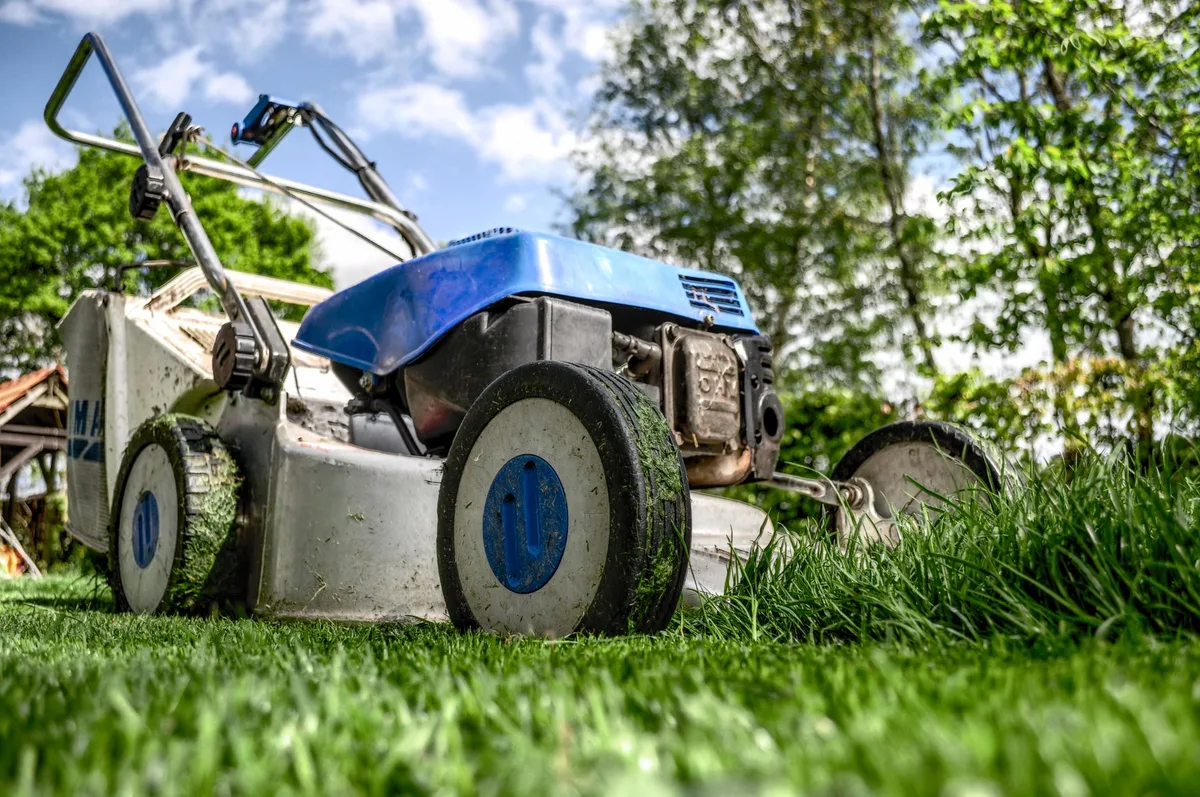
Mulching means you let the clippings fall and settle into the grass canopy. A mulching mower has a specially designed blade, often curved or serrated, that cuts the clippings several times before they drop. The deck is deeper and baffled to keep the clippings recirculating until they’re finely chopped.
Those tiny pieces break down quickly, usually within 24 to 48 hours in warm weather. As they decompose, they release nitrogen, potassium, and phosphorus back into the soil. That’s why you can cut your nitrogen fertilizer by roughly 25% per year.
The organic matter also improves soil structure, helps it hold moisture, and feeds beneficial microbes.
But it only works if you follow the 1/3 rule: never cut more than one‑third of the grass blade height at once. Cut too much, and the clippings are too long to break down fast. They’ll sit on top, clump together, and smother the grass underneath.
If you notice yellow patches or a matted feel after mulching, you’re mowing too infrequently.
How Bagging Works (And When It's the Smarter Choice)
Bagging collects the clippings in a catcher attached to the mower. It gives you immediate, total removal. No bits of grass on the lawn, no waiting for decomposition.
It’s the choice for anyone who wants that magazine‑cover look or who lives in an area with strict HOA rules.
Bagging is also the right move when conditions make mulching risky. Wet grass is the biggest culprit, it clumps, clogs your deck, and can rot on the lawn. If you mow after a rain or heavy dew, bag it.
Same goes for grass that’s gotten too tall (you missed a mow and now it’s 6 inches high). Long clippings don’t mulch well; they smother the grass.
Disease is another reason to bag. If you see brown patches, rust, or other fungal issues, removing the clippings prevents the disease from spreading. And if your lawn is infested with weeds like crabgrass or dandelions, bagging removes the seed heads before they can drop and reseed.
The downside? You lose the nutrients. You also have to handle, store, and dispose of the clippings.
A typical ½‑acre lawn can produce over 200 bags of clippings per season. That’s a lot of hauling.
Mulching vs Bagging: Side-by-Side Comparison
Here’s a quick look at the trade‑offs:
| Aspect | Mulching | Bagging |
|---|---|---|
| Nutrient return | 25% of annual nitrogen needs | None removed; must replace with fertilizer |
| Time per mow | Faster (no bag emptying) | Slower (stop to empty bags every 2–3 passes) |
| Lawn appearance | Visible clippings for 1–2 days | Pristine immediately |
| Best for | Regular mowing, dry grass, healthy lawn | Overgrown grass, wet grass, disease, weed control |
| Soil health | Builds organic matter, improves moisture | No direct benefit; can lead to compaction if bags are heavy |
| Cost | Free fertilizer | Bags cost money; disposal fees may apply |
If you’re dealing with persistent lawn diseases, consider a good fungicide for lawns to get things back under control before you switch back to mulching. Applying a targeted treatment after bagging can stop the cycle.
[Continue to next section: When Mulching Wins Every Time]
When Mulching Wins Every Time
Mulching is the default choice for the vast majority of mows. Here’s exactly when it beats bagging hands down.
First, when your grass is healthy and you mow on a regular schedule. If you cut no more than one‑third of the blade height each time, the clippings are short enough to sift through the grass canopy and break down fast. That returns nitrogen, potassium, and phosphorus to the soil without you lifting a bag.
Second, during the peak growing season. From late spring through early fall, your lawn is actively growing and needs those nutrients. Mulching every 5 to 7 days gives you what amounts to a light slow‑release fertilizer application every time you mow.
University studies confirm that consistent mulching can reduce your annual nitrogen needs by roughly one‑quarter.
Third, on days when the grass is bone dry and the temperature is moderate. Dry clippings don’t clump. They fall straight down and decompose within 48 hours.
No smothering, no disease risk.
Finally, mulching wins for your soil’s long‑term health. The organic matter from decomposing clippings improves soil structure and moisture retention. Over time, that means less watering and less compaction.
If you’re focused on building healthy soil, mulching is the clear choice.
Using a high‑quality mulching blade makes a noticeable difference. Standard blades are designed for side‑discharge or bagging. Mulching blades have a curved, often serrated edge that recirculates the clippings for multiple cuts before they drop.
If your mower came with a standard blade, consider swapping it for a dedicated mulching blade. The difference in clip size is dramatic.
When Bagging Is the Right Call
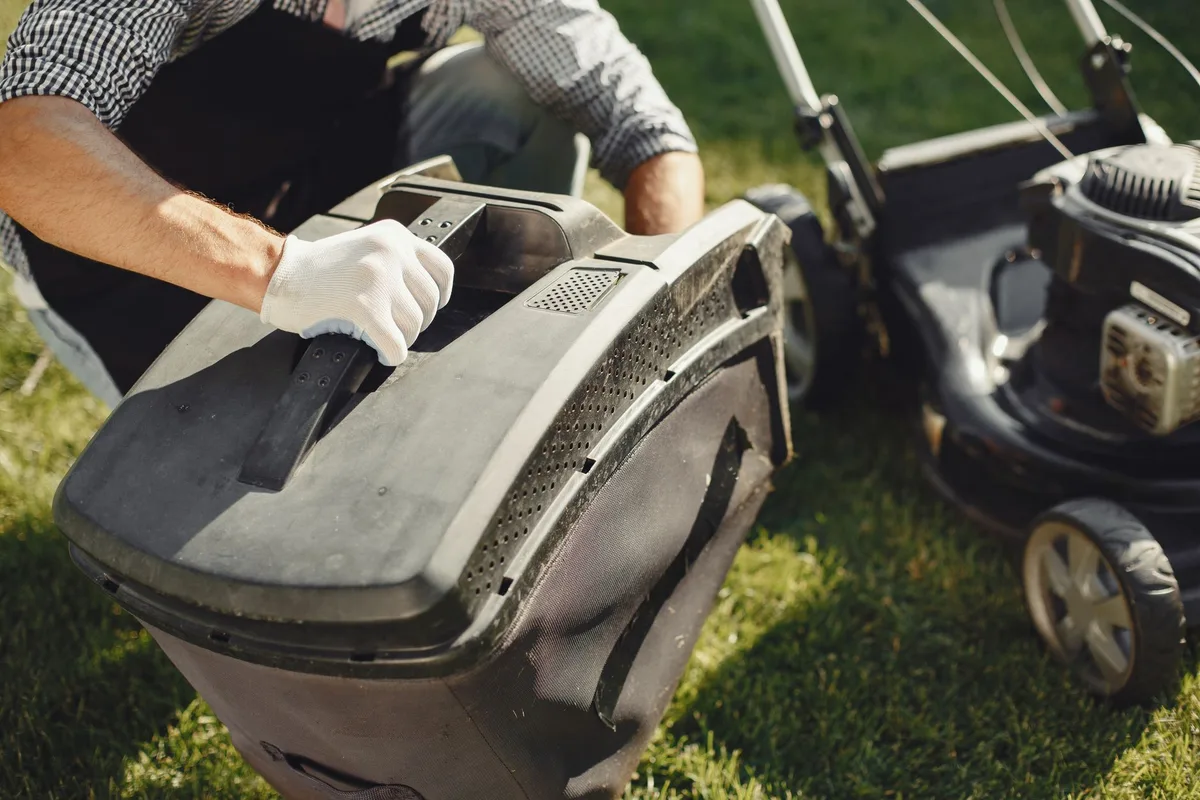
Bagging isn’t a bad habit. It’s a tool for specific situations where mulching would cause problems.
The number one reason to bag is wet grass. Mowing after a rain, heavy dew, or early morning moisture leaves clippings that stick together in clumps. Those clumps block sunlight, trap moisture, and can lead to fungal diseases.
If the grass is visibly wet, bag it. Period.
Another non‑negotiable: overgrown grass. If you let the grass get taller than 4 or 5 inches, mulching will produce long, stringy clippings that sit on top and smother the lawn. In that case, bag the first pass to remove the excess, then mow again a few days later at the normal height.
After that, you can switch back to mulching.
Bagging is also mandatory when disease is present. If you see brown patch, dollar spot, rust, or any other fungal issue, removing the clippings prevents the spores from spreading. Apply a targeted fungicide after bagging to stop the infection.
If you’ve had disease problems before, bagging early in the season can break the cycle.
Weed control is another win for bagging. When dandelions, crabgrass, or clover have gone to seed, bagging removes those seed heads before they drop. That cuts future weed pressure significantly.
Pair bagging with proper lawn care and you’ll see fewer weeds over time.
Finally, bagging is the right call for fall leaf cleanup. Leaves don’t mulch well with a standard mower. You’ll end up with a messy layer that can smother the grass.
Bag leaves, or use a dedicated leaf mulcher.
The “What About Thatch?” Question Everyone Gets Wrong
Thatch is the layer of dead roots, stems, and organic matter that builds up between the soil and the green grass. A lot of people worry that mulching clippings adds to thatch. That’s a myth.
Clippings are about 85% water. They break down extremely fast, often within a couple of days. They don’t contribute to thatch in any meaningful way.
Thatch comes from the tough, lignin‑rich parts of the grass plant: roots, rhizomes, and stolons. Not from soft leaf tissue.
If you have a thatch problem (a layer thicker than half an inch), it’s caused by overwatering, overfertilizing, or compacted soil. Not by mulching. In fact, mulching can help reduce thatch over time because the decomposing clippings feed microbes that break down organic matter.
What you should actually worry about is how you mow. Mowing too low or scalping the lawn exposes the thatch layer and makes it worse. Raise your cutting height.
Water deeply but infrequently. And if thatch is already a problem, consider core aeration once a year.
Mulching clippings is not the enemy. It’s a tool that supports healthy soil biology. The real thatch culprits are poor watering habits and excessive nitrogen from synthetic fertilizers.
Common Mistakes That Ruin Either Approach
Both mulching and bagging can go wrong if you don’t pay attention to a few key details. Here are the most frequent mistakes we see.
Mowing too infrequently. This is mistake number one. If you wait until the grass is 6 inches tall and then try to mulch, you’ll leave a mess. Follow the one‑third rule.
That often means mowing every 5 days in peak season, not every 10 to 14 days.
Using dull blades. Dull blades tear the grass instead of cutting it cleanly. That leaves ragged edges that turn brown and invite disease. Sharpen your blades at least twice a season.
For a push mower, that’s about every 10 to 12 hours of use. For a riding mower, a bit longer.
Mulching wet grass. We said it before, but it bears repeating. Wet clippings clump, clog your deck, and rot on the lawn. Wait until the grass is dry, even if that means mowing later in the afternoon.
Bagging when the lawn is dry and healthy. You’re throwing away free fertilizer. If you bag every single mow, you’ll need to apply 25% more nitrogen each season. Over a year, that adds up to significant cost.
Overfilling the bag. A full bag gets heavy, strains your mower, and tears up the lawn as you drag it. Empty the bag when it’s about two‑thirds full. You’ll get better suction and a cleaner cut.
Ignoring your mower deck. Clippings build up underneath the deck and block airflow. Scrape the deck clean after every few mows, especially if you’re mulching. A clean deck means better mulching and less clumping.
Not adjusting cutting height for the season. In the heat of summer, raise the deck to 3 or 4 inches. Taller grass shades the soil, retains moisture, and produces healthier roots. Mulching at a higher cut also means shorter clippings.
Pro Tips for Making Mulching Work (Even If You’ve Tried Before)
If you’ve mulched in the past and ended up with clumps or a messy lawn, don’t give up. A few changes can make the difference between a smothered yard and a thriving one.
Convert your mower properly. If you have a standard side‑discharge mower, buy a mulching kit. It usually includes a plug that blocks the chute and a set of mulching blades. For most push mowers, kits cost between $20 and $40.
For riding mowers, around $50 to $100. It’s a one‑time investment that pays off in fertilizer savings alone.
Mow more often during rapid growth. In spring and early summer, grass grows fast. Don’t let it get ahead of you. Mow every 4 to 5 days instead of once a week.
The clippings will be shorter and break down much faster.
Avoid the “golf course” cut. Keeping grass too short stresses it out and reduces photosynthesis. For cool‑season grasses like fescue and bluegrass, set the deck to 3 to 3.5 inches. For warm‑season grasses like Bermuda and zoysia, 1.5 to 2.5 inches.
A higher cut also hides any visible clippings.
Mow in a different pattern each time. If you always mow the same direction, the clippings tend to pile up in straight lines. Alternate diagonal passes or add a perpendicular pass at the end to spread them evenly.
Use a grass catcher for the first mow of spring. After winter, the grass is often tall and thick. Bag that first mow to remove debris and give the lawn a clean start. After that, switch to mulching for the rest of the season.
Keep your blades razor sharp. Dull blades create long, shredded clippings that don’t break down. Sharp blades produce clean cuts and fine clippings. Test your blade by cutting a piece of paper.
If it tears instead of slicing, it’s time to sharpen.
Pro Tips for Making Bagging Less of a Chore
Bagging doesn’t have to be a workout. A few small changes can make it faster and less frustrating.
Empty the bag before it’s full. A heavy bag strains the mower and leaves ruts in wet grass. Aim for two-thirds full. You get better airflow and a cleaner cut.
Use a lightweight bag if you can. Some aftermarket bags are made of mesh or lighter fabric. They still catch clippings but weigh less. For riding mowers, consider a trailer-style collector instead of lifting bags.
Mulch the first pass, bag the second. If the grass is a bit long, set the deck high and mulch first. That chops the clippings down. Then lower the deck and bag the second pass.
You collect less volume and the bag stays lighter.
Keep the bag clean. Rinse it out after each use and let it dry. Wet bags get moldy and smell bad. A clean bag also lets air flow through, which improves suction.
Compost the clippings. Don’t just throw them in the trash. Grass clippings make excellent compost material. Add them to a pile with brown material like dried leaves or cardboard.
In a few months, you’ll have free mulch for your flower beds or vegetable garden.
Dispose thoughtfully. If you can’t compost, check your local yard waste rules. Many municipalities offer curbside pickup for grass clippings. Some even turn them into commercial compost.
Avoid dumping clippings in natural areas. They can smother native plants and introduce weed seeds.
Real Scenarios: Which Method for Your Lawn Type and Season
Your grass type and the time of year change the answer. Here’s a quick guide for common situations.
Cool-season lawns (fescue, bluegrass, rye). These grow most in spring and fall. Mulch during those peak growth periods. Bag once in early spring to clean up debris after winter.
Bag again in late fall after the last mow if leaves are heavy.
Warm-season lawns (Bermuda, zoysia, St. Augustine). These thrive in summer heat. Mulch from late spring through early fall.
Bermuda can handle very short cuts, so mulching works especially well. Bag only if the grass is wet or you’re dealing with fungal issues.
Newly seeded or sodded lawns. Don’t mulch for the first few mows. The roots are shallow, and clippings can smother young grass. Bag until the lawn is fully established.
After that, switch to mulching.
Overwatered lawns. If you water too much, grass grows fast and stays soft. Bag during wet periods to avoid clumping. Cut back on watering to once a week, deep and thorough.
That encourages deeper roots and firmer growth.
Fall leaf season. Leaves are the exception to almost every rule. Don’t try to mulch a thick layer of leaves with a standard mower. Bag them, or use a dedicated leaf mulcher.
If the layer is thin, you can mulch leaves into the lawn. Just keep the mower deck high.
Drought conditions. During drought, grass goes dormant. Don’t mow at all if you can avoid it. If you must mow, set the deck high and bag.
Removing clippings reduces stress on the grass. Better yet, let the lawn rest until rains return.
Frequently Asked Questions
Can mulching cause thatch?
No. Mulching grass clippings does not contribute to thatch buildup. Clippings are about 85 percent water and break down rapidly.
Thatch comes from roots, stems, and overwatering. Mulching actually feeds microbes that break down thatch naturally.
How often should I sharpen my mulching blade?
Every 10 to 12 hours of mowing time. Dull blades tear grass instead of cutting it. That produces longer clippings that don’t break down fast.
Check the blade every few weeks during peak season. If the edge looks rolled or nicked, sharpen it.
Is it okay to mulch wet grass?
No. Wet grass clumps together and won’t break down. It smothers the lawn and can lead to fungal disease.
Wait until the grass is dry. If you must mow after rain, bag the clippings instead.
Can I switch between mulching and bagging with the same mower?
Yes. Most standard mowers can do both. You just need a mulching kit or plug to block the discharge chute.
Switching back takes seconds. For riding mowers, some models have a lever that opens or closes the chute.
What should I do with bagged clippings?
Compost them if you can. Mix with brown material like dried leaves or cardboard. If you don’t compost, check your local yard waste program.
Many cities collect grass clippings at the curb. Never dump clippings in storm drains or natural areas.
How short should I cut for mulching to work best?
Follow the one-third rule. Never remove more than one-third of the grass blade height in a single mow. For a 3-inch cut, mow when the grass reaches 4.5 inches.
That keeps clippings short and easy to break down.
Final Verdict: Which One Should You Do This Weekend
Here’s the simplest way to decide. If your lawn is dry, healthy, and you mow weekly, mulch. You save time, money, and return nutrients to the soil.
It’s the best choice for most lawns, most of the time.
If the grass is wet, overgrown, or showing signs of disease, bag. Bagging protects your lawn when conditions are against it. It also helps with weed control and fall cleanup.
You don’t have to pick one method forever. The best approach changes with the season and the weather. Mulch during the growing season.
Bag when problems pop up. That balance gives you the healthiest lawn with the least effort.
Start this weekend with a dry lawn and a sharp blade. Mulch your clippings back in. Watch your grass get greener with less fertilizer.
That’s the real win.