How to Fix Ant Control for 2026: Beginner-Friendly Guide
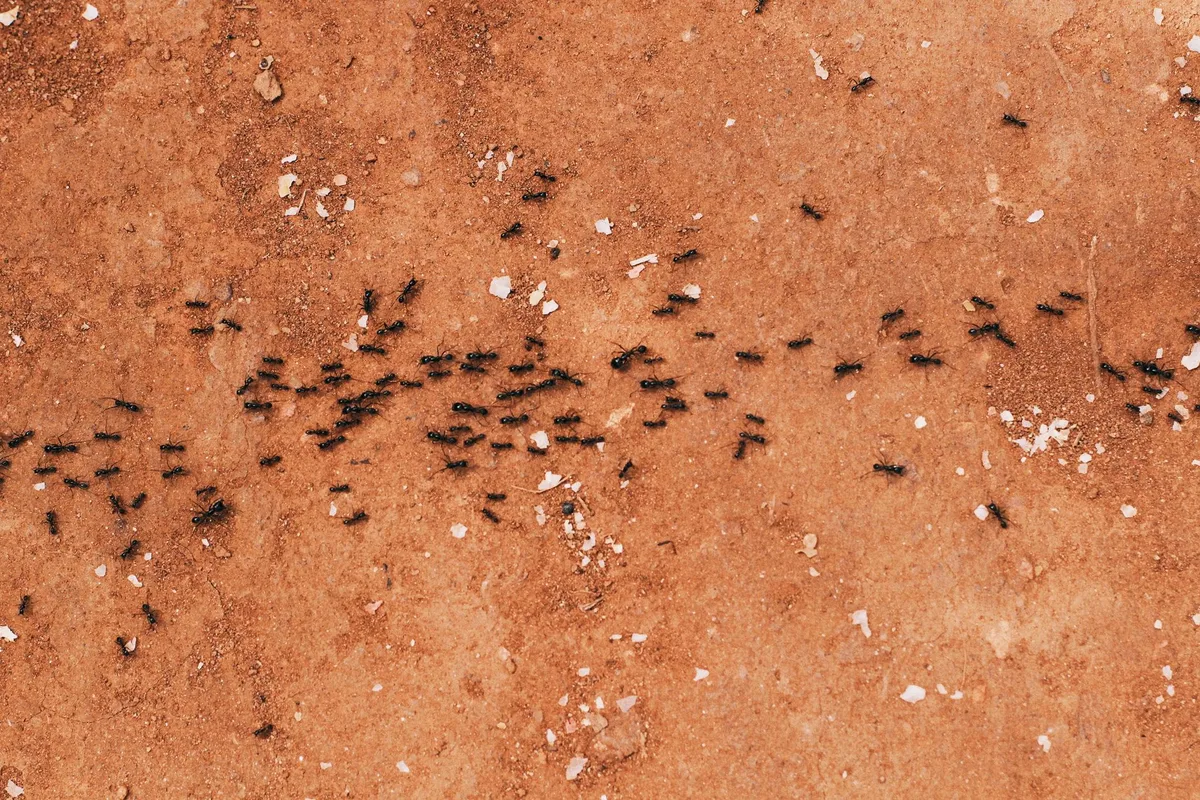
You pick up the spray can, aim at the trail of ants marching across your kitchen counter, and blast them. They curl up and die. Victory, right?
Not even close. How to fix ant control starts with understanding that killing the ones you see is like trimming the leaves off a weed while the root stays buried. You have to kill the colony, not just the scouts.
Per the EPA’s guidance on household pest management, as of 2026, over 90 percent of DIY ant control fails because people use the wrong method for their specific ant species and situation. The fix is simpler than you think, but it requires patience and a little strategy. Let’s walk through it.
Quick Answer / Key Insight
Stop spraying. Use slow-acting bait instead. Ants carry bait back to the nest.
They share it with the queen and the brood. The colony collapses in 3 to 7 days. Bait only works if you remove competing food sources and don’t use repellent sprays nearby.
Identify the ant species first, then match the bait type to their feeding preference: sugar, protein, or fat.
Problem / Pain Point
Why does every DIY attempt seem to make things worse? You spray, the ants disappear for a day, then they come back in twice the numbers. That’s not your imagination.
It’s biology.
When you spray a contact killer on an ant trail, you kill only the foragers. The colony back in the wall or under the slab senses the alarm. The queen stops laying eggs, and the workers scatter.
This is called colony splitting. One nest becomes several smaller nests, each with its own queen. Now you have a multi‑front war instead of a single enemy.
The second mistake is misidentifying the ant. A sugar‑feeding ant like the odorous house ant will ignore a protein‑based bait. If you put out the wrong food source, the bait sits there untouched while the colony thrives.
Carpenter ants need a different approach entirely. If you have wood damage, you need a targeted treatment that gets into the nest cavity.
The third common pain point is using bait and spray at the same time. The spray repels the ants from the bait. The bait is the only thing that can kill the colony.
You’re sabotaging your own plan.
Core Explanation / How Ant Bait Works
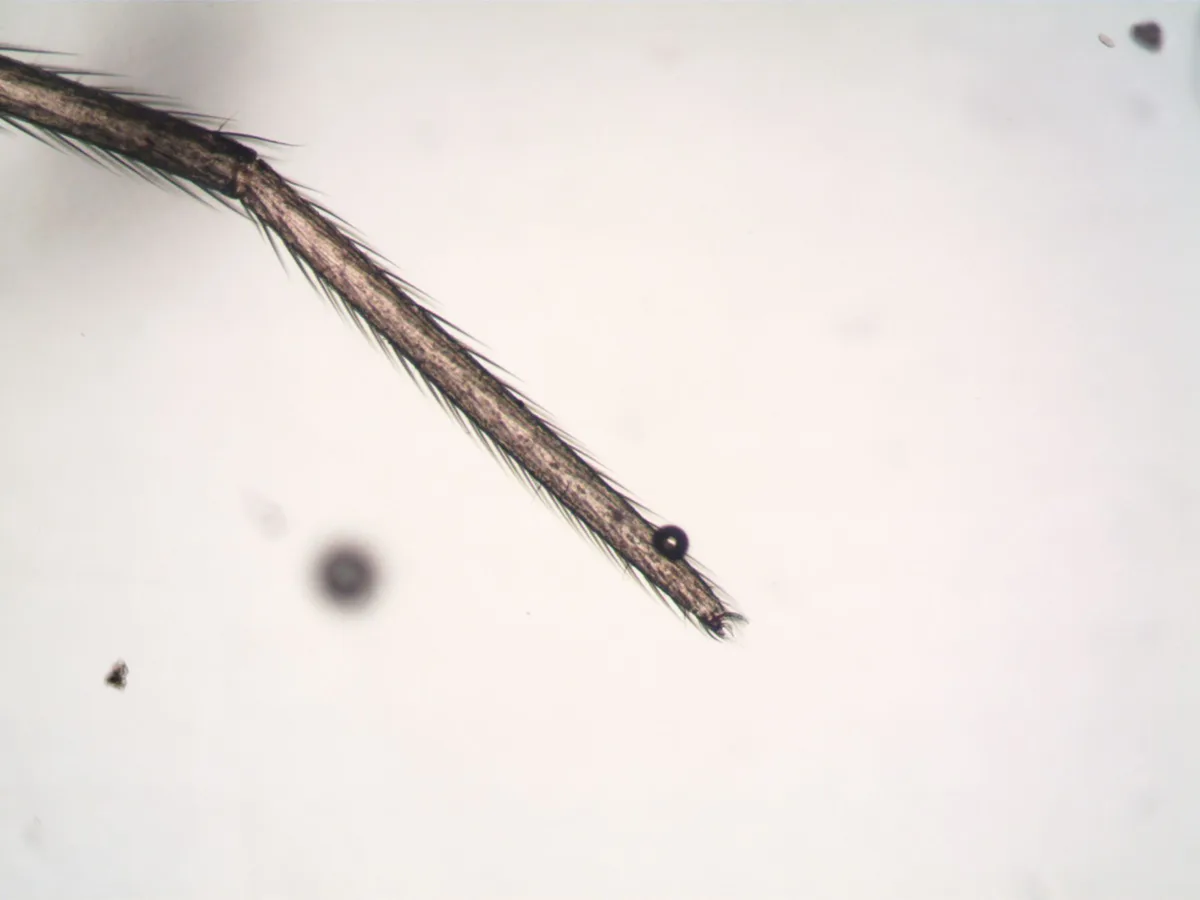
Ant bait is a combination of two things: a food attractant and a slow‑acting poison. The attractant lures the ant in. The poison takes 24 to 72 hours to kill.
That delay is intentional. It gives the ant time to go back to the nest, feed the queen and the larvae through trophallaxis (mouth‑to‑mouth feeding), and share the poison with the rest of the colony. By the time the first ant dies, the poison has already spread.
There are three main bait types based on what ants prefer to eat:
Sugar‑based baits. Most common for odorous house ants, pavement ants, and the tiny sugar ants you see in kitchens. They contain ingredients like borax or boric acid mixed with sugar water or syrup.
Protein‑based baits. Used for ants that switch between sugar and protein depending on the season and the colony’s needs. Carpenter ants and some species of fire ants will seek out protein when the queen is laying eggs. These baits often use peanut butter, fish meal, or meat byproducts as the carrier.
Fat/oil‑based baits. Less common but essential for certain species like pharaoh ants. They use vegetable oils or animal fats as the attractant.
The active ingredients vary too. Common ones include boric acid, fipronil, hydramethylnon, indoxacarb, and abamectin. Each has a different kill speed and residual life.
Fipronil, for example, provides up to 90 days of outdoor residual protection when applied as a perimeter barrier.
Manufacturer specifications indicate that gel baits work best on vertical surfaces and in cracks. Granular baits are better for outdoor broadcast over lawns and mulch beds. Liquid baits excel in areas where you can place a small reservoir that stays wet for days.
Decision Tree: Choose Your Fix Based on Your Situation
This is where most homeowners get lost. There is no single solution that works for every ant problem. You have to assess a few variables first.
Variable 1: Ant species. Look at the ant’s size, color, and number of nodes on the petiole (the thin segment between thorax and abdomen). Odorous house ants are dark brown, about 1/8 inch, and smell like rotten coconut when crushed. Carpenter ants are larger, up to 1/2 inch, and have a single node.
Fire ants are reddish brown and build visible mounds. If you can’t identify the species, capture a few in a jar and compare with images from your state’s extension service.
Variable 2: Location of activity. Indoor trail along a baseboard or counter? Outdoor mound in the yard? Ants coming from a crack in the wall?
Each scenario points to a different treatment.
Variable 3: Household conditions. Do you have pets or young children? Then tamper‑resistant bait stations are safer than loose gel. Do you have chemical sensitivities?
Consider diatomaceous earth or boric acid bait as a lower‑toxicity option.
Variable 4: Previous attempts. If you already sprayed a repellent, any bait you place now may be ignored. You need to wait 24 hours after spraying, then thoroughly clean the trail with soap and water to remove the repellent residue.
Here is a simple decision guide:
| Your Situation | First Action | Backup if Failed |
|---|---|---|
| Indoor sugar ant trail, no pets | Place sugar‑based gel bait directly on trail | Switch to liquid bait if ignored after 48 hours |
| Indoor ant trail, pets or kids | Use tamper‑resistant bait stations with sugar gel | Add a second station with protein bait |
| Outdoor mound, fire ants | Broadcast granular bait over mound area | Drench mound with liquid bait if mound is large |
| Outdoor perimeter, no visible mound | Apply liquid perimeter spray around foundation | Combine with granular bait in mulch beds |
| Persistent infestation after baiting | Rotate bait type (sugar to protein or vice versa) | Use an IGR (insect growth regulator) bait station |
| Ants coming from shared wall (condo/apt) | Coordinate with neighbors | Seal all shared entry points with caulk |
If you have carpenter ants and suspect wood damage, this is not a simple bait job. You need to locate the nest, which is often inside a wall void or hollow tree stump. In that case, a targeted insecticide foam or dust works better than bait.
Check our guide on the best insecticide for carpenter ants for specific product recommendations and application methods.
Step-by-Step Process / How to Guide
Follow this sequence exactly. Do not skip steps, and do not combine methods that conflict.
Step 1: Identify the species. Look for the clues we covered. If you are unsure, start with a sugar‑based bait. Most household ant infestations are odorous house ants, which prefer sugar.
Step 2: Follow the trail to the entry point. Watch where the line of ants goes. It will lead to a crack in the baseboard, a gap around a pipe, a window sill, or a door threshold. Mark the entry point.
Do not seal it yet.
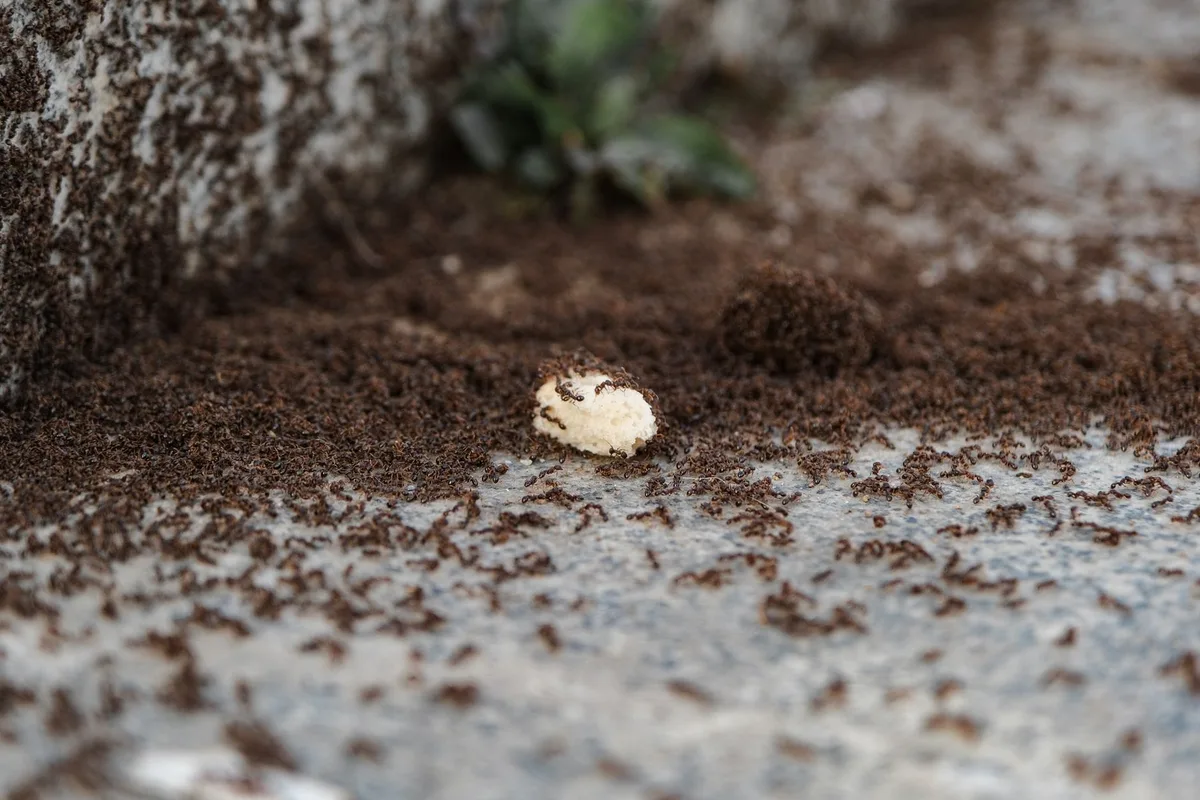
Step 3: Place bait directly on the trail. Apply gel bait in pea‑sized drops right on the trail, about 3 feet apart. For bait stations, open them and place them flush against the trail. Do not block the trail with the station.
The ants need to walk through it.
Step 4: Remove competing food sources. Wipe down counters, sweep crumbs, take out the trash, and seal pet food in airtight containers. Do not leave dirty dishes in the sink. For 48 hours, the bait should be the most attractive food option.
Step 5: Monitor consumption. Check the bait every 12 hours. If ants are feeding, leave it alone. If the bait is completely consumed, add more.
If the ants ignore it after 48 hours, rotate to a different bait type. Try a protein bait or a different sugar concentration.
Step 6: Seal entry points after feeding stops. Once you see no more ants on the trail for at least 3 days, caulk the entry gaps. Use silicone caulk for small cracks and expandable foam for larger gaps around pipes.
Step 7: Apply an exterior perimeter treatment (seasonal). In spring and fall, apply a liquid perimeter spray or granular barrier around your foundation. This prevents new colonies from entering. For detailed instructions, see the maintenance section later in this article.
A note on timing: Bait works fastest when ants are actively foraging, which means temperatures between 60°F and 85°F. In cold weather, ants slow down and bait takes longer. Be patient.
Do not switch to spray out of frustration.