Guide to Lawn Grubs Maintenance Guide for 2026: Quick Guide
If your lawn feels spongy when you walk on it, you might need a lawn grubs maintenance guide. Those C-shaped larvae feeding on the roots can turn a healthy yard into a patchy mess faster than you’d think. The good news is that grubs are predictable, and once you understand their life cycle, the solution becomes straightforward.
According to university extension research, a single Japanese beetle larva can destroy about a square inch of turf root system per day. With numbers climbing past 10 per square foot, the damage becomes obvious. Let’s walk through exactly how to spot them, decide what to do, and apply the right treatment at the right time.
Quick Answer
A lawn grub maintenance guide helps you identify, treat, and prevent white grub infestations. Confirm grubs by peeling back damaged turf and counting the larvae. Preventive insecticides work best in June through August.
Curative products work in late summer. Beneficial nematodes offer an organic alternative. Water treatments in immediately.
Why Your Lawn Feels Spongy (and How to Know It’s Grubs)
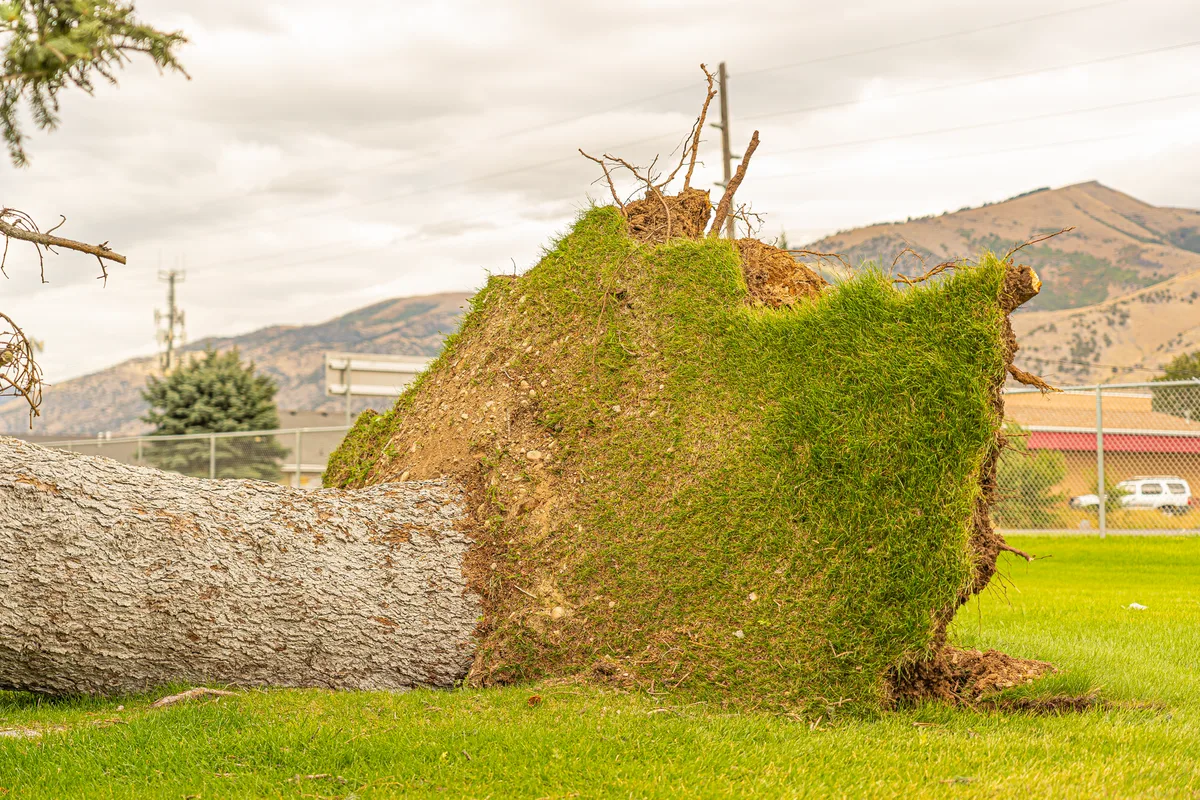
That spongy feeling underfoot is often the first clue. Grubs eat the roots, so the sod loses its anchor. When you pull up a patch of loose turf, it peels back like a bad toupee, the roots are mostly gone.
Other signs come from animals. Skunks, raccoons, and birds dig up your lawn at night looking for a protein snack. If you see small scattered holes or torn up patches, grubs are likely the reason.
Drought stress can look similar, but grub damage tends to appear in irregular, expanding dead spots, not uniformly across the lawn.
You can confirm by doing a simple pull test. Grab a handful of grass near the edge of a damaged area and tug gently. If it lifts easily with little resistance, roots have been chewed.
Flip the sod over and look for white, C-shaped larvae curled up in the soil.
The Three Things That Change Everything: Season, Species, and Severity
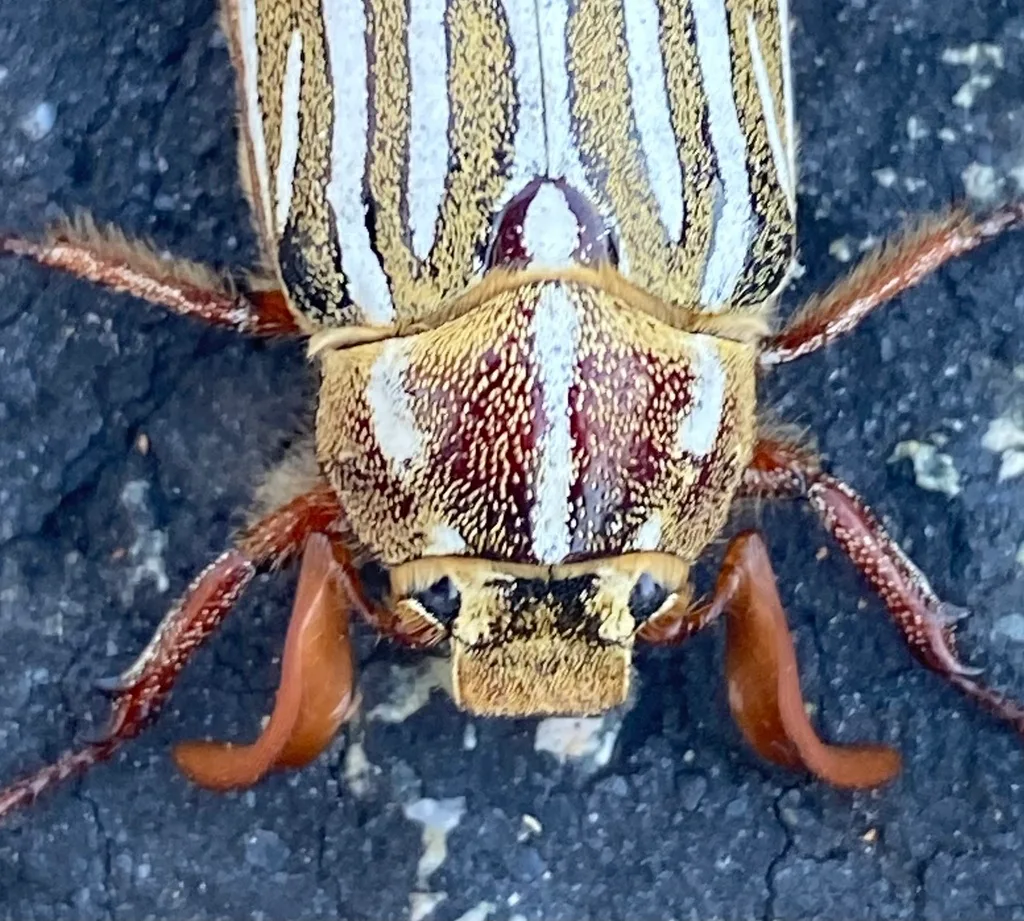
Not all grubs are the same, and treating them all the same way is the fastest route to wasted money. Three variables control your decision: when it is, what kind of grub you have, and how many there are.
When to Check: The Calendar Test
Grubs follow a predictable life cycle. Eggs hatch in mid to late summer (July, August in most of the US). The young larvae are small and close to the surface, that’s the best time to hit them with a preventive product.
By early fall, they grow larger and feed aggressively before moving deep into the soil to overwinter.
If you see damage in spring, those are grubs that survived winter and are feeding again before pupating. But spring treatments often fail because mature grubs are harder to kill and stop feeding once soil warms up. As of 2026, typical windows are:
- June, August: Preventive insecticide window (target newly hatched grubs)
- Late August, September: Curative window (target actively feeding small to medium larvae)
- April, May: Spring damage, flood test to confirm, but treatment rarely effective
How to Identify Grub Species Without a Lab
You don’t need a microscope, but knowing the species matters because some products work better on certain types. Japanese beetle grubs have a distinctive V-shaped pattern of hairs on the underside of the last abdominal segment. European chafer grubs have parallel rows of hairs.
June beetle grubs are larger and have a more random hair pattern.
Most homeowners won’t get that detailed unless they have a specific problem. For general purposes, if you see C-shaped, white bodies with brown heads and three pairs of legs near the head, you have a white grub. If they look more like small caterpillars with a hard head capsule, you might be dealing with billbug larvae (true grubs are different, but the same treatment approach often works).
Counting Grubs: The 5‑Per‑Square‑Foot Rule
Dig or cut a 1‑foot square section of turf about 2, 3 inches deep. Flip it over and count the grubs. The threshold is:
| Grass Type | Action Threshold |
|---|---|
| Cool-season (fescue, bluegrass, ryegrass) | 5–10 grubs per sq ft |
| Warm-season (Bermuda, zoysia, St. Augustine) | 10–15 grubs per sq ft |
| New sod or high‑value lawn | 3–5 grubs per sq ft |
If you’re below those numbers, your lawn can usually outgrow the damage with proper irrigation and a good fertilizing routine, check our guide on slow release fertilizer to support root recovery. If you’re above, it’s time for action.
Your First Decision: Preventive or Curative?
This fork in the road determines everything else. Preventive treatments stop grubs before they start feeding. Curative treatments kill grubs that are already there.
Choose based on the calendar and the count.
Preventive Path (June–August)
You apply a product before you see damage. This works best when you’ve had grubs in past years or live in a high‑pressure area. Preventive insecticides contain ingredients like imidacloprid or chlorantraniliprole that stay in the soil for weeks and kill newly hatched larvae as they feed.
Apply when soil temperatures reach about 70°F at a 2‑inch depth. You can use a soil thermometer or check local extension data. Water the product in within 24 hours, without water, it sits on the grass and does nothing.
Who this is best for: Anyone who has dealt with grubs before. One preventive application per year is cheaper and more effective than chasing them later.
Curative Path (Late August–September)
You already see damage and have confirmed grubs above threshold. Curative products like trichlorfon or carbaryl work fast but have a short window. They kill on contact, so timing is critical.
Apply when grubs are still small and feeding near the surface, usually late August through early September. If you wait until October, they’ve moved deeper and the chemical won’t reach them. Water in immediately.
Who this is best for: First‑time infestations or situations where you missed the preventive window.
The One‑Time Exception: New Sod
Freshly laid sod is vulnerable because the root system hasn’t established yet. Even a few grubs can cause the sod to lift and die. Apply a preventive insecticide at installation, regardless of the calendar.
Better safe than stripping the whole lawn again next year.
If you’re also dealing with other lawn ailments, our article on fungicide for lawns can help you distinguish between grub damage and fungal disease, they often look similar at first glance.
Which Product Fits Your Situation? Chemical vs. Biological
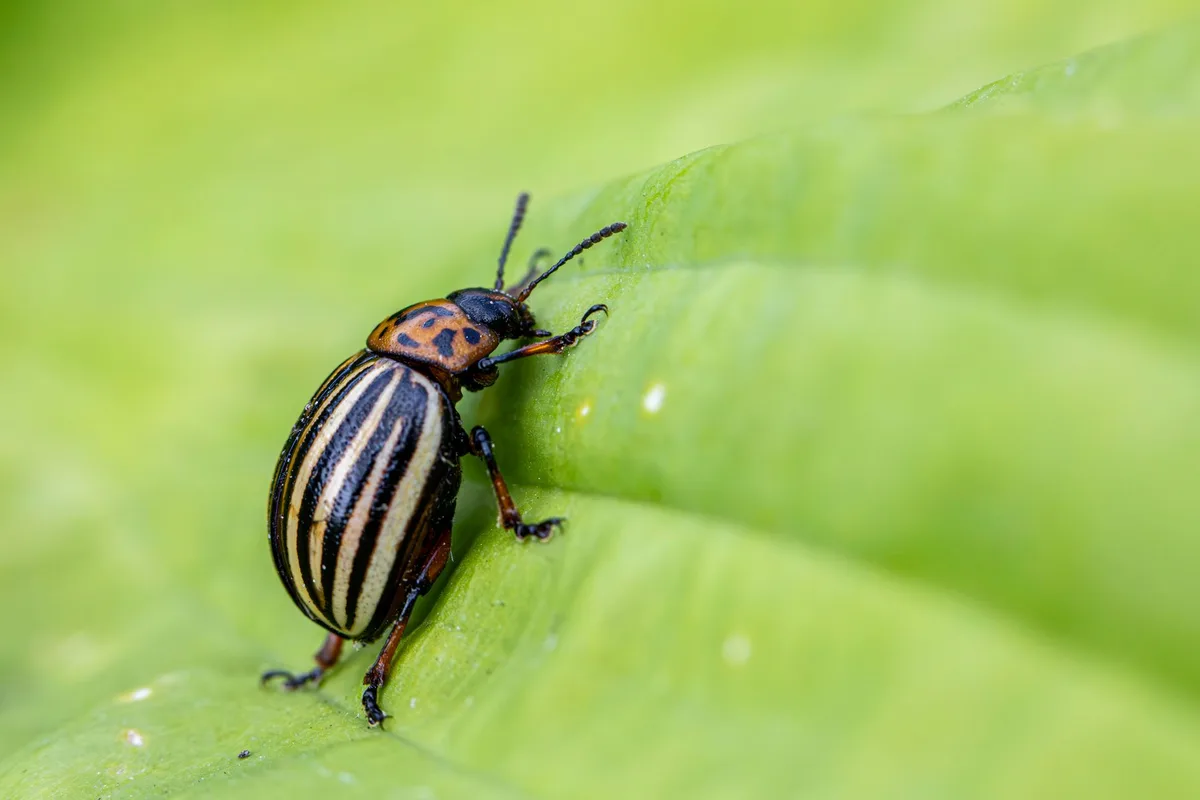
Now that you know your path, it’s time to pick a product. The main split is between chemical insecticides and biological controls.
Chemical Options: Imidacloprid, Chlorantraniliprole, Trichlorfon
- Imidacloprid, Preventive, long residual (2, 4 weeks), good for Japanese beetles and European chafers. Apply June, August.
- Chlorantraniliprole, Preventive, very safe for pollinators once dry, lasts longer (up to 6 weeks). Best for high‑pollinator areas.
- Trichlorfon, Curative, fast‑acting (kills in hours), short residual. Use only when you have active grubs.
All three come in granular and liquid formulations. Granular is easier for large lawns; liquid gives more even coverage. Follow the label rate exactly, more is not better and can harm beneficial soil life.
Biological Options: Beneficial Nematodes and Milky Spore
Beneficial nematodes (specifically Heterorhabditis bacteriophora) are microscopic worms that seek out grubs and infect them with bacteria. They work best when:
- Soil temperature is between 55°F and 70°F
- Soil is moist before and after application
- You apply at dusk (UV light kills them)
Nematodes are live organisms. They have a shelf life, so buy fresh from a reputable supplier. Cost is higher than chemicals, but they are safe for pets, kids, and pollinators.
Milky spore (Paenibacillus popilliae) is a bacterium that targets Japanese beetle grubs specifically. It takes 2, 5 years to build up in the soil, but can provide long‑term suppression. Best for areas with persistent Japanese beetle problems.
Not effective on other grub species.
How to Apply: Granular vs. Liquid
| Method | Best For | Pros | Cons |
|---|---|---|---|
| Granular | Large lawns, preventive | Easy to spread, long shelf life | Needs water‑in, can be uneven |
| Liquid | Small lawns, curative | Even coverage, fast uptake | Requires sprayer, more mixing |
If you choose granular, calibrate your spreader first. Wrong settings waste product and leave gaps. We cover that in the workflow section next.
For an organic approach to other pests, our guide on organic fertilizer for fruit trees shows how switching to natural inputs can reduce overall pest pressure, the same principle applies to lawns when you build strong soil biology.
Step‑by‑Step: The Application Workflow
Follow this sequence for any product you choose. Skipping steps is the biggest reason treatments fail.
1. Confirm and Count
Cut that 1‑foot square of turf in at least three different spots across the damaged area. Count the grubs. Write it down.
If you’re below the threshold, skip treatment and focus on watering and using a good rake for pine needles to manage thatch, thick thatch makes it harder for chemical to reach grubs.
2. Pick Your Product Based on This Decision Tree
- Preventive + high pressure + no pollinator concern → imidacloprid granular
- Preventive + pollinator‑friendly garden → chlorantraniliprole
- Curative + active infestation → trichlorfon liquid
- Organic + patient → nematodes (apply before August end)
- Japanese beetle focused + long‑term → milky spore granules
3. Calibrate and Apply
For granular products, set your spreader to the setting listed on the bag. Test by spreading a small area on a hard surface to see if the pattern is even. Apply half the product in one direction, then the other half perpendicular (cross‑hatch) for even coverage.
For liquids, use a hose‑end sprayer or pump sprayer. Mix per label instructions. Walk at a steady pace, don’t rush.
4. Water In — The Critical Step Most People Miss
This is where most treatments fail. Granules need about ½ inch of water within 24 hours to move the chemical into the soil. If it doesn’t rain, run the sprinklers.
Nematodes need moist soil before and after, water the lawn thoroughly before application, then again right after.
Liquid products often require water‑in too. Check the label. Some are rainfast after 4 hours, others need immediate watering.
5. Monitor and Re‑Check After 2‑3 Weeks
After treatment, do another pull test in the same spots. If you still find live grubs above threshold, you may need a second application or a switch to a different product. If no grubs are present, your lawn should start recovering within 2, 3 weeks.
Water consistently and consider a light feeding of slow release fertilizer to encourage root regrowth.
If the damage doesn’t fill in, it might not be grubs at all. Disease and drought look similar. Our guide on fungicide for lawns can help you rule out fungal issues.
We’ll continue with the remaining sections in the next part of the article. For now, you have a solid foundation: identify, decide, and apply with confidence. The rest will cover common mistakes, legal considerations, cost breakdown, and long‑term maintenance.
Common Mistakes That Waste Your Time and Money
Even with the right product, small errors can make the whole effort useless. Here are the ones we see most often.
Mistaking Drought for Grub Damage
Drought damage looks uniform. The whole lawn fades evenly. Grub damage comes in irregular dead patches that expand over time.
If you treat for grubs when the real problem is dry soil, you waste money and miss the real fix.
Do the pull test first. If the turf lifts easily with no roots, it’s grubs. If it holds firm but looks brown, water deeply and check again in a week.
Applying Too Late or Too Early
Time matters more than product choice. Put down a preventive in September? The grubs are already half grown and feeding deeper.
Apply a curative in July? The eggs haven’t even hatched yet.
Stick to the windows we covered earlier. Mark your calendar now so you don’t forget.
Not Watering In Granules Correctly
Granular insecticide sits on the grass blades and thatch if you don’t water immediately. It needs about half an inch of water within 24 hours to move into the soil where grubs live.
Skipping this step is the number one reason treatments fail. If it doesn’t rain, run the sprinkler.
Skipping the Verification Step
Treating without confirming you have grubs is a gamble. You might spend $40 on product and an hour of your time for nothing.
Take five minutes to cut a few test squares. If you find fewer than 5 grubs per square foot, focus on watering and using a light application of lawn fertilizer to help the grass outgrow the damage.
Safety and Legal Considerations You Can’t Ignore
Grub control products are pesticides. They work because they are toxic to certain insects, and some can affect non-target species if used carelessly.
Pollinator Protection and Blooming Weeds
If your lawn has clover, dandelions, or other blooming weeds, do not spray insecticides over them. Bees and other pollinators will visit those flowers and get exposed.
Mow the lawn first to remove blooms, then apply. Many products now carry explicit pollinator warnings on the label. Read them.
Neonicotinoid Bans by State
Some states restrict or ban neonicotinoid insecticides like imidacloprid and clothianidin for residential lawn use. Vermont, Maine, New York, and others have passed laws limiting these products.
Check your state’s regulations before buying. Your local extension office can tell you what’s allowed where you live. Using a restricted product can result in fines.
Proper Storage and Protective Gear
Keep granular products in their original containers, sealed and dry. Moisture can clump the granules and ruin the effectiveness.
Wear gloves, long sleeves, and closed-toe shoes when handling any insecticide. If mixing liquid concentrate, use eye protection. Wash your hands thoroughly after application and keep kids and pets off the lawn until the product is dry.
The same common-sense rules apply to any pest product, whether you’re treating your lawn or dealing with household pests. Our article on treating carpenter ant infestations goes into more detail on reading labels and using products safely.
Cost Breakdown: What You’ll Spend per 1,000 Sq Ft
| Treatment Type | Cost Range (per 1,000 sq ft) | Coverage Notes |
|---|---|---|
| Preventive chemical (imidacloprid granular) | $15–$30 | One application per season |
| Curative chemical (trichlorfon granular) | $20–$35 | Usually one application, sometimes two |
| Beneficial nematodes | $25–$50 | Apply once, may need second if population is high |
| Milky spore granules | $20–$40 per 10 lb bag | Covers about 4,000 sq ft; lasts 2+ years |
| Professional application | $70–$150 per visit | Includes labor and product |
Prevention is cheaper than cure. A single preventive application in June costs less than a curative treatment in September plus rehabbing dead patches. If you factor in reseeding or new sod, the gap widens fast.
Long-Term Maintenance: Keeping Grubs Away Next Year
Treating this year solves the immediate problem. Keeping them away next year takes a few habits.
Reduce Thatch and Manage Irrigation
Grubs thrive in lawns with thick thatch (over half an inch). It provides shelter and keeps the soil moist and cool. Dethatch in spring or fall if your lawn needs it.
Overwatering also encourages grubs. Keep the soil moist but not soggy. Deep, infrequent watering is better than daily light sprinkles.
Consider Milky Spore for Japanese Beetle Hotspots
If Japanese beetles are common in your area, a few milky spore applications over two years can build long-term suppression. It only works on Japanese beetle grubs, so it’s not a universal solution. But in the right situation, it reduces the need for annual chemical treatments.
When to Overseed and How to Prep the Soil
After grub damage, bare patches need reseeding. Late summer or early fall is the best time. The soil is warm, and the grubs are either dead or not actively feeding.
Rake the dead turf away, loosen the top quarter inch of soil, spread seed, and keep it moist for two weeks. A starter fertilizer helps the new grass establish before winter.
Choosing resilient plants around your lawn also reduces stress on the turf. For example, planting drought-tolerant trees in hot areas can reduce competition for water and keep the grass healthier overall.
Quick-Reference Decision Guide (Print-Ready Table)
| If you see this | And it is | Then do this |
|---|---|---|
| Spongy lawn, peeling turf | June–August | Pull test; if >5 grubs per sq ft, apply preventive (imidacloprid or chlorantraniliprole) |
| Active dead patches | Late August–September | Confirm grubs, apply curative (trichlorfon), water in immediately |
| Animal digging, no visible grubs | Any time | Flood test with soapy water; if grubs appear, treat curatively |
| Previous grub infestation last year | Early June | Apply preventive before eggs hatch |
| New sod installation | Any time | Apply preventive insecticide at installation |
| You want organic treatment | August (before grubs grow) | Apply beneficial nematodes in moist soil at dusk |
Frequently Asked Questions
How long does it take for grub treatment to work?
Chemical curatives kill within 24 to 48 hours. Preventive products take a few days to spread through the soil and kill newly hatched grubs as they feed. Nematodes can take three to seven days to infect and kill the larvae.
Can I overseed right after applying grub killer?
Wait at least two weeks after a curative product like trichlorfon before overseeding. Preventive products like imidacloprid are safer for seed, but check the label. Nematodes are safe to use with seed.
Will grubs go away on their own without treatment?
Sometimes. Birds, skunks, and beneficial soil organisms can reduce populations. But if numbers are above threshold, the damage will continue until the grubs pupate or die.
Most years, the lawn loses the battle.
Is milky spore safe for vegetable gardens?
Yes. Milky spore is a natural bacterium that only affects Japanese beetle grubs. It is safe for vegetables, pets, and humans.
However, it takes several years to build up high enough levels to provide strong control.
How often should I water after applying granular insecticide?
Water in with about half an inch right after application. After that, return to your normal watering schedule. Overwatering washes the product away.
Underwatering leaves it on the surface where it does nothing.
What is the best month for grub prevention?
June through early August, depending on your region. The goal is to get the product into the soil before the eggs hatch. If you apply in late May, the chemical may degrade before the grubs arrive.
If you wait until August, some may already be too large to kill with preventive products.