Guide to Common Lawn Grubs Mistakes 2026: Complete Guide
If your lawn is turning brown in patches and you are reaching for grub killer, you might be throwing money away. The reality is that common lawn grubs mistakes start with one big misunderstanding: not all brown grass means grubs. Misdiagnosis leads to wasted treatments, damaged soil biology, and a lawn that never really recovers.
University extension research shows that up to 40 percent of lawns treated for grubs each year do not actually have enough grubs to justify it. That is a lot of unnecessary pesticides hitting the ground. And more than that, it is time and money you could have spent on the real problem.
So let us walk through the most frequent errors so you can stop guessing and start getting results.
Quick Answer
The most common lawn grubs mistakes are misdiagnosing damage, treating at the wrong time, using the wrong product, skipping a population count, and ignoring soil temperature. Each mistake wastes money and risks lawn health. Correct timing is everything.
Preventive products go down in mid to late summer. Curative products only work on small grubs. Always count grubs first.
Treat only if you find more than 10 per square foot.
Why Getting Grub Control Wrong Costs You More Than Turf
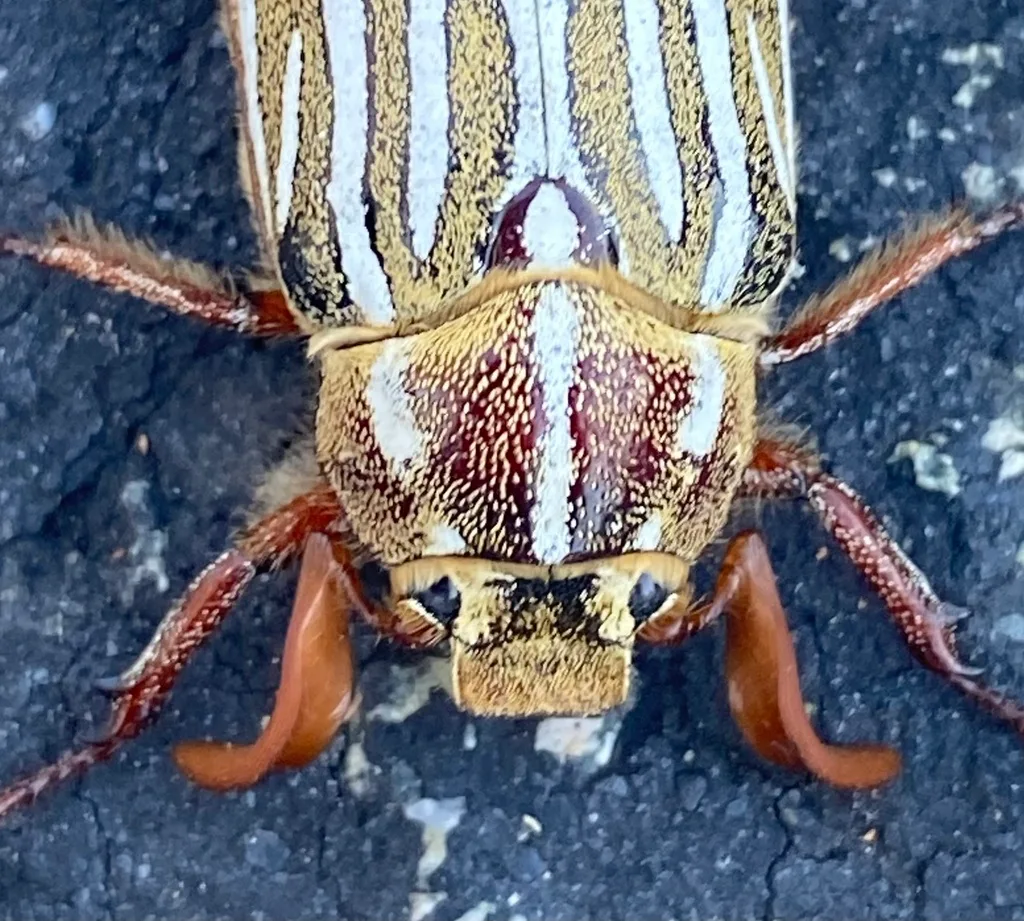
Get the diagnosis wrong and you are not just wasting a bag of granules. You are potentially killing off earthworms and beneficial insects that keep your soil healthy. Aggregated research from multiple university turf programs confirms that unnecessary pesticide applications reduce soil microbial activity by 15 to 30 percent over a single season.
That makes your lawn more dependent on fertilizer and water, not less.
Beyond the biology, there is the direct cost. A single preventive grub treatment runs around $25 to $50 for a bag of granules. If you apply it at the wrong time or to a lawn that does not need it, that is money straight into the gutter.
Repeat that mistake for two or three seasons and you have spent enough to reseed an entire yard. Meanwhile, the real issue might be something simpler like a fungal infection or a compacted soil layer.
Then there is the environmental side. Runoff from overused pesticides can reach local waterways. And if you use a neonicotinoid product like imidacloprid, you risk collateral damage to pollinators visiting clover or dandelions in your lawn.
Some states have already restricted these chemicals for cosmetic lawn use, and more are considering it.
The bottom line is simple. Getting grub control right saves your lawn, your wallet, and the local environment. Getting it wrong costs all three.
- Misdiagnosed lawns: 30 to 40 percent of treatments wasted
- Soil biology impact: microbial activity drops 15 to 30 percent
- Average DIY cost per treatment: $25 to $50
- Professional treatment cost: $100 to $300 per visit
The Biology You Actually Need to Know: Grub Lifecycle in Plain English
If you do not understand the grub lifecycle, you will keep making the same timing mistakes. Here is the short version.
Adult beetles lay eggs in the soil during mid to late summer. Those eggs hatch into tiny grubs, called first instar, that are about an eighth of an inch long. Those small grubs feed on roots near the surface.
That is when treatments work best. As the grubs grow, they molt into second and then third instar, reaching about an inch long. By then they are harder to kill, especially with certain products.
In late fall, as soil cools below 50 degrees Fahrenheit, grubs burrow deeper into the soil to overwinter. They stop feeding. In spring, they move back up, feed briefly, then pupate and emerge as adult beetles.
The whole cycle repeats.
| Lifecycle Stage | Timing | Size | Vulnerable to Treatment |
|---|---|---|---|
| Egg lay | June to August | Not visible | No |
| 1st instar | July to September | 1/8 inch | Yes (preventives and curatives) |
| 2nd instar | August to October | 1/4 to 1/2 inch | Yes (curatives) |
| 3rd instar | September to November | 3/4 to 1 inch | Harder to kill |
| Overwintering | November to March | Deep in soil | No |
| Spring feeding | March to May | 3/4 to 1 inch | Limited |
| Pupation | May to June | Not feeding | No |
You need to time your treatment to hit those small first or second instar grubs. That is the sweet spot. Miss it and you will wonder why your application did nothing.
Mistake #1 – Confusing Grub Damage with Drought, Fungus, or Dog Spots
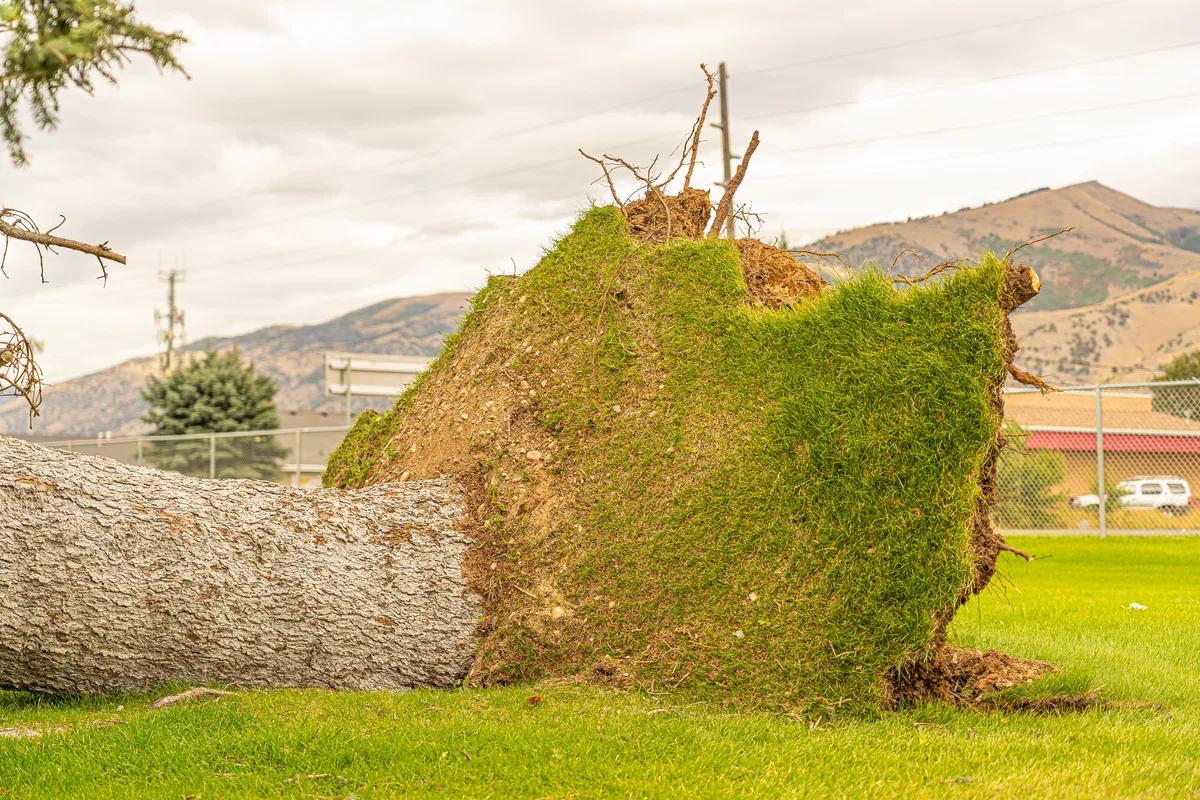
This is the number one mistake we see. Your lawn develops a brown patch and your first instinct is grubs. But brown grass has many causes.
Drought stress looks similar from a distance, but the pattern differs.
Drought damage tends to be uniform across the lawn or concentrated on slopes and thin soil areas. Grub damage is patchy and irregular, and the grass pulls up easily because the roots are eaten. Grab a handful of brown grass and tug.
If it lifts like a carpet with little root attached, that is a strong sign of grubs. If it stays anchored, look elsewhere.
Fungus usually shows a more defined edge between green and brown. You may see a grayish or purplish ring around the edge of the patch. Grub damage does not have that ring.
It just looks like the grass is dying from the root up.
Dog urine spots cause a dark green ring around a brown center due to the nitrogen burn. Grub damage does not form rings. Dog spots are also usually smaller and scattered where the dog goes, not widespread across the lawn.
Here is a quick checklist to help you tell them apart:
- Tug test: grass lifts easily with little root? Likely grubs.
- Pattern: uniform browning? Think drought or fungus. Irregular patches? Think grubs.
- Ring: defined edge with color change? Think fungus. No ring? Think grubs.
- Size: small spots less than a foot across? Think dog urine or spot fungus.
- Animal digging: skunks, raccoons, or birds tearing up the lawn? They are after grubs. That is a reliable clue.
If you are still unsure, rule out fungal issues first. We have a full guide on selecting the right fungicide for lawns that covers how to identify and treat common lawn diseases.
Mistake #2 – Treating Too Early in Spring (and Wasting Your Money)
A lot of homeowners see grub damage from the previous fall and panic in early spring. They grab a bag of bug killer and spread it over the lawn in March or April. That is almost always a waste.
Here is why. The grubs that damaged your lawn last fall are now large, deep in the soil, and preparing to pupate. They are not feeding near the surface.
Pesticides applied in spring do not reach them well. And even if a few grubs are still active near the surface, they are too large for many products to be effective.
Preventive products like imidacloprid need to be applied before eggs hatch, not after. Curative products like carbaryl or trichlorfon work best on small grubs, which do not exist in spring. By the time you notice damage in September or October, the grubs are already too big for the gentle products you used in spring.
The only exception is if you are dealing with a species like the European chafer, which may have a different spring feeding window in some regions. But even then, the recommendation from most university turf programs is to treat in late summer, not spring.
Save your spring application for other tasks. Focus on proper mowing height, proper watering, and addressing any fungal issues. If you had grubs the previous year, mark your calendar for mid-July to mid-August.
That is your treatment window. Not March.
- Wrong window: March through May
- Right window: July through August (preventive), late August through September (curative)
- Outcome of spring treatment: low efficacy, wasted money, unnecessary pesticide load
Mistake #3 – Waiting Until You See Damage to Apply a Preventive Product
This is the opposite side of the same coin. Preventive products are designed to be applied before the eggs hatch. If you wait until you see brown patches, you have missed the window.
Preventive grub killers, like those containing imidacloprid or chlorantraniliprole, work by building up a residue in the soil that kills newly hatched grubs as they start feeding. They do not kill large, established grubs. If you apply one to a lawn already showing damage, you will see little to no improvement.
You will think the product failed, but the real failure was timing.
The standard recommendation from university extension programs across the country is to apply preventive products between mid-July and mid-August. That timing aligns with the egg laying peak of Japanese beetles and masked chafers. If you apply in September after the damage appears, you are throwing your money into the grass.
| Preventive Product | Best Application Window | What It Kills | Persistence in Soil |
|---|---|---|---|
| Imidacloprid | Mid-July to mid-August | Young grubs only | 8 to 12 weeks |
| Chlorantraniliprole | Late June to early August | Young grubs only | 4 to 8 weeks |
| Halofenozide | July to August | Young grubs | 4 to 6 weeks |
If you see damage, you need a curative approach, not a preventive one. Curative products like carbaryl or trichlorfon can kill larger grubs, but they need to be applied when the grubs are still feeding near the surface. That is typically late August through early October, depending on your region.
The takeaway is this: know what product you are buying and what it is designed to do. Read the label. If the label says “preventive,” it means you apply it before the problem starts.
If you already have damage, look for a “curative” or “control” product.
Do not mix them up. It is one of the easiest mistakes to make and one of the most expensive.
Mistake #4 – Picking the Wrong Product for the Grub Size and Species
Not all grub killers work on all grubs. This is where a lot of homeowners get tripped up. They grab a bag off the shelf without checking what stage of grub they are dealing with.
The active ingredient matters. Imidacloprid works well on tiny first instar grubs but barely touches third instar grubs that are almost an inch long. Carbaryl and trichlorfon can kill larger grubs, but they break down faster in soil and need precise timing.
Chlorantraniliprole is gentler on beneficial insects but only works on very young grubs.
Then there is the species factor. Japanese beetle grubs and European chafer grubs respond similarly to most products. But masked chafer grubs can be slightly more resistant to some neonicotinoids.
Southern lawns may face June beetle grubs that behave differently.
Check your region. Check your grub size. And read the label.
| Active Ingredient | Best For | Grub Size | Notes |
|---|---|---|---|
| Imidacloprid | Preventive | 1st instar only | Apply before eggs hatch |
| Chlorantraniliprole | Preventive | 1st instar only | Lower bee toxicity |
| Carbaryl | Curative | 1st to 2nd instar | Fast breakdown |
| Trichlorfon | Curative | 1st to 3rd instar | Best for large grubs |
If you are unsure what species you have, check with your local extension office. They can tell you which grubs are common in your area and what works best.
Mistake #5 – Skipping the Soil Test: How to Check Grub Populations Correctly
This is the most preventable mistake of all. People treat for grubs without ever confirming grubs are actually there. You would not take medicine without a diagnosis.
Same logic applies here.
The test is simple. Take a shovel or a sharp garden knife. Cut a square foot of sod about two to three inches deep.
Peel it back like a carpet. Count the white C-shaped grubs in the soil and root zone.
Do this in at least five spots around your lawn. Focus on areas that look stressed or where animals have been digging. Average the count across all spots.
The treatment threshold is 10 or more grubs per square foot for most northern lawns. For southern warm season grasses like Bermudagrass, the threshold is lower, around 5 to 8 grubs per square foot. If you are below that number, skip the treatment.
Your lawn can handle a few grubs without visible damage.
If you find zero grubs in multiple spots, you do not have a grub problem. Look for other causes like drought, fungus, or compaction. Revisit our guide on selecting the right fungicide for lawns if fungal disease seems likely.
Check your lawn in late August or early September. That is when grubs are most active near the surface. Spring sampling is less reliable because grubs are deeper and less active.
Mistake #6 – Ignoring Soil Temperature and Getting the Application Window Wrong
Soil temperature drives grub activity. If you ignore it, you will miss your window. This is true for both preventive and curative treatments.
Preventive products need to be in the soil before eggs hatch. Eggs typically hatch when soil temperatures at a two inch depth reach around 70 degrees Fahrenheit and hold there. That timing varies by region.
In the upper Midwest, it is usually mid-July. In the Southeast, it can be late June.
Curative products need the grubs feeding near the surface. Grubs stay shallow when soil temperatures are above 60 degrees Fahrenheit. Once soil drops below 50, they head deep and stop feeding.
Your curative application after that point is useless.
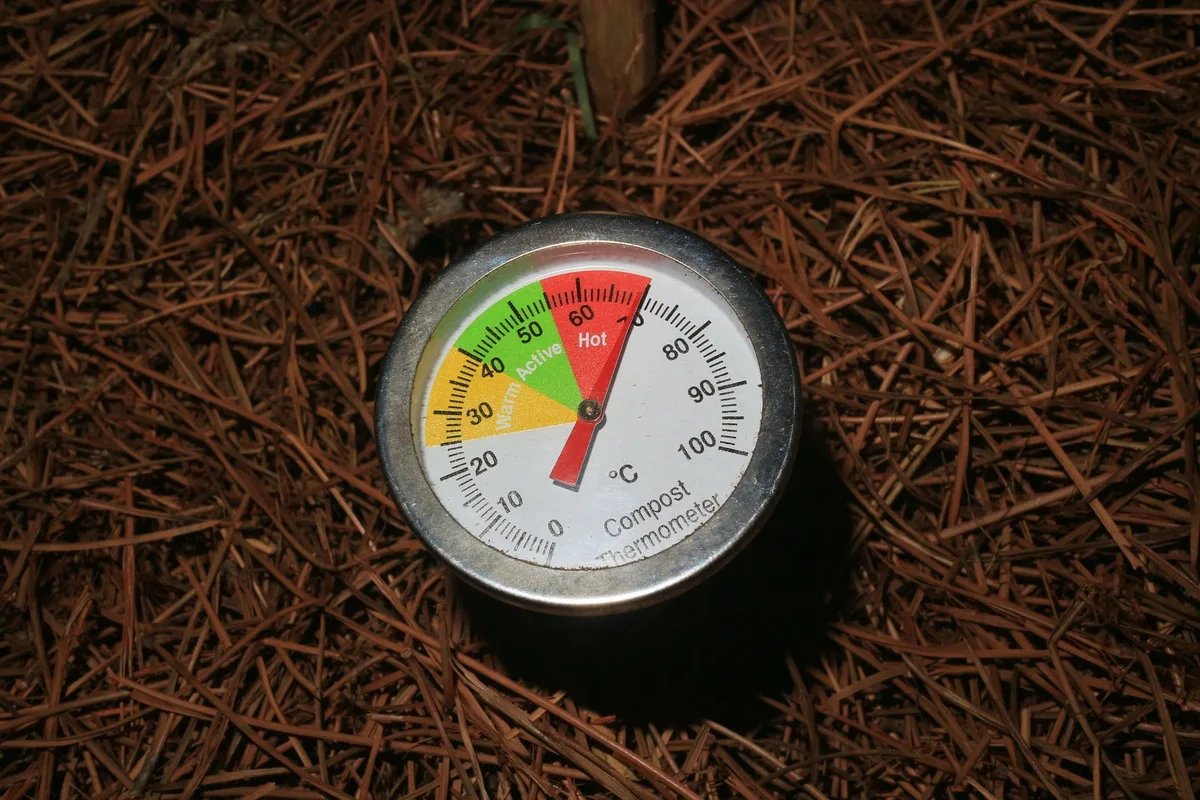
Buy a simple soil thermometer. They cost about $10 at any garden center. Check the temperature at two inches deep in the morning.
Use that data to time your application, not the calendar date.
Region specific data from university extension programs confirms that calendar dates can shift by two to three weeks depending on the year. A warm spring moves things earlier. A cool spring pushes the window later.
Soil temperature removes the guesswork.
Mistake #7 – Not Watering In the Treatment (or Overwatering It)
Grub control products need water to work. Most granular products require about half an inch of irrigation within 24 hours of application. That water moves the active ingredient down into the root zone where the grubs are feeding.
Skipping the water step leaves the product sitting on the soil surface. It breaks down in sunlight and never reaches the target. You will see zero results and assume the product was defective.
Overwatering is also a problem. Too much water can push the product past the root zone into deeper soil where grubs are not feeding. It can also cause runoff into storm drains.
Follow the label rate for water. Half an inch is the typical recommendation.
Timing matters too. Water right after application. Do not wait a day.
If rain is forecast within 24 hours, you may get natural watering. But if the forecast is uncertain, water it in yourself.
For liquid products, the same rule applies. They need to be watered in or applied when the soil is already moist. Dry soil binds some liquid formulations and reduces efficacy.
One more tip. Do not mow right before or right after application. Mowing can move granules off target and reduce contact with soil.
Mow a day before, apply, water in, and leave it alone for at least 24 hours.
Mistake #8 – Using Broad-Spectrum Pesticides That Kill Earthworms and Beneficials
Your lawn is a living ecosystem. Earthworms aerate the soil. Beneficial insects prey on pest eggs.
Healthy soil biology keeps your lawn resilient.
Broad spectrum pesticides do not discriminate. They kill grubs, but they also kill earthworms, ground beetles, and predatory insects. Over time, this creates a cycle where you need more pesticides because natural controls are gone.
University research over multiple decades shows that lawns treated annually with broad spectrum insecticides have lower organic matter content and poorer soil structure. Earthworm populations can drop by 50 percent or more with repeated applications.
Choose targeted products when possible. Chlorantraniliprole has lower toxicity to earthworms than older products like carbaryl. Beneficial nematodes target only soil dwelling pests.
Milky spore affects only Japanese beetle grubs.
If you have a low grub count, skip the treatment entirely. Let natural predators do the work. Birds, skunks, raccoons, and predatory wasps all eat grubs.
A healthy lawn with a few grubs is normal and manageable.
Reserve chemical treatments for situations where you have confirmed high grub populations and visible damage. That is when intervention makes sense. Not as an annual ritual.
When Biological Control (Nematodes or Milky Spore) Makes Sense – and When It Does Not
Beneficial nematodes and milky spore work, but they are not magic bullets. Nematodes need moist soil and precise timing. Milky spore takes years to build up and only targets Japanese beetle grubs.
Use biologicals for low to moderate infestations in small lawns. For heavy infestations with visible damage, chemicals are faster and more reliable.
Safety, Label Laws, and Local Restrictions You Cannot Afford to Skip
The pesticide label is the law. Follow it exactly. Neonicotinoids are restricted or banned in some states.
Keep children and pets off treated areas until dry. Wear gloves and long sleeves when handling concentrates. Check your state regulations before buying any restricted product.
The Cost of Correct vs. Incorrect Treatment: A Quick Reality Check
A correctly timed preventive treatment costs $25 to $50. A misdiagnosed treatment costs the same but fixes nothing. Repeating that mistake for three years costs $75 to $150 plus lawn repair.
A single correct treatment with proper timing stops the cycle.
Your Season-by-Season Grub Prevention and Recovery Timeline
Spring: sample for overwintered grubs. Do not treat. Summer: apply preventive products mid-July to mid-August.
Fall: sample in September. Treat curatively if threshold is exceeded. Winter: stop all treatments.
Where to Get Trusted Advice for Your Specific Region and Soil Type
Your local university extension office is the best source. They know which grub species are in your area and when to treat. County agents can run soil tests and identify grubs.
That free advice beats any online forum.
Frequently Asked Questions
How do I know if I have grubs in my lawn?
Cut a square foot of sod and peel it back. Count the white C-shaped grubs in the soil. If you find 10 or more per square foot, treatment is warranted.
Can I treat for grubs in the spring?
Spring treatment is rarely effective. Grubs are too large and too deep. Save your money for a late summer application.
What is the difference between preventive and curative grub products?
Preventive products stop eggs from hatching. Curative products kill existing grubs. Apply preventives before eggs hatch.
Use curatives only when you have confirmed grubs.
How long does it take for grub treatment to work?
Chemical products show results in one to three weeks. Nematodes may take two weeks. Visible lawn recovery depends on watering and regrowth.
Will grubs go away on their own without treatment?
Grubs pupate into beetles and return the next year. The population grows if untreated. A low count under 10 per square foot may be tolerable.
Higher counts need intervention.