How Long Do Insecticides Last 2026: Beginner-Friendly Guide
You spray. You wait. The bugs come back, and you’re left wondering what went wrong.
That’s the real frustration behind the question “How Long Do Insecticides Last”, because the answer is never simple. It depends on what you used, where you put it, and what the weather did after you walked away.
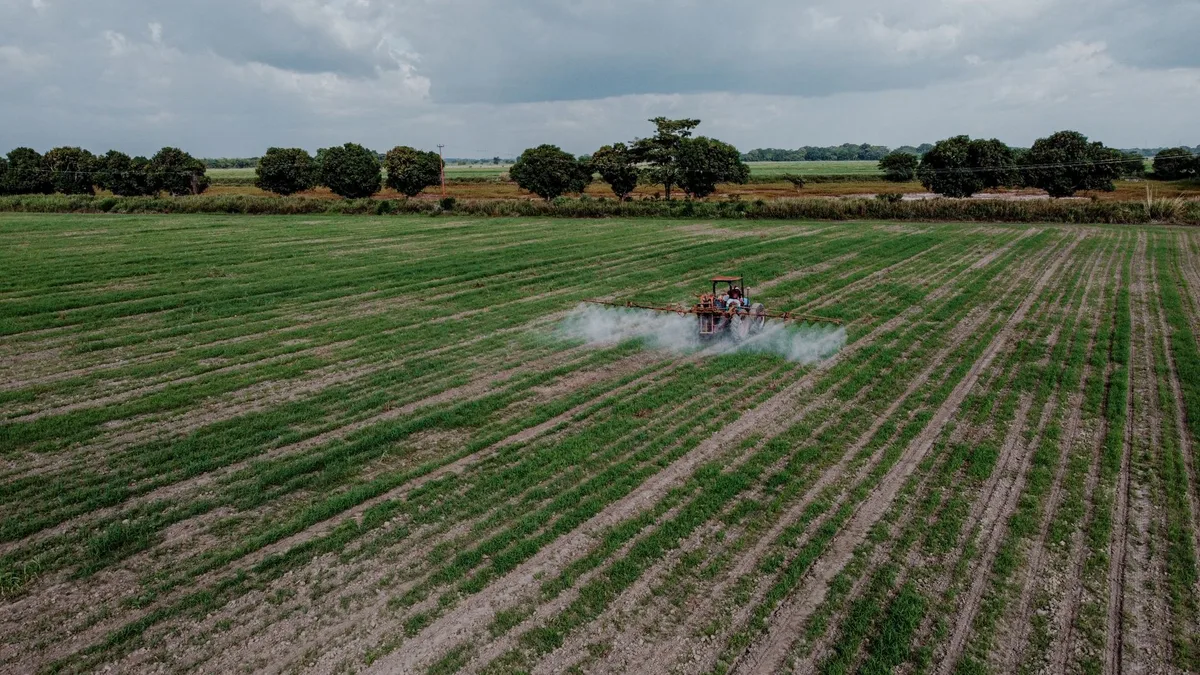
Manufacturer specs tell us that a standard pyrethroid spray on a non-porous indoor surface can stay active for two to four weeks. But that same product on bare soil in direct sunlight might degrade in under 48 hours. As of 2026, the EPA’s Pesticide Product Label System contains over 85,000 active labels, and they all state residual claims differently.
That’s why a single answer never fits.
Quick Answer
Insecticides last anywhere from 24 hours to six months. The duration depends on four main variables: the active ingredient, the formulation, the surface, and the environment. Synthetic pyrethroids on hard indoor surfaces typically last 2, 4 weeks.
Microencapsulated formulas can extend that to 6 weeks. Organophosphates on foliage break down in 5, 7 days. Dusts in dry wall voids can remain effective for years.
There is no universal answer.
Why Your Last Treatment Didn’t Last as Long
You followed the label. You mixed it right. And yet the ants or cockroaches showed up again after two weeks.
What gives?
The most common reason treatments fail early is a mismatch between the product and the conditions. A wettable powder designed for porous surfaces won’t stick to glass or sealed tile the same way. An emulsifiable concentrate that works great indoors evaporates fast when the afternoon sun hits it.
And if you applied a liquid spray to dirty or greasy surfaces, the active ingredient never made proper contact with the pests.
Surface prep matters more than most people realize. If you’re spraying over dust, cooking grease, or pollen, you’re effectively wasting your money. The insecticide binds to the debris instead of the target surface, and the next rain or cleaning removes it entirely.
Another hidden problem: the pest itself. Some species have developed resistance to certain active ingredients. If you’ve used the same class of insecticide for multiple seasons without rotating, the local population may simply not die from it.
That’s not the product failing, that’s biology.
For a deeper look at treating specific tough pests, check out our guide on dealing with carpenter ants.
The Real Answer Depends on These Four Factors
No one can tell you “this lasts X number of days” without knowing your specific situation. The professional’s approach is to evaluate four variables before even picking up the sprayer.
Active Ingredient and Formulation Type
The chemical class determines the basic longevity. Pyrethroids like bifenthrin, permethrin, and lambda-cyhalothrin are photostable, they hold up reasonably well in sunlight. Organophosphates like malathion and chlorpyrifos degrade faster under UV exposure.
Neonicotinoids like imidacloprid are systemic in plants and can last weeks inside the vascular system but break down quickly on exposed surfaces.
Formulation is just as critical. Here’s how the main types compare on residual life:
| Formulation | Typical Indoor Residual | Typical Outdoor Residual | Best Use Case |
|---|---|---|---|
| Emulsifiable concentrate (EC) | 2–3 weeks | 1 week or less | Indoor crack-and-crevice |
| Wettable powder (WP) | 3–4 weeks | 1–2 weeks | Porous surfaces, walls |
| Suspension concentrate (SC) | 3–6 weeks | 2–4 weeks | Long-term perimeter |
| Microencapsulated (CS) | 4–8 weeks | 3–6 weeks | Outdoor barriers, high-UV areas |
| Granules | 2–4 months (soil) | 2–4 months | Lawn and garden soil |
| Dusts (silica, diatomaceous earth) | Indefinite (if dry) | N/A | Wall voids, attics |
Surface You’re Treating
Porous surfaces like concrete, wood, and drywall absorb liquid insecticides. Some of the active ingredient soaks in and is no longer available for contact kill. That means a lower effective dose on the top layer.
For these surfaces, wettable powders or microencapsulated products work better because the particles stay on the surface rather than soaking in.
Non-porous surfaces like glass, metal, and sealed tile hold the insecticide on top. Residuals last longer there, but the product can also run off or be wiped away more easily. Emulsifiable concentrates tend to work fine on these surfaces as long as they dry fully.
Indoor vs. Outdoor Conditions
Indoor applications face none of the major environmental stressors. No rain. No direct UV.
Much less temperature fluctuation. That’s why the same product can last three times longer inside. If you’re treating a basement or kitchen, expect the full residual life listed on the label.
Outdoors, you’re fighting sun, rain, and microbes. Sunlight breaks down active ingredients through photodegradation. Rain physically washes the product off surfaces.
Soil microbes consume some chemistries within days. If you’re applying a perimeter spray, timing matters. Apply late in the day when UV is low and temperatures are mild.
Check the forecast, you need at least 2, 4 hours of dry time after application for the product to bond to the surface.
Target Pest and Its Life Cycle
Different pests have different vulnerabilities. A contact spray that kills adult cockroaches on contact has to be present when the roach walks through it. If the residual drops below a lethal concentration before the next generation hatches, you’re back to square one.
For pests with long egg cycles like fleas or bed bugs, you need a product that stays active long enough for the eggs to hatch and the nymphs to encounter the residue. Insect growth regulators (IGRs) and microencapsulated pyrethroids are often chosen specifically for this reason, they outlast the hatch window.
If you’re battling fungus gnats or soil-borne pests in your garden, you might want to explore targeted treatments with a suitable fungicide.
What Actually Happens After You Spray (Degradation Explained)
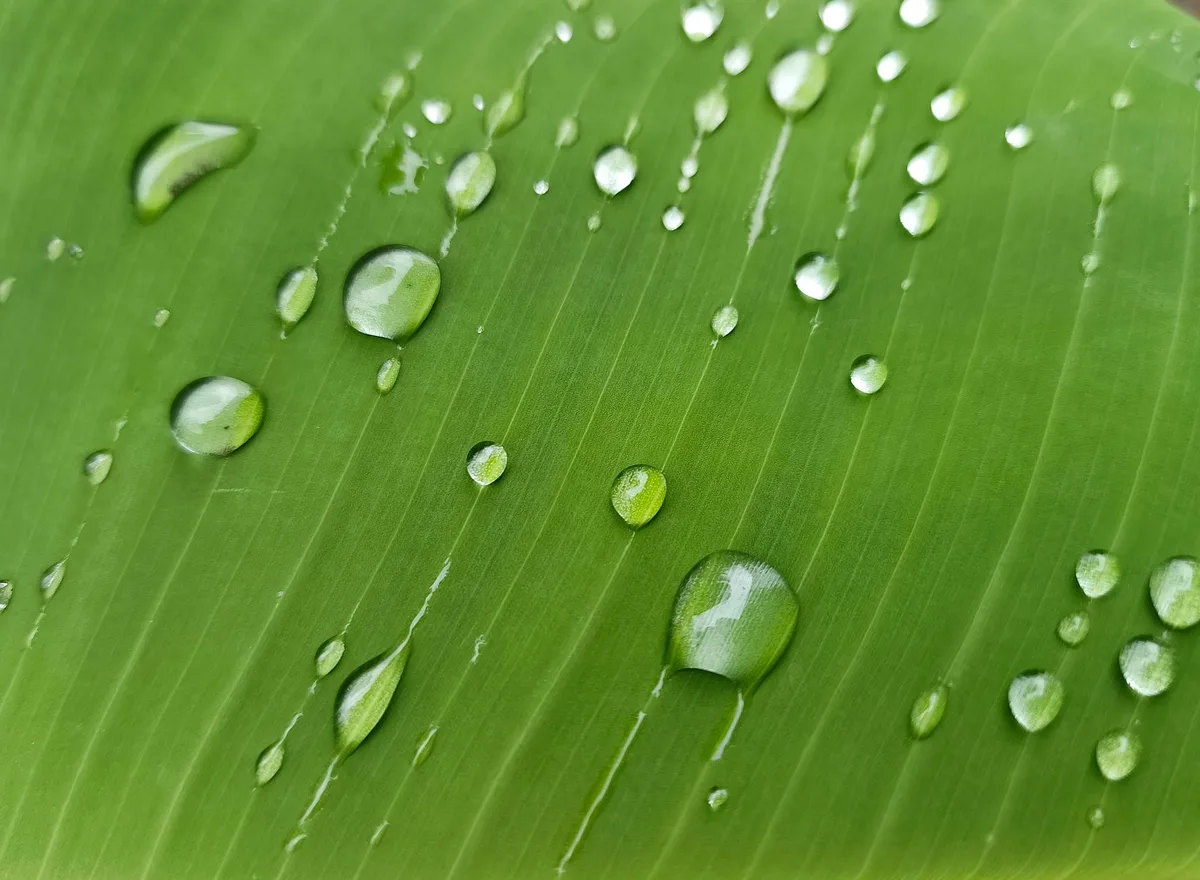
Understanding degradation helps you plan smarter applications. Every insecticide starts degrading the moment it leaves the nozzle. The clock is ticking.
UV Light and Heat Breakdown
Ultraviolet radiation is the number one enemy of residual activity. When UV photons hit the molecular bonds of an active ingredient, they break them apart. This is called photolysis.
Pyrethroids are relatively resistant to this, but organophosphates and carbamates degrade quickly. On a bright summer day, an unprotected organophosphate can lose half its activity in just four to six hours.
Heat speeds up every chemical reaction, including degradation. For every 10°C (18°F) increase in temperature, the degradation rate roughly doubles. That’s why an outdoor application in July won’t last as long as one in October.
Rain, Humidity, and Water Wash-Off
Rain physically removes insecticide from the treated surface. But even without rain, high humidity can cause some formulations to break down faster. Wettable powders and emulsifiable concentrates are more susceptible to wash-off.
Microencapsulated products are far more rainfast because the tiny capsules stick to surfaces and release the active ingredient slowly over time.
If rain is expected within 2, 4 hours of your application, wait. Most labels specify a minimum rainfast period. Ignoring it means you’re literally washing your money down the drain.
How Microencapsulation Changes the Game
Microencapsulation is one of the biggest advancements in residual insecticide technology. The active ingredient is encased in tiny polymer capsules, usually 1, 50 microns in diameter. Once applied, the capsules stick to surfaces and release the insecticide gradually through diffusion.
This protects the active ingredient from UV and rain, extending the effective life by weeks.
For outdoor perimeter treatments, microencapsulated products can deliver reliable control for 4, 6 weeks compared to 1, 2 weeks for standard EC formulations. The trade-off? They cost more per application and can sometimes leave a visible residue on light-colored surfaces.
Your Decision Tree: Matching Product to Situation
Now we get to the practical part. Here’s a simple four-step process to figure out what product to use and when to reapply.
Step 1: Identify Your Application Site
Is this indoors or outdoors? What surface are you treating? If it’s a concrete basement floor, a wettable powder or microencapsulated product is your best bet.
If it’s a sealed kitchen counter, an EC or SC works fine. If it’s a wall void, go with a dust.
Step 2: Check the Weather and Conditions
If you’re working outdoors, check the 48-hour forecast. Rain within 4 hours? Postpone.
Heatwave? Plan for shorter residuals and consider microencapsulated options. If the area sees heavy foot traffic or frequent cleaning, expect mechanical removal of the insecticide and plan more frequent treatments.
Step 3: Choose the Right Formulation for the Job
Match the formulation to the surface and pest.
- Porous surfaces: WP, SC, or dusts
- Non-porous surfaces: EC or SC
- High-UV areas: Microencapsulated (CS) products
- Soil treatments: Granules or drenches
- Crack-and-crevice: Aerosol or dust
- Broad leaf spraying: EC or SC with a spreader-sticker adjuvant
Step 4: Set Your Reapplication Schedule
Once you know the expected residual life of your product under your conditions, mark your calendar for the next application. If the label says 4 weeks indoors and 2 weeks outdoors, don’t wait until you see bugs again. Reapply at week 3 for indoors and week 1.5 for outdoors to maintain a continuous barrier.
For a more efficient approach to your garden treatments, consider using a slow-release fertilizer alongside your pest control to support plant health.
Indoor vs. Outdoor: Where and When Each Formulation Wins
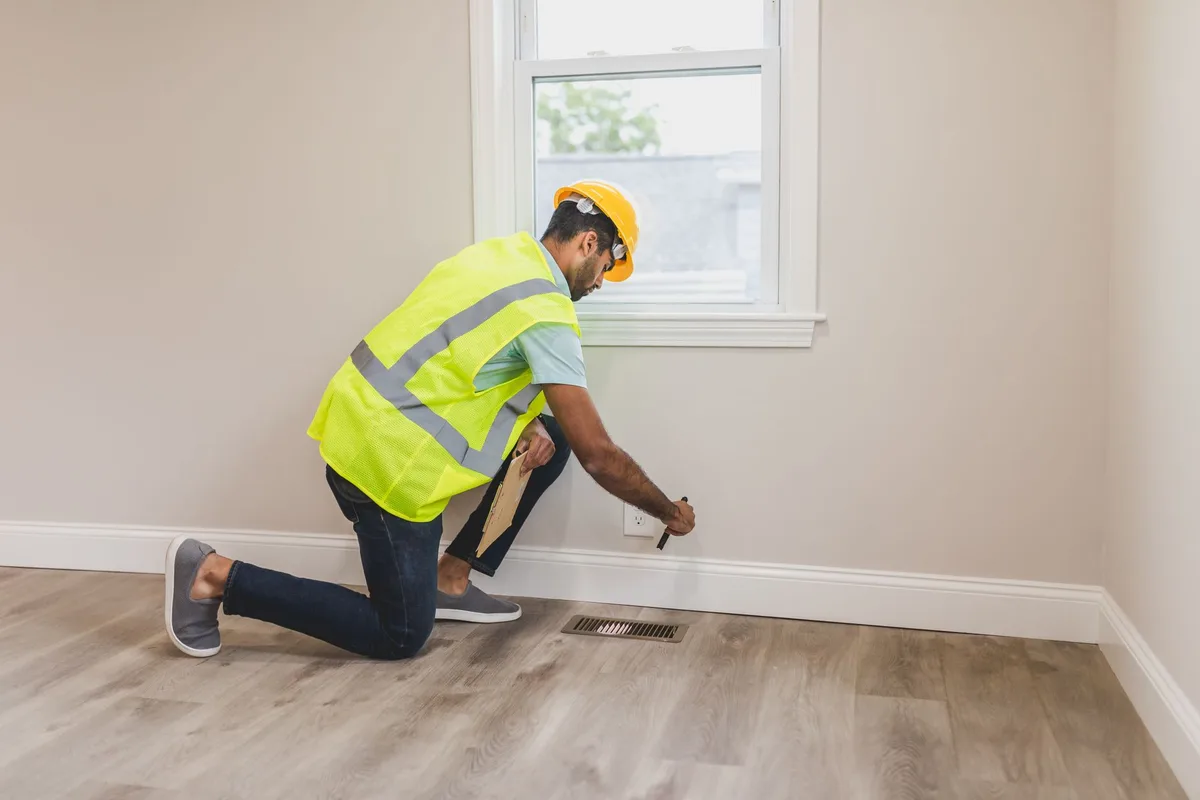
This is the biggest decision point for most people. Different rules apply entirely.
Best Indoor Choices for Long Residual
Indoors, you have total control. No rain, no UV, and relatively stable temperature. That opens up a wider range of options.
For general indoor pest control:
- Microencapsulated (CS) products: 4, 8 weeks residual on non-porous surfaces. Excellent for kitchens, bathrooms, and basements.
- Wettable powders (WP): 3, 4 weeks on porous surfaces like drywall and unfinished wood. Better than ECs for vertical surfaces.
- Dusts: Indefinite life in wall voids, attics, and under appliances. Diatomaceous earth and silica gel stay active as long as they remain dry.
Avoid using emulsifiable concentrates indoors near food preparation areas. They can leave an oily residue and have a strong odor. If you have pets or children, choose products with lower volatility and shorter re-entry intervals.
What Works Outdoors Without Washing Away
Outdoors, you need products built for punishment. Sun, rain, temperature swings, and microbial activity all work against you.
For outdoor perimeter sprays, perimeter sprays, and garden treatments:
- Microencapsulated (CS) products: 3, 6 weeks residual. The clear winner for outdoor barriers and high-exposure areas.
- Granules: 2, 4 months in soil. Ideal for broadcast lawn treatments or soil drenches around foundations.
- Emulsifiable concentrates (EC): 1 week or less outdoors. Better for quick knockdown than long-term residual.
- Baits: 1, 3 months, but they need to stay dry. Place bait stations under eaves or inside covered areas.
A common mistake is assuming that more concentration means longer residual. It doesn’t. Exceeding the label rate creates a safety hazard and can actually repel pests from the treated area.
They’ll just walk around it.
For outdoor spaces where you have plants, check out our recommendations for attracting hummingbirds to your yard, they help keep pest populations in check naturally.
Real-World Timelines: What the Numbers Actually Look Like
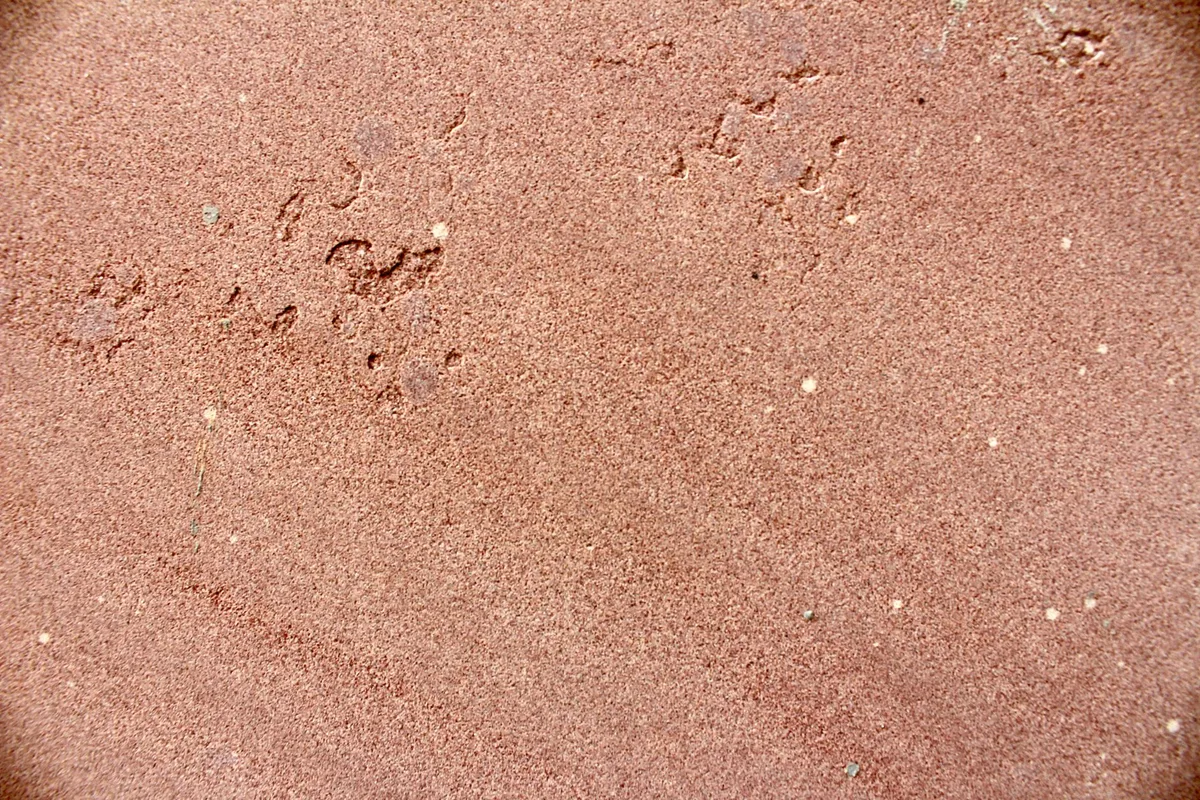
Let’s cut through the marketing claims and look at what actual field data and label studies show. These are realistic ranges based on typical conditions, not best-case lab numbers.
| Product Type | Indoor Residual | Outdoor (Sun/ Rain) | Soil / Foliage |
|---|---|---|---|
| Pyrethroid EC | 2–3 weeks | 5–10 days | 7–14 days |
| Microencapsulated CS | 4–8 weeks | 3–5 weeks | 4–6 weeks |
| Wettable Powder | 3–4 weeks | 1–2 weeks | N/A |
| Organophosphate EC | 1–2 weeks | 3–7 days | 3–10 days |
| Neonicotinoid SC | 2–4 weeks | 1–2 weeks | 2–4 weeks (systemic) |
| Granular insecticide | N/A | 8–16 weeks | 8–16 weeks (soil) |
| Silica gel dust | Indefinite (dry) | Not recommended | Not recommended |
Pyrethroids on Hard Surfaces (2–6 Weeks)
Pyrethroids are the workhorses of home pest control. On a clean, non-porous surface indoors, a bifenthrin or lambda-cyhalothrin spray typically holds its full strength for 2, 3 weeks. After that, you get a declining tail for another 1, 2 weeks.
Outdoors, that drops to 5, 10 days depending on UV exposure.
Organophosphates on Foliage (5–7 Days)
Organophosphates like malathion break down fast. On leafy plants, the half-life is about 3 days. After 7 days, there’s very little active residue left.
That’s fine for a one-time knockdown of an active infestation. It’s terrible for any kind of barrier program.
IGRs and Baits (Months, but Delayed Kill)
Insect growth regulators like hydroprene or pyriproxyfen don’t kill adults directly. They prevent nymphs from maturing or eggs from hatching. The residual in bait stations or spray can last 3, 6 months indoors.
But you won’t see results for 2, 4 weeks because it takes time for the existing adult population to die off naturally. Baits follow a similar timeline if kept dry.
Dusts in Wall Voids (Years, if Kept Dry)
Dusts like diatomaceous earth, silica gel, and boric acid don’t degrade chemically. They last indefinitely as long as they stay dry. In wall voids, attics, or under appliances, a single application can provide protection for years.
The catch: they have to be placed where pests travel and where moisture never reaches them.
The Five Most Common Reapplication Errors
Even pros make these mistakes. Avoiding them will save you time, money, and frustration.
Waiting Too Long and Letting Pests Rebound
The most common error. You see no bugs for two weeks and assume the job is done. But the residual is fading.
By week three, a new batch of eggs has hatched and the level of insecticide is too low to kill them. You’re back to square one. Solution: reapply at two-thirds of the label’s claimed residual life, not when you see pests again.
Reapplying Too Soon (Waste and Resistance Risk)
The opposite problem. You spray every week “just to be safe.” That wastes product and accelerates resistance. Pests that survive a low dose because they weren’t exposed yet are fine.
But pests that survive a fresh, full-dose application are genetically resistant, and you’re breeding their offspring. Follow the label’s minimum reapplication interval.
Ignoring Surface Porosity and Organic Load
A porous surface needs a different formulation. Dirt, grease, or pollen on the surface binds the active ingredient and prevents it from working. Clean the surface first.
For wood or concrete, use a wettable powder or microencapsulated product rather than an EC.
Forgetting to Rotate Active Ingredients
Using the same class of insecticide season after season is a recipe for resistance. Pests can develop resistance within 5, 10 generations. That’s one season for many species.
Rotate between at least two different chemical classes (e.g., pyrethroid then neonicotinoid) every 2, 3 treatments.
Overlooking the Label’s Re-Entry and PHI Intervals
The re-entry interval tells you how long to stay out. The pre-harvest interval tells you how long before you can pick edible crops. Ignoring these isn’t just dangerous.
It can also mean the insecticide hasn’t dried or bonded properly, reducing its residual life. Always let the product cure fully.
Three Pro Tricks to Extend Residual Life
These are small adjustments that make a big difference.
Pre-Cleaning the Surface Before Application
Dust, grease, and organic matter block the insecticide from contacting the surface. A simple wipe-down with a degreaser or a sweep of the area can double the effective residual. On porous surfaces like concrete, a light power wash and 24 hours of drying time is ideal.
Using Rainfast Products the Right Way
Rainfast means the product won’t wash off after it dries. Most microencapsulated products are rainfast within 1, 2 hours. Standard ECs need 4, 6 hours.
Check the label and time your outdoor application accordingly. If rain is forecast within the rainfast window, don’t spray.
Timing Applications for Low Light and Mild Temperatures
UV degrades insecticide fast. Apply in the late afternoon or early evening when the sun is low. Temperatures between 60, 80°F are ideal.
Hotter weather accelerates degradation. Cooler weather slows it. For outdoor perimeter sprays, early fall applications can last 2, 3 weeks longer than mid-summer ones.
Never Skip These Safety Checks Before You Spray
Safety isn’t just about protecting yourself. It also protects the people, pets, and plants around you.
Understanding REI and PHI on Your Label
REI (re-entry interval) is the minimum time people and pets must stay out of the treated area after application. For most consumer products, it’s 2, 4 hours. For restricted-use products, it can be 12, 72 hours.
PHI (pre-harvest interval) applies to edible crops. Ignoring it means consuming pesticide residue that hasn’t broken down yet.
Child, Pet, and Beneficial Insect Exclusion Periods
Kids and pets are more sensitive to pesticides because of their smaller body size and faster metabolisms. Keep them out of the area for at least the REI. If you’re treating a garden, remember that bees and other beneficial insects are also affected.
Avoid spraying open flowers and apply in the evening when bees are less active.
Proper Storage to Keep Concentrates Effective
Heat, cold, and moisture degrade concentrates in storage. Keep them in a cool, dry place away from direct sunlight. Temperatures above 100°F can break down the active ingredient.
Frozen product can separate and lose potency. A locked cabinet in a garage or shed is ideal.
Your Quick Decision Guide (Cheat Sheet for Reapplication)
Here’s a one-page summary you can refer back to.
| If you are… | Use this… | Reapply after… |
|---|---|---|
| Treating indoors, non-porous surface | CS or EC | 3–4 weeks |
| Treating indoors, porous surface | WP or dust | 4–6 weeks |
| Treating outdoor perimeter, sunny | CS | 3–4 weeks |
| Treating outdoor perimeter, shaded | CS or SC | 4–5 weeks |
| Treating lawn or soil | Granules | 8–12 weeks |
| Treating wall voids or attics | Dust | Check annually |
| Treating edible plants | EC or SC (low-toxicity) | Per PHI on label |
For a more integrated approach to your garden, consider how the right soil amendments can support plant health. The same principle applies to insecticide timing: match the product to the environment and the pest’s life cycle.