How to Choose the Right Insecticide: Step-by-Step Guide
To choose the right insecticide, first identify the exact pest. Match it to your treatment location, indoor, outdoor, or food garden. Consider safety for pets, children, and pollinators.
Read the label for signal words and active ingredients. Pick a formulation that suits the area. Rotate chemical classes to prevent resistance.
You’re Probably Using the Wrong Insecticide (and Why That Matters)
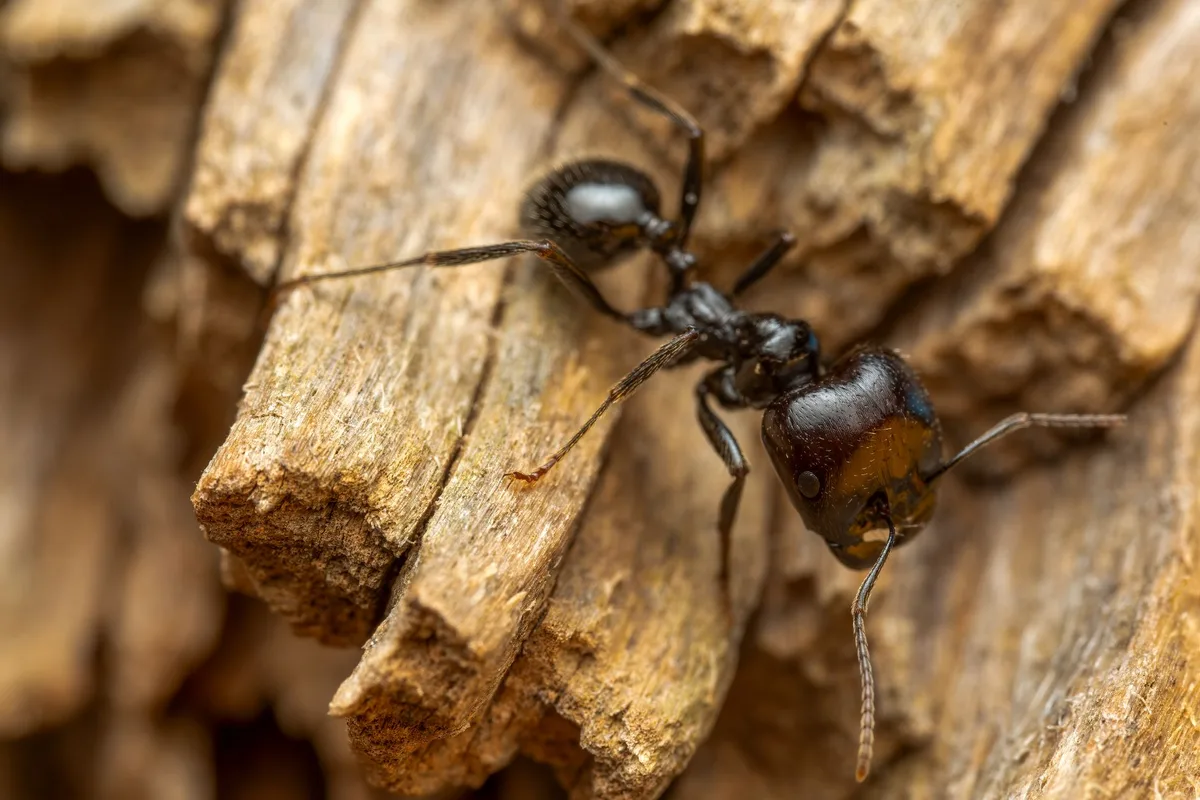
You grab a can, you spray. It works for a day. Then the bugs come back, or worse, they move to a new spot.
Sound familiar?
Here’s the thing: most off-the-shelf insecticides are broad-spectrum. They kill everything, the good bugs, the bad bugs, even the ones that were just passing through. That’s a problem because your yard or garden needs beneficial insects to stay balanced.
Kill them, and you actually invite more pests later.
The real mistake? Choosing based on the pest symptom instead of the pest species. Aphids and caterpillars need completely different chemistry.
So does a roach versus an ant. If you treat for the wrong pest, you’re wasting time and money.
Plus, using the same product repeatedly leads to resistance, the pest evolves. The EPA has documented resistance in over 600 insect species as of 2026. Once that happens in your home or garden, that chemical is useless forever.
That’s why we need a decision process, not a guess. Let’s walk through it step by step.
What’s the First Question? Locate the Pest First
Before you even think about insecticide, you need to know exactly what you’re dealing with. Not “bugs”, specifically which bug. A spider is not an insect, and many spider treatments don’t work on ants.
An earwig is not a roach.
So where do you look? Start where you see damage. Check:
- Under leaves, aphids, mites, whiteflies
- In cracks and crevices, roaches, silverfish, ants
- Along baseboards, carpet beetles, bed bugs
- In the soil around plants, grubs, cutworms, fungus gnats
- On the fruit or flowers, thrips, earwigs, beetles
Take a photo or catch one in a jar. Then match it to a field guide or extension service database.
Once you ID the pest, you can move on to location and safety. But that first step is non-negotiable. If you skip it, you’re flying blind.
Step 1 – Identify the Pest (The Most Missed Step)
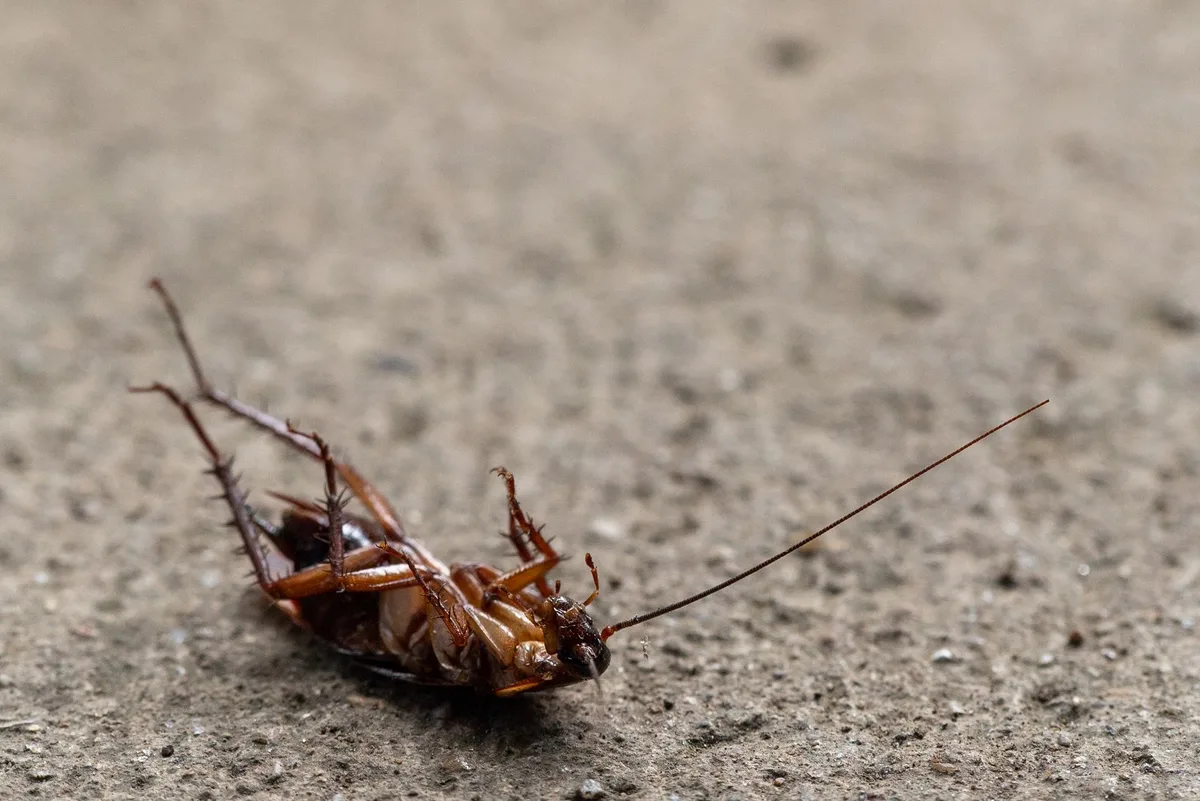
This is where most people go wrong. They see a flying insect and grab the nearest fly spray. But that fly might be a beneficial hoverfly that eats aphids.
Or it might be a fruit fly that needs a completely different bait.
So how do you ID a pest properly?
Start with the basics:
- Body shape: Long and slender (e.g., earwig) vs. round and fat (e.g., grub)
- Number of legs: 6 (true insect) vs. 8 (spider or mite)
- Wings: One pair, two pairs, clear, patterned
- Antennae: Long (cockroach) vs. short (aphid)
- Damage pattern: Holes in leaves, webs, chewed edges, sticky residue
For common pests, your local Cooperative Extension Service (a .edu site) has free fact sheets with photos. Just search “extension office [your state]” and you’ll find a pest ID page.
If you’re really stuck, take a clear photo and upload it to iNaturalist or the extension service’s ID portal. They’ll get back to you in hours.
Once you have a name, you can look up what insecticide is recommended for that specific species. That’s when the real decision begins.
Step 2 – Where Are You Spraying? (Indoor, Outdoor, Food Garden, or Lawn)
Location changes everything. An insecticide that’s safe on your lawn might be toxic to fish if it runs off into a pond. One that’s fine on concrete could damage your indoor plants.
And products labeled for “ornamental use only” can’t be used on vegetables.
Here’s a quick flow:
| Location | What’s allowed | What to avoid |
|---|---|---|
| Indoor (hard surfaces) | Contact sprays, baits, dusts (low odor) | High-VOC liquids, strong residual |
| Outdoor (flower beds) | Granules, liquid concentrates, wettable powders | Products toxic to bees (check label) |
| Vegetable garden | OMRI-listed organic sprays, insecticidal soaps, Bt | Synthetic pyrethroids within 7 days of harvest |
| Lawn | Granular insecticides, hose-end sprays | Dusts (ineffective on grass) |
Also consider the surface material. Smooth surfaces (tile, glass) hold liquids better than rough surfaces (brick, wood). Dusts cling well to cracks but blow away outdoors.
So before you buy, ask: Where exactly will I apply this? If the answer is “in the kitchen,” avoid anything with a strong odor or long residual that might contaminate food prep areas. If it’s a vegetable bed, go for organic options like neem oil or spinosad.
Step 3 – Who and What Lives Nearby? (Pets, Kids, Bees, Water)
This is the safety step, and it’s not optional. Insecticides don’t just kill bugs, they affect mammals, fish, and beneficial insects too.
Pets and kids are most vulnerable because they’re smaller and may put things in their mouths. If you have a dog that licks the floor or a toddler who plays in the garden, you need products with low mammalian toxicity. Look for:
- Signal word “Caution”, lowest toxicity
- Active ingredients: pyrethrins (plant-derived), diatomaceous earth, boric acid
- Avoid organophosphates and carbamates (signal word “Warning” or “Danger”)
Bees and other pollinators are killed by many common insecticides, especially neonicotinoids and pyrethroids. If you’re treating plants that are in bloom or visiting flowers, choose:
- Selective products (e.g., Bt for caterpillars, spinosad for thrips)
- Apply at dusk when bees are less active
- Avoid systemic insecticides that move into flowers
Water and aquatic life, fish, frogs, and insects that live in water are extremely sensitive. Never apply near ponds, streams, or storm drains. Look for “label restrictions for runoff” warnings.
Your safest bet? Use targeted products, ones that list only your specific pest, rather than broad-spectrum killers. That way you reduce exposure to everything else in the environment.
Decision Tree – Matching Pest + Location + Safety to Active Ingredient
Now you have three inputs: pest identity, location, and safety constraints. Here’s how to combine them into a choice.
Let’s say you’ve got aphids on your tomato plants in a raised bed. You want something that won’t harm bees (because the tomatoes are flowering) and is safe to harvest in a few days.
| Input | Answer |
|---|---|
| Pest | Aphids |
| Location | Vegetable garden, outdoors |
| Safety risk | Bees present, edible crop |
| Best active ingredient | Insecticidal soap (potassium salts of fatty acids) or neem oil |
Now a different example: German cockroaches in your kitchen. No kids, no pets, but food surfaces are present.
| Input | Answer |
|---|---|
| Pest | German cockroach |
| Location | Indoor kitchen |
| Safety risk | Food prep areas |
| Best active ingredient | Gel bait (e.g., fipronil or indoxacarb) – low volatility, contained |
And one more: Fire ants in your lawn near a playground where your kids play.
| Input | Answer |
|---|---|
| Pest | Fire ants |
| Location | Lawn, near play area |
| Safety risk | Children, pets |
| Best active ingredient | Spinosad granules (biodegradable, low toxicity) or bait granules |
See the pattern? You’re narrowing down from a long list of products to just a few that fit all three boxes. That’s how you avoid buying the wrong thing.
Formulation Matters – Liquid, Dust, Bait, or Granule? (How to Pick)
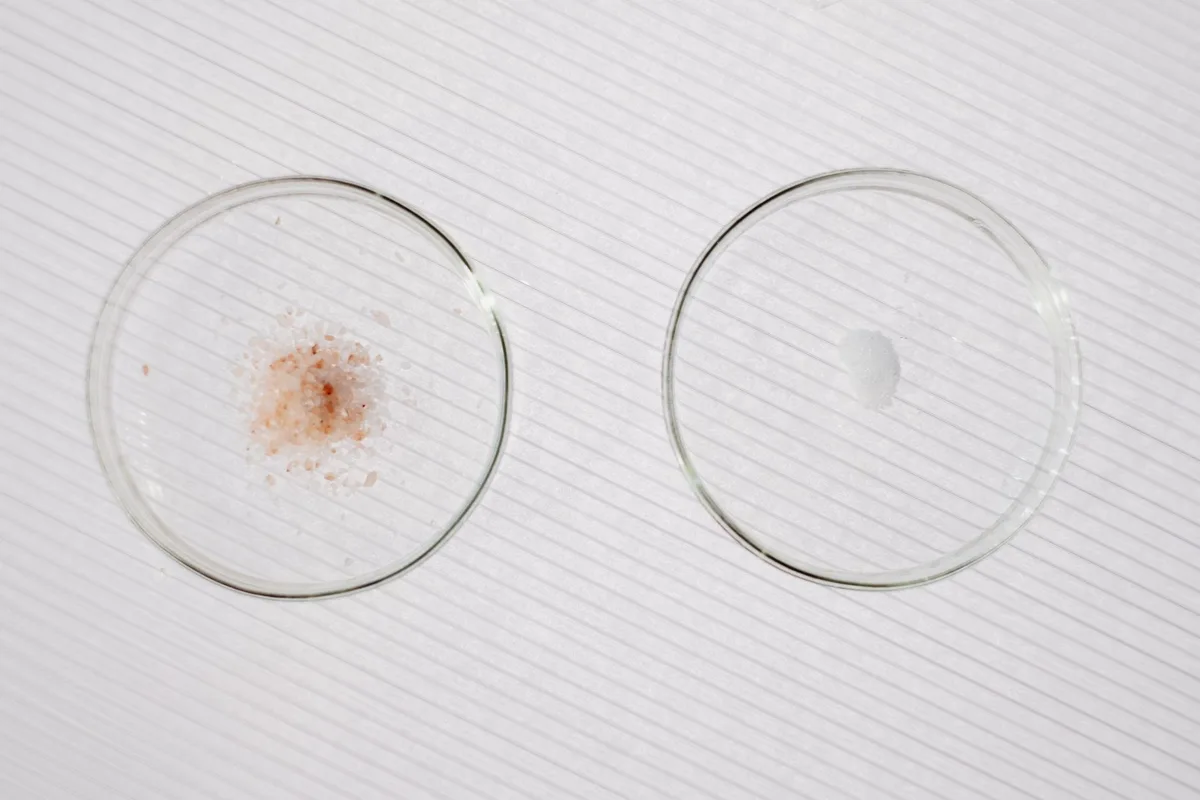
The same active ingredient comes in many forms. Choosing the wrong one can ruin your effort.
Here’s a breakdown of common formulations:
| Formulation | Best for | Avoid for |
|---|---|---|
| Liquid concentrate | Large areas, lawns, outdoor plants | Indoor, small spaces (hard to control drift) |
| Ready-to-use spray | Small indoor infestations, spot treatments | Large outdoor areas (expensive per gallon) |
| Dust | Cracks, crevices, wall voids | Exposed surfaces (dust drifts, messy) |
| Bait (gel or granule) | Roaches, ants, flies (they carry it back to nest) | Eliminating visible adults quickly (delayed effect) |
| Granule | Lawns, soil-dwelling pests (grubs, fire ants) | Indoor use, on foliage |
| Wettable powder | Outdoor foliage, vegetables (sticks well) | Indoor surfaces (white residue) |
Quick rule of thumb: If the pest is stationary (aphid, scale), use a spray. If the pest moves and hides (ant, roach), use a bait so it carries poison back to the colony. If the pest is in cracks or soil (grubs, earwigs), use a dust or granule.
Also consider convenience. If you only have a few plants, a ready-to-use bottle saves mixing and cleanup. If you’re treating a large lawn, a hose-end concentrate is faster.
Common Mistakes That Ruin Effectiveness (Resistance, Burn, Washed Away)
Even with the right product, you can mess it up. Here are the biggest mistakes people make:
1. Not reading the label for timing. Many insecticides need a dry period of 2, 4 hours after application. If it rains, you wasted the spray.
Others need to be applied at dusk to avoid bees. Skipping those windows = low effectiveness.
2. Using the same product every time. This breeds resistance. If you spot-treat with permethrin every month, the survivors become immune.
The EPA recommends rotating chemical classes, switch between a pyrethroid one month and a neonicotinoid the next. Or better, use a biological product (Bt) and a synthetic in alternating seasons.
3. Over-applying, burning plants. High concentrations of any insecticide can burn leaves, especially in hot sun. Always follow the label’s mixing rate.
More is not better.
4. Not targeting the right life stage. Some insecticides only kill adults, not eggs. Others only kill larvae.
If you treat for adult aphids but miss the eggs, you’ll be back in a week. Check the label for “kills eggs” if needed.
5. Under-applying, missing coverage. You need to cover both the top and bottom of leaves for sucking pests like spider mites. A quick sideways spray won’t cut it.
6. Ignoring the “re-entry interval.” Many labels say you can’t let people or pets into the treated area for 12, 24 hours. Walking on a wet insecticide track, it inside.
Follow the waiting period.
Safety & Legal Must-Knows – Reading the Label, REI, PHI, and PPE
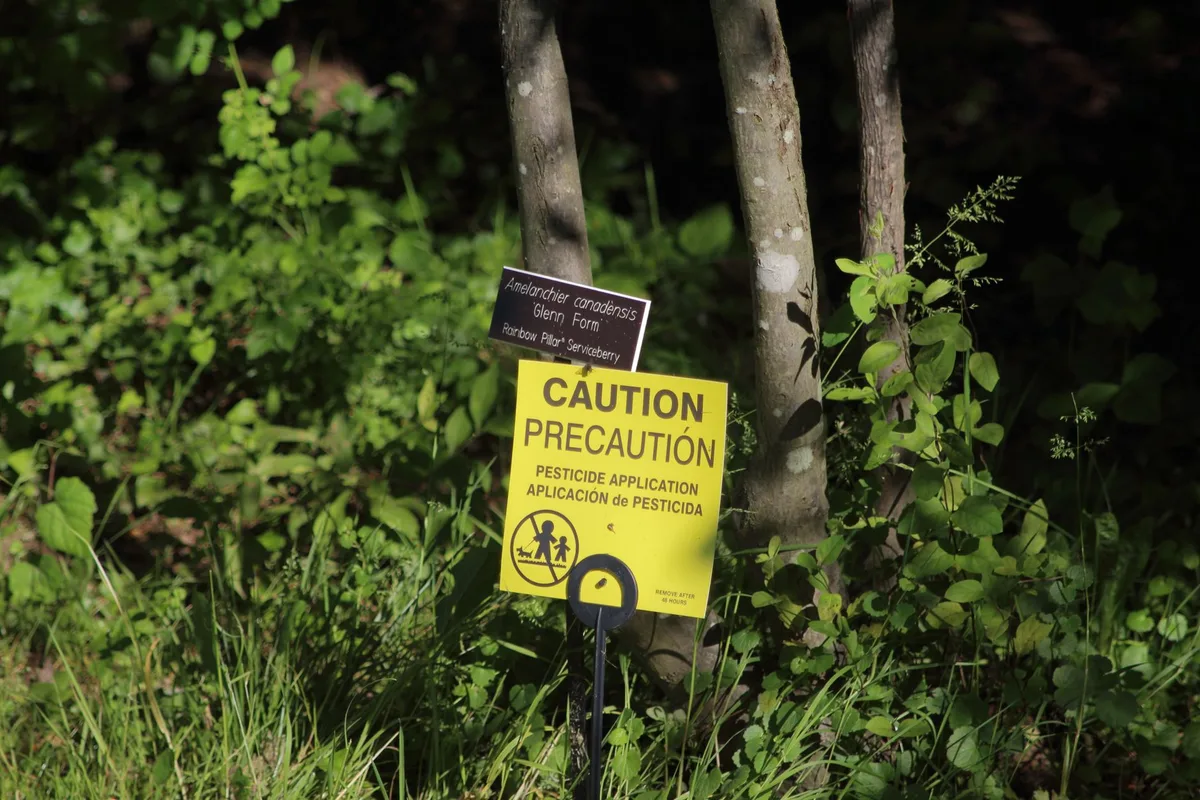
The label is not optional. It’s legally binding. If you use a product in a way that violates the label, you’re breaking federal law.
Signal words tell you the acute toxicity:
| Signal word | Toxicity level | What it means |
|---|---|---|
| Caution | Low | Slightly toxic – rinse mouth if swallowed |
| Warning | Moderate | Moderately toxic – avoid skin contact |
| Danger | High | Highly toxic – can cause severe burns or death |
REI (Re-entry Interval): The time you must wait before people or pets can go back into the treated area. For indoor use, this is often 4, 12 hours. For outdoor agricultural, it’s up to 48 hours.
PHI (Pre-harvest Interval): The number of days between application and harvesting edible crops. For most synthetic insecticides on vegetables, it’s 7, 14 days. Organic products may have 0, 1 day.
PPE (Personal Protective Equipment): The label will specify gloves, long sleeves, goggles, or a respirator. Always wear them. Insecticide absorbed through skin can cause headaches, nausea, or worse.
One more thing: disposal. Never pour leftover insecticide down the drain or into storm drains. Contact your local hazardous waste facility.
Empty containers should be triple-rinsed and recycled.
Rotating Insecticides – Why You Can’t Use the Same One Every Time
Pest resistance is a big deal. In fact, the Insecticide Resistance Action Committee (IRAC) has classified active ingredients into groups. If you use a product from Group 3A (pyrethroids) every time, you train the pest to ignore it.
To avoid that, follow this rotation pattern:
- First application: Use a Group 3A (pyrethroid) like bifenthrin
- Second application (next round): Use a Group 4A (neonicotinoid) like imidacloprid
- Third application: Use a Group 5 (spinosyn) like spinosad
Wait, that’s three different modes of action. That’s enough to keep resistance low.
The same idea applies to baits. If you use a bait with fipronil (Group 2B) this month, use abamectin (Group 6) next time.
For organic gardens, you can rotate neem oil (Group UN, unknown) with insecticidal soap (mechanical mode) and Bt (crystal toxin). That works too.
When to Call a Professional (Red Flags You Shouldn’t Ignore)
You can handle most home pest problems yourself. But some situations need a licensed pro:
- Large infestations, if you see dozens of roaches or ants per day, you likely have a nest inside walls or subfloor. DIY sprays won’t reach there.
- Termites, never use consumer insecticides for termite control. They require specialized equipment and deep injection.
- Bed bugs, confirmed bed bugs are notoriously hard to treat. Professionals use heat treatment and residual dusts.
- Fleas or ticks in the yard, a heavy infestation may require whole-yard granules or fogging, best left to pros.
- Structural pests, carpenter ants, powderpost beetles, and wood-boring beetles need treatment inside voids.
If you’re unsure, call your county extension office. They can often recommend a licensed applicator at no cost.
Decision Guide – One-Page Flowchart (Text Version)
Here’s a simple decision tree you can follow:
Identify pest (photo, description)
, Dead end? Use an extension ID toolWhere is it?
, Indoor → go to step 3a
, Outdoor food garden → step 3b
, Lawn → step 3c
3a. Indoor
, On hard surface → RTU spray
, In cracks → dust or gel bait
3b. Outdoor food garden
, Edible harvest soon → OMRI-listed soap or Bt
, No harvest for 14 days → synthetic pyrethroid
3c. Lawn
, Grubs or ants → granular bait or hose-end spray
- Safety check
, Kids/pets present → use “caution” products only
, Bees present → apply at dusk, skip if in bloom
Read label
, Signal word, REI, PHI, mixing rateApply correctly
, Cover all surfaces, wait for dry timeRotate next time
, Use a different active ingredient class
That’s it. Follow this flowchart and you’ll rarely waste money or harm the environment.
Frequently Asked Questions
How many days should I wait between insecticide applications?
Most labels specify a minimum reapplication interval of 7 to 14 days for outdoor use. Indoor baits may have no wait, but sprays often need 10 to 14 days between treatments. Over-applying faster wastes product and speeds resistance.
Can I mix two insecticides together to make it stronger?
Never mix insecticides unless the label explicitly says it’s safe. Mixing can cause chemical reactions, reduce effectiveness, or create toxic fumes. Always apply one product at a time, and wait at least 24 hours before switching.
Is it safe to use insecticide around birds?
Birds are generally less sensitive than fish, but some insecticides (especially organophosphates) are toxic to birds. Read the label for “Avian toxicity” warnings. Avoid spraying near bird feeders or nests.
Granular formulations are safer than sprays.
Do I need a license to buy professional-grade insecticides?
No, most consumer insecticides are available without a license. Professional-grade (e.g., Talstar, Temprid) can be bought online but require strict adherence to label rates. Some states restrict sale of certain neonicotinoids to licensed applicators only, check your state ag department.
What’s the difference between a repellent and a non-repellent insecticide?
Repellent insecticides (like pyrethroids) drive bugs away from the treated area but may not kill them. Non-repellent insecticides (like fipronil or imidacloprid) are invisible to pests, so they walk through it and carry it back to the nest, killing the colony. Baits are non-repellent.
For ants and roaches, non-repellent is usually better.
How do I store unused insecticide safely?
Keep it in its original container with the label intact. Store in a locked cabinet away from food, animal feed, and heat sources. Temperature extremes can degrade the chemical, aim for a cool, dry room (below 85°F).
Never transfer to a drink bottle.