How to Protect Trees From Insects 2026
The Real Problem: Not All Bugs Are Bad, But Some Kill Trees
Let’s be honest, when you see a bug on your tree, your first instinct might be to grab a spray can. But here’s the truth: most insects in your yard are either harmless or actually helpful. Pollinators, predators, and decomposers keep the ecosystem running.
The problem starts when you get the wrong kind of insect, at the wrong time, on a tree that’s already struggling.
Insects that kill trees are almost always opportunistic. They target trees that are stressed, injured, or poorly sited. The emerald ash borer alone has killed hundreds of millions of ash trees across North America since it arrived in the 1990s.
According to the USDA Forest Service, invasive insects cause billions in property damage and tree loss each year. That’s why learning how to protect trees from insects isn’t about nuking every bug. It’s about knowing when to act, and when to leave things alone.
Quick Answer
Look at your tree closely. Identify the pest. Check the tree’s health.
Then choose control wisely. Healthy trees resist most bugs. Stressed trees attract them.
Inspect in spring and again in midsummer. If you see damage, identify the pest first. Then pick the right solution: cultural, biological, mechanical, or chemical.
The Real Problem: Not All Bugs Are Bad, But Some Kill Trees
Most of the insects you see in your yard are neutral or beneficial. Ladybugs eat aphids. Parasitic wasps control caterpillars.
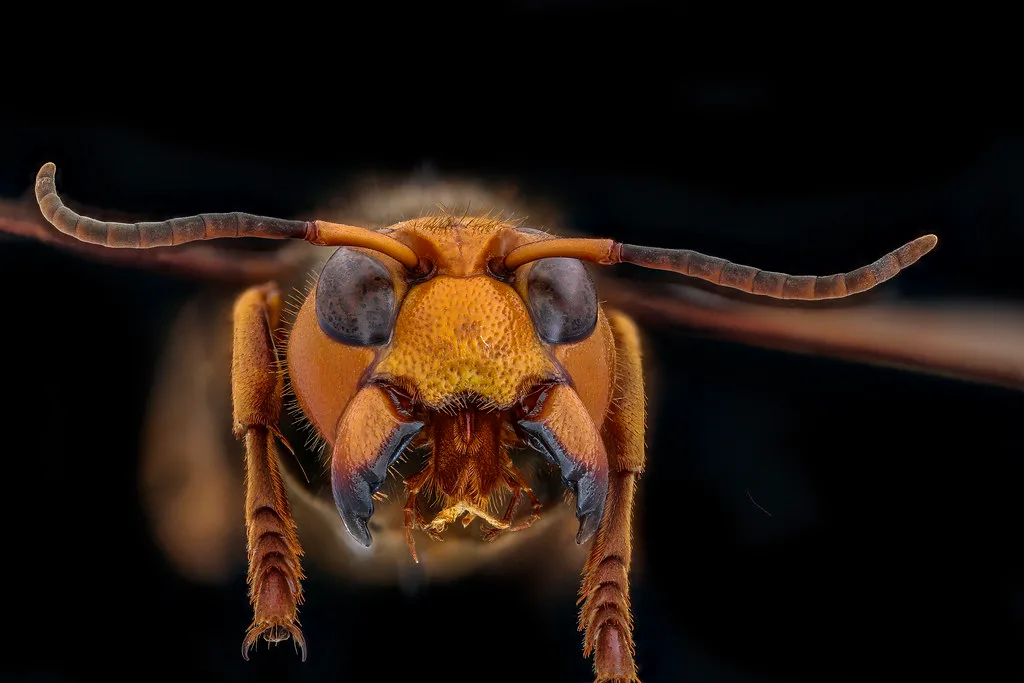
Spiders prey on flies and beetles. The trouble comes from a small handful of pests that can weaken or kill a tree if left unchecked, especially borers, bark beetles, and certain leaf-feeders like the gypsy moth.
Quick reference: Out of the roughly 90,000 insect species in North America, fewer than 1% are serious tree pests. That means 99 out of 100 bugs you see are fine.
The key difference between a healthy tree and a doomed one is usually stress. A well-watered, properly pruned, and well-sited tree can fend off moderate pest pressure. But put that same tree in a drought, with a lawnmower wound at the base, and it becomes a magnet for borers and bark beetles.
This is where most homeowners go wrong, they spray first and ask questions later. That approach often makes things worse by killing natural predators and pollinators. So let’s walk through the right way, step by step.
Step 1: Inspect Your Tree – What to Look For and When
You can’t protect a tree you don’t watch. Regular inspection is the single most effective thing you can do. The best times?
Early spring (just before bud break), midsummer (when most pests are active), and again in early fall after leaf drop.
Here’s what to look for:
| Sign | What It Means |
|---|---|
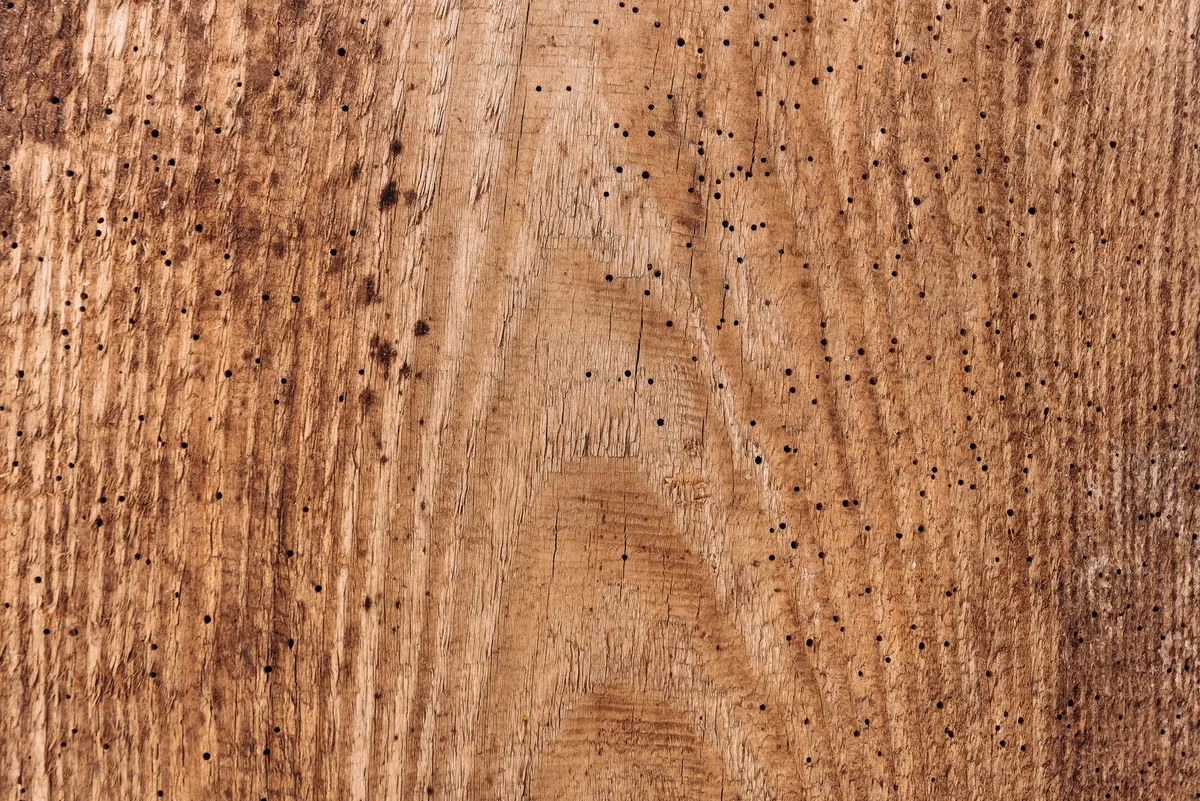
| D-shaped exit holes in bark | Borers (emerald ash borer, bronze birch borer) |
| Gummy sap or pitch tubes on trunk | Bark beetles or borers |
| Frass (fine sawdust) at base or in bark crevices | Borers or wood-boring caterpillars |
| Sticky honeydew on leaves or under tree | Aphids, scale, or adelgids |
| Sooty black mold on leaves or branches | Sap-feeders (often scale or aphids leaving honeydew) |
| Chewed leaves, skeletonized leaves | Japanese beetles, caterpillars, sawflies |
| Webbing or tents in branch crotches | Tent caterpillars, fall webworms |
| Wilted or discolored leaves in patches | Borers, root damage, disease |
Don’t just look at the trunk. Check the canopy. Lift up loose bark around wounds.
Look at the base where the trunk meets the soil. And check the root zone for compaction, pooling water, or recent construction damage.
If you see any of these signs, move to Step 2. Don’t panic, many minor infestations are manageable.
Step 2: Identify the Pest – Borers, Sap-Feeders, or Leaf-Feeders?
Now you need to figure out what you’re dealing with. Most tree pests fall into one of three groups. The control method changes completely depending on which group you’re in.
Borers
These are the worst. Borer larvae tunnel into the trunk, branches, or roots. They disrupt the tree’s plumbing (xylem and phloem) and can kill a tree in one or two seasons.
Common examples:
- Emerald ash borer (ashes)
- Bronze birch borer (birches)
- Peachtree borer (stone fruits)
- Bark beetles (pines, spruces, firs)
Key sign: D-shaped exit holes, sawdust-like frass, or pitch tubes. Borers often attack stressed trees first.
Sap-Feeders
These insects suck sap from leaves, stems, or branches. They rarely kill a tree directly, but heavy infestations weaken it and leave sticky honeydew that grows sooty mold. Examples:
- Aphids (many trees)
- Scale insects (oak, maple, magnolia)
- Adelgids (hemlocks, firs)
- Whiteflies
Key sign: sticky leaves, black sooty mold, yellowing or curling leaves.
Leaf-Feeders
These chew leaves, skeletonize them, or mine inside the leaf tissue. A healthy tree can usually handle moderate defoliation, but repeated stripping weakens it. Examples:
- Japanese beetles (300+ host plants)
- Gypsy moth caterpillars (oaks, aspens, birches)
- Tent caterpillars (cherry, apple, hawthorn)
- Bagworms (arborvitae, juniper, spruce)
- Leafminers (birch, holly, boxwood)
Key sign: irregular holes, skeletonized leaves, tents, bags hanging from branches.
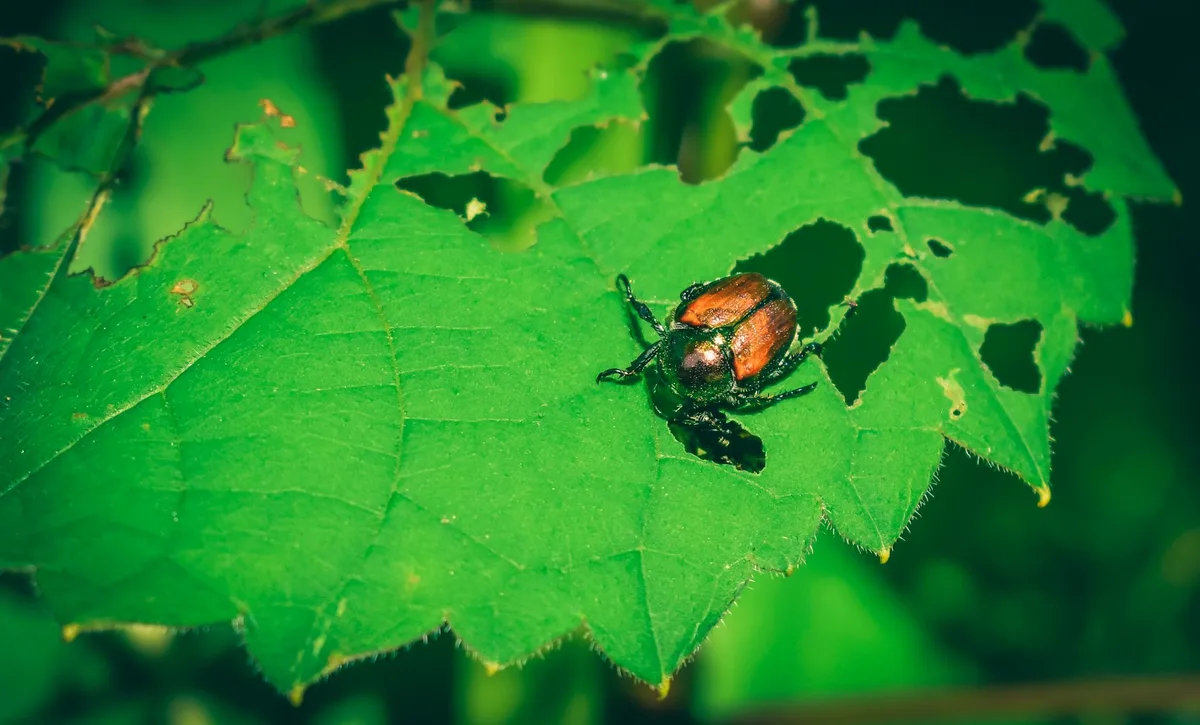
Here’s a quick comparison table:
| Pest Group | Damage Type | Typical Trees | Severity |
|---|---|---|---|
| Borers | Holes, sawdust, branch dieback | Ashes, birches, stone fruit, pines | High – can kill tree |
| Sap-feeders | Sticky leaves, sooty mold, yellowing | Oaks, maples, citrus, hemlocks | Moderate – weakens tree |
| Leaf-feeders | Chewed or missing leaves | Oaks, fruit trees, ornamentals | Low to moderate – recovery likely |
If you’re unsure, take a clear photo of the damage or the insect itself and send it to your local cooperative extension office. They can identify it for free.
Step 3: Check Tree Health – Because Stressed Trees Attract Trouble
Before you reach for any treatment, ask yourself: Is this tree healthy? You might be surprised how many pest problems start below ground.
Stressed trees produce chemical signals (volatile organic compounds) that attract pests. It’s like a dinner bell for borers and bark beetles. A tree that’s well-watered, properly mulched, and free of wounds can resist pests much better than one that’s struggling.
Here are the most common stress factors that invite insects:
- Drought stress, The number one culprit. A tree that hasn’t been watered deeply during dry spells is vulnerable.
- Improper pruning, Topping a tree or cutting flush with the trunk creates large wounds that don’t heal properly.
- Lawnmower and string trimmer damage, Wounds at the base of the trunk are entry points for borers.
- Soil compaction, Heavy foot traffic, vehicles, or construction near the root zone suffocate roots.
- Root damage, Trenching or grading near the tree cuts roots and reduces water uptake.
- Poor site conditions, Planting a tree that’s not suited for your climate (like a birch in hot, dry ground) puts it under constant stress.
How to improve tree health
You can’t fix every stress factor overnight, but you can reduce the risk significantly.
- Water deeply during dry periods. A slow, long soak once a week is better than a quick sprinkle every day.
- Mulch around the base (2 to 4 inches deep, but keep it off the trunk). This insulates roots, retains moisture, and reduces competition from grass.
- Prune properly, remove dead, dying, or crossing branches, but never remove more than 25% of the canopy in a year. Use sharp tools and make clean cuts.
- Avoid trunk wounds, keep mowers and trimmers at least a foot away from the trunk. Use a trunk guard if necessary.
- Fertilize only if needed, over-fertilizing with high-nitrogen lawn fertilizer can actually attract aphids and promote weak growth. If your tree is growing well, skip the fertilizer. For fruit trees, use a balanced organic fertilizer to support fruiting and overall health.
Feeding your tree right matters. A well-fed tree is more resilient against pests. Our guide on choosing the best organic fertilizer for fruit trees covers what works for fruiting varieties.
For pomegranate trees specifically, check out our detailed recommendations in our best fertilizer for pomegranate trees article.
Internal link: best organic fertilizer for fruit trees
Internal link: best fertilizer for pomegranate trees
Once you’ve assessed the tree’s health and corrected any obvious stress factors, you’re ready to move to the decision tree. That’s where we’ll walk through which control method matches your specific pest and situation. (We’ll cover that in the next section of the full article.)