How to Prevent Fungus Gnats 2026
If you’ve ever watered a houseplant only to see tiny black flies swarm up from the soil, you know the frustration. Those are fungus gnats, and they’re not just annoying. They can damage roots and stunt growth if left unchecked.
Learning how to prevent fungus gnats starts with understanding one simple thing: they need consistently wet soil to survive.
A single female gnat can lay up to 200 eggs in her short 7, 10 day lifespan. Those eggs hatch into larvae that feed on organic matter and root hairs. The entire life cycle completes in about 28 days at room temperature.
That’s why an infestation can explode so fast. Let’s walk through exactly what attracts them and how to break the cycle.
Why Fungus Gnats Keep Showing Up (And What You’re Probably Doing Wrong)
If you’ve been battling gnats for months, you’re not alone. Most people make the same mistake: they treat the adults but ignore the real problem.
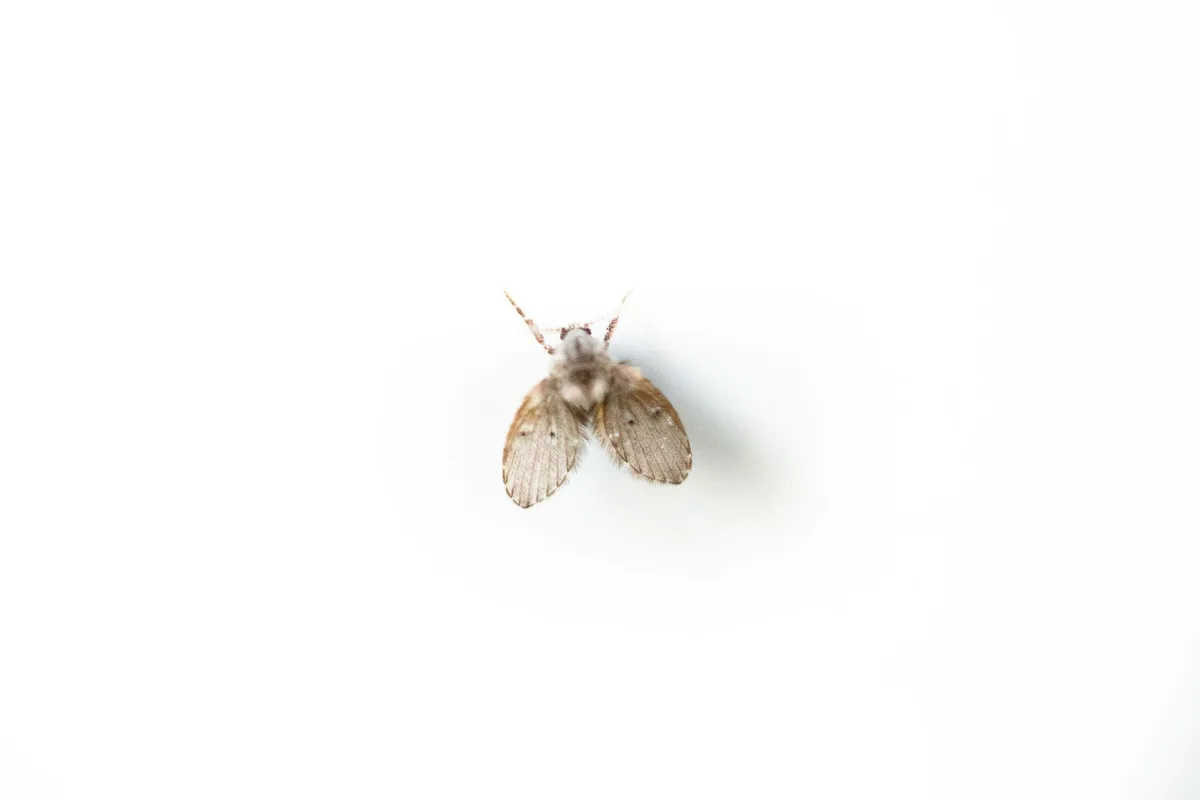
Adult gnats are just the visible part of the iceberg. The larvae live in the top 2 to 3 inches of soil. They need damp conditions to breathe and feed.
Keep the soil wet long enough, and you’re basically running a nursery for gnats.
Here’s what usually goes wrong:
- Watering on a fixed schedule. Plants don’t need water every Tuesday. They need it when the soil dries out. A schedule ignores that.
- Using dense, peat-heavy potting mix. Peat holds moisture like a sponge. That’s great for water retention but terrible for gnat prevention.
- Leaving saucers filled with water. Standing water in the tray keeps the bottom of the soil constantly wet. Gnats love that.
- Bringing home infested plants. A new plant from a nursery or big-box store often already has gnat eggs in the soil. Quarantine is your friend.
The biggest shift you can make is simple: stop watering until the soil needs it. We’ll get into how to check that in a minute.
Quick Answer: The One Change That Prevents Most Infestations
The single most effective prevention method is letting the top 1 to 2 inches of soil dry completely between waterings. Use a moisture meter or your finger. If it feels damp, don’t water.
That’s it. Dry soil kills gnat eggs and larvae. Combine this with proper potting mix, and you’ll rarely see gnats again.
How Fungus Gnats Live and Breed – A 28-Day Life Cycle That Starts in Wet Soil
Understanding the life cycle is the key to prevention. You’re not fighting the adults. You’re fighting the next generation hiding in the dirt.
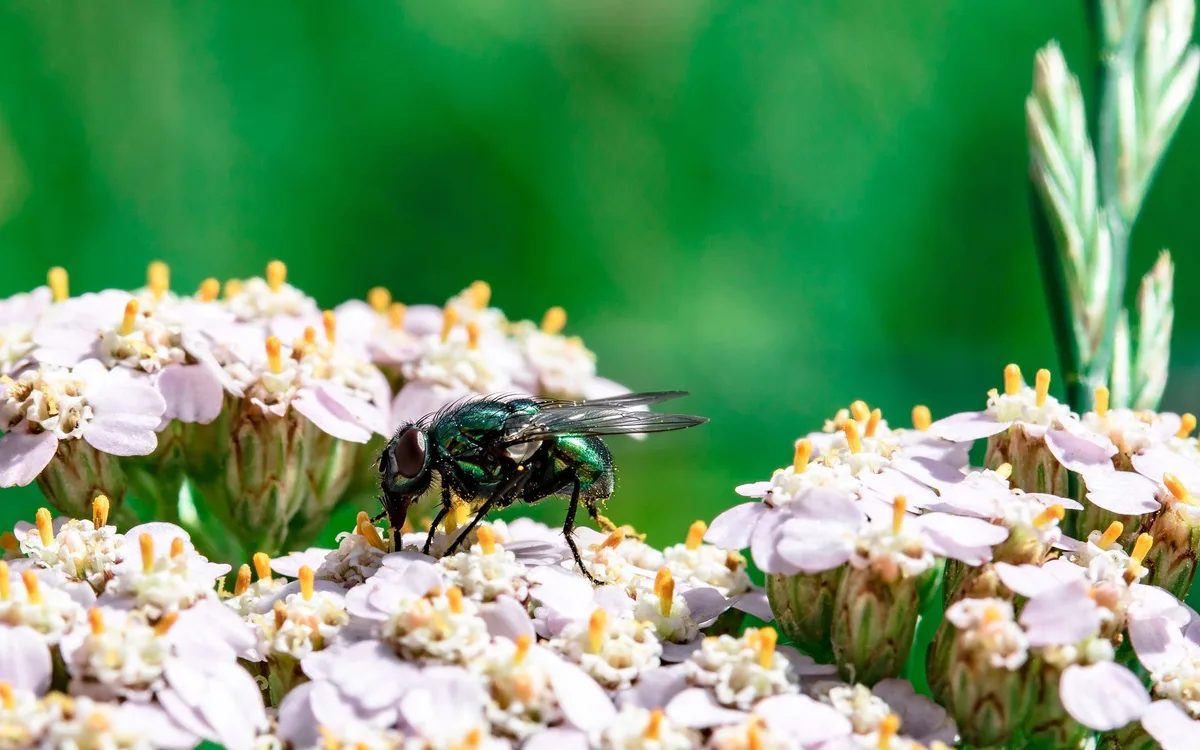
Adult female gnats lay eggs in moist organic matter. That means your potting soil is prime real estate. The eggs hatch in 4 to 6 days into tiny translucent larvae with black heads.
Those larvae feed on fungi, decaying plant material, and root hairs. They’re the ones causing real damage.
The larvae live for about 14 days before pupating. Then adults emerge, mate, and start the cycle over. At typical indoor temperatures of 68 to 77°F, the whole cycle runs in about 28 days.
That means one female can produce hundreds of offspring in less than a month.
Here’s what matters for prevention:
| Stage | Duration (at room temp) | Where they live | What kills them |
|---|---|---|---|
| Egg | 4–6 days | Top 1–2 inches of moist soil | Drying, Bti |
| Larva | 12–14 days | Soil, feeding on roots | Drying, Bti, hydrogen peroxide, nematodes |
| Pupa | 4–5 days | Soil | Drying, Bti |
| Adult | 7–10 days | Above soil, weak fliers | Sticky traps, vacuuming |
The larvae are the stage you need to target. Adults are just symptoms.
The Decision Tree: Step-by-Step Gnat Prevention Based on Your Situation
Your prevention strategy depends on your current situation. Are you starting fresh? Already seeing gnats?
Had a full infestation before? Each path is different. Use this decision tree to find your exact next step.
Step 1: Are You Overwatering? How to Check Soil Moisture the Right Way
This is the most important step. If you’re overwatering, nothing else will fully work.
Stop watering on a schedule. Instead, check the soil first. Use one of these methods:
- Finger test. Stick your index finger into the soil up to the second knuckle. If it feels damp at that depth, don’t water.
- Moisture meter. Insert the probe 2 inches deep. If the reading is above 3 or 4 (on a 1, 10 scale), wait.
- Weight test. Pick up the pot. Wet soil is heavy. Dry soil is noticeably lighter. Learn the difference.
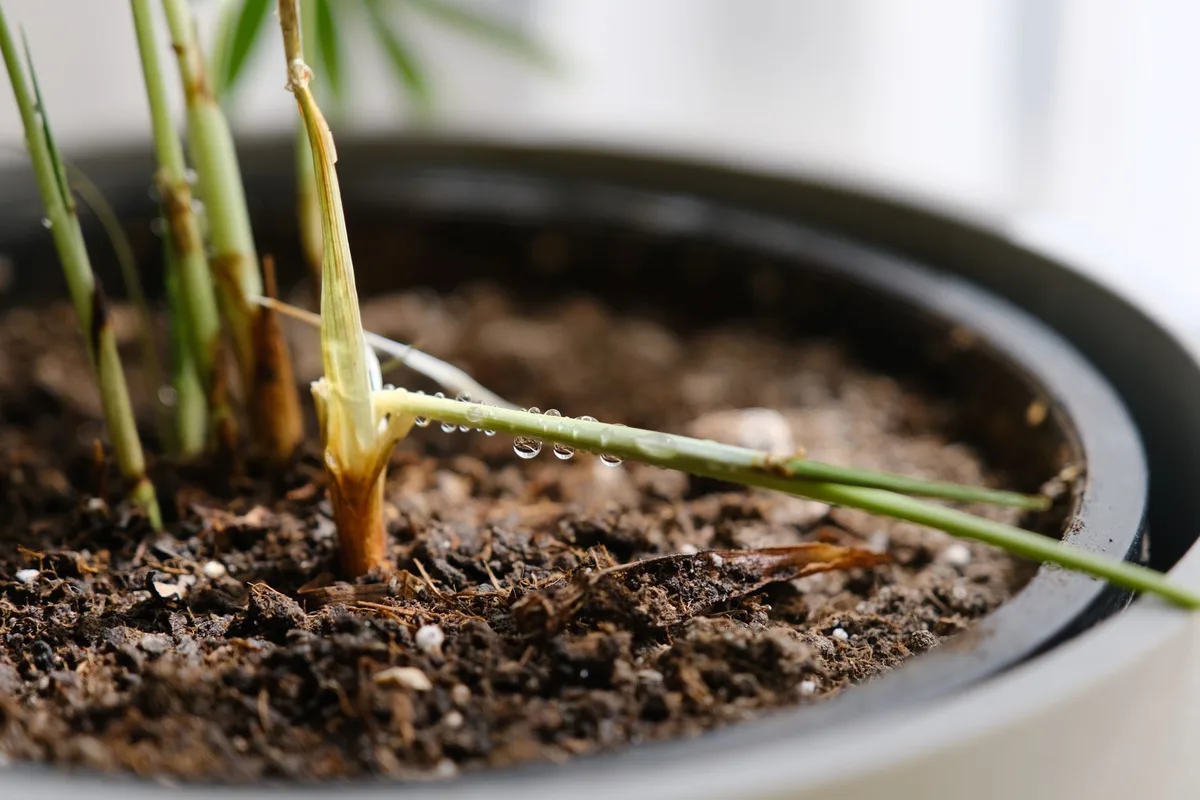
For most houseplants, you want the top 1 to 2 inches completely dry before you water again. Some plants (succulents, cacti) need the whole pot to dry out. Others (ferns, peace lilies) prefer consistent moisture but still need the top inch to dry between waterings.
The key is consistency. Check every plant before watering. Don’t assume.
Step 2: What Potting Mix Are You Using? Why Peat-Heavy Soils Attract Gnats
Not all potting mixes are equal. Peat moss holds onto water like a sponge. That’s great for moisture-loving plants but terrible for gnat prevention.
Peat-based mixes stay damp longer, giving gnats more time to breed.
If you’re prone to gnats, consider switching to a mix with more perlite, pumice, or coco coir. Coco coir drains better and is less attractive to gnats. You can also add extra perlite to your existing mix to improve drainage.
For the best results, use a well-draining potting mix specifically designed for your plant type. Succulent mixes, orchid mixes, or aroid mixes all drain faster than standard all-purpose potting soil.
One more tip: avoid using garden soil or compost indoors. Both are full of organic matter that attracts gnats and other pests.
Step 3: Do You See Adult Gnats or Just Want to Prevent Them? (Two Different Paths)
If you don’t see gnats yet: focus on watering habits and potting mix. That’s usually enough to keep them away. Consider adding a top dressing of sand or fine gravel to the soil surface.
That blocks gnats from laying eggs.
If you see a few adults: you likely have larvae already in the soil. Start with drying the soil and using yellow sticky traps to monitor. Then move to Step 4.
If you see many adults (10+ per sticky trap per day): you have an active infestation. Skip to Step 5. You’ll need a more aggressive approach.
Step 4: If You’re Already Seeing a Few Gnats – Early Intervention Without Chemicals
You can often stop a small problem before it turns into a big one. Here’s the approach:
- Let the soil dry. Stop watering for several days until the top 2 inches are bone dry. This kills many eggs and larvae.
- Place yellow sticky traps. Cut them into strips and place them at soil level. They catch adult gnats and break the breeding cycle.
- Use a hydrogen peroxide drench. Mix one part 3% hydrogen peroxide with four parts water. Water the plant with this solution. It kills larvae on contact and adds oxygen to the roots.
- Remove the top inch of soil. If you can, scrape off the top layer of soil and replace it with dry, fresh potting mix or a sand top dressing.
Repeat the peroxide drench every 3 to 4 days for two weeks. Combine with sticky traps and drying, and you’ll usually knock out the problem.
Step 5: If You’ve Had Infestations Before – Long-Term Prevention That Works
If gnats keep coming back, you need a system. Here’s what works long-term:
- Switch to bottom watering. Water from the bottom by placing the pot in a tray of water. The top inch of soil stays dry, which blocks eggs from hatching. This is one of the most effective prevention methods.
- Use Bti in every watering. Bti (Bacillus thuringiensis israelensis) is a natural bacteria that targets gnat larvae without harming plants, pets, or people. Add a Mosquito Dunk or Bits to your watering can. Use it consistently.
- Apply a top dressing. Cover the soil surface with 1/2 inch of sand, fine gravel, or diatomaceous earth. This creates a physical barrier that prevents gnats from laying eggs.
- Quarantine new plants. Keep new plants in a separate room for 3 weeks. Monitor them with sticky traps before adding them to your collection.
This combination of bottom watering, Bti, and top dressing creates a nearly gnat-proof environment. Stick with it for a full month to break the cycle completely.
If you keep fresh potting mix on hand and use a well-draining blend with extra perlite, you’ll reduce the organic matter that gnats feed on. For more tips on choosing the right containers, our guide to potting options for epiphytic plants can help you pick pots that drain well and discourage moisture buildup.
Matching the Right Prevention Method to Your Plant Type and Environment
Not all plants need the same approach. Tailor your prevention to what you’re growing.
For Succulents and Cacti: Focus on Soil Drying and Top Dressing
Succulents and cacti naturally prefer dry conditions. That already works in your favor. The risk comes from overwatering or using dense potting mix.
Use a gritty succulent mix with lots of perlite or pumice. Water only when the soil is completely dry. A top dressing of pebbles or coarse sand adds protection.
If you see gnats in succulents, it’s almost always because the soil stayed wet too long. Let it dry out completely before watering again.
For Moisture-Loving Plants (Ferns, Peace Lilies): Bottom Watering + Bti
Ferns, peace lilies, and calatheas need consistent moisture. That makes them prime targets. The best approach here is bottom watering plus Bti.
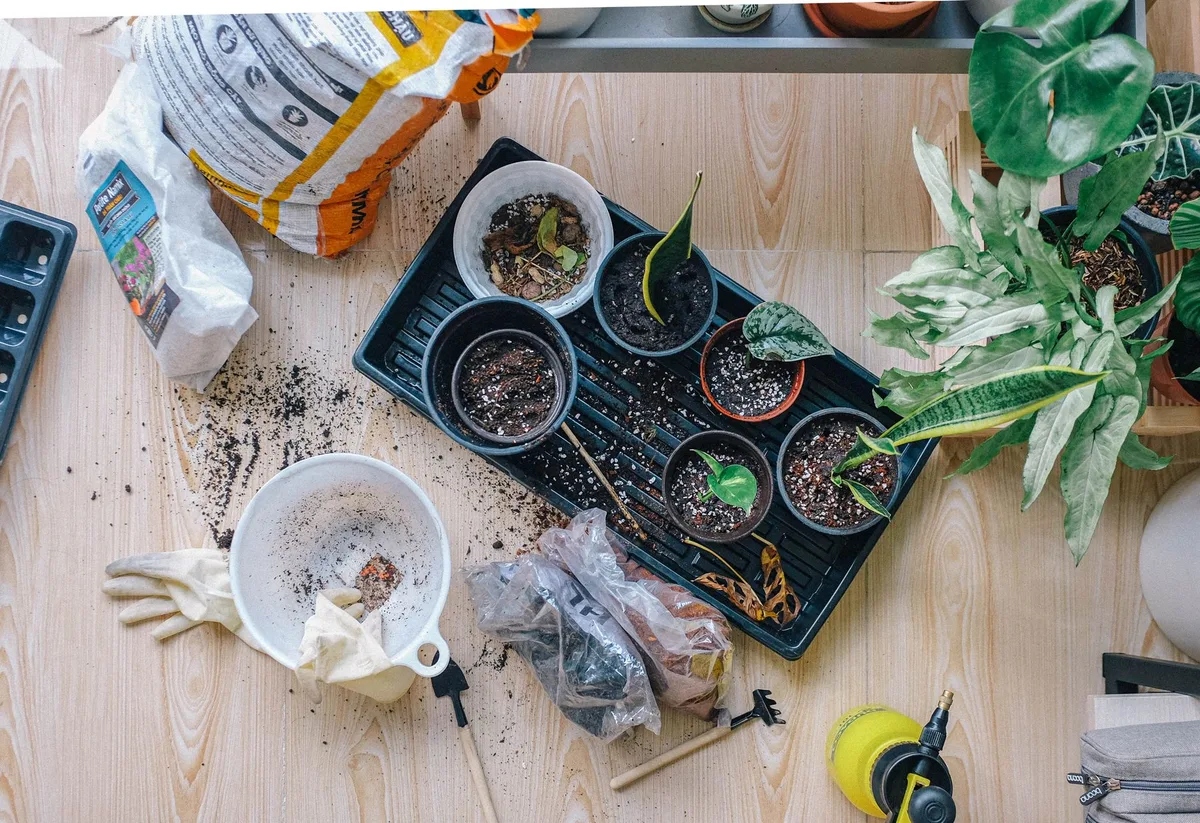
Bottom watering keeps the top of the soil dry while still giving the roots the water they need. Add Bti to the water in the tray. The roots take up the water, and any larvae in the soil get exposed to the bacteria.
A top dressing of coarse sand can also help. Just make sure the sand doesn’t get washed away during watering.
For more ideas on which plants work well in low-light or humid environments, check out our guide to bedroom-friendly houseplants. Many of those plants need higher humidity but can still stay gnat-free with the right watering method.
For Seed Starts and Propagation Trays: Sterile Mix and Physical Barriers
Seed starting and propagation create ideal conditions for gnats: constant moisture and lots of organic matter. Use a sterile seed-starting mix instead of garden soil. Keep the soil surface covered with a thin layer of vermiculite or fine sand.
Bottom watering is especially useful here. Avoid overhead watering that keeps the soil surface wet. If you’re using a humidity dome, remove it periodically to let the top soil dry.
If you use grow lights, they can help dry the soil surface faster. Our article on seedling lighting options covers setups that support healthy seedlings while keeping the environment less hospitable to gnats.
Mistakes That Sabotage Prevention (Even When You Think You’re Doing It Right)
Even with good intentions, a few common errors can undo all your effort. Here’s what trips people up most.
Watering only when the plant looks droopy. By then the roots are stressed and the soil has been wet long enough for gnat eggs to hatch. Check moisture before watering, not after the plant wilts.
Using sticky traps as the only control. Traps catch adults but do nothing to the larvae in the soil. They’re a monitoring tool, not a solution. You still need to dry the soil and treat the larvae.
Applying Bti inconsistently. A single dose kills some larvae but misses later egg hatches. You need to follow the label schedule, usually every 7 to 10 days for at least a month.
Skipping quarantine for new plants. One infested pot can spread gnats to your entire collection. Keep new plants separate for 2 to 3 weeks and monitor them with a sticky trap before mixing them in.
Adding a decorative mulch that holds moisture. Chips, bark, or moss on top of the soil keep the surface damp longer. Use sand or fine gravel instead for a top dressing.
Bottom watering without also letting the top dry. Bottom watering keeps the surface dry, which is good. But if you leave water in the tray for days, the bottom of the pot stays saturated. Dump the tray after 30 to 60 minutes.
The Tools and Products That Actually Help (And Which Ones to Skip)
You don’t need a dozen products, but a few targeted ones make prevention much easier. Here’s what our research shows works and what’s a waste of money.
Tools worth buying:
| Product | What it does | How to use |
|---|---|---|
| Moisture meter | Measures soil moisture at root level | Insert 2 inches deep. Water only when reading is low (1–3) |
| Yellow sticky traps | Catches adult gnats | Cut into strips and place at soil level. Replace every 2 weeks |
| Bti (Mosquito Dunks or Bits) | Kills larvae | Add to watering can per label. Use consistently for 4 weeks |
| Bottom watering tray | Allows plants to absorb water from below | Fill tray, let pot sit 30–60 min, then dump excess |
| Food-grade diatomaceous earth | Dehydrates larvae and adults on contact | Sprinkle dry layer on top of soil. Reapply after watering |
Products you can skip:
- Spray-on pesticides for adults. They kill a few flying gnats but miss the larvae. You end up spraying repeatedly with little effect.
- Houseplant “gnat traps” that plug into soil. Most are just sticky cards in a plastic holder. Paying extra for the holder doesn’t improve results.
- Essential oil sprays (cinnamon, peppermint). They repel adults briefly but don’t penetrate soil to reach larvae. They’re not a reliable prevention tool.
One more thing: a quality potting mix with good drainage is your best long-term investment. Our research consistently shows that growers who switch to a well-draining blend with extra perlite or coco coir see a dramatic drop in gnat problems. For more on selecting the right soil amendments, our article on indoor plant nutrition covers how to balance drainage with feeding.
Maintenance Routine: How to Keep Gnats Away for Good
Prevention isn’t a one-time fix. It’s a set of habits you build into your plant care routine. Here’s a simple weekly and monthly schedule.
Weekly tasks:
- Check soil moisture on every plant before watering. Use a meter or finger test.
- Wipe down saucers and trays. Remove any standing water.
- Inspect sticky traps. If you catch more than 5 gnats per trap, escalate treatment.
- Rotate plants if needed to ensure even drying.
Monthly tasks:
- Replace sticky traps.
- If you’ve had gnats before, apply Bti to your watering can for one full month.
- Refresh top dressing (sand or diatomaceous earth) if it has washed away.
- Quarantine any new plants for 3 weeks before adding to your main display.
Seasonal adjustments:
- In winter, plants dry slower. Reduce watering frequency. Most plants need 30 to 50% less water in cold months.
- In summer or high humidity, gnats breed faster. Increase monitoring and consider running a small fan to improve air circulation around pots.
One habit that makes the biggest difference: water only when the plant needs it, not when you remember. Set a reminder to check, not to water. After a few weeks, it becomes automatic.
Real Scenarios: A Quick Guide for Common Home Setups
Not everyone has the same plant collection. Here’s how to adapt prevention to your specific situation.
Apartment with 10+ houseplants. You have a mix of watering needs. Group plants by moisture preference. Water succulents separately from ferns.
Use bottom watering for moisture-loving plants and top drying for everything else. Place one sticky trap per 5 pots to monitor. If gnats appear, treat the whole room together.
A single desk plant. Easy to overwater because you see it every day. Use a moisture meter to stay objective. Cover the soil with a layer of sand.
That single change usually prevents gnats entirely. If you use a potting mix that drains well, you’re set.
Greenhouse or grow tent. High humidity and warmth accelerate gnat reproduction. Use fan circulation to keep air moving and soil surface dry. Apply Bti in every watering as a preventive measure.
Place multiple sticky traps. Consider beneficial nematodes as a biological control in larger setups.
Office plants with shared care. Multiple people watering means trouble. Everyone assumes someone else already watered. Set a clear schedule with a sign or calendar.
Assign one person to check moisture weekly. Use self-watering pots with a wick system for plants that need consistent moisture without wet soil.
FAQs: Quick Answers on Hydrogen Peroxide, Sand, Sticky Traps, and More
How does hydrogen peroxide kill fungus gnat larvae?
Hydrogen peroxide (3%) reacts with organic matter and releases oxygen. That oxygen bubbles kill larvae on contact. It also breaks down into water and oxygen, so it’s safe for plants when diluted 1:4 with water.
Should I put sand on top of the soil for all my plants?
Sand works best for plants that like dryer conditions or can tolerate it. For moisture-loving plants like ferns, sand can trap too much humidity if the layer is thick. Use a thin 1/2-inch layer and check that the soil underneath still dries between waterings.
How long do yellow sticky traps last?
Most sticky traps remain effective for 2 to 4 weeks, but replace them sooner if they become covered with gnats or dust. Once the sticky surface is full, they lose trapping power.
Can I reuse potting mix that had gnats?
You can sterilize it by baking in an oven at 200°F for 30 minutes, but it’s easier to just use fresh mix. Reused mix often contains eggs or larvae. If you must reuse, treat with Bti before planting.
Why do gnats keep coming back even after I dried the soil?
The adults can fly in from other rooms, open windows, or new plants. You also might have missed larvae deep in the soil. Continue monitoring with sticky traps and keep using Bti for a full month after the last adult is seen.
Is diatomaceous earth safe for pets?
Food-grade diatomaceous earth is nontoxic to pets if ingested in small amounts, but it can irritate lungs if inhaled. Apply it to the soil surface only, and keep pets away while the dust settles. Wet DE loses its effectiveness, so reapply after watering.
Final Decision Guide: Pick Your Prevention Path Based on Your Situation
Here’s your quick reference based on your starting point.
No gnats yet. Focus on watering habits and potting mix. Use a moisture meter. Let the top 1, 2 inches dry between waterings.
That alone prevents 90% of infestations.
A few gnats (fewer than 5 per trap per week). Dry the soil. Add yellow sticky traps. Apply a hydrogen peroxide drench once a week for two weeks.
Switch to bottom watering for high-risk plants.
Many gnats (10+ per trap per week). Combine every tool: dry the soil completely, apply Bti in every watering for four weeks, add a sand top dressing, and use sticky traps aggressively. Quarantine any new plants for three weeks before adding them to your collection. If gnats persist, consider beneficial nematodes as a biological control.
Recurring infestations. You need a permanent system. Bottom water all moisture-loving plants. Use Bti monthly.
Keep a sand top dressing on every pot. Monitor with sticky traps year-round.
Pick your path and stick with it for at least a full month. That’s one complete life cycle. Break the cycle, and you break the gnats for good.