Guide to Fungus Gnats Vs Fruit Flies 2026: Pro Tips & Tricks
You've spotted tiny flying bugs in your home. But are they coming from your houseplants or your kitchen counter? That one question makes all the difference. Fungus Gnats vs Fruit Flies: they look similar but live completely different lives, and the wrong trap means the infestation drags on for weeks.
According to University Extension research, fruit flies complete a life cycle in 8 to 10 days while fungus gnats take about three to four weeks. That faster breeding speed can fool you into thinking you've solved the problem when really the gnats were just getting started. Let's walk through exactly how to tell them apart in 30 seconds flat.
Quick Answer
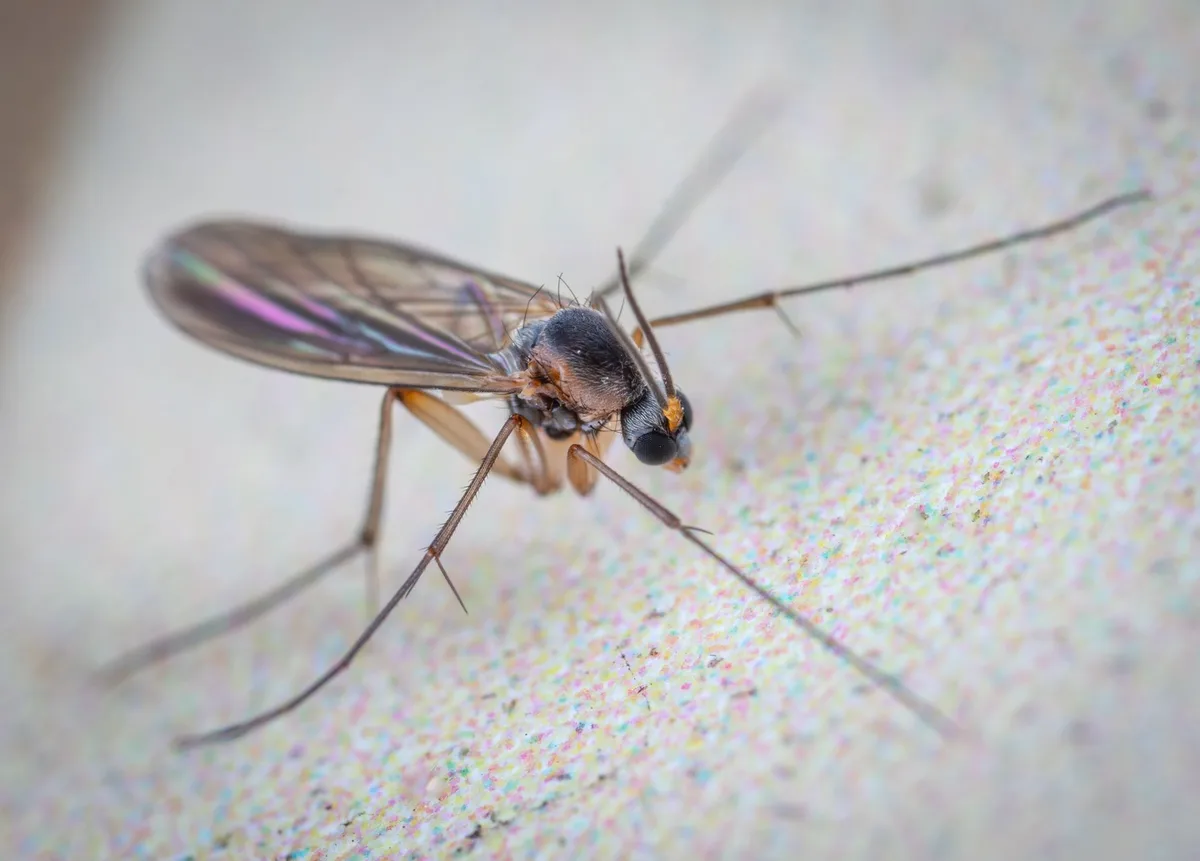
Fungus gnats are small dark flies that live in moist potting soil. Fruit flies are tan with red eyes and hang around ripe produce. Look at where they gather.
If you see them near plants, it's gnats. If they swarm over fruit or drains, it's fruit flies. Use yellow sticky traps for gnats and apple cider vinegar traps for fruit flies.
Treat the source, not just the adults.
Why Mistaking a Fungus Gnat for a Fruit Fly Keeps the Problem Going
It's a simple mistake. Both insects are tiny, both fly around your face, and both seem to appear out of nowhere. But the treatment for one does almost nothing for the other.
Apple cider vinegar traps are a classic fruit fly solution. A dish of vinegar with a drop of dish soap will attract and drown fruit flies by the dozens. If you put that same trap next to your houseplants, you might catch a few adult gnats by accident, but you won't touch the real problem.
Fungus gnats breed in the soil itself. The adults hovering around are only the visible tip of the iceberg. The larvae and eggs are deep in the damp potting mix.
Think of it this way. You can catch every adult gnat in your house, but if the soil stays wet, a new batch will emerge within days. Fruit flies, by contrast, lay their eggs directly on fermenting fruit or inside drains.
Remove the food source and the entire population collapses.
Our research across home pest control forums and university extension guides shows that misidentification is the number one reason people fight bugs for months. They try vinegar traps for gnats or dry out their kitchen for fruit flies that never came from fruit. Once you know which pest you're dealing with, the solution becomes straightforward.
And it usually takes less than a week.
If you're looking for a reliable trap that works indoors regardless of the species, we've covered the best options in our guide to the best fly traps for inside. But honestly, the trap only matters after you identify the bug.
Quick ID Check – The 30-Second Test
You don't need a magnifying glass or an entomology degree. You just need to watch them for a few seconds.
Here's a simple test. Grab a piece of ripe fruit, a banana or a tomato works great. Place it near the bugs.
If they swarm onto the fruit within a minute, you have fruit flies. If they ignore the fruit and stay near your plant pots, you have fungus gnats.
Another fast check. Tap the side of your plant pot. If a cloud of tiny bugs rises up and then settles back down on the soil, those are fungus gnats.
Fruit flies don't care about soil disturbance.
Let's break down the physical differences so you can eyeball them from a foot away.
| Feature | Fungus Gnat | Fruit Fly |
|---|---|---|
| Body shape | Slim, mosquito-like, delicate | Round, stout, almost plump |
| Color | Dark gray or black | Tan to brown, often with red eyes |
| Flight style | Slow, hovering, lazy zigzags | Fast, erratic, zippy |
| Wings | One pair, Y-shaped vein visible | Broader wings, no obvious vein pattern |
| Antennae | Long, noticeable, segmented | Short, fuzzy, hard to see |
These differences are consistent across species. Look at the red eyes especially. If you see tiny red eyes, it's almost certainly a fruit fly.
Fungus gnats have dark heads and no visible red.
The Two Biggest Clues: Where You See Them and How They Move
Location is everything. You can solve the entire mystery by answering two questions.
Question one: Where are they most active?
- If you see them hovering an inch above the soil of your houseplants, especially after you water, they are fungus gnats.
- If you see them zipping around your kitchen counter, garbage bin, or fruit bowl, they are fruit flies.
- If you see them near the bathroom sink or a slow-draining shower drain, you might actually have drain flies (a third lookalike we'll cover later).
Question two: How do they fly?
Fungus gnats fly like tiny helicopters. They drift slowly, almost lazily, and often land on leaves or soil. Fruit flies move like they're caffeinated.
Fast, jerky, unpredictable. If you try to swat one, it dodges effortlessly.
We've found that people who describe the bugs as "slow and dumb" almost always have fungus gnats. People who say "they're impossible to catch" have fruit flies. That sounds simplistic, but in our research it holds up.
If you keep indoor plants, especially in rooms that don't get much direct sun, you're more likely to deal with gnats. Plants like those we discuss in best plants for a bedroom can be gnat magnets if overwatered. Fruit flies, on the other hand, show up when you bring home produce or leave a dirty dish overnight.
Fungus Gnats Up Close – The Houseplant Pest That Loves Wet Soil
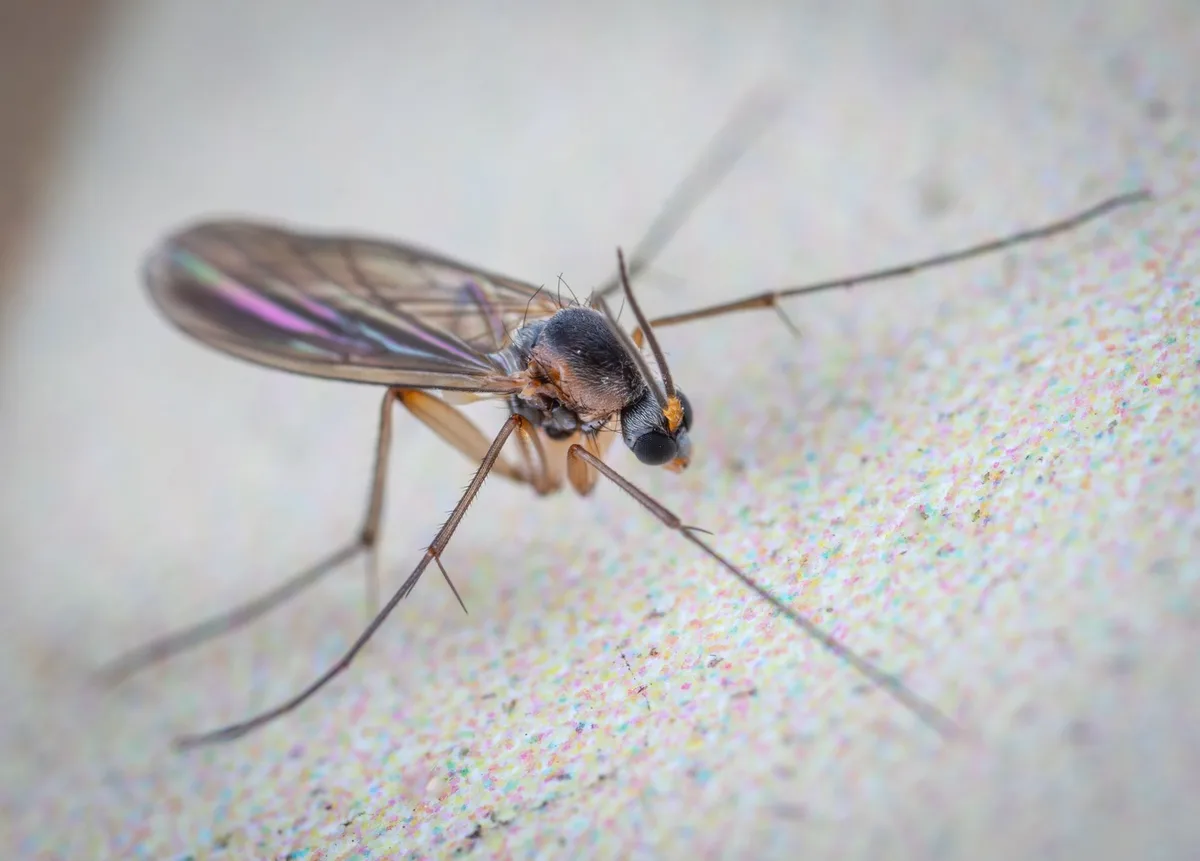
Fungus gnats (Sciaridae family) are more or less harmless to humans, but they're a sign that something is off with your plant care. The adults don't bite, and they don't spread disease. The larvae, however, feed on organic matter in the soil including tiny root hairs.
In large numbers, they can stunt plant growth, especially in seedlings or sensitive plants.
They thrive in consistently moist, organic-rich soil. Overwatering is the single biggest invitation. If you water your plants on a strict schedule regardless of soil moisture, you're creating a perfect nursery.
The female gnat lays up to 200 eggs near the soil surface. In warm indoor conditions, the eggs hatch into larvae within 4 to 6 days. The larvae feed for about two weeks, then pupate and emerge as adults.
The life cycle is about 18 to 30 days total, depending on temperature. That means if you don't break the cycle, you'll see a new wave every three to four weeks. This is why simply killing adults with a trap isn't enough.
You have to dry out the soil and treat the larvae.
Common indoor plants that are susceptible include peace lilies, pothos, and ferns. If you have bromeliads, they can be especially tricky because their central cup holds water. Using best pots for bromeliads with good drainage helps reduce moisture pockets.
The key takeaway? Fungus gnats are a soil problem, not a food problem. Fix the moisture, fix the gnats.
Fruit Flies Up Close – The Kitchen Invader That Rides Home on Produce
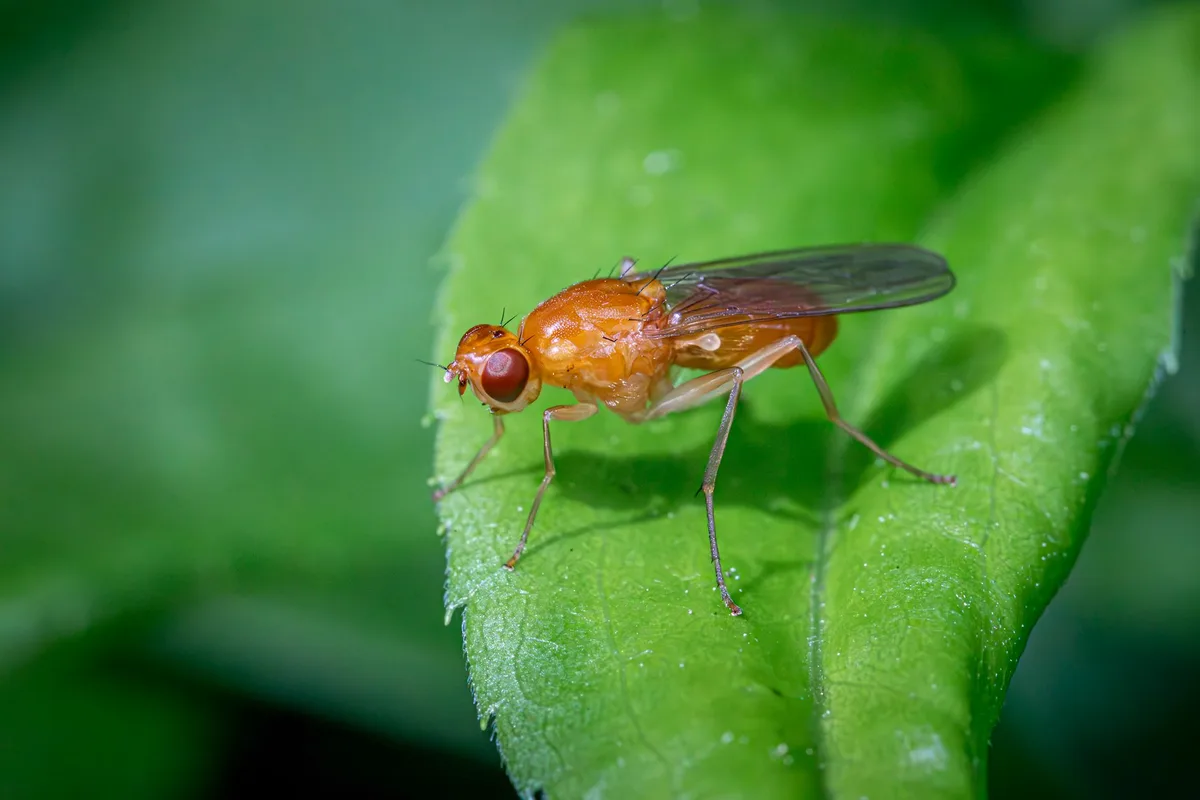
Fruit flies (Drosophila melanogaster) are the speed demons of the tiny fly world. They can complete a full generation in just over a week. A single female can lay up to 500 eggs.
That's why one overripe banana left on the counter can turn into a full-blown infestation by the weekend.
They're attracted to anything fermenting. Overripe fruit, spilled juice, open wine bottles, dirty recycling, even damp mops or sponge traps. They can also breed in garbage disposals and sink drains where food particles accumulate.
Unlike fungus gnats, fruit flies don't need soil or plants. They just need a film of sugary, fermented moisture.
When you bring home fruit from the store, you sometimes bring eggs or larvae with you. They're invisible to the naked eye on the skin of a banana or tomato. Once the fruit ripens and softens, the eggs hatch and you suddenly have flies.
That "they came out of nowhere" feeling? They were already there.
The physical clues are unmistakable once you look closely. The red eyes, the tan body, the jerky flight. If you see them hanging around your sink or trash can, trace the source.
Often it's a discarded apple core, a half-empty soda can, or that bunch of organic grapes that turned mushy overnight.
Treatment is fast. Remove all exposed fruit. Clean the drains.
Set apple cider vinegar traps. Within 24 to 48 hours, the population drops dramatically. The trick is finding and removing every breeding site.
We'll walk through the full process in a later section.
If you're also dealing with a plant pest that isn't flying, such as scale or aphids, you might need a targeted insecticide. Check our list of the best insecticide for carpenter ants for other indoor pest options, though fruit flies rarely require chemicals.
The Only Trap That Works for Each (and Why Mixing Them Up Fails)
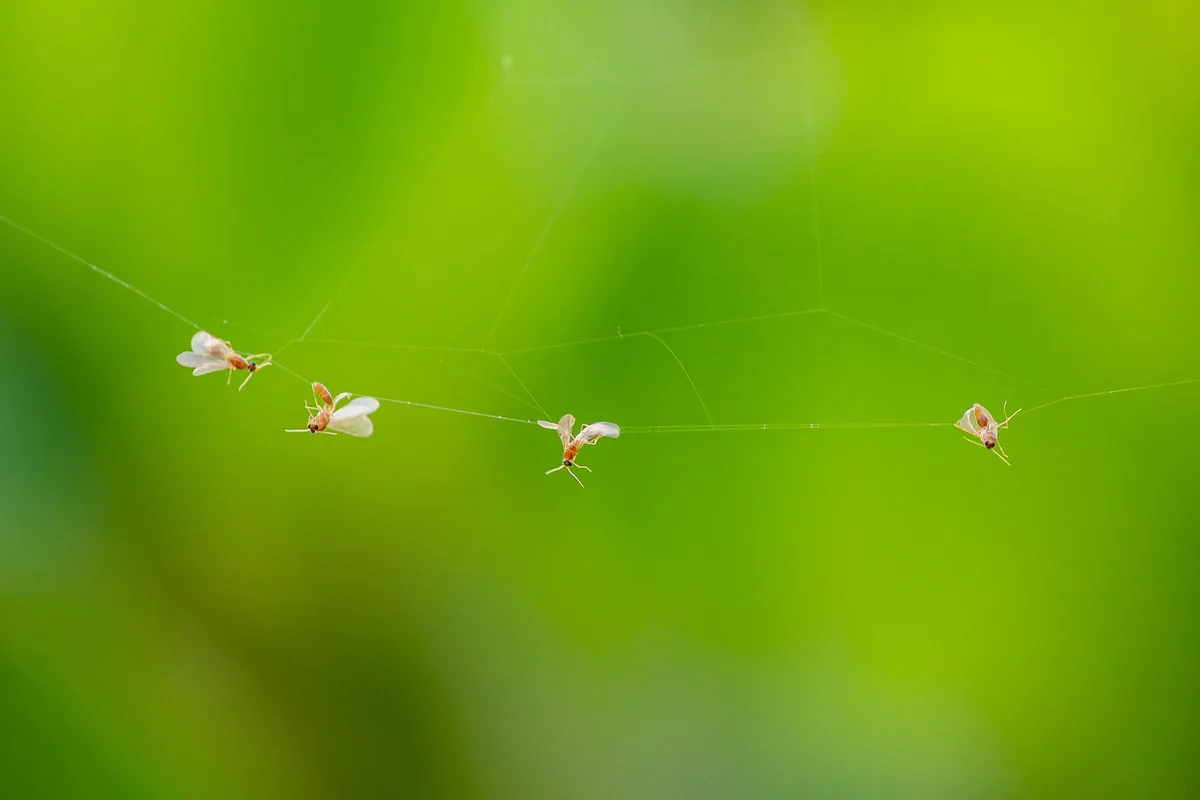
You can throw traps at the problem all day. But if you use the wrong one, you're just wasting time. Let's be direct.
For fungus gnats: yellow sticky traps are the gold standard. These are small yellow cards coated with non-drying adhesive. Gnats are strongly attracted to the color yellow.
They land on the card and get stuck. Place them horizontally near the soil surface, not hanging vertically. The adults come to rest on the soil, and the sticky card catches them before they can lay eggs.
Sticky traps catch adults only. They do not kill larvae or eggs. They're a monitoring tool and a population reducer.
You need a second step for the soil.
For fruit flies: apple cider vinegar traps work brilliantly. Fill a small bowl or jar with about half an inch of apple cider vinegar. Add two drops of liquid dish soap.
The vinegar attracts the flies. The soap breaks the surface tension so they sink and drown. Cover the container with plastic wrap and poke small holes.
Fruit flies find the vinegar from across the room.
Why doesn't swapping them work? Fungus gnats are barely attracted to vinegar. You might catch a few thirsty ones, but not enough to stop the infestation.
Fruit flies ignore yellow sticky cards because they prefer fermenting smells over visual cues. Use the right tool for the right bug.
If you're dealing with fungus gnats in your houseplants, you might also consider treating the soil with a biological control. We cover that next.
Step-by-Step: How to Get Rid of Fungus Gnats for Good
Here is the exact sequence that works based on university extension protocols and verified user reports.
Step 1: Stop Overwatering
Let the top two inches of soil dry out completely between waterings. Stick your finger into the pot. If it feels damp, wait.
Fungus gnat eggs need moisture to survive. Dry soil kills them in days.
Step 2: Place Yellow Sticky Traps
Cut the traps into small squares and push them into the soil near the base of the plant. Replace them when they fill up. This catches the adults and stops them from laying more eggs.
Step 3: Apply a Soil Drench
Mix one part 3% hydrogen peroxide with four parts water. Water the plant with this solution. It kills larvae on contact without harming the plant.
Use enough to soak the entire root ball. Repeat every 5 to 7 days for three weeks to catch any eggs that hatch later.
Step 4: Use Bti for Persistent Infestations
Bacillus thuringiensis israelensis (Bti) is a naturally occurring bacterium that kills gnat larvae. You can buy it as mosquito dunks. Break off a quarter of a dunk, dissolve it in a gallon of water, and water your plants with it.
It's safe for pets and people. It works for weeks.
Step 5: Improve Drainage and Airflow
Repot plants with a well-draining potting mix. Add perlite or sand. Place a fan nearby to move air over the soil surface.
Dry soil and good airflow make it hard for gnats to survive long term.
Common household plants that are prone to fungus gnats include peace lilies and pothos. If you have bromeliads, check the central cup for trapped water. Using best pots for bromeliads with drainage holes helps.
Step-by-Step: How to Get Rid of Fruit Flies for Good
Fruit flies are much easier to eliminate. Here's the three-step plan that works in 48 hours.
Step 1: Remove All Food Sources
Throw away overripe fruit. Wipe down counters. Take out the trash.
Rinse out empty cans and bottles. Check under the fridge and behind the toaster for forgotten produce. If there is no fermenting food, fruit flies cannot reproduce.
Step 2: Set Apple Cider Vinegar Traps
Place two or three traps in the kitchen. Use small bowls or jars with vinegar and soap. Cover with plastic wrap and poke small holes.
Replace the trap liquid every few days.
Step 3: Clean the Drains
Fruit flies often breed in sink drains. Pour boiling water down the drain. Follow with a mixture of baking soda and vinegar.
Let it fizz for 15 minutes, then flush with hot water. This removes the organic film where they lay eggs.
Repeat the traps and drain cleaning for about a week. Once the adults die and the breeding sites are gone, the infestation ends. No need for chemicals.
If the problem persists despite cleaning, you might have a hidden source like a potato bin or a compost container. Check every spot where organic matter can rot.
What About Drain Flies? – The Third Lookalike That Throws People Off
Not every tiny fly in your home is a gnat or a fruit fly. Drain flies (Psychodidae) are a common third pest, especially in bathrooms and basements.
Drain flies look fuzzy and moth-like. They have broad, hairy wings held in a V shape when resting. They don't fly erratically like fruit flies.
They hop and flutter weakly near sinks, tubs, or floor drains.
They breed in the slimy biofilm inside drain pipes. If you see tiny flies around a bathroom sink or shower drain, it's almost certainly drain flies. Fungus gnats avoid drains.
Fruit flies might hang near drains but only if food scraps are present.
The treatment is different. Pour boiling water down the drain weekly. Use a drain brush to scrape the biofilm.
You can also use a biological drain cleaner that eats the slime. Sticky traps won't work well because drain flies don't fly far.
Identifying the right pest is critical. If you treat a drain fly infestation with soil drenches, you waste time and money. If you treat fungus gnats with boiling water, you ruin your plants.
Use the location and appearance clues from earlier to make the call.
Common Mistakes That Wreck Your Treatment
People make the same errors over and over. Here are the five most common, based on our research across pest control forums and extension guides.
Mistake 1: Only killing adults.
You can vacuum up every flying gnat. But the eggs and larvae in the soil hatch within days. You must treat the soil.
Same for fruit flies: if you only set traps but don't remove the rotting fruit, new flies appear constantly.
Mistake 2: Overwatering while trying to kill gnats.
Some people water more when they see gnats, thinking they're washing them away. It makes the problem worse. Dry soil is your best weapon.
Mistake 3: Using chemical sprays near food or plants.
Harsh insecticides can harm your plants or contaminate your kitchen. Stick to physical traps, biological controls, and sanitation. They work just as well without the risk.
Mistake 4: Forgetting the source.
Fruit flies can breed in a single overripe banana hidden in a lunch bag. Fungus gnats can breed in a forgotten pot of wet soil in a dark corner. Trace every fly back to its breeding site.
Don't just treat symptoms.
Mistake 5: Giving up too soon.
Fungus gnats take three to four weeks to fully eliminate because of their life cycle. People stop after a week and wonder why the flies return. Stick with the treatment for at least a month.
Fruit flies can bounce back from one missed piece of fruit.
If you're dealing with a severe infestation in multiple plants, consider separating them and checking each one individually. Some plants might be more susceptible. For example, if you're growing seedlings under lights, the moist soil in starter pots is a prime target.
Using best grow light for seedlings won't affect gnats, but keeping the soil surface dry helps.
When to Call a Pro (and When You Definitely Don't Need To)
You can handle both pests on your own in almost every case. Fungus gnats respond to soil drying and Bti. Fruit flies vanish with sanitation and vinegar traps.
Call a professional only if the infestation persists for more than a month despite following every step. Another reason: if you suspect a hidden breeding site inside a wall void or under a large appliance. Professionals use foggers and inspection tools you don't have at home.
For standard houseplant or kitchen issues, you don't need one.
Prevention That Actually Stops the Next Infestation
Prevention is easier than treatment. For fungus gnats, let the top two inches of soil dry before watering. Use a well-draining potting mix and avoid leaving standing water in saucers.
For fruit flies, store ripe fruit in the refrigerator. Empty compost bins weekly. Clean kitchen drains with boiling water once a month.
Inspect new plants for gnats before bringing them indoors. Quarantine them for two weeks. If you use best organic fertilizer for fruit trees outdoors, store it in sealed containers.
Open bags attract flies.
FAQ – Quick Answers to the Questions People Actually Ask
Can fungus gnats live in drains?
No. Fungus gnats need soil to breed. If you see tiny flies around a drain, they're either fruit flies or drain flies.
Do fruit flies bite humans?
No. Fruit flies do not bite or sting. They are a nuisance but harmless to people and pets.
How long does it take to get rid of fungus gnats?
About three to four weeks. That covers the full life cycle. Stick with treatment for at least a month.
Can I use apple cider vinegar for fungus gnats?
It rarely works. Fungus gnats prefer decaying plant matter, not fermented fruit. Use yellow sticky traps and soil drenches instead.
Why do fruit flies keep coming back?
You missed a breeding site. Check for rotting produce, dirty drains, or a spilled juice film under the fridge.
Your Decision Guide – Pick Your Situation, Get Your Answer
| Your situation | Likely pest | First action | Second action |
|---|---|---|---|
| Flies near houseplants, soil stays wet | Fungus gnat | Dry top 2 inches of soil | Set yellow sticky traps |
| Flies around fruit bowl or trash can | Fruit fly | Remove all exposed fruit | Set vinegar soap traps |
| Flies near bathroom drain | Drain fly | Clean drain with boiling water | Use drain brush weekly |
| Flies in kitchen but no fruit out | Fruit fly | Check drains and recycling | Vinegar trap near sink |
If you're still unsure after checking these scenarios, look at the flight pattern. Slow and hovering means gnat. Fast and erratic means fruit fly.
Fuzzy and moth like means drain fly. Pick the right treatment and you'll clear them out fast.