Guide to Fruit Fly Life Cycle 2026: Beginner-Friendly Guide
You open your kitchen drawer and spot a tiny fly circling a banana. Within days, there are a dozen. Within a week, they're everywhere.
That's the fruit fly life cycle in action, and once you understand it, you'll see why your current approach probably isn't working.
The entire process from egg to adult takes just 8 to 10 days at room temperature (around 25°C or 77°F). A single female can lay up to 500 eggs in her lifetime. As of 2026, this rapid reproduction cycle remains the primary reason infestations spiral out of control so fast.
Let's walk through exactly what's happening in your kitchen.
Quick Answer
A fruit fly life cycle has four stages. Eggs hatch into larvae in 24 to 30 hours. Larvae feed for five to six days.
Pupae form for four to five days. Adults emerge in roughly eight days total. Warm temperatures speed everything up.
Cool temperatures slow it down.
Why Visual ID Matters
If you've ever confused a fruit fly with a fungus gnat, you're not alone. They're both small, both fly around your plants and food, and both seem to appear out of nowhere. But their life cycles are completely different.
Here's the problem. Fungus gnats breed in moist soil and their larvae feed on plant roots. Fruit flies breed in fermenting fruit and vegetable matter.
If you treat for the wrong pest, you miss the actual breeding site and the infestation keeps going.
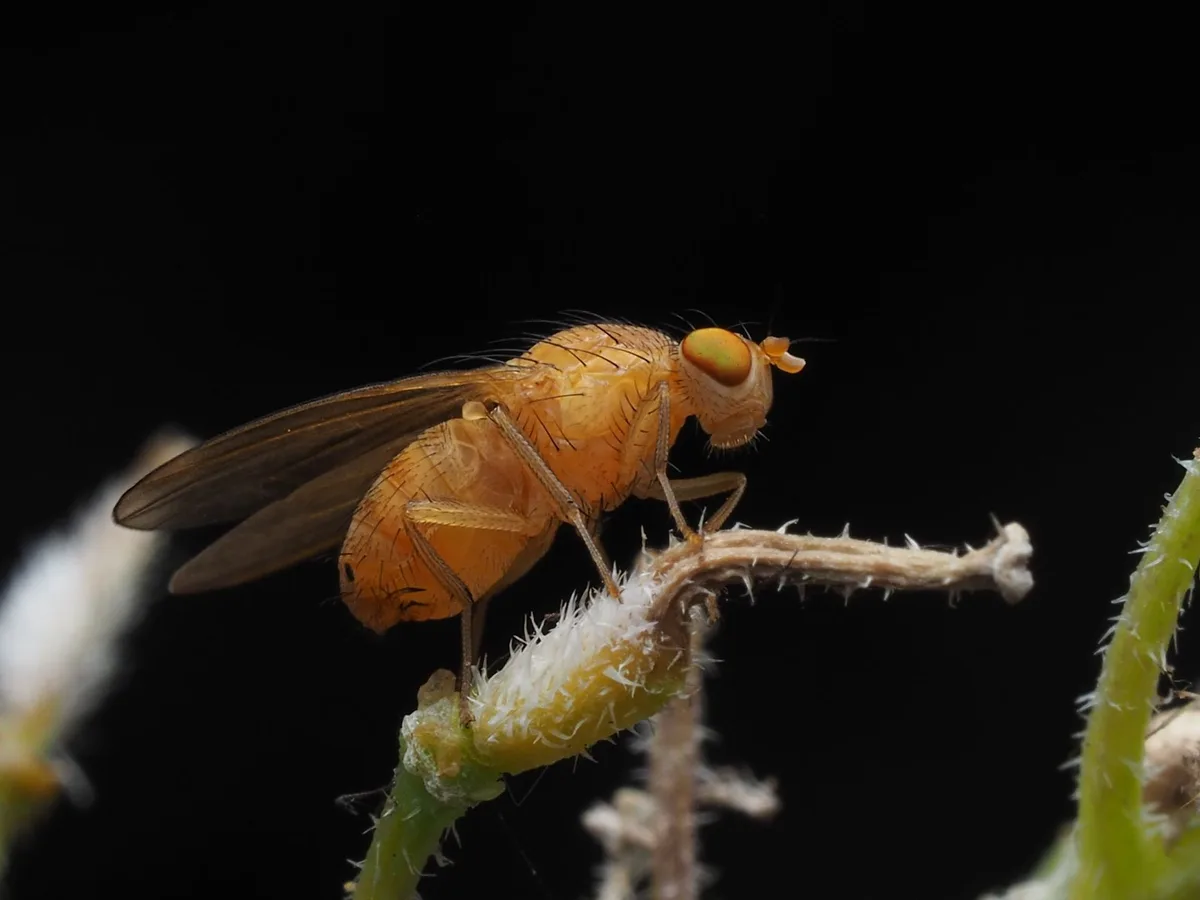
University extension services like those at Cornell and UC IPM have documented this confusion for decades. The visual difference matters because it dictates where you look for the source. A fruit fly is about 2 to 4 millimeters long with bright red eyes and a tan body.
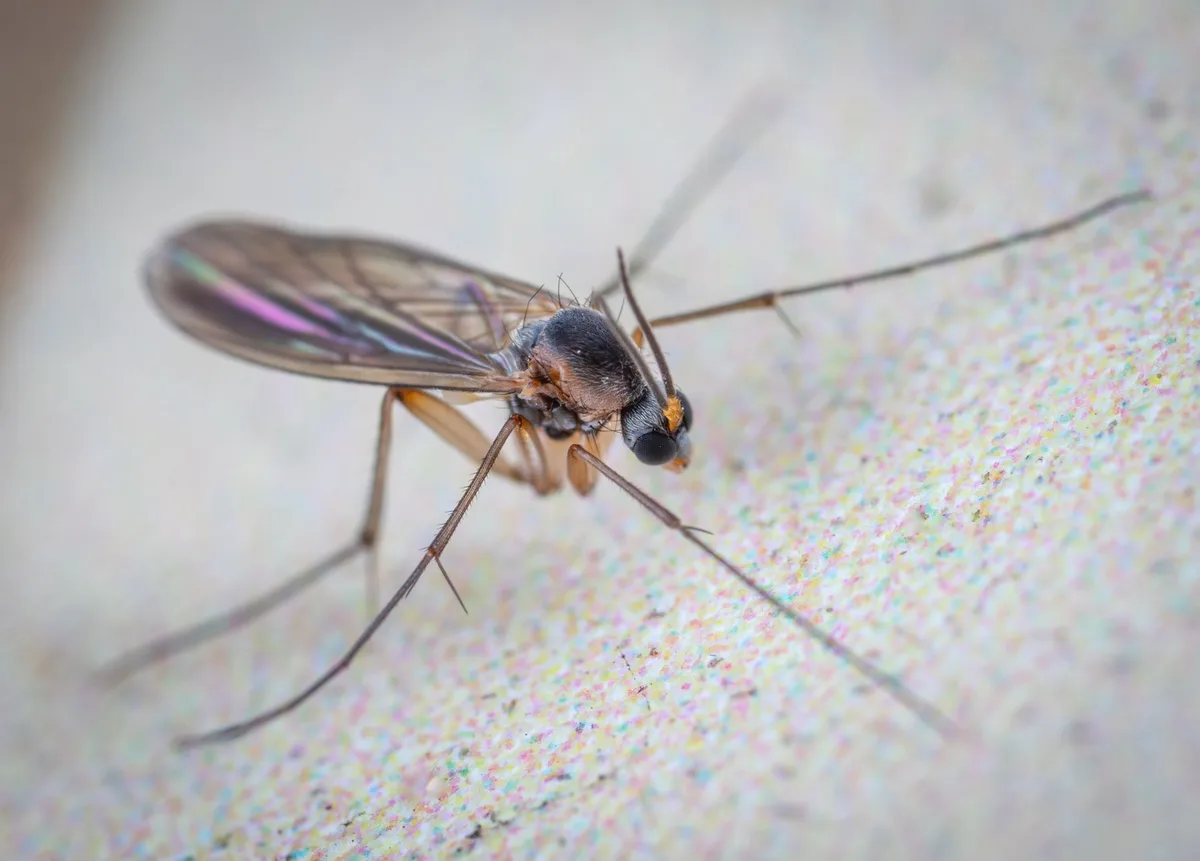
A fungus gnat is slightly smaller, darker, with a more mosquito-like body shape and long legs.
Drain flies are another common mix-up. They're fuzzier, look like tiny moths, and breed in the slime inside sink drains. That requires a completely different control strategy.
This is why relying on just any "fly trap" without knowing your pest is a waste of time and money.
The 4 Stages — What Each One Actually Looks Like
Let's break down each stage of the fruit fly life cycle so you know exactly what to look for.
Stage 1: The Egg
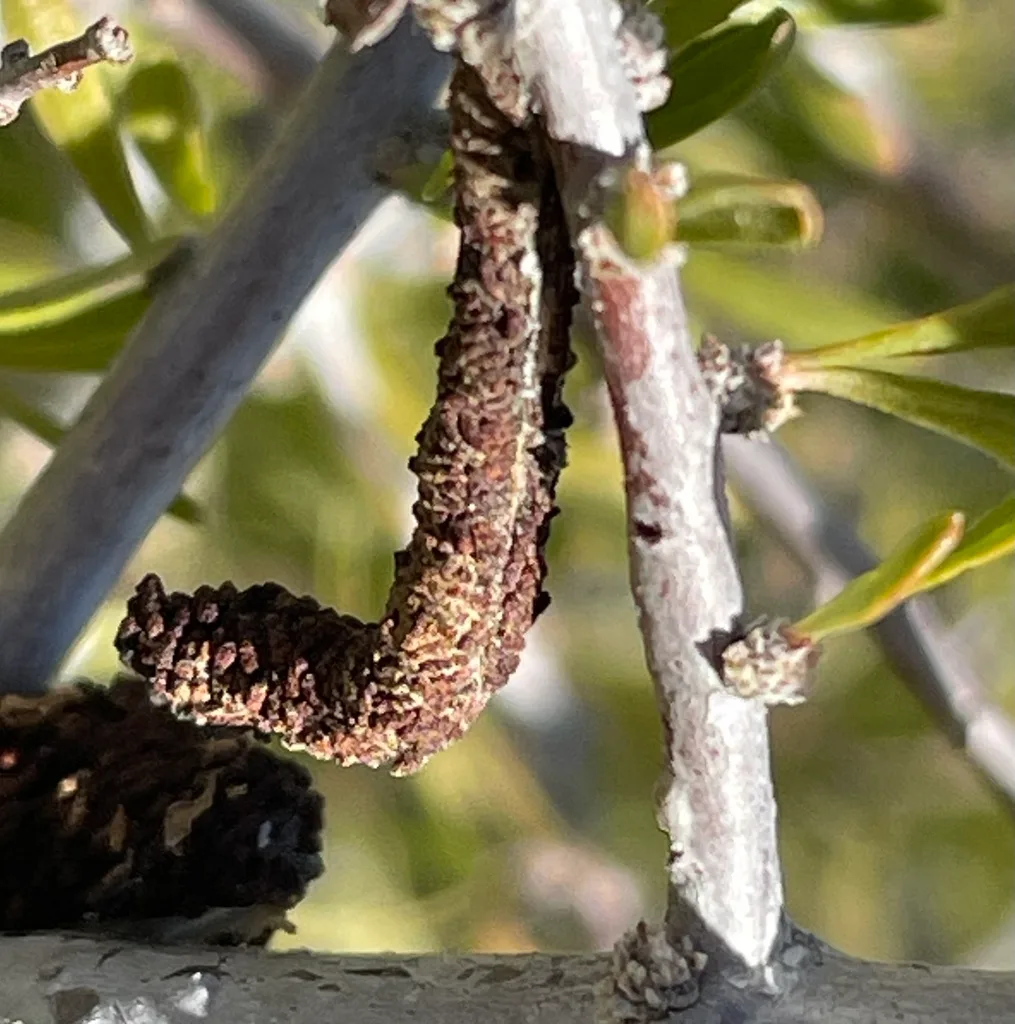
The eggs are tiny. We're talking about 0.5 millimeters. That's smaller than a grain of salt.
They're white, oval, and laid just beneath the surface of fermenting fruit.
A female fruit fly uses her ovipositor to pierce the skin of overripe produce. She deposits her eggs into the soft flesh where they're protected from drying out and predators. A single laying event can produce dozens of eggs.
You won't see these with the naked eye. If you suspect an active breeding site, look for the next stage instead.
Stage 2: The Larva
Within 24 to 30 hours, the eggs hatch into larvae. This is the feeding stage. The larvae are cream-colored, legless, and about 3 to 5 millimeters long when fully grown.
They tunnel through the fermenting fruit, consuming yeast and bacteria. This is where the real damage happens. The fruit breaks down faster, and the larvae create tiny tunnels that accelerate spoilage.
You can often spot them at this stage. Look for small, wriggling white maggots in overripe fruit or in the bottom of a trash can where fruit scraps have been sitting.
Stage 3: The Pupa
After five to six days of feeding, the larva stops eating and crawls to a dry, protected surface. This could be the sides of your trash can, the rim of a compost bin, or even the upper edge of a fruit bowl.
The larva then forms a hard, brown, barrel-shaped casing called a pupa. Inside, metamorphosis happens. The larval body breaks down and reorganizes into an adult fly.
This stage lasts four to five days. During this time, the pupa is often mistaken for dirt or debris. People sweep or wipe it away without realizing it's the next generation of flies.
Stage 4: The Adult
The adult fly pushes its way out of the pupal case. Its wings expand and harden within a few hours. Within 24 hours, females are ready to mate and start the cycle all over again.
Adult fruit flies live for about 25 to 30 days. They're most active in warm, humid conditions. They're attracted to the smell of fermenting fruit, vinegar, and alcohol.
And here's the kicker. A female can start laying eggs within two days of emerging. That's why a single overlooked banana peel can turn into a full-blown infestation in less than two weeks.
How to Tell a Fruit Fly From a Fungus Gnat or Drain Fly (Visual Comparison)
Let's get this right so you don't waste time treating the wrong pest.
Fruit Fly
Red eyes, tan body, 2 to 4 millimeters. Hovers near fruit, drains, and trash. Attracted to vinegar and fermenting smells.
Fungus Gnat
Dark gray or black body, mosquito-like, long legs. Flies near houseplants and damp soil. Attracted to moisture and organic matter in potting mix.
Drain Fly
Fuzzy, moth-like appearance, light gray or brown. Usually found near sink drains, showers, or floor drains. Breeds in the biofilm inside pipes.
If you're not sure, try the vinegar trap test. Place a small bowl of apple cider vinegar with a drop of dish soap near the suspected source. Fruit flies will be drawn to it within hours.
Fungus gnats and drain flies won't.
Where Fruit Flies Actually Breed (The Visual Hunt)
The fastest way to break the fruit fly life cycle is to find and eliminate the breeding site. Here's where to look.
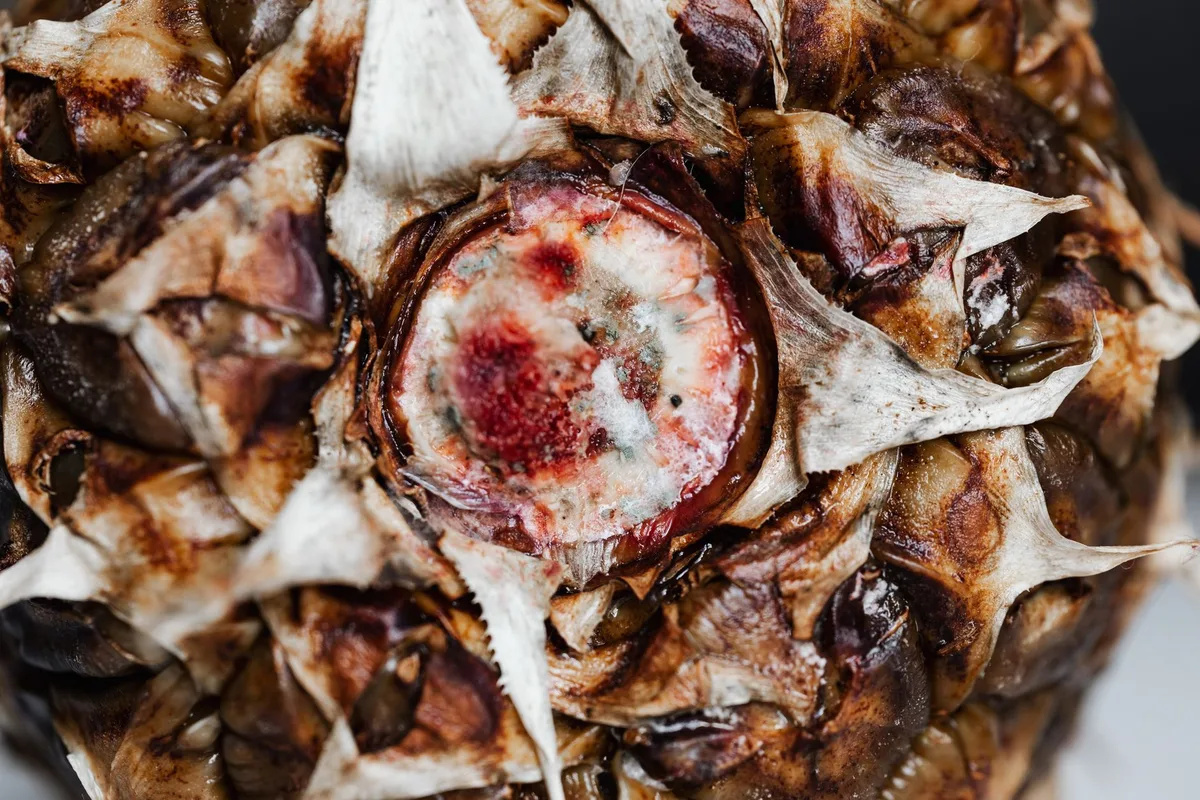
Obvious Places
- Overripe bananas, peaches, tomatoes, and melons on the counter
- The trash can, especially if it has fruit scraps that have been sitting for days
- The compost bin, particularly if it's not sealed properly
Sneaky Places
- The recycle bin. Those empty beer cans, wine bottles, and soda cans with residual sugar are perfect breeding grounds.
- Under the refrigerator. A dropped grape or slice of apple can rot unnoticed and support an entire generation of fruit flies.
- The sink drain. Slime buildup in the pipe can harbor eggs and larvae. This is especially common in kitchen sinks that don't get used frequently.
- Mop buckets and cleaning rags that have been used with sugary spills.
- Indoor houseplant soil that contains overripe fruit or vegetable matter from kitchen scraps used as compost.
The Visual Hunt Method
Start with the most likely spot. Check every piece of produce on your counter. Throw out anything that's overripe or shows signs of soft spots.
Next, empty and clean your trash can. Even if you take out the bag regularly, the can itself can harbor residue.
Then, check the recycle bin. Rinse cans and bottles thoroughly before placing them in the bin.
Finally, pour boiling water down each sink drain. This kills any eggs, larvae, or pupae that might be hiding in the pipe.
If you don't find anything after these steps, repeat the process in 24 hours. Sometimes the first round misses a small breeding site that becomes more obvious later.