How to Get Rid of Mealybugs Naturally in 2026 (Simple Steps)
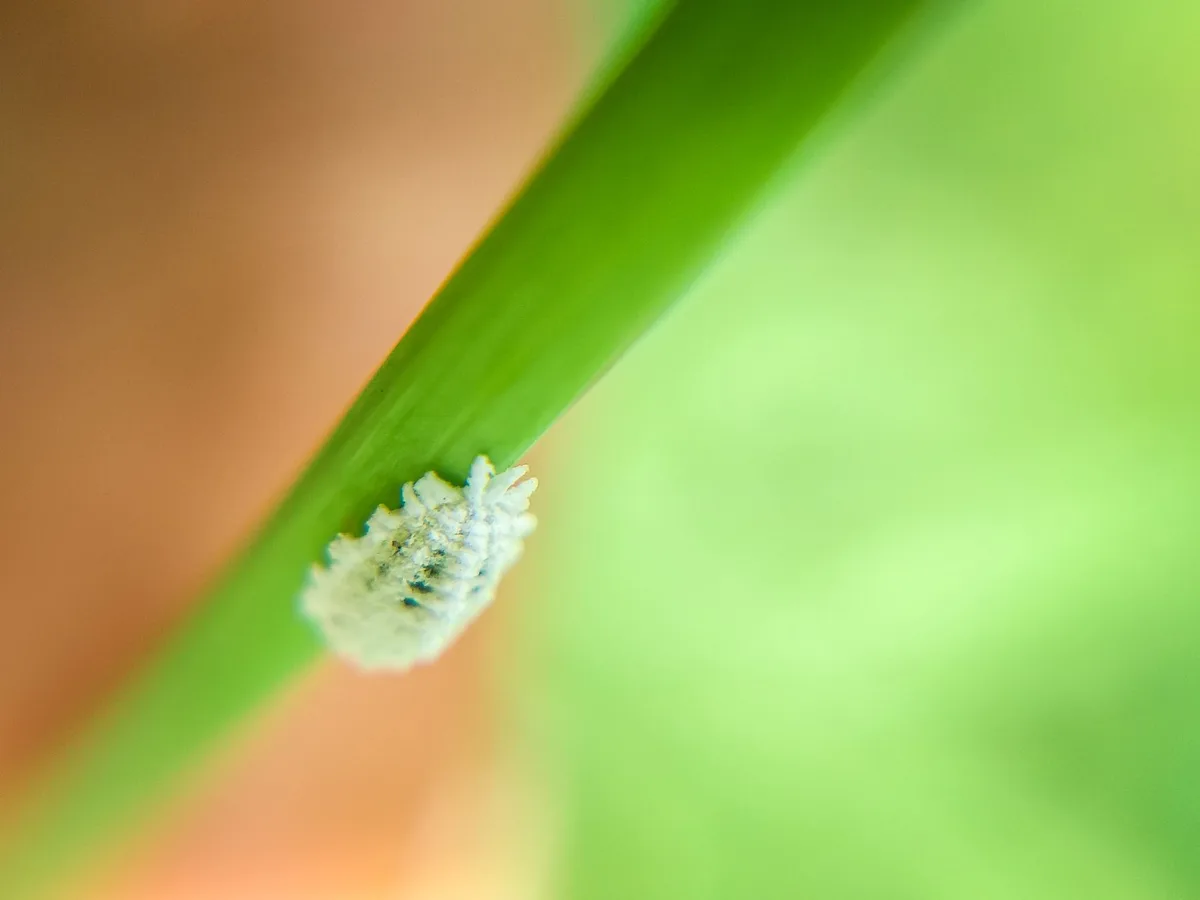
You spot a white fuzzy patch on your favorite monstera. Your stomach drops. You know exactly what it is.
Learning how to get rid of mealybugs naturally is the difference between saving that plant and watching it slowly yellow and wilt. These tiny, cottony pests hide in leaf joints and under stems, siphoning sap and leaving sticky honeydew behind.
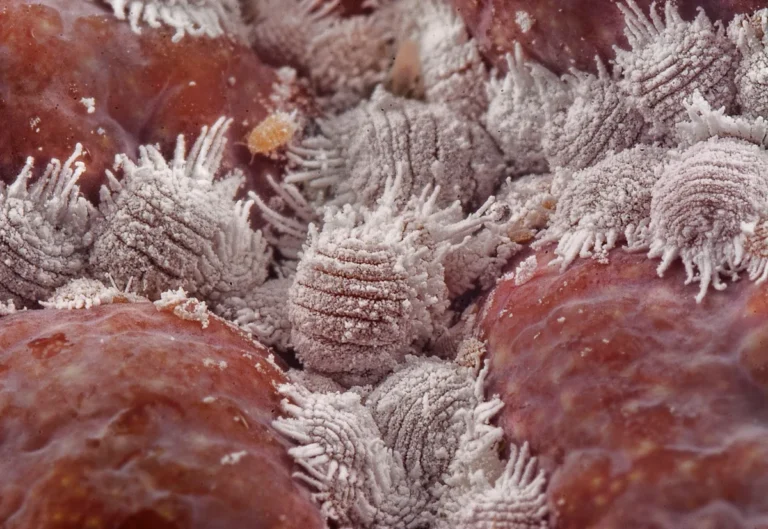
The problem is bigger than one bug. Per University of California IPM research, a single female can lay up to 600 eggs inside one protective ovisac. That’s why a quick spray never works, you miss the eggs.
The real trick is understanding the mealybug’s lifecycle and matching your treatment to your exact situation. Let’s walk through it step by step.
The Real Problem With Mealybugs (And Why Natural Methods Work)
Mealybugs look harmless. They’re slow, fluffy, and almost cute. Don’t fall for it.
They pierce plant tissue and feed on phloem sap, weakening growth and spreading viruses. Worse, they excrete honeydew, a sugary goo that attracts ants and fosters black sooty mold.
Chemical pesticides kill them quickly, but they also kill beneficial insects and can linger in your home. Natural methods avoid that. Alcohol, neem oil, and beneficial predators work with the plant’s biology, not against it.
They’re also cheaper and safer around kids and pets.
But natural only works if you pick the right tool for the infestation size and plant type. A dab of alcohol on a succulent is very different from spraying a fern with neem oil. That’s where most people go wrong.
We’ll clear that up.
Quick Answer: What to Do Right Now
Isolate the plant. Move it away from others immediately.
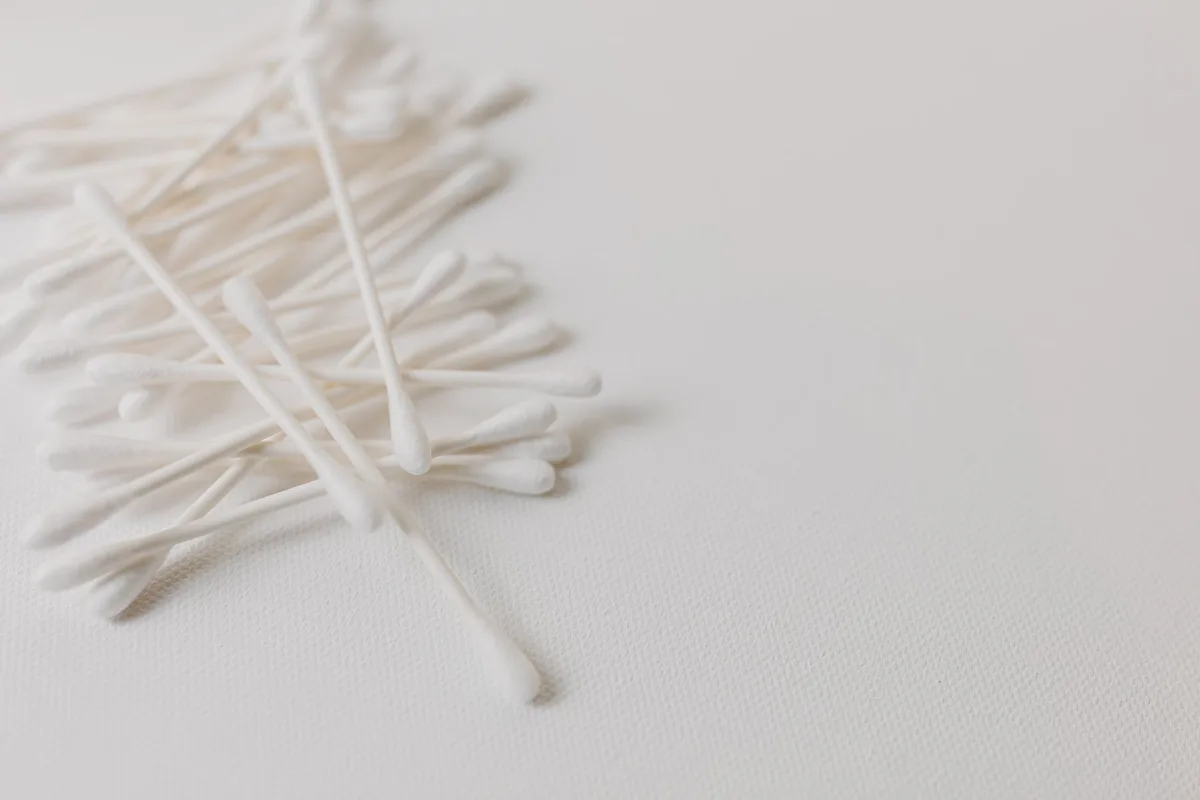
Check every leaf joint, stem crevice, and the soil surface. Wipe visible bugs with a cotton swab dipped in 70% isopropyl alcohol.
For light infestations, that’s often enough. For moderate outbreaks, follow up with a neem oil or insecticidal soap spray once a week for four weeks. For heavy infestations on tough plants, release mealybug destroyer beetles.
Repeat treatment until you see no new white fluff for at least two weeks.
Signs and Severity: How Bad Is Your Infestation?
You can’t choose a treatment until you know how bad it is. Here’s a simple severity scale based on what you’ll see:
| Severity | What you’ll spot | Recommended action |
|---|---|---|
| Light | 1–5 scattered bugs, no eggs visible | Spot-dab with alcohol; monitor weekly |
| Moderate | Clusters of adults and cottony egg sacs | Alcohol dab + neem spray weekly for 4 weeks |
| Heavy | Bugs on multiple stems, leaves yellowing, ants present | Quarantine, spray thoroughly every 5 days, consider predators |
Look under leaves, in leaf axils, at stem joints, and around the pot rim. Mealybugs love tight spaces. If you see ants crawling up or down the stem, you have a honeydew problem too, ants will protect the bugs from predators.
We’ll deal with that later.
Why Location and Plant Type Matter
Indoor plants and outdoor plants behave differently. So do different kinds of plants.
Tough plants (succulents, cacti, jade plants, snake plants) can tolerate direct alcohol application. Their waxy leaves resist damage. You can dab or spray alcohol without worry.
Delicate plants (ferns, calatheas, orchids, African violets) burn easily. Alcohol and neem oil can cause leaf spotting or drop. Use lower concentrations or stick to spot treatment on only the bugs themselves.
Hairy or fuzzy plants (African violets, some begonias) trap moisture. Sprays can rot leaves. For these, use a soft brush dipped in alcohol or a Q-tip.
Humidity and airflow also matter. In a humid greenhouse, neem oil can sit too long and cause mold. In a dry living room, alcohol evaporates fast enough to avoid damage.
Always test on one leaf first, especially if you’re unsure.
Aggregate reviews from experienced indoor gardeners confirm that the biggest mistake is using a spray meant for succulents on a fern. Know your plant’s tolerance before you treat.
Three Main Paths: Alcohol, Sprays, or Predators

Once you know your severity and plant type, you choose one of three paths. Each has a specific best use case.
Path 1: Isopropyl Alcohol (spot treatment)
Best for light infestations on any plant, especially delicate ones. 70% alcohol kills mealybugs on contact by dissolving their waxy coating. It evaporates in seconds, leaving no residue. You apply it with a cotton swab or soft brush directly to each bug.
It’s precise, fast, and safe on most plants if you avoid soaking the leaf.
Path 2: Neem Oil or Insecticidal Soap (spray)
Best for moderate infestations where bugs are scattered across multiple leaves. Neem oil contains azadirachtin, which disrupts feeding and molting. Insecticidal soap works by breaking down the bug’s outer membrane.
Both need to contact the insect directly. Reapply every 7 days for four treatments to catch newly hatched nymphs. Spray in the evening to avoid leaf burn from sunlight.
Path 3: Beneficial Predators (biological control)
Best for heavy infestations on large plants or in greenhouses where hand-cleaning is impractical. The mealybug destroyer (Cryptolaemus montrouzieri) is a ladybug look-alike whose larvae eat mealybugs at all stages. Green lacewing larvae also work.
Release them after you’ve manually removed the worst of the adults, they will target leftovers and eggs. Predators are self-sustaining while food is available, then they move on.
Which path for you? If you see fewer than ten bugs, go alcohol. If they’re spread across multiple stems, spray. If you’re finding masses every time you look, go predators.
There’s a fourth path, diatomaceous earth, but it only works on dry soil surfaces for crawlers that fall off the plant. It’s a support tool, not a primary treatment. We’ll cover it later in the workflow.
Now that you know the three main options, it’s time to gather your tools and work through the exact steps for your situation.